
Slate port on the Strait
Y Felinheli
A Welsh-speaking waterfront village where a former slate dock, sailing and traffic-free walking meet the Menai Strait.
- Best for
- Watersports, traffic-free walking and slate-port history
- Give it
- A waterfront visit or four miles on Lôn Las Menai
- Don't miss
- The listed dock system behind today's marina
The Fox verdict
A slate-port village still shaped by water
Come for the Menai Strait setting, then choose between the old dock, a traffic-free route and time on the water.
Y Felinheli's marina occupies the former slate dock, while Lôn Las Menai follows a dismantled railway to Caernarfon. Garddfon Inn and Plas Menai keep a visit focused firmly on the Strait.
Where to go
Places in Y Felinheli
Every place below is checked against a published source, listed with what it is and how long to give it.
Local signatures
3 placesGarddfon Inn
A traditional Welsh community pub and waterside inn with a traditional bar, brighter bistro, fresh lobster, daily specials and afternoon tea.
- Visit length
- Editorial estimate: Allow around 90 minutes
- Locality
- 1 Beach Road
- Access
- Dogs are welcome in the bar and lounge areas, but not in the bedrooms.
Port Dinorwic Dock System
The Grade II-listed dock complex once exported Dinorwic slate and built ships; its basin now holds leisure yachts.
- Visit length
- Editorial estimate: Allow around 45 minutes
- Locality
- the sheltered former slate dock
Plas Menai
The National Outdoor Centre for Wales is a hub for sailing, kayaking, paddleboarding and other watersports.
- Visit length
- Editorial estimate: Allow around 150 minutes
- Locality
- near Griffiths’ Crossing, south-west of Y Felinheli
Walks & outdoors
1 placeLôn Las Menai
A largely flat, traffic-free route through broadleaf woodland, with views across the Menai Strait to Anglesey and inland towards Eryri.
- Visit length
- Editorial estimate: Allow around 120 minutes
- Locality
- Y Felinheli to Caernarfon
- Access
- Accessible toilets are on Beach Road at the Felinheli end.
History & heritage
1 placeCaernarfon Castle
Explore the medieval fortress at Caernarfon, a UNESCO World Heritage Site that can be reached on a longer outing from Y Felinheli.
- Visit length
- Editorial estimate: Allow around 120 minutes
- Locality
- Caernarfon town
No places match this filter. Choose All places to reset the list.
Three ways to explore Y Felinheli
Signature outings
Dock to Marina
Read the marina as a former slate dock where schooners and steamers once crowded the basin and the dry dock built ships.
Lôn Las Menai
Take the largely flat, traffic-free route through broadleaf woodland from Y Felinheli towards Caernarfon.
Caernarfon Castle
Explore the castle in Caernarfon, about 4.4 miles from Y Felinheli in a straight line.
The village story
Y Felinheli Village Guide
An old slate port on the Menai Strait, now shaped by its marina, watersports and traffic-free routes.
The Inn and the Slate Dock
The Garddfon Inn stands at 1 Beach Road, directly on the bank of the Menai Strait, and has been serving drinks to people looking at the water for over two hundred years. It is a Robinsons house, with a traditional bar on one side and a brighter bistro on the other, and it does fresh lobster as a signature dish alongside the daily specials boards. Afternoon tea is served. Dogs are welcome in the bar and lounge, though not in the five bedrooms upstairs, most of which look out over the Strait. There is a beer garden, a quiz every Tuesday at nine, and live music through the summer. It comes second of eight restaurants in the village on TripAdvisor, which tells you both that people rate it and that a village of 2,300 supports eight restaurants.
The village drops down to a marina, which was until fairly recently a working slate dock. The masts you see now stand where slate schooners and steamers once crowded a basin, and the dry dock beside them built ships, including the 825-ton Ordovic, launched in 1877. The whole complex is Grade II listed. A few restaurants and cafés cluster outside the marina gate, with shops along the top road toward the harbour.
From Rural Shore to Caernarfon
Away from the waterfront it still feels rural, with fields running down to the shore and the peaks of Eryri rising inland behind the village.
The best walk here is Lôn Las Menai, a flat, traffic-free four miles along a dismantled railway through broadleaf woodland to Caernarfon, with the Strait on one side and Anglesey across the water. There are accessible toilets on Beach Road at the Felinheli end. At Caernarfon the route joins Lôn Eifion, so you can keep going inland toward Snowdonia without touching a road. The Wales Coast Path runs through the village along the shore, and a longer outing can reach Caernarfon Castle before returning to Y Felinheli.
Water Sports and a Slate Port
Water is the point of the place. The estate agents Dafydd Hardy put it plainly: "The focus in Y Felinheli is very much on water sports." Plas Menai, the National Outdoor Centre for Wales, is about 1.8 miles south-west of the village in a straight line and runs sailing, kayaking and paddleboarding.
The name means "the salt-water mill" — y melin heli — and the mill it refers to was rebuilt closer to the sea in 1633. The port itself is a nineteenth-century creation: the Assheton-Smiths of the Faenol Estate built a quay here in 1793 to ship out Dinorwic slate, and for its first sixteen years the slate was rowed out to ships anchored in the Strait until the quays opened in 1809. On maps it was once Port Dinorwic; now only the Welsh name appears.
The Vanished Railway
The first Port Dinorwic railway station at Y Felinheli operated from 1852 to 1874; after the line was doubled in 1872, it was replaced by a new station 200 yards to the south.
A Welsh-speaking Village
This is a Welsh-speaking village — 68 per cent of residents speak it — and the primary school teaches through Welsh to 171 pupils. The annual carnival, Gŵyl Y Felinheli, still fills the streets.
Stay around Snowdonia
Make a longer stay of it
Travel Fox holiday homes around Snowdonia, linked directly to their property pages.
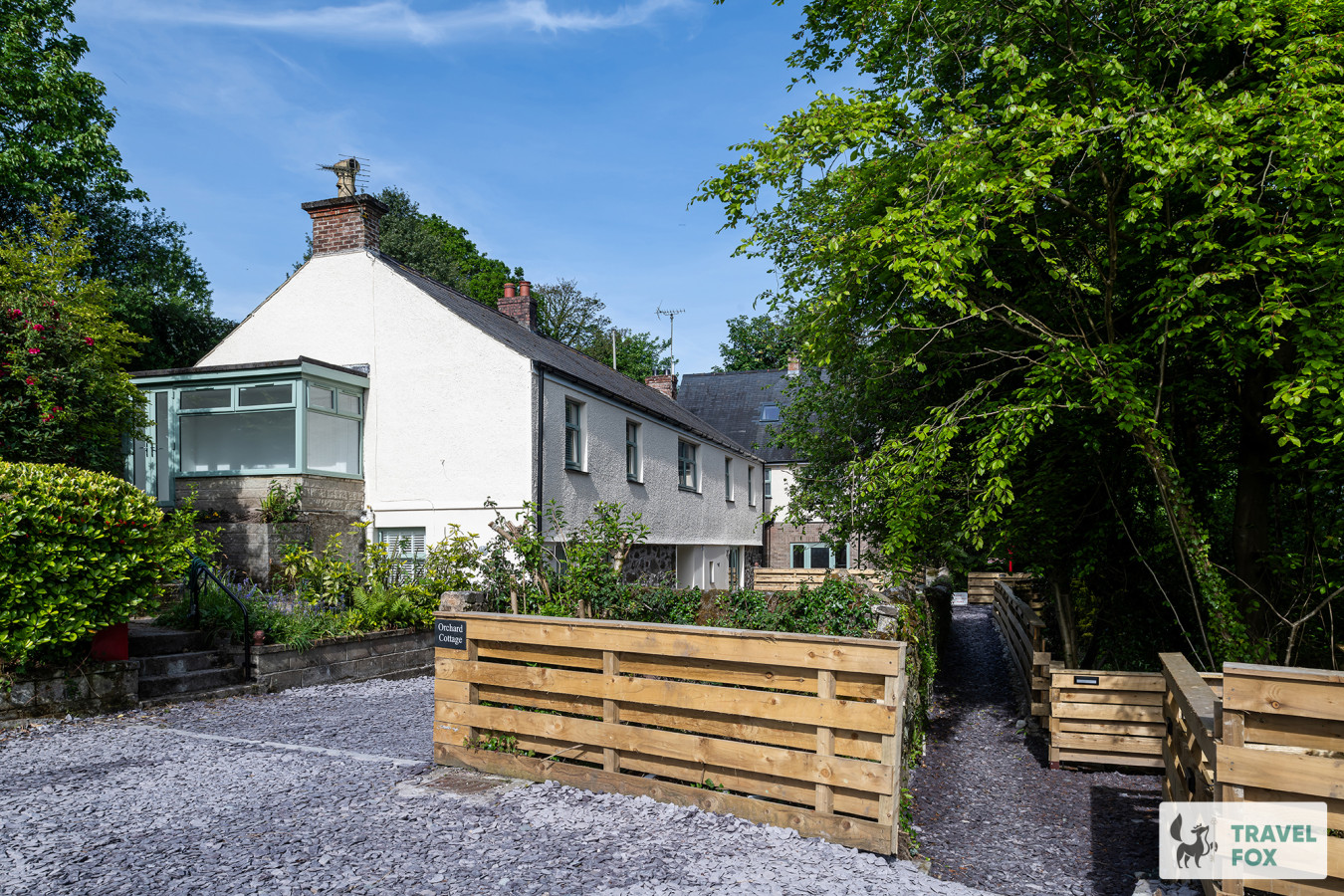
Caernarfon
Orchard Cottage and Hot Tubs
- Sleeps 25
- 8 bedrooms
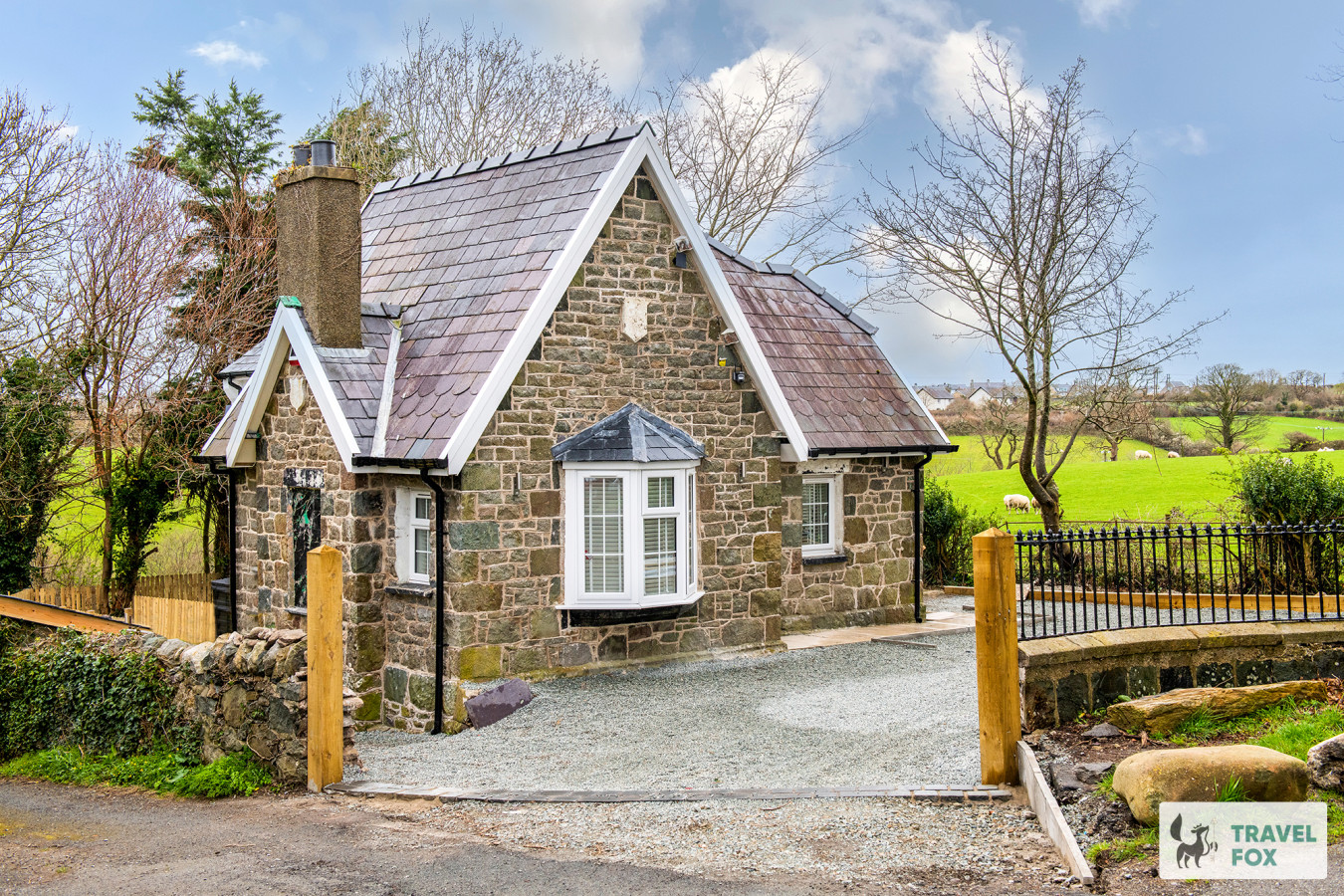
Caernarfon
Katie's Cottage & Hot Tub - Snowdon 20mins drive
- Sleeps 9
- 3 bedrooms
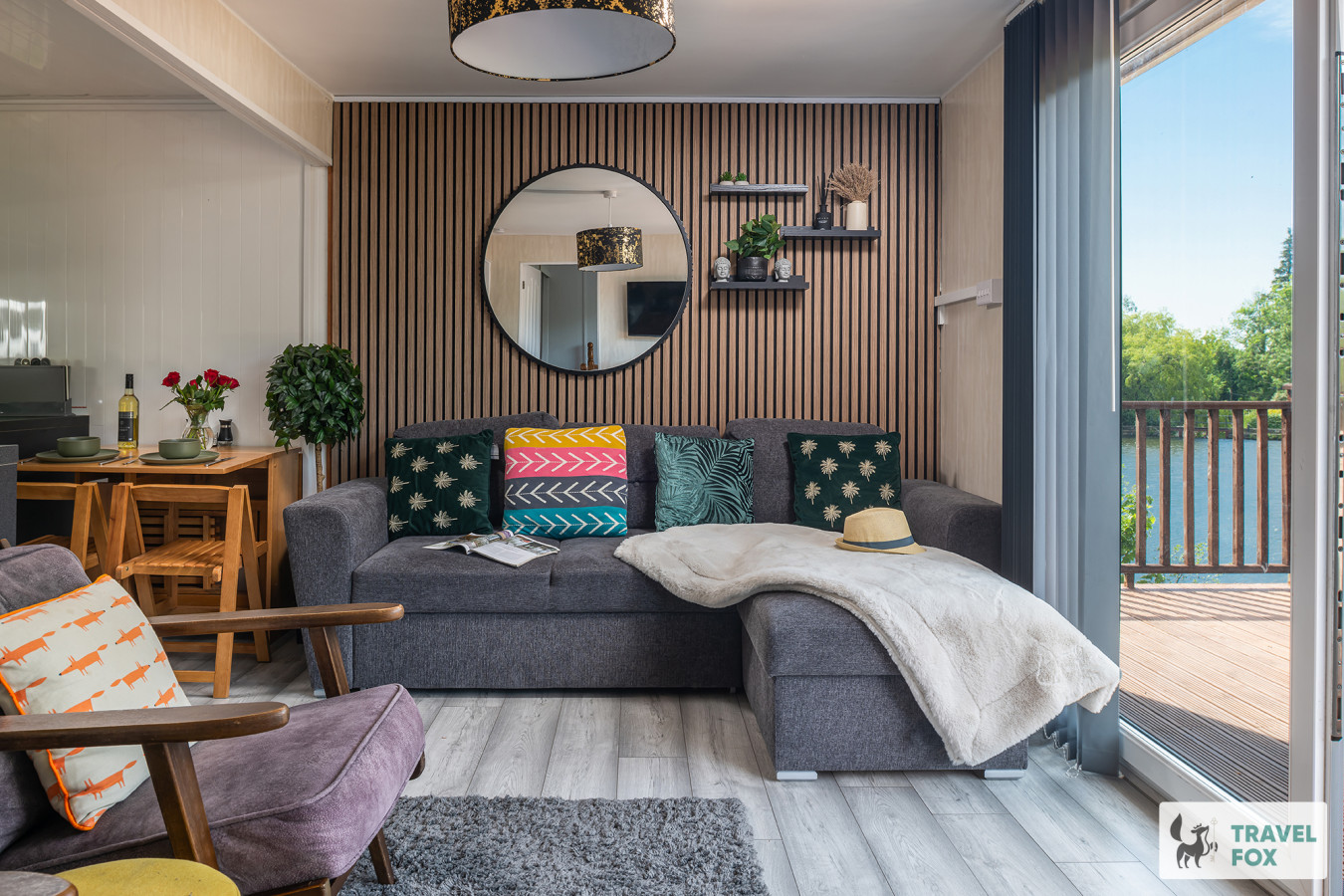
Waunfawr
Lakeside Lodge
- Sleeps 6
- 2 bedrooms
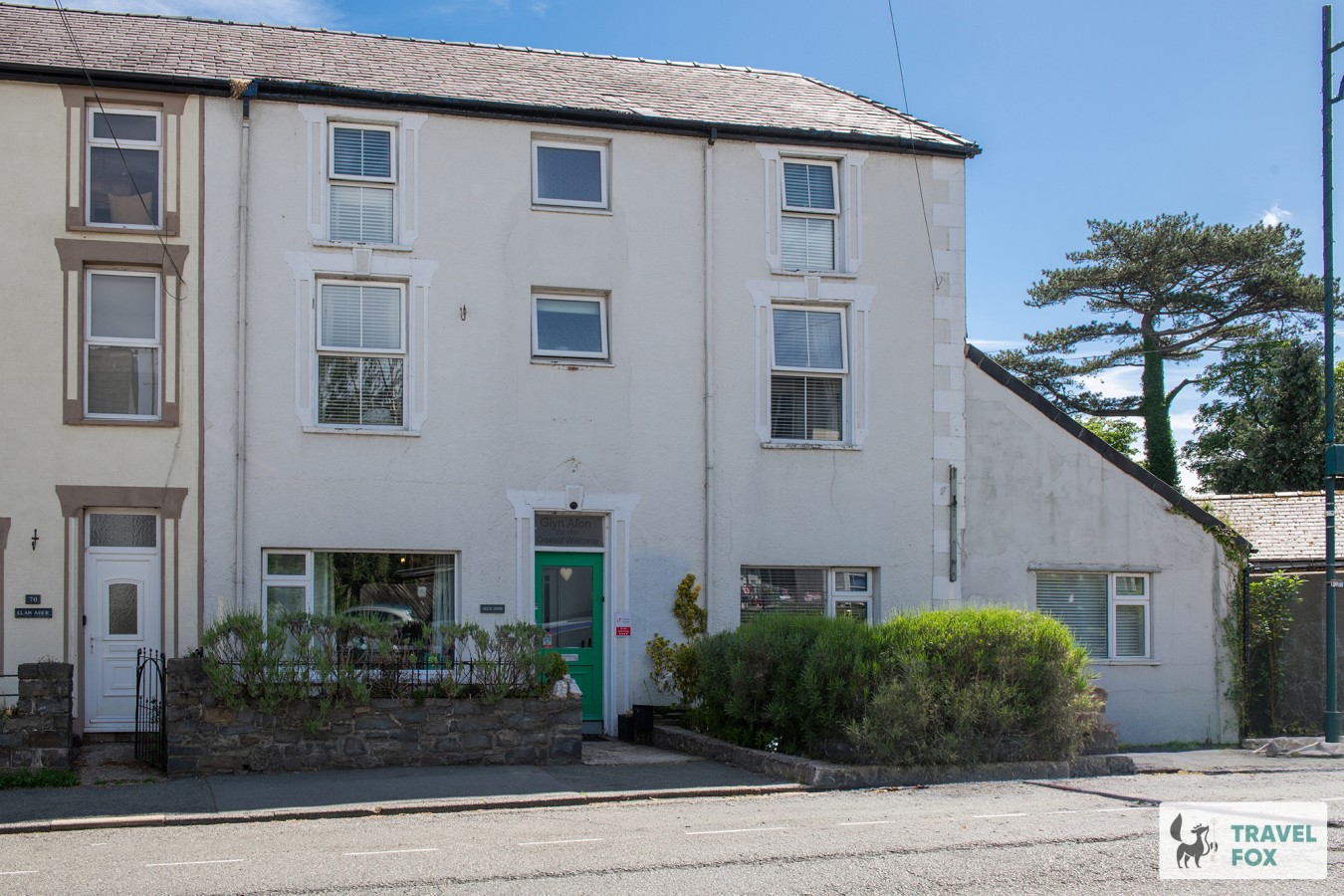
Llanberis
Glyn Afon: At the foot of Mount Snowdon!
- Sleeps 16
- 9 bedrooms
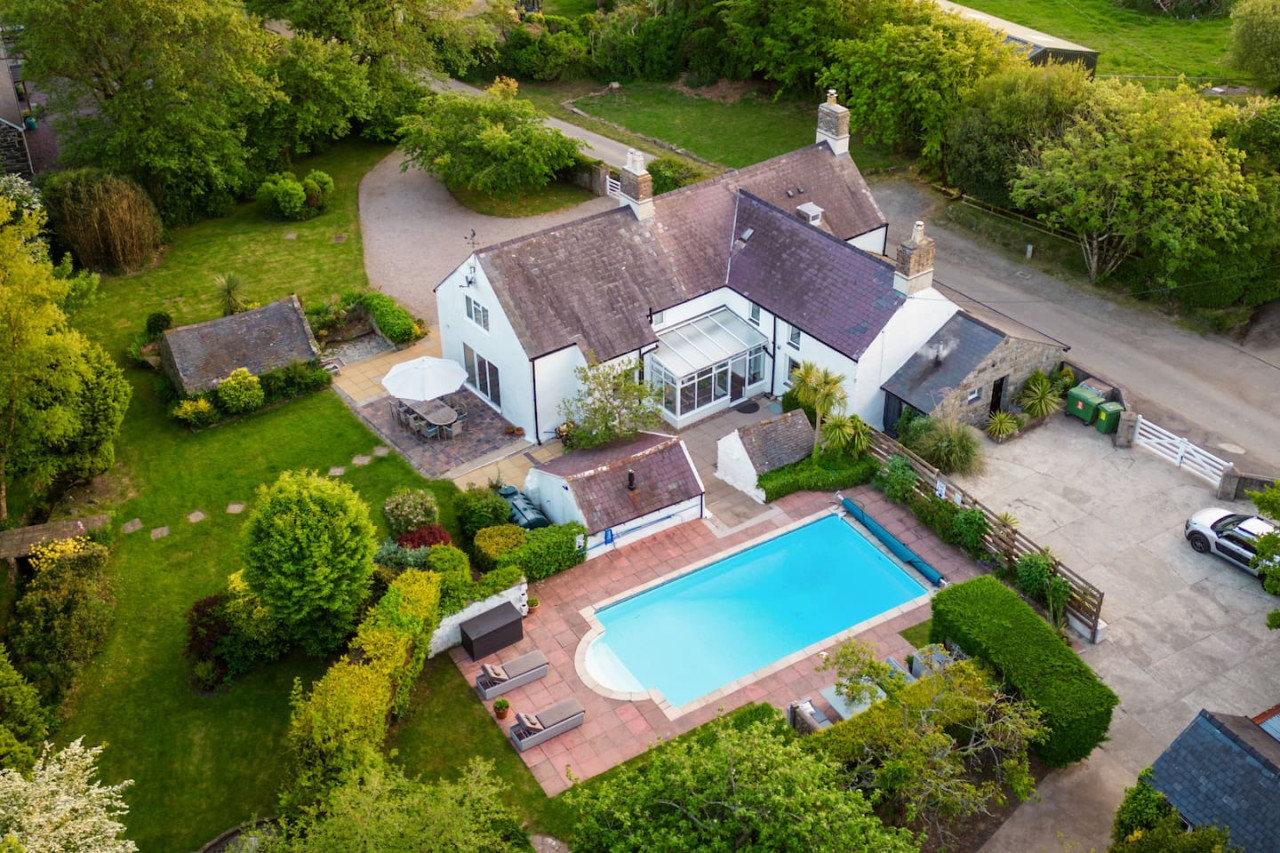
Aberdaron
Plas Newydd with Swimming Pool
- Sleeps 16
- 7 bedrooms
For homeowners
Own a holiday home near Y Felinheli?
We manage holiday lets across Gwynedd from 12% commission, charged after cleaning costs, with no lock-in. A co-founder visits before you decide.
Holiday let management in Gwynedd →
A guide with a point of view
Written from research. Edited for real journeys.
Use the Official site links for live practical details, then use this guide for context, ideas and room to explore.
Sources
Every place on this page is checked against a published source. Each entry links the record we used and names who publishes it.
- Garddfon Inn — visitsnowdonia.info operator, sector body or destination organisation
- Port Dinorwic Dock System — coflein.gov.uk statutory register or public authority
- Lôn Las Menai — walescoastpath.gov.uk statutory register or public authority
- Plas Menai — plasmenai.co.uk operator, sector body or destination organisation
- Caernarfon Castle — cadw.gov.wales statutory register or public authority