

Peel history, canal country
Drayton Bassett
A small Staffordshire village where a surviving estate tower, a turreted canal crossing and wetland walks connect Peel history with the landscape around the River Tame.
- Best for
- Peel history and waterside walking
- Give it
- Half a day, or longer with the resort
- Don't miss
- The white-painted turret footbridge
Photo: Roger D Kidd · CC BY-SA 2.0 · cropped
The Fox verdict
A small village with an unusually wide historical reach
The appeal lies less in a busy centre than in the links between St Peter's, the former Peel estate and the canal-edge landscape.
Come for a compact local-history stop, then choose between the resort, the canal route to Middleton Lakes, or the hall and water park beyond. Drayton Bassett works best as a connected visit rather than a single village-centre attraction.
Where to go
Places in Drayton Bassett
Every place below is checked against a published source, listed with what it is and how long to give it.
Local signatures
3 placesDrayton Manor Resort
A theme park and zoo occupying former Peel estate land, with the demolished mansion's surviving clock tower at the entrance.
- Visit length
- Editorial estimate: allow around 3 hours 30 minutes
- Locality
- former Peel estate in Drayton Bassett parish
- Access
- The resort combines a theme park, zoo and hotel on former Peel estate land.
RSPB Middleton Lakes
A 160-hectare wetland reserve created from former gravel workings, connected to Drayton Bassett by canal-side walking routes.
- Visit length
- Editorial estimate: allow around 90 minutes
- Locality
- partly within Drayton Bassett parish
- Access
- Outdoor conditions and route surfaces vary across the wetland reserve.
Middleton Hall & Gardens
A Grade II* medieval hall set in 42 acres, with a separate entrance from RSPB Middleton Lakes.
- Visit length
- Editorial estimate: allow around 90 minutes
- Locality
- Middleton, beside the nature reserve
- Access
- Middleton Hall & Gardens has a separate entrance from RSPB Middleton Lakes.
Walks & outdoors
1 placeKingsbury Water Park
A 600-acre country park with 15 lakes and walking and cycling trails, reachable by continuing along the canal route past Middleton Lakes.
- Visit length
- Editorial estimate: allow around 75 minutes
- Locality
- Kingsbury, south of Middleton Lakes
History & heritage
2 placesSt Peter's Church, Drayton Bassett
A Grade II* church with a 15th-century Perpendicular west tower, a nave rebuilt in 1793 and a monument to Sir Robert Peel inside.
- Visit length
- Editorial estimate: allow around 40 minutes
- Locality
- Drayton Bassett village
- Access
- The Peel memorial is inside the church.
Drayton Footbridge
A late-18th-century Grade II canal crossing, white-painted over red brick, with cylindrical turrets built around spiral staircases.
- Visit length
- Editorial estimate: allow around 20 minutes
- Locality
- Birmingham and Fazeley Canal east of the village
No places match this filter. Choose All places to reset the list.
Three ways to explore Drayton Bassett
Signature outings
Peel at St Peter's
The 15th-century tower, rebuilt nave and monument to Sir Robert Peel tell the church's Peel-era story.
The canal's Gothic footbridge
Cross the white-painted span and look for the cylindrical turrets built around its spiral staircases in the 1780s.
Wetlands beyond the towpath
Explore the 160-hectare wetland reserve, created from former gravel workings and reached by canal-side paths.
The village story
Drayton Bassett Village Guide
Peel family history, a turreted canal bridge and walks towards the Tame Valley wetlands.
A Mansion's Last Tower and the Canal Edge
A clock tower survives from the Peel family's Drayton Manor mansion on the site of today's resort. Sir Robert Smirke designed the Elizabethan-style house, which received Queen Victoria and Prince Albert in 1843. The mansion was later demolished, and the former estate became a pleasure park and zoo.
The village sits about three miles south of Tamworth, with the Birmingham and Fazeley Canal marking its eastern edge. A white-painted Gothic footbridge crosses the canal on cylindrical turrets built for a spiral staircase; it was put up in the 1780s and remains Grade II listed. From the bridge, follow the towpath south to Middleton Lakes RSPB reserve, a 160-hectare wetland created from former gravel workings.
Village Hospitality and Practical Limits
Drayton Bassett's Village Club is a licensed social club; non-members are welcome.
Fazeley adjoins Drayton Bassett, and Tamworth lies about three miles to the north. Both offer a way to extend a visit beyond the village and its canal-side walks.
Peel, the Church and the Older Manor
St Peter's has a Perpendicular west tower, a nave rebuilt by the first Sir Robert Peel in the 1790s and a mid-Victorian chancel. His son, the twice-serving Prime Minister, was brought back to Drayton Bassett for burial in 1850. A Gothic monument to him stands inside the church.
The manor passed from the Basset family to the Staffords in the 13th century. After the Duke of Buckingham's attainder in 1483 it returned to the Crown; by around 1600 it was held by the Earl of Essex. The Domesday survey also recorded Drayton as royal land, with two mills, nine tenants and three smallholders.
Long-Distance Paths and a Rock-Star Footnote
The Heart of England Way passes through Drayton Bassett and follows the canal towards Kingsbury Water Park, giving walkers a longer option beyond the village towpath.
Musician Julian Cope lived in Drayton Bassett after his Teardrop Explodes years.
Stay around Staffordshire
Make a longer stay of it
Travel Fox holiday homes around Staffordshire, linked directly to their property pages.
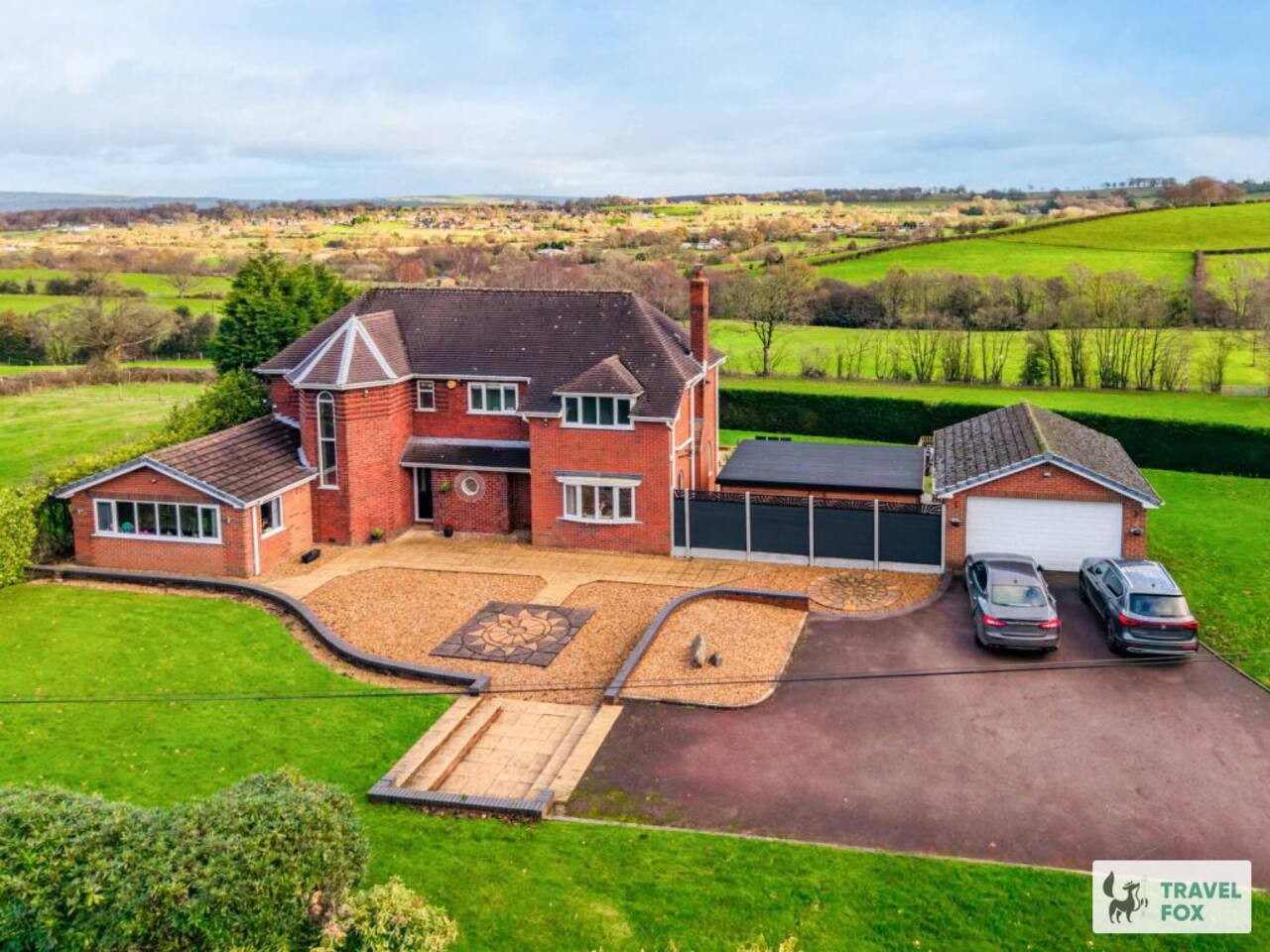
Cheddleton
Greenways House - Parking, Pool Table and Garden!
- Sleeps 10
- 4 bedrooms
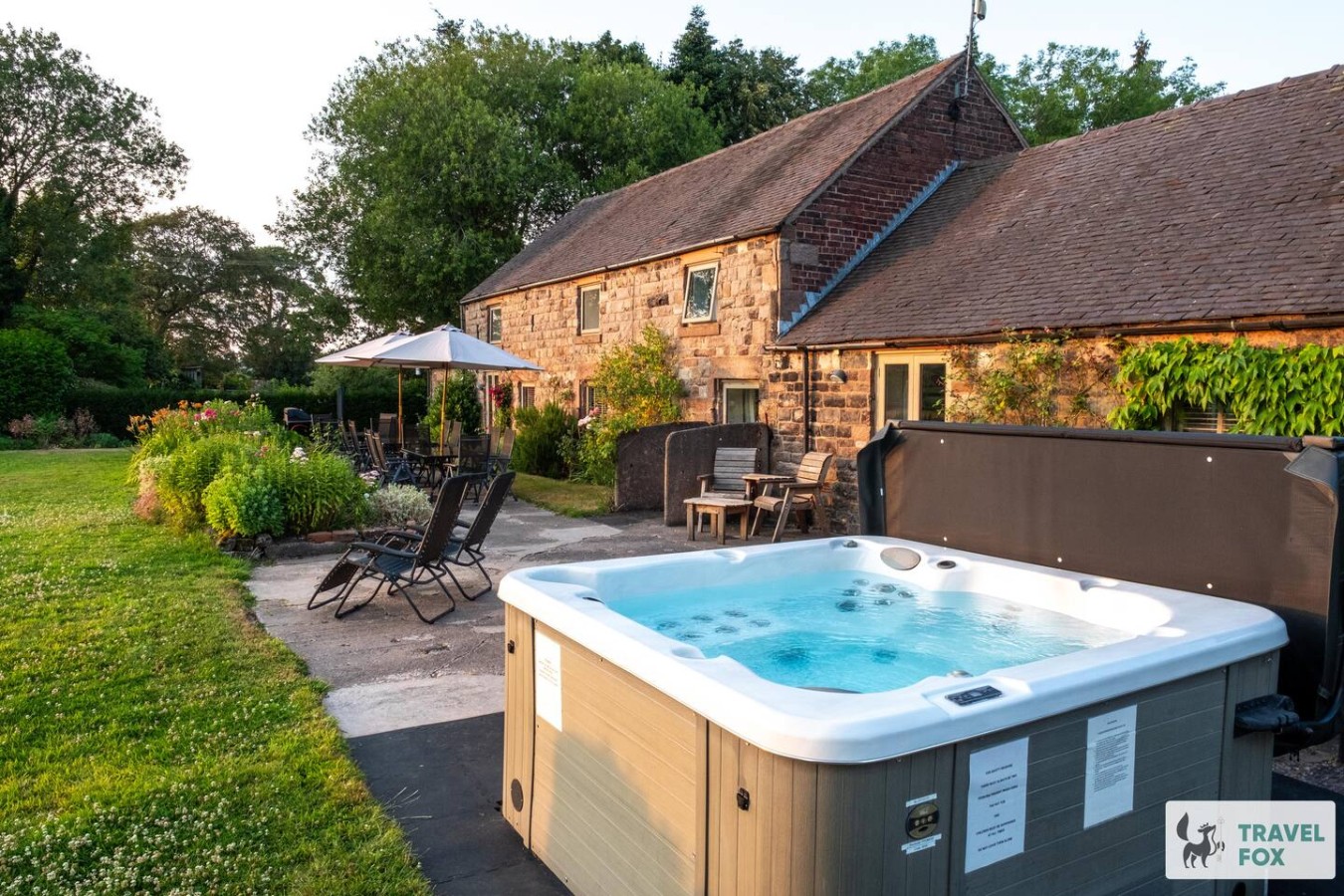
Cheddleton
Lee House Cottage + Annexe
- Sleeps 19
- 8 bedrooms

Leek
Silkwood House | Boutique 4 Bed nr. Peak District
- Sleeps 8
- 4 bedrooms
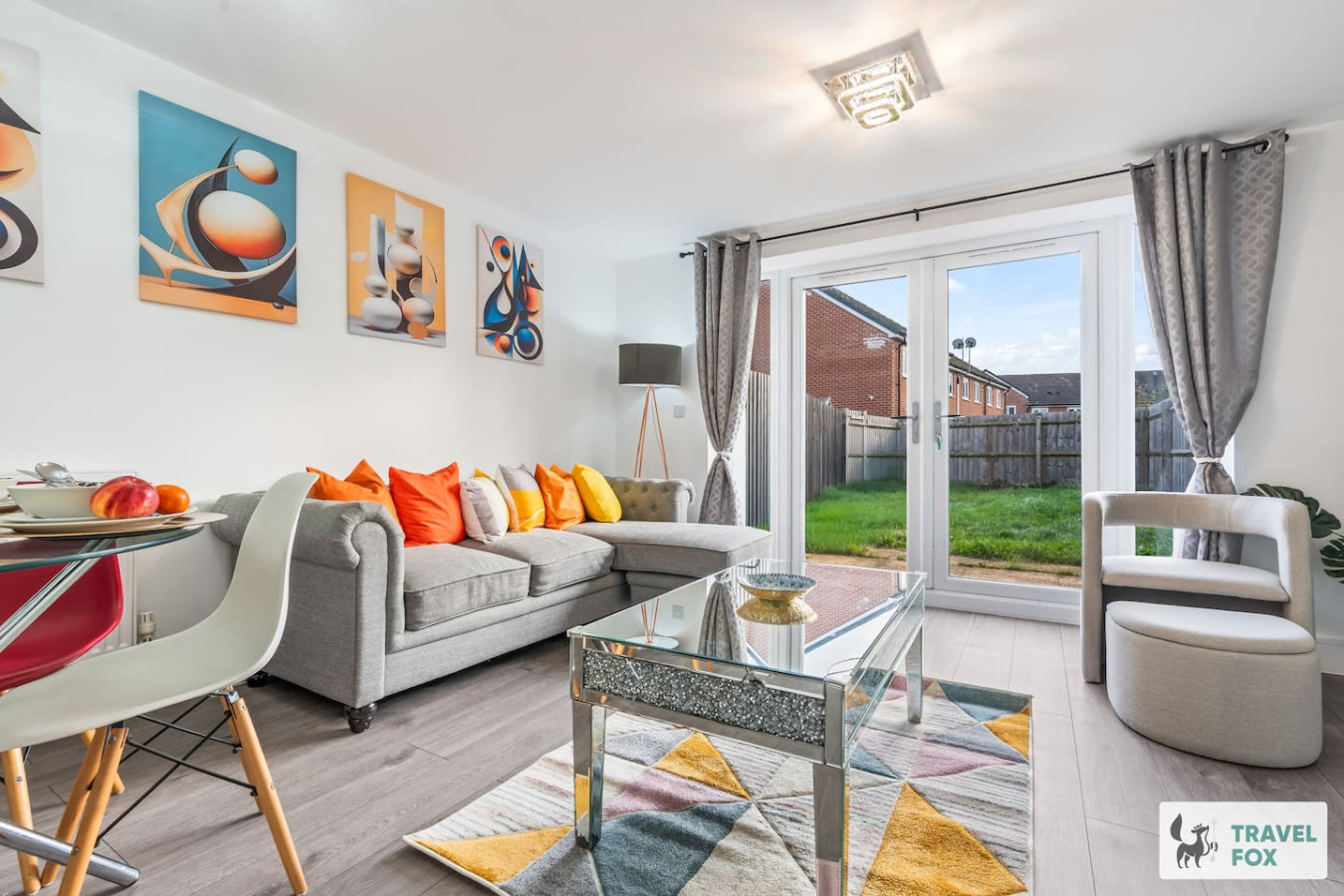
Stoke-on-Trent
Heather's House
- Sleeps 6
- 2 bedrooms
For homeowners
Own a holiday home near Drayton Bassett?
We manage holiday lets across Staffordshire from 12% commission, charged after cleaning costs, with no lock-in. A co-founder visits before you decide.
Holiday let management in Staffordshire →
A guide with a point of view
Written from research. Edited for real journeys.
Use the Official site links for live practical details, then use this guide for context, ideas and room to explore.
Photography credits & licences
Third-party photographs are credited to their named creators and reused under the linked Creative Commons licence or public-domain dedication. Travel Fox stores an optimised local copy; the file-specific changes and any browser-applied display crop are disclosed below. Reused photographs link both to the Wikimedia Commons source record and to the declared source image; Travel Fox's own photographs carry no such record and are marked as ours. These image licences do not cover Travel Fox text, branding or page design.
- File:Drayton Footbridge near Drayton Bassett, Staffordshire - geograph.org.uk - 7066787.jpg — photograph by Roger D Kidd; Drayton Footbridge near Drayton Bassett, Staffordshire by Roger D Kidd. Source record on Wikimedia Commons. Declared source image. Licence: CC BY-SA 2.0. File changes: Downloaded from Wikimedia Commons, resized to a maximum 1920px edge and encoded as an optimised JPEG. Display changes: Displayed with responsive CSS cropping.
Sources
Every place on this page is checked against a published source. Each entry links the record we used and names who publishes it.
- St Peter's Church, Drayton Bassett — historicengland.org.uk statutory register or public authority record not machine-readable; publisher restricts automated access
- Drayton Footbridge — historicengland.org.uk statutory register or public authority record not machine-readable; publisher restricts automated access
- Drayton Manor Resort — draytonmanor.co.uk operator, sector body or destination organisation
- RSPB Middleton Lakes — rspb.org.uk national body or asset manager
- Middleton Hall & Gardens — middleton-hall.co.uk operator, sector body or destination organisation record not machine-readable; publisher restricts automated access
- Kingsbury Water Park — countryparks.warwickshire.gov.uk statutory register or public authority