

Hills, history and a famous proposal
Maer
A small Staffordshire village where Darwin's courtship, a medieval church and wooded hill paths meet a quarry garden and a gastropub beyond the village.
- Best for
- Church history, wooded walks and garden time
- Give it
- One longer walk or a garden visit
- Don't miss
- The church's 1670 tower date and Berth Hill's aqueduct scar
Photo: Colin Park · CC BY-SA 2.0 · cropped
The Fox verdict
Small on facilities, rich in stories
Come for a church, a hill walk and the history linking Wedgwood, Darwin and Maer Hall; eat at Blackbrook or add the nearby quarry garden.
Maer's strongest visit combines the layered fabric of St Peter's with the wooded climb towards Camp Hill. Berth Hill adds Iron Age earthworks and visible aqueduct damage, while Dorothy Clive Garden and the Swan With Two Necks make useful nearby anchors for a longer day.
Where to go
Places in Maer
Every place below is checked against a published source, listed with what it is and how long to give it.
Local signatures
3 placesBerth Hill Hillfort
An Iron Age multivallate hillfort enclosing about 3.75 hectares, with surviving ramparts and visible damage from Josiah Wedgwood II's early-19th-century aqueduct.
- Visit length
- Editorial estimate: Allow around 1 hour 15 minutes
- Locality
- on the south-east edge of the Maer Hills
The Swan With Two Necks
A contemporary Parogon gastropub at Blackbrook, with Sunday roasts, a dog-friendly beer garden, an event space and ample parking.
- Visit length
- Editorial estimate: Allow around 1 hour 30 minutes
- Locality
- Blackbrook, on the A53
The Dorothy Clive Garden
A 12-acre charitable garden created in a former sandstone quarry, with a waterfall, alpine scree, a rose walk and woodland paths.
- Visit length
- Editorial estimate: Allow around 2 hours
- Locality
- Willoughbridge, beside the A51
Walks & outdoors
1 placeMaer Hills and the Newcastle Way
A village-starting walk past Maer Pool and Maer Hall that joins the Newcastle Way, climbs through Camp Wood to 216-metre Camp Hill and opens wide views.
- Visit length
- Editorial estimate: Allow around 2 hours 30 minutes
- Locality
- from Maer village into the Maer Hills
History & heritage
1 place
Church of St Peter, Maer
A Grade II* church with late-12th- or early-13th-century fabric, a 1670 tower date, an old Turkey-carpet communion cloth and Darwin-Wedgwood marriage links.
- Visit length
- Editorial estimate: Allow around 45 minutes
- Locality
- on the hillside opposite Maer Hall
Things to do
2 placesCopeland Cottage and Harrison Camp Site
A Girlguiding Staffordshire camping and activities centre in a natural bowl, with cottage accommodation, a camping field, mature woodland and countryside views.
- Visit length
- Editorial estimate: Allow around 2 hours 30 minutes for arranged group use
- Locality
- Haddon Lane, Maer
- Access
- A Girlguiding Staffordshire camping and activities centre.
Maer Village Hall
Maer’s former village school, later a Men’s Institute, now a hireable community hall used by local groups including Knit & Natter, table tennis, the Garden Guild and the WI.
- Visit length
- Editorial estimate: Allow around 30 minutes
- Locality
- Maer
- Access
- A hireable community hall used by local groups.
No places match this filter. Choose All places to reset the list.
Three ways to explore Maer
Signature outings
From proposal to parish church
Follow the Darwin-Wedgwood story from Maer Hall to St Peter's, where Charles Darwin and Emma Wedgwood married in 1839 and copies of their marriage register are preserved.
Maer Hills on foot
Take the village route past Maer Pool and Maer Hall, join the Newcastle Way at Maer Moss and climb towards 216-metre Camp Hill.
Waterfall, roses and woodland
Explore Dorothy Clive Garden's quarry setting through its waterfall, alpine scree, rose walk and woodland paths.
The village story
Maer Village Guide
A village of teetotal estate history, Darwin-Wedgwood connections, wooded hills and an Iron Age fort.
The nearest table is at Blackbrook
The pub closest to Maer isn't in Maer. The Swan With Two Necks sits at Blackbrook, on the A53 about 1.3 miles from Maer in a straight line, with a longer journey by road, because the Harrisons who owned Maer Hall until the 1970s were strict teetotallers and, according to the parish history, "never allowed" a public house any nearer. Any estate worker caught drunk was given notice on the spot.
It's worth the drive. The Swan is a contemporary gastropub run by the Parogon Group, with Wagyu Fridays using beef from Warrendale Farms, a proper Sunday roast, and Throwback Thursdays where the house burger comes in at £14.95. Reviewers single out the steak and ale pie and the salmon, and grumble a little about pace on a busy night — reasonably, since the beer garden fills with dogs on leads and live music on Sundays.
What Maer has instead
Maer itself has no shop, no butcher, no post office — both Maer and its neighbour Aston lost theirs some years back — so the village runs on what people bring with them.
What it has instead is the mere. Maer Hall, built in stone around 1680, stands above the small lake that gives the village its name, on ground redesigned by Capability Brown. The church stands on the hillside opposite, close enough that the two buildings used to be connected by a bridge.
Carpet, courtship and church
That's St Peter's — twelfth-century fabric under a mostly seventeenth-century rebuild, a tower dated 1670 on the belfry window. The communion cloth is an old Turkey carpet, brought back from Constantinople by a parishioner called Margaret Tether in 1639, and it's still in use.
Charles Darwin proposed to his cousin Emma Wedgwood at Maer Hall on 11 November 1838. The next day he wrote to Charles Lyell: "I determined, when last at Maer, to try my chance." They married at St Peter's on 29 January 1839 and had ten children. Emma ran a Sunday school in the Hall's laundry, teaching around sixty village children to read and write. Josiah Wedgwood II, who'd bought the Hall in 1802, is buried in the churchyard, with a view back across to the house he lived in until his death in 1843.
Hills, hillfort and village life
Walk west and the path runs past Maer Pool and the Hall, picks up the Newcastle Way at Maer Moss, then climbs through Camp Wood to Camp Hill — 216 metres, the highest ground around. South-east of it is Berth Hill, an Iron Age hillfort enclosing about ten acres; Wedgwood cut an aqueduct through its inner rampart in the early 1800s to pipe spring water down to the Hall, and the damage is still visible. Local legend has two Saxon armies facing off from Berth Hill and Camp Hill, a mile apart.
The Village Hall — Maer's former village school, later a Men's Institute — hosts a Thursday Knit & Natter, table tennis and the WI. Up Haddon Lane, Copeland Cottage began as the Harrisons' gift to the Girl Guides after the First World War and still runs as a camping centre. The Dorothy Clive Garden, a quarry garden with a waterfall and a rose walk, is at Willoughbridge, about 2.7 miles from Maer in a straight line, with a longer journey by road.
From five households to 489
Domesday recorded five households at Maer in 1086, worth ten shillings a year to the lord — among the smallest settlements in the book. The 2011 census put the population at 489, small enough that the knitting circle still meets on a Thursday in the former village school.
Stay around Staffordshire
Make a longer stay of it
Travel Fox holiday homes around Staffordshire, linked directly to their property pages.
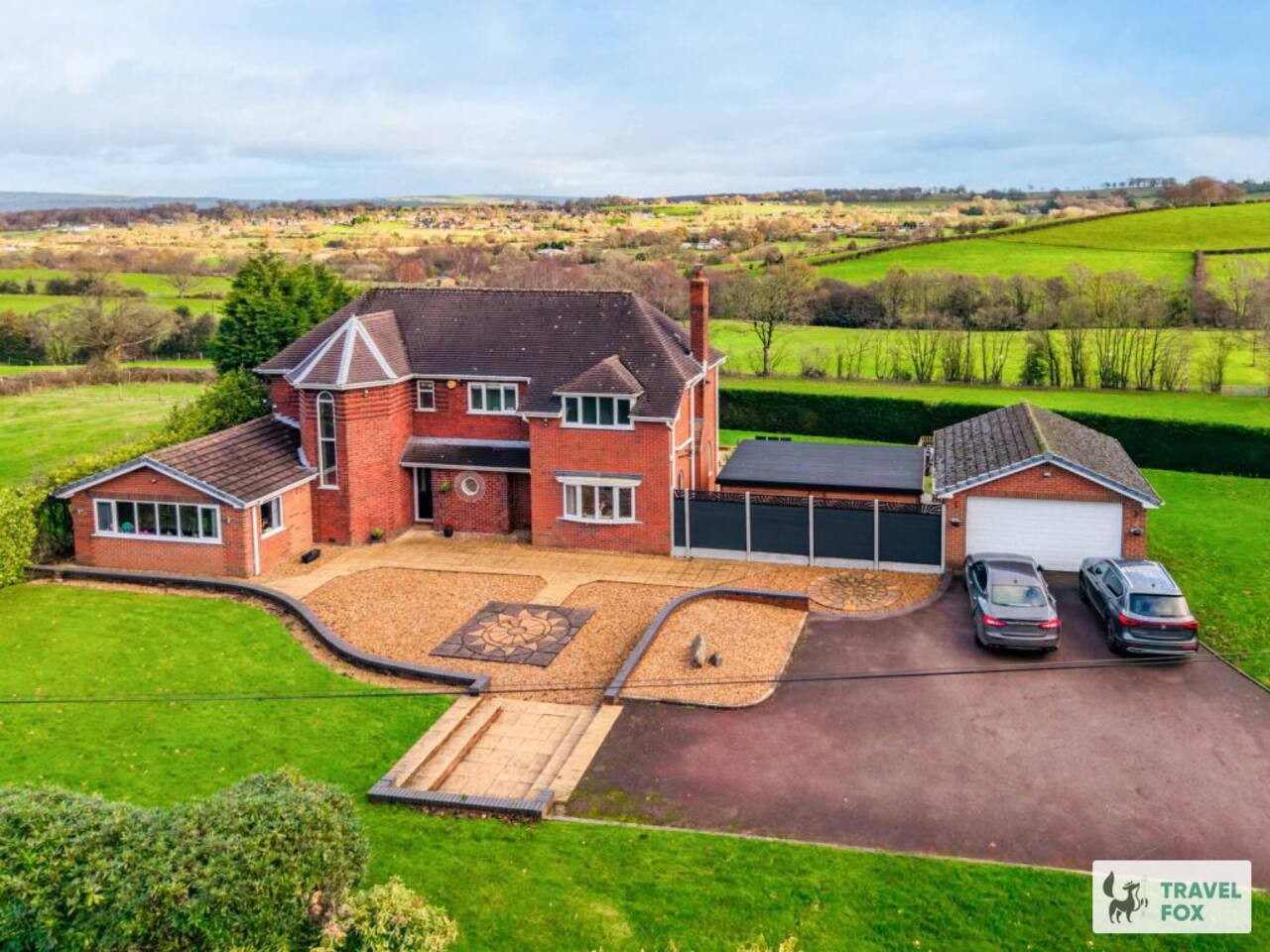
Cheddleton
Greenways House - Parking, Pool Table and Garden!
- Sleeps 10
- 4 bedrooms
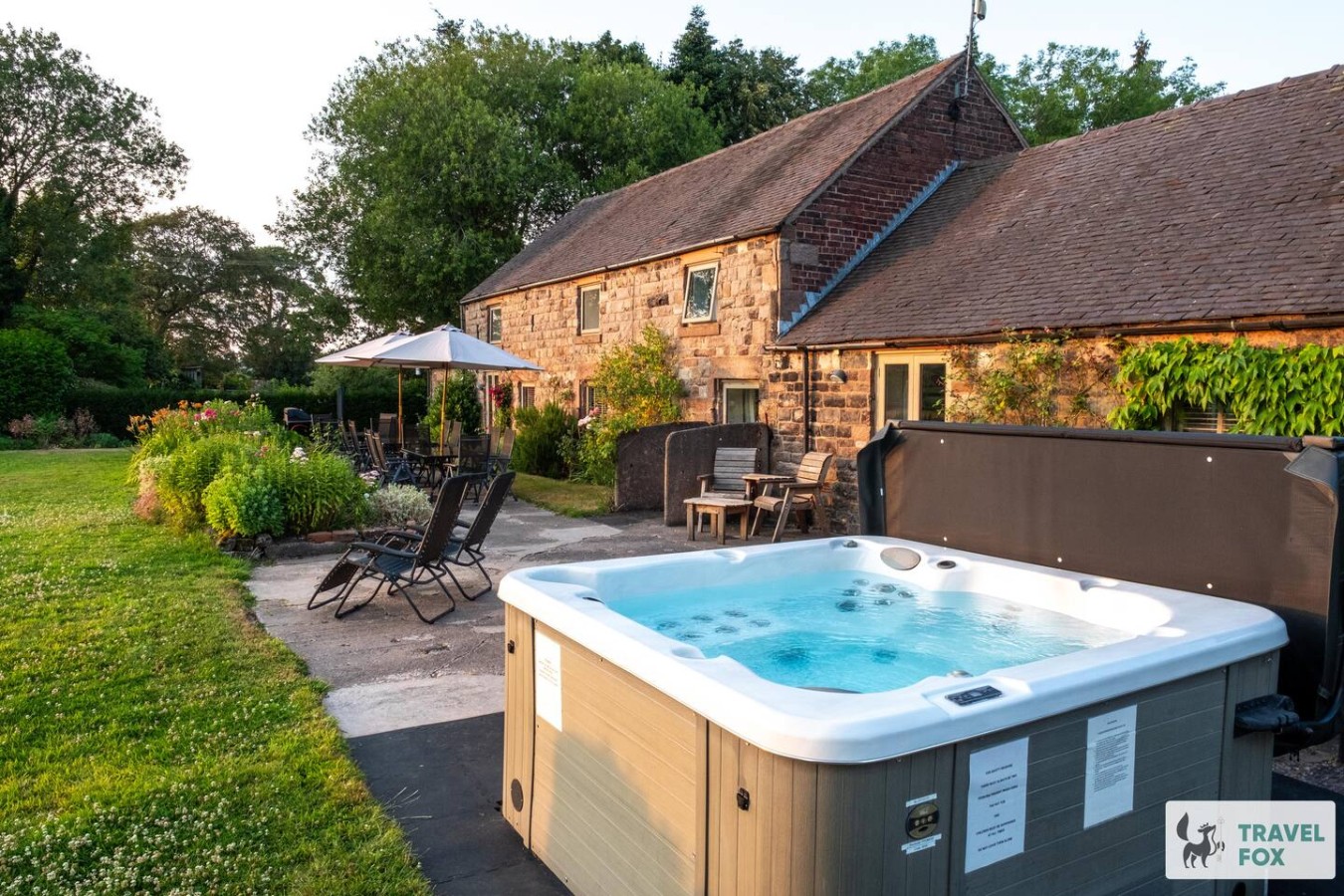
Cheddleton
Lee House Cottage + Annexe
- Sleeps 19
- 8 bedrooms
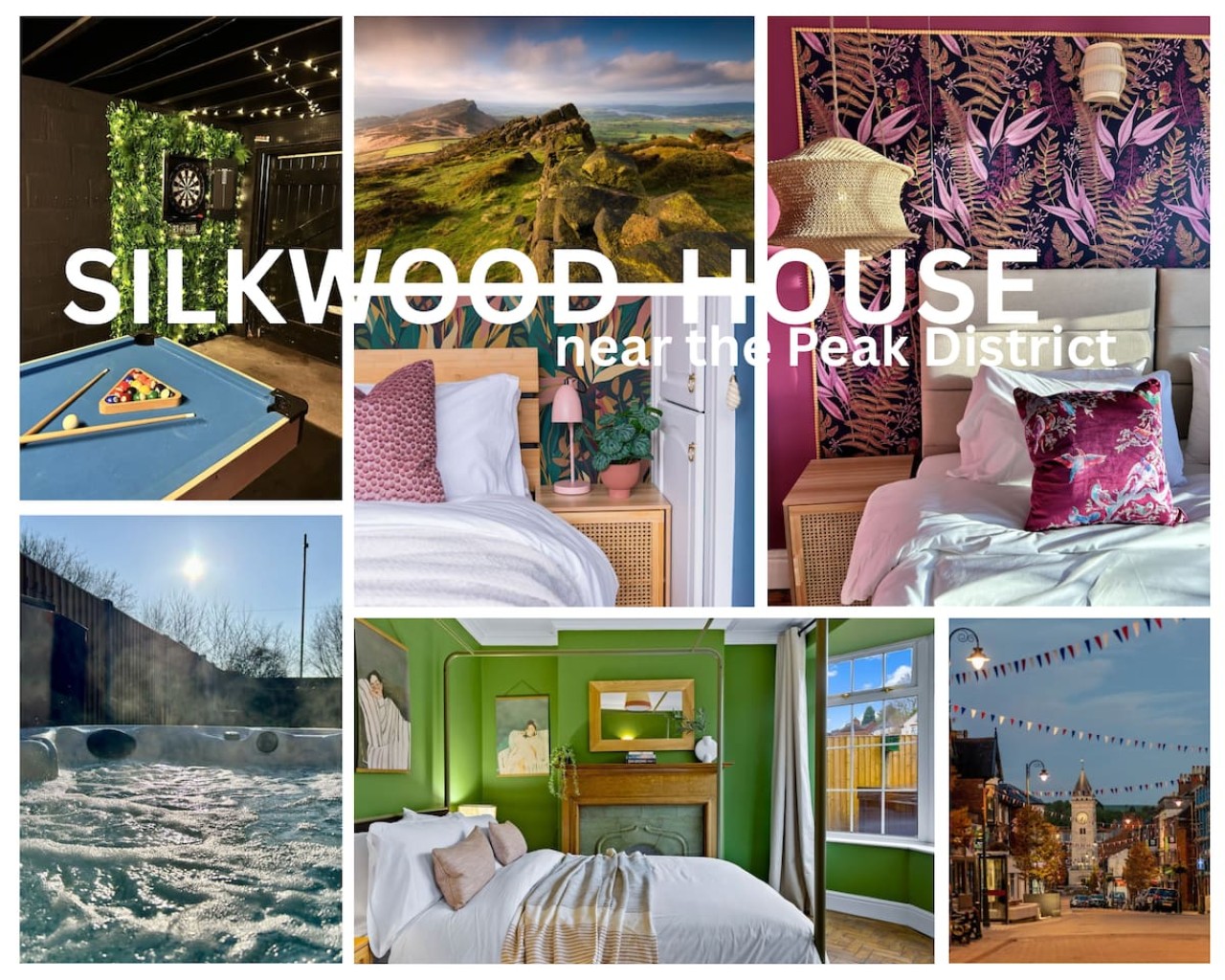
Leek
Silkwood House | Boutique 4 Bed nr. Peak District
- Sleeps 8
- 4 bedrooms
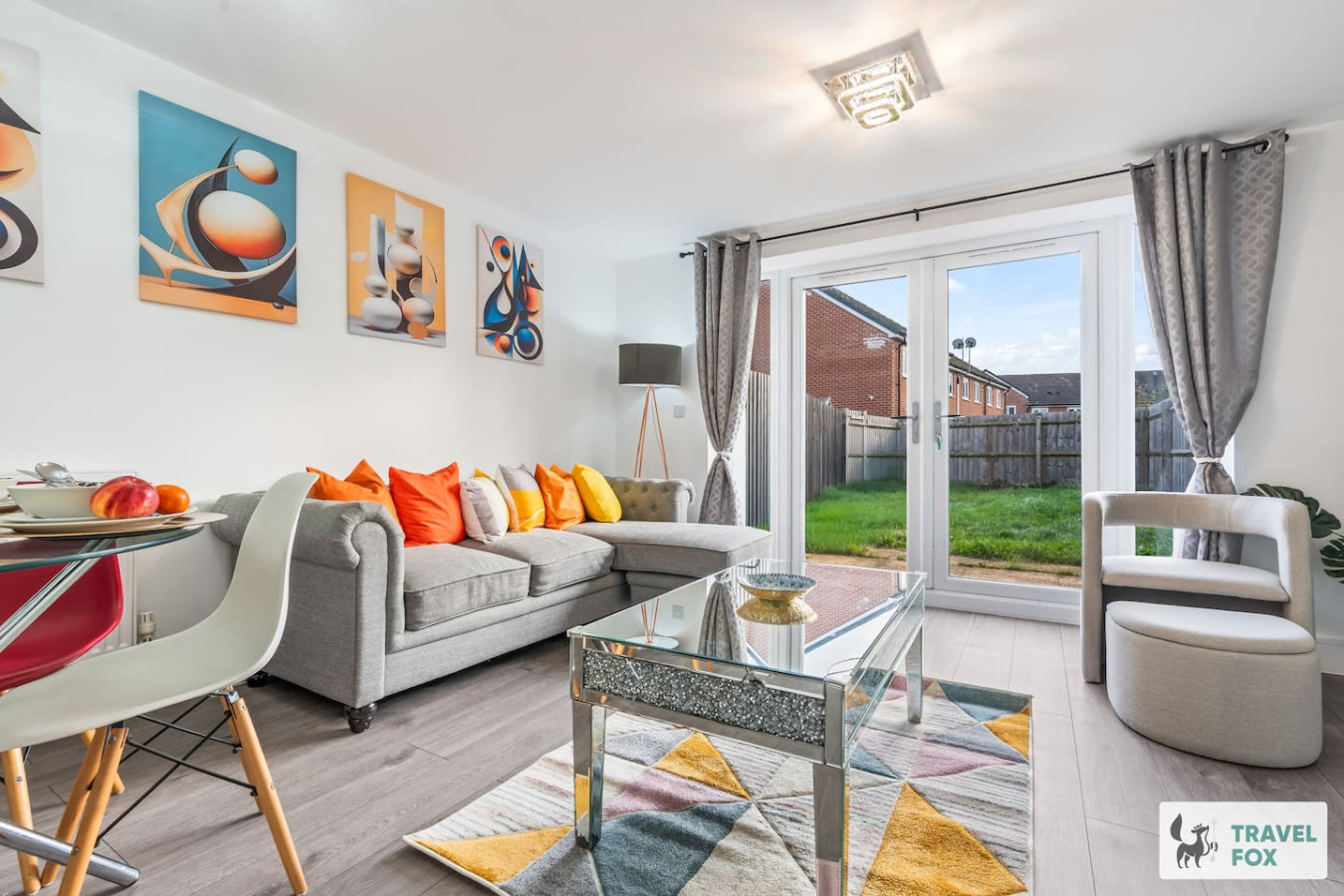
Stoke-on-Trent
Heather's House
- Sleeps 6
- 2 bedrooms
For homeowners
Own a holiday home near Maer?
We manage holiday lets across Staffordshire from 12% commission, charged after cleaning costs, with no lock-in. A co-founder visits before you decide.
Holiday let management in Staffordshire →
A guide with a point of view
Written from research. Edited for real journeys.
Use the Official site links for live practical details, then use this guide for context, ideas and room to explore.
Photography credits & licences
Third-party photographs are credited to their named creators and reused under the linked Creative Commons licence or public-domain dedication. Travel Fox stores an optimised local copy; the file-specific changes and any browser-applied display crop are disclosed below. Reused photographs link both to the Wikimedia Commons source record and to the declared source image; Travel Fox's own photographs carry no such record and are marked as ours. These image licences do not cover Travel Fox text, branding or page design.
- File:St Peter's Church, Maer.jpg — photograph by Colin Park; Colin Park. Source record on Wikimedia Commons. Declared source image. Licence: CC BY-SA 2.0. File changes: Downloaded from Wikimedia Commons, resized to a maximum 1920px edge and encoded as an optimised JPEG. Display changes: Displayed with responsive CSS cropping.
Sources
Every place on this page is checked against a published source. Each entry links the record we used and names who publishes it.
- Church of St Peter, Maer — historicengland.org.uk statutory register or public authority record not machine-readable; publisher restricts automated access
- Maer Hills and the Newcastle Way — staffordshire.gov.uk statutory register or public authority
- Berth Hill Hillfort — historicengland.org.uk statutory register or public authority record not machine-readable; publisher restricts automated access
- The Swan With Two Necks — theswanwithtwonecks.co.uk operator, sector body or destination organisation
- The Dorothy Clive Garden — dorothyclivegarden.co.uk operator, sector body or destination organisation
- Copeland Cottage and Harrison Camp Site — copelandcottage.co.uk operator, sector body or destination organisation
- Maer Village Hall — maervillage.co.uk operator, sector body or destination organisation record not machine-readable; publisher restricts automated access