
Chase-side Staffordshire
Milford
A small village where Milford Common, Shugborough's parkland and a coaching-inn lunch meet across the A513.
- Best for
- Heathland walks, estate history and a pub finish
- Give it
- Editorial planning estimate: allow half a day, or longer with Shugborough
- Don't miss
- The Red or Green Trail from Milford Common
The Fox verdict
A compact base for the Chase and Shugborough
Milford works best when the village, common and neighbouring estate are treated as one easy day out.
Start with heath and woodland on Milford Common, follow the Milford Gates approach to the estate's house, farm and monuments, then finish at the Barley Mow. Longer outings can reach Sherbrook Valley, Walton-on-the-Hill or Essex Bridge.
Where to go
Places in Milford
Every place below is checked against a published source, listed with what it is and how long to give it.
Local signatures
3 placesShugborough Estate
Explore a Georgian mansion, riverside parkland, a walled garden dating to about 1806 and working Park Farm, with monuments including the Shepherd's Monument.
- Visit length
- Editorial estimate: allow around 2½ hours
- Locality
- Shugborough Hall, near Great Haywood
- Access
- National Trust estate.
Milford Common
Choose a waymarked Red or Green circular trail across heath and woodland, with stretches of the Staffordshire Way and Heart of England Way.
- Visit length
- Editorial estimate: Allow around 1 hour for either circular trail
- Locality
- opposite the Shugborough entrance
The Barley Mow
An eighteenth-century former coaching inn serving food and real ale, with a beer garden, children's play area and indoor soft play.
- Visit length
- Editorial estimate: allow around 1¼ hours
- Locality
- Main Road, near Milford Common
- Access
- Dogs are welcome in the bar area.
Walks & outdoors
1 placeSherbrook Valley
Walk through the valley by the Punch Bowl on the Great Haywood Tolkien Trail, which crosses Shugborough Estate.
- Visit length
- Editorial estimate: allow around 1½ hours
- Locality
- Punch Bowl car park on Cannock Chase
- Access
- Walk starts at the Punch Bowl car park.
History & heritage
3 placesSt Thomas' Church, Walton-on-the-Hill
The 1842 chapel of ease historically used by Milford villagers, designed by Thomas Trubshaw for Berkswich parish.
- Visit length
- Editorial estimate: allow around 30 minutes
- Locality
- Walton-on-the-Hill
- Access
- Historic chapel of ease built in 1842.
Essex Bridge
A narrow Grade I packhorse bridge across the River Trent, probably dating to the sixteenth century, with fourteen surviving arches.
- Visit length
- Editorial estimate: allow around 30 minutes
- Locality
- over the River Trent by Great Haywood
Cannock Chase German Military Cemetery
A German military cemetery within Cannock Chase, about 3.5 miles from Milford, with graves from both world wars.
- Visit length
- Editorial estimate: allow around 45 minutes
- Locality
- Cannock Chase near Brindley Heath
- Access
- A place of remembrance; visit quietly.
No places match this filter. Choose All places to reset the list.
Three ways to explore Milford
Signature outings
The Shepherd's Monument
Find the unexplained O U O S V A V V inscription among Shugborough's eighteenth-century monuments.
Sherbrook Valley
Follow the Great Haywood circular walk to link Sherbrook Valley with Brocton Coppice and the estate.
Essex Bridge
Walk the four-foot-wide, fourteen-arch packhorse bridge across the River Trent toward Great Haywood.
The village story
Milford Village Guide
A coaching inn, heathland trails, estate history and canal paths at the edge of Cannock Chase.
The Coaching Inn at the Gates
The Barley Mow stands on Main Road near Milford Common and Shugborough Estate. Built in 1780 by Sir George Chetwynd as a coaching inn for stagecoach passengers, it still serves travellers along the A513 and walkers heading onto the Common.
Inside, the pub welcomes diners and drinkers with three regular cask beers and Cask Marque accreditation. A 10% cask-beer discount is available to CAMRA members. Dogs are welcome in the bar, and the garden play area and indoor Wacky Warehouse give families another option after a walk.
Separate dining and drinking areas accommodate vegetarian, vegan and gluten-free dishes, making the pub a practical meal stop after a walk across Milford Common.
After Milford Common, the pub is a convenient stop; the estate's house and park are reached through Milford Gates.
From Milford Common to Shugborough
Milford's Main Road links the pub with paths across Milford Common and gives the village a natural starting point for the neighbouring estate.
Milford Common has Red and Green circular trails, each roughly two miles and an hour. The Red begins on the Heart of England Way, while the Green joins the Staffordshire Way towards the Punch Bowl. A Blue Trail can extend either circuit through Brocton Coppice. The longer Great Haywood Tolkien Trail continues through Sherbrook Valley and Shugborough's parkland.
The Georgian house, a walled garden dating to about 1806 and Park Farm sit within riverside parkland dotted with monuments. Southdown sheep and Longhorn cattle graze at the farm, while Tamworth pigs are kept in the South Walled Garden. The Shepherd's Monument is among the estate's distinctive features.
The Shepherd's Monument was built in the late 1750s, with its outer columns added in 1763. Its marble relief, carved by Peter Scheemakers, adapts Nicolas Poussin's painting "Et in Arcadia Ego"; Thomas Wright is believed to have instigated the design. Below the relief, the letters D O U O S V A V V M remain an unsolved puzzle among the parkland monuments.
Estates, Ansons and a Village's Past
Milford developed from the late eighteenth century around its hall estate. The older Domesday record is for Bercheswic, or Baswich, rather than Milford itself. St Thomas' at Walton-on-the-Hill was designed by Thomas Trubshaw and completed in 1842 as a chapel of ease.
Milford Hall is Grade II listed, and its main building dates to the eighteenth century. The Byrd family may have built it before it passed to the Levetts. The hall remains a marker of the estate around which Milford developed.
The estate came into the Anson family in 1624, when William Anson, a local lawyer, bought it. It stayed with them for three centuries; they became Earls of Lichfield, and Admiral George Anson's naval prize money paid for the major eighteenth-century expansion of house and park that you walk through today. After the 4th Earl died in 1960, the estate passed to the National Trust in lieu of death duties, was leased to Staffordshire County Council and opened to the public in 1966, with full National Trust management returning in 2016. In 1957 Lord Lichfield had already given away 2,120 acres of unenclosed land, including Milford Common, to the county council — ground gifted by the same family that built Shugborough Hall.
Not everything in Milford's history is Georgian and ornamental. On 18 September 1990, the retired Governor of Gibraltar, Sir Peter Terry, was shot at his home on Main Road by the Provisional IRA, in reprisal for authorising the SAS operation that killed three IRA members in Gibraltar two years earlier. He was hit in the face, leg, arm and abdomen; his wife Betty was grazed by a bullet that passed through an interior wall. Surgeons took three bullets and fragments out of him in a five-hour operation, and he survived. It is not the kind of fact a village puts on a plaque.
Cricket, Canals and Longer Walks
The village cricket ground sits in the parkland of the hall. The club won the National Village Cup in 2023 and the South Staffs Premier Division in 2025, then secured a place in Division Two of the Birmingham & District Premier Cricket League for 2026.
For a longer outing, the Great Haywood Tolkien Trail starts at Coppice Hill car park. It passes through Brocton Coppice and Sherbrook Valley, by the Punch Bowl and across the estate towards Great Haywood. Nearby, Essex Bridge crosses the River Trent. The Grade I bridge is probably sixteenth-century, with fourteen spans and a passage only four feet wide.
Milford Bridge No. 105 crosses the Staffordshire and Worcestershire Canal north of Home Farm. The late-eighteenth-century accommodation bridge was designed by James Brindley and has a ramp down to the towpath on its west side. It is one of the country's earliest turnover bridges. The canal opened fully to traffic in 1772 and runs between Great Haywood and Stourport.
Routes In, Memorials and the Walk Home
The A513 runs through Milford between Stafford and Rugeley. Route 826 connects the village with Rugeley and stops near the pub, while buses also stop outside the estate.
Cannock Chase contains the German Military Cemetery and the Katyn Memorial. More than 4,900 people are buried at Cannock Chase German Military Cemetery: 2,143 from the First World War and almost 2,800 from the Second World War. The Katyn Memorial commemorates Polish victims of the Soviet killings of 1940.
A walk across Milford Common can end at the pub. Keep dogs on a lead wherever the Chase's access rules require it, especially during the ground-nesting season and around livestock. The estate's monuments and the Shepherd's Monument inscription offer a reason to return.
Stay around Staffordshire
Make a longer stay of it
Travel Fox holiday homes around Staffordshire, linked directly to their property pages.
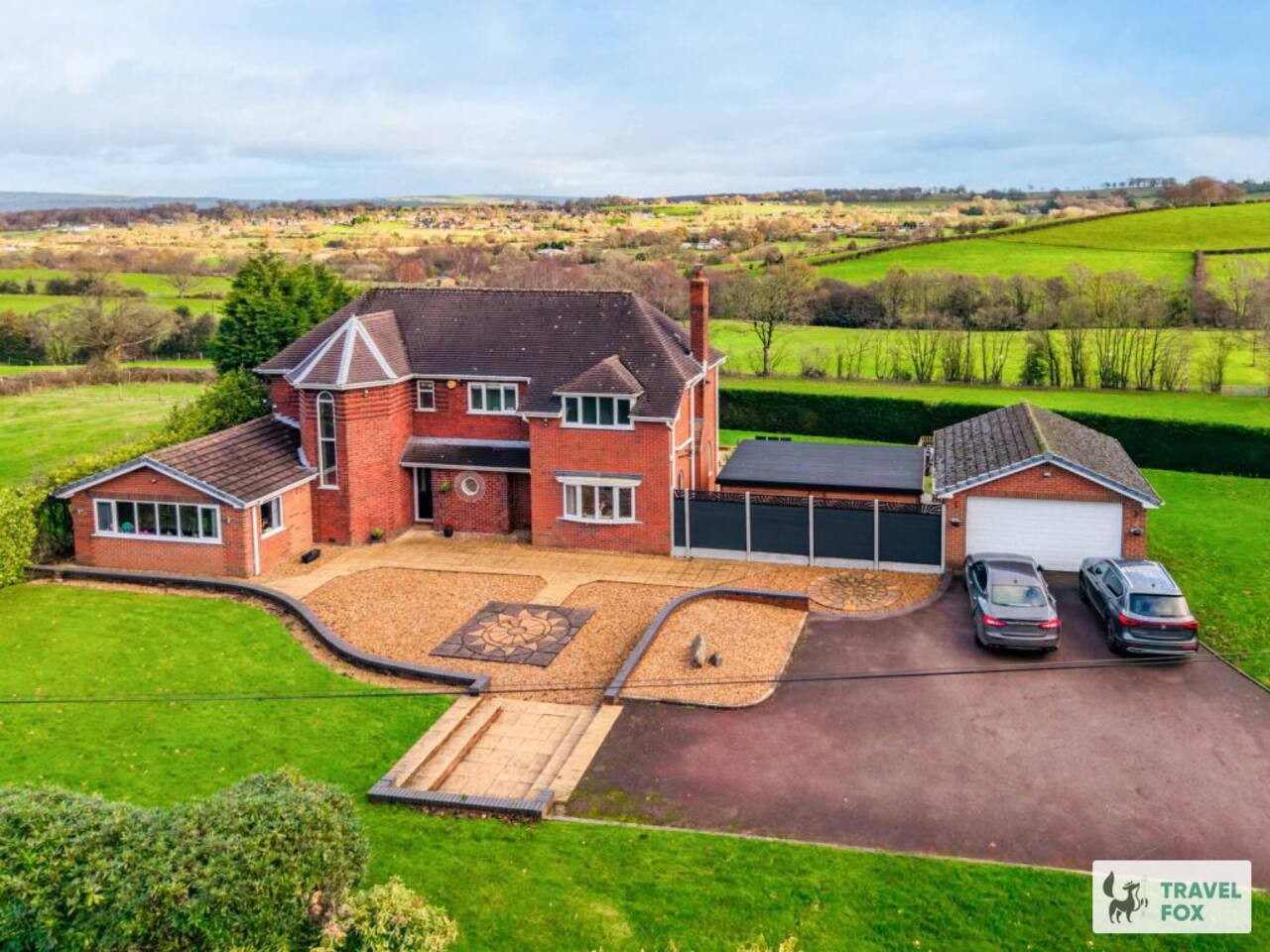
Cheddleton
Greenways House - Parking, Pool Table and Garden!
- Sleeps 10
- 4 bedrooms
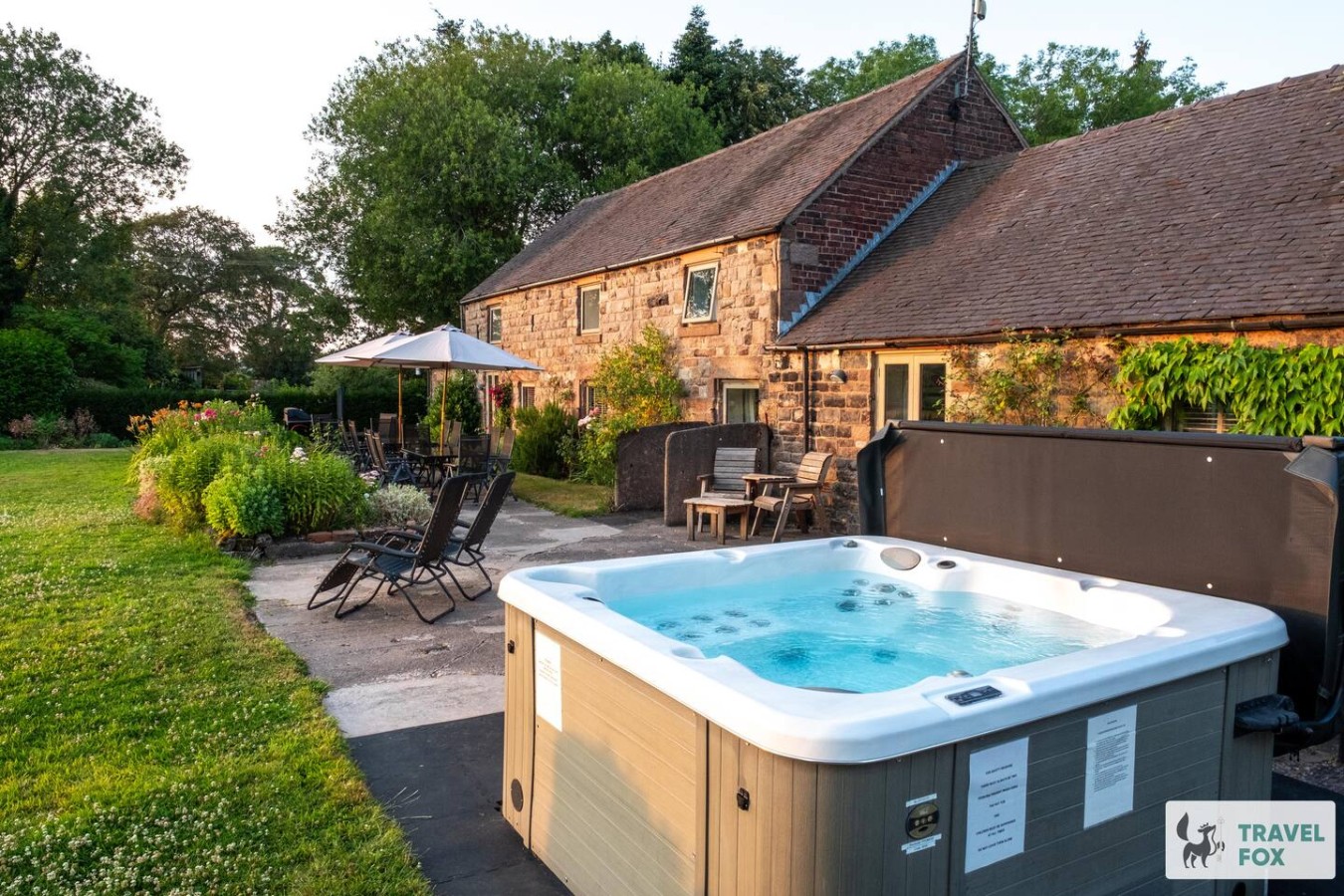
Cheddleton
Lee House Cottage + Annexe
- Sleeps 19
- 8 bedrooms

Leek
Silkwood House | Boutique 4 Bed nr. Peak District
- Sleeps 8
- 4 bedrooms

Stoke-on-Trent
Heather's House
- Sleeps 6
- 2 bedrooms
For homeowners
Own a holiday home near Milford?
We manage holiday lets across Staffordshire from 12% commission, charged after cleaning costs, with no lock-in. A co-founder visits before you decide.
Holiday let management in Staffordshire →
A guide with a point of view
Written from research. Edited for real journeys.
Use the Official site links for live practical details, then use this guide for context, ideas and room to explore.
Sources
Every place on this page is checked against a published source. Each entry links the record we used and names who publishes it.
- Shugborough Estate — nationaltrust.org.uk national body or asset manager
- Milford Common — staffordshire.gov.uk statutory register or public authority
- The Barley Mow — camra.org.uk operator, sector body or destination organisation
- Sherbrook Valley — staffordshire.gov.uk statutory register or public authority
- St Thomas' Church, Walton-on-the-Hill — achurchnearyou.com national body or asset manager
- Essex Bridge — historicengland.org.uk statutory register or public authority record not machine-readable; publisher restricts automated access
- Cannock Chase German Military Cemetery — kriegsgraeberstaetten.volksbund.de other published source