
Castle, abbey and common
Kenilworth
A Warwickshire town shaped by a red-sandstone castle, the green valley of the Finham Brook and centuries of stories.
- Best for
- Castle history, green walks and historic inns
- Give it
- A flexible half day
- Don't miss
- Kenilworth Castle's keep and Elizabethan Gardens
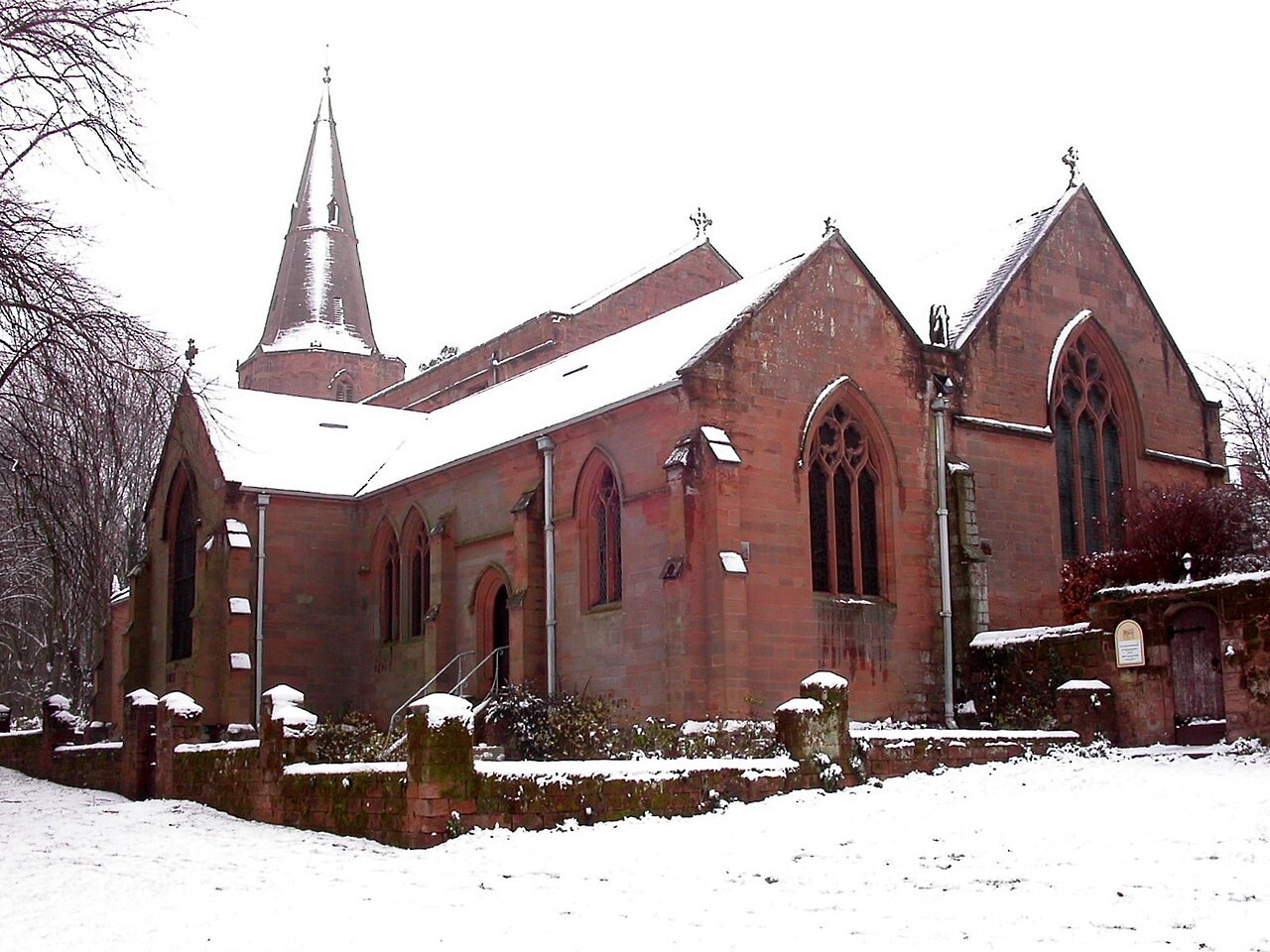
Photo: Original uploader was Tomtom08 at en.wikipedia Later version(s) were uploaded by Feydey at en.wikipedia . · CC BY-SA 3.0 · cropped
The Fox verdict
A castle town with a green heart
Kenilworth brings a major medieval castle together with an abbey landscape, a nature reserve and historic town pubs.
The castle is the centrepiece, but Abbey Fields, St Nicholas Church and Kenilworth Common carry the visit through the Finham Brook valley. Historic inns add stories stretching from the sixteenth century to the Dictum of 1266.
Where to go
Places in Kenilworth
Every place below is checked against a published source, listed with what it is and how long to give it.
Local signatures
3 placesKenilworth Castle
A red-sandstone castle founded in the 1120s, with a Norman keep, John of Gaunt's Great Hall, Elizabethan Gardens and a tower climb.
- Visit length
- Editorial estimate: Allow around 2 hours
- Locality
- Kenilworth
Abbey Fields
A 68-acre park with grassy slopes, a lake, veteran trees and surviving ruins of St Mary's Abbey; the park is a Scheduled Ancient Monument.
- Visit length
- Editorial estimate: Allow around 1 hour
- Locality
- in the valley of the Finham Brook
Virgins & Castle
A traditional inn dating to 1563, serving breakfasts, lunches and Sunday roasts and believed to be Kenilworth's oldest pub.
- Visit length
- Editorial estimate: Allow around 1 hour 15 minutes
- Locality
- 7 High Street
Food & drink
1 placeClarendon Arms
A traditional, family-run pub with an extensive menu and well-maintained hand-pulled ales.
- Visit length
- Editorial estimate: Allow around 1 hour 15 minutes
- Locality
- Little Virginia
- Access
- Dog friendly.
Walks & outdoors
1 placeKenilworth Common Nature Reserve
A nature reserve for wildlife walks, with gorse, heather and the possibility of watching kingfishers.
- Visit length
- Editorial estimate: Allow around 1 hour
- Locality
- east along the Finham Brook
History & heritage
1 place
Church of St Nicholas
A Grade I church with Norman foundations, a fourteenth-century Gothic body and an elaborate late-twelfth-century Norman west doorway.
- Visit length
- Editorial estimate: Allow around 45 minutes
- Locality
- Kenilworth
No places match this filter. Choose All places to reset the list.
Three ways to explore Kenilworth
Signature outings
From Norman keep to Elizabethan palace
Explore the Norman keep, John of Gaunt's Great Hall and the Elizabethan Gardens at Kenilworth Castle.
Warwickshire's sumptuous Norman doorway
Look closely at the elaborate west doorway of St Nicholas, thought to have been salvaged from St Mary's Abbey.
Gorse, heather and kingfishers
Follow Kenilworth Common along the Finham Brook for gorse, heather and kingfisher-watching.
The town story
Kenilworth Town Guide
Historic inns, an abbey landscape and a red-sandstone castle give Kenilworth its long view through Warwickshire history.
Historic inns and town tables
The Virgins & Castle stands at 7 High Street and has been serving since 1563, when it opened as the Two Virgins Inn. It is reckoned the oldest pub in Kenilworth, and during the years the castle belonged to Robert Dudley, Earl of Leicester, it is said to have hosted the Court of the Castle Manor. These days it does breakfasts, lunches and Sunday roasts, and sits among the town's best-rated pubs. That is a long run for one address.
Kenilworth is not short of alternatives. In Little Virginia, one of the oldest corners of the town, the family-run Clarendon Arms keeps well-maintained hand-pulled ales and welcomes dogs. On Mill End, near the Common, the Engine is the sort of place locals describe as loved and friendly. The Lion, on Warwick Road in the middle of the shopping streets, holds a Cask Marque and serves homemade food all day. The Green Man runs a beer garden and weekly quizzes, and the Bear & Ragged Staff takes its name from the heraldic badge of the Earls of Warwick. The Wetherspoon is called the Dictum of Kenilworth, after the legal settlement of 1266 that reconciled the rebel barons with the Crown. Few chain pubs carry a thirteenth-century treaty for a name.
Abbey Fields and the Common
The independent shops run along Warwick Road and through the old town near the castle. The green heart of the place is Abbey Fields, sixty-eight acres in the valley of the Finham Brook, with a lake, an outdoor swimming pool, veteran trees and the surviving ruins of St Mary's Abbey — a gatehouse, a barn and scattered fragments. A circular walk of about 1.6 miles from the castle car park takes in the castle, the abbey ruins, the lake and St Nicholas Church. For a longer walk, the Kenilworth loop on the Millennium Way runs to 6.8 miles. East along the brook, Kenilworth Common is gorse and heather, and good for watching kingfishers.
The Norman doorway
St Nicholas is a Grade I church with Norman foundations and a fourteenth-century Gothic body. Its elaborate west doorway is thought to have been salvaged from St Mary's Abbey after the dissolution in 1538, possibly reassembled from several abbey doorways; Pevsner and Alexandra Wedgwood called it "the most sumptuous Norman doorway in Warwickshire." The churchyard spreads across much of the old abbey site.
Nine centuries at the castle
The castle is Kenilworth's centrepiece. Geoffrey de Clinton built the keep in the 1120s; King John dammed the brook into a great lake; John of Gaunt added the palace apartments. In 1266 its garrison held out against Henry III for six months, one of the longest sieges in medieval England. In 1575 Dudley entertained Elizabeth I here for nineteen days at a reputed cost of about £1,000 a day. The buildings are red sandstone, the same stone as the church.
Rail, road and a local invention
Kenilworth station reopened in 2018, on the Coventry–Leamington line, and the town sits on the A452, roughly midway between Warwick and Coventry. In 1869 a local whitesmith named Edward Langley Fardon demonstrated the first bicycle with wire-spoked wheels and rubber tyres.
Stay around Warwickshire
Make a longer stay of it
Travel Fox holiday homes around Warwickshire, linked directly to their property pages.
For homeowners
Own a holiday home near Kenilworth?
We manage holiday lets across the UK from 12% commission, charged after cleaning costs, with no lock-in. A co-founder visits before you decide.
How our holiday let management works →
A guide with a point of view
Written from research. Edited for real journeys.
Use the Official site links for live practical details, then use this guide for context, ideas and room to explore.
Photography credits & licences
Third-party photographs are credited to their named creators and reused under the linked Creative Commons licence or public-domain dedication. Travel Fox stores an optimised local copy; the file-specific changes and any browser-applied display crop are disclosed below. Reused photographs link both to the Wikimedia Commons source record and to the declared source image; Travel Fox's own photographs carry no such record and are marked as ours. These image licences do not cover Travel Fox text, branding or page design.
- File:St Nicholas Church -Kenilworth -winter snow.JPG — photograph by Original uploader was Tomtom08 at en.wikipedia Later version(s) were uploaded by Feydey at en.wikipedia .; Transferred from en.wikipedia. Source record on Wikimedia Commons. Declared source image. Licence: CC BY-SA 3.0. File changes: Downloaded from Wikimedia Commons, resized to a maximum 1920px edge and encoded as an optimised JPEG. Display changes: Displayed with responsive CSS cropping.
Sources
Every place on this page is checked against a published source. Each entry links the record we used and names who publishes it.
- Kenilworth Castle — english-heritage.org.uk national body or asset manager
- Abbey Fields — warwickdc.gov.uk statutory register or public authority
- Church of St Nicholas — stnicholaskenilworth.org.uk operator, sector body or destination organisation
- Kenilworth Common Nature Reserve — warwickshirewildlifetrust.org.uk national body or asset manager
- Virgins & Castle — thevirginsandcastle.co.uk operator, sector body or destination organisation
- Clarendon Arms — clarendonarmskenilworth.co.uk operator, sector body or destination organisation