
High above Dovedale
Blore
A tiny upland hamlet where a Grade I church, the Bassett Monument and high-ground walking outweigh the sparse village inventory.
- Best for
- Church history and high-ground walking
- Give it
- A few hours, or longer with a nearby walk
- Don't miss
- The Bassett Monument in St Bartholomew's
The Fox verdict
Small in scale, rich in one exceptional church
Blore rewards a focused visit for medieval and Tudor church fabric, the Bassett tomb and views over the valleys around it.
The hamlet has no pub or shop, but St Bartholomew's and the landscape make a worthwhile pairing. Treat Blore as a quiet ridge stop, then extend the day on foot towards Ilam or by linking it with Dovedale or Ashbourne.
Your picks, your pace
Make Blore yours
Choose a compact ridge visit or combine Blore with nearby countryside and town stops.
Local signatures
3 placesSt Bartholomew's Church
A Grade I church with medieval fabric, Tudor fittings and Jacobean woodwork, centred on the huge alabaster Bassett Monument in the north chapel.
- Visit length
- Editorial estimate: around 45 minutes
- Locality
- Blore hamlet
- Access
- Check current visitor access before travel.
Dovedale
The dale directly below Blore's high ground, providing a valley landscape stop alongside a ridge-based visit.
- Visit length
- Editorial estimate: around 90 minutes
- Locality
- Dovedale near Thorpe
- Access
- Start at Dovedale Car Park on Thorpe Road and check current parking arrangements.
Ashbourne
The nearest market town, about 3.2 miles from Blore in a straight line; start at Shawcroft car park for the centre.
- Visit length
- Editorial estimate: around 60 minutes
- Locality
- Ashbourne
- Access
- Start at Shawcroft car park for the town centre.
Walks & outdoors
2 placesBlore Pastures
A high trailhead and viewpoint above Ilam, with views towards Thorpe Cloud and Bunster Hill.
- Visit length
- Editorial estimate: around 45 minutes
- Locality
- above Ilam, near Blore
- Access
- Use the named Blore Pastures car park as the trailhead; check current parking arrangements.
Ilam Park
A 158-acre National Trust country park on the River Manifold, reached from Blore via the lane towards Ilam.
- Visit length
- Editorial estimate: around 90 minutes
- Locality
- Ilam
- Access
- Start at Ilam Hall Car Park and check current access arrangements.
No places match this filter. Choose All places to reset the list.
On the map
Blore at a glance
Tap a marker to jump to its guide card.
Three ways to explore Blore
Signature outings
The Bassett Monument
See the huge alabaster tomb to William Bassett, Judith Bassett and Henry Howard in St Bartholomew's north chapel.
Views from Blore Pastures
Pause on the high ground for views over Ilam towards Thorpe Cloud and Bunster Hill.
Ilam by the Manifold
Pair Blore's ridge with the 158-acre National Trust country park beside the River Manifold.
The village story
Blore Village Guide
A small Staffordshire hamlet with an exceptional church, a long manor story and high-ground views above Dovedale.
Broken Hands on a Windy Ridge
The alabaster effigies in St Bartholomew's have no hands. Roundheads knocked them off during the Civil War, and the intervening centuries of Sunday services have not put them back. William Bassett lies there in stone, with his wife Judith and their son-in-law Henry Howard, carved into a huge alabaster tomb by Jasper Hollemans some time between 1618 and 1640, in the north chapel of the church.
That is more or less the pattern with Blore: outsized monuments in an undersized place. The hamlet sits on high ground above Dovedale, between the Dove valley and the Weaver Hills, and by any reasonable measure there isn't much of it — Blore Hall, the church, the Old Rectory, a scatter of farms.
No Pub, but a Remarkable Church
There is no pub in Blore, and no shop. The nearest pint is down the steep lane at Ilam, or further round at Calton or Waterhouses.
What there is, is the church and the hall, and both are worth the climb up from Ilam. St Bartholomew's is Grade I listed, with Norman stonework surviving in the nave, a 14th-century tower, a 15th-century font and north aisle, and Jacobean box pews that have outlasted the family who paid for the Tudor screen beside them. It was restored in the 1990s and it shows, in the sense that nothing about the place feels precarious.
Hall, Manor and Name
Blore Hall is first documented in 1331, though the building standing today is early 16th-century and has changed little since 1661 — red brick in English bond, ashlar dressings, a limestone rubble wing added later. The Bassetts held the manor from the 15th century until 1618, when Elizabeth Bassett's marriage carried it into the Cavendish family and, a few generations further on, into the ancestry of the late Queen. The hall is no longer a family seat. It's run today by the Holiday Property Bond as holiday accommodation, which means people still sleep in it.
Domesday valued the whole manor at five shillings, with two villagers recorded to their names, putting it among the smallest fifth of settlements in the survey. The placename is thought to mean either "windy place" or "top of a hill." Standing on the ridge with the wind coming off the Weaver Hills, it isn't obvious which one they were being polite about.
Walking Above Dovedale
The walking makes the stronger case for staying nearby than the hamlet does on its own. The lane up from Ilam passes the Mary Watts-Russell Memorial Cross and climbs through Hinkley Wood to what the Country Images Magazine walking guide calls simply "the tiny hamlet of Blore," with the Weaver Hills opening up west across the Churnet Valley. Blore Pastures, a little further along, looks down over Ilam to Thorpe Cloud and Bunster Hill. A longer circuit takes in Mappleton, Okeover Hall and the Manifold Trail — six and a half miles, back down into Ilam for the pub you didn't have in Blore.
Ashbourne is about 3.2 miles from Blore in a straight line; the road journey is longer. A bus, the 108, passes along the Ashbourne road roughly every four hours if you'd rather not walk it. Most people walk it.
Looking Out from Blore
There isn't much else to do once you're up there except look at the view — west to the Weaver Hills, east into the Peak District — and go back down for your dinner.
Stay around Alton Towers
Make a longer stay of it
Travel Fox holiday homes around Alton Towers, linked directly to their property pages.
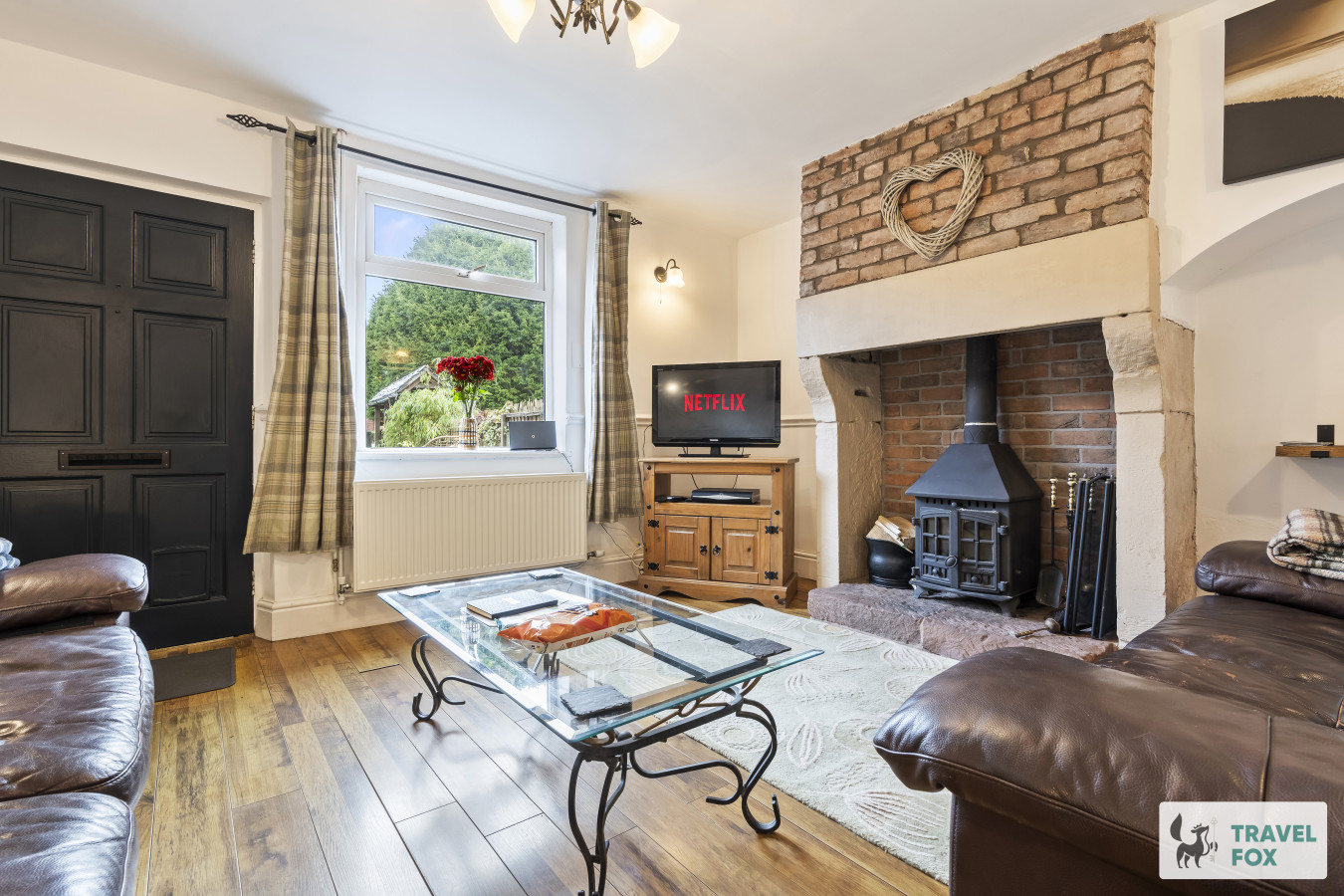
Oakamoor
Christina's House
- Sleeps 4
- 2 bedrooms
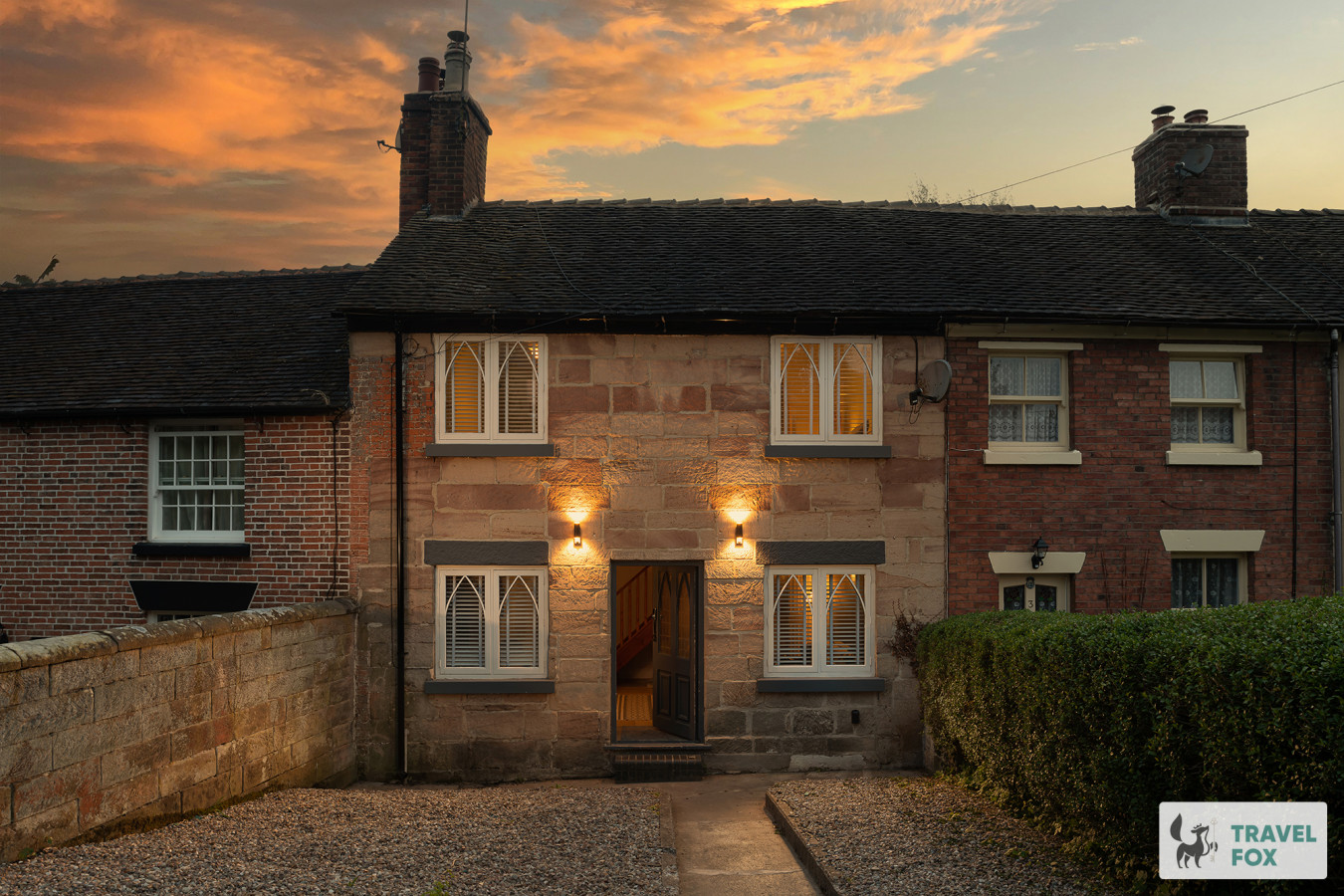
Alton
Angel Cottage - 5 mins drive to Alton Towers!
- Sleeps 10
- 4 bedrooms
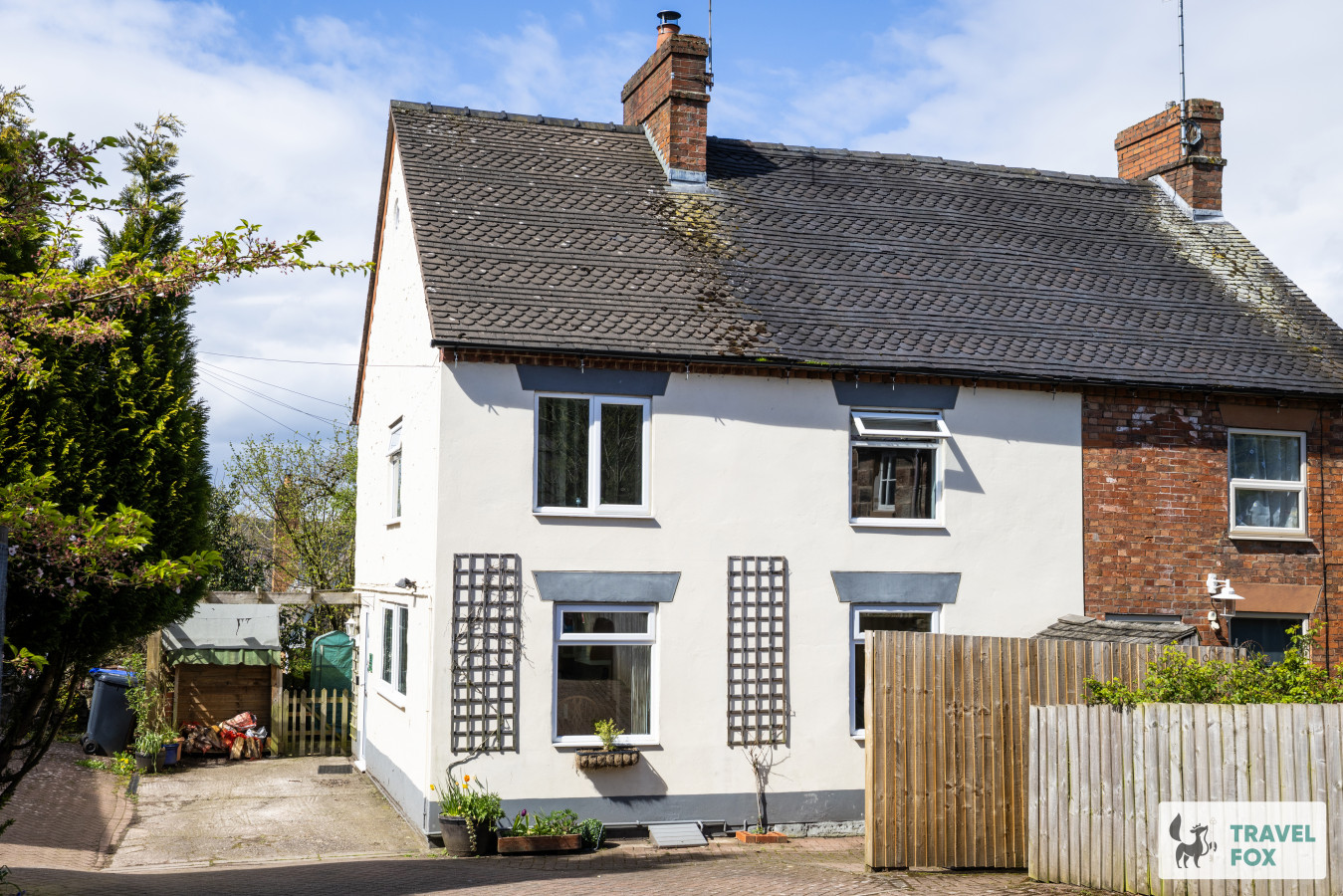
Alton
Smithy Bank Cottage - with free parking!
- Sleeps 8
- 3 bedrooms
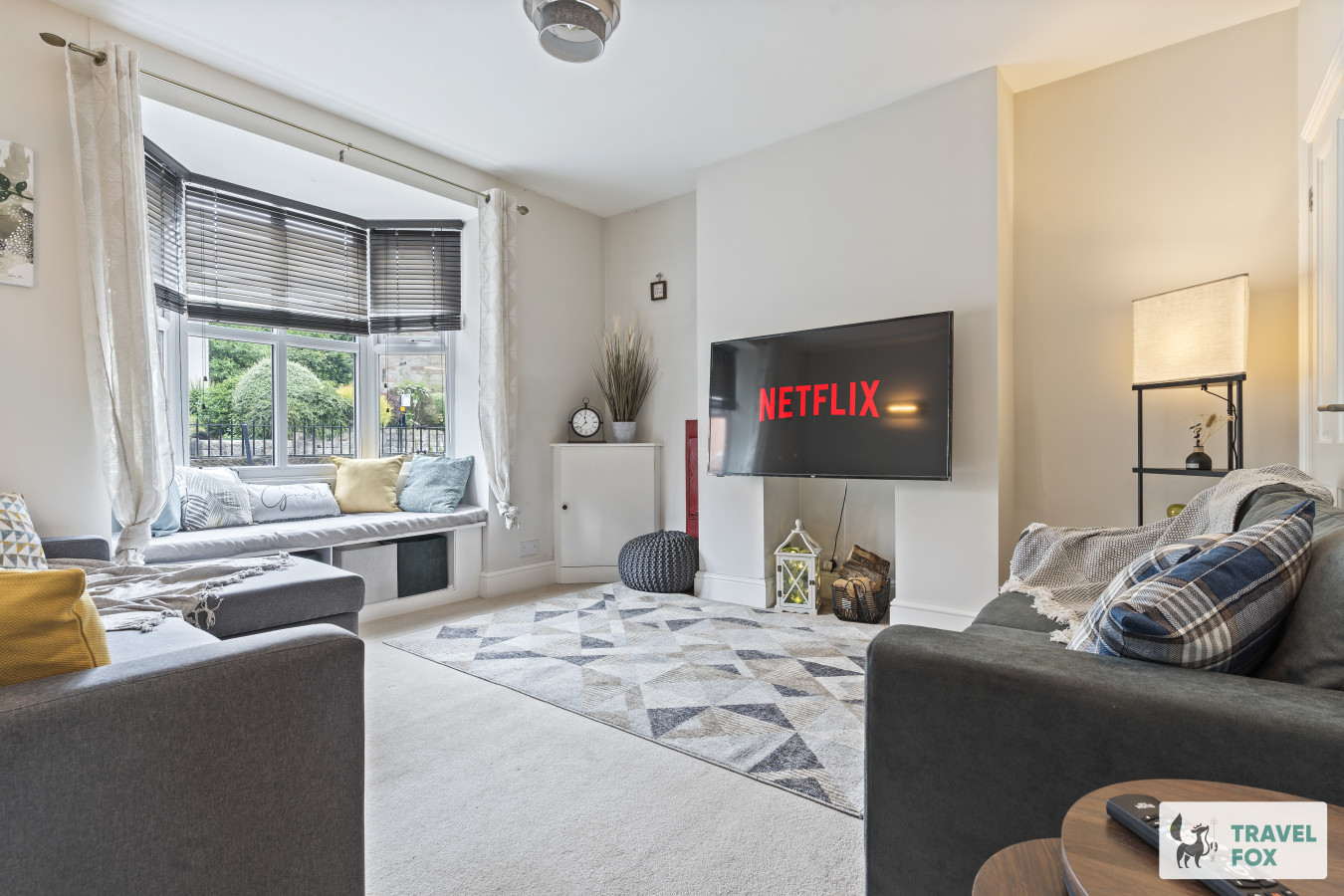
Alton
The Old Post Office: Alton Towers
- Sleeps 8
- 3 bedrooms
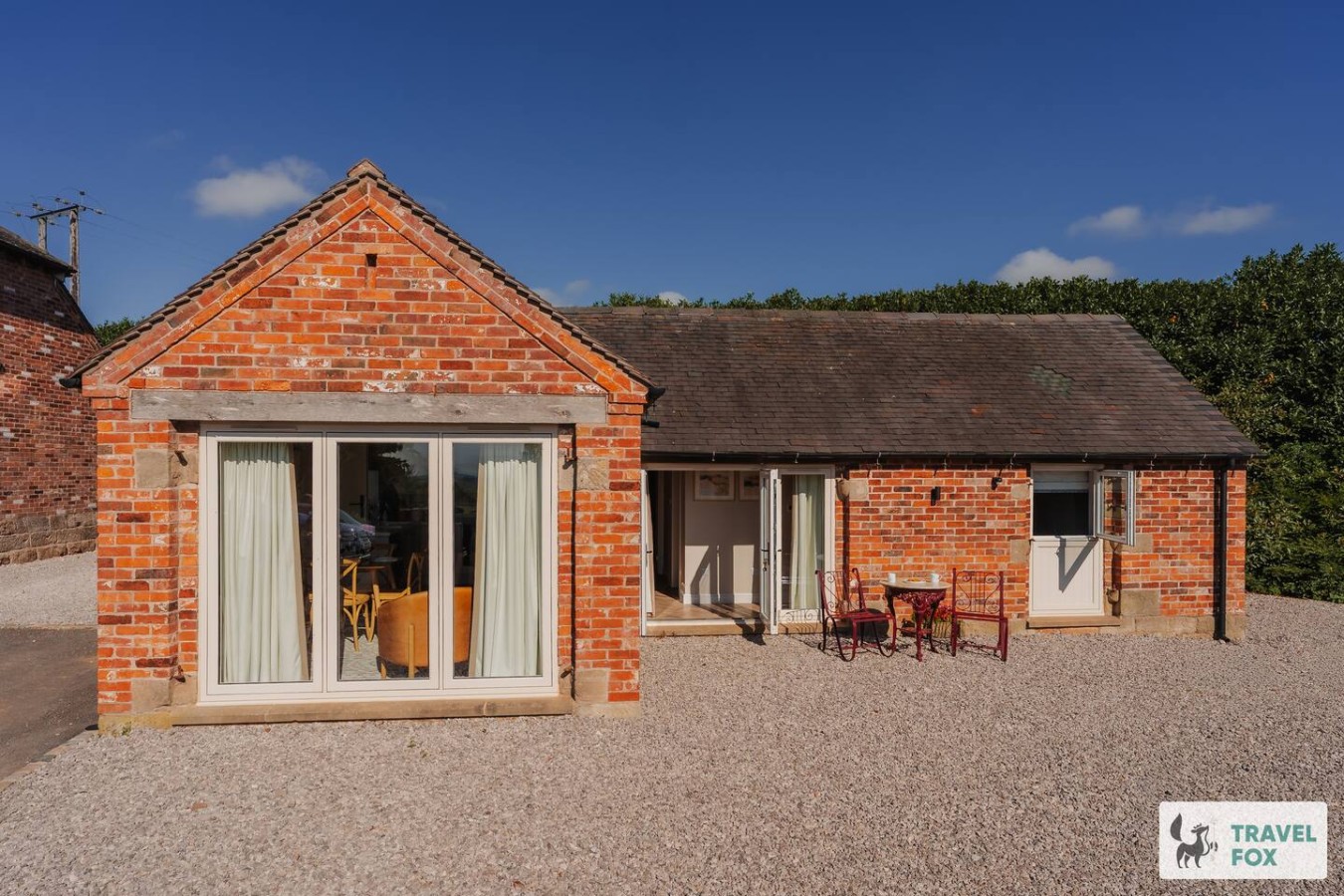
Checkley
The Old Stables
- Sleeps 4
- 2 bedrooms
For homeowners
Own a holiday home near Blore?
We manage holiday lets across Staffordshire from 12% commission, charged after cleaning costs, with no lock-in. A co-founder visits before you decide.
Holiday let management in Staffordshire →
A guide with a point of view
Written from research. Edited for real journeys.
Use the Official site links for live practical details, then use this guide for context, ideas and room to explore.
Sources
Every place on this page is checked against a published source. Each entry links the record we used and names who publishes it.
- St Bartholomew's Church — historicengland.org.uk statutory register or public authority record not machine-readable; publisher restricts automated access
- Blore Pastures — peakdistrict.gov.uk statutory register or public authority record not machine-readable; publisher restricts automated access
- Ilam Park — nationaltrust.org.uk national body or asset manager
- Dovedale — nationaltrust.org.uk national body or asset manager
- Ashbourne — visitpeakdistrict.com operator, sector body or destination organisation