
Above the Churnet Valley
Foxt
A small Staffordshire Moorlands hamlet where a welcoming country pub, canal history and steep walking routes meet.
- Best for
- Valley views, canal history and a rewarding pub stop
- Give it
- A pub visit or the roughly three-hour circular walk
- Don't miss
- Froghall Wharf and the Devil's Staircase
The Fox verdict
A hillside hamlet with a strong sense of reward
Foxt pairs the Fox & Goose's valley outlook with a demanding circular through canal and tramway history.
Come for a meal and the Churnet Valley view, or make Foxt part of the longer circuit from Froghall Wharf through Ipstones and back beside the Caldon Canal. The village is small, but the surrounding landscape and industrial story give it substance.
Where to go
Places in Foxt
Every place below is checked against a published source, listed with what it is and how long to give it.
Local signatures
3 placesFoxt Village Hall
The focus of Foxt's active local social calendar, including the village's annual Flower Festival and Christmas Tree Sale.
- Visit length
- Editorial estimate: around 30 minutes
- Locality
- in Foxt
Froghall Wharf
The terminus of the Caldon Canal branch and a former industrial hub of lime kilns, canal warehousing and limestone tramways.
- Visit length
- Editorial estimate: around 45 minutes
- Locality
- at the foot of Foxt's lane in Froghall
Consall Nature Park
A Churnet Valley nature park connected to the Foxt area by the canal towpath and former tramway walking routes.
- Visit length
- Editorial estimate: around 75 minutes
- Locality
- in the Churnet Valley at Consall
Food & drink
1 placeFox & Goose
An independently operated, stone-built pub and restaurant with a conservatory, outside tables, real ales and panoramic views over the Churnet Valley.
- Visit length
- Editorial estimate: around 90 minutes
- Locality
- on Fox Lane in Foxt
- Access
- Dogs are welcome on leads; walkers and cyclists are also welcomed.
Walks & outdoors
2 placesFroghall–Foxt–Ipstones Circular
A 7–11.5 km circuit using an old limestone tramway bed, the Devil's Staircase and the Caldon Canal towpath past Flint Mill Lock and Cherry Eye Bridge.
- Visit length
- Editorial estimate: Allow around 3 hours
- Locality
- starting at Froghall Wharf and passing through Foxt and Ipstones
- Access
- Moderate route with substantial ascent; one stream-crossing section between Foxt and Ipstones is suitable only for people on foot.
Ipstones Edge
A high point of around 1,250 feet with panoramic views for miles across the Staffordshire Moorlands.
- Visit length
- Editorial estimate: around 60 minutes
- Locality
- above neighbouring Ipstones
- Access
- Check the public access route before visiting; the edge covers a broad area.
No places match this filter. Choose All places to reset the list.
Three ways to explore Foxt
Signature outings
A pub above the valley
Settle into the Fox & Goose for honest pub food, real ales and a panorama across the Churnet Valley.
Caldon Canal heritage
Explore Froghall Wharf, where lime kilns, warehouses and tramways once served the limestone trade.
The height of Ipstones Edge
Reach the high ground above Ipstones for panoramic views across the Staffordshire Moorlands.
The village story
Foxt Village Guide
A hillside hamlet shaped by pub warmth, canal industry and Staffordshire Moorlands walking.
A pub above the Churnet Valley
The Fox & Goose is built from stone and stands at the top of the lane that climbs for about a mile out of Froghall Wharf — steep enough that the pub feels like a reward for the climb. From the conservatory and the tables outside, you get the reason people make it: the Churnet Valley opens out below.
The food runs to smoked beef ribs, steaks, burgers, and a proper vegetarian selection, with Thursday set aside for steak night and Sunday for a carvery. Reckon on £10 to £38 a head. It's the only restaurant in Foxt on Tripadvisor, which sounds like faint praise until you read the 250 reviews — the beef brisket and the Sunday lunch get singled out repeatedly, and more than one visitor has called the steaks "an absolute bargain."
Beer, welcome and village life
At the bar: Draught Bass and Timothy Taylor Landlord as regulars, plus two rotating guest ales — usually Peakstones Rock, Titanic or Wincle — and a seasonal real cider. There's a beer festival every August and a quiz night every other week. Dogs are welcome on leads, walkers and cyclists too, muddy or not; one review mentions a landlord from Queensland who waved in a whole group still dripping from the hills outside.
Foxt itself is small — a scattered hamlet on the hillside above the river, a couple of hundred people, no shop, no post office. What there is instead is Foxt Village Hall, which keeps a calendar going alongside the pub: an annual Flower Festival, a Christmas Tree Sale.
Wharf industry and the long circular
Walk down to Froghall Wharf and you're at the foot of what used to be one of the busiest points on the Caldon Canal — lime kilns, warehousing, a tramway once hauling a thousand tons of limestone a day, until a rival quarry at Buxton took the trade in 1920 and the line closed. The Churnet Valley Railway's steam trains still run the valley below.
The best circular walk goes back up through Foxt to Ipstones, past Belmont Hall, down the two hundred steps of the Devil's Staircase, then along the towpath past Flint Mill Lock and Cherry Eye Bridge — named for a disused ironstone mine once worked for paint pigment. One stretch, between Foxt and Ipstones, drops into a valley and crosses a stream on a path the guidebooks admit is "only fit for those on foot." The nearest working station is Stoke-on-Trent; closer, but heritage-only, is Consall.
St Mark's and Ipstones Edge
The church, St Mark's, went up in 1846–47 in the Early English Gothic style Francis Niblett favoured for the period's new Anglican churches. Historic England rates it "a successful and early example of the ecclesiological style," which is a lot of words to say it was ahead of the trend. None of it makes the Domesday record — Foxt doesn't appear as a manor, and the parish wasn't written up as "Yppestan" until 1175.
Ipstones Edge, above the village, gets you to about 1,250 feet and views across the Staffordshire Moorlands. Ipstones itself, with its own pub the Sea Lion Inn, is close by; Alton Towers lies farther south, if that's what brought you to the area.
One last measure of hospitality
Back at the Fox & Goose, a Tripadvisor reviewer's dog, Loki, once got the chef to come out with the trimmings from that evening's steaks. That's roughly the standard of welcome here, for people and otherwise.
Stay around Alton Towers
Make a longer stay of it
Travel Fox holiday homes around Alton Towers, linked directly to their property pages.
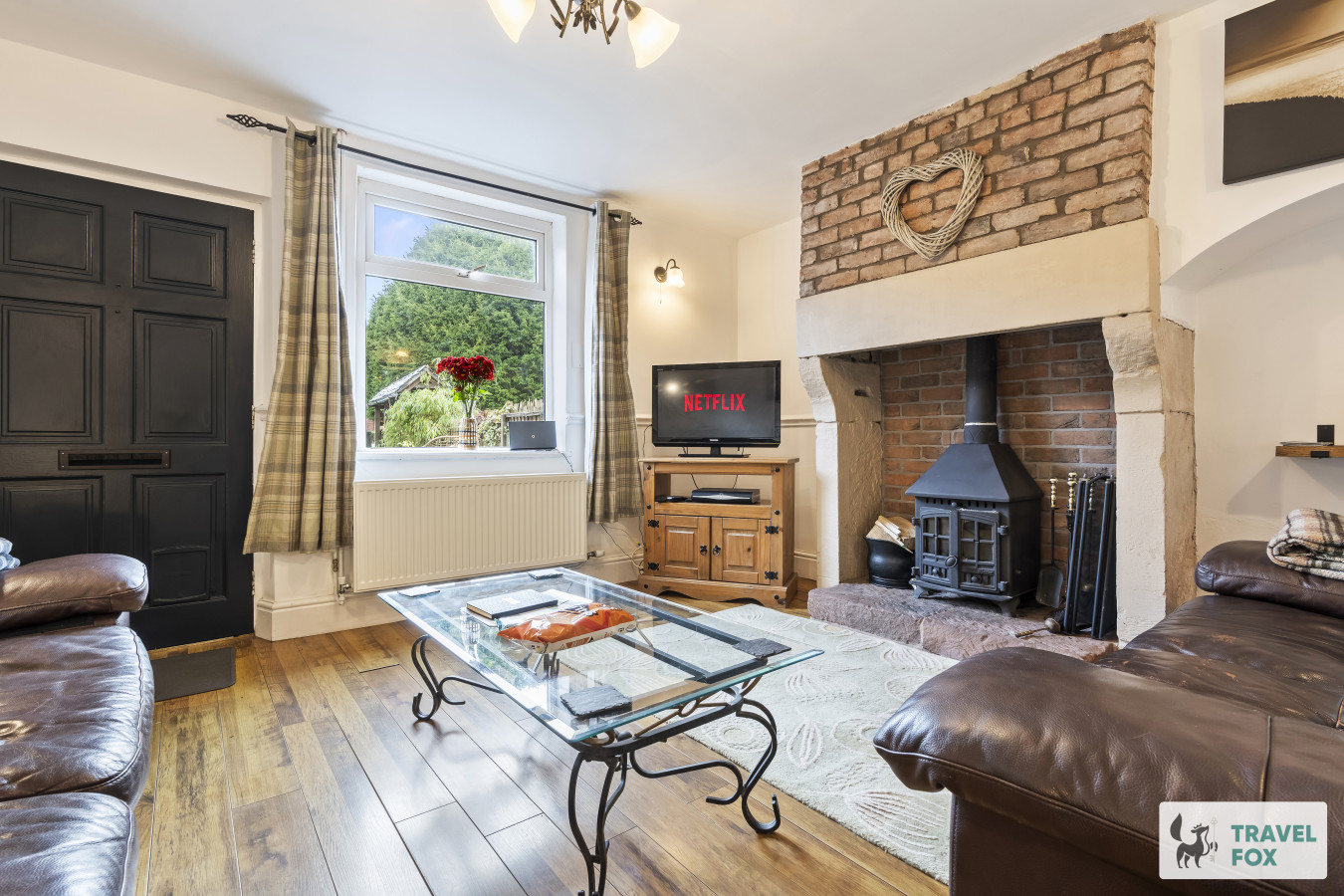
Oakamoor
Christina's House
- Sleeps 4
- 2 bedrooms
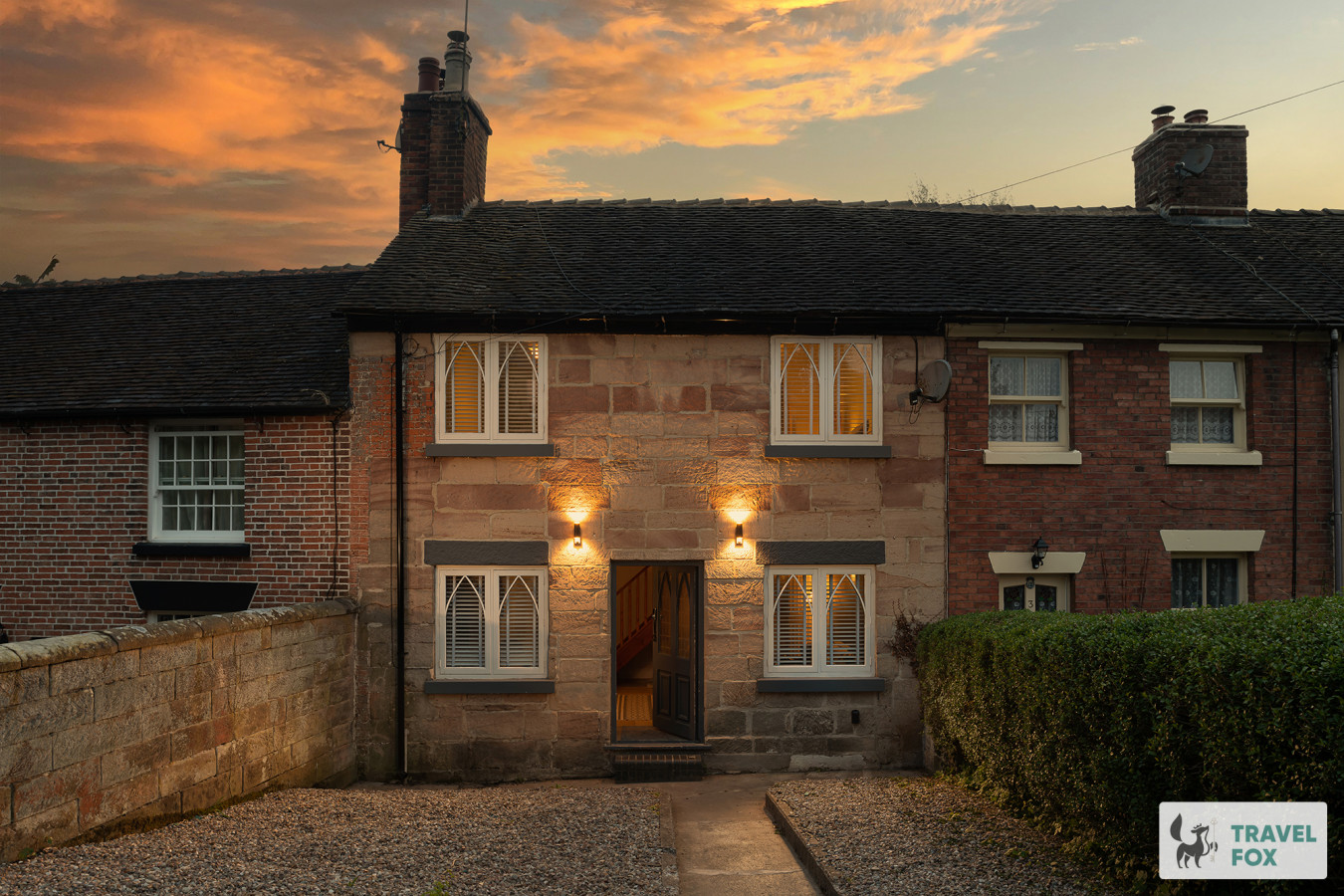
Alton
Angel Cottage - 5 mins drive to Alton Towers!
- Sleeps 10
- 4 bedrooms
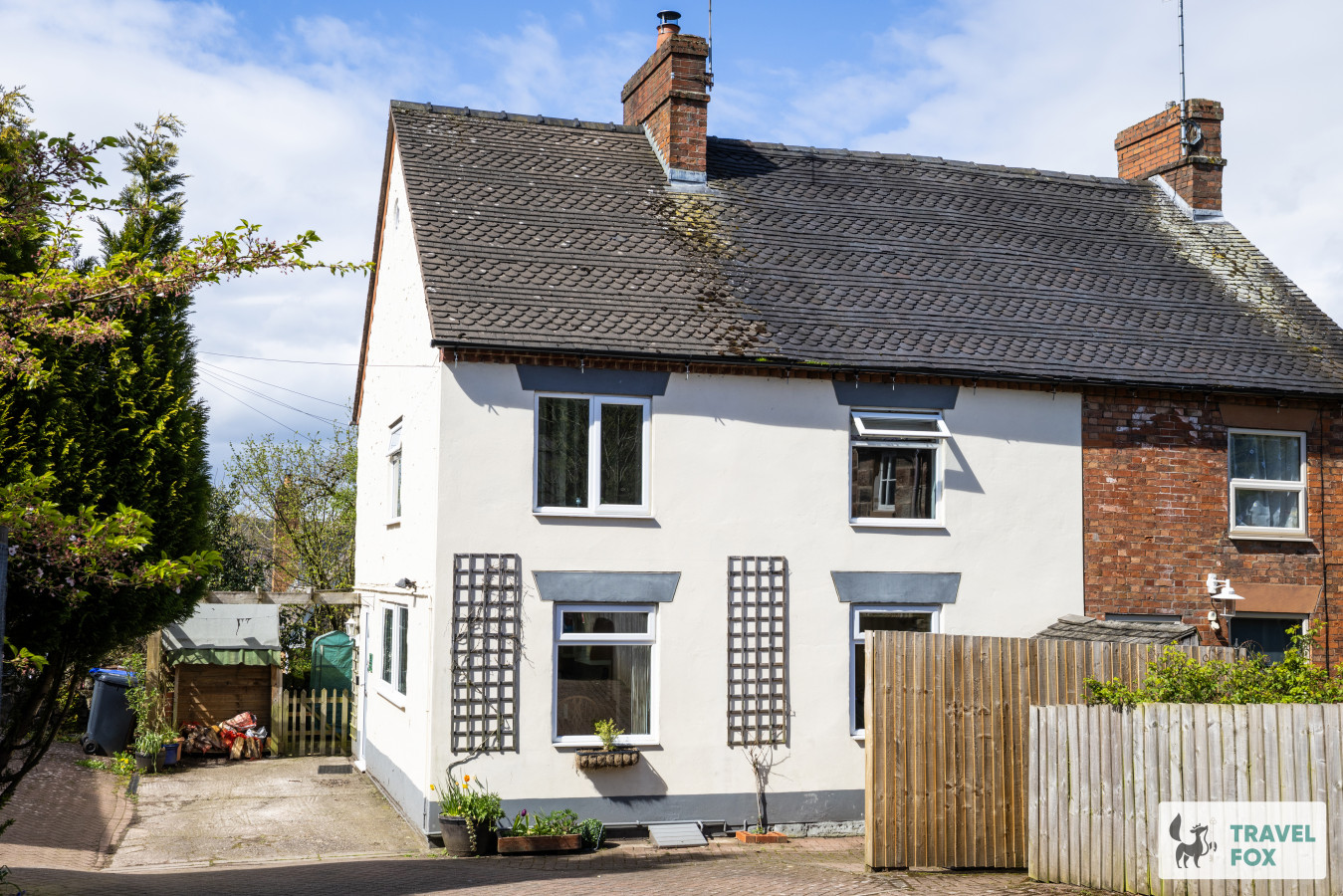
Alton
Smithy Bank Cottage - with free parking!
- Sleeps 8
- 3 bedrooms
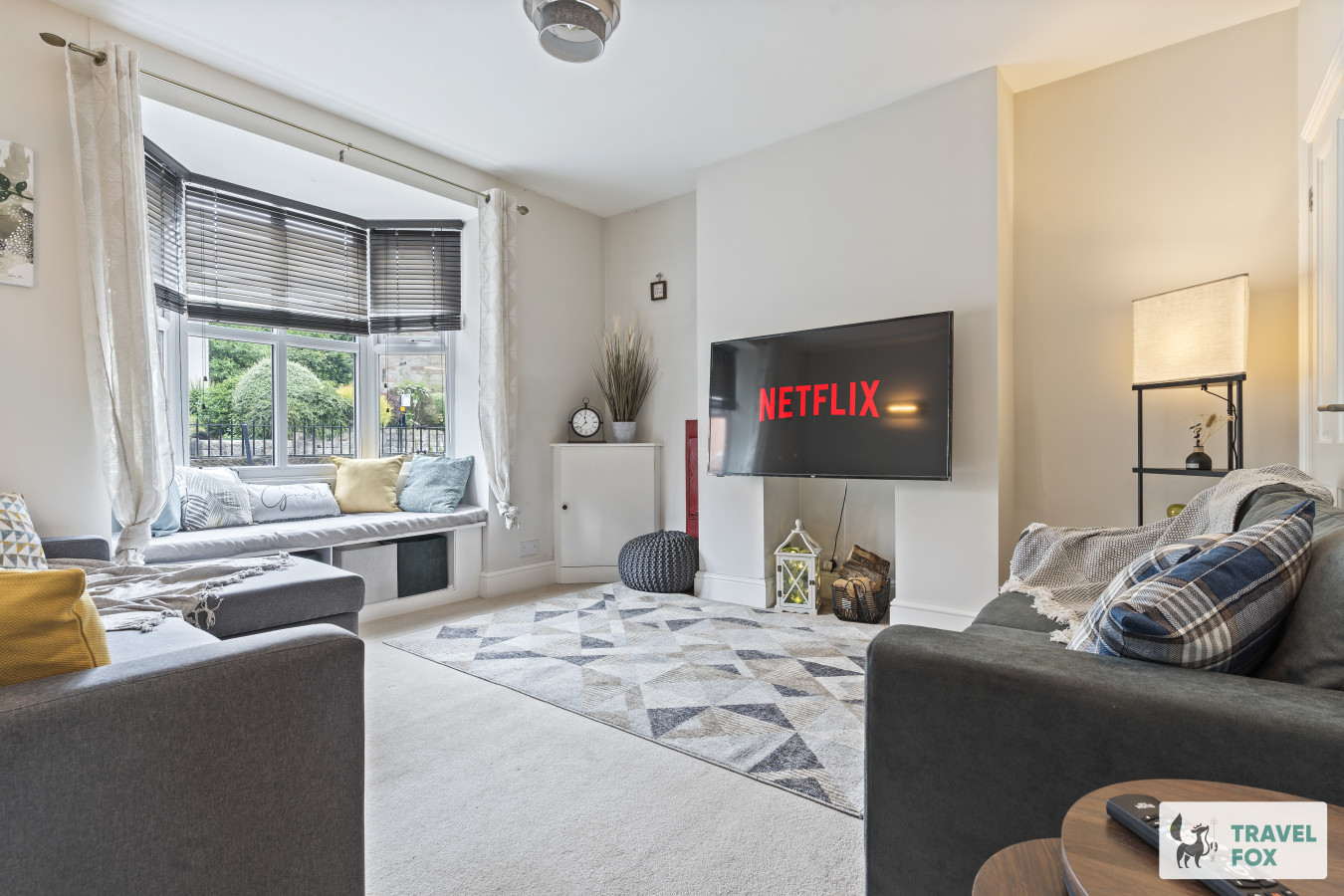
Alton
The Old Post Office: Alton Towers
- Sleeps 8
- 3 bedrooms
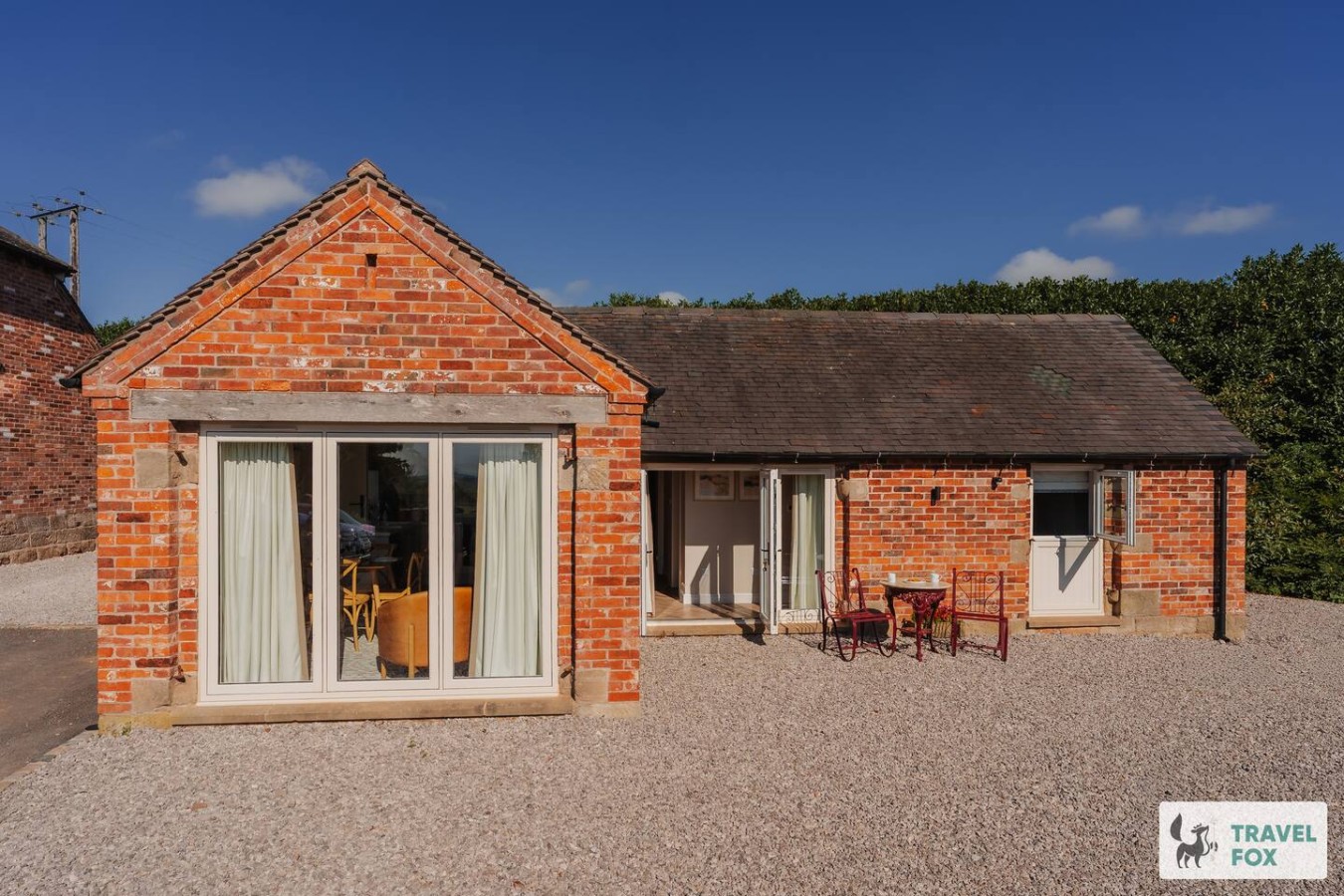
Checkley
The Old Stables
- Sleeps 4
- 2 bedrooms
For homeowners
Own a holiday home near Foxt?
We manage holiday lets across Staffordshire from 12% commission, charged after cleaning costs, with no lock-in. A co-founder visits before you decide.
Holiday let management in Staffordshire →
A guide with a point of view
Written from research. Edited for real journeys.
Use the Official site links for live practical details, then use this guide for context, ideas and room to explore.
Sources
Every place on this page is checked against a published source. Each entry links the record we used and names who publishes it.
- Fox & Goose — foxandgoosefoxt.co.uk operator, sector body or destination organisation
- Foxt Village Hall — ipstonesparishcouncil.gov.uk statutory register or public authority
- Froghall Wharf — canalrivertrust.org.uk national body or asset manager
- Froghall–Foxt–Ipstones Circular — walkingenglishman.com other published source
- Ipstones Edge — ipstonesparishcouncil.gov.uk statutory register or public authority
- Consall Nature Park — staffordshire.gov.uk statutory register or public authority