
Staffordshire countryside near Alton Towers
Wootton
A small Staffordshire village where Weaver Hills paths, deep local history and useful nearby stops shape the visit.
- Best for
- Hill walks and local history
- Give it
- Three to six hours
- Don't miss
- Views from the Weaver Hills
The Fox verdict
Come for Wootton's landscape, then range into Ellastone
Wootton is a scattered rural village, with its strongest experiences on the paths above it and in the surrounding countryside.
Walk below the Weaver Hills, trace the Fleetwood and Rousseau stories, then use Ellastone for the parish church and a meal. Larger nearby attractions work best as separate anchors rather than as substitutes for Wootton's quiet character.
Where to go
Places in Wootton
Every place below is checked against a published source, listed with what it is and how long to give it.
Local signatures
3 placesWeaver Hills Route
A waymarked circuit from Ellastone through Calwich Park and Wootton to the Weaver Hills, with high views over the surrounding countryside.
- Visit length
- Editorial estimate: allow around 4 hours for the 7.5-mile route, including its rocky ground and steep descent.
- Locality
- Ellastone, Wootton and the Weaver Hills
St Peter's Church, Ellastone
The Grade II* parish church in Ellastone has a tower dated 1586, an octagonal font and a sixteenth-century alabaster chest tomb.
- Visit length
- Editorial estimate: around 30 minutes
- Locality
- Ellastone
Alton Towers Resort
A nearby resort with a theme park, water park and hotels, suited to anchoring a family outing from Wootton.
- Visit length
- Editorial estimate: around 3 hours for a short visit
- Locality
- Alton Towers Resort, near Alton
- Access
- From the car parks, walk or take the monorail to the theme park entrance.
Food & drink
1 placeThe Duncombe Arms
The nearest pub to Wootton, a Michelin Bib Gourmand gastropub with rooms in Ellastone.
- Visit length
- Editorial estimate: around 1 hour 30 minutes
- Locality
- Ellastone
- Access
- The Duncombe Arms is in Ellastone, about 1.4 miles from Wootton in a straight line; the road journey is longer.
Walks & outdoors
1 placeCalwich Abbey Route
A gentle circuit from Ellastone through Calwich Park, passing the remains of Calwich Hall before returning across fields and through the churchyard.
- Visit length
- Editorial estimate: around 1 hour 30 minutes for the 2.5-mile circuit.
- Locality
- Ellastone and Calwich Park
No places match this filter. Choose All places to reset the list.
Three ways to explore Wootton
Signature outings
A Weaver Hills circuit
The 7.5-mile waymarked circuit reaches rocky ground and a steep descent from the hills. Take sturdy boots and enough food and drink for the walk.
Wootton's nearest pub
Book ahead when the meal is central to your visit.
A shorter Ellastone circuit
Follow the 2.5-mile circuit past Calwich Hall's remains and return to Ellastone through fields and St Peter's churchyard.
The village story
Wootton's Paths, Lodge and Lost Hall
A village of hill paths, a lost historic hall and far-reaching stories.
The Lodge and Village Life
Wootton Lodge is a Grade I listed country house visible from nearby walking routes. Built in the early seventeenth century for Sir Richard Fleetwood, it may have been designed by Robert Smythson; Fleetwood's displayed arms date it no earlier than 1612. The house has a half-basement, mullioned and transomed windows, and an entrance staircase added around 1700. It later became part of the Bamford family estate.
Fields around Wootton show traces of former ridge-and-furrow farming; the surrounding landscape is now largely pasture.
Faith and High Ground
Wootton has no church of its own. St Peter's in neighbouring Ellastone has a tower dated 1586, an octagonal font on a stepped base and a sixteenth-century alabaster tomb with two reclining figures. Ellastone also appears as Hayslope in George Eliot's Adam Bede.
The Weaver Hills rise above Wootton, with pasture, old field boundaries and views across the Dove Valley and towards the Peak District. Rousseau explored this landscape during his stay in the village.
Rousseau and Early Methodism
Richard Davenport built Wootton Hall around 1750. Rousseau lived there from March 1766 to May 1767 and wrote the first part of his Confessions in a garden hermitage later known as Rousseau's Cave. The hall was demolished in 1931 and a new house was built on its site in 2002. The original cave remains in the grounds, on private land and not generally accessible to visitors; facing stones removed in 1930 were later reassembled at Consall Hall.
Wootton and nearby Ramsor became two early centres of Primitive Methodism. Hugh Bourne visited in May 1808, and the Bourne brothers held an open-air service in Wootton on 22 May that year.
From Domesday to the Path
Domesday Book records Wootton as Wodetone in Staffordshire's Totmonslow hundred, held as the king's land in 1086.
The Weaver Hills Route starts at Ellastone Parish Hall on Church Lane and runs for 7.5 miles via Calwich Park and Wootton before climbing onto the hills. It includes rocky ground and a steep descent from the summit, so bring sturdy boots and food and drink.
Fields and Woodland
Hedged and walled fields around the former estate were established by the eighteenth century. Streams and woodland walks below the site preserve another connection to Rousseau's time in Wootton.
Stay around Alton Towers
Make a longer stay of it
Travel Fox holiday homes around Alton Towers, linked directly to their property pages.
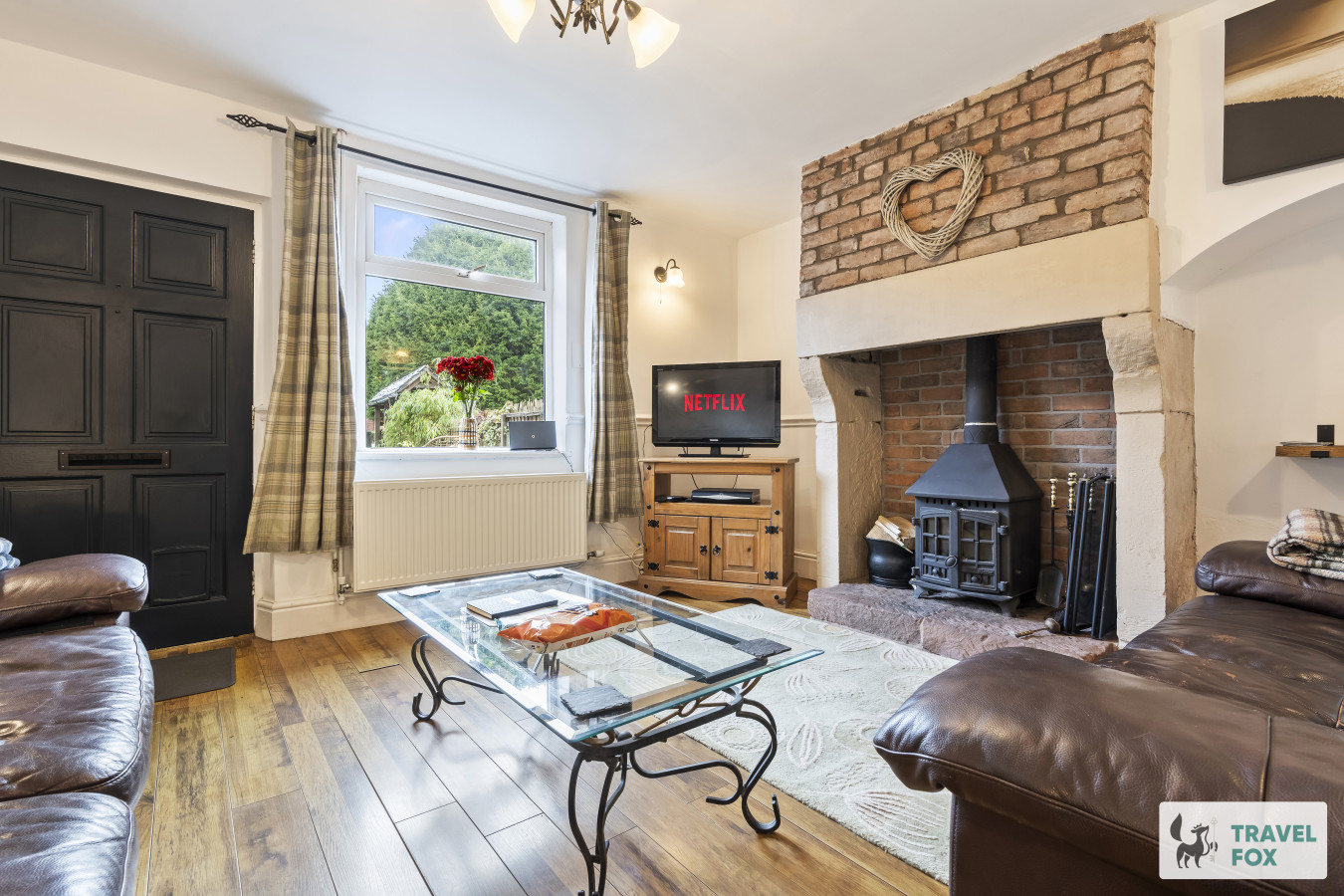
Oakamoor
Christina's House
- Sleeps 4
- 2 bedrooms
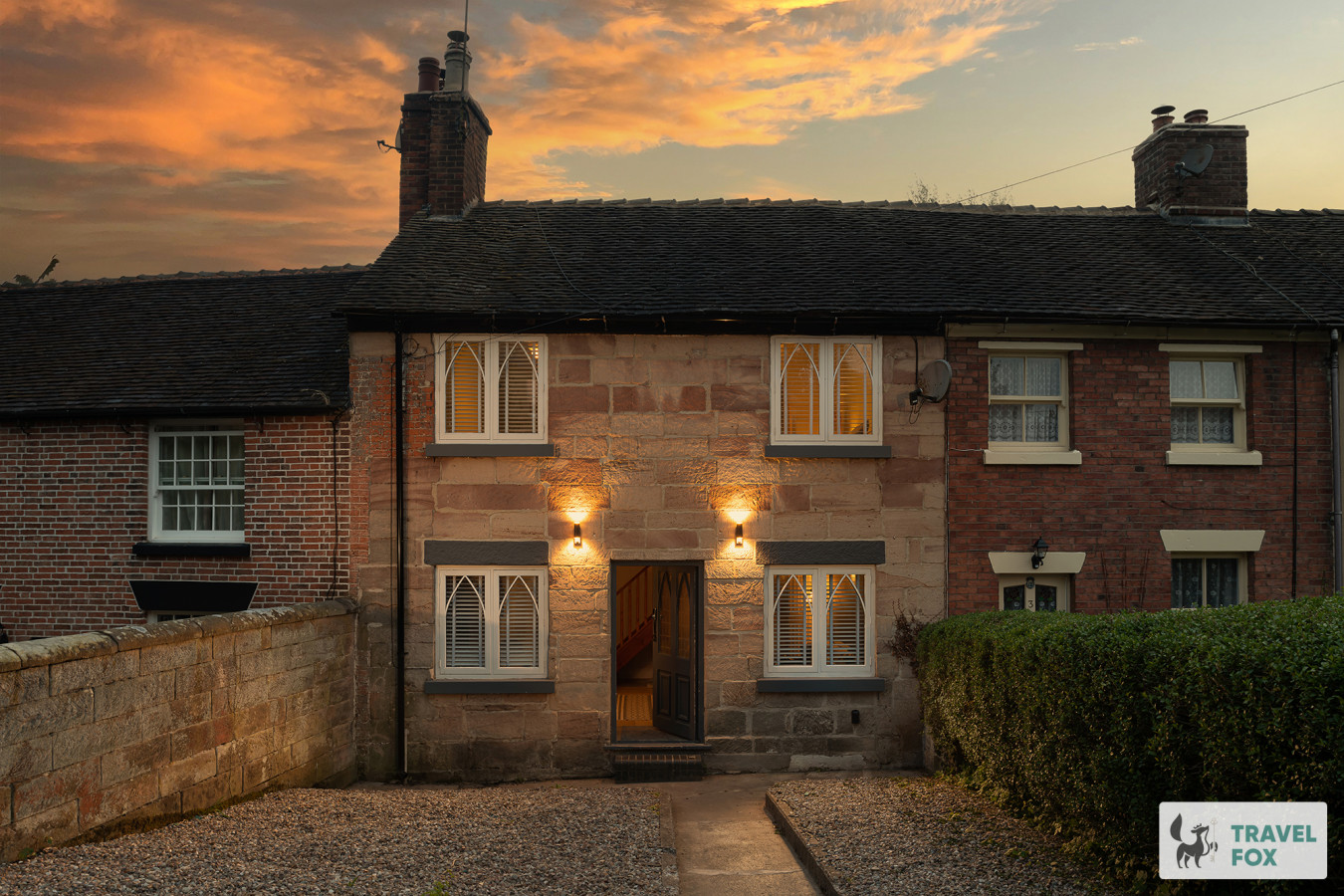
Alton
Angel Cottage - 5 mins drive to Alton Towers!
- Sleeps 10
- 4 bedrooms
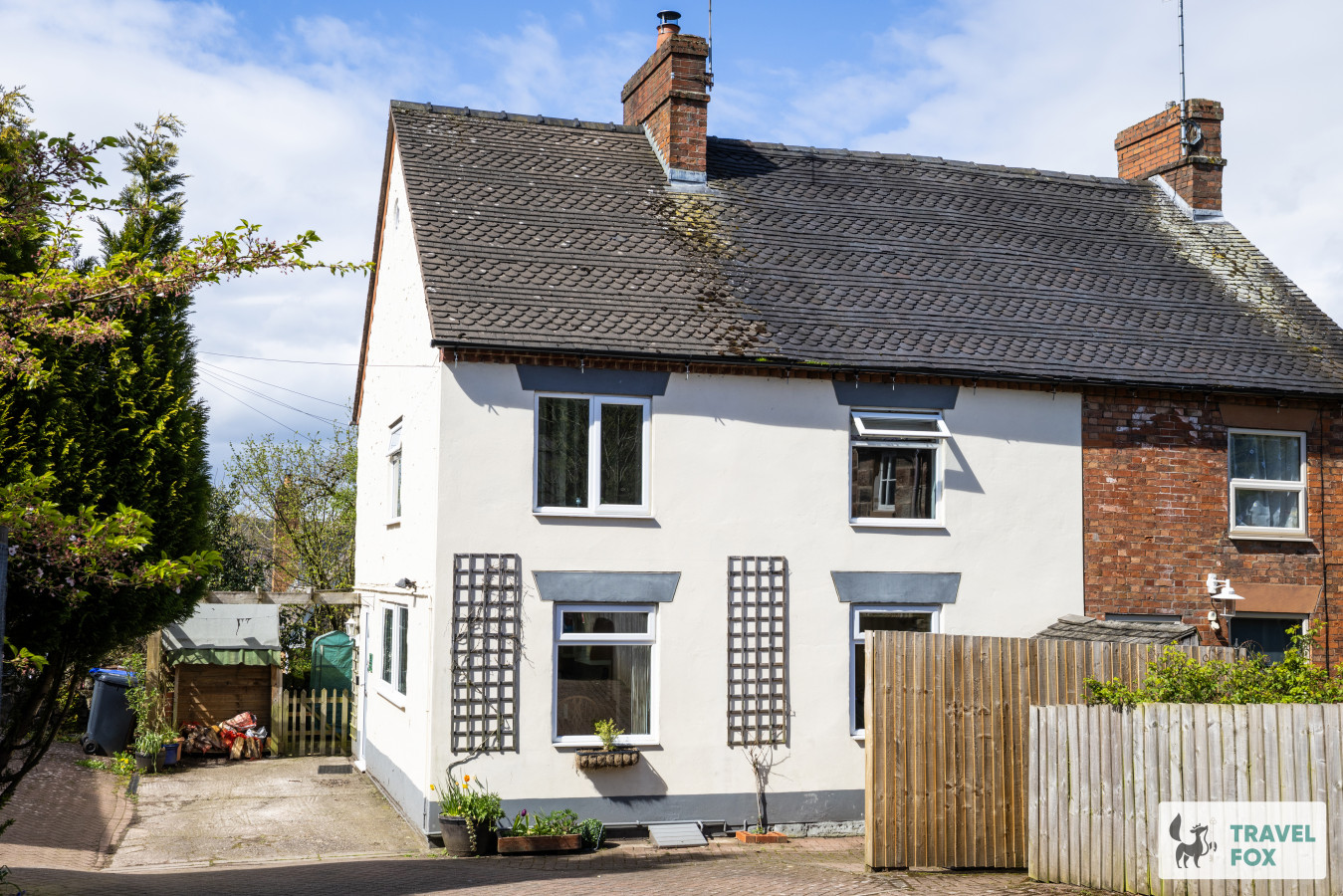
Alton
Smithy Bank Cottage - with free parking!
- Sleeps 8
- 3 bedrooms

Alton
The Old Post Office: Alton Towers
- Sleeps 8
- 3 bedrooms
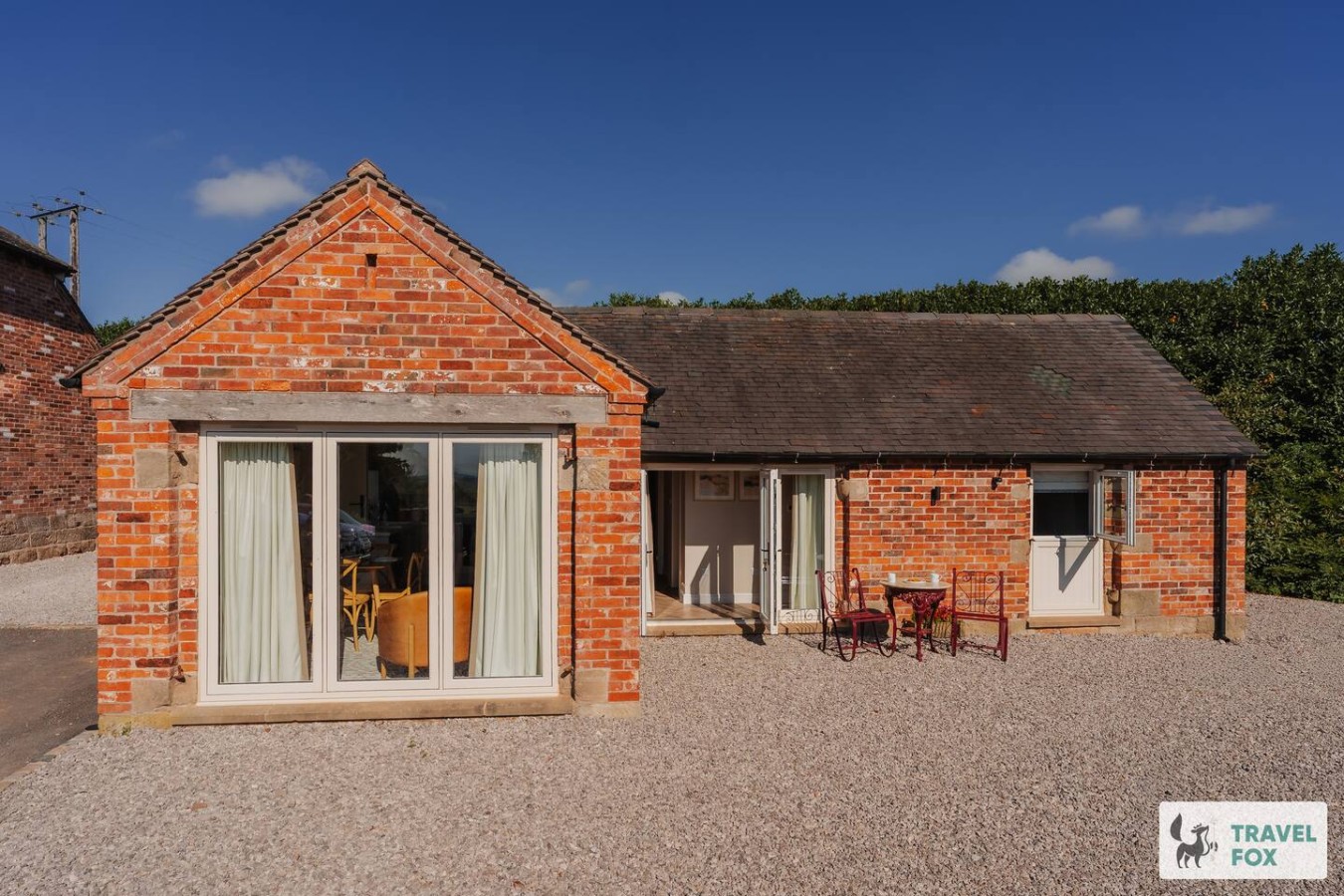
Checkley
The Old Stables
- Sleeps 4
- 2 bedrooms
For homeowners
Own a holiday home near Wootton?
We manage holiday lets across Staffordshire from 12% commission, charged after cleaning costs, with no lock-in. A co-founder visits before you decide.
Holiday let management in Staffordshire →
A guide with a point of view
Written from research. Edited for real journeys.
Use the Official site links for live practical details, then use this guide for context, ideas and room to explore.
Sources
Every place on this page is checked against a published source. Each entry links the record we used and names who publishes it.
- Weaver Hills Route — discovereaststaffordshire.com operator, sector body or destination organisation
- St Peter's Church, Ellastone — historicengland.org.uk statutory register or public authority record not machine-readable; publisher restricts automated access
- Calwich Abbey Route — discovereaststaffordshire.com operator, sector body or destination organisation
- The Duncombe Arms — duncombearms.co.uk operator, sector body or destination organisation
- Alton Towers Resort — altontowers.com operator, sector body or destination organisation record not machine-readable; publisher restricts automated access