
Kings, rockets and Gujarati flavour
Leicester
A compact East Midlands city where Roman walls, a medieval king, a football miracle and the Golden Mile meet beside the River Soar.
- Best for
- Roman and medieval history, Gujarati food and space exploration
- Give it
- A short stay based around Greyfriars and St Martins
- Don't miss
- Richard III's tomb and original grave site
The Fox verdict
A city of kings, rockets and Gujarati flavour
Leicester brings Roman masonry, a medieval old town, the Richard III story and the Golden Mile into a compact city break.
Start around Leicester Cathedral, the King Richard III Visitor Centre and the Guildhall, then widen the day to the Jewry Wall, the National Space Centre, riverside parks, King Power Stadium or Gujarati cooking on Belgrave Road.
Where to go
Places in Leicester
Every place below is checked against a published source, listed with what it is and how long to give it.
Local signatures
3 placesKing Richard III Visitor Centre
The visitor centre stands over Richard III's actual grave site, where the remains were found beneath a council car park in 2012.
- Visit length
- Editorial estimate: Allow around 2 hours
- Locality
- Greyfriars / St Martins
Abbey Park
Leicester's premier city park combines the grounds of medieval St Mary's Abbey and Cavendish House ruins with a boating lake, miniature railway and ornamental gardens.
- Visit length
- Editorial estimate: Allow around 90 minutes
- Locality
- on the Soar just north of the centre
Bobby's
Run by the Lakhani family since the 1970s, Bobby's serves Gujarati vegetarian home cooking and an afternoon tea of sweet and savoury snacks with masala chai.
- Visit length
- Editorial estimate: Allow around 75 minutes
- Locality
- Belgrave Road
Walks & outdoors
1 placeVictoria Park
A large open park with a Lutyens war-memorial arch, tree avenues, playgrounds and sports fields.
- Visit length
- Editorial estimate: Allow around 1 hour
- Locality
- by the university
History & heritage
4 placesLeicester Cathedral
Richard III was reinterred here on 26 March 2015 after his remains were identified following the Greyfriars excavation.
- Visit length
- Editorial estimate: Allow around 45 minutes
- Locality
- Greyfriars / St Martins
Leicester Guildhall
Its timber-framed Great Hall began around 1390 for the Guild of Corpus Christi and later served as a council chamber, courtroom, feast hall and theatre.
- Visit length
- Editorial estimate: Allow around 1 hour
- Locality
- Greyfriars / St Martins
Jewry Wall Museum
The museum adjoins one of Britain's largest surviving pieces of Roman masonry, the west wall of the public baths of Ratae Corieltauvorum.
- Visit length
- Editorial estimate: Allow around 2 hours
- Locality
- beside the Roman baths
King Power Stadium
Leicester City's stadium offers tours and anchors the story of the club's 5000-1 Premier League title in 2015–16.
- Visit length
- Editorial estimate: Allow around 90 minutes
- Locality
- by the Soar
Things to do
1 placeNational Space Centre
The Rocket Tower, six themed galleries and the UK's largest planetarium bring together rockets, Moon rock, an Apollo lunar lander and a Soyuz capsule.
- Visit length
- Editorial estimate: Allow around 3 hours
- Locality
- beside the river north of the centre
No places match this filter. Choose All places to reset the list.
Three ways to explore Leicester
Signature outings
Rockets in the tower
See Blue Streak and Thor Able rockets inside the National Space Centre's translucent Rocket Tower.
The medieval Great Hall
Enter a timber-framed Great Hall begun around 1390 for Leicester's Guild of Corpus Christi.
Richard III's tomb
Visit the cathedral where Richard III was reinterred in 2015 after the Greyfriars discovery.
The city story
Leicester City Guide
Gujarati food, old pubs, Roman walls, a king beneath a car park and a football story that travelled around the world.
Gujarati flavours and city-centre independents
On Belgrave Road, about a mile north of the city centre, Bobby's has been serving Gujarati home cooking since the 1970s, still run by the Lakhani family. The chilli paneer and tarka daal are the house favourites, but the thing to know about Bobby's is the afternoon tea: unlimited sweet and savoury snacks with masala chai, which is not a combination most people arrive in Leicester expecting to find. This is the Golden Mile, and Bobby's is one of a long run of Gujarati and South Indian restaurants, sari shops, jewellers and sweet centres that make up the best eating in the city. Between the restaurants are the mithai shops, stacked with barfi, jalebi and gulab jamun.
The cooking here is Gujarati vegetarian and South Indian rather than the standard curry-house template, and the reason is the reason for a lot of things in Leicester. Large Gujarati Indian and Ugandan-Asian settlement in the 1960s and 70s made this one of the first cities in Britain where no single ethnic group formed a majority. The Golden Mile is what that produced. Each autumn the road is draped in around 6,500 lights for Diwali, roughly fifty events over a fortnight, the largest celebration of its kind outside India. It is a place to eat in rather than sleep in.
For sleeping, the medieval old town around Greyfriars and St Martins is the better base. The streets are tight, the cathedral is at the centre of them, and many of the main sights are within a short walk. St Martins Lodge, a Grade II listed Georgian building of 28 rooms, many with roll-top baths, sits directly opposite the cathedral. St Martin's Square, just off it, is a pedestrianised courtyard of independent shops and food. Elsewhere in the city, Southern Spices on Upper Brown Street does Kerala fish curry and appam with stew; Preet's on Evington Road does home-style Punjabi, butter chicken and tandoor-fresh naan; and My Delhi on Belvoir Street runs to dosa and good-value thali.
Also on the square is Gelato Village, which is worth a paragraph of its own. It was founded by Antonio De Vecchi and Daniele Taverna, both from Turin, and the gelato is made in-store by the traditional mantecazione method. Antonio trained at the Carpigiani Gelato University, which is a real place. The shop won Gelateria of the Year at the 2018 Lux Food and Drink Awards and came second for Best Gelato on the Web at an international festival in Longarone the same year.
Pubs, quarters and Leicester Market
The drinking is good and old. The Globe on Silver Street has been a pub since 1720, an 18th-century Georgian building long owned by the local Everards Brewery, with typically eight cask beers on. Ale was once brewed on-site with water from a well, and the well is still down there beneath the building. Over in the Cultural Quarter, the Ale Wagon on Rutland Street is a corner pub built in 1931 in a 1930s style, run by the Hoskins family, with hop mouldings on the drainpipes and regional cask ales inside. The Kings Head keeps up to eleven cask ales, several from Black Country Ales. The Real Ale Classroom, a micropub that opened in November 2023, is in a Grade II listed building of 1888 by the local architect Stockdale Harrison, with four cask lines and ten keg.
The Cultural Quarter itself is east of the centre, a former hosiery-factory district that now runs on bars, restaurants and creative spaces around the Curve theatre and the Phoenix cinema. If you'd rather something quieter, Clarendon Park sits south of the centre near the university and Victoria Park: trendy cafés, vintage shops, and Queens Road, a village-y independent high street with a local feel to it.
The market is the oldest thing you'll walk through. Leicester Market is around 800 years old and moved to its present site roughly 700 years ago, long billed as the largest outdoor covered market in Europe. The Market Place was first recorded in 1298 and turns up in Elizabeth I's 1589 charter as the "Saturday Shambles"; the Domesday Book of 1086 names the marketplace as Cheapside. The old 1973 indoor building, with its fish market and haberdashery, was demolished in 2014-15 and its footprint became New Market Square, and the whole market was overhauled through the mid-2020s. On one edge of the Market Place stands the Corn Exchange, an 1850 building with an external "bridge of sighs" staircase, now a Wetherspoon.
Medieval halls, Roman walls and Richard III
A short walk away is the Guildhall, a timber-framed Great Hall begun around 1390 for the Guild of Corpus Christi, a rich medieval merchants' guild. Over the centuries it served as council chamber, courtroom, feast hall and theatre — Shakespeare's company is said to have played here, and the Civil War ultimatum to the town was debated inside it. It was restored in 1926 and opened as a museum. It is also reputed to be the most haunted building in the city, with five reported ghosts plus a phantom dog and a black cat.
The Romans were here first, as Ratae Corieltauvorum, and left the Jewry Wall, one of the largest surviving pieces of Roman masonry in Britain, dating to about AD 130. It was the west wall of the public baths, which were excavated in the 1930s; the adjoining Jewry Wall Museum reopened in the mid-2020s. The name is medieval and has no proven connection to a Jewish quarter, which is the sort of detail that would nag at you if the wall didn't so plainly outrank the question.
Which brings us to the two stories that put modern Leicester on the map, both of which happened around a car park. On 25 August 2012 a University of Leicester dig went looking for the lost Greyfriars friary and found human remains six hours into a planned two-week excavation, in trench one, under a council car park. On 4 February 2013 the university announced that the skeleton was, beyond reasonable doubt, Richard III — the last Plantagenet king, killed at Bosworth in 1485, identified with 99.999 per cent confidence by DNA. He was reinterred at Leicester Cathedral on 26 March 2015 in a televised service attended by the Archbishop of Canterbury. The King Richard III Visitor Centre now stands over the actual grave, and the car park is a scheduled monument. The tomb, the cathedral and the Guildhall sit within a two-minute walk of one another.
Football, space and parks
The other story is Leicester City. The club were 5000-1 outsiders when the 2015-16 season began, and confirmed Premier League champions on 2 May 2016 — the first top-flight title in their history — when Tottenham drew at Chelsea and left them uncatchable. Claudio Ranieri managed, Wes Morgan captained, Jamie Vardy scored and Kasper Schmeichel kept goal, and for a season they were the story of world football. Two and a half years later, on 27 October 2018, a helicopter carrying the club's Thai owner Vichai Srivaddhanaprabha crashed just after take-off from the stadium car park, killing all five aboard; the cause was a tail-rotor control failure. Fans buried the stadium in flowers and shirts. Prince William said Vichai "made such a big contribution to football, not least through Leicester City's magical 2016 season that captured the imagination of the world." The King Power Stadium, by the Soar, runs tours.
North of the centre, beside the river, the National Space Centre is the family day out. Its Rocket Tower, clad in translucent ETFE pillows, holds the Blue Streak and Thor Able rockets, real Moon rock, an Apollo lunar lander and the Gagarin Experience, where you climb into a Vostok capsule. There are six themed galleries, the UK's largest planetarium, and one of only two Soyuz capsules on display in the West.
For green space, Abbey Park is the city's best, laid out along the Soar in the grounds of the medieval St Mary's Abbey, where Cardinal Wolsey died in 1530, with the ruins of Cavendish House standing in it. It has a boating lake, a miniature railway, tennis courts, ornamental gardens and a couple of miles of circular walking. Victoria Park, by the university, is the big open one, with a Lutyens war-memorial arch and long tree avenues. Watermead Country Park, further north on the Soar, has lakes, riverside trails.
Day trips, transport and Thomas Cook
If you have a car and a spare day, Bradgate Park is about six miles northwest as the crow flies (the road journey is longer): 830 acres of ancient parkland with free-roaming red and fallow deer, the rocky outcrop of Old John. Entry is free and you pay for parking. Bosworth Battlefield Heritage Centre, near where Richard III fell, is about 11.8 miles from Leicester in a straight line; the road journey is longer. The Great Central Railway at Loughborough Central station, about 9.6 miles from Leicester in a straight line, is Britain's only double-track heritage main line. Foxton Locks, about 11.4 miles from Leicester in a straight line, has its famous staircase of ten canal locks; the road journey is longer for both trips.
Getting here is easy. Leicester station, a Victorian building of 1892 on London Road, runs East Midlands Railway to London St Pancras in about 63 to 80 minutes, up to four fast services an hour, with direct trains to Nottingham, Sheffield, Derby, Birmingham and Peterborough. The city sits just off the M1 at junctions 21 and 21A and the M69 to Coventry, about 40 minutes from Nottingham. The centre is small enough that the cathedral, the market, the Guildhall and the Cultural Quarter are all walkable, with the Golden Mile a short bus ride or a 25-minute walk north.
One more thing about the city, standing outside the station: a statue of Thomas Cook, who ran his first excursion from Leicester in 1841 — a temperance rail trip to Loughborough — and built the world's travel industry from a building overlooking the Clock Tower. He organised a day out and it got slightly out of hand.
Stay around Leicestershire
Make a longer stay of it
Travel Fox holiday homes around Leicestershire, linked directly to their property pages.
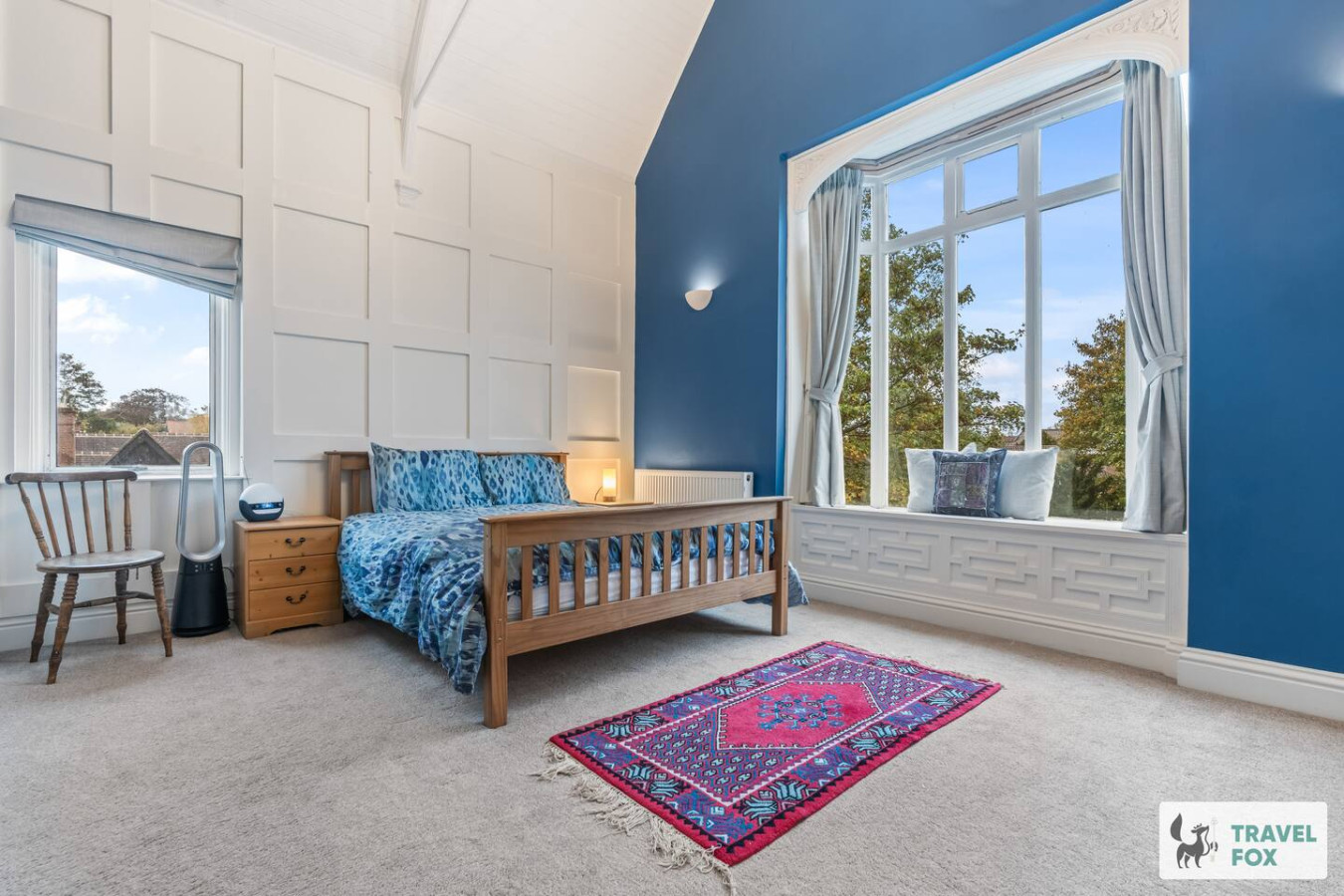
Leicester
Rachel's House with Parking!
- Sleeps 12
- 4 bedrooms
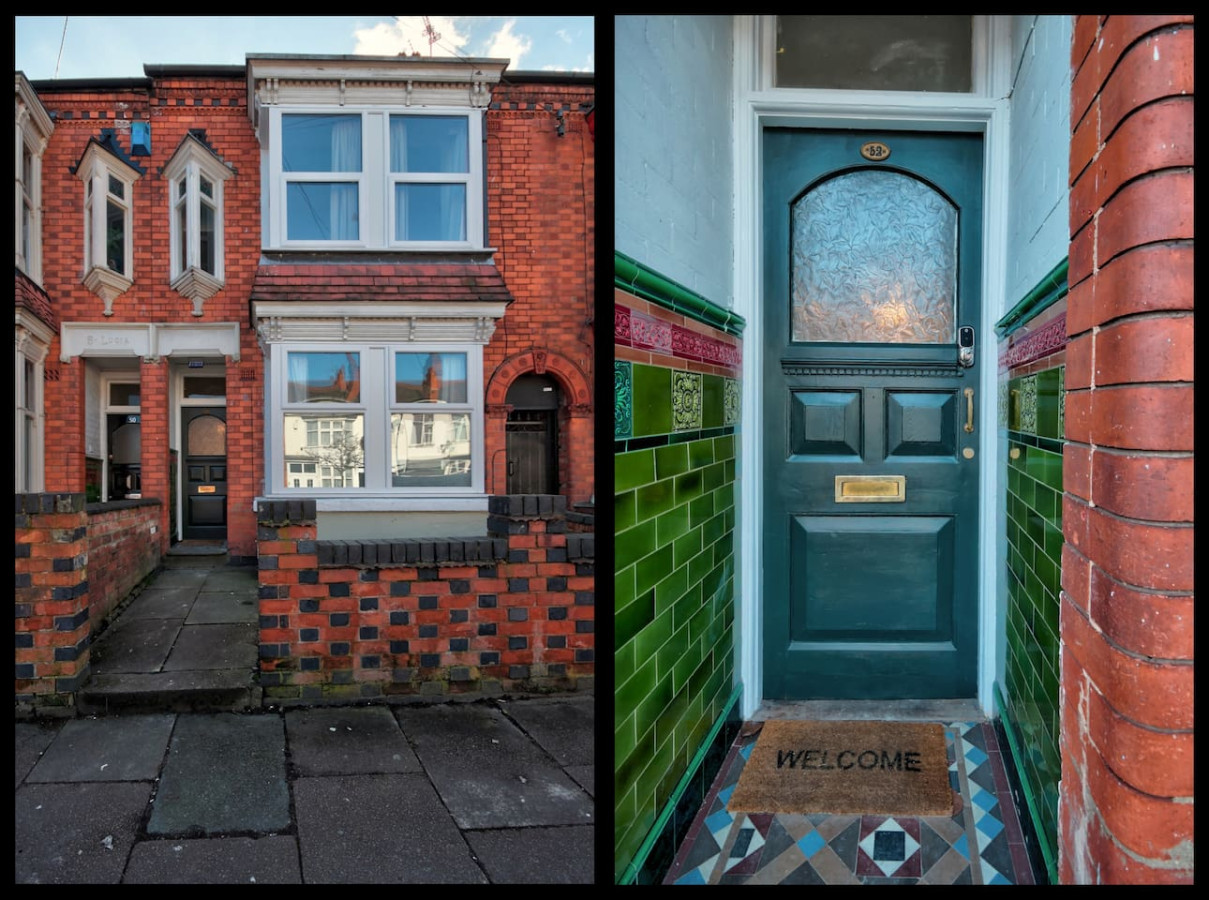
Leicester
Upperton House - Central 5 Bedroom
- Sleeps 9
- 5 bedrooms
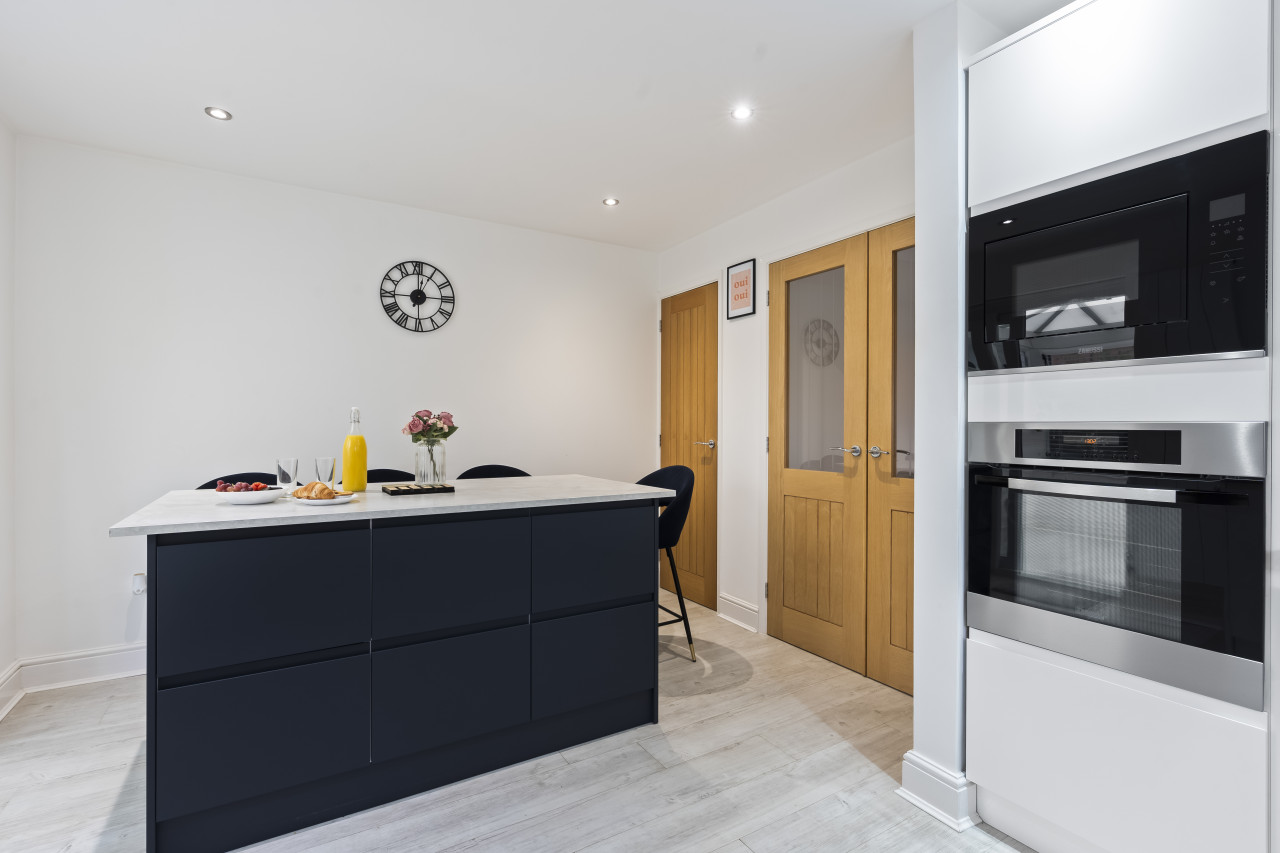
Syston
Tilly's Townhouse with Parking
- Sleeps 4
- 2 bedrooms
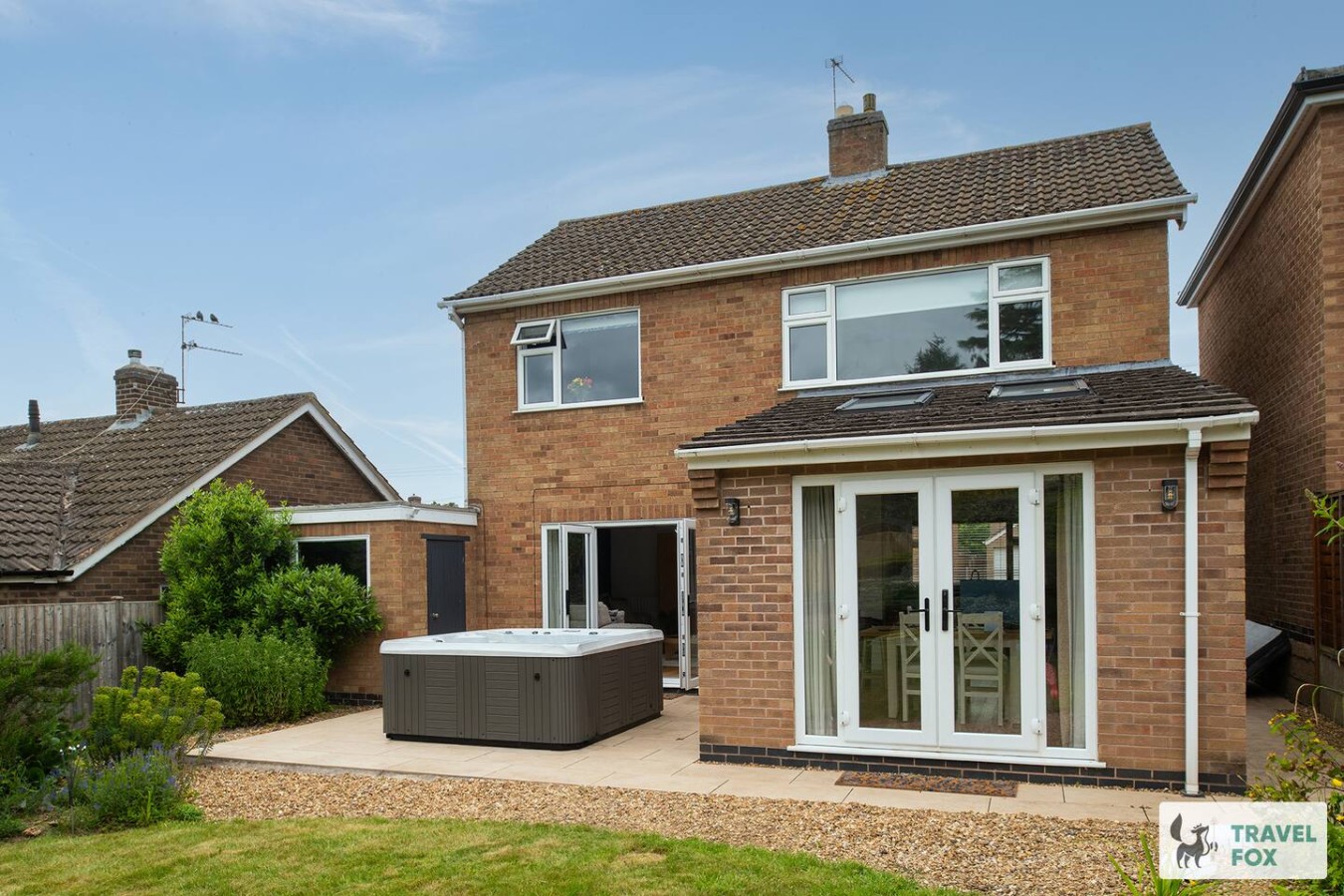
Rearsby
Vanessa's Haven - with hot tub and free parking for 3 cars!!
- Sleeps 5
- 3 bedrooms

Charnwood
UnPoplar House - Free in House Chris
- Sleeps 6
- 3 bedrooms
For homeowners
Own a holiday home near Leicester?
We manage holiday lets across the UK from 12% commission, charged after cleaning costs, with no lock-in. A co-founder visits before you decide.
How our holiday let management works →
A guide with a point of view
Written from research. Edited for real journeys.
Use the Official site links for live practical details, then use this guide for context, ideas and room to explore.
Sources
Every place on this page is checked against a published source. Each entry links the record we used and names who publishes it.
- Leicester Cathedral — leicestercathedral.org operator, sector body or destination organisation
- King Richard III Visitor Centre — news.leicester.gov.uk statutory register or public authority
- Leicester Guildhall — leicestermuseums.org operator, sector body or destination organisation
- Jewry Wall Museum — jewrywall.com operator, sector body or destination organisation
- National Space Centre — spacecentre.co.uk operator, sector body or destination organisation
- Abbey Park — leicester.gov.uk statutory register or public authority
- Victoria Park — leicester.gov.uk statutory register or public authority
- King Power Stadium — lcfc.com other published source
- Bobby's — eatatbobbys.com operator, sector body or destination organisation