
Priory stones and village stories
Binham
A Norfolk village of a medieval cross, a surviving priory nave, one pub and a Bronze Age barrow with an enduring tunnel legend.
- Best for
- Priory history, village pub time and a walk to Fiddler's Hill
- Give it
- An unhurried half day
- Don't miss
- The rood-screen saints ghosting through Reformation text
The Fox verdict
A small village with an unusually deep past
Binham brings together a medieval market cross, priory ruins, a living parish church and a Bronze Age barrow.
Start with the cross on the wide triangular green, spend time among the priory ruins and the surviving nave, then follow the lane towards Fiddler's Hill. The Chequers is the village's traditional pub, and Binham also retains a combined shop and filling station.
Where to go
Places in Binham
Every place below is checked against a published source, listed with what it is and how long to give it.
Local signatures
3 placesThe Chequers Inn
Binham's only pub is a traditional 17th-century brick-and-flint place with changing cask ales, local produce, darts, pool and occasional live music.
- Visit length
- Editorial estimate: around 90 minutes
- Locality
- Front Street
- Access
- Dog-friendly, with a large garden, paved terrace and front seating.
Binham Market Cross
A 15th-century Barnack-limestone cross on a flint plinth, marking the green where weekly markets and an annual fair were held.
- Visit length
- Editorial estimate: around 30 minutes
- Locality
- on the wide triangular village green
Binham Priory and Church of St Mary and the Holy Cross
The surviving priory nave remains the parish church beside grey-flint ruins; inside, four painted rood-screen panels show saints emerging through Reformation text.
- Visit length
- Editorial estimate: around 75 minutes
- Locality
- just outside the village proper
Food & drink
1 placeMrs Temple's Cheese
Copys Green Farm is the Wighton home of Mrs Temple's Cheese, where Binham Blue is made from the dairy's own Brown Swiss milk for a creamy texture and sweet, tangy character.
- Visit length
- Editorial estimate: around 30 minutes
- Locality
- Copys Green Farm, Wighton
History & heritage
1 placeFiddler's Hill
A Late Neolithic or Early Bronze Age round barrow, now a short-turf picnic area, linked to the legend of fiddler Jimmy Griggs and his dog Trap.
- Visit length
- Editorial estimate: around 45 minutes
- Locality
- at the crossroads on the minor road between Binham and Warham
- Access
- Reachable on foot or by lane from the village.
No places match this filter. Choose All places to reset the list.
Three ways to explore Binham
Signature outings
Binham Blue, made nearby
Seek out the creamy, sweet-tangy blue made by Mrs Temple's Cheese from the milk of Brown Swiss cattle at Copys Green Farm in Wighton.
Saints behind the words
Look for four rood-screen panels where faded whitewash reveals medieval saints beneath heavy biblical text.
A picnic with an old mystery
Pause on Fiddler's Hill, where the barrow, Jimmy Griggs and his dog Trap meet in one enduring village tale.
The village story
Binham Village Guide
A village of local ale, a named blue cheese, a medieval cross, priory stones and one haunting barrow legend.
Front Street's Only Pub
The Chequers Inn on Front Street is the only pub in Binham, a 17th-century brick-and-flint place with an old-fashioned bar, a Gallery extension, and a paved terrace out front. Five cask ales rotate across the pumps, usually including Moon Gazer as the local, alongside the likes of Green Jack, Oakham and Woodforde's, with Whin Hill cider on too. There's darts, pool, and live music now and then.
The kitchen builds its menu on seasonal produce — meat from a butcher in Holt, fish off the North Norfolk coast — with a specials board and regular themed evenings. CAMRA calls it "a tremendously popular place with both locals and visitors." A reviewer named Andrew B put it more directly: "Great find! Very decent value, fantastic food and wonderful service. You can see the effort the owners are making."
Village Essentials and Binham Blue
The village shop doubles as a petrol station, which is more than most villages this size manage.
Binham also has a cheese named after it, though the cheese is made a short drive away at Copys Green Farm in Wighton. Binham Blue is a handmade blue from Dr Catherine Temple, worked from the milk of her own Brown Swiss cattle, with a creamy texture and a sweet, tangy edge closer to a continental blue than a Stilton. Her dairy, Mrs Temple's Cheese, won the Field to Fork category at the 2024 Norfolk food and drink awards, and turns up in delis and pubs across the county.
Market Cross and Priory Stones
The heart of the village is a wide triangular green with a 15th-century market cross on it, made of Barnack limestone on a flint plinth and one of the best surviving medieval standing crosses in Norfolk. The original cross-head is gone, probably knocked off during 16th- or 17th-century iconoclasm. Henry I granted the monks a weekly market and an annual fair here in the early 12th century; the fairs ran on the green until the early 1950s, then stopped.
Just outside the village stand the grey flint ruins of Binham Priory, the surviving nave still in use as the parish church of St Mary and the Holy Cross. Construction began in the 1090s and ran close to 150 years. The west front, from around 1245, holds what is described as the earliest example of Gothic bar tracery in England. Inside, four painted panels of the old rood screen survive. At the Reformation the saints' faces were scratched out, whitewashed, and overwritten with biblical text in heavy black lettering. The whitewash has faded since, and the saints are ghosting back through the words that were meant to replace them.
Fiddler's Hill and the Road Onward
Walk south-east and the lane climbs to Fiddler's Hill, a Bronze Age barrow at a crossroads, now a picnic spot under short turf. Legend has it a fiddler called Jimmy Griggs walked an underground passage from the priory playing as he went, with his dog Trap; halfway along the music stopped and he was never seen again. When the mound was cut into for road-widening in 1933, they found three skeletons and the bones of a dog.
Nearest trains are at Sheringham on the Bittern Line; the roads are country lanes, with Wells-next-the-Sea about five miles away. From Fiddler's Hill you can carry on across the fields to Walsingham, or just sit on the green and watch the light move over the arable.
Stay around Norfolk
Make a longer stay of it
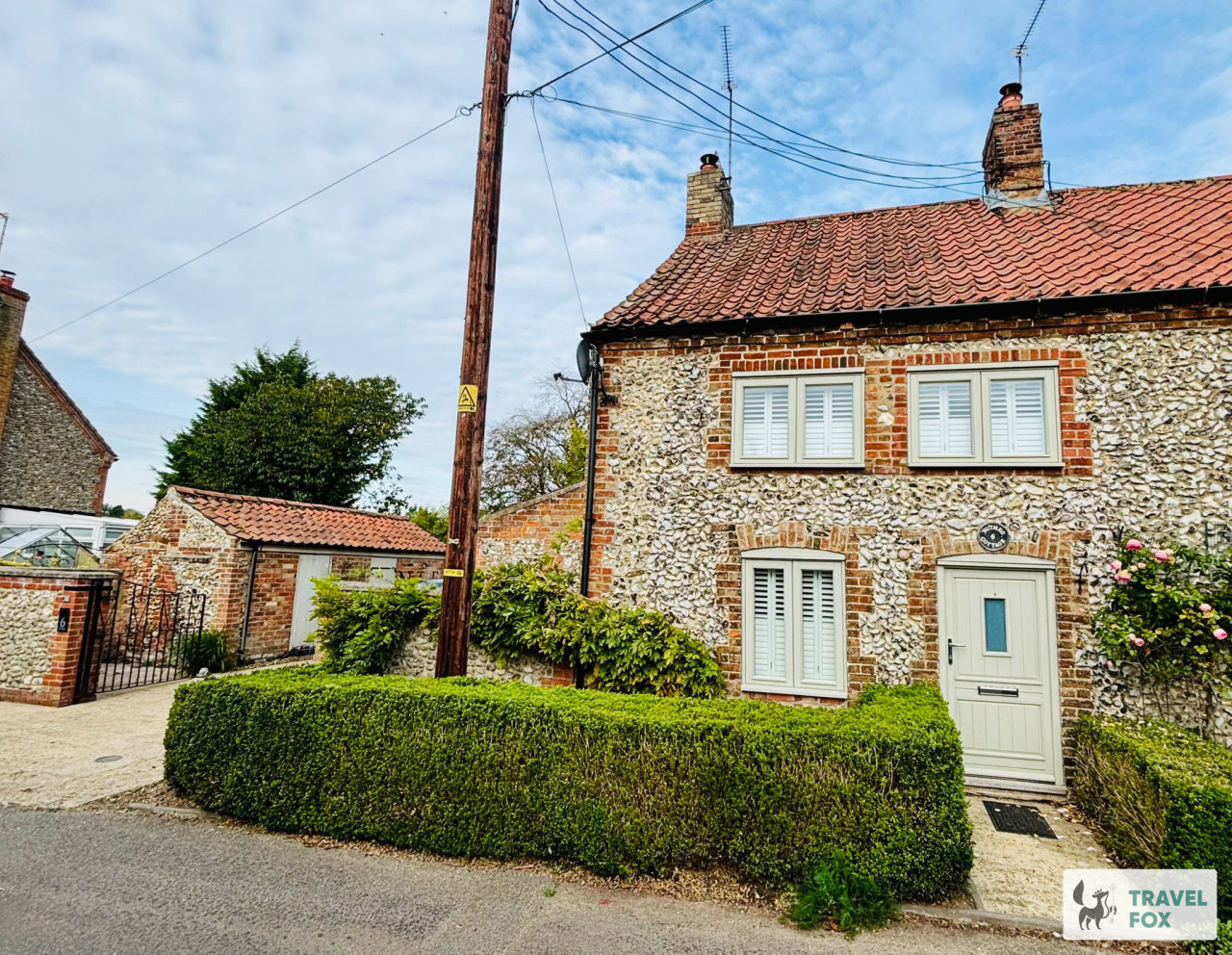
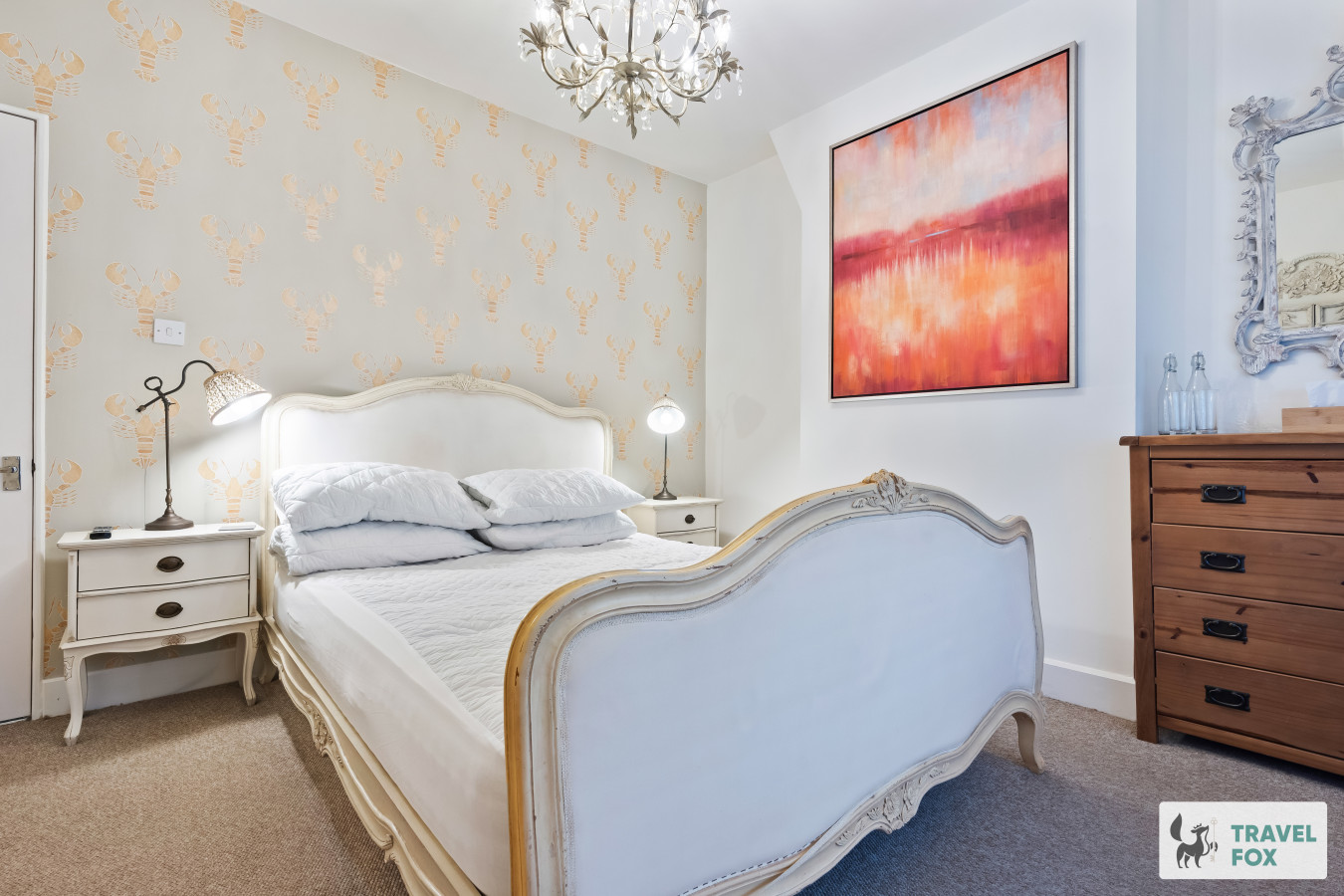
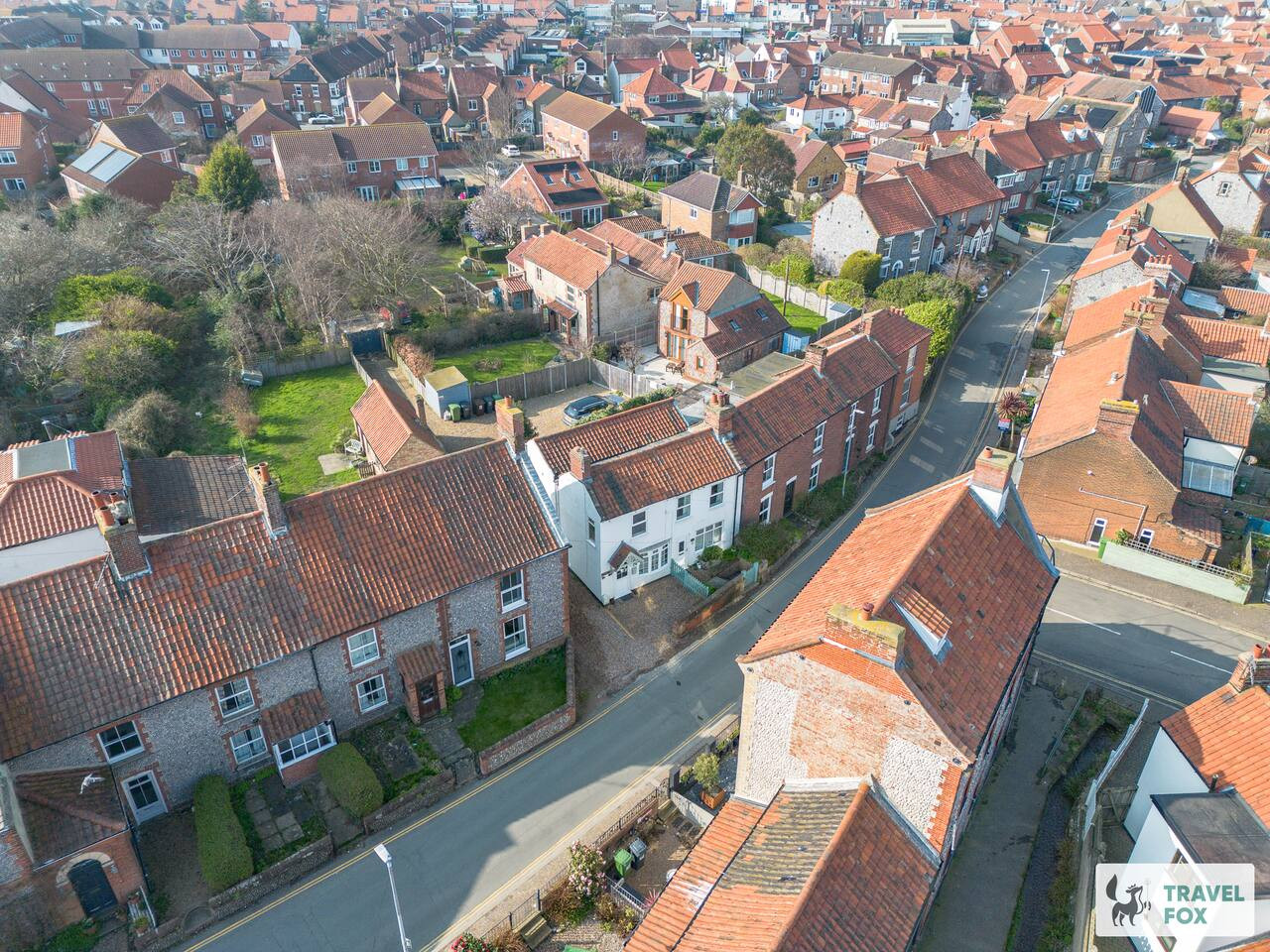
Travel Fox holiday homes around Norfolk, linked directly to their property pages.
A guide with a point of view
Written from research. Edited for real journeys.
Use the Official site links for live practical details, then use this guide for context, ideas and room to explore.
Sources
Every place on this page is checked against a published source. Each entry links the record we used and names who publishes it.
- The Chequers Inn — binhamchequersinn.co.uk operator, sector body or destination organisation
- Binham Market Cross — english-heritage.org.uk national body or asset manager
- Binham Priory and Church of St Mary and the Holy Cross — english-heritage.org.uk national body or asset manager
- Fiddler's Hill — heritage.norfolk.gov.uk statutory register or public authority
- Mrs Temple's Cheese — cmt361.wixsite.com other published source