
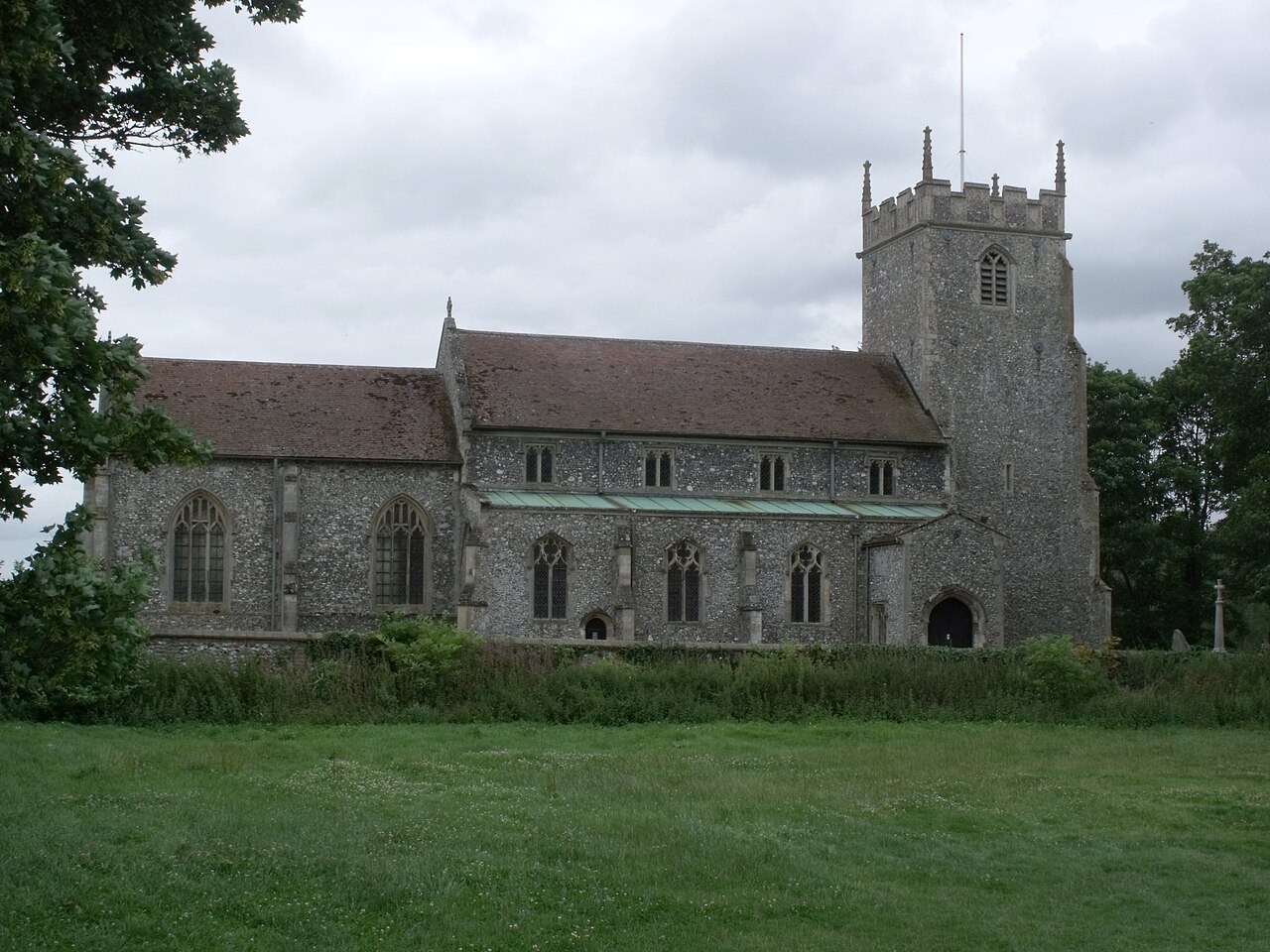
Burnham Thorpe, Norfolk
Burnham Thorpe
Nelson's birthplace, with a historic pub, a church rich in naval memorials and footpaths following the River Burn toward the coast.
- Population
- 131 in the 2021 census
- Coast
- About 2 miles away
- Long-distance route
- The 404-mile Nelson Way begins here
Photo: Elliott Brown · CC BY 2.0 · cropped
The Fox verdict
A small village with a concentrated Nelson story
Burnham Thorpe brings together Nelson's birthplace, baptismal church, namesake pub and a long-distance route celebrating naval heritage.
The Lord Nelson preserves its historic tap-room story, All Saints holds the font used for Nelson's baptism and the free Nelson Map Room adds an interactive Royal Navy stop beside the pub.
Where to go
Places in Burnham Thorpe
Every place below is checked against a published source, listed with what it is and how long to give it.
Local signatures
3 placesNelson Map Room
A free Royal Navy museum with a map of Norfolk laid into the floor, ships to find and voiceovers to hear.
- Visit length
- Editorial estimate: 30 minutes
- Locality
- Beside the Lord Nelson pub
- Access
- The museum is free and beside the Lord Nelson pub.
Nelson Statue
A large statue of Nelson carved from maple wood stands on the village green.
- Visit length
- Editorial estimate: 10 minutes
- Locality
- On the village green
- Access
- The statue stands on the village green.
Nelson Birthplace Plaque
A roadside plaque on a garden wall marks the site of the rectory where Nelson was born in 1758 and spent his first twelve years; the house was demolished in 1803.
- Visit length
- Editorial estimate: 10 minutes
- Locality
- On a garden wall, visible from the road
- Access
- The plaque is visible from the road.
Food & drink
1 placeThe Lord Nelson
A historic country pub built as The Plough around 1637/1650 and renamed after the Battle of the Nile in 1798; its tap room retains the story of beer served from a hatch and high-backed settles fixed to the ceiling.
- Visit length
- Editorial estimate: 1 hour 30 minutes
- Locality
- Burnham Thorpe
- Access
- Dogs are welcome and the garden is extensive.
Walks & outdoors
1 placeThe Nelson Way
A 404-mile route celebrating Britain's naval heritage, linking Nelson-associated locations from Burnham Thorpe to HMS Victory at Portsmouth Historic Dockyard.
- Visit length
- Editorial estimate: 2 hours for a chosen local section
- Locality
- Begins at Burnham Thorpe
- Access
- The route begins at Burnham Thorpe.
History & heritage
1 place
All Saints' Church
The Grade I church contains the white marble font used for Nelson's baptism, HMS Victory timbers in the lectern, altar and rood screen, and an HMS Indomitable battle ensign flown at Jutland.
- Visit length
- Editorial estimate: 45 minutes
- Locality
- Back Lane, PE31 8HL
- Access
- The research locates the church on Back Lane at PE31 8HL.
No places match this filter. Choose All places to reset the list.
Three ways to explore Burnham Thorpe
Signature outings
The font where Nelson was baptised
All Saints keeps the white marble baptismal font, while HMS Victory timbers form its lectern, altar and rood screen.
The Lord Nelson's ceiling-fixed settles
One high-backed settle is original and one is a 2020 replica; one is said to be where Nelson sat.
The Nelson Way begins here
The 404-mile naval-heritage route starts at Burnham Thorpe, while local footpaths follow the River Burn toward Burnham Overy Staithe.
The village story
Nelson's Burnham Thorpe
The locked article moves from the Lord Nelson's tap room and history through the village, church, birthplace, walks and transport to the carved statue on the green.
Inside the Lord Nelson
Inside the Lord Nelson, two high-backed settles are fixed to the ceiling with a curved iron rod. One is original, one a replica installed in 2020, and one of them is said to be where the Admiral himself sat. The pub had no conventional bar for most of its life; beer came from a hatch in the tap room.
It was called The Plough when it was built, around 1637. In 1798 they renamed it after the Battle of the Nile, which made it the first pub in the country named for Nelson. He knew it before that. In 1793 he held a farewell dinner here for the men of the village before leaving to command HMS Agamemnon.
A small village by the Burn
The menu changes with the seasons but tends toward things like crab risotto with chive cream sauce, a pork cassoulet, teriyaki Chinese pork steaks, and a Thai pork burger; the ciabattas are all £8.50, from breaded chicken to prawn with Marie Rose. Nelson's Revenge and Wherry are the regular ales. Dogs are welcome and the garden is large.
Greene King closed the place in September 2016 and it sat shut for five years. The Holkham Estate bought it in 2019, spent about a million pounds, and reopened it in June 2021. Next door there's a free Royal Navy museum, the Nelson Map Room, which is a map of Norfolk laid into the floor with ships to find and voiceovers to listen to.
All Saints and the Nelson family
The village is small. The 2021 census counted 131 people, down from 144 a decade earlier. It sits about half a mile inland from Burnham Market, one of the seven Norfolk Burnhams, in gently rolling arable country with the little River Burn running through toward the coast two miles off.
All Saints' Church is on Back Lane, Grade I listed, with a 13th-century arcade and a 15th-century clerestory. The white marble font Nelson was baptised in is still there. When the church was restored in time for the Trafalgar centenary in 1905, the Admiralty sent timbers from HMS Victory, and the lectern, altar and rood screen were made from them. A battle ensign from HMS Indomitable, flown at Jutland, hangs inside. Nelson's father Edmund, rector here for forty-odd years, is buried by the chancel.
Footpaths toward the coast
Nelson was born at the rectory in 1758, the sixth of eleven children. The house was demolished in 1803; a plaque on a garden wall marks where it stood, visible from the road.
The footpaths follow the Burn down to Burnham Overy Staithe, the old inland port, across flat farmland that gives way to salt marsh and pinewoods near the sea. The circular walks around the Burnhams link the village to Burnham Market and the coast. The Nelson Way, a 404-mile route to Portsmouth, starts here.
Nelson on the green
King's Lynn station is about 20 miles off, on the line to King's Cross via Ely and Cambridge; the Coastliner 36 bus runs seven days a week and stops in Burnham Market.
On the green there is a large statue of Nelson carved from maple. Edmund, the rector, once described his parish plainly: "All is hush at high noon as at midnight."
Stay around Norfolk
Make a longer stay of it
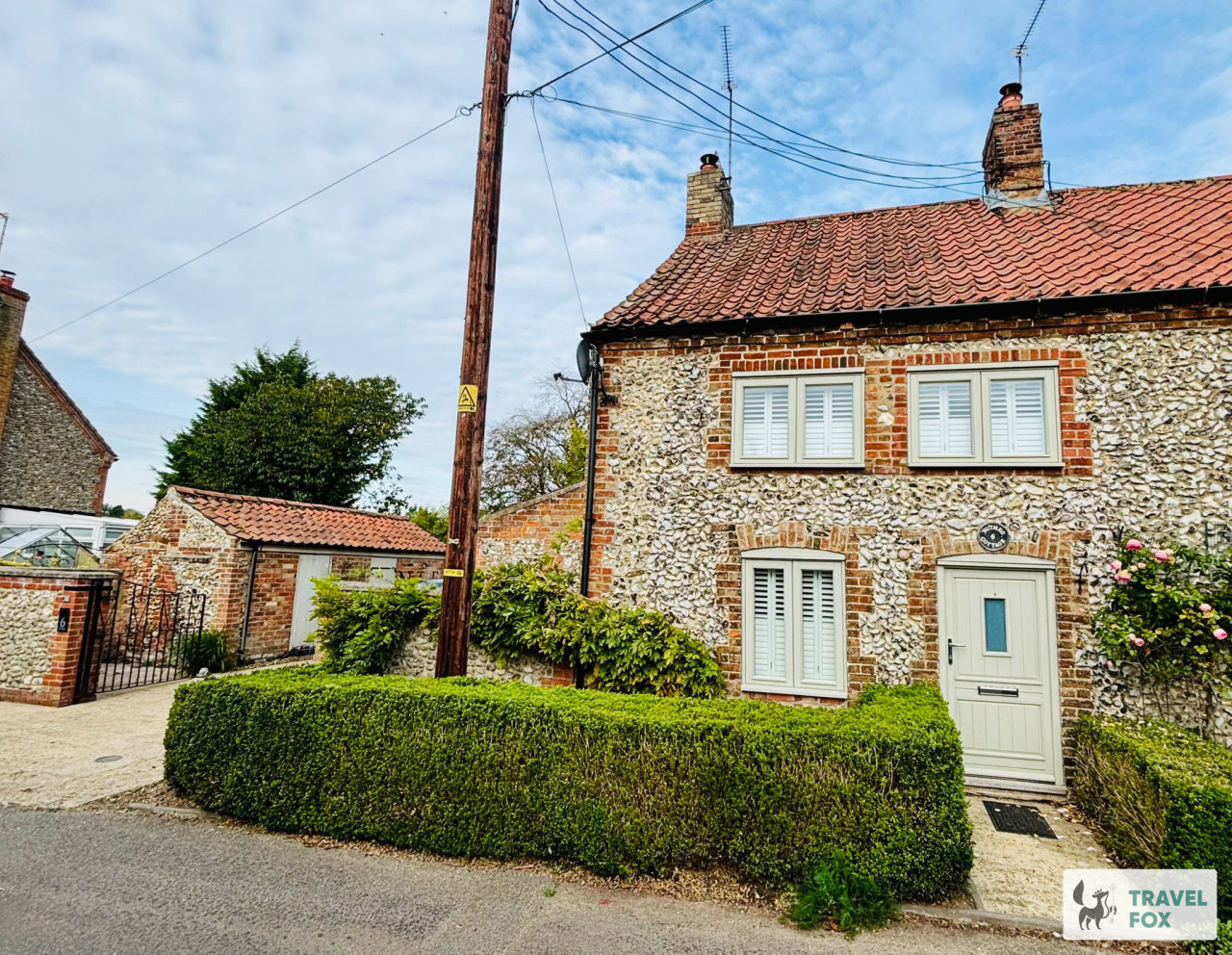
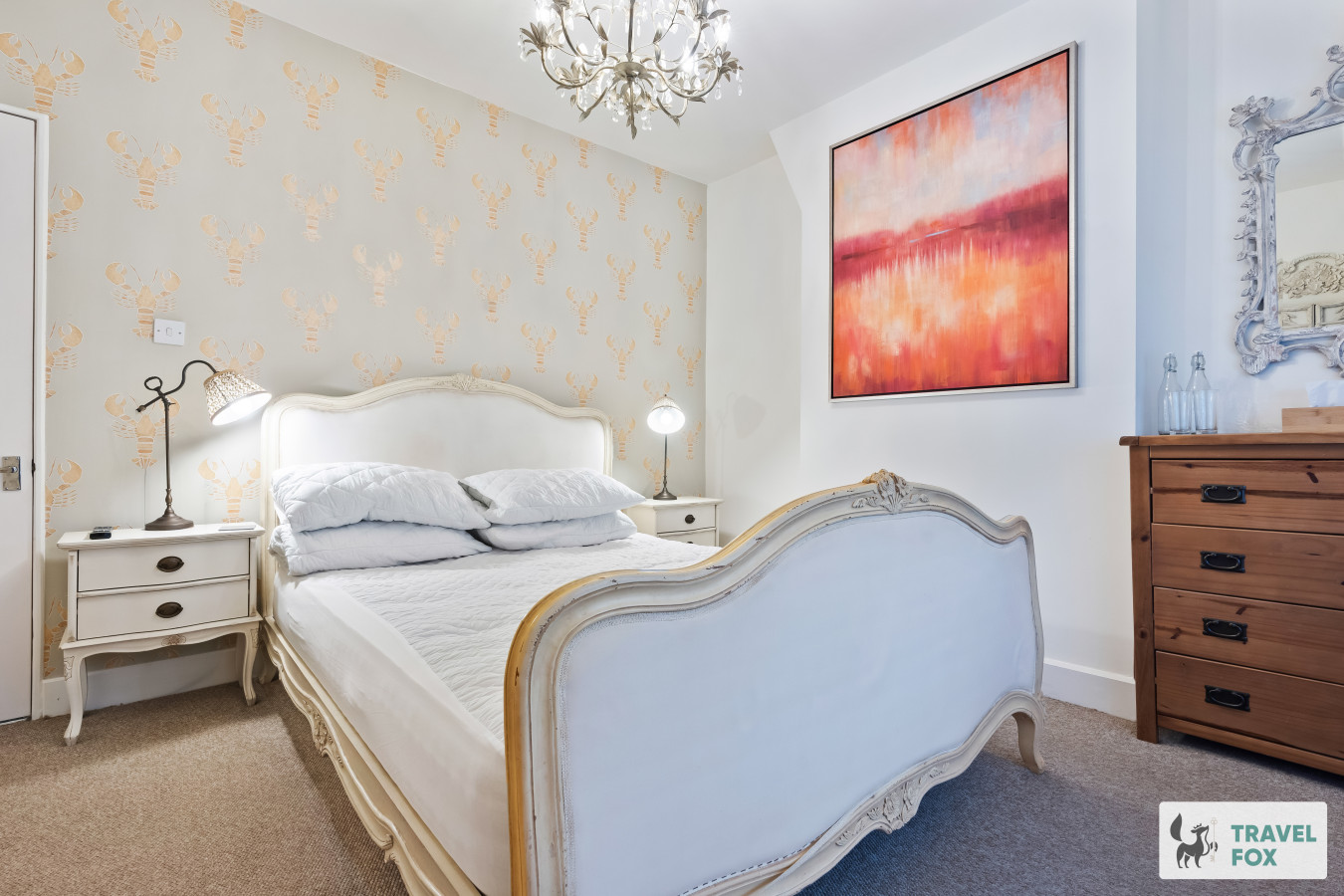
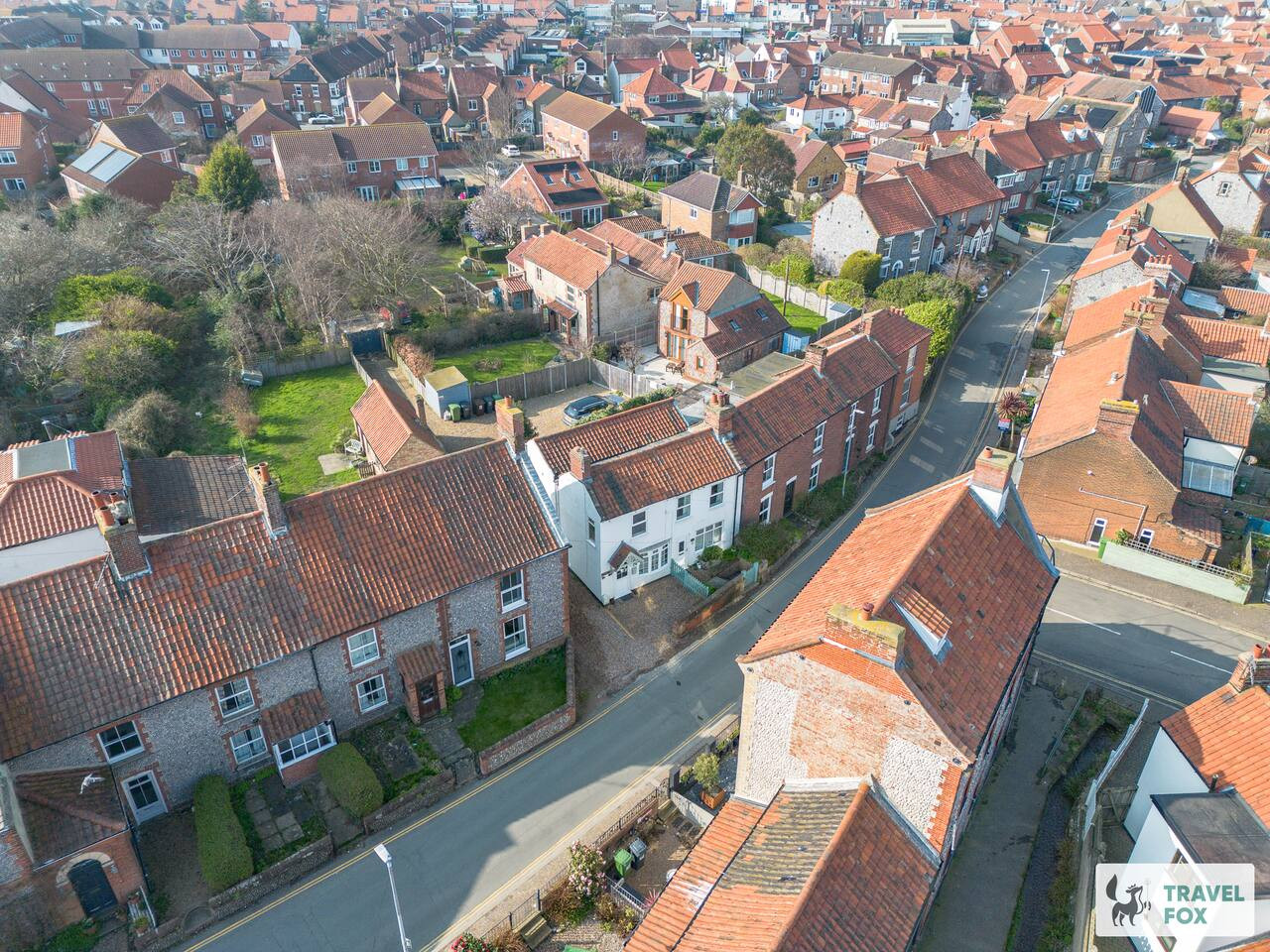
Travel Fox holiday homes around Norfolk, linked directly to their property pages.
A guide with a point of view
Written from research. Edited for real journeys.
Use the Official site links for live practical details, then use this guide for context, ideas and room to explore.
Photography credits & licences
Third-party photographs are credited to their named creators and reused under the linked Creative Commons licence or public-domain dedication. Travel Fox stores an optimised local copy; the file-specific changes and any browser-applied display crop are disclosed below. Reused photographs link both to the Wikimedia Commons source record and to the declared source image; Travel Fox's own photographs carry no such record and are marked as ours. These image licences do not cover Travel Fox text, branding or page design.
- File:Burnham Thorpe - "Nelson's Church" - All Saints Church.jpg — photograph by Elliott Brown; Flickr : Burnham Thorpe - "Nelson's Church" - All Saints Church. Source record on Wikimedia Commons. Declared source image. Licence: CC BY 2.0. File changes: Downloaded from Wikimedia Commons, resized to a maximum 1920px edge and encoded as an optimised JPEG. Display changes: Displayed with responsive CSS cropping.
Sources
Every place on this page is checked against a published source. Each entry links the record we used and names who publishes it.
- The Lord Nelson — thelordnelsonnorfolk.co.uk operator, sector body or destination organisation
- All Saints' Church — achurchnearyou.com national body or asset manager
- Nelson Map Room — visitnorthnorfolk.com operator, sector body or destination organisation
- The Nelson Way — ldwa.org.uk other published source
- Nelson Statue — visitnorthnorfolk.com operator, sector body or destination organisation
- Nelson Birthplace Plaque — visitnorthnorfolk.com operator, sector body or destination organisation