
Norman Norfolk
Castle Acre
An intact gatehouse opens onto castle earthworks, medieval church details, a Cluniac priory and a genuine junction for walkers.
- Historic core
- Castle, Bailey Gate, parish church and priory
- Walking junction
- Peddars Way and Nar Valley Way
- Village stops
- The Ostrich and Wittles
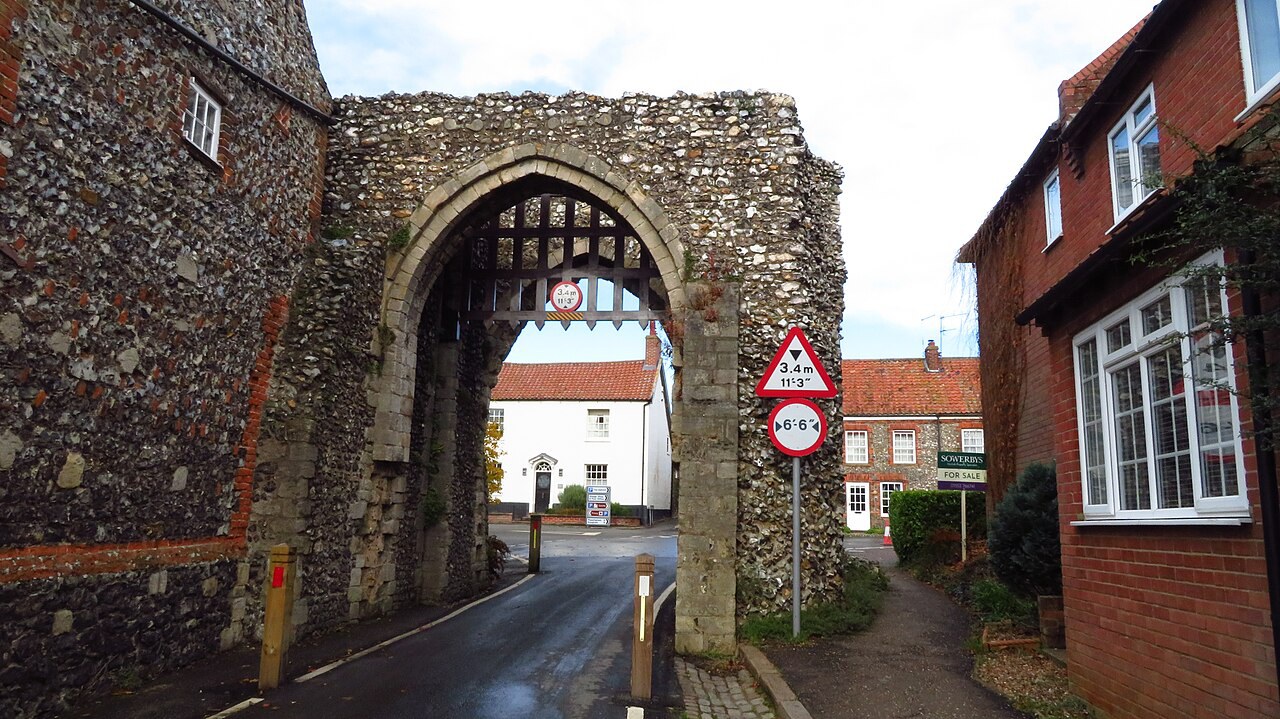
Photo: Colin Park · CC BY-SA 2.0 · cropped
The Fox verdict
A Norman gateway to two walking routes
Castle Acre brings a castle, walled-town gate, parish church and Cluniac priory together beside the River Nar.
The intact Bailey Gate, grassy castle earthworks, St James's painted medieval woodwork and the Priory's 12th-century west front give the village several independently rewarding historic stops. Peddars Way runs directly through Castle Acre and Nar Valley Way crosses it here, while the Ostrich and Wittles provide village food stops.
Where to go
Places in Castle Acre
Every place below is checked against a published source, listed with what it is and how long to give it.
Local signatures
3 places
Start here
Castle Acre Castle and Bailey Gate
Free English Heritage sites with huge grassy castle earthworks and the intact Norman Bailey Gate standing across the road into the village.
- Visit length
- Editorial estimate: around 60 minutes
- Locality
- Castle Acre
Church of St James the Great
A flint-built Grade I church, largely 14th- and 15th-century, with a tall telescopic font cover, a painted wineglass pulpit and surviving rood-screen panels.
- Visit length
- Editorial estimate: around 40 minutes
- Locality
- Castle Acre
The Ostrich
The village's only remaining pub, a Grade II-listed 16th-century coaching inn with three wood-burning stoves, six letting rooms and a seasonal menu of pub classics.
- Visit length
- Editorial estimate: around 75 minutes
- Locality
- On the village green
Food & drink
1 placeWittles Castle Acre
A cafe and tearoom with a small attached shop, serving home-baked cakes and coffee on the site of the former Barnfields cafe.
- Visit length
- Editorial estimate: around 45 minutes
- Locality
- Castle Acre
Walks & outdoors
2 placesPeddars Way
An arrow-straight Roman-road National Trail running directly through Castle Acre and crossing Nar Valley Way here.
- Visit length
- Editorial estimate: around 90 minutes for a Castle Acre walk segment
- Locality
- Runs straight through Castle Acre
Nar Valley Way
A River Nar valley route crossing Peddars Way at Castle Acre, where the valley is an SSSI with yellow rattle and meadowsweet.
- Visit length
- Editorial estimate: around 90 minutes for a Castle Acre walk segment
- Locality
- Castle Acre
History & heritage
1 placeCastle Acre Priory
A Cluniac priory whose west front was completed in the 1160s, with a recreated medieval herb garden.
- Visit length
- Editorial estimate: around 75 minutes
- Locality
- By the River Nar
No places match this filter. Choose All places to reset the list.
Three ways to explore Castle Acre
Signature outings
Castle Earthworks and Bailey Gate
Pass through the intact Norman gatehouse, then explore the huge grassy earthworks of the castle above the River Nar.
Cluniac Stonework
Look closely at the Priory's Norman west front, completed in the 1160s and described in the research as one of England's finest.
Peddars Way
Follow the arrow-straight Roman road where the National Trail runs directly through Castle Acre and meets Nar Valley Way.
The village story
Castle Acre Village Guide
A Norman gatehouse, the last village pub, medieval church craftsmanship and two walking routes frame the original Travel Fox guide.
Through the Bailey Gate
You arrive through a gate. The Bailey Gate is a Norman gatehouse, one of three the de Warennes built, and it still stands intact across the road — so you drive through it to get to the village, which is not the arrangement most Norfolk villages offer. Beyond it the streets are flint and brick set around greens, and the ground rises to a hundred-foot mound of grass earthworks that used to be a castle.
The Ostrich sits on the green and is now the only pub left in the village. Castle Acre once had around a dozen — the Chequers, the Drum & Monkey, the Dun Cow, the Frog in a Jar, the Rampant Horse — and all of them are gone except this one. It's a 16th-century coaching inn, Grade II listed, with three wood-burning stoves and six rooms upstairs. Greene King on the taps. The menu is seasonal pub cooking with a lot of it adaptable for vegetarians, and there are quiz nights and the occasional sea shanty evening. When Aoife Halliday and Ant Ciavarella took it over in 2021 she said they wanted "a place where everyone is welcome," which for the last pub standing feels like the right ambition.
The Last Pub and Village Provisions
For coffee and a cake there is Wittles, on the site of the old Barnfields café, which the Barnfields ran for about fifteen years. "Wittles" is Norfolk for vittles, meaning food. A TripAdvisor reviewer called it "a perfect little village tea shop," which it is. There is also an antiques and secondhand bookshop.
The church is St James the Great, flint-built and Grade I listed, mostly 14th and 15th century. Two things repay a look. The font cover is a tall telescopic Perpendicular spire that still uses its original 15th-century lifting gear, its red, green and gold paint recovered in restoration, a dove on top. And the wineglass pulpit is painted with the four Latin Doctors of the Church and carries damage said to be from firearms — someone, at some point, shot at it.
A Junction for Walkers
Walkers have a genuine junction here. The Peddars Way, the arrow-straight Roman road, runs directly through the village, and the Nar Valley Way crosses it at the same point. The castle was built precisely where the two meet the river. A good circular of about six and a half miles takes the Peddars Way and old drove roads out and the River Nar back, through South Acre and the sandy Petticoat Drove and across duckboards over the reedbeds of Castle Acre Common. The Nar valley is a Site of Special Scientific Interest — meadowsweet, yellow rattle, marsh.
Castle, Bailey Gate and Priory
The castle earthworks and the Bailey Gate are free English Heritage sites, open year-round, and children can run about on the ramparts. The Priory is a short walk on, its Norman west front finished in the 1160s and reckoned one of the finest in England, with a recreated medieval herb garden.
Arrival, Fairs and the Ostrich
The village is four miles north of Swaffham off the A1065; the nearest stations are King's Lynn and Downham Market, both fifteen miles west, and the 32 bus stops at Budgens. Once, the profits of the Castle Acre fairs were leased out with the Ostrich, along with a field called Dunstans Meadow. The fairs are gone. The pub is still there.
Stay around Norfolk
Make a longer stay of it
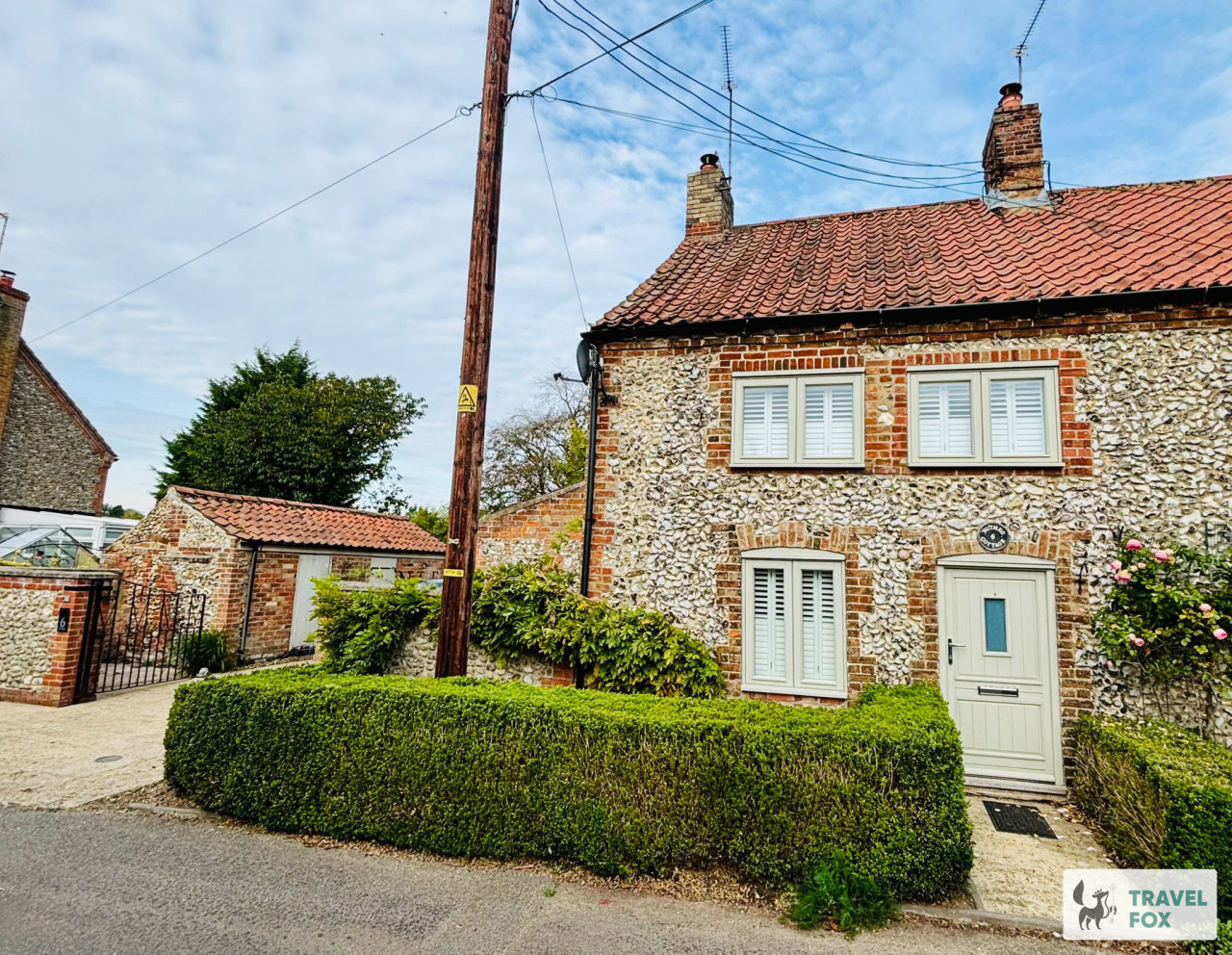
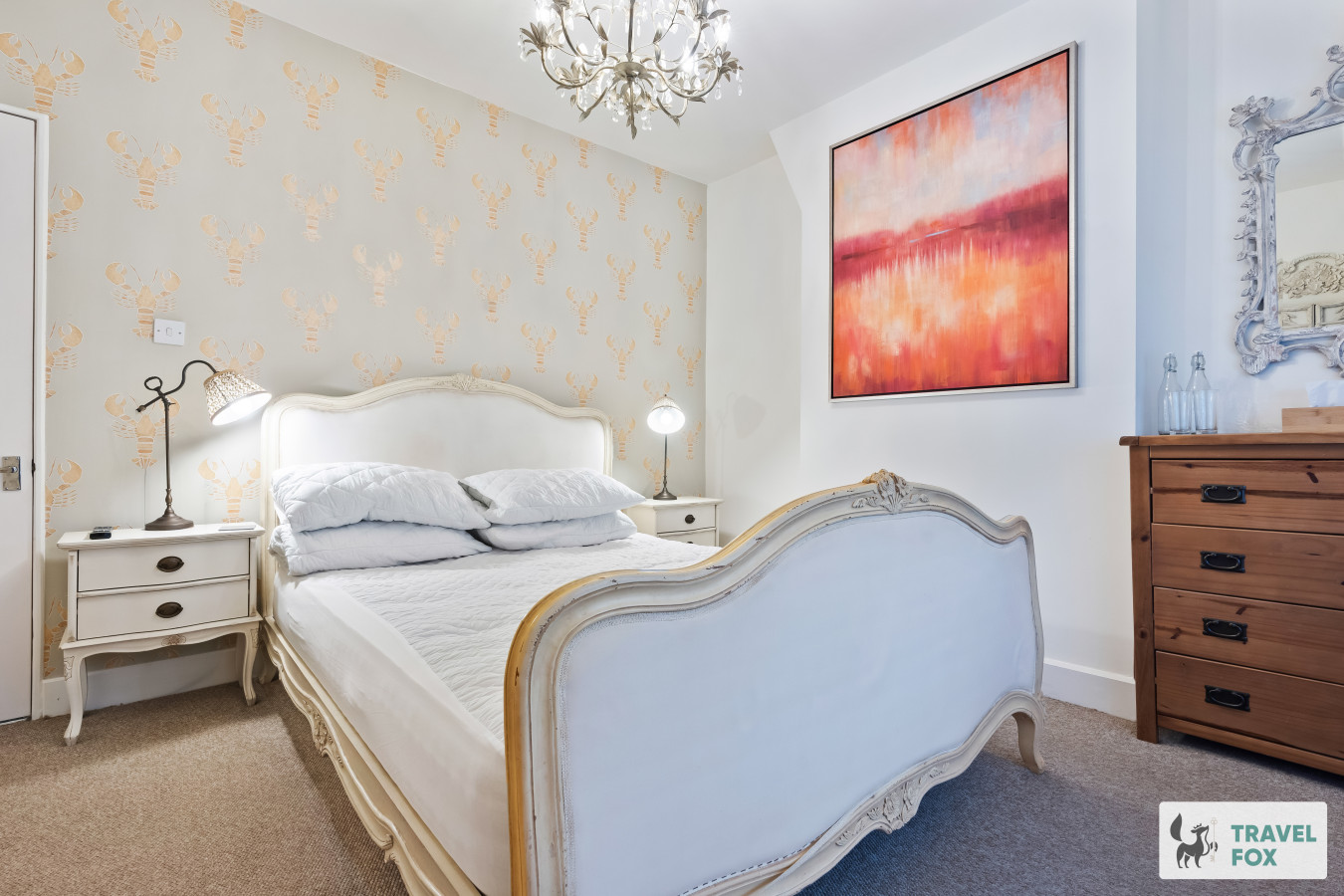
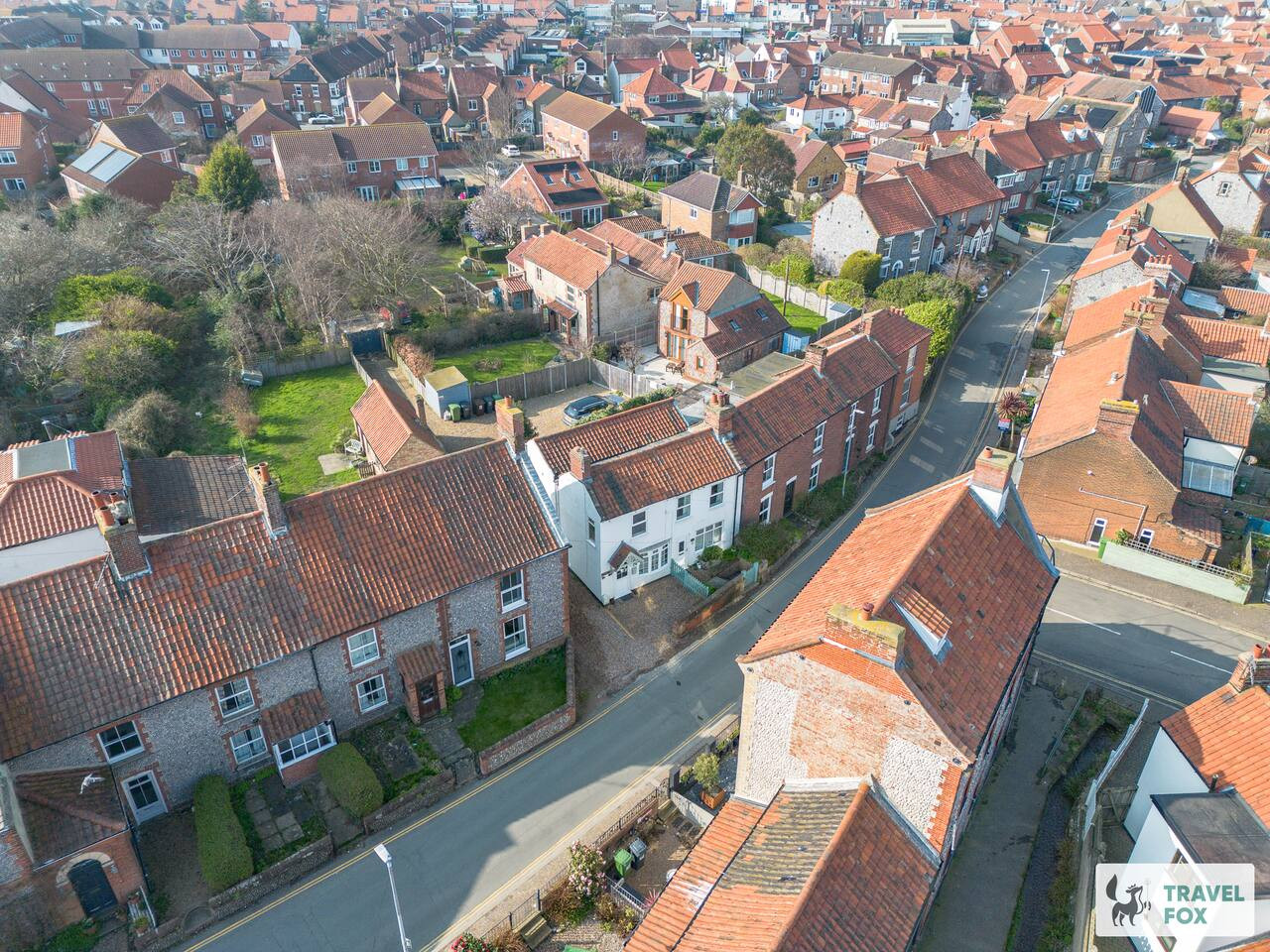
Travel Fox holiday homes around Norfolk, linked directly to their property pages.
A guide with a point of view
Written from research. Edited for real journeys.
Use the Official site links for live practical details, then use this guide for context, ideas and room to explore.
Photography credits & licences
Third-party photographs are credited to their named creators and reused under the linked Creative Commons licence or public-domain dedication. Travel Fox stores an optimised local copy; the file-specific changes and any browser-applied display crop are disclosed below. Reused photographs link both to the Wikimedia Commons source record and to the declared source image; Travel Fox's own photographs carry no such record and are marked as ours. These image licences do not cover Travel Fox text, branding or page design.
- File:-2020-10-25 Bailey Gate, Castle Acre, Norfolk.jpg — photograph by Colin Park; Colin Park. Source record on Wikimedia Commons. Declared source image. Licence: CC BY-SA 2.0. File changes: Downloaded from Wikimedia Commons, resized to a maximum 1920px edge and encoded as an optimised JPEG. Display changes: Displayed with responsive CSS cropping.
Sources
Every place on this page is checked against a published source. Each entry links the record we used and names who publishes it.
- Castle Acre Castle and Bailey Gate — english-heritage.org.uk national body or asset manager
- Castle Acre Priory — english-heritage.org.uk national body or asset manager
- Church of St James the Great — achurchnearyou.com national body or asset manager
- The Ostrich — theostrichpub.co.uk operator, sector body or destination organisation
- Wittles Castle Acre — wittlescastleacre.com operator, sector body or destination organisation
- Peddars Way — nationaltrail.co.uk other published source
- Nar Valley Way — norfolk.gov.uk statutory register or public authority record not machine-readable; publisher restricts automated access