
Where ridgeway meets sea
Holme-next-the-Sea
A small north-west Norfolk village of dunes, grazing marsh and a wide sandy beach, with the Peddars Way ending at the coast.
- At the coast
- Peddars Way meets the Norfolk Coast Path
- Village population
- 203 at the 2021 census
- From Hunstanton
- About 2.5 miles
The Fox verdict
A small village at a major trail junction
Holme brings together dunes, grazing marsh, migrating birds and the story of Seahenge on the north-west Norfolk coast.
The Peddars Way reaches the sea here, Holme Dunes adds boardwalks through pools and marsh, and St Mary's and the White Horse bring church history and seasonal local food into the village visit.
Where to go
Places in Holme-next-the-Sea
Every place below is checked against a published source, listed with what it is and how long to give it.
Local signatures
3 placesThe White Horse
A Grade II listed, award-winning gastropub with seasonal menus built around local produce, its own bakery and a heated outdoor deck.
- Visit length
- Editorial estimate: allow around 90 minutes
- Locality
- Holme-next-the-Sea
- Access
- Dogs are welcome throughout the pub and bar area.
Peddars Way
The coastal end of the ancient chalk ridgeway and Roman route from Thetford Forest, meeting the Norfolk Coast Path at the sea.
- Visit length
- Editorial estimate: allow around 2 hours
- Locality
- At the sea in Holme
Lynn Museum
The reconstructed Seahenge timbers excavated from Holme beach are displayed here.
- Visit length
- Editorial estimate: allow around 90 minutes
- Locality
- King's Lynn
Walks & outdoors
1 placeHolme Dunes National Nature Reserve
Boardwalks and paths cross dunes, pools and grazing marsh at a national nature reserve noted for autumn bird migration.
- Visit length
- Editorial estimate: allow around 2 hours
- Locality
- Holme-next-the-Sea coast
- Access
- Currents off Gore Point warrant care.
History & heritage
1 placeSt Mary the Virgin
A Grade I-listed church with a four-storey Perpendicular west tower, a famous c.1405 brass and a three-arch sedilia.
- Visit length
- Editorial estimate: allow around 45 minutes
- Locality
- Holme-next-the-Sea
No places match this filter. Choose All places to reset the list.
Three ways to explore Holme-next-the-Sea
Signature outings
Seasonal Norfolk plates
The White Horse changes its menus with the seasons around local produce and keeps its own bakery.
A tower above a shortened church
St Mary's keeps Henry of Nottingham's Perpendicular tower and chancel beside a smaller nave rebuilt in 1778.
Dunes, pools and grazing marsh
Boardwalks and paths cross Holme Dunes, a prime autumn bird-migration spot with a visitor centre and café.
The village story
Holme-next-the-Sea Village Guide
A small coastal village where seasonal food, a long-distance trail, migration country and Bronze Age archaeology meet.
The pub with its own bakery
The White Horse keeps its own bakery, open eight till four every day, and in its first year it was named one of the top fifty in the UK. It's a Grade II listed gastropub run by Anglian Country Inns, the group behind the better-known White Horse at Brancaster Staithe, and the menus change with the seasons: Cromer crab crumpets, whole grilled plaice with tartare butter sauce, Brancaster mussels in a creamy white wine sauce, cod cheek scampi with buttermilk and chilli. Thursday is curry night, pig cheek rogan josh and monkfish Keralan curry. The head chef, Gabe, sources personally from suppliers like Woodlands Farm at Swannington.
Dogs are welcome throughout the pub and bar, and there's a heated outdoor deck. The one recurring complaint is that some mains feel small unless you pay for the sides, though nobody says that about the Sunday roasts.
A small village with a big coast
It placed 31st in the Good Food Guide's hundred best pubs for 2025, which is a lot of ranking for a village of 203 people.
That number keeps mattering here. Holme is small and getting smaller, 239 at the 2011 census, 203 at the last one. It sits on the north-west elbow of the Norfolk coast where The Wash meets the North Sea, two and a half miles up from Hunstanton: dunes, pinewoods, grazing marsh and pools behind a wide beach, with the little River Hun, a chalk stream, threading down to the shore.
Where the trail meets Seahenge
This is where the Peddars Way ends. The old chalk ridgeway, billed as Britain's oldest highway, runs up from Thetford Forest and meets the Norfolk Coast Path right at the sea. From the dunes you can strike east toward Thornham and Brancaster, or turn inland and walk south. Holme Dunes, a national nature reserve, has boardwalks through the pools and a visitor centre; in autumn it fills with migrating birds.
The beach is also where Seahenge turned up. In spring 1998 an amateur archaeologist, John Lorimer, spotted a ring of timber posts that wave erosion had uncovered: 55 split oak posts around a central oak stump buried upside-down, roots in the air, built in 2049 BC. The timbers now sit indoors at the Lynn Museum in King's Lynn. Not everyone wanted them moved. "This is 60 grand being spent by archaeologists who are patting each other on the back," one protester said at the time. A second ring, Holme II, was found a hundred metres away, dated to the very same year. That one was left where it was, and shows itself only at the lowest tides.
The shortened church and the road out
St Mary's, up inland, has a 76-foot Perpendicular tower and not much else of its medieval self. The nave and aisles went so ruinous that in 1777 the vestry resolved to pull them down, and a smaller rebuild followed the next year. Inside there's a memorial to Richard Stone, who died in 1607 having "lyved in wedlock joyfully togeether 64 years."
The Lynx Coastliner 36 stops at the crossroads about once an hour, seven days a week, running down to King's Lynn and along the coast. King's Lynn is the nearest station, fifteen miles off.
The day the gardens open
Early in July the village opens its gardens for the day, with plant stalls and refreshments, which for a place this size is most of it turning out at once.
Stay around Norfolk
Make a longer stay of it
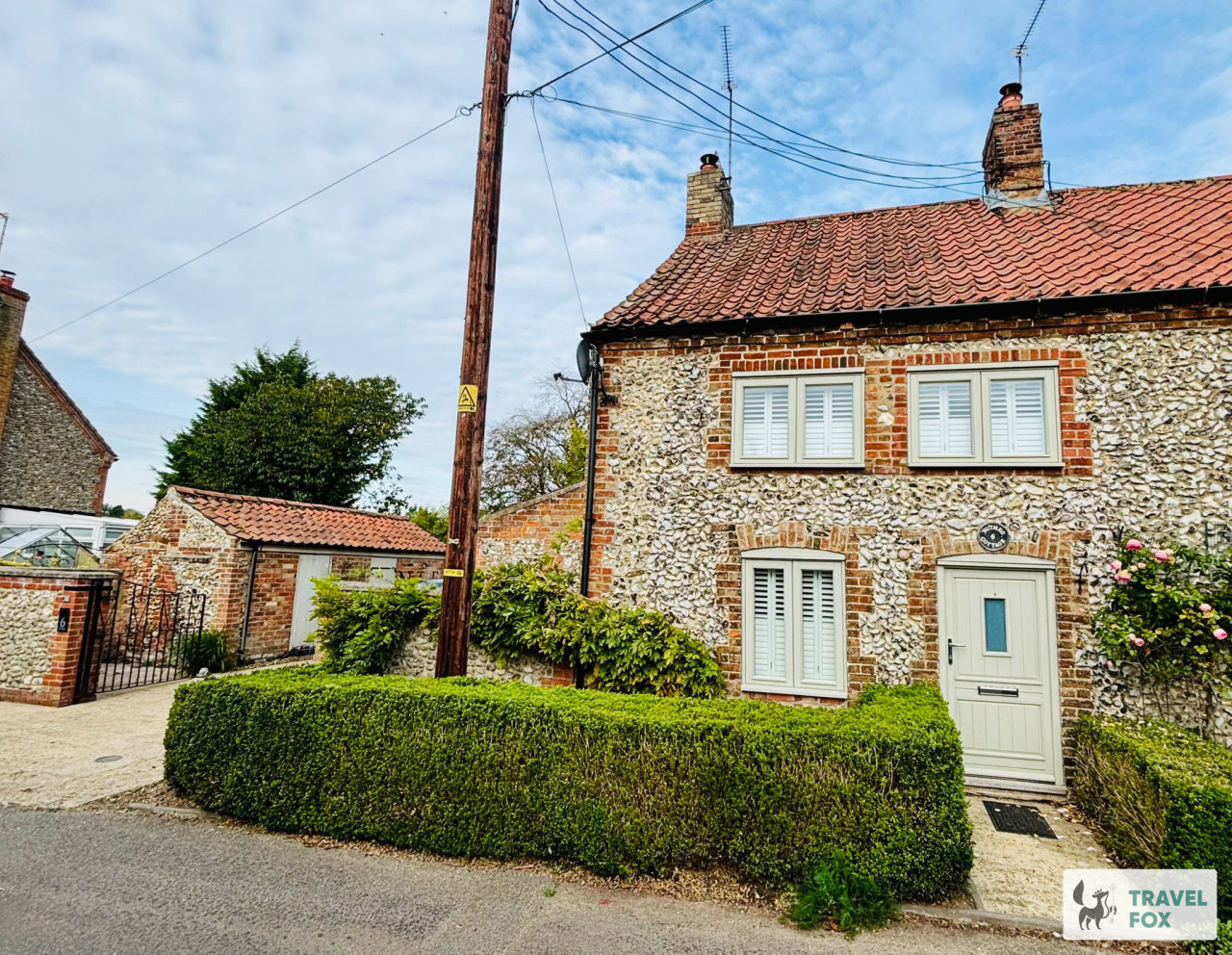
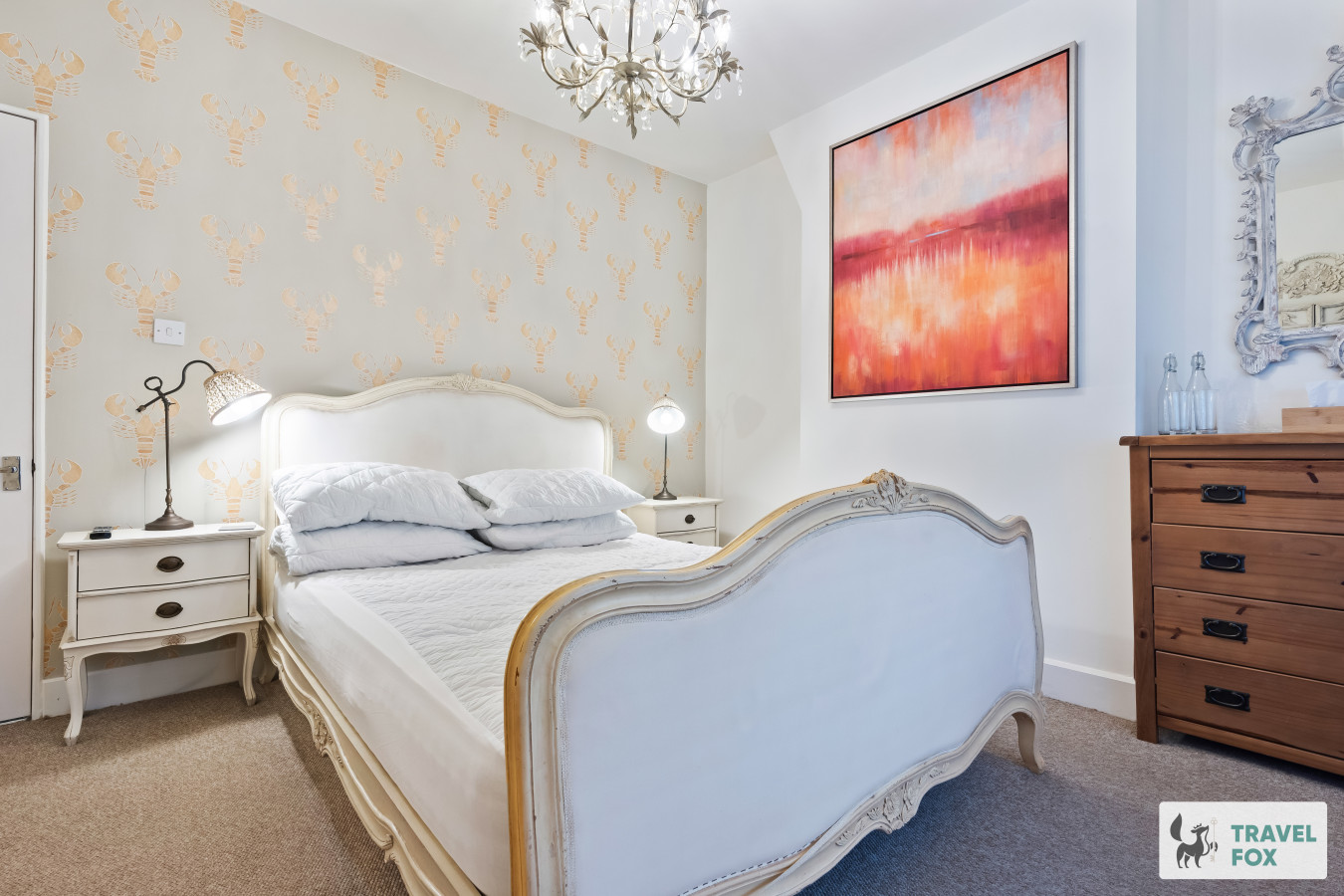
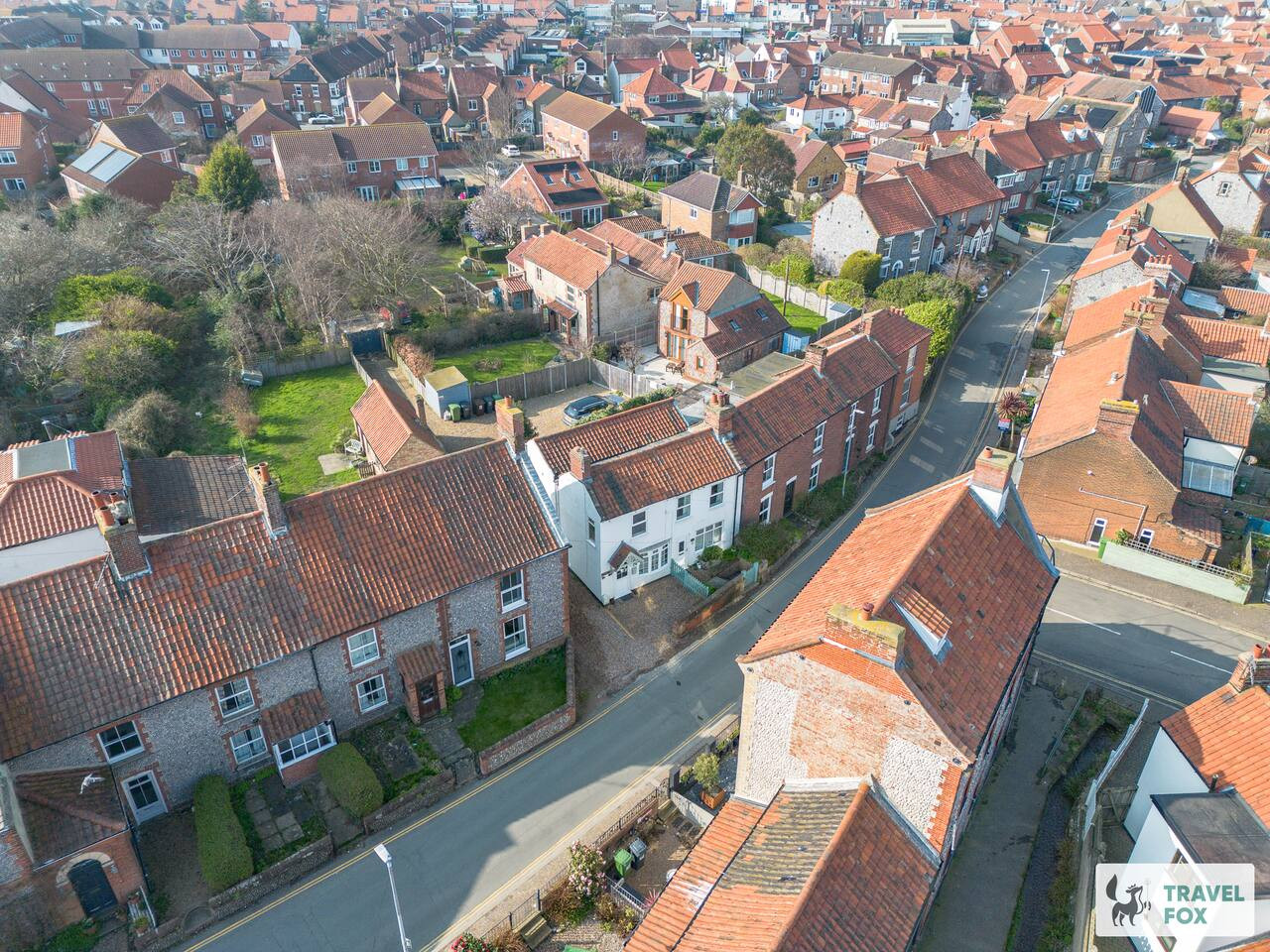
Travel Fox holiday homes around Norfolk, linked directly to their property pages.
A guide with a point of view
Written from research. Edited for real journeys.
Use the Official site links for live practical details, then use this guide for context, ideas and room to explore.
Sources
Every place on this page is checked against a published source. Each entry links the record we used and names who publishes it.
- The White Horse — whitehorseholme.co.uk operator, sector body or destination organisation
- St Mary the Virgin — historicengland.org.uk statutory register or public authority record not machine-readable; publisher restricts automated access
- Peddars Way — gov.uk statutory register or public authority
- Holme Dunes National Nature Reserve — norfolkwildlifetrust.org.uk national body or asset manager
- Lynn Museum — lynnmuseum.norfolk.gov.uk statutory register or public authority record not machine-readable; publisher restricts automated access