
Gateway to Chatsworth House
Baslow
A Derwent village of a jubilee clock, a flood-surviving 1608 bridge and moorland monuments.
- Best for
- Moorland walks and layered village history
- Give it
- Two and a half to three hours for the Chatsworth circular
- Don't miss
- VICTORIA 1897 on St Anne's east-face clock
The Fox verdict
A village with stories in stone
Baslow brings the River Derwent, Chatsworth Park and the moors together in one village.
Come for the walking, then make time for St Anne's unusual clock, the 1608 bridge and its tiny toll booth, or a meal around Nether End. Baslow Edge adds the Eagle Stone and Wellington's Monument, while Chatsworth House and the estate farm shop sit nearby.
Where to go
Places in Baslow
Every place below is checked against a published source, listed with what it is and how long to give it.
Local signatures
3 placesBaslow Old Bridge
A 1608 crossing never destroyed by floods, with a small gabled watchman's hut dating from around 1603 at its north-west end.
- Visit length
- Editorial estimate: Allow around 30 minutes
- Locality
- River Derwent in Baslow
The Devonshire Arms
A village pub and modern bistro serving British classics and bistro dishes on a site that began as the Barrel Inn in 1829.
- Visit length
- Editorial estimate: Allow around 90 minutes
- Locality
- Nether End
Chatsworth House
The great Cavendish house and park, in the family since 1549.
- Visit length
- Editorial estimate: Allow around 2 hours 30 minutes
- Locality
- Chatsworth Park
Food & drink
3 placesThe Wheatsheaf
A dog-friendly gastropub in an 18th-century coach house, known for grills and a sunny beer garden.
- Visit length
- Editorial estimate: Allow around 90 minutes
- Locality
- Nether End
The Cavendish Hotel
A luxury Chatsworth Estate hotel and restaurant, reopened after a careful restoration with art, estate artefacts and Devonshire family mementoes.
- Visit length
- Editorial estimate: Allow around 90 minutes
- Locality
- Baslow
Chatsworth Estate Farm Shop
A Pilsley farm shop for artisanal produce and seasonal treats from the Chatsworth estate.
- Visit length
- Editorial estimate: Allow around 60 minutes
- Locality
- Pilsley
Walks & outdoors
1 placeBaslow Edge
Moorland holding the isolated six-metre Eagle Stone and Wellington's Monument, raised by Dr Wrench in 1866 as a balance to Nelson's.
- Visit length
- Editorial estimate: Allow around 2 hours
- Locality
- On the moors above Baslow
History & heritage
1 placeSt Anne's Church
A Grade II* church with 13th-century fabric, an east-face clock reading VICTORIA 1897 and a preserved parish dog-whipper's whip.
- Visit length
- Editorial estimate: Allow around 45 minutes
- Locality
- Baslow
No places match this filter. Choose All places to reset the list.
Three ways to explore Baslow
Signature outings
Victoria in place of hours
Read VICTORIA 1897 across St Anne's east-face clock, then find the preserved parish dog-whipper's whip inside.
Bridge and toll booth
Cross the 1608 bridge over the Derwent and look for the small gabled watchman's hut at its north-west end.
Eagle Stone and Wellington
Walk Baslow Edge for the isolated six-metre Eagle Stone and Dr Wrench's Wellington's Monument, raised in 1866 as a balance to Nelson's.
The village story
Baslow Village Guide
A village of an eccentric church clock, old crossings, generous tables and gritstone landmarks.
The Clock, the Church and the Village
The clock on St Anne's tower reads VICTORIA 1897 instead of the numbers you'd expect, spelled out in Roman letters across the east face. Dr Edward Mason Wrench gave it to mark Queen Victoria's Diamond Jubilee, and it has been telling the wrong sort of time ever since. Inside the same church there's a whip once used by the parish dog whipper, kept as if someone might need it again.
Baslow sits at the northern gate of Chatsworth Park, about 1.4 miles in a straight line north of the great house, with the River Derwent running through the middle of it. Three hamlets — Bridge End, Over End and Nether End — spent centuries being separate places before agreeing, around the 1920s, to be one.
Eating and Staying at Nether End
Most of the eating happens at Nether End, around Goose Green. The Devonshire Arms started life as the Barrel Inn in 1829 and does the sort of menu where a grass-fed 28-day sirloin costs £34 and beer-battered fish and chips £19.50, with breakfast from half past eight — Full English, Derbyshire oatcakes, American pancakes. If you want the version with the beer garden, the Wheatsheaf is up the road in an 18th-century coach house, dog-friendly, grills its speciality, and serves food every day until late.
The Cavendish Hotel is the grand one. It was the Peacock Inn on Cock Hill, a coaching stop on the turnpike between Chesterfield and Buxton, until the Chatsworth Estate bought it in the 1830s and rebuilt it as The Cavendish in the 1970s. Deborah Mitford, then Duchess of Devonshire, opened it. A £3.5m restoration hung it with art and artefacts from Chatsworth.
Goose Green and the Moorland Monuments
Around Goose Green there are tea rooms and small shops by the packhorse bridge, and the Chatsworth Farm Shop is in Pilsley, about 1.2 miles from Baslow in a straight line. The green itself doubles as the main car park, which is the arrangement Baslow has settled on.
The walking is why a lot of people come. From the village the Three Monuments Walk climbs to Nelson's Monument, a gritstone obelisk, and the Three Ships rocks on Birchen Edge — three boulders carved "Soverin," "Defiant" and "Victory." Up on Baslow Edge stands the Eagle Stone, an isolated six-metre block that young men were once expected to climb before they were allowed to marry. Nearby is Wellington's Monument, put up in 1866 by that same Dr Wrench as a balance to Nelson's. He'd served in the Crimea and the Indian Mutiny with the 12th Lancers before taking over the village medical practice, and evidently liked the idea of both admirals and generals being represented on the moor.
Old Bridge, Old Records and Getting Here
Baslow Old Bridge dates from 1608 and is the oldest crossing of the Derwent never carried off by a flood. At its north-west end is a small gabled watchman's hut, built around 1603, once a toll booth. It is about the size of a garden shed.
The Domesday surveyors found eighteen villagers here in 1086, four plough teams, a mill worth a shilling. Grindleford station is five miles off, the 84 bus getting you there in twelve minutes; the A619 and A623 meet in the village.
Stay around Peak District
Make a longer stay of it
Travel Fox holiday homes around Peak District, linked directly to their property pages.
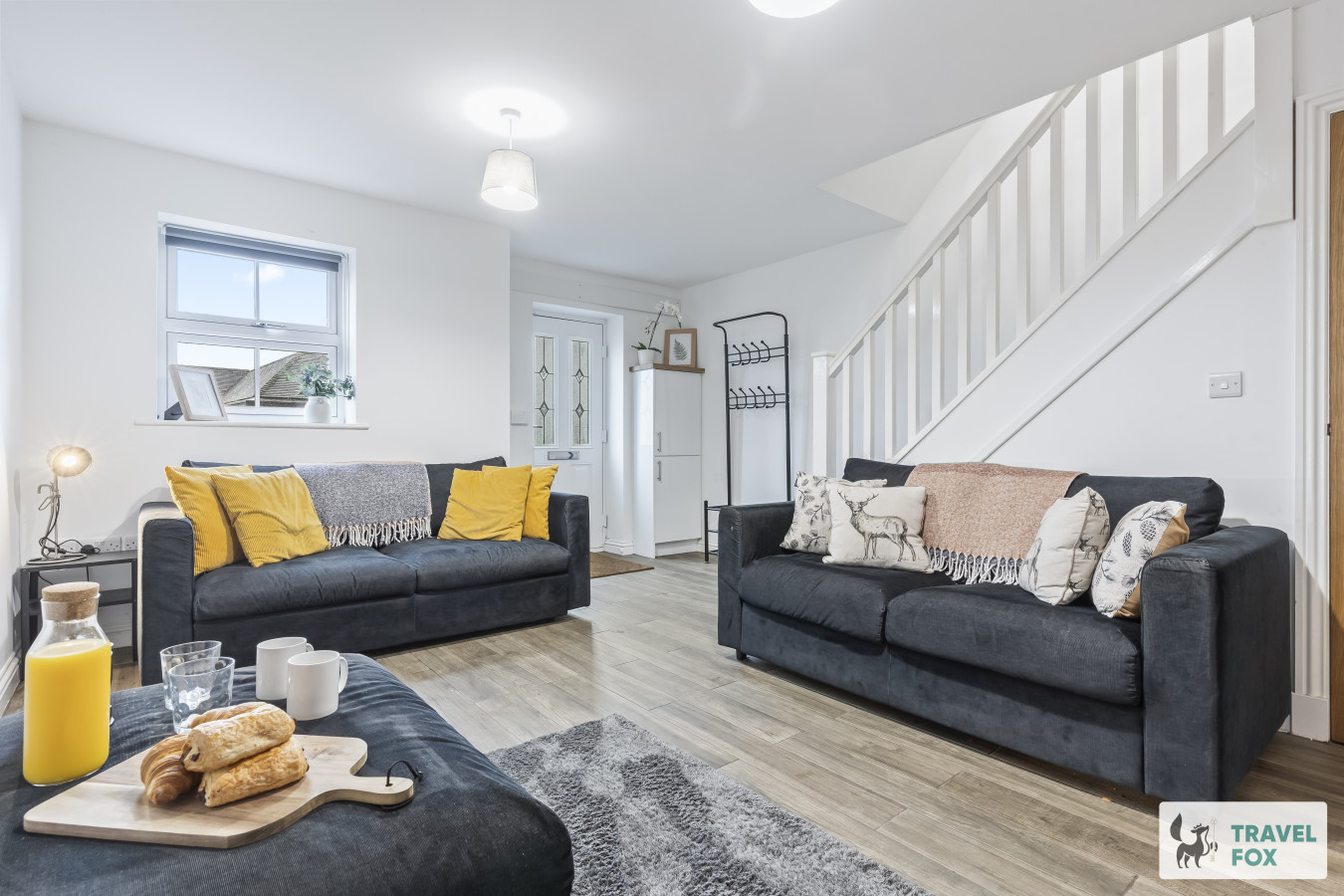
Leek
Lisa's House Leek: 20mins Alton Towers
- Sleeps 6
- 2 bedrooms
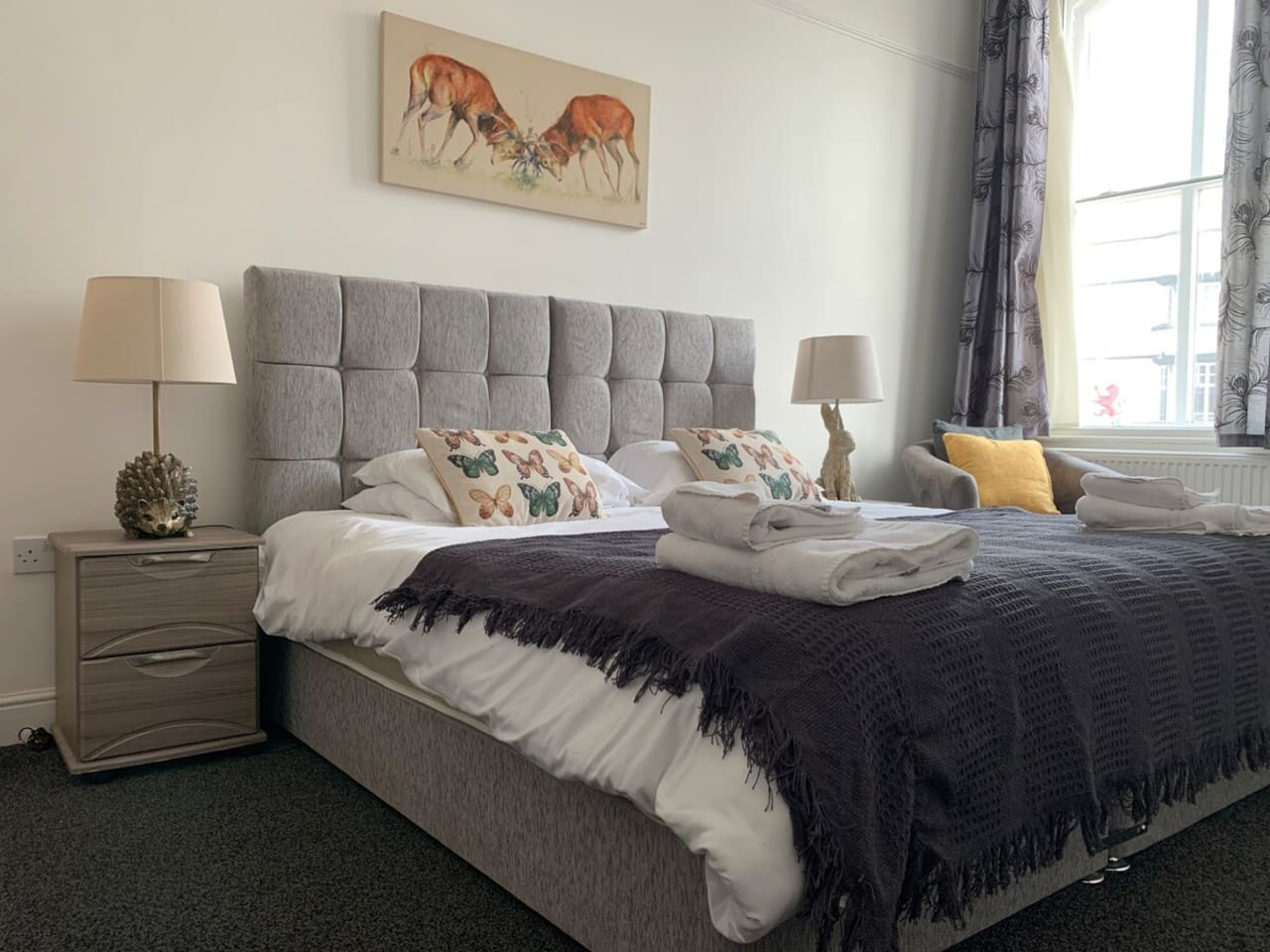
Leek
The Rudyard Suite - Large 1 Bed Apartment
- Sleeps 5
- 1 bedroom
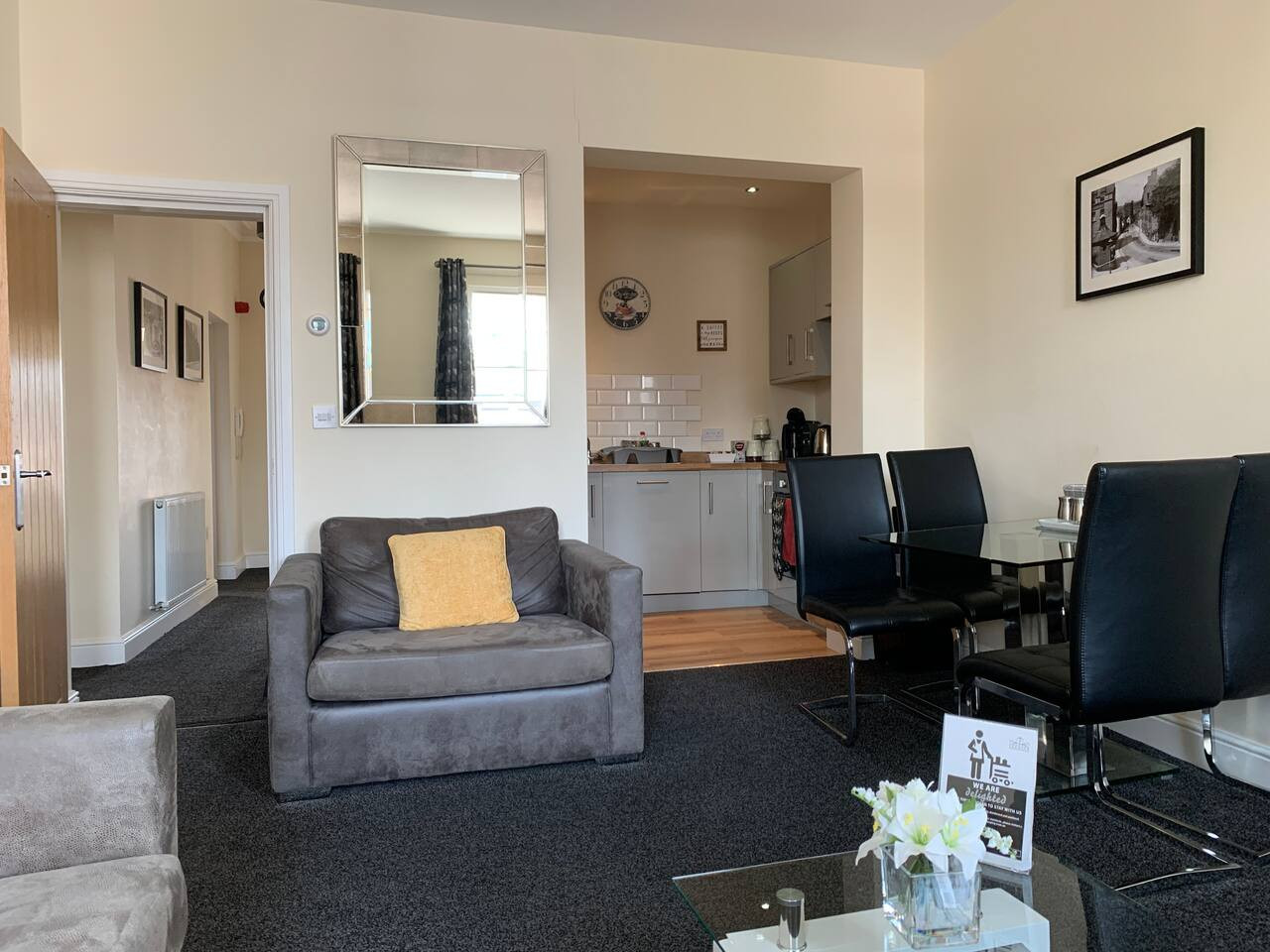
Leek
The Roaches Suite - Large 2 Bedroom Apartment
- Sleeps 7
- 2 bedrooms
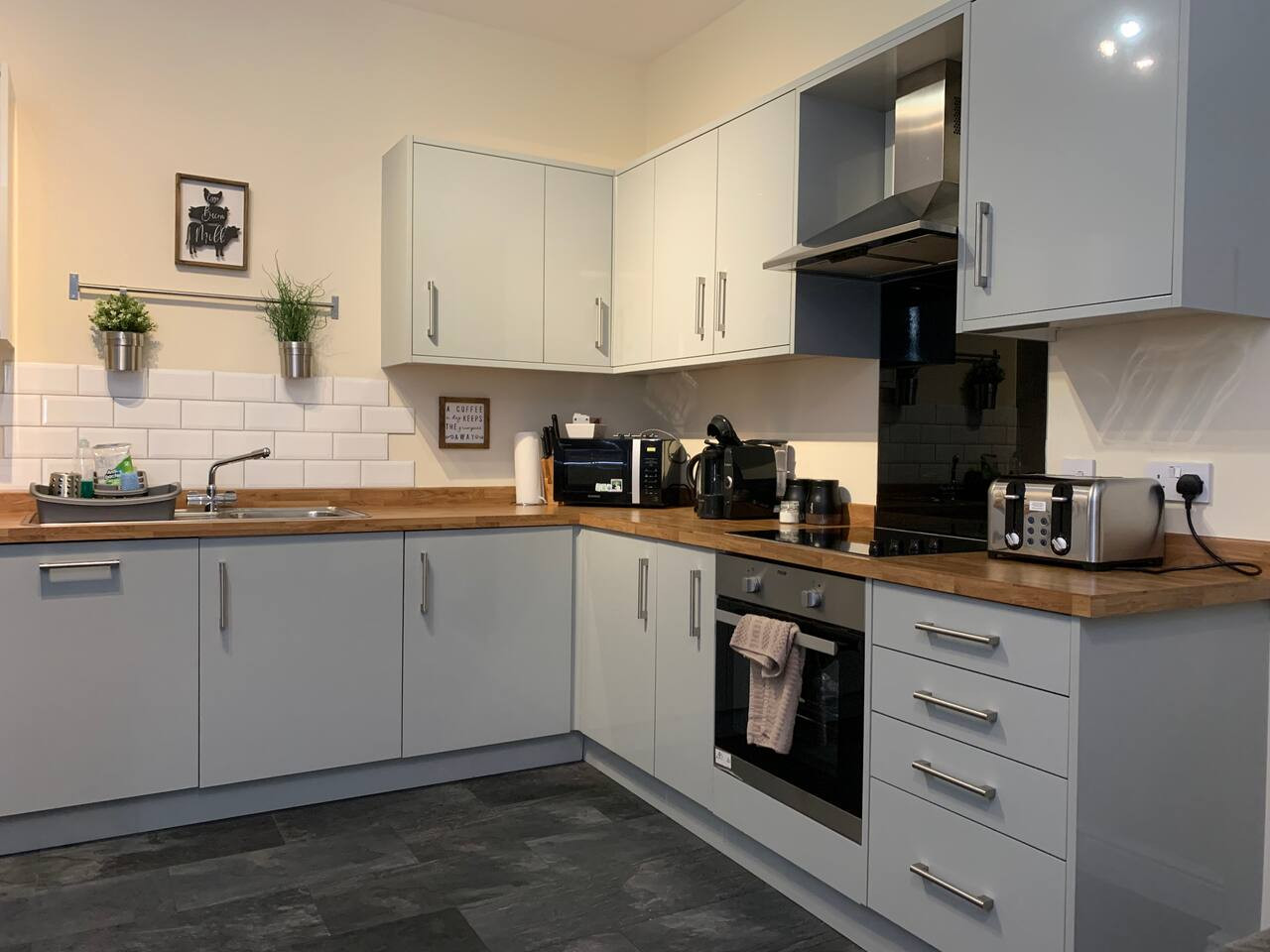
Leek
The Moorlands Suite - 1 Bed Apartment
- Sleeps 4
- 1 bedroom
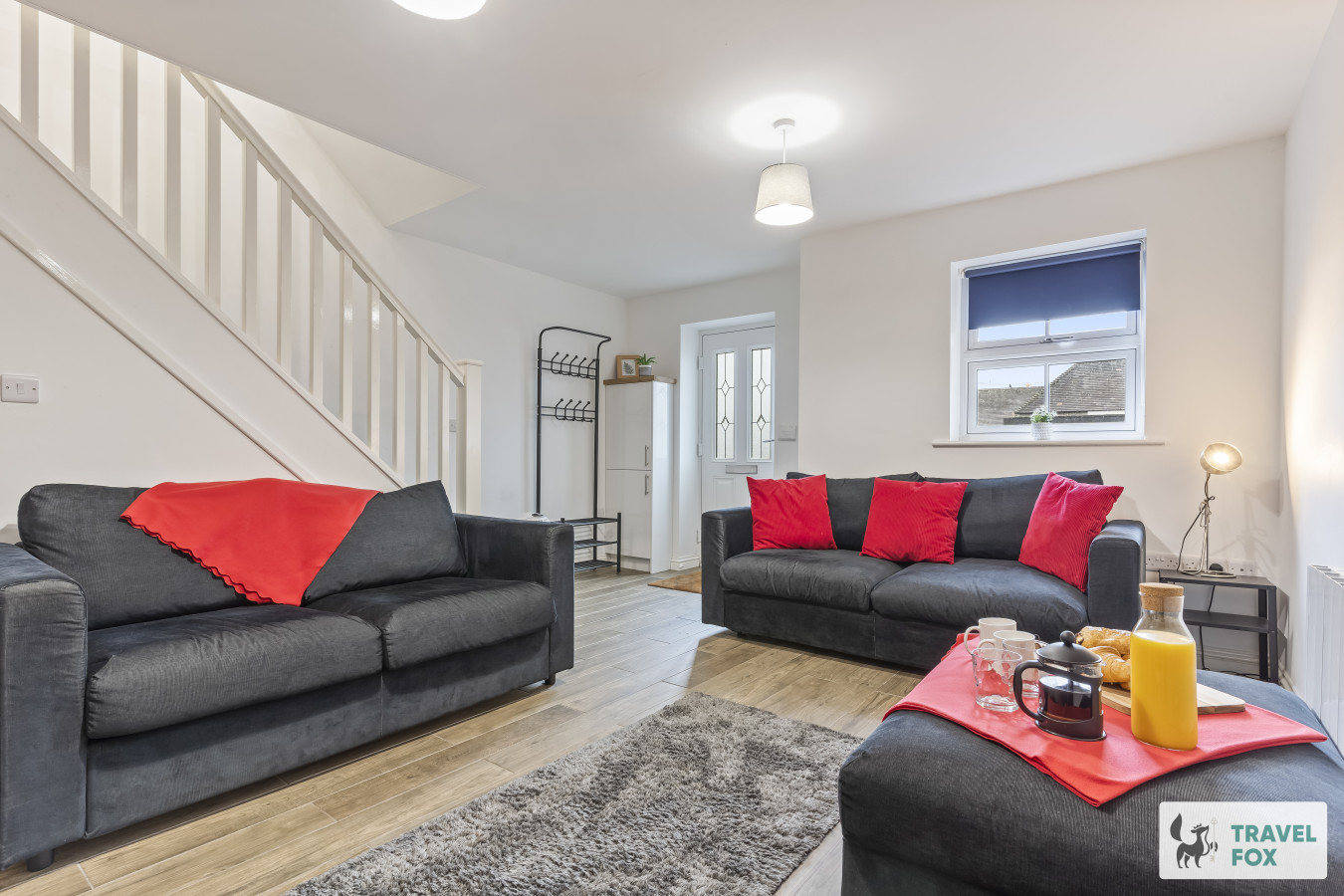
Leek
Amy's House: 20mins Alton Towers
- Sleeps 6
- 2 bedrooms
For homeowners
Own a holiday home near Baslow?
We manage holiday lets across the Peak District from 12% commission, charged after cleaning costs, with no lock-in. A co-founder visits before you decide.
Holiday let management in the Peak District →
A guide with a point of view
Written from research. Edited for real journeys.
Use the Official site links for live practical details, then use this guide for context, ideas and room to explore.
Sources
Every place on this page is checked against a published source. Each entry links the record we used and names who publishes it.
- St Anne's Church — historicengland.org.uk statutory register or public authority record not machine-readable; publisher restricts automated access
- Baslow Old Bridge — historicengland.org.uk statutory register or public authority record not machine-readable; publisher restricts automated access
- Baslow Edge — baslowvillage.com operator, sector body or destination organisation
- The Devonshire Arms — thedevonshirebaslow.com operator, sector body or destination organisation
- The Wheatsheaf — wheatsheafpubbaslow.co.uk operator, sector body or destination organisation
- The Cavendish Hotel — cavendishhotelbaslow.co.uk operator, sector body or destination organisation
- Chatsworth Estate Farm Shop — chatsworth.org operator, sector body or destination organisation
- Chatsworth House — chatsworth.org operator, sector body or destination organisation