
Estate village, open moor
Beeley
A small stone village shaped by the Chatsworth estate, with Beeley Moor rising above and walks beginning close by.
- Best for
- Estate history and moorland walking
- Give it
- Editorial estimate: half a day, or longer with Chatsworth
- Don't miss
- The Norman doorway at St Anne's
The Fox verdict
A small estate village with a broad horizon
Beeley pairs a quiet stone village with the gritstone upland of Beeley Moor and close links to Chatsworth.
Come for the Church of St Anne, an 18th-century inn and walking from Calton Lees, then extend the visit to Hob Hurst's House, Chatsworth or the heritage railway at Rowsley South.
Where to go
Places in Beeley
Every place below is checked against a published source, listed with what it is and how long to give it.
Local signatures
3 placesChatsworth and Beeley Circular
A circular using quiet riverside paths and woodland tracks, climbing through Hell Bank Plantation and Beeley Plantation past several waterfalls, with an option to call at Chatsworth House.
- Visit length
- Editorial estimate: allow around 120 minutes
- Locality
- Calton Lees car park, off the B6012
- Access
- The route crosses stepping stones over Beeley Brook that are tricky after heavy rain, and includes two stiles, four gates, steps and exposed tree roots.
Beeley Moor
A remote gritstone upland reaching 371 metres, heather-clad in summer and marked by the history of quarrying and coal pits.
- Visit length
- Editorial estimate: allow around 90 minutes
- Locality
- Above Beeley
Hob Hurst's House
A rare square Bronze Age burial barrow in the care of English Heritage, named after the mischievous goblin Hob o' th' Hurst.
- Visit length
- Editorial estimate: allow around 90 minutes
- Locality
- Beeley Moor
- Access
- Free to visit.
Food & drink
1 placeChatsworth Farm Shop
A Pilsley stop for food shopping and a cafe.
- Visit length
- Editorial estimate: allow around 45 minutes
- Locality
- Pilsley
Walks & outdoors
1 placePeak District Boundary Walk
A walking route that passes through Beeley.
- Visit length
- Editorial estimate: allow around 60 minutes for a local stretch
- Locality
- Passing through Beeley
History & heritage
2 placesChurch of St Anne
Founded around 1150, the church retains a Norman south doorway, a priest's door dated to about 1292 and memorials to the Cavendish family.
- Visit length
- Editorial estimate: allow around 30 minutes
- Locality
- Beeley
Rowsley South and Peak Rail
Rowsley South is on the Peak Rail heritage line, which covers about four miles between Rowsley and Matlock.
- Visit length
- Editorial estimate: allow around 90 minutes
- Locality
- Rowsley
Things to do
2 placesChatsworth House and Gardens
A nearby day out combining the house, gardens, farmyard and parkland.
- Visit length
- Editorial estimate: allow around 150 minutes
- Locality
- Chatsworth
Dukes Barn
An outdoor activity centre on School Lane, run in connection with the estate as an activity and residential base for groups.
- Visit length
- Editorial estimate: allow around 120 minutes
- Locality
- School Lane
- Access
- An activity and residential base for groups.
No places match this filter. Choose All places to reset the list.
Three ways to explore Beeley
Signature outings
A Norman doorway
At St Anne's, look for the Norman south doorway and a priest's door dated to about 1292.
Chatsworth close by
Combine Chatsworth House with its gardens, farmyard and parkland, about 1.5 miles from Beeley in a straight line; the road journey is longer.
Rowsley South to Matlock
Peak Rail covers about four miles between Rowsley and Matlock on its heritage line.
The village story
Beeley Village Guide
An estate village of stone, stream and inn, opening onto Beeley Moor and the wider Chatsworth landscape.
The inn and estate village
The Beeley Inn sits on Devonshire Square, an 18th-century stone building with flagstone floors, original beams, inglenook fireplaces and wood-burners. It was the Devonshire Arms until fairly recently. The kitchen, under head chef Lewis Thornhill, builds a seasonal menu around ingredients from the Chatsworth estate; à la carte mains run to about £30, and there's a separate pub-classics menu alongside Sunday lunch. Over twenty gins, regional cask ales, fine wines. It holds an AA Rosette and a Michelin Guide listing, which is a lot of accolade for a village this size. Dogs are welcome in the bar and the Malt Vault, with water bowls provided. There's a terrace-garden out the back and a brasserie with large windows over the village and the stream.
That stream runs through the middle of everything. Beeley is a small stone estate village — pretty cottages on winding lanes, largely unaltered — and the unaltered part is not an accident. It was one of four villages built to house Chatsworth estate workers, along with Edensor, Pilsley and Calton Lees, which is why it looks the way it does.
Estate history and Beeley Moor
The village stayed independent of the estate until 1747, when the 3rd Duke of Devonshire bought Beeley Hill Top. The 4th and 6th Dukes bought up the rest over the following century.
Above it rises Beeley Moor, gritstone upland reaching 371 metres, remote and heather-clad in summer. The gritstone from up here built Chatsworth House; coal pits and quarries on the moor once fuelled domestic hearths and the lead-smelting furnaces of Norman's mill.
Riverside paths and nearby food
The Chatsworth and Beeley circular starts at Calton Lees car park, about 0.8 miles from Beeley in a straight line; the road journey is longer. It follows quiet riverside paths, crosses stepping stones over Beeley Brook — tricky after heavy rain — and climbs above a wooded gorge through Hell Bank Plantation, past several waterfalls, with the option to call at Chatsworth House on the way round. The Peak District Boundary Walk passes through the village too.
For food shopping, the Chatsworth Farm Shop at Pilsley is about 2.6 miles from Beeley in a straight line; the road journey is longer.
St Anne's and Domesday Beeley
The Church of St Anne was founded around 1150 and keeps its Norman south doorway and a priest's door dated to roughly 1292. Pevsner gives it four lines, noting the Norman door and a "much renewed" 13th-century chancel. Memorials to the Cavendishes — the Dukes of Devonshire — are inside.
Domesday recorded the place in 1086 as Bewlag: three villagers, five smallholders, one plough team, an acre of meadow. Eight households, which put it in the smallest 40 percent of settlements in the survey. The tenant-in-chief was King William.
Rail links and Hob Hurst's House
Rowsley South, on the Peak Rail heritage line, is about 2.1 miles from Beeley in a straight line; the road journey is longer. Matlock is the nearest mainline station, with Peak Rail covering the four miles between. The B6012 runs through the village, and Chatsworth House is about 1.5 miles away in a straight line; the road journey is longer.
Up on the moor there's Hob Hurst's House, a rare square Bronze Age burial barrow, free to visit and in the care of English Heritage. It is named after Hob o' th' Hurst, a mischievous goblin said to live in the nearby woods.
Stay around Peak District
Make a longer stay of it
Travel Fox holiday homes around Peak District, linked directly to their property pages.
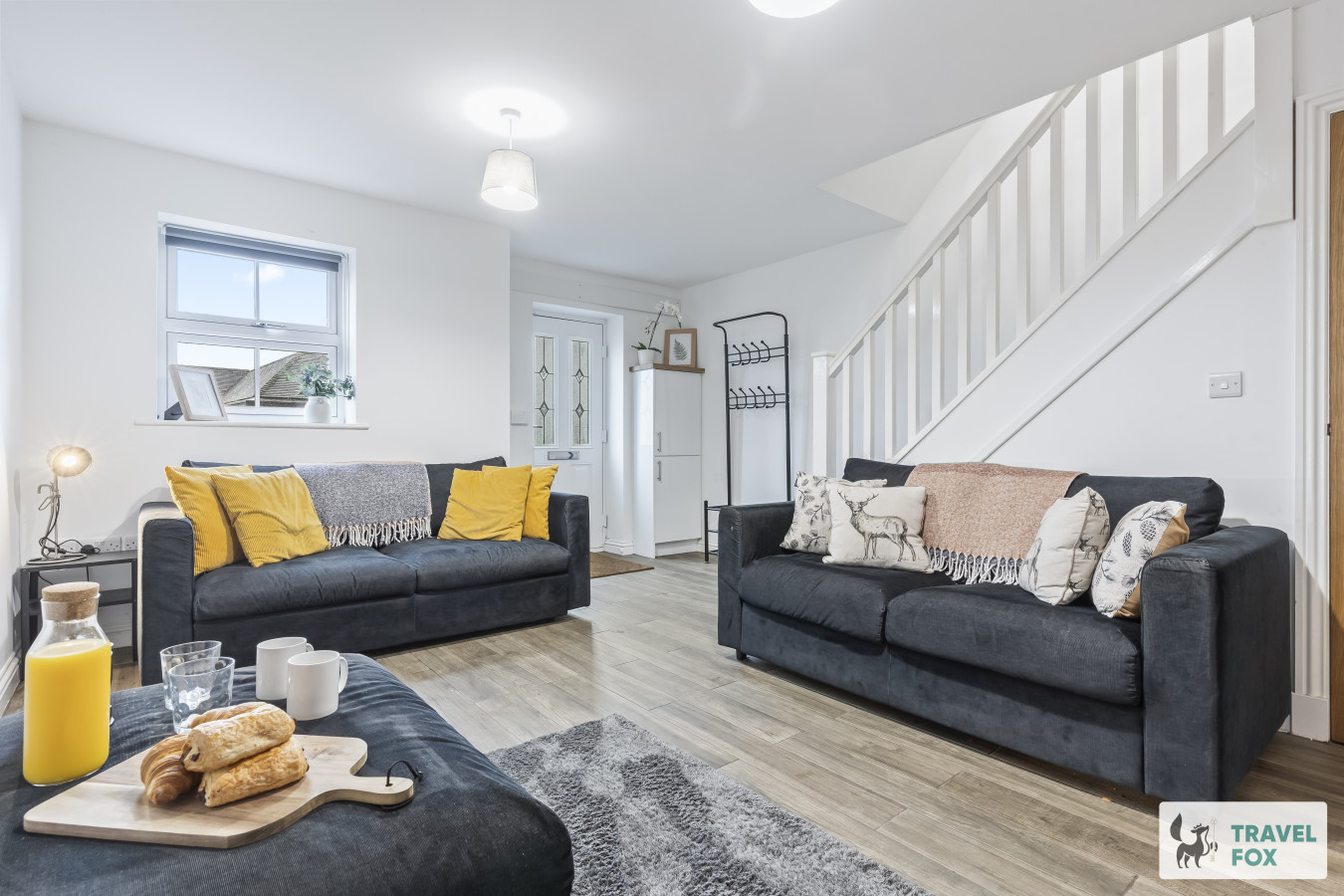
Leek
Lisa's House Leek: 20mins Alton Towers
- Sleeps 6
- 2 bedrooms
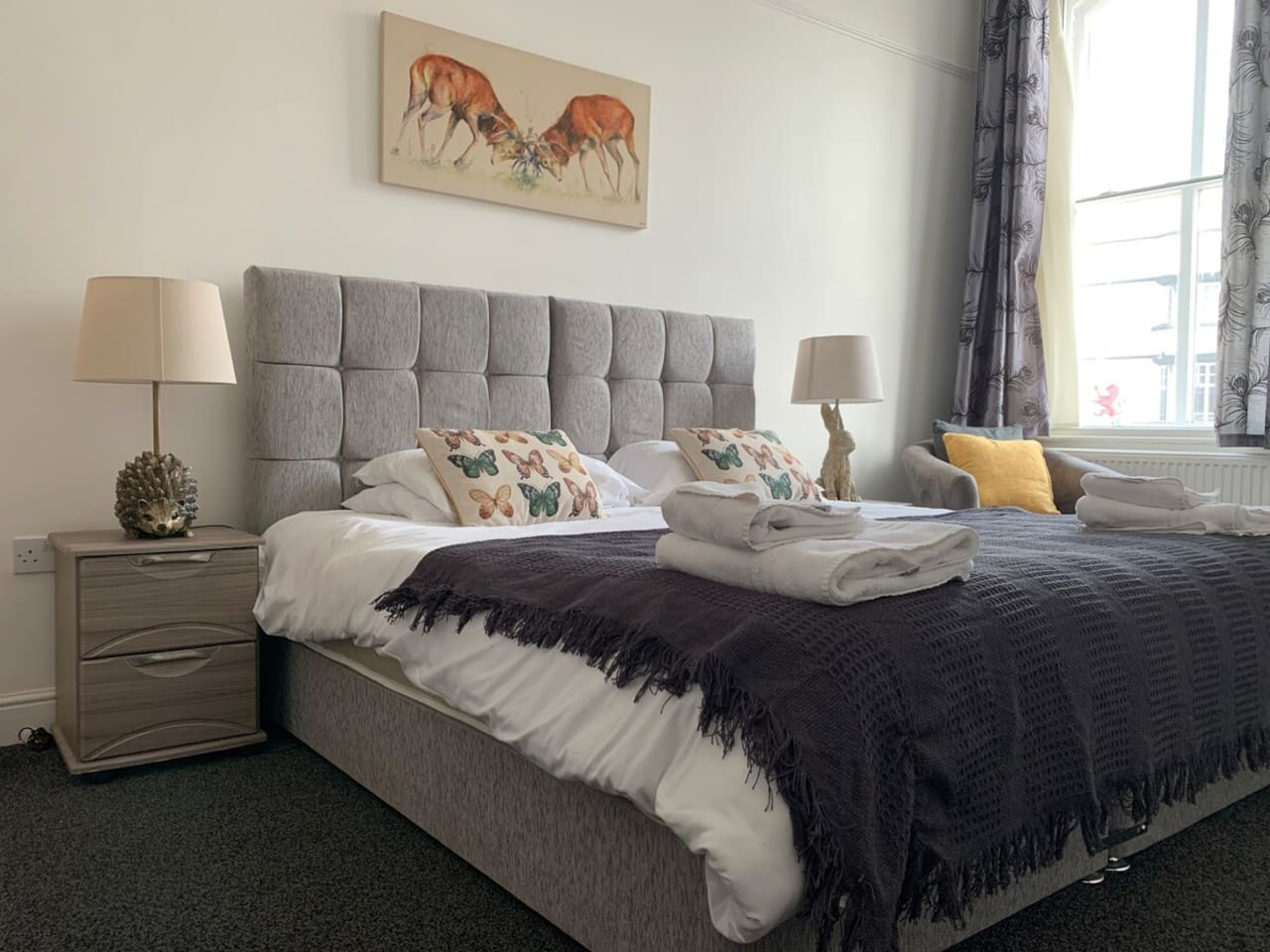
Leek
The Rudyard Suite - Large 1 Bed Apartment
- Sleeps 5
- 1 bedroom
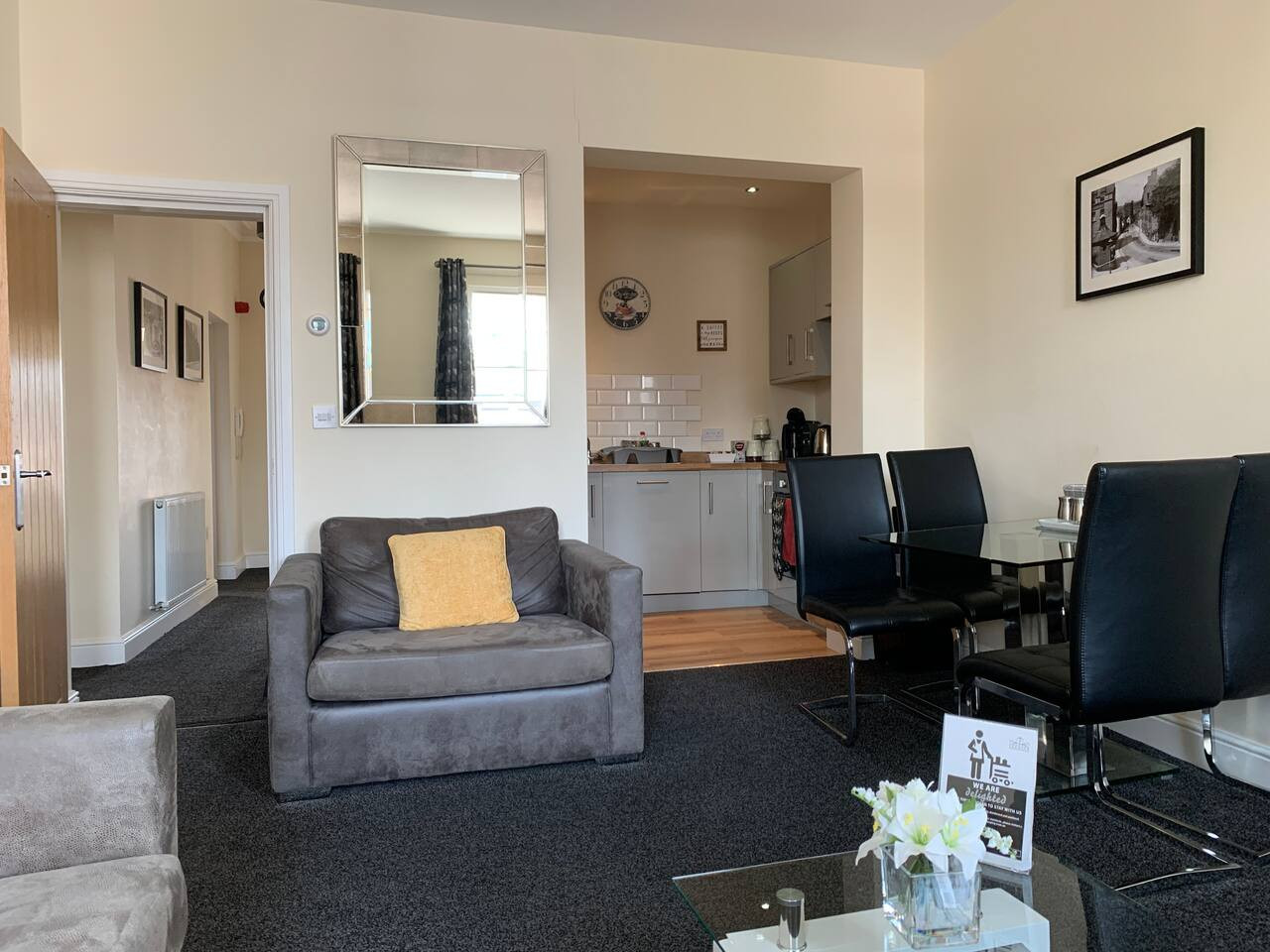
Leek
The Roaches Suite - Large 2 Bedroom Apartment
- Sleeps 7
- 2 bedrooms
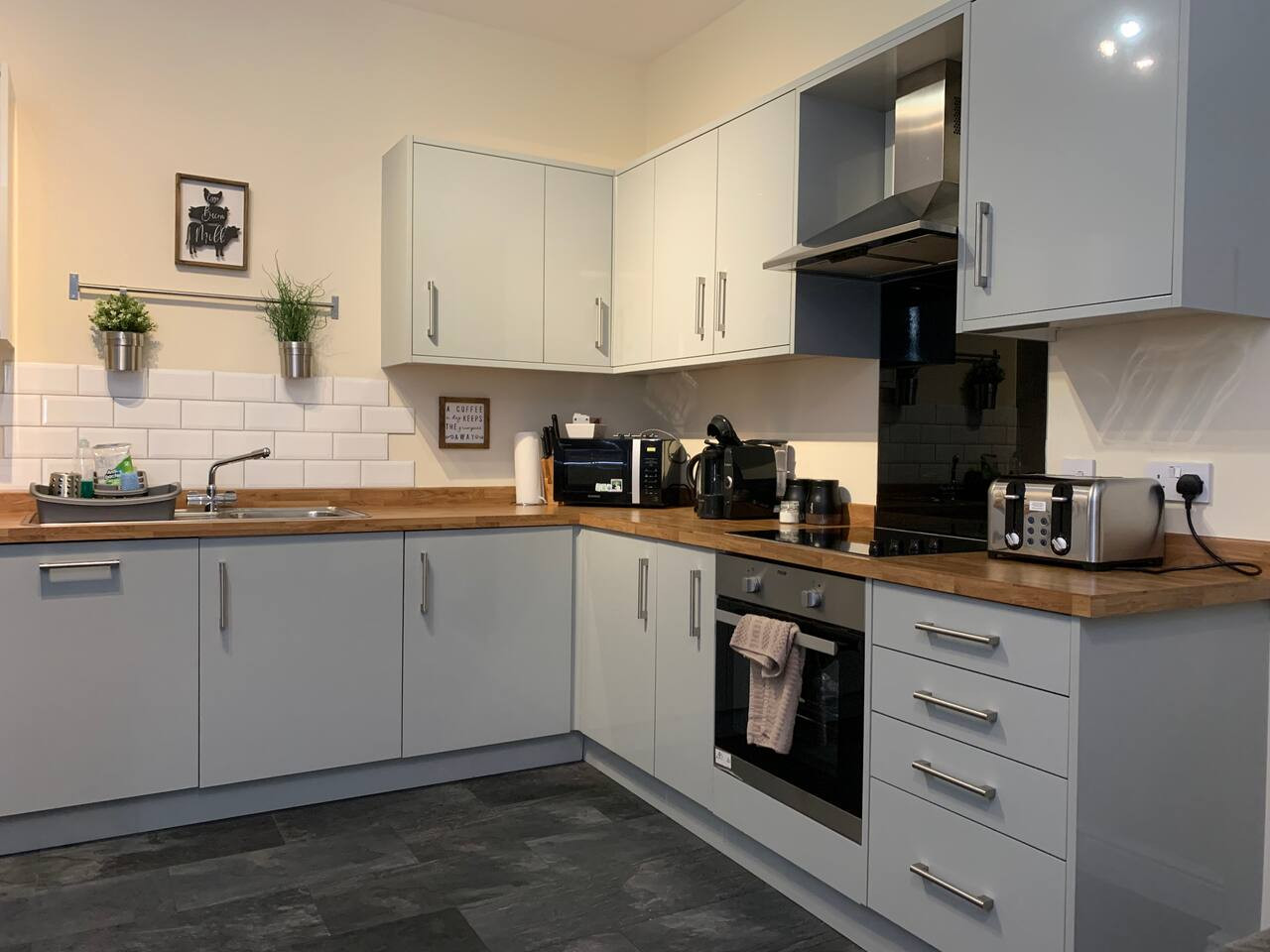
Leek
The Moorlands Suite - 1 Bed Apartment
- Sleeps 4
- 1 bedroom
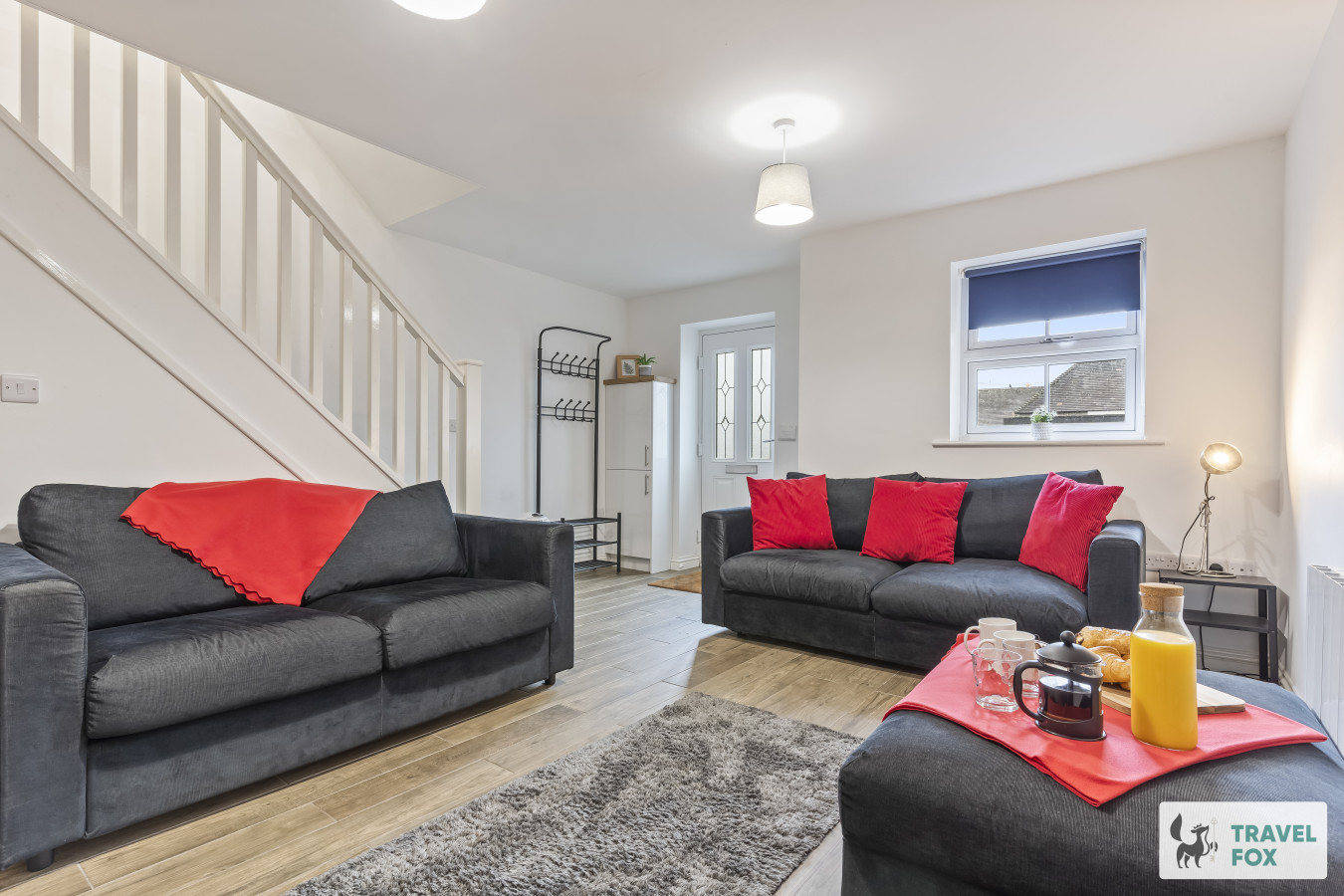
Leek
Amy's House: 20mins Alton Towers
- Sleeps 6
- 2 bedrooms
For homeowners
Own a holiday home near Beeley?
We manage holiday lets across the Peak District from 12% commission, charged after cleaning costs, with no lock-in. A co-founder visits before you decide.
Holiday let management in the Peak District →
A guide with a point of view
Written from research. Edited for real journeys.
Use the Official site links for live practical details, then use this guide for context, ideas and room to explore.
Sources
Every place on this page is checked against a published source. Each entry links the record we used and names who publishes it.
- Church of St Anne — historicengland.org.uk statutory register or public authority record not machine-readable; publisher restricts automated access
- Chatsworth and Beeley Circular — chatsworth.org operator, sector body or destination organisation
- Beeley Moor — visitpeakdistrict.com operator, sector body or destination organisation
- Peak District Boundary Walk — cprepdsy.org.uk other published source
- Hob Hurst's House — english-heritage.org.uk national body or asset manager
- Chatsworth House and Gardens — chatsworth.org operator, sector body or destination organisation
- Chatsworth Farm Shop — chatsworth.org operator, sector body or destination organisation
- Rowsley South and Peak Rail — peakrail.co.uk operator, sector body or destination organisation
- Dukes Barn — dukesbarn.org operator, sector body or destination organisation