
High White Peak heritage
Chelmorton
A one-street village of medieval fields, a locust-topped spire and paths into limestone dale country.
- Best for
- Walking and prehistoric heritage
- Give it
- A village visit with time for a field or dale walk
- Don't miss
- The locust weathervane and medieval strip fields
The Fox verdict
A high village where the old field pattern still leads the eye
Come for the spired church, the medieval strip fields and a landscape still shaped by long limestone-walled strips.
Chelmorton is walking and prehistoric-heritage country rather than a village of formal attractions. Its strongest visit combines St John the Baptist's locust weathervane and tapestry with the medieval strip fields; Deep Dale and Five Wells offer further outings. The Monsal Trail is a separate outing.
Where to go
Places in Chelmorton
Every place below is checked against a published source, listed with what it is and how long to give it.
Local signatures
3 placesChurch of St John the Baptist
A Grade II* church with a 13th- to 14th-century core, a 15th-century gritstone spire and locust weathervane, and the eight-year Chelmorton Tapestry inside.
- Visit length
- Editorial estimate: Allow around 45 minutes
- Locality
- Chelmorton
Chelmorton Medieval Strip Fields
Thirteen long, narrow, limestone-walled enclosures form a near-unaltered fossil of the medieval open-field system around Chelmorton.
- Visit length
- Editorial estimate: Allow around 45 minutes
- Locality
- Around the village
Monsal Trail
An 8.5-mile former-railway trail for traffic-free family walking and cycling, with lit tunnels and viaducts between Blackwell Mill and Bakewell.
- Visit length
- Editorial estimate: Allow around 2 hours
- Locality
- Blackwell Mill to Bakewell
- Access
- The trail is flat and traffic-free.
Walks & outdoors
1 placeDeep Dale and Chelmorton Circular
A roughly 4.3-mile circular into a dramatic dry limestone dale of rocky staircases, scree slopes and cave and swallet holes.
- Visit length
- Editorial estimate: Allow around 3 hours
- Locality
- Deep Dale, skirting Topley Pike Quarry
- Access
- The 4.3-mile circular is described as moderate.
History & heritage
1 placeFive Wells Chambered Tomb
A Neolithic cairn reputed to be Britain's highest megalithic tomb, where Thomas Bateman's 1846 excavation found remains of at least twelve people.
- Visit length
- Editorial estimate: Allow around 60 minutes
- Locality
- Taddington Moor between Chelmorton and Taddington
No places match this filter. Choose All places to reset the list.
Three ways to explore Chelmorton
Signature outings
Find the Locust
The gritstone spire carries a locust weathervane, the emblem chosen for St John the Baptist.
Enter Deep Dale
The circular heads into a dry limestone dale of rocky staircases, scree slopes and swallet holes.
Meet Five Wells
This Neolithic cairn is reputed to be the highest megalithic tomb in Britain.
The village story
Chelmorton Village Guide
A locust-topped spire, a pub with a blacksmith in its past and a medieval field pattern lead into the high White Peak landscape.
The Locust and the Spire
The weathervane on the church spire is a locust. It is there because the church is dedicated to St John the Baptist, who survived on locusts and honey, and someone decided the detail was worth honouring in gritstone. Harry Swindell, a local farmer-poet, wrote of it: "No matter which way he points, / We know he must be right."
That spire belongs to the Church of St John the Baptist, and at roughly 1,200 feet it is the highest spired church in Derbyshire, sometimes billed as the highest in England. The Elizabethan porch is reputedly built from re-used coffin lids. Inside is the Chelmorton Tapestry, an eight-year embroidery project that runs the village's story from prehistory to now.
Blacksmiths, Fires and Walker Fare
Opposite the church, at the top of the village, is the Church Inn. It claims to be the highest pub in Derbyshire, and it started life as the Blacksmith's Arms before being renamed in 1884. Justin and Julie Satur run it. There are five cask ales, roaring fires in winter, a pub quiz most Mondays, and a south-facing garden that catches the sun.
The kitchen does home-cooked English, Continental and "World" dishes, plus fish, vegetarian options and salads, with daily specials and puddings. Food runs midday to half-two and six to half-eight through the week, and midday to nine at weekends. It is CAMRA-listed and well regarded for feeding walkers at fair prices. The pub is also said to be haunted by a blacksmith's daughter and granddaughter, which is a lot of blacksmith for one building.
Fields and Illy Willy Water
There is no shop. The village store, the post office, the school and the Primitive Methodist chapel have all closed. What remains is one street with farms strung along it, and thirteen long walled strip fields fanning out from that street — a near-unaltered fossil of the medieval open-field system, preserved mostly because the land was too poor to be worth reorganising.
Running down the same street is Illy Willy Water, a stream rising from a spring at the foot of Chelmorton Low. It emerges just above the church, runs down through the village, and disappears into a swallet hole at Town End known locally as Chelmorton Docks. It once fed a line of seven stone troughs. Two survive.
Dales, Tombs and the Road In
The walking is the reason to be here. The Deep Dale circular, about 4.3 miles, takes the Midshires Way north-west from the Church Inn into a dry limestone dale of rocky staircases, scree and swallet holes. Shorter field paths cross to Flagg. The flat, traffic-free Monsal Trail is a separate outing between Blackwell Mill and Bakewell. Up on Taddington Moor sits the Five Wells chambered tomb, a Neolithic cairn reputed to be the highest megalithic tomb in Britain; the antiquarian Thomas Bateman dug into it in 1846 and found the remains of at least twelve people.
You will want a car. The buses are the kind best described as limited.
Stone to the Last Detail
Even the telephone box is built of stone.
Stay around Peak District
Make a longer stay of it
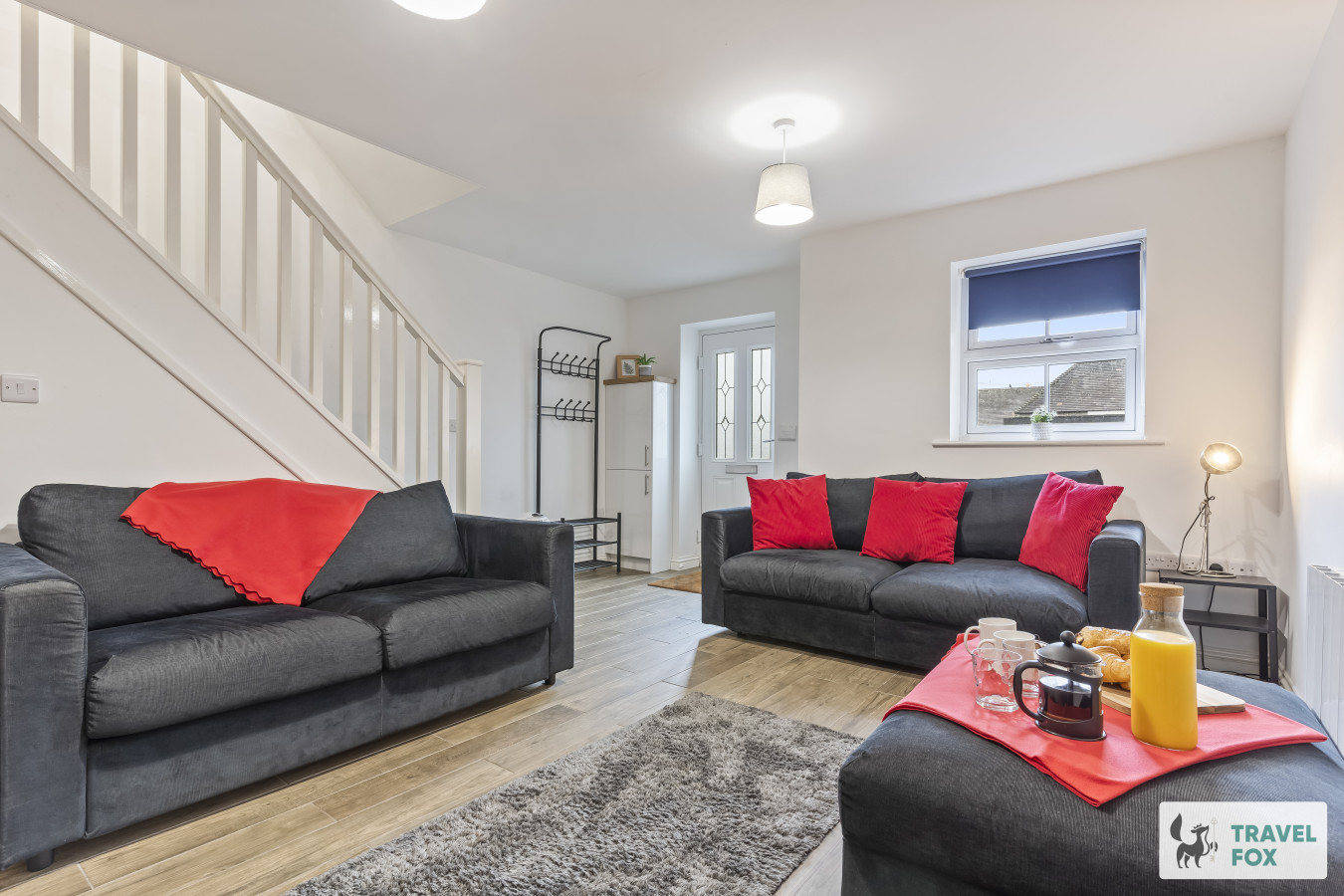
Travel Fox holiday homes around Peak District, linked directly to their property pages.
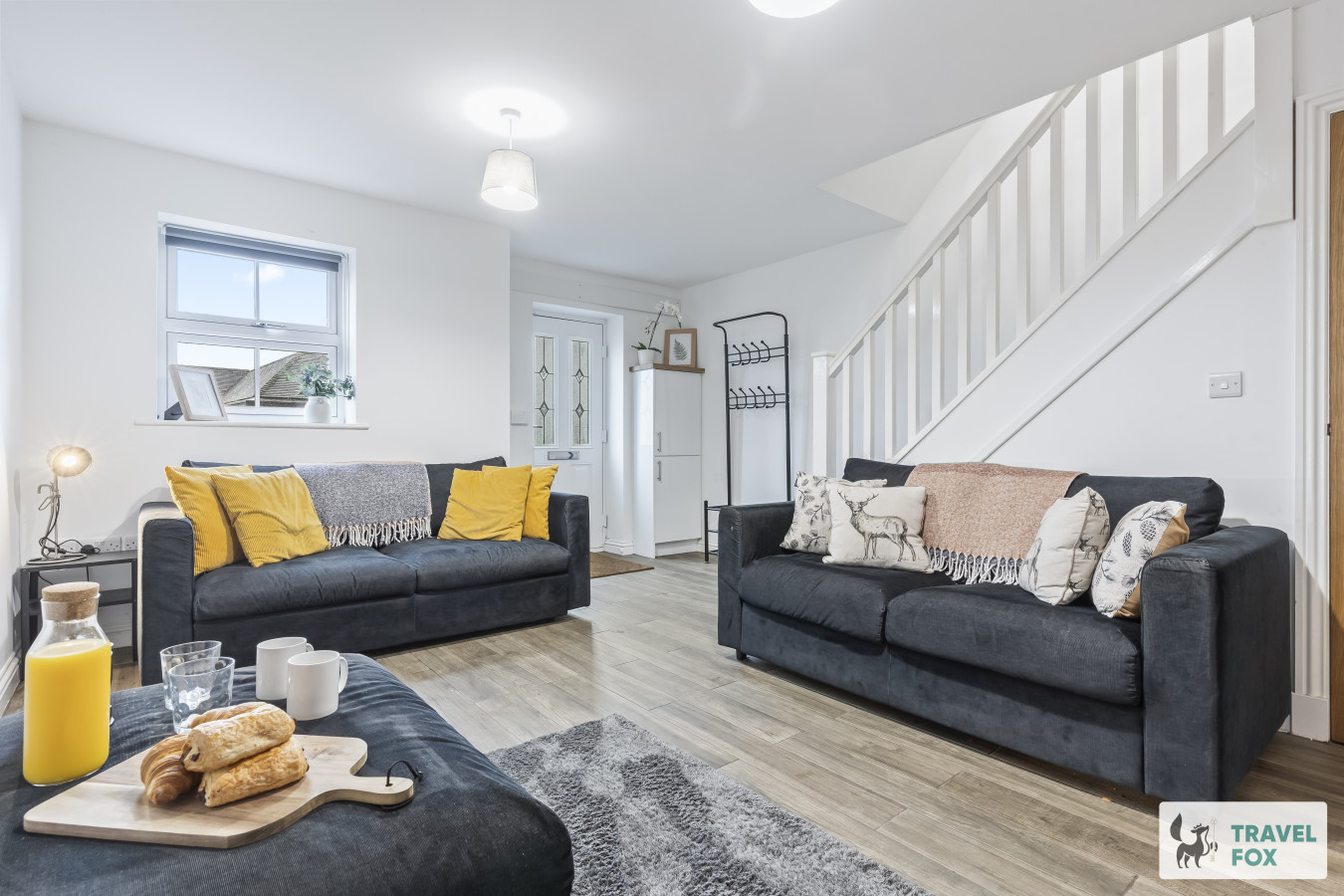
Leek
Lisa's House Leek: 20mins Alton Towers
- Sleeps 6
- 2 bedrooms
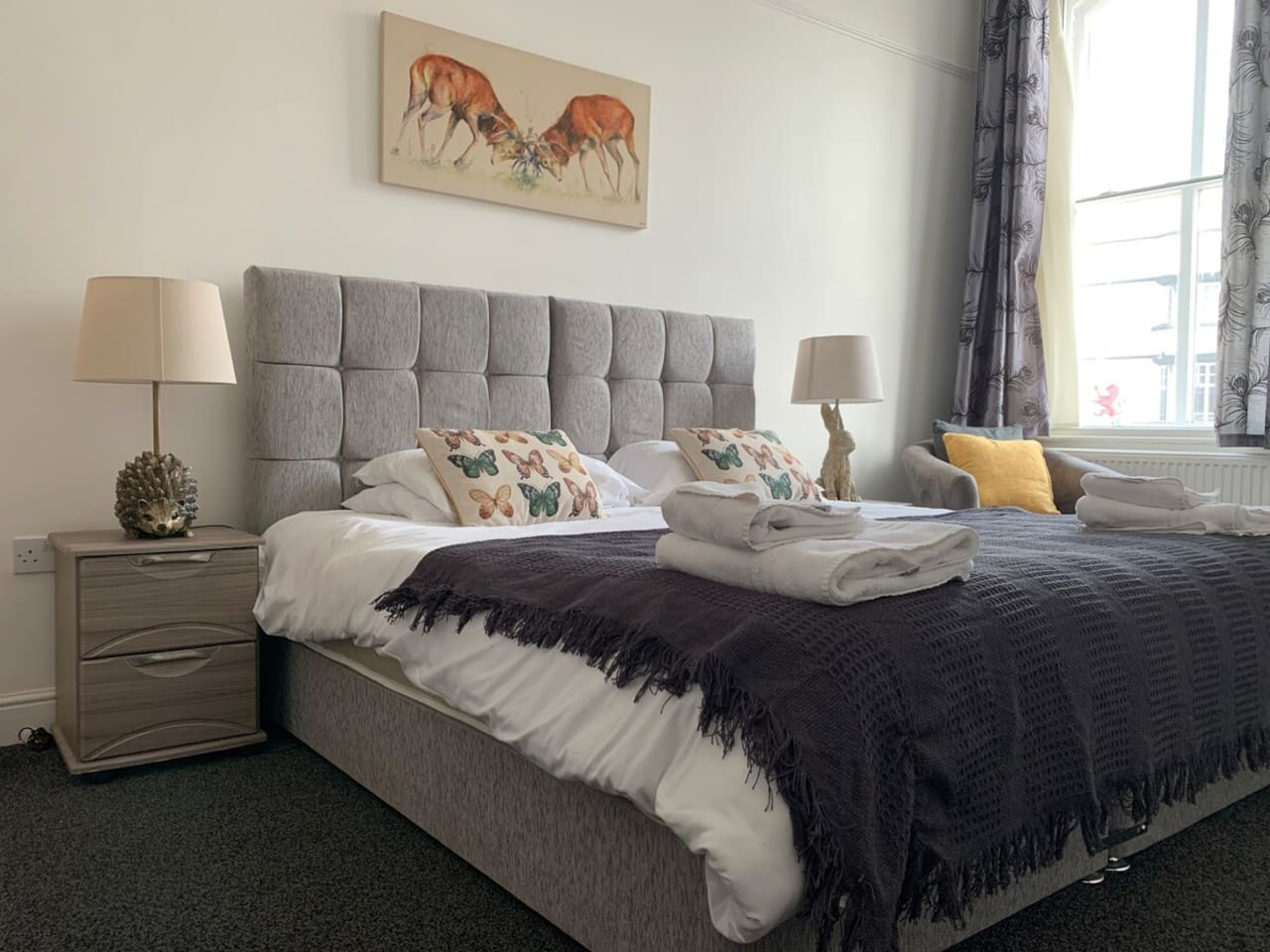
Leek
The Rudyard Suite - Large 1 Bed Apartment
- Sleeps 5
- 1 bedroom
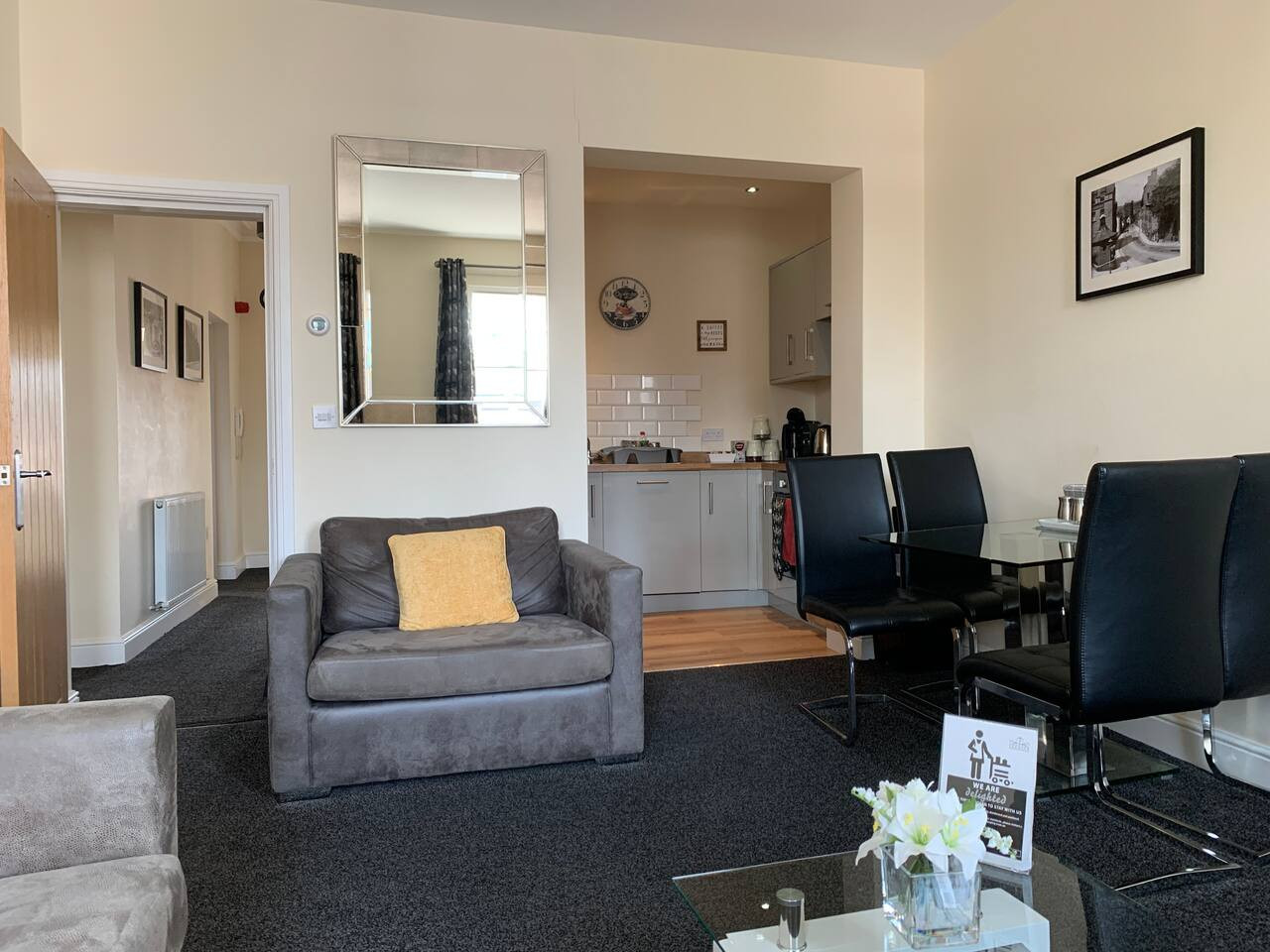
Leek
The Roaches Suite - Large 2 Bedroom Apartment
- Sleeps 7
- 2 bedrooms
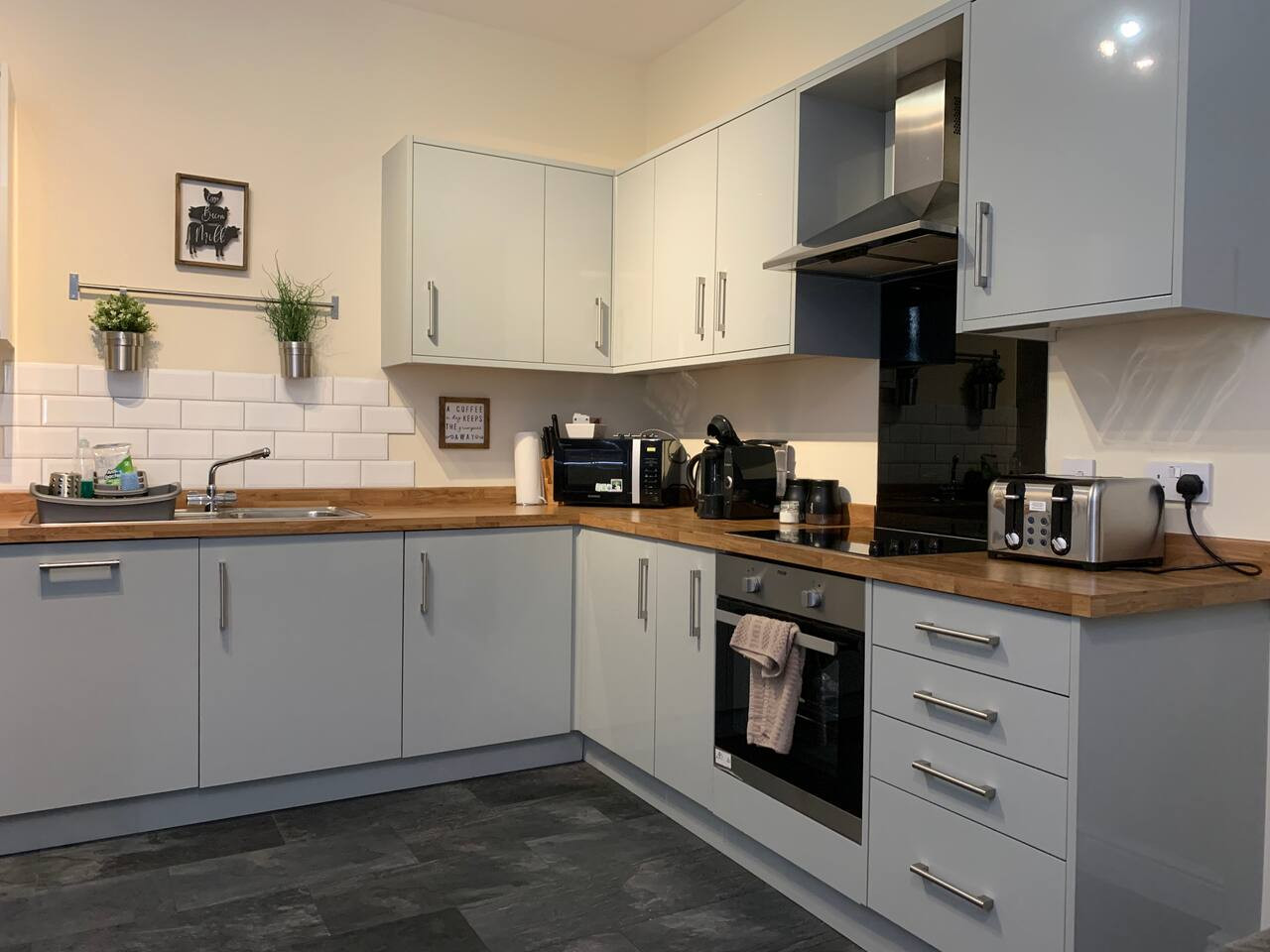
Leek
The Moorlands Suite - 1 Bed Apartment
- Sleeps 4
- 1 bedroom
Leek
Amy's House: 20mins Alton Towers
- Sleeps 6
- 2 bedrooms
For homeowners
Own a holiday home near Chelmorton?
We manage holiday lets across the Peak District from 12% commission, charged after cleaning costs, with no lock-in. A co-founder visits before you decide.
Holiday let management in the Peak District →
A guide with a point of view
Written from research. Edited for real journeys.
Use the Official site links for live practical details, then use this guide for context, ideas and room to explore.
Sources
Every place on this page is checked against a published source. Each entry links the record we used and names who publishes it.
- Church of St John the Baptist — achurchnearyou.com national body or asset manager
- Chelmorton Medieval Strip Fields — reports.peakdistrict.gov.uk statutory register or public authority
- Deep Dale and Chelmorton Circular — derbyshirewildlifetrust.org.uk national body or asset manager
- Monsal Trail — peakdistrict.gov.uk statutory register or public authority record not machine-readable; publisher restricts automated access
- Five Wells Chambered Tomb — historicengland.org.uk statutory register or public authority record not machine-readable; publisher restricts automated access