
Reef hills and resilient history
Earl Sterndale
A high Upper Dove Valley village shaped by hard ridge walks, quarrying country and a church rebuilt after wartime bombing.
- Best for
- Hard ridge walking and Upper Dove Valley history
- Give it
- A half day for the Dragon's Back circuit
- Don't miss
- Chrome Hill's serrated ridge and the church's twelfth-century font
The Fox verdict
Come for reef hills, stay for the village stories
Earl Sterndale is a small walking base where the landscape carries coral-reef geology and the buildings remember farming, quarrying and war.
The Dragon's Back gives the village its headline walk, while High Wheeldon adds a memorial summit and the remarkable Fox Hole Cave story. St Michael and All Angels brings the history indoors, from its medieval font to restoration after the 1941 bombing, and nearby Hartington adds a cheese stop.
Where to go
Places in Earl Sterndale
Every place below is checked against a published source, listed with what it is and how long to give it.
Local signatures
3 placesThe Dragon's Back (Chrome Hill and Parkhouse Hill)
A classic circuit over Chrome Hill and Parkhouse Hill, two limestone reef knolls whose pyramid and serrated profiles recall a dragon's back.
- Visit length
- Editorial estimate: allow around 3 hours
- Locality
- popularly started from Earl Sterndale
- Access
- Rated hard, with steep ascents.
St Michael and All Angels
A Grade II listed Carpenter's Gothic church built in 1828, retaining a twelfth-century font and restored in 1952 after incendiary-bomb damage.
- Visit length
- Editorial estimate: allow around 45 minutes
- Locality
- Earl Sterndale
Hartington Cheese Shop
A surviving shop on the site of Hartington's former creamery, selling a wide array of artisan cheeses in a village historically associated with Stilton making.
- Visit length
- Editorial estimate: allow around 45 minutes
- Locality
- Hartington
Walks & outdoors
2 placesHigh Wheeldon
A National Trust hill of about 422 metres with wide Upper Dove Valley views, given as a Second World War memorial to the men of Derbyshire and Staffordshire.
- Visit length
- Editorial estimate: allow around 2 hours
- Locality
- Hill above Earl Sterndale
Dovedale, Wolfscote and Beresford Dale
A Dove Valley walking area for riverside walks and the Dovedale stepping stones.
- Visit length
- Editorial estimate: allow around 2 hours 30 minutes
- Locality
- Dove valley, south of Earl Sterndale
No places match this filter. Choose All places to reset the list.
Three ways to explore Earl Sterndale
Signature outings
High Wheeldon
Walk above the village on the National Trust hill given in memory of the men of Derbyshire and Staffordshire who died in the Second World War.
The bombed church
See the church restored in 1952 after incendiary bombs substantially damaged it, alongside the twelfth-century font retained from the earlier chapel.
Riverside dales
Make time for riverside walking through Dovedale, Wolfscote and Beresford Dale, with the Dovedale stepping stones among the named draws.
The village story
Earl Sterndale Village Guide
A headless pub sign opens a village story of reef hills, a vanished bear skull, wartime destruction and stubborn continuity.
The Headless Sign and Four Centuries of Trade
The pub sign in Earl Sterndale shows a woman with no head, above the motto "Soft Words Turneth Away Wrath." The pub is the Quiet Woman, and the story runs that a former landlord's wife, Chattering Charteris, nagged so relentlessly — even in her sleep — that he cut off her head. The village approved so heartily that they had a whip round to pay for her headstone.
The Quiet Woman is one of only three English pubs of that name. It is a stone free house, largely unmodernised, reputedly over 400 years old and built from three early-seventeenth-century cottages knocked together. The Heathcote family ran it for well over three centuries, from Joseph Heathcote, who died in 1811, down to Herbert Heathcote in the 1920s. For years it was a haunt of folk-music enthusiasts.
When the Pub Fell Quiet
It is also, at present, shut. The much-loved landlord Ken Mellor died in August 2020 and the pub closed on his death and has stayed closed. Four hundred years of trade, paused. It's worth knowing before you arrive expecting a pint.
That leaves the village small and quiet in the ordinary sense. Earl Sterndale sits in the Upper Dove Valley at about 1,100 feet, south of Buxton, with the River Dove marking the Derbyshire–Staffordshire border nearby. There are no shops to speak of; the economy here has always been farming and quarrying. For cheese you go to Hartington, about 4.7 miles away in a straight line, where the shop still sells artisan cheeses on the site of a creamery the Duke of Devonshire founded in the 1870s.
Reef Hills and the Bear Skull
What people come for is the walking, and it is very good. The classic circuit is the Dragon's Back — Chrome Hill and Parkhouse Hill, two limestone reef knolls left over from a coral reef that grew at the edge of a tropical lagoon some 340 million years ago. Chrome Hill's serrated ridge is often likened to a stegosaurus's spine. It's rated hard, with steep ascents, and you can reach it without a car: the 442 Ashbourne bus from Buxton stops in the village.
Above the village stands High Wheeldon, a National Trust hill of about 422 metres given as a memorial to the men of Derbyshire and Staffordshire who died in the Second World War. On its north slope is Fox Hole Cave, which came to light in 1928 when a dog disappeared down what looked like a fox hole and a boy crawled in after it and came back holding a bear skull. Excavation turned up material from the Upper Palaeolithic onward, including what looks like a ritual burial of a brown bear's skull.
The Church the Bombs Found
The church, St Michael and All Angels, was rebuilt in 1828 in what Pevsner-minded writers call Carpenter's Gothic, keeping a twelfth-century font from the chapel before it. On 9 June 1941 a Heinkel 111 dropped incendiaries on it — reputedly the only Derbyshire church bombed in the war, the raid aimed at an explosives dump near Buxton. It was patched up and properly restored in 1952.
A Gothic School and Its Benefactor
The village school, closed now, is a delicate gothic thing from around 1853, built in the style of Sir Joseph Paxton. Someone raised the money for it: Thomas Lomas of Glutton Grange, whose farm is still down the lane.
Stay around Peak District
Make a longer stay of it
Travel Fox holiday homes around Peak District, linked directly to their property pages.
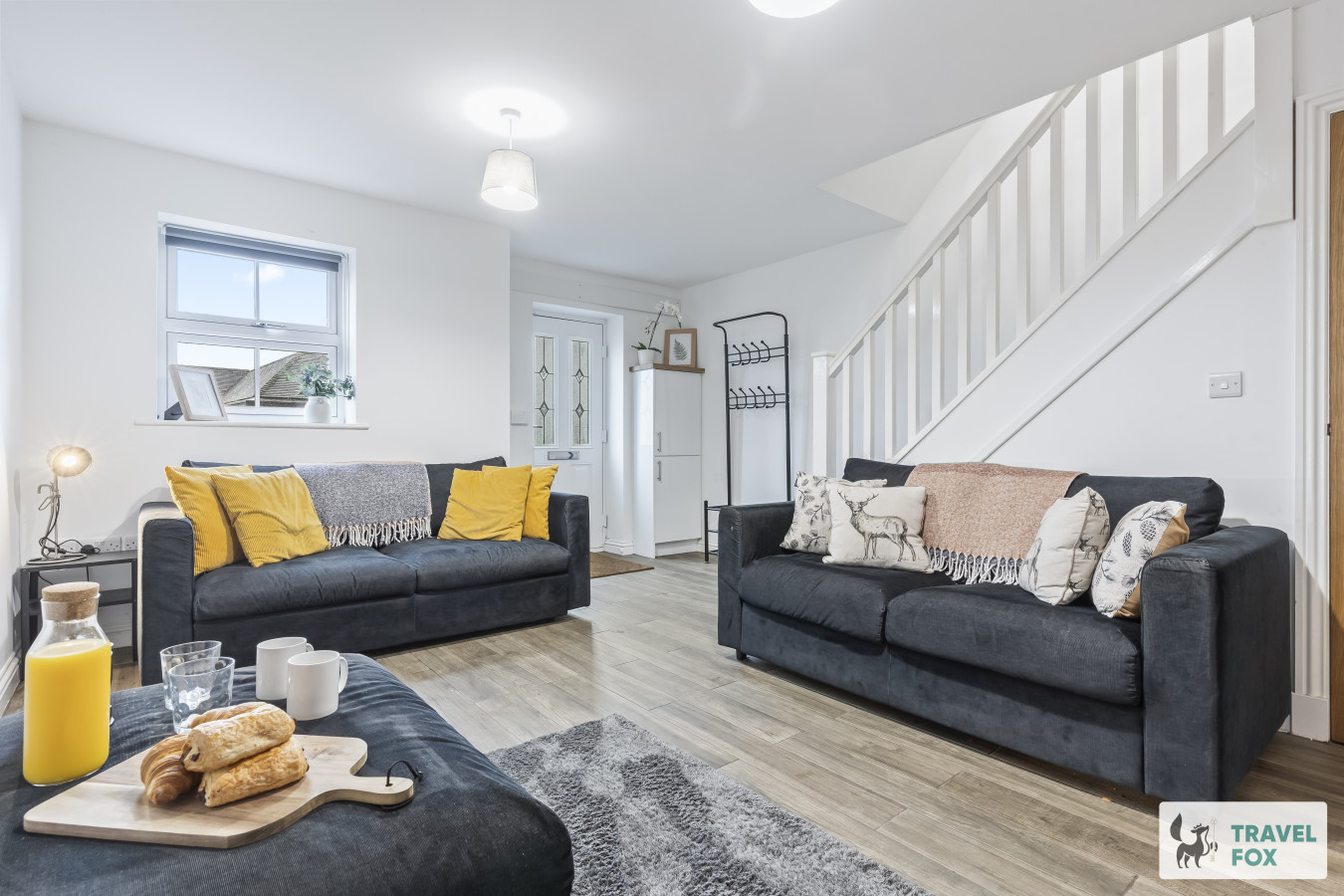
Leek
Lisa's House Leek: 20mins Alton Towers
- Sleeps 6
- 2 bedrooms
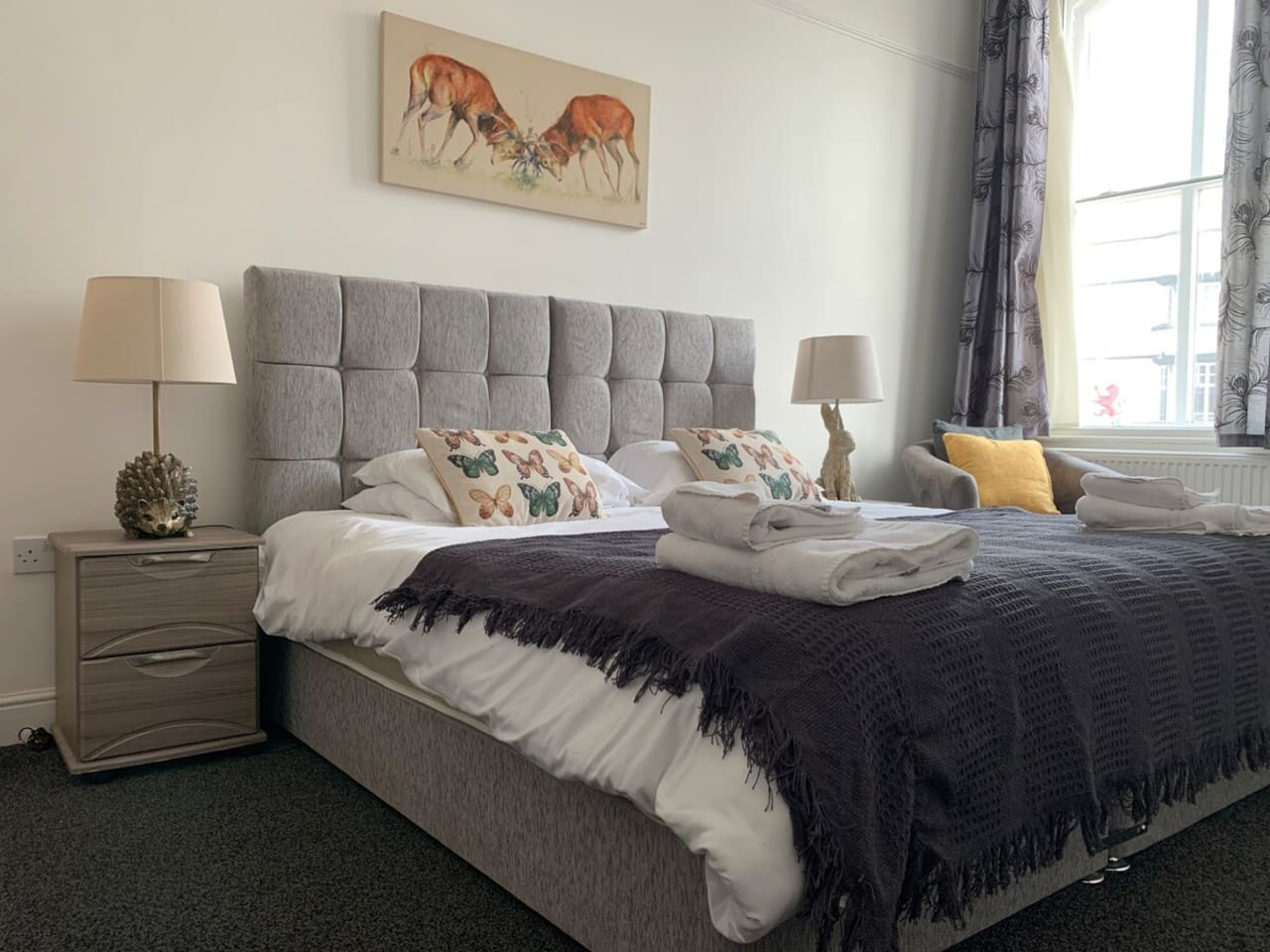
Leek
The Rudyard Suite - Large 1 Bed Apartment
- Sleeps 5
- 1 bedroom
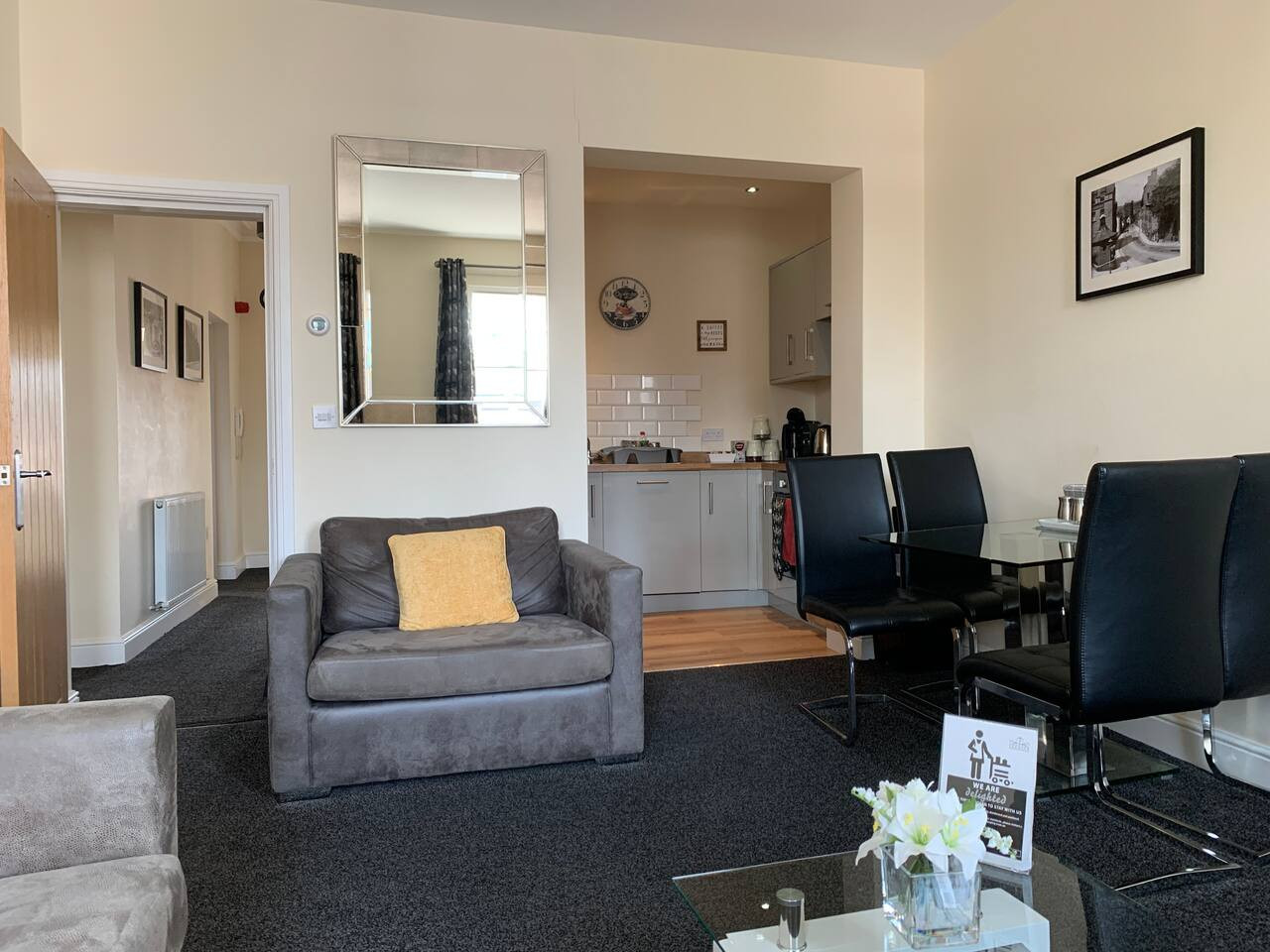
Leek
The Roaches Suite - Large 2 Bedroom Apartment
- Sleeps 7
- 2 bedrooms
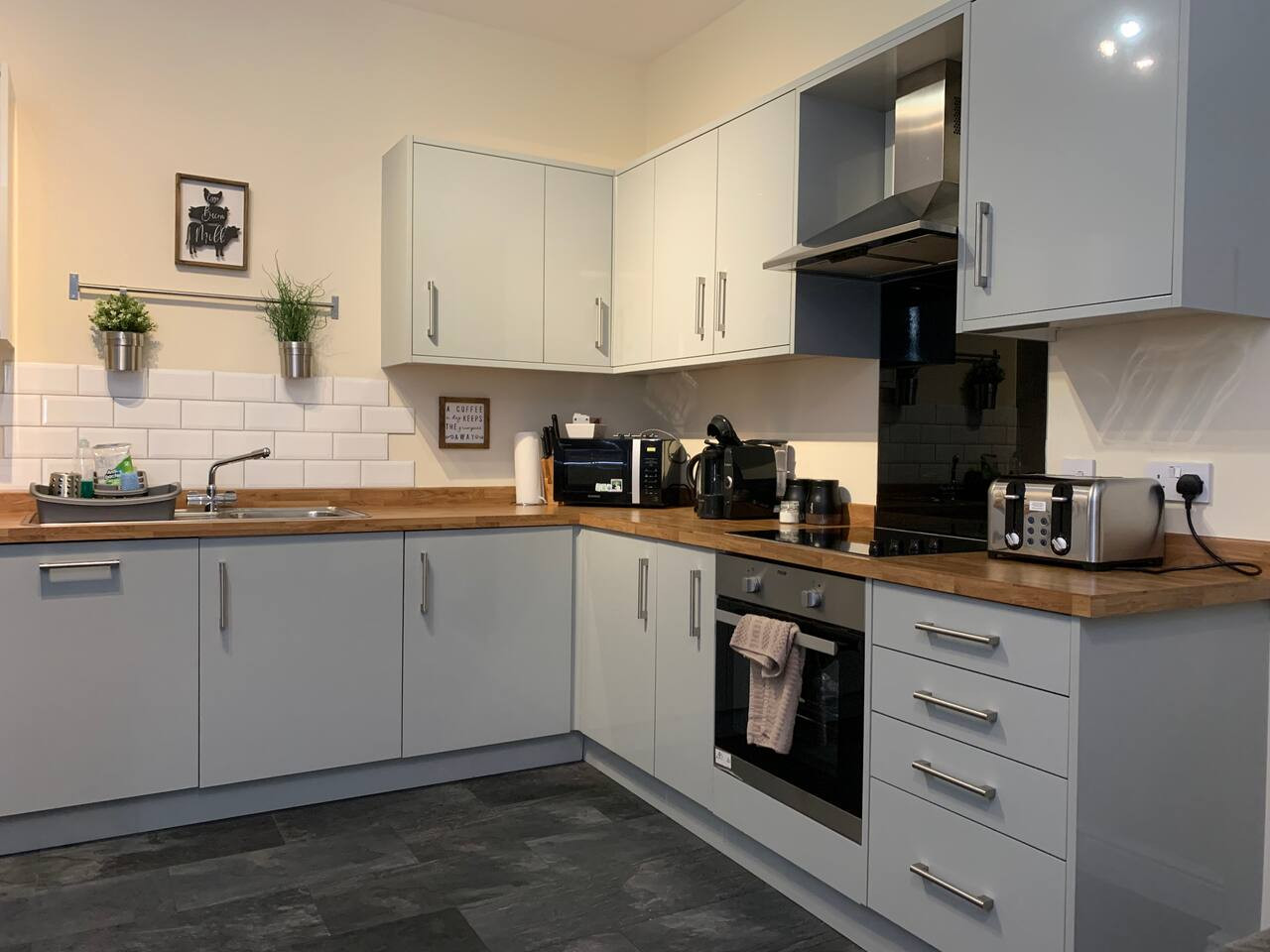
Leek
The Moorlands Suite - 1 Bed Apartment
- Sleeps 4
- 1 bedroom
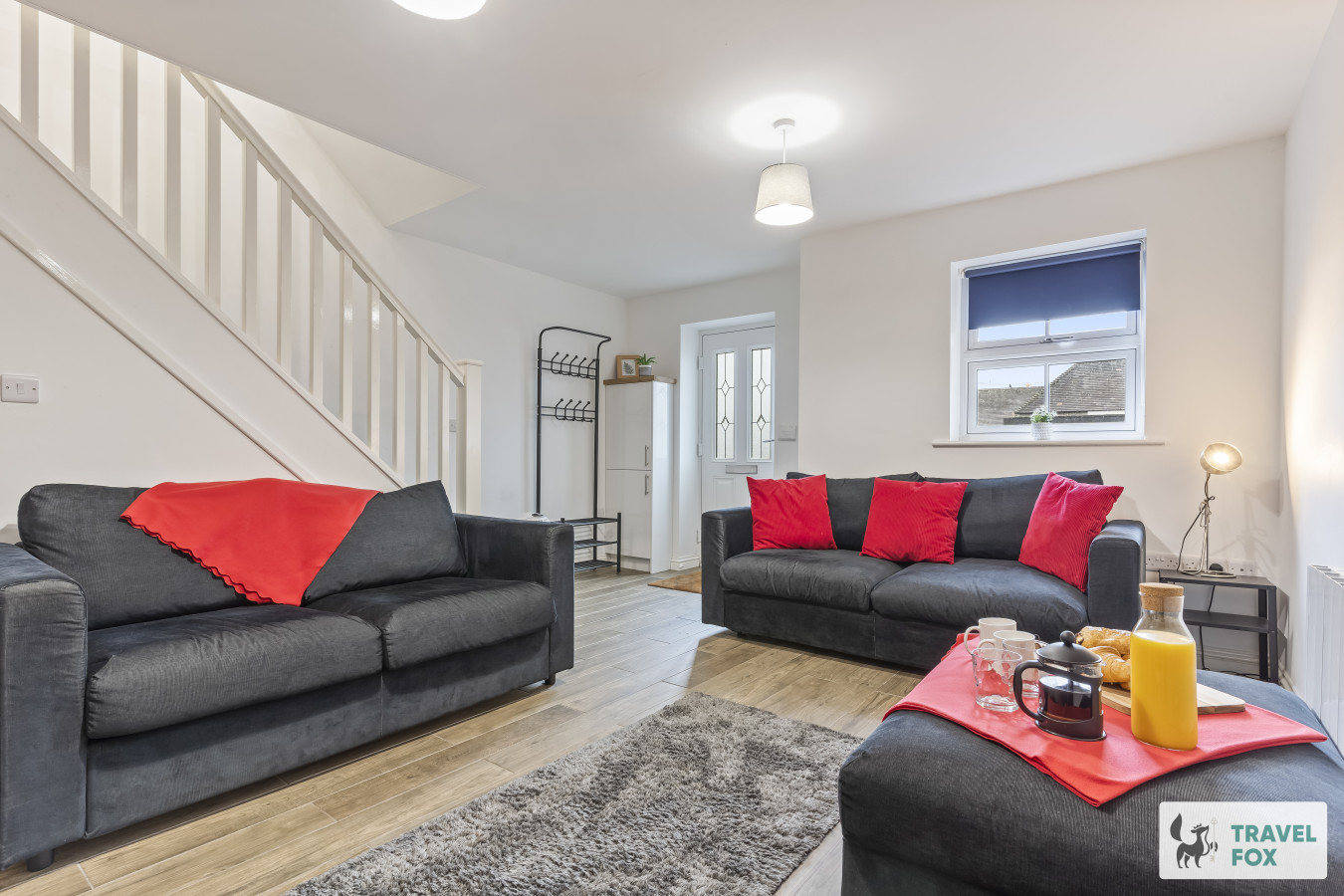
Leek
Amy's House: 20mins Alton Towers
- Sleeps 6
- 2 bedrooms
For homeowners
Own a holiday home near Earl Sterndale?
We manage holiday lets across the Peak District from 12% commission, charged after cleaning costs, with no lock-in. A co-founder visits before you decide.
Holiday let management in the Peak District →
A guide with a point of view
Written from research. Edited for real journeys.
Use the Official site links for live practical details, then use this guide for context, ideas and room to explore.
Sources
Every place on this page is checked against a published source. Each entry links the record we used and names who publishes it.
- The Dragon's Back (Chrome Hill and Parkhouse Hill) — reports.peakdistrict.gov.uk statutory register or public authority
- High Wheeldon — her.derbyshire.gov.uk statutory register or public authority
- St Michael and All Angels — achurchnearyou.com national body or asset manager
- Hartington Cheese Shop — hartingtoncheeseshop.co.uk operator, sector body or destination organisation
- Dovedale, Wolfscote and Beresford Dale — visitpeakdistrict.com operator, sector body or destination organisation