
Copper country
Ecton
A scattered Manifold Valley hamlet where a mostly traffic-free railway trail passes beneath a hill shaped by 3,500 years of mining.
- Best for
- Industrial history and the Manifold Way
- Give it
- A half day on the hill and valley trail
- Don't miss
- The 1788 Boulton & Watt winding engine house
The Fox verdict
A tiny hamlet with an outsized copper story
Ecton's appeal lies in the contrast between a quiet valley trail and the old mine workings honeycombing the hill above.
Come for Ecton Hill and its 1788 winding engine house, then follow the surfaced Manifold Way through the hamlet. Hulme End, Warslow and Wetton supply the visitor facilities, food and parish history that Ecton itself does not have.
Where to go
Places in Ecton
Every place below is checked against a published source, listed with what it is and how long to give it.
Local signatures
3 placesEcton Mine
An educational site run by the Ecton Mine Educational Trust and Ecton Hill Field Studies Association at a mine worked for copper and lead over thousands of years.
- Visit length
- Editorial estimate: Allow around 90 minutes
- Locality
- Ecton Hill
- Access
- Guided underground and educational visits are for schools, families and cavers.
The Manifold Way
An eight-mile, mostly traffic-free route from Hulme End to Waterhouses on the former light-railway track, surfaced and largely level for walkers, cyclists, horse riders, prams and wheelchairs.
- Visit length
- Editorial estimate: Allow around 90 minutes
- Locality
- through and beside Ecton
- Access
- Just south of Ecton the track joins a single-track B-road for about a mile, so it is not entirely traffic-free there.
Wetton Mill
A former corn mill, closed in 1857, that is now a tearoom and picnic spot on the Manifold Way.
- Visit length
- Editorial estimate: Allow around 45 minutes
- Locality
- Wetton Mill, near Wetton
Food & drink
2 placesThe Manifold Inn
A mellow-stone former coaching inn with food, local ales and rooms by the River Manifold; it opened as the Jolly Carter in 1782.
- Visit length
- Editorial estimate: Allow around 75 minutes
- Locality
- Hulme End
The Greyhound Inn
A village pub whose landlord launched an on-site brewery producing house beers including Fiery Fred, Manifold Mild and Ecton Copper, named for the mine.
- Visit length
- Editorial estimate: Allow around 75 minutes
- Locality
- Warslow
Walks & outdoors
1 placeThor's Cave
A dramatic limestone cavern about 250 feet above the valley, with evidence of human occupation since the Neolithic.
- Visit length
- Editorial estimate: Allow around 90 minutes
- Locality
- near Wetton in the Manifold Valley
- Access
- Reaching the cavern is a scramble.
History & heritage
2 placesEcton Hill Engine House
A squat stone winding engine house built in 1788 to Boulton & Watt designs and thought to be the oldest surviving example of its kind in the world.
- Visit length
- Editorial estimate: Allow around 45 minutes
- Locality
- on the ridge above Ecton
Church of St Margaret
Wetton's listed parish church, with a 14th-century tower and a church body rebuilt in 1820.
- Visit length
- Editorial estimate: Allow around 30 minutes
- Locality
- Wetton village
Things to do
1 placeManifold Valley Visitor Centre
The Manifold Way trailhead at Hulme End, where the visitor centre and cycle hire provide a practical start to the valley trail.
- Visit length
- Editorial estimate: Allow around 30 minutes
- Locality
- Hulme End
No places match this filter. Choose All places to reset the list.
Three ways to explore Ecton
Signature outings
The 1788 engine house
See the Boulton & Watt winding engine house thought to be the oldest surviving mine winding engine house in the world.
Thor's Cave
Take in a dramatic limestone cavern 250 feet above the valley with evidence of occupation since the Neolithic.
The Manifold Inn
Stop at the mellow-stone former coaching inn that opened as the Jolly Carter in 1782.
The village story
Ecton Village Guide
Follow the Manifold Valley from a pioneering engine house to the trail, inns and vanished industries below.
The Engine House and the Manifold Way
On the ridge above Ecton stands a squat stone building that once housed a steam engine. It was put up in 1788 to designs by Boulton & Watt, and it is thought to be the oldest surviving mine winding engine house in the world. The National Trust looks after it now. The hill it sits on, Ecton Hill, rises to 369 metres and is honeycombed underneath with old shafts — 3,500 years of them.
Ecton is a scattered hamlet in the Manifold Valley, deep in the Staffordshire Moorlands. There is no pub here, no shop, and no church. What runs through it is the River Manifold and the Manifold Way, a mostly traffic-free trail on the bed of the old Leek & Manifold Valley Light Railway. The track is surfaced and largely level — good for prams, wheelchairs, bikes and horses — and it passes straight through the village. Just south of Ecton it joins a single-track B-road for about a mile, so "traffic-free" comes with an asterisk.
Food and Beds Up the Valley
For food and a bed you walk or drive a short way. Hulme End, about a mile away, has the trailhead, the Manifold Valley Visitor Centre and cycle hire. It also has the Manifold Inn, a mellow stone coaching inn on the banks of the river that opened in 1782 as the Jolly Carter and has changed its name five times since. There is a recent outside bar in the top field.
About 0.8 miles away in Warslow is the Greyhound Inn, whose landlord built a brewery on site. The house beers include Fiery Fred, Manifold Mild, and one called Ecton Copper — named for the mine.
Inside England's Richest Copper Mine
The mine is the reason Ecton exists. By 1790 the Deep Ecton was said to be the richest individual copper mine in England, employing 400 men, women and children and producing 4,000 tons of ore a year. The Duke of Devonshire leased it, then worked it himself from 1760. The 1780s shaft went down more than 300 metres below the River Manifold — below sea level, deeper than the Eiffel Tower is tall. James Watt designed the world's first tapered ropes here to haul the ore up. Miners worked six-week contracts, sometimes for no pay if they struck nothing, and a timber bench where they ate their lunch still survives underground.
Copper, the Crescent and the Railway
Copper from Ecton lined Royal Navy hulls, became coinage, and made brass. The Duke's profits, nearly £333,000, are said to have funded The Crescent at Buxton. The mine closed in 1891 when the ore ran out. The railway followed in 1934, and the Express Dairies creamery that had run milk trains to London closed two years before that.
Ratcliffe's Valley Castle
Up the valley there is one more thing worth mentioning. In around 1922, Arthur Ratcliffe, the Conservative MP for Leek, bought a small building here for £11 and spent the next fifteen years turning it into a battlemented mock-medieval castle with turrets and a copper spire topped by a gold-leafed wooden ball. Interviewed in 1933, he wondered aloud whether he might pull it down and build a Swiss chalet instead, to tone with the surroundings. The house, as one writer noted, was hardly surrounded by alpine scenery.
Stay around Peak District
Make a longer stay of it
Travel Fox holiday homes around Peak District, linked directly to their property pages.
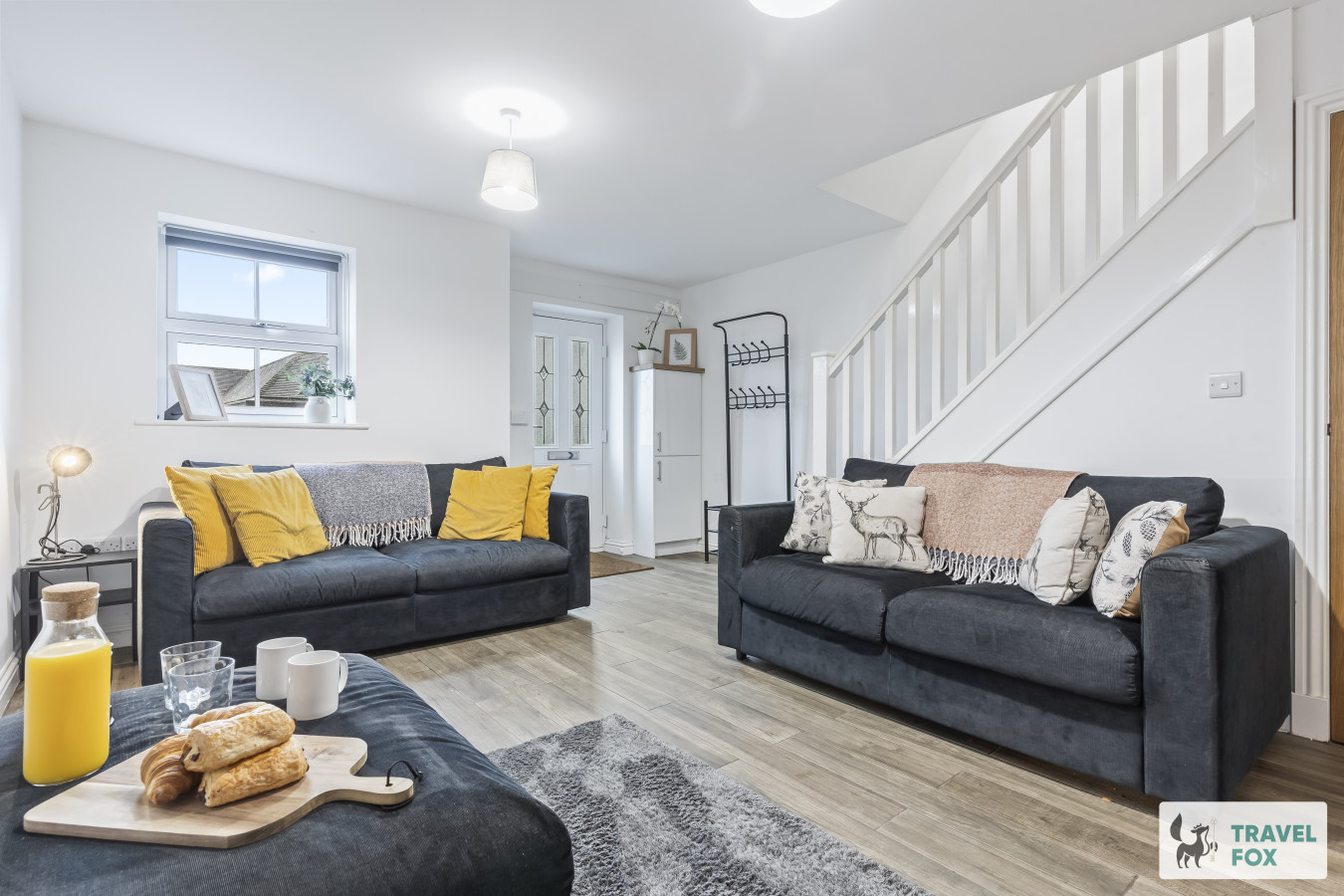
Leek
Lisa's House Leek: 20mins Alton Towers
- Sleeps 6
- 2 bedrooms
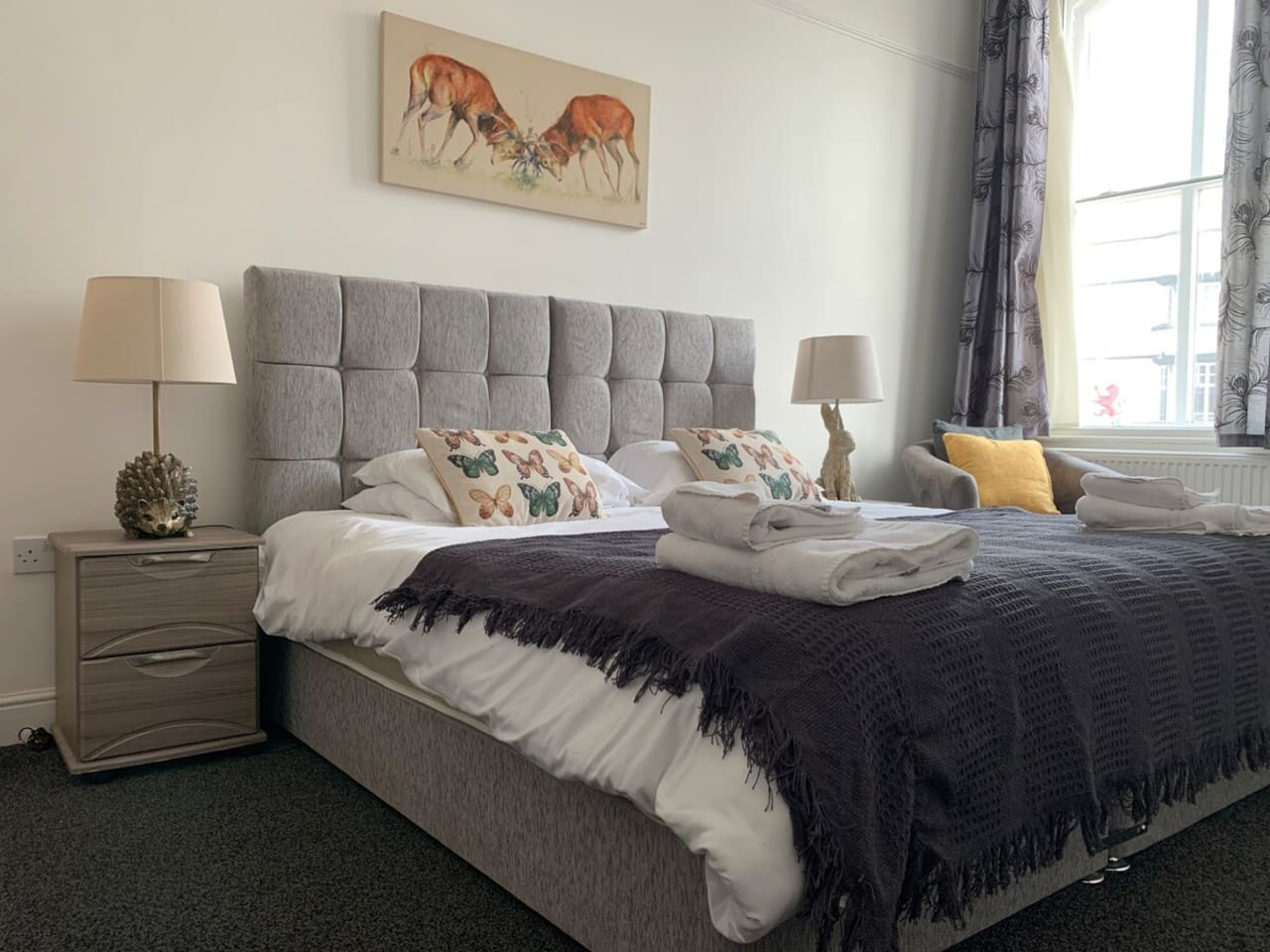
Leek
The Rudyard Suite - Large 1 Bed Apartment
- Sleeps 5
- 1 bedroom
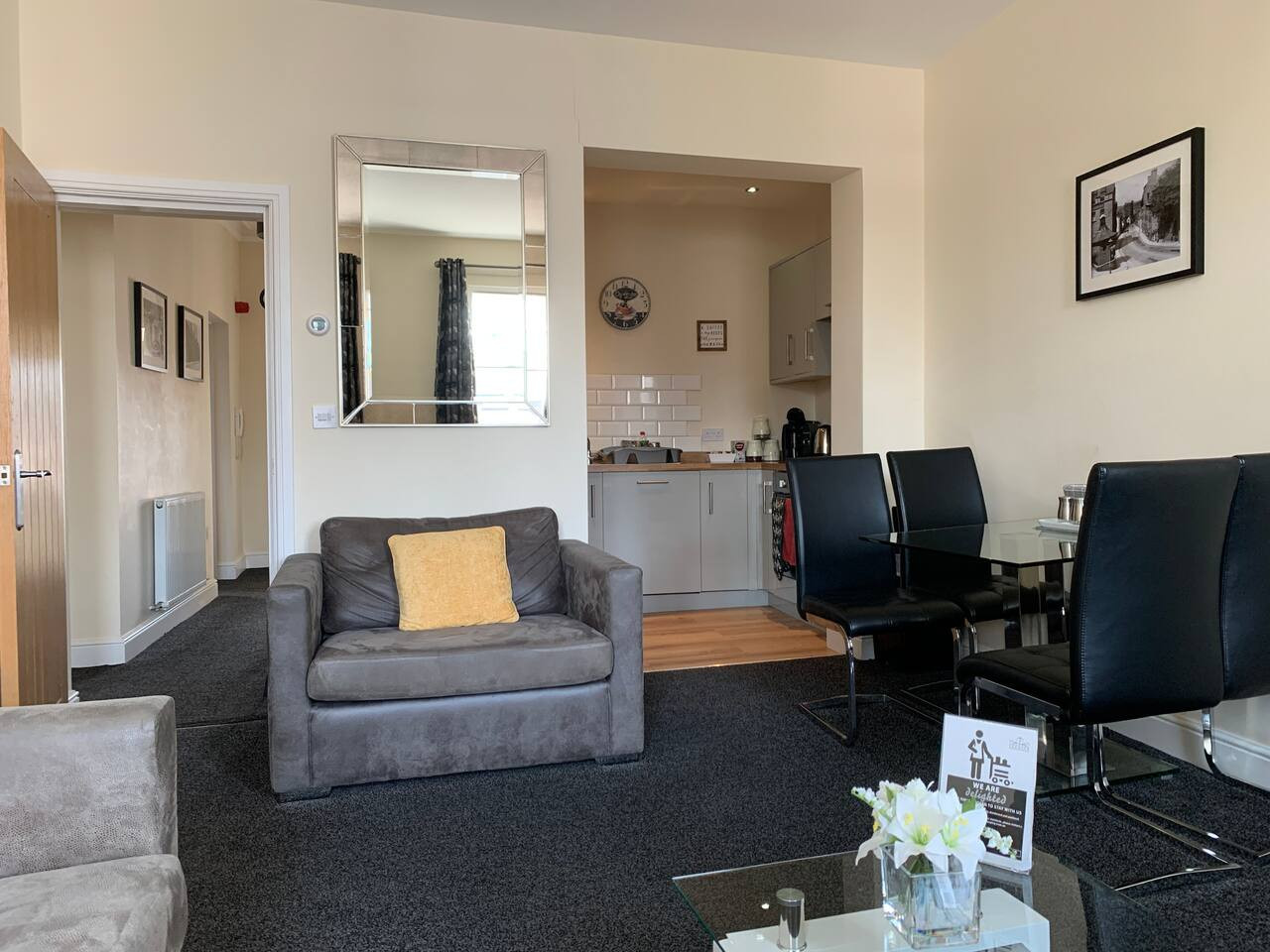
Leek
The Roaches Suite - Large 2 Bedroom Apartment
- Sleeps 7
- 2 bedrooms
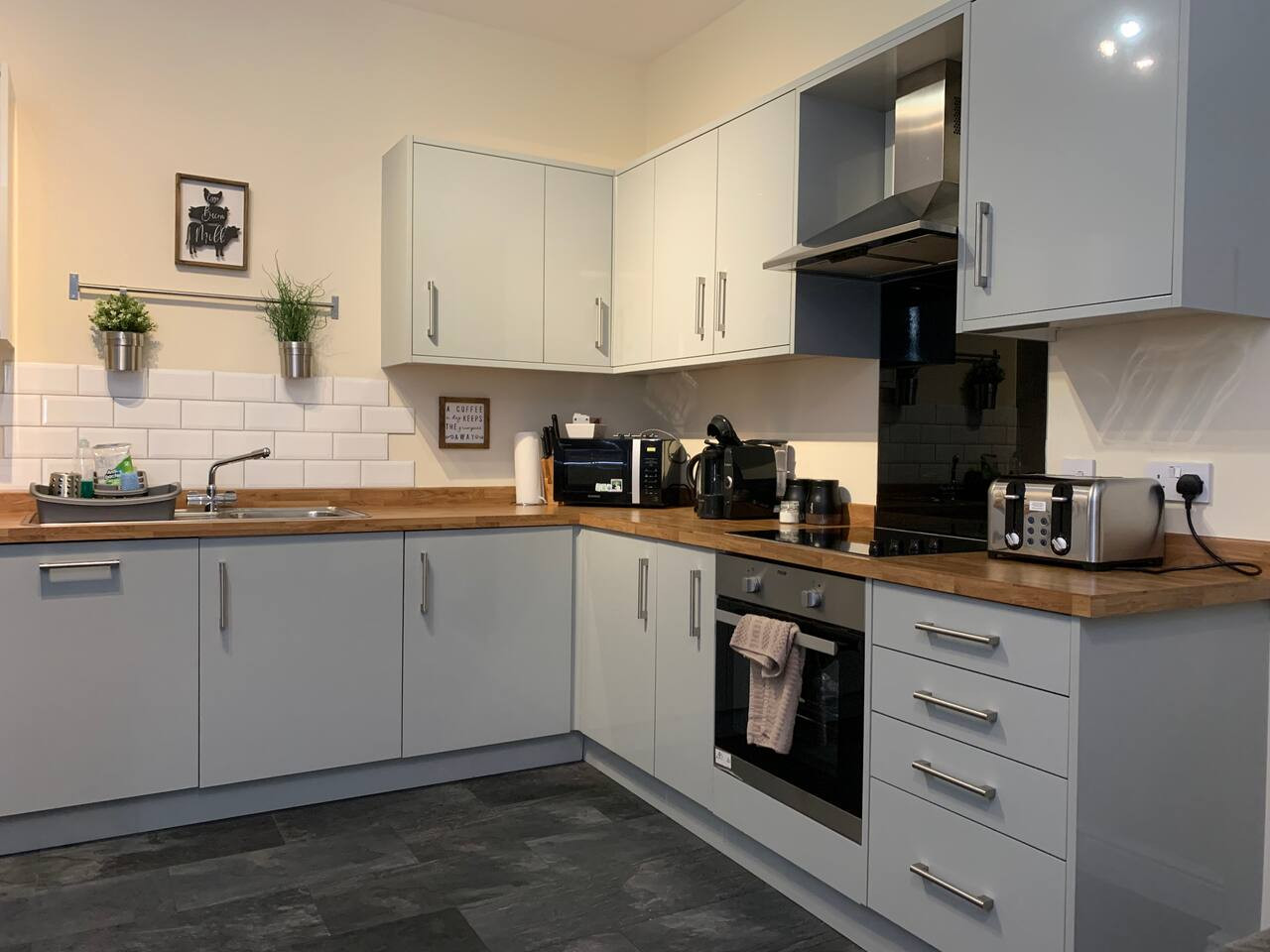
Leek
The Moorlands Suite - 1 Bed Apartment
- Sleeps 4
- 1 bedroom
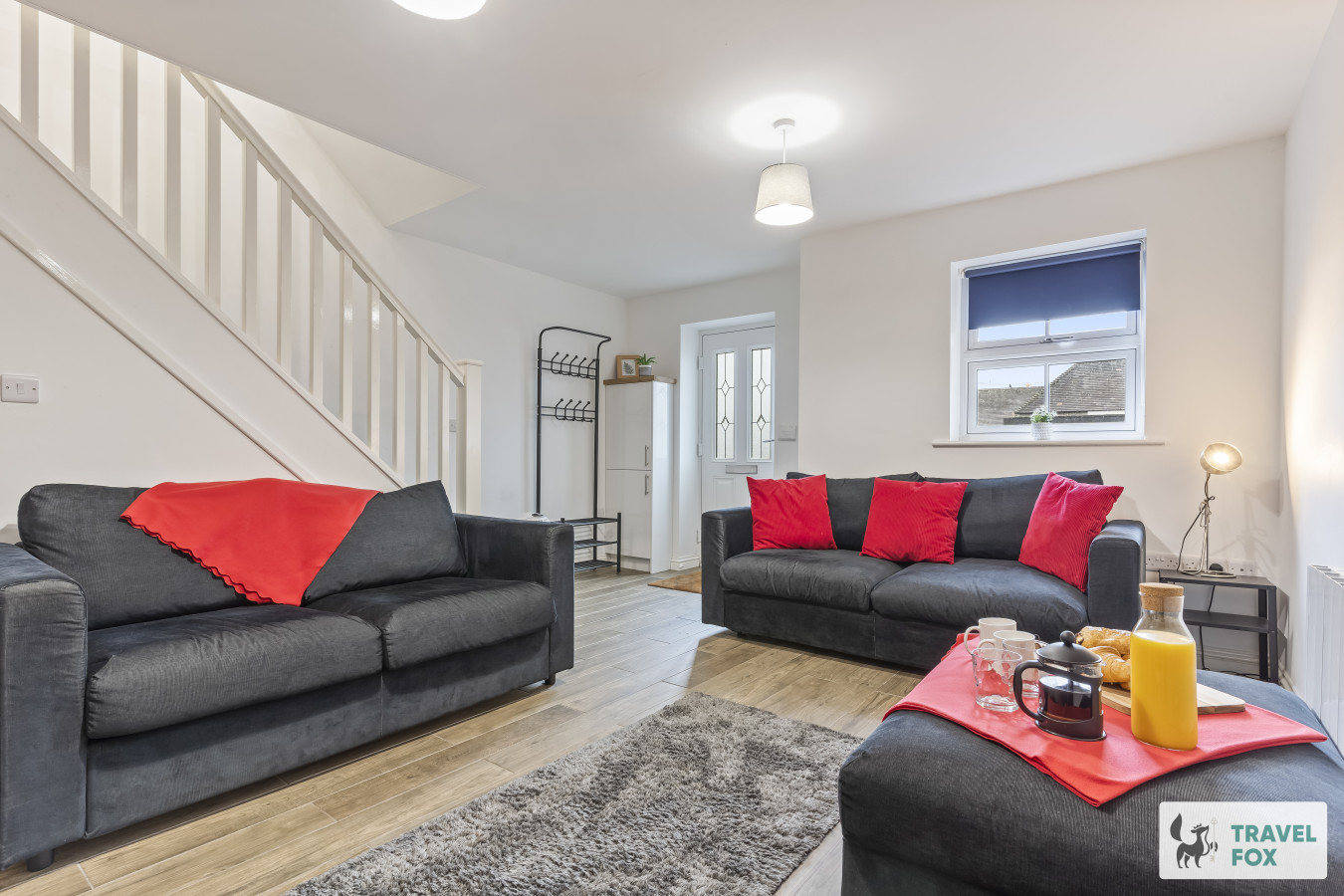
Leek
Amy's House: 20mins Alton Towers
- Sleeps 6
- 2 bedrooms
For homeowners
Own a holiday home near Ecton?
We manage holiday lets across the Peak District from 12% commission, charged after cleaning costs, with no lock-in. A co-founder visits before you decide.
Holiday let management in the Peak District →
A guide with a point of view
Written from research. Edited for real journeys.
Use the Official site links for live practical details, then use this guide for context, ideas and room to explore.
Sources
Every place on this page is checked against a published source. Each entry links the record we used and names who publishes it.
- Ecton Hill Engine House — heritagerecords.nationaltrust.org.uk other published source
- Ecton Mine — ectonmine.org.uk operator, sector body or destination organisation
- The Manifold Way — peakdistrict.gov.uk statutory register or public authority record not machine-readable; publisher restricts automated access
- Manifold Valley Visitor Centre — visitpeakdistrict.com operator, sector body or destination organisation
- The Manifold Inn — themanifoldinn.co.uk operator, sector body or destination organisation
- The Greyhound Inn — thegreyhoundinnwarslow.co.uk operator, sector body or destination organisation
- Wetton Mill — peakdistrict.gov.uk statutory register or public authority record not machine-readable; publisher restricts automated access
- Church of St Margaret — historicengland.org.uk statutory register or public authority record not machine-readable; publisher restricts automated access
- Thor's Cave — peakdistrict.gov.uk statutory register or public authority record not machine-readable; publisher restricts automated access