
Stone, stories and open moor
Elton
A high Peak village set across the limestone-gritstone seam, with an unspoilt pub and a four-mile circuit through a remarkable historic landscape.
- Best for
- Moorland walking and layered history
- Give it
- The four-mile circuit, then an evening drink
- Don't miss
- Robin Hood's Stride and the carved crucifix at Cratcliffe Rocks
The Fox verdict
A quiet village on a geological divide
Elton pairs a limestone-and-gritstone village street with an unusually rich walk across Harthill Moor.
Start at the Georgian church for the four-mile circuit to Robin Hood's Stride, Cratcliffe Rocks and Nine Stones Close, then look to the Duke of York for one of Derbyshire's rare nationally important historic pub interiors.
Where to go
Places in Elton
Every place below is checked against a published source, listed with what it is and how long to give it.
Local signatures
3 placesDuke of York
A traditional village local with no food, one changing Marston's beer and a nationally important interior of tiled corridor, snug, fixed benches, wood panelling and real fire.
- Visit length
- Editorial estimate: allow around 60 minutes
- Locality
- opposite Well Street
All Saints' Church
A plain Georgian rebuild completed in 1812, replacing the medieval church whose spire collapsed in 1800 after alleged illegal lead-mining beneath it.
- Visit length
- Editorial estimate: allow around 30 minutes
- Locality
- Elton
Robin Hood's Stride
A deeply seamed gritstone outcrop with two chimney-like pinnacles that legend says Robin Hood leapt between.
- Visit length
- Editorial estimate: allow around 45 minutes
- Locality
- on the Limestone Way close to the village
History & heritage
3 placesCratcliffe Rocks and Hermit's Cave
A rock overhang where a medieval hermit lived and offered hospitality to travellers, with a carved crucifix surviving beneath the shelter.
- Visit length
- Editorial estimate: allow around 30 minutes
- Locality
- on the circular from Elton Church
Nine Stones Close
A stone circle now reduced to four standing stones; one removed stone was reused as a field gatepost.
- Visit length
- Editorial estimate: allow around 30 minutes
- Locality
- on Harthill Moor near Robin Hood's Stride
Castle Ring
An Iron Age hillfort on Harthill Moor nearby.
- Visit length
- Editorial estimate: allow around 30 minutes
- Locality
- on Harthill Moor
No places match this filter. Choose All places to reset the list.
Three ways to explore Elton
Signature outings
Two Gritstone Pinnacles
See the chimney-like pinnacles of Robin Hood's Stride, which legend says Robin Hood leapt between.
The Hermit's Crucifix
Look beneath the Cratcliffe Rocks overhang for the carved crucifix at the shelter associated with a medieval hermit.
Nine Stones, Four Standing
Pause at Nine Stones Close, where four stones remain and one missing stone became a field gatepost.
The village story
Elton Village Guide
A high, workaday village where two kinds of stone meet and old stories lead out across Harthill Moor.
Stone on the Seam
The geological boundary between limestone and gritstone runs straight down Elton's main street. Houses on the north side are built of one stone, houses on the south of the other, with different plants growing around them. Most villages sit on one kind of rock. Elton sits on the seam.
It sits high, too — about 271 metres, which makes it one of the higher Peak villages and, by most accounts, one of the colder ones. Alf Gregory, who photographed the 1953 Everest expedition and lived here, called it "a cold place," and said it was like being on the top of a mountain. In the winter of 1933 the village was cut off by snow until the local men dug a channel through the drifts to reach Winster.
A Small Village and a Singular Pub
Winster is where you go for a shop, because Elton doesn't have one. It has a post office, a village hall and a sports field, and that is the extent of it. The nearest shops are about 1.2 miles away.
The pub is the Duke of York, opposite Well Street, and it does not serve food. It opens in the evenings from around half past eight, and it's closed on Mondays. What it has instead of a menu is its interior: a central tiled corridor, a rear bar reached through a partition wall, a snug with a Victorian fireplace and a quarry-tiled floor, fixed benches, wood panelling, and a real fire. CAMRA lists it on its National Inventory of Historic Pub Interiors — one of roughly five such pubs in Derbyshire — and grades it three stars, "a pub interior of outstanding national historic importance."
Family Fire and the Moorland Circuit
It has been in the same family since 1968. Mary Elliot ran it for decades until she died in 2022; her nephew Anthony runs it now. There's one changing beer from Marston's and a blazing coal fire in the lounge on a cold night. The flagged courtyard out back stands where the outdoor toilets and the old pigsty used to be.
The walking starts at the church. The main circular runs about four miles across Harthill Moor to Robin Hood's Stride, a gritstone outcrop with two chimney-like pinnacles that legend says Robin Hood leapt between. On the way you pass Cratcliffe Rocks, where a carved crucifix still survives under an overhang that once sheltered a medieval hermit, and Nine Stones Close, a stone circle now down to four stones — one of the missing ones was reused as a field gatepost.
Church, Mining and the Way Through
All Saints' Church is a plain Georgian rebuild of 1812. It replaced a medieval church whose spire collapsed in 1800, blamed locally on illegal lead miners undermining the ground beneath it. The old font fared no better: the vicar of Youlgreave carried it off to use as a water butt, and it never came back.
Elton was a lead-mining village for centuries, and has largely escaped the tourist trade that found its neighbours. Walkers pass through on the Limestone Way; buses come eight or nine times a day on the 172 from Bakewell and Matlock, and not at all on a Sunday. Well Street, at the bottom, takes its name from the well, which once had a decorative siphon-pump. The cricket club still restricts its membership to people from the village.
Stay around Peak District
Make a longer stay of it
Travel Fox holiday homes around Peak District, linked directly to their property pages.
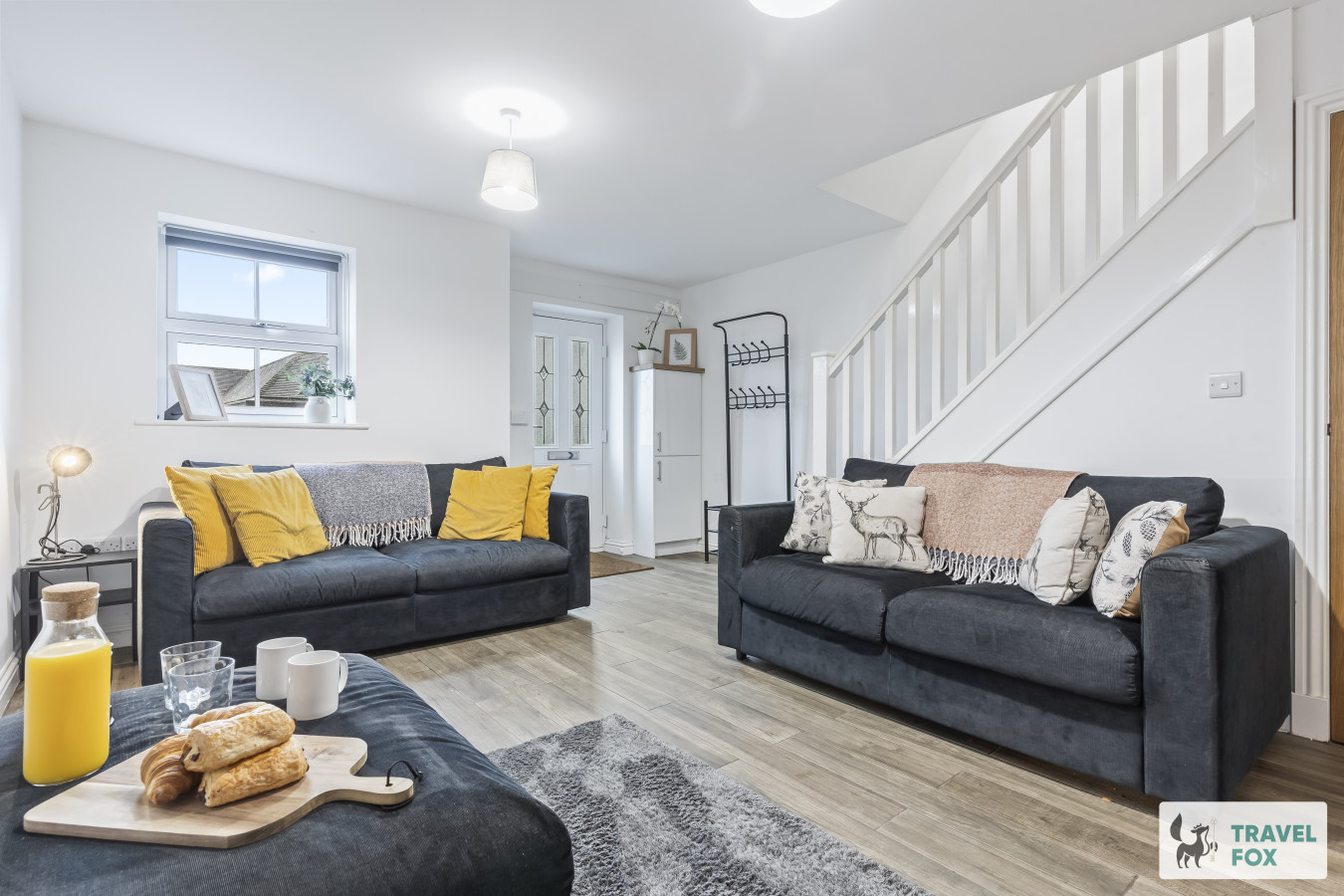
Leek
Lisa's House Leek: 20mins Alton Towers
- Sleeps 6
- 2 bedrooms
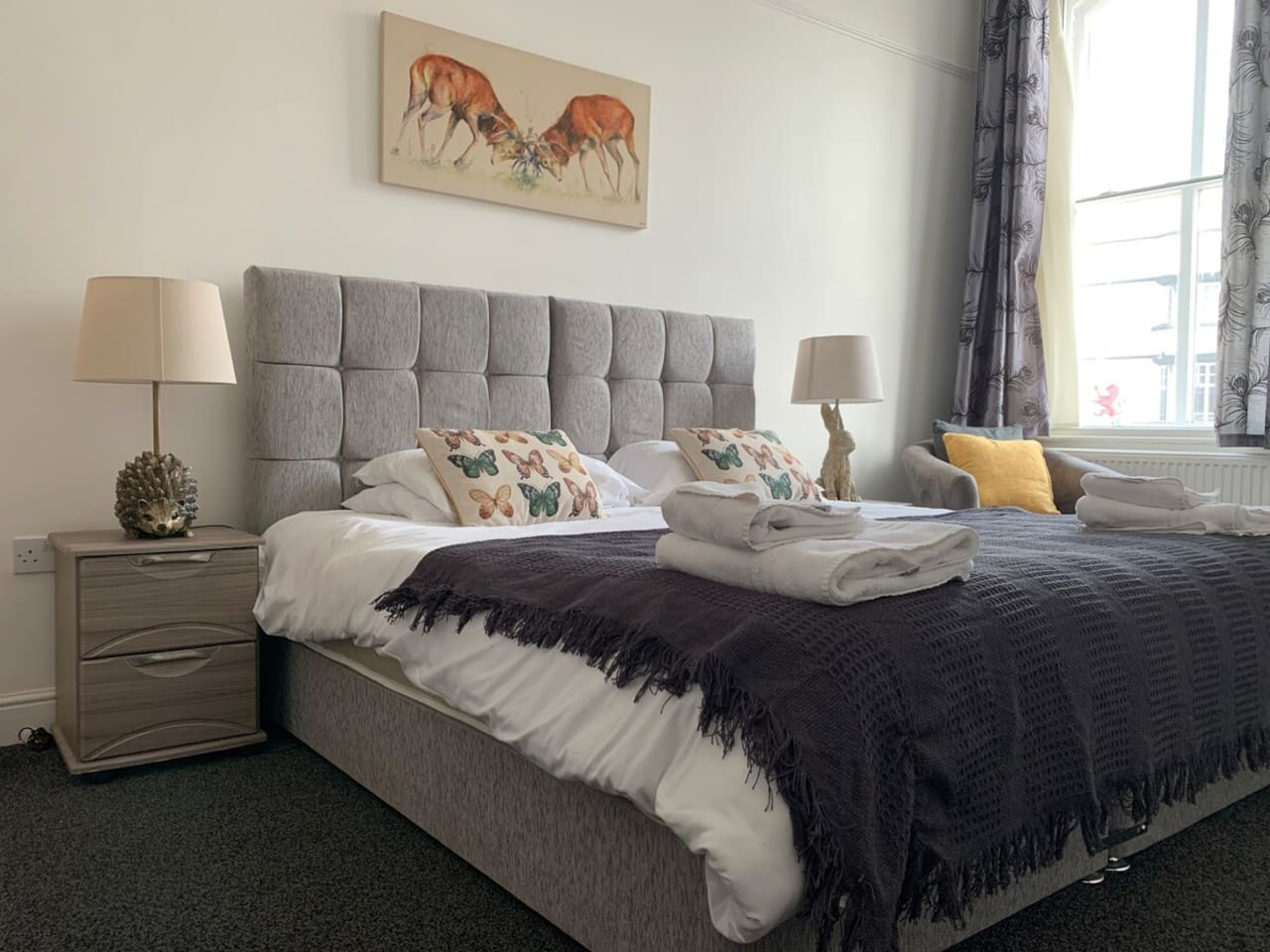
Leek
The Rudyard Suite - Large 1 Bed Apartment
- Sleeps 5
- 1 bedroom
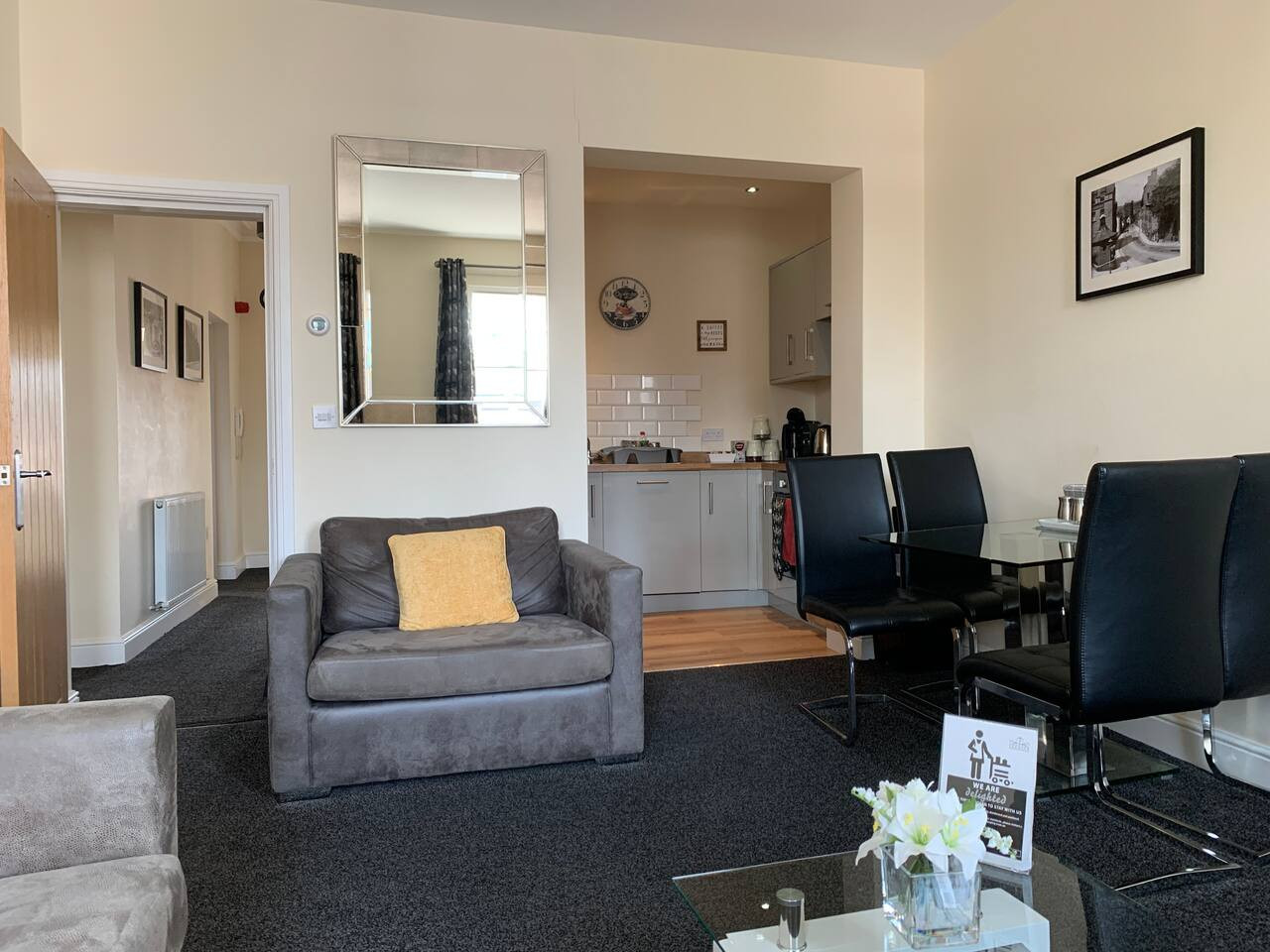
Leek
The Roaches Suite - Large 2 Bedroom Apartment
- Sleeps 7
- 2 bedrooms
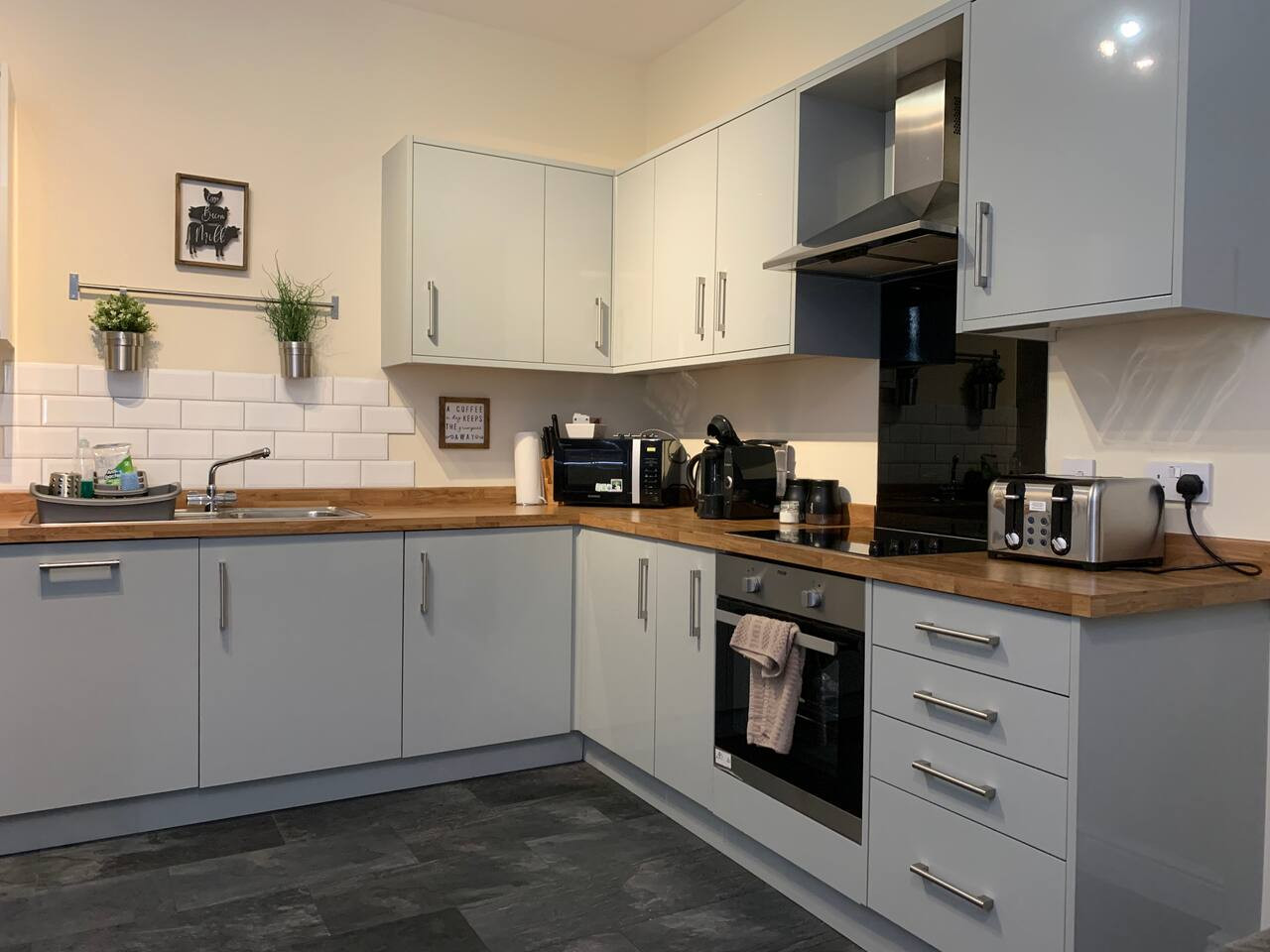
Leek
The Moorlands Suite - 1 Bed Apartment
- Sleeps 4
- 1 bedroom
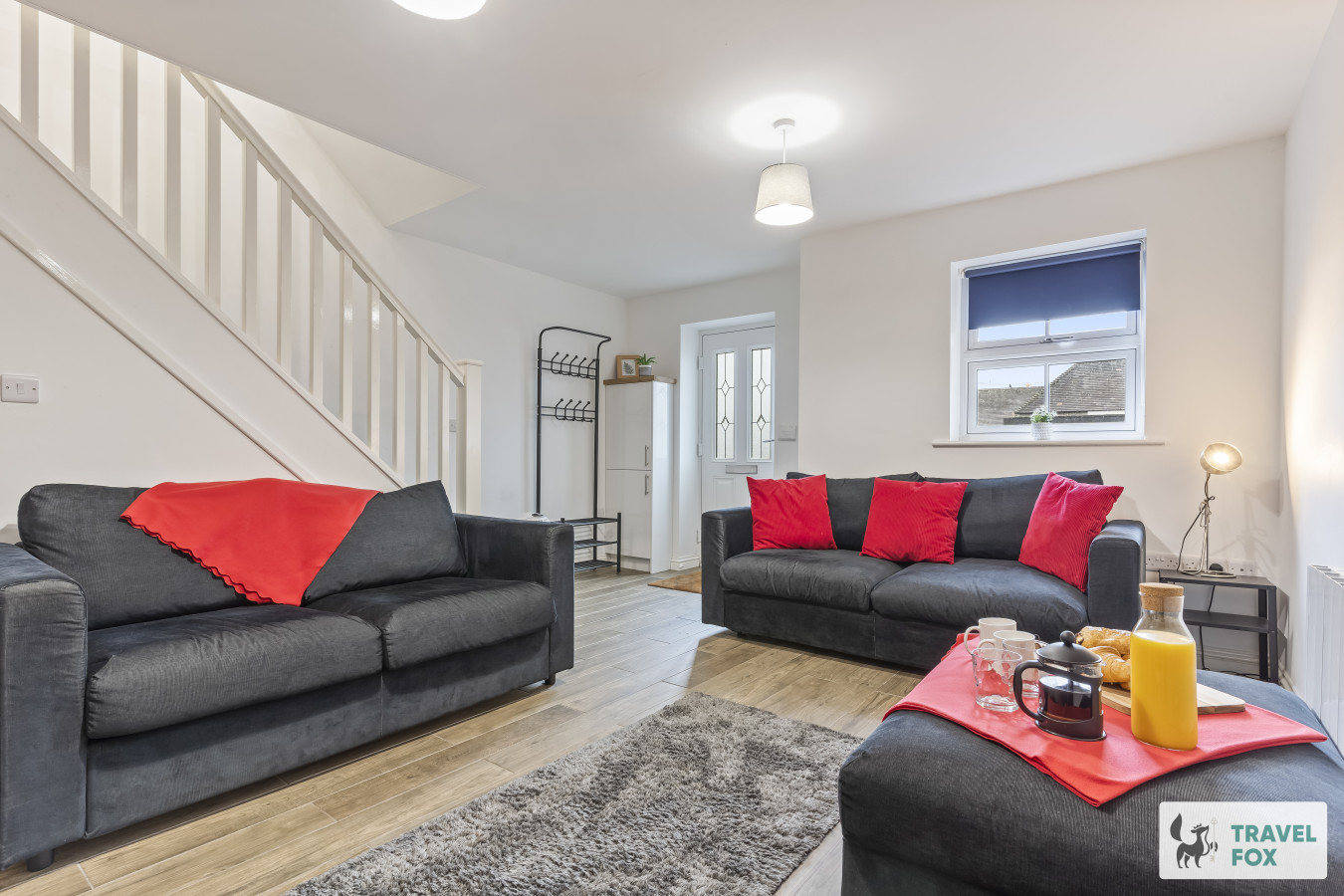
Leek
Amy's House: 20mins Alton Towers
- Sleeps 6
- 2 bedrooms
For homeowners
Own a holiday home near Elton?
We manage holiday lets across the Peak District from 12% commission, charged after cleaning costs, with no lock-in. A co-founder visits before you decide.
Holiday let management in the Peak District →
A guide with a point of view
Written from research. Edited for real journeys.
Use the Official site links for live practical details, then use this guide for context, ideas and room to explore.
Sources
Every place on this page is checked against a published source. Each entry links the record we used and names who publishes it.
- Duke of York — historicengland.org.uk statutory register or public authority record not machine-readable; publisher restricts automated access
- All Saints' Church — achurchnearyou.com national body or asset manager
- Robin Hood's Stride — her.derbyshire.gov.uk statutory register or public authority
- Cratcliffe Rocks and Hermit's Cave — her.derbyshire.gov.uk statutory register or public authority
- Nine Stones Close — historicengland.org.uk statutory register or public authority record not machine-readable; publisher restricts automated access
- Castle Ring — historicengland.org.uk statutory register or public authority record not machine-readable; publisher restricts automated access