
The Peak District's southernmost village
Fenny Bentley
A small limestone-country base for Bentley Brook, the Tissington Trail and footpaths through Thorpe to Dovedale.
- Best for
- Walking, cycling and Beresford history
- Give it
- A half day, or longer for Dovedale
- Don't miss
- The shrouded Beresford tomb in St Edmund's Church
The Fox verdict
A small village with several paths outward
Fenny Bentley works as a southern Peak District walking base, with its church, brook and coaching inn close to routes for the Tissington Trail and Dovedale.
Come for the walking and make time for the village's Beresford story. St Edmund's Church holds the unusual shrouded tomb of Thomas and Agnes Beresford, while the Coach & Horses provides the village's confirmed food stop.
Where to go
Places in Fenny Bentley
Every place below is checked against a published source, listed with what it is and how long to give it.
Local signatures
3 placesCoach & Horses
A traditional 17th-century, food-oriented coaching inn run by the Dawson family, with Derbyshire-sourced meat, fish, fruit and vegetables, cask ales and a beer garden beside the main road.
- Visit length
- Editorial estimate: Allow around 90 minutes
- Locality
- on the A515 through the village
- Access
- The dog policy is reported inconsistently; dogs may be directed to the garden.
Bentley Brook Circular
A roughly 3¾-mile circular beside Bentley Brook, a wild brown trout and grayling stream in limestone country, returning to the village and church.
- Visit length
- Editorial estimate: Allow around 2 hours 10 minutes
- Locality
- along Bentley Brook to the village and church
Thorpe Cloud
A conical hill with big views, reached from Fenny Bentley on footpaths that run through Thorpe towards Dovedale.
- Visit length
- Editorial estimate: Allow around 90 minutes
- Locality
- through Thorpe towards Dovedale
Walks & outdoors
1 placeTissington Trail
A former railway line shared by walkers and cyclists, reached directly by footpaths leading west from the old church.
- Visit length
- Editorial estimate: Allow around 60 minutes
- Locality
- west of the old church
History & heritage
1 placeSt Edmund's Church
A Grade II* church with a core dating to around 1300, a 16th-century traceried stone screen and the alabaster tomb of Thomas and Agnes Beresford with twenty-one shrouded children carved around it.
- Visit length
- Editorial estimate: Allow around 45 minutes
- Locality
- Fenny Bentley
Things to do
1 placeDovedale Stepping Stones
Stepping stones across the River Dove in Dovedale, one of the destinations on the family walk from Fenny Bentley through Thorpe.
- Visit length
- Editorial estimate: Allow around 30 minutes
- Locality
- Dovedale, reached by footpaths through Thorpe
No places match this filter. Choose All places to reset the list.
Three ways to explore Fenny Bentley
Signature outings
The shrouded tomb
See Thomas and Agnes Beresford wrapped in carved shrouds, with their sixteen sons and five daughters shown in the same form around the tomb.
The Tissington Trail
Take the footpaths west from the old church to join a former railway line shared by walkers and cyclists.
The stepping stones
Follow footpaths through Thorpe towards Dovedale and its stepping stones across the River Dove.
The village story
Fenny Bentley Village Guide
A source-locked Travel Fox account of the village inn, walking country and Beresford history.
The Coach & Horses
The Coach & Horses sits on the A515, which is the main road through Fenny Bentley and, for most practical purposes, the village itself. It is a 17th-century coaching inn, run by the Dawson family — John, William, Matthew, Chris, Jack and Holly — and it is where you will end up eating, because there is no shop, no deli and no farm shop here. The kitchen leans on named Derbyshire suppliers for everything: the meat, the fish, the fruit and veg. The menu runs to a bacon and chicken roulade, a 10oz Horseshoe gammon steak, a Woodsman's pie, pan-fried sea bass, and Cajun spiced lentil cakes for anyone who'd rather not. Mains land between about £10 and £20. Sunday roast, then sticky toffee pudding.
Two cask ales are usually on, Cask Marque certified, alongside a range of malt whiskies. There's a beer garden, which is beside the busy main road, so it comes with a soundtrack. Dogs are welcome, more or less — the policy shifts, and yours may find itself directed to the garden. One reviewer's dog, Eric, reportedly had a delicious slice of ham. Another called the place a "wonderful old rustic coaching house."
Trails and Bentley Brook
The reason to be here, though, is the walking, and Fenny Bentley is well placed for it. Footpaths lead west from the old church straight onto the Tissington Trail, a former railway line now given over to walkers and cyclists. Head the other way, through Thorpe, and you reach Dovedale in about three miles — the Stepping Stones across the River Dove, and Thorpe Cloud, a conical hill that does more with its height than most. A circular of roughly three and three-quarter miles follows Bentley Brook back to the village.
The brook is worth pausing on. It's a wild brown trout and grayling stream, noted for good mayfly hatches, running through limestone country on the southern edge of the Peak District. Fenny Bentley is the National Park's southernmost village, which makes it a doorway rather than an outpost.
The Beresford Legacy
Opposite the church, at the front of Cherry Orchard Farm, a medieval square tower still stands. It's marked "Old Hall" on the maps and is all that survives of the Beresfords' fortified, moated manor — three storeys, no parapet any more, but the stone newel stair is still inside.
The Beresfords are the local dynasty. Thomas Beresford of Bentley Hall raised a private army and fought at Agincourt in 1415; he died in 1473. His alabaster tomb is in St Edmund's Church, and it is a strange one: he and his wife Agnes lie bundled in carved shrouds, faces hidden, and their sixteen sons and five daughters are shown the same way along the sides — all twenty-three of them faceless. The story goes that the sculptor had no likeness to work from.
From Benedlege to Beresford Reunions
The village name means "the clearing overgrown with bent grass." The Domesday surveyors, who called it Benedlege, counted fewer than five households, which puts it among the smallest settlements they bothered to record.
Everyone named Beresford, the village will tell you, is descended from the ones in the church. They hold a reunion here each spring.
Stay around Peak District
Make a longer stay of it
Travel Fox holiday homes around Peak District, linked directly to their property pages.
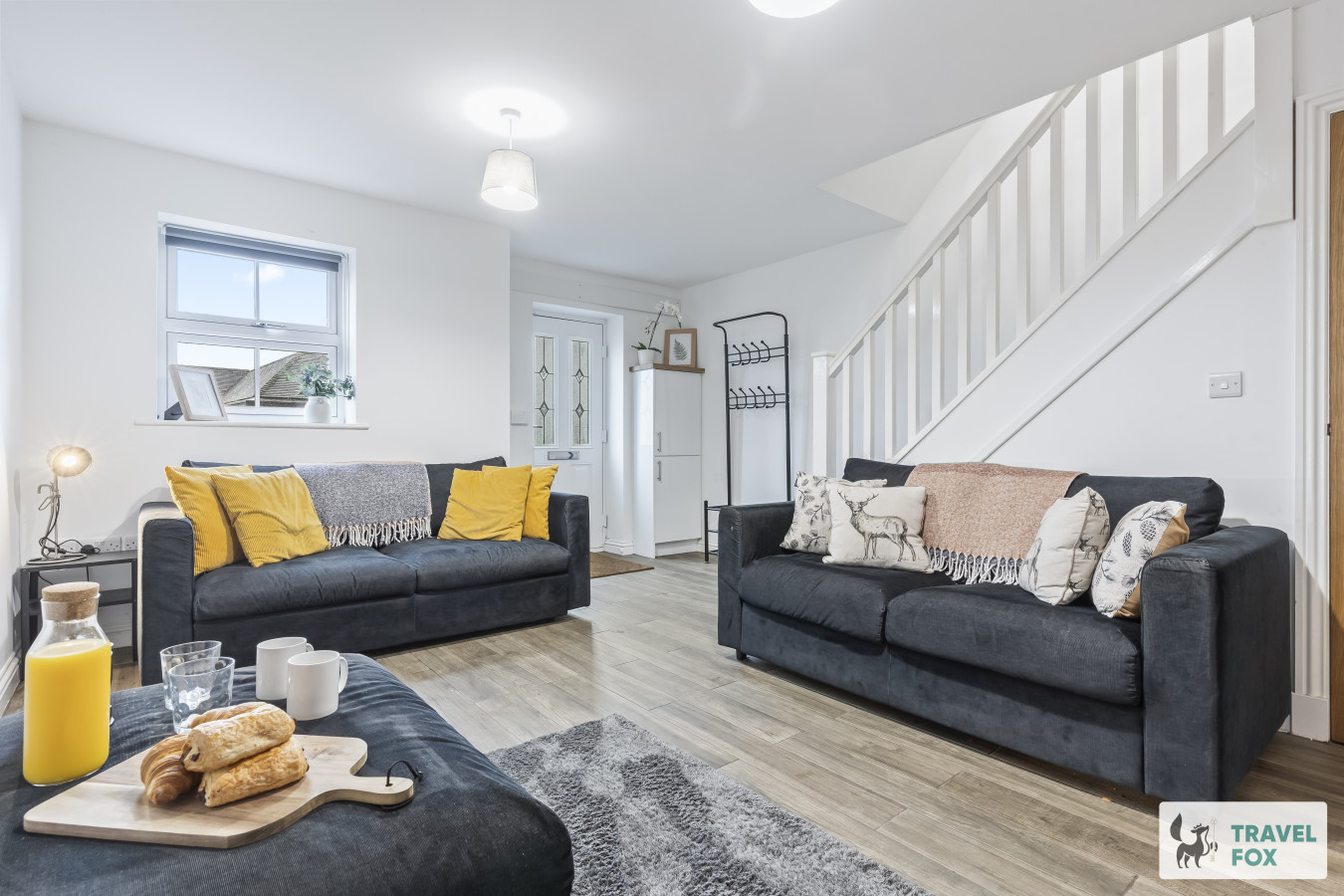
Leek
Lisa's House Leek: 20mins Alton Towers
- Sleeps 6
- 2 bedrooms
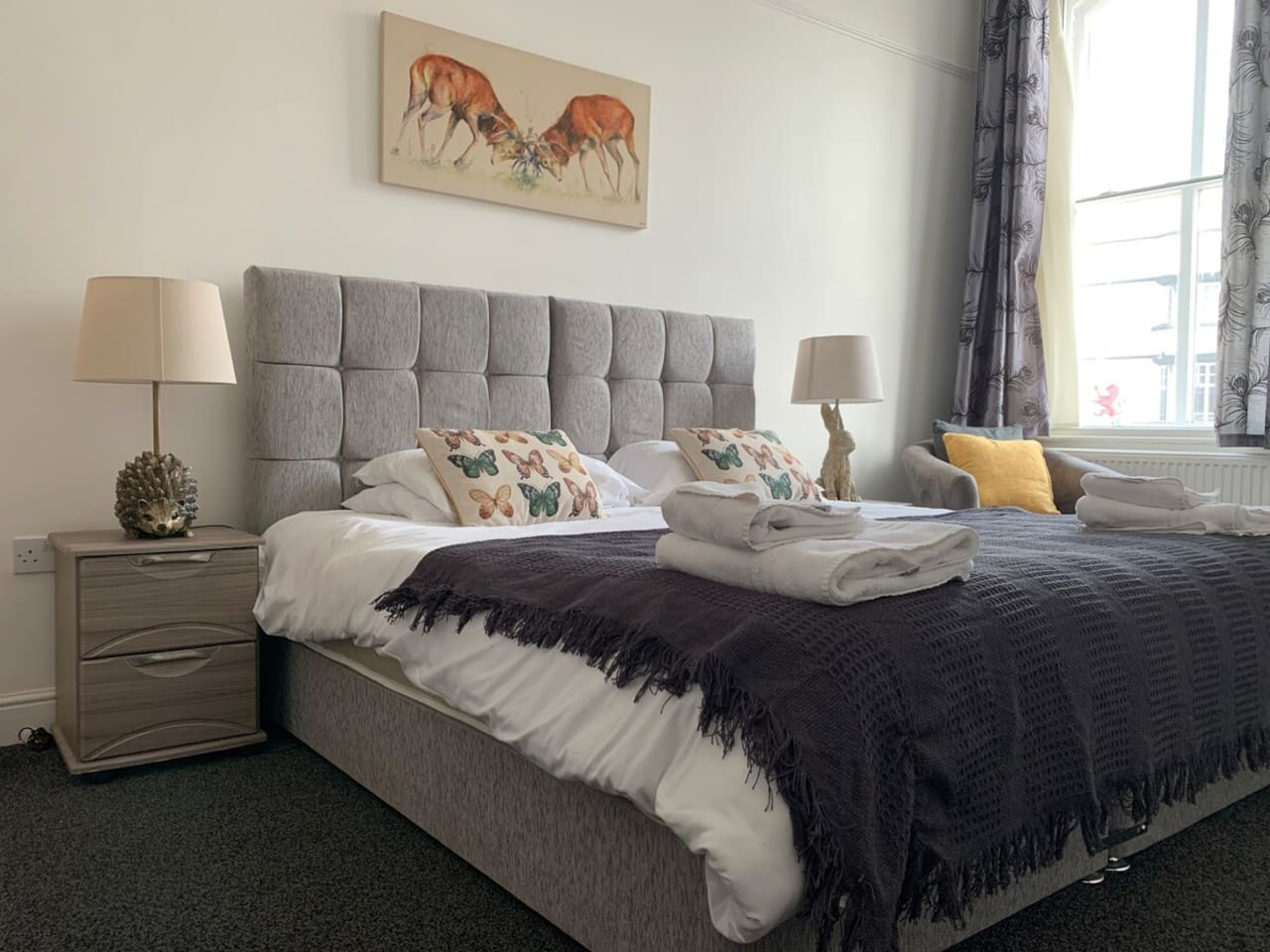
Leek
The Rudyard Suite - Large 1 Bed Apartment
- Sleeps 5
- 1 bedroom
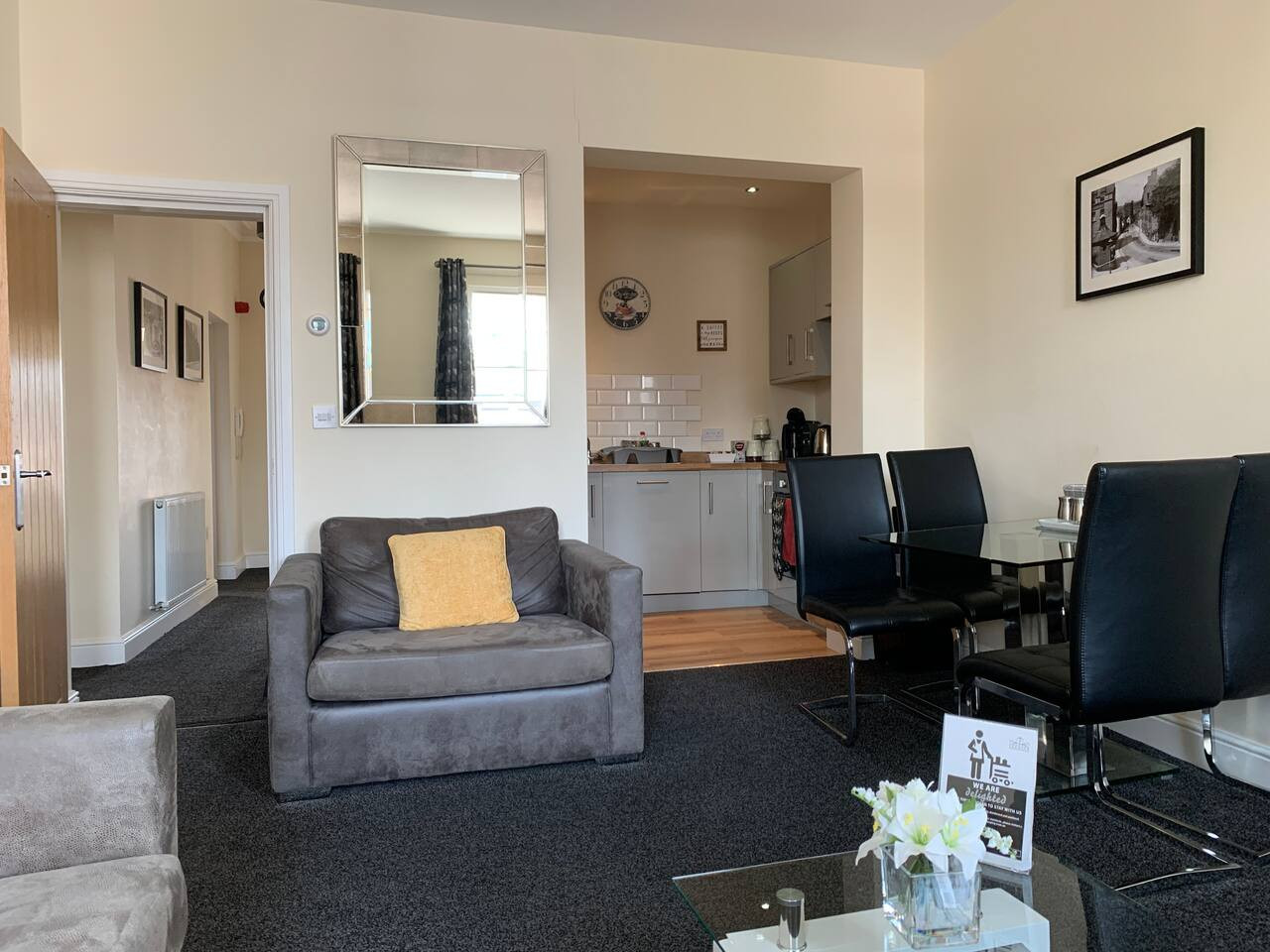
Leek
The Roaches Suite - Large 2 Bedroom Apartment
- Sleeps 7
- 2 bedrooms
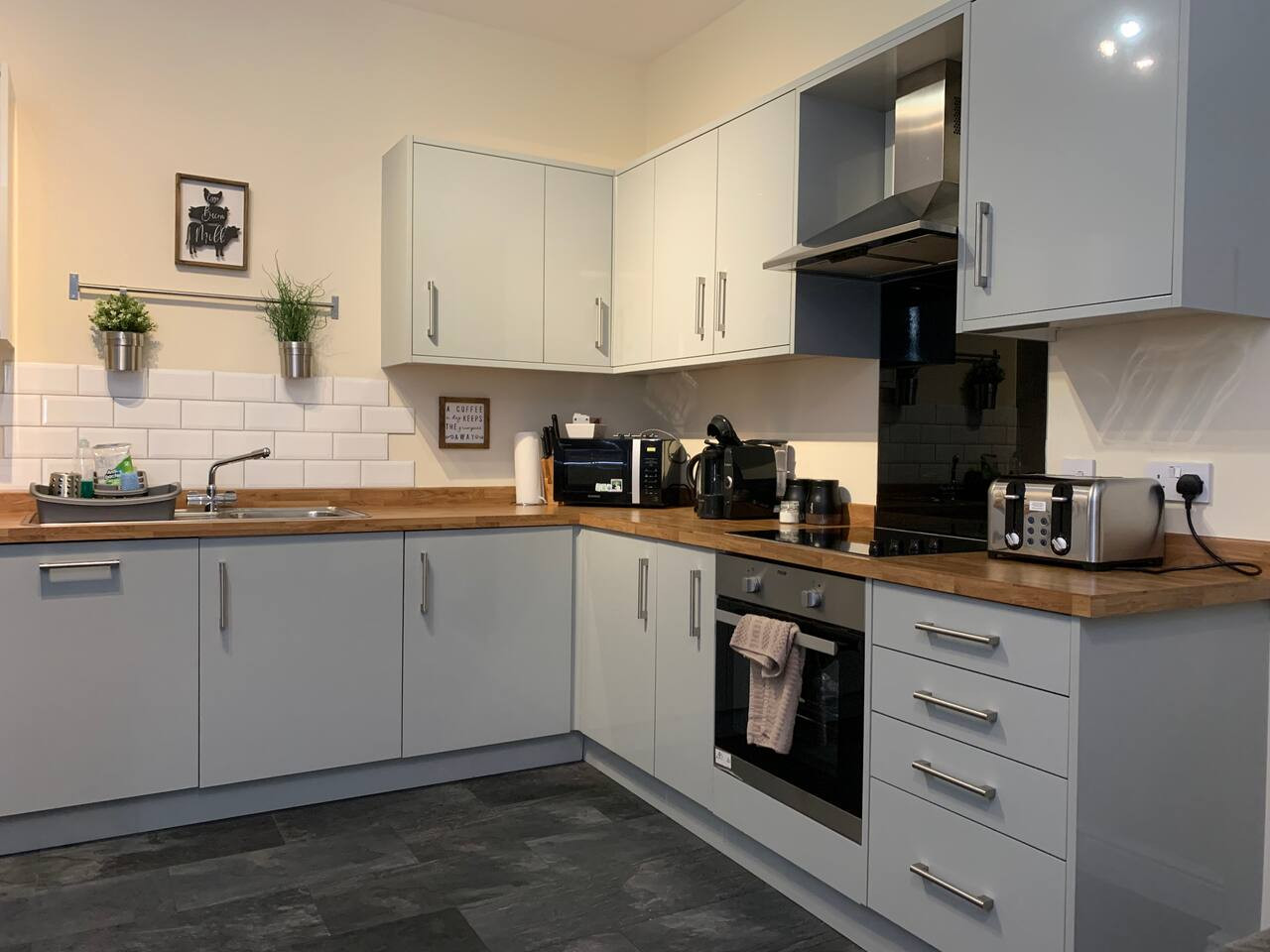
Leek
The Moorlands Suite - 1 Bed Apartment
- Sleeps 4
- 1 bedroom
Leek
Amy's House: 20mins Alton Towers
- Sleeps 6
- 2 bedrooms
For homeowners
Own a holiday home near Fenny Bentley?
We manage holiday lets across the Peak District from 12% commission, charged after cleaning costs, with no lock-in. A co-founder visits before you decide.
Holiday let management in the Peak District →
A guide with a point of view
Written from research. Edited for real journeys.
Use the Official site links for live practical details, then use this guide for context, ideas and room to explore.
Sources
Every place on this page is checked against a published source. Each entry links the record we used and names who publishes it.
- Coach & Horses — coachandhorsesfennybentley.co.uk operator, sector body or destination organisation
- St Edmund's Church — historicengland.org.uk statutory register or public authority record not machine-readable; publisher restricts automated access
- Bentley Brook Circular — peakdistrict.gov.uk statutory register or public authority record not machine-readable; publisher restricts automated access
- Tissington Trail — peakdistrict.gov.uk statutory register or public authority record not machine-readable; publisher restricts automated access
- Dovedale Stepping Stones — nationaltrust.org.uk national body or asset manager
- Thorpe Cloud — visitpeakdistrict.com operator, sector body or destination organisation