
Britain's highest village
Flash
An exposed gritstone moorland base for Three Shires Head, the Roaches and the Dragon's Back.
- Best for
- Moorland walking and three-county folklore
- Give it
- Two to six hours, depending on the walk
- Don't miss
- The packhorse bridge at Three Shires Head
The Fox verdict
A tiny high village with serious walking
Flash pairs an exposed moorland setting with routes to Three Shires Head, the Roaches and the Dragon's Back.
Walk from Flash to Three Shires Head, explore the gritstone ridge at the Roaches, or visit St Paul's to see the Tea Pot Club banner. Parkhouse and Chrome Hill and Tittesworth Water offer separate outings nearby.
Where to go
Places in Flash
Every place below is checked against a published source, listed with what it is and how long to give it.
Local signatures
3 placesThe New Inn
At 1,518 feet above sea level, The New Inn is Britain's highest village pub. Its millstone-grit building is more than 250 years old.
- Visit length
- Editorial estimate: allow around 60 minutes
- Locality
- Flash village
Parkhouse and Chrome Hill
Parkhouse and Chrome Hill are limestone reef knolls in the Upper Dove Valley. Chrome Hill's rugged ridge is known as the Dragon's Back.
- Visit length
- Editorial estimate: Allow around 2.5 hours
- Locality
- Parkhouse and Chrome hills in the Upper Dove Valley
Tittesworth Reservoir
A reservoir near Leek with a visitor centre, trails and family walks.
- Visit length
- Editorial estimate: allow around 90 minutes
- Locality
- Tittesworth Water, near Meerbrook and Leek
Food & drink
1 placeFlash Bar Stores
A café and shop at Flash Bar serving homemade food.
- Visit length
- Editorial estimate: allow around 20 minutes
- Locality
- Flash Bar, northeast of Flash village
Walks & outdoors
2 placesFlash and Three Shires Head Circular
A circular from Flash to Three Shires Bridge over the River Dane, where Staffordshire, Derbyshire and Cheshire meet, returning over a rocky moor crest.
- Visit length
- Editorial estimate: Allow around 2–2.5 hours
- Locality
- from the village in front of The New Inn to Three Shires Head
- Access
- The published route includes stiles, an indistinct path and a rough moorland section.
The Roaches
Public footpaths cross the gritstone reserve and its rocky ridge, with Doxey Pool on the high ground.
- Visit length
- Editorial estimate: Allow around 1.5–2 hours
- Locality
- The Roaches, southwest of Flash
History & heritage
1 placeSt Paul's Church
The present stone church was rebuilt in 1901 by Buxton architect William Radford Bryden. The original Flash Tea Pot Club banner hangs inside.
- Visit length
- Editorial estimate: allow around 30 minutes
- Locality
- in Flash village
No places match this filter. Choose All places to reset the list.
Three ways to explore Flash
Signature outings
Cross Three Shires Head
Set out from The New Inn and return to Flash by way of Three Shires Bridge, a riverside climb and a rocky moor crest.
Meet the Tea Pot Club
Look for the Tea Pot Club banner on the west wall, then see if you can spot the hidden mouse in the carved pulpit.
Walk the Roaches
Follow public footpaths through the Roaches reserve, with steep, sometimes muddy and uneven ground.
The village story
Flash, from village lanes to three counties
Start among Flash's high moorland lanes, then choose a walk to Three Shires Head or a separate outing to the Roaches, the Dragon's Back or Tittesworth Water.
The New Inn and Flash Bar Stores
The New Inn stands in Flash at 1,518 feet above sea level and is Britain's highest village pub. Its millstone-grit building is more than 250 years old and makes a natural start or finish for the Three Shires Head walk.
Flash Bar Stores is a café and shop at Flash Bar, just outside the village on the Buxton road. It offers another place to pause before or after the moorland walk.
St Paul's and the walk to Three Shires Head
St Paul's stands in Flash village. The Grade II listed church was rebuilt around 1901 by Buxton architect W. R. Bryden. The Tea Pot Club banner hangs on the west wall, and a hidden mouse appears in the carved pulpit.
A published four-mile (6.4 km) circular leaves Flash for Three Shires Bridge over the River Dane, where Staffordshire, Derbyshire and Cheshire meet. The directions return across a rocky moor crest; expect stiles and an indistinct section of path.
Separate outings on the Roaches and the Dragon's Back
For another outing, the Roaches reserve has public footpaths across its gritstone landscape. Paths across the rocky ridge lead towards Doxey Pool. Parkhouse and Chrome Hill are separate limestone hills in the Upper Dove Valley; several routes take in the ridge known as the Dragon's Back.
Trails and facilities at Tittesworth Water
Near Leek, Tittesworth Water has a visitor centre and walking trails. The short Churnet loop follows the river, the Fosters loop has reservoir views, and a longer route circles the water. Some stretches are suitable for wheelchairs and pushchairs.
Planning the journey and parking
In poor weather, A53 road-condition cameras provide a view of the approach to Flash. Parking for the gritstone ridge includes a small car park near Gradbach and lay-by parking near Upper Hulme.
Stay around Peak District
Make a longer stay of it
Travel Fox holiday homes around Peak District, linked directly to their property pages.
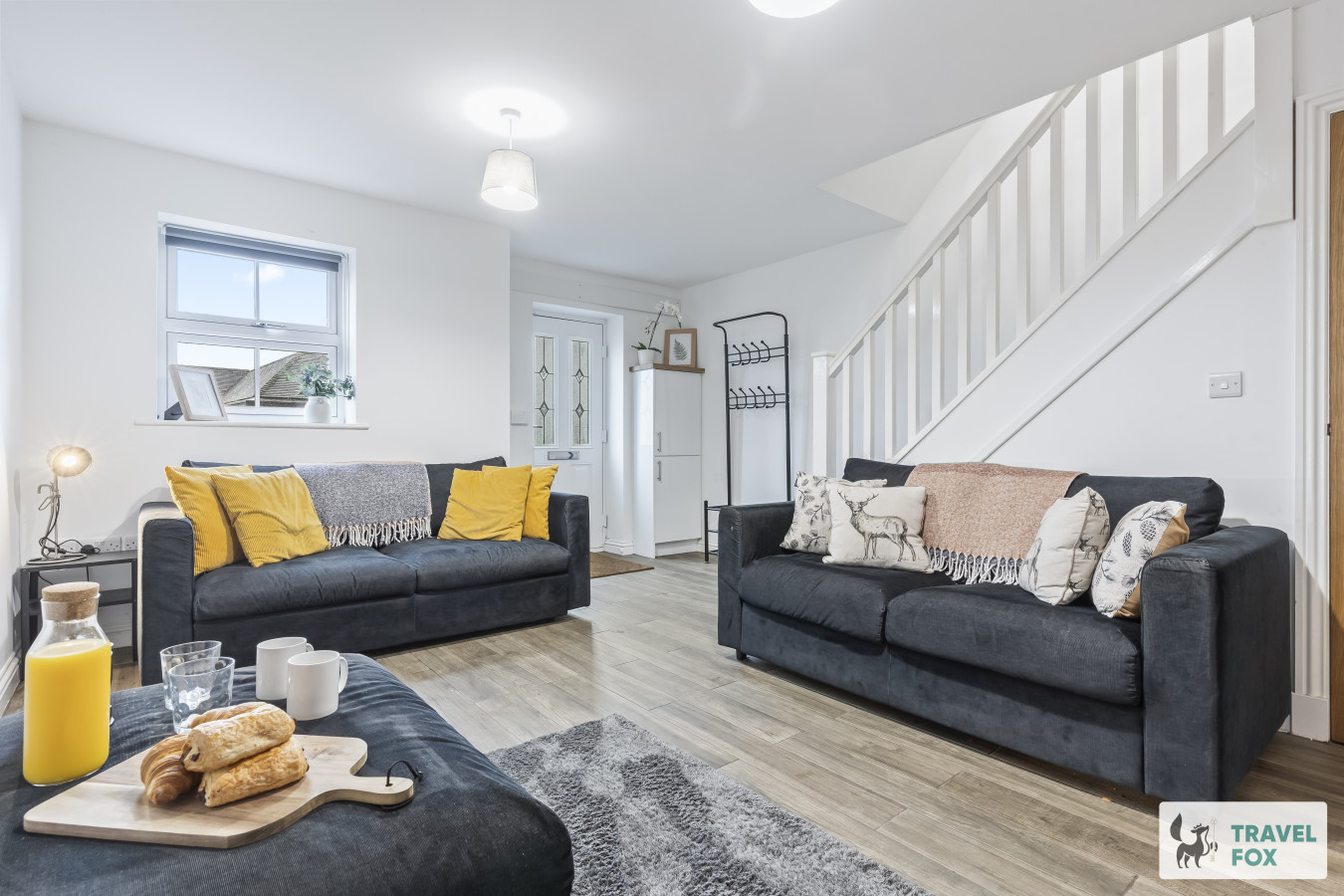
Leek
Lisa's House Leek: 20mins Alton Towers
- Sleeps 6
- 2 bedrooms
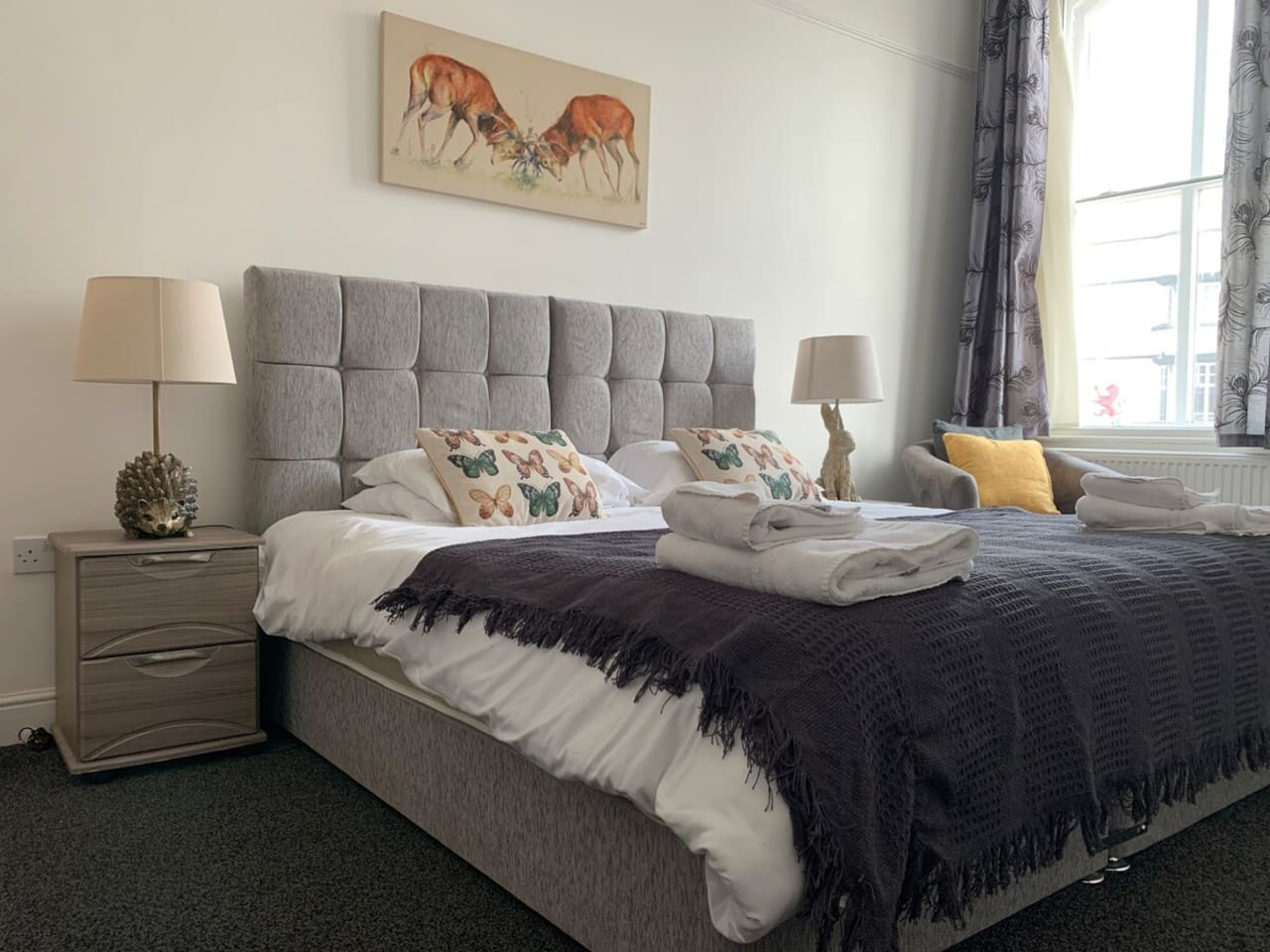
Leek
The Rudyard Suite - Large 1 Bed Apartment
- Sleeps 5
- 1 bedroom
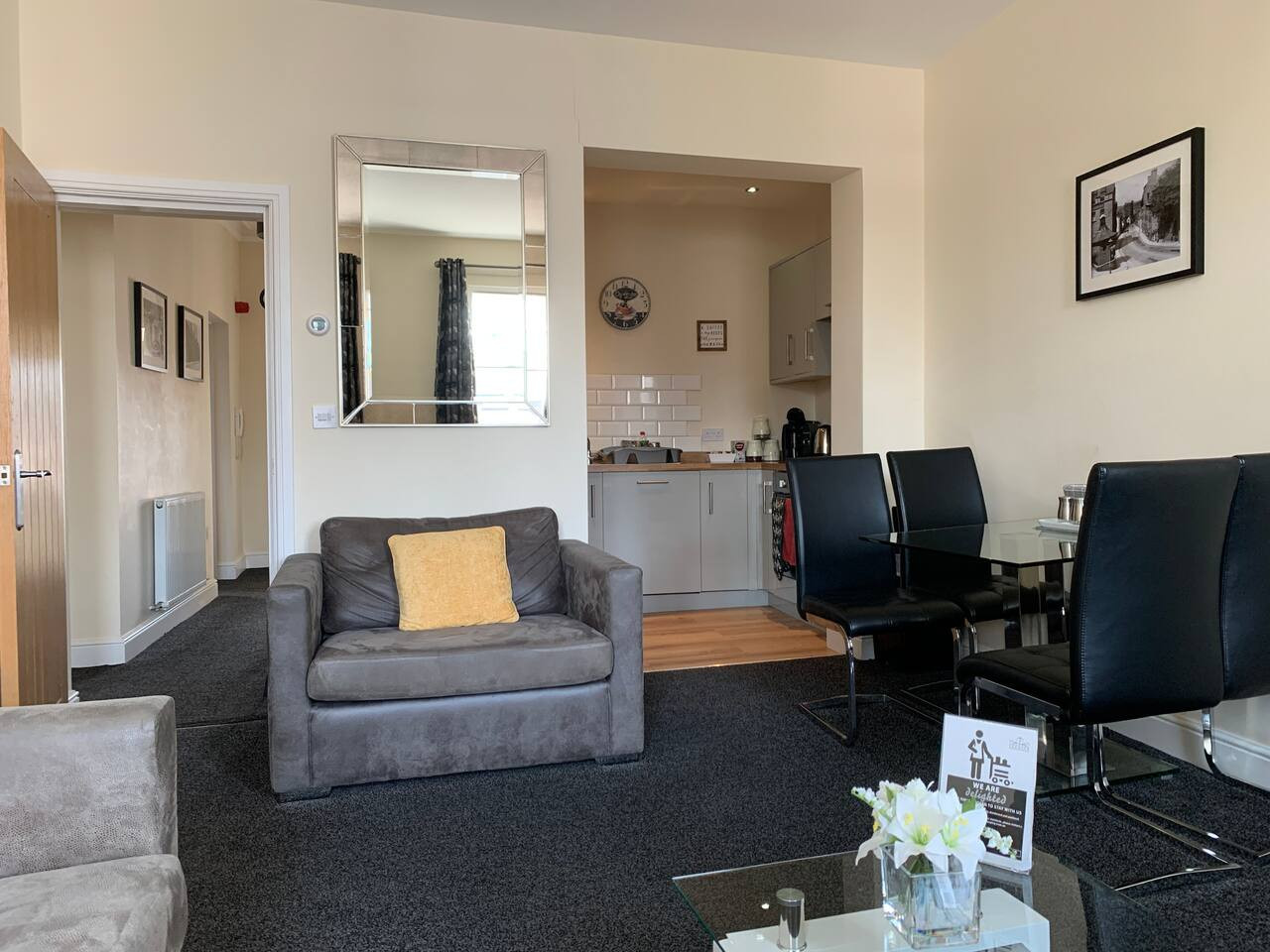
Leek
The Roaches Suite - Large 2 Bedroom Apartment
- Sleeps 7
- 2 bedrooms
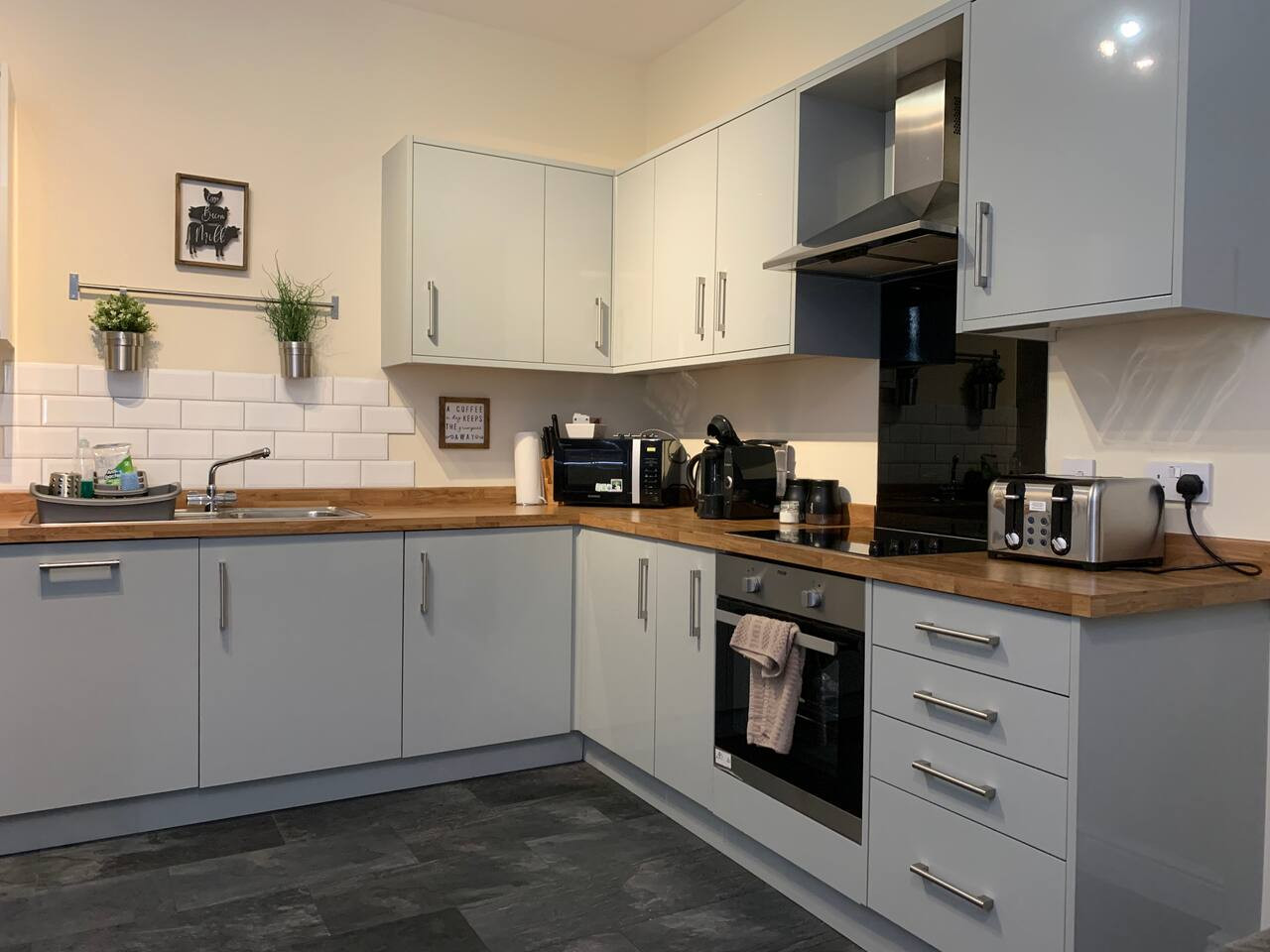
Leek
The Moorlands Suite - 1 Bed Apartment
- Sleeps 4
- 1 bedroom
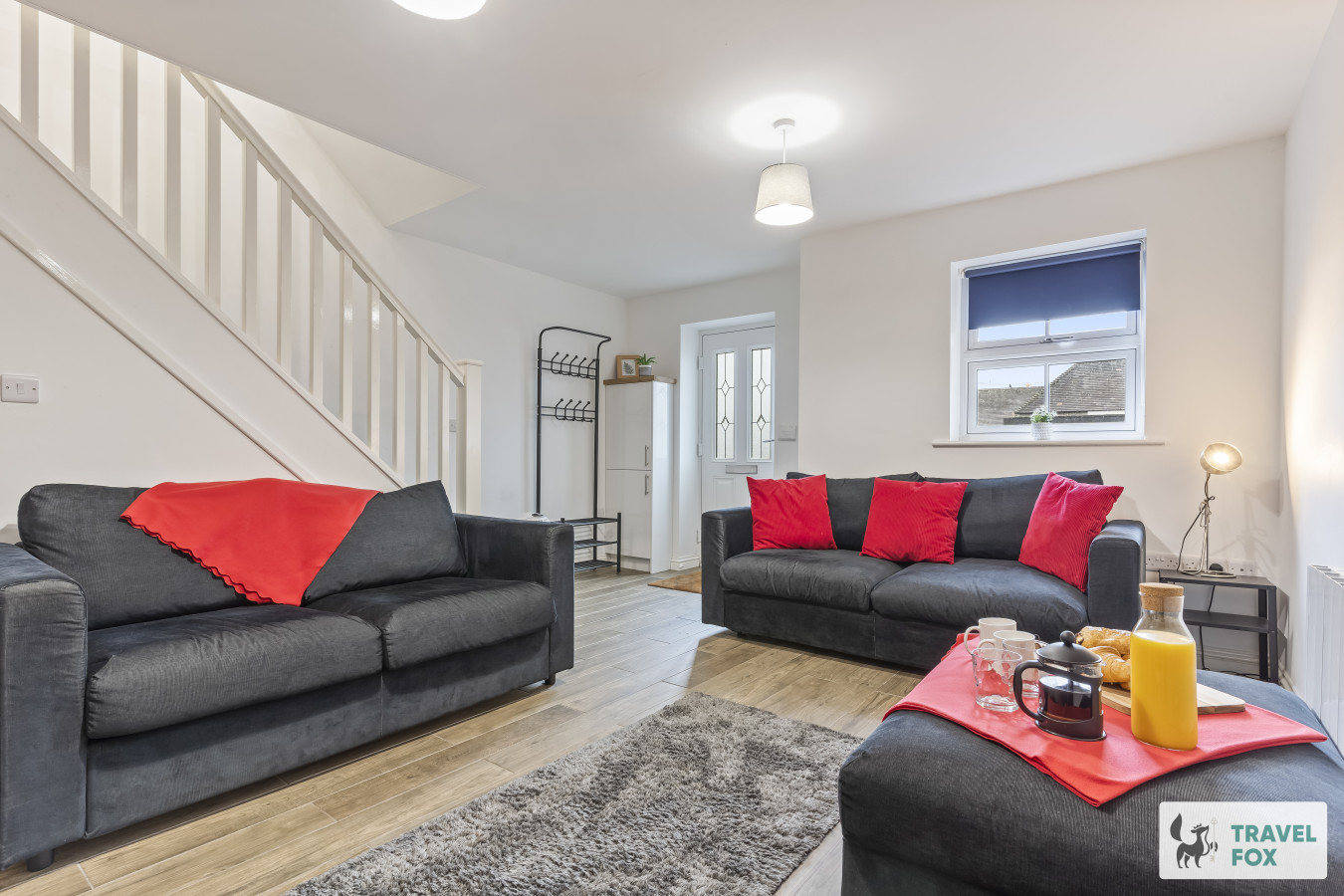
Leek
Amy's House: 20mins Alton Towers
- Sleeps 6
- 2 bedrooms
For homeowners
Own a holiday home near Flash?
We manage holiday lets across the Peak District from 12% commission, charged after cleaning costs, with no lock-in. A co-founder visits before you decide.
Holiday let management in the Peak District →
A guide with a point of view
Written from research. Edited for real journeys.
Use the Official site links for live practical details, then use this guide for context, ideas and room to explore.
Sources
Every place on this page is checked against a published source. Each entry links the record we used and names who publishes it.
- The New Inn — visitstaffordshire.com operator, sector body or destination organisation
- Flash Bar Stores — visitstaffordshire.com operator, sector body or destination organisation
- St Paul's Church — historicengland.org.uk statutory register or public authority record not machine-readable; publisher restricts automated access
- Flash and Three Shires Head Circular — visitstaffordshire.com operator, sector body or destination organisation
- The Roaches — staffs-wildlife.org.uk national body or asset manager
- Parkhouse and Chrome Hill — visitpeakdistrict.com operator, sector body or destination organisation
- Tittesworth Reservoir — stwater.co.uk national body or asset manager