
White Peak village
Foolow
A small limestone village gathered around a duck pond and medieval cross, with old inns, lead-mining traces and open country close by.
- Best for
- Village history and White Peak walks
- Give it
- A village pause or a longer circular walk
- Don't miss
- The stone cross, bull ring and duck pond
The Fox verdict
A small village with a strong sense of place
Foolow pairs a picturesque green with a surviving village pub, a former-smithy church and direct walking country.
The green, pond and medieval cross give Foolow an immediate focal point, while the Bull's Head and St Hugh's hold onto different parts of its past. Longer visits can follow the lanes and paths towards Bretton, Eyam, Sir William Hill and Eyam Moor.
Where to go
Places in Foolow
Every place below is checked against a published source, listed with what it is and how long to give it.
Local signatures
3 placesFoolow–Bretton–Eyam Circular
A roughly 10.9-kilometre circuit with about 418 metres of ascent, climbing Bradshaw Lane towards Bretton, crossing Bretton Edge past the Barrel Inn, descending to Eyam and returning across small limestone fields.
- Visit length
- Editorial estimate: Allow around 3.5–4 hours
- Locality
- starts near the church
The Barrel Inn
A hilltop country inn dating to 1597, reputedly Derbyshire's highest pub and a natural halt on the circular walks, with panoramic White Peak views over Foolow and the surrounding countryside.
- Visit length
- Editorial estimate: allow around 60 minutes
- Locality
- Bretton ridge above Foolow
Eyam Museum
A museum stop in the village associated with the plague of 1665–66, making it a natural part of an Eyam afternoon from Foolow.
- Visit length
- Editorial estimate: allow around 60 minutes
- Locality
- Eyam
Food & drink
1 placeThe Bull's Head
A traditional country inn dating back to at least 1753, with oak beams, an oak-panelled dining room, a horse-brass-decorated stable bar, local and seasonal food, and two regular cask ales.
- Visit length
- Editorial estimate: allow around 90 minutes
- Locality
- Foolow
- Access
- Dogs are welcome in the bar, where water is provided.
Walks & outdoors
1 placeSir William Hill and Eyam Moor Circular
A roughly 11.6-kilometre circuit via the Sir William Hill trig point and Eyam Moor, combining open moorland, woodland and field paths.
- Visit length
- Editorial estimate: allow around 4 hours
- Locality
- from Foolow or Eyam
History & heritage
2 placesFoolow Green, Stone Cross and Pond
The village focal point brings together a duck pond with white Aylesbury ducks, a probably fifteenth-century stone cross and the old bull ring fixed at the foot of its steps.
- Visit length
- Editorial estimate: allow around 30 minutes
- Locality
- the traditional village green
St Hugh's Church
This Grade II listed mission church opened in December 1888 after its nave was converted from the old village smithy; its simple interior has bench pews and a table altar.
- Visit length
- Editorial estimate: allow around 30 minutes
- Locality
- Bradshaw Lane
No places match this filter. Choose All places to reset the list.
Three ways to explore Foolow
Signature outings
Cross, pond and bull ring
See the probably fifteenth-century stone cross, the old bull ring at its steps and the pond's white Aylesbury ducks.
Foolow's last village pub
The Bull's Head has stood since at least 1753 and is the sole survivor of Foolow's several lead-mining-era inns.
A church made from a workshop
St Hugh's opened in 1888 after the old village smithy was converted into its nave.
The village story
Foolow Village Guide
A source-locked guide to Foolow's green, pub, walks, smithy church, lead-mining past and well dressing.
Cross, Pond and White Peak Setting
The stone cross on Foolow's green is probably fifteenth-century, and fixed at the foot of its steps is an iron ring, left over from bull-baiting. A few yards off there's a pond with white Aylesbury ducks on it. This is the centre of the village, and everything else arranges itself around the green: grey limestone cottages, the eighteenth-century Manor House tucked into one corner, and open country beginning at the edge of the last garden.
It sits high in the White Peak, a cluster of grey cottages with Bretton Edge rising to the north and fields on every other side.
The Bull's Head
The Bull's Head is the pub, and these days it's the only one. Foolow had as many as five in its lead-mining years; this is the survivor, on the green since at least 1753. Oak beams, an oak-panelled dining room, a stable bar hung with horse brasses, and a sun-trap frontage for a drink outside.
The kitchen leans local. Roast Topside of Derbyshire Beef is £21, served with duck-fat roasties, honey-roast parsnips, carrot purée and the rest; a Sunday-lunch reviewer for the Sticky Beak blog called the beef "absolutely divine; tender beyond belief and with a flavour that mesmerised the palate." There's a Red Onion and Goats Cheese Tart to start, and a Warm Bakewell Pudding with custard to finish. Two cask ales rotate through — Stancill Barnsley Bitter and Peak Ales Bakewell Best. Dogs are welcome in the bar, where water is provided.
Supplies and Walks
There are no shops. No butcher, no deli, no farm shop — for a village this size that's no surprise, and you self-cater from Eyam, Tideswell or Bakewell instead.
The walking starts almost at the door. The main circular goes up Bradshaw Lane towards Bretton — a quiet lane with a steady climb and wide views — over Bretton Edge and down to Eyam, about eleven kilometres round. On the ridge is the Barrel Inn, which dates to 1597 and, at roughly 1,247 feet, is reckoned the highest pub in Derbyshire. It makes a natural halt with the White Peak laid out below. A longer option loops out over Sir William Hill and Eyam Moor.
Smithy Church and Lead-Mining Past
St Hugh's, on Bradshaw Lane, is the village church, and it used to be the village smithy. It opened in December 1888 after the Eyam parish magazine reported "a very liberal offer" for the old smithy, with the whole conversion estimated "not to exceed £150." The interior stayed plain: bench pews and a table altar.
Lead shaped all of this. Watergrove Mine worked south of the village until 1853, its engine chimney standing until 1960; a 1470 record names one Robert Roworth, a miner of Folowe, owing £4. The hillocks left behind are grassed over now.
Getting Here and Well Dressing
Foolow is off the A623, with Grindleford station four or five miles east and Eyam a couple of miles on. Buses are the limited rural sort, so bring a car. Eyam, once you get there, is the plague village of 1665, museum and cottages and all — a ready-made afternoon two miles down the road.
Come in late August and the village dresses its well — smaller and quieter than the ones the crowds go to, which is rather the point.
Stay around Peak District
Make a longer stay of it
Travel Fox holiday homes around Peak District, linked directly to their property pages.
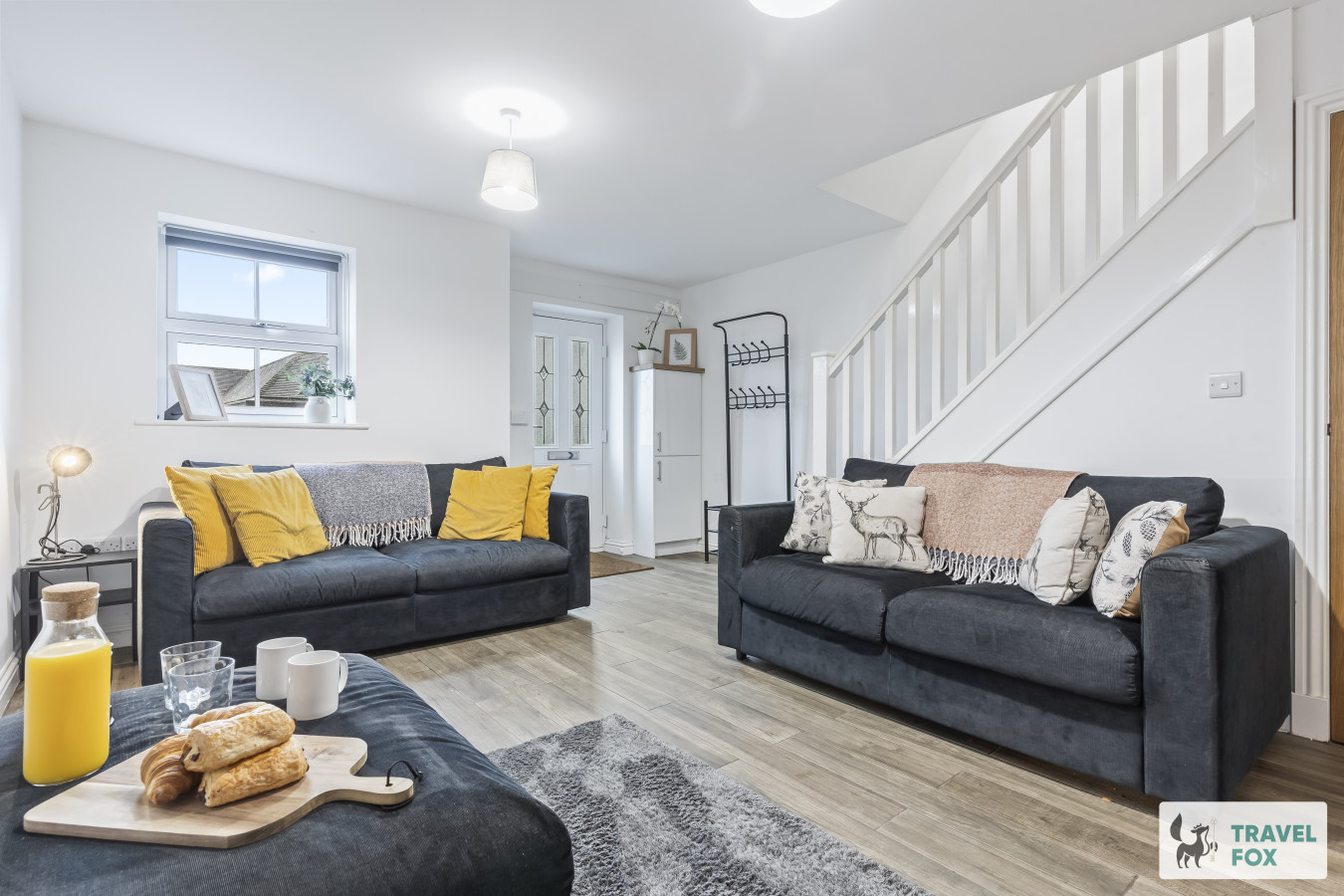
Leek
Lisa's House Leek: 20mins Alton Towers
- Sleeps 6
- 2 bedrooms
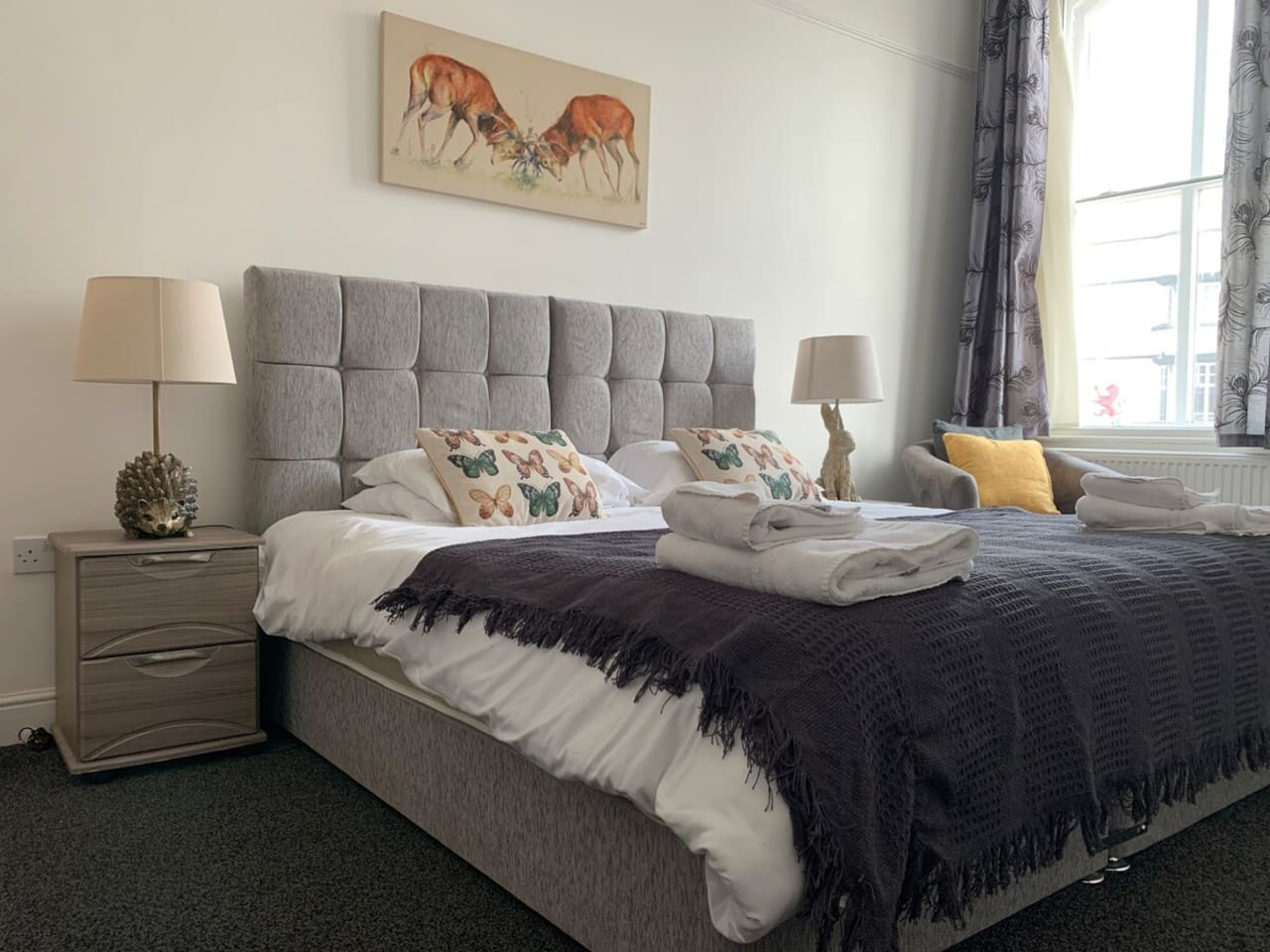
Leek
The Rudyard Suite - Large 1 Bed Apartment
- Sleeps 5
- 1 bedroom
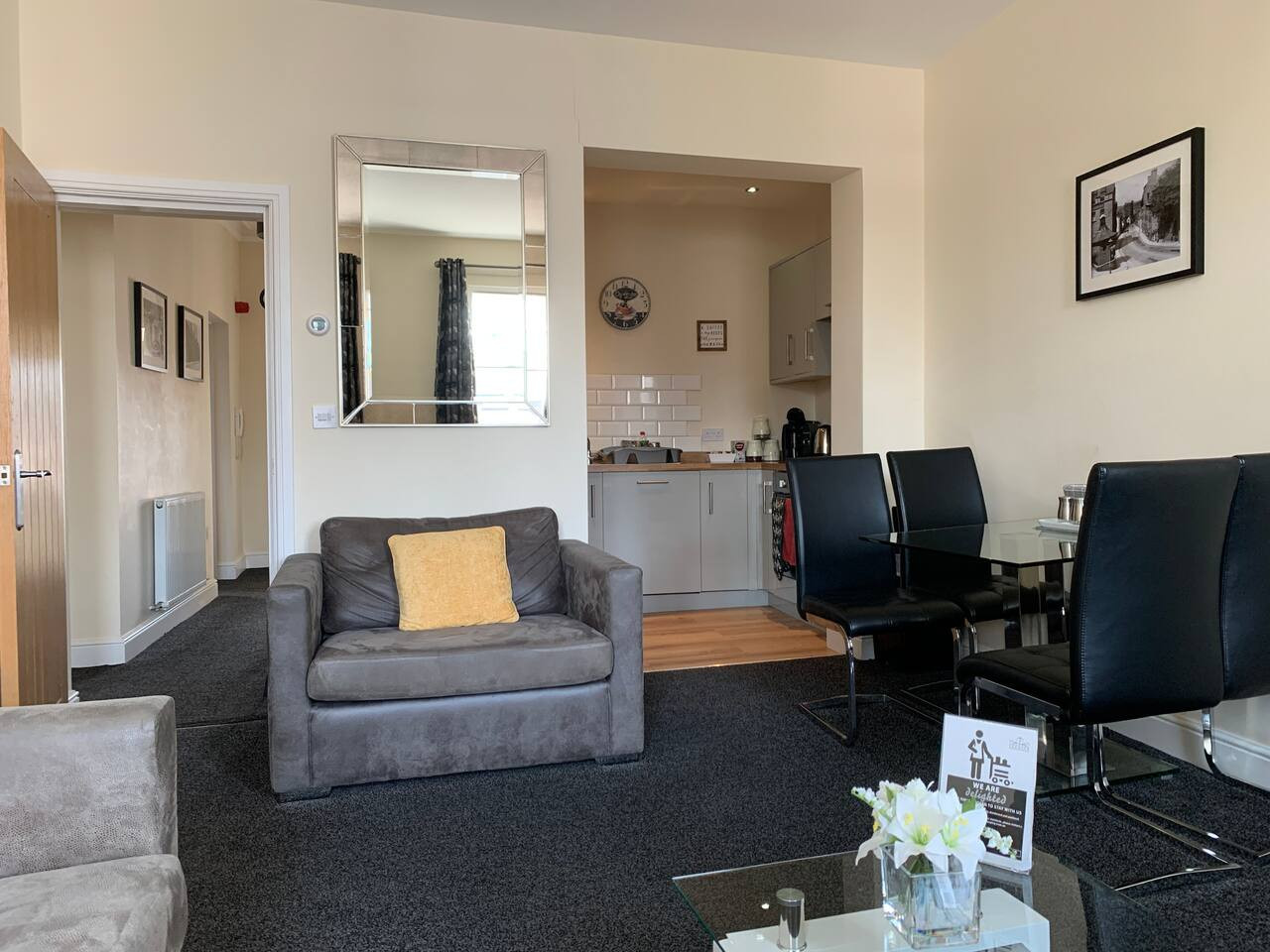
Leek
The Roaches Suite - Large 2 Bedroom Apartment
- Sleeps 7
- 2 bedrooms
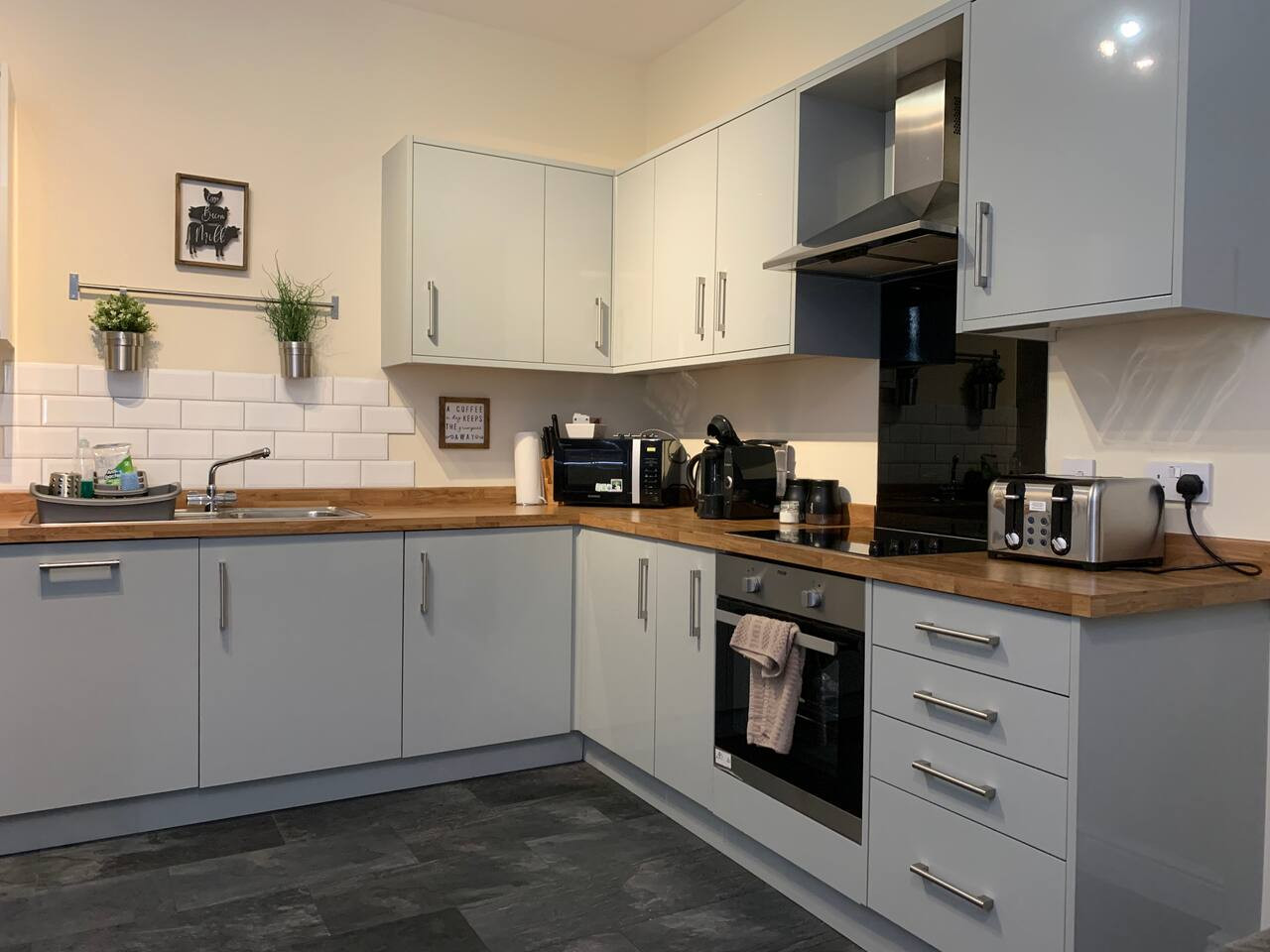
Leek
The Moorlands Suite - 1 Bed Apartment
- Sleeps 4
- 1 bedroom
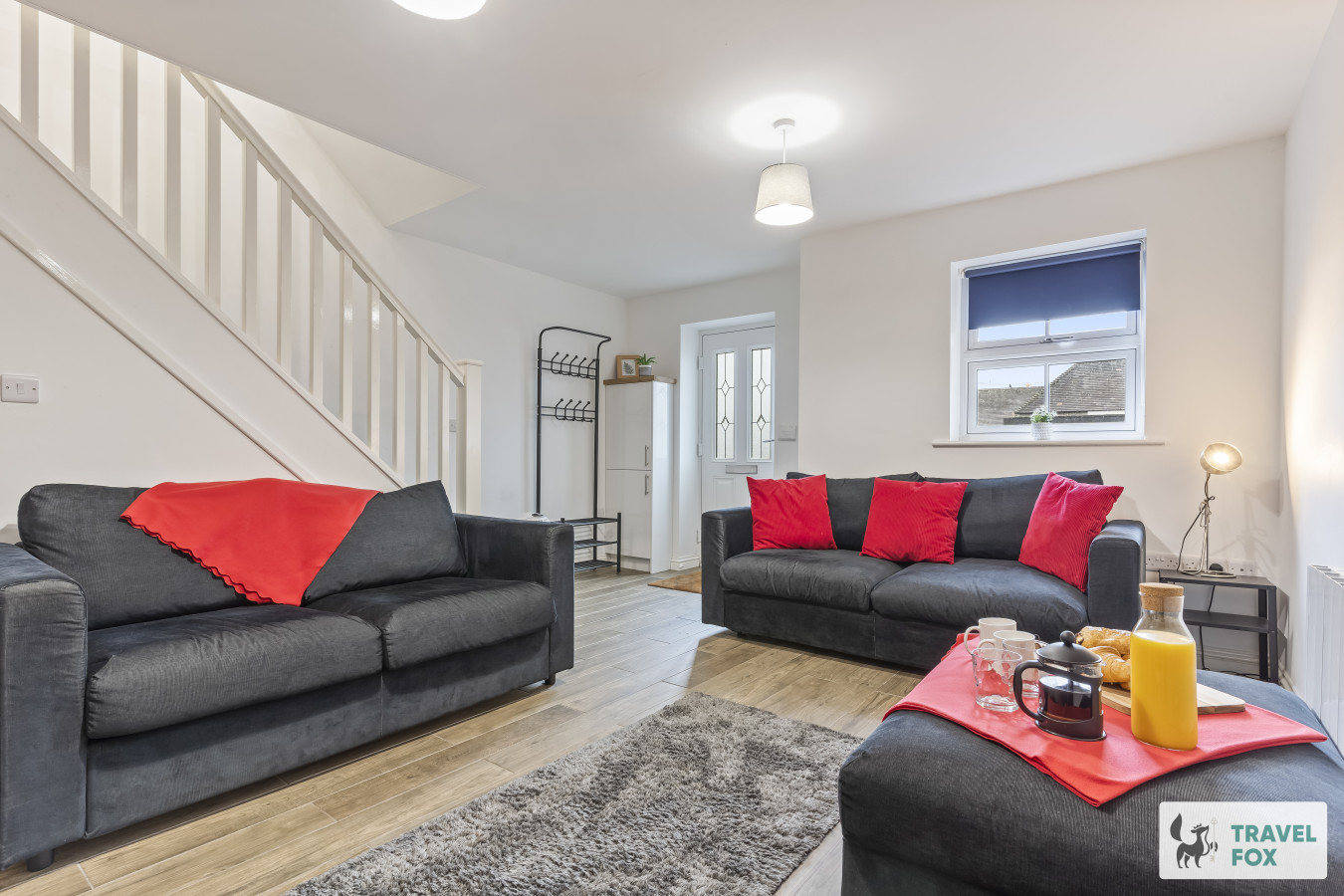
Leek
Amy's House: 20mins Alton Towers
- Sleeps 6
- 2 bedrooms
For homeowners
Own a holiday home near Foolow?
We manage holiday lets across the Peak District from 12% commission, charged after cleaning costs, with no lock-in. A co-founder visits before you decide.
Holiday let management in the Peak District →
A guide with a point of view
Written from research. Edited for real journeys.
Use the Official site links for live practical details, then use this guide for context, ideas and room to explore.
Sources
Every place on this page is checked against a published source. Each entry links the record we used and names who publishes it.
- Foolow Green, Stone Cross and Pond — visitpeakdistrict.com operator, sector body or destination organisation
- The Bull's Head — thebullsheadfoolow.co.uk operator, sector body or destination organisation
- St Hugh's Church — achurchnearyou.com national body or asset manager
- Foolow–Bretton–Eyam Circular — ramblers.org.uk operator, sector body or destination organisation record not machine-readable; publisher restricts automated access
- Sir William Hill and Eyam Moor Circular — glossophappyramblers.chessck.co.uk other published source
- The Barrel Inn — thebarrelinn.co.uk operator, sector body or destination organisation
- Eyam Museum — eyam-museum.org.uk operator, sector body or destination organisation