
River, gritstone and woodland
Froggatt
A small cluster of gritstone houses beside the River Derwent, directly beneath Froggatt Edge.
- Best for
- Edge walks and riverside paths
- Landscape
- The River Derwent and Froggatt Edge
- Village services
- No shops; everyday amenities are in nearby Calver
The Fox verdict
A small village shaped by river and edge
Froggatt brings together riverside walking, open woodland and the gritstone escarpment above the village.
The 17th-century bridge, the Derwent Valley Heritage Way and the paths onto Froggatt Edge give the village a strong walking focus. The Chequers Inn adds food, local ales and a woodland garden below the edge.
Where to go
Places in Froggatt
Every place below is checked against a published source, listed with what it is and how long to give it.
Local signatures
3 placesThe Chequers Inn
A traditional country freehouse with rooms, local hand-pulled ales, a woodland garden and an AA Rosette for food every year since 2004.
- Visit length
- Editorial estimate: Allow around 90 minutes
- Locality
- on the A625 directly below Froggatt Edge
- Access
- Dogs are welcome in the designated dog-friendly dining space in the bar area and in the outdoor and garden areas, but not in the main restaurant.
Froggatt Bridge
A 17th-century gritstone bridge whose semi-circular original arch is paired with a wider pointed arch added in an 1846 refashioning.
- Visit length
- Editorial estimate: Allow around 20 minutes
- Locality
- over the River Derwent
Froggatt Wood
Sixteen acres of open woodland bequeathed to the National Trust by Lady Riverdale in memory of Charles and Josephine Bingham.
- Visit length
- Editorial estimate: Allow around 60 minutes
- Locality
- above the village
Walks & outdoors
2 placesFroggatt Edge
A gritstone escarpment used by climbers and hikers, with the Froggatt Edge or Stoke Flat stone circle and abandoned half-finished millstones.
- Visit length
- Editorial estimate: Allow around 150 minutes
- Locality
- on the edge above Froggatt
Derwent Valley Heritage Way
A riverside walking route through Froggatt, with paths from the village bridge towards Calver and Grindleford.
- Visit length
- Editorial estimate: Allow around 120 minutes
- Locality
- through the village along the River Derwent
No places match this filter. Choose All places to reset the list.
Three ways to explore Froggatt
Signature outings
Local ales and steak pie
The Chequers Inn serves its fan-favourite proper steak and local ale pie alongside hand-pulled beers from independent breweries within fifteen miles.
The valley path through Froggatt
The Derwent Valley Heritage Way runs through the village along the River Derwent, with riverside paths towards Calver and Grindleford.
Edge, stone circle and millstones
Froggatt Edge combines gritstone walking and climbing with a Bronze Age stone circle and half-finished millstones left from the former trade.
The village story
Froggatt Village Guide
An original guide to Froggatt's inn, river, gritstone landscape, history and woodland.
The inn and everyday essentials
The Chequers Inn sits on the A625 directly below Froggatt Edge, and from its woodland garden you can walk straight up onto the escarpment. It's a 16th-century freehouse with seven en-suite rooms, run by Jonathan and Joanne Tindall since 2002, and it has held an AA Rosette for its food every year since 2004. The fan favourite is the "proper" steak and local ale pie, which they'll also sell you to take home. Sunday lunch is a freshly roasted loin of pork or sirloin of beef, with turkey at Christmas. The ales are hand-pulled from breweries within fifteen miles — Peak Ales from the Chatsworth Estate, Thornbridge from Bakewell, Bradfield and Stancill from Sheffield. Dogs are welcome in the bar and the garden, though not the restaurant.
That is the extent of Froggatt's commercial life. There are no shops. For everyday things you go to nearby Calver.
Bridge, river and edges
The village is a small cluster of gritstone houses on narrow lanes beside the River Derwent, directly beneath the edge. Let's Go Peak District calls it "a small but perfectly formed place; a cluster of stone houses on narrow lanes, nestling beneath the mighty gritstone escarpment of Froggatt Edge." The 17th-century bridge over the river has two mismatched arches — a semi-circular one from the original build and a wider, pointed one added when the bridge was widened in 1846. Nobody seems to have minded that they don't match.
The walking is why most people come. The Three Edges circular, six to eight miles, links Froggatt Edge with Curbar and White Edge along the gritstone escarpments; the heather on top turns purple in summer. The Derwent Valley Heritage Way runs right through the village along the river, and riverside paths from the bridge lead one way to Calver and the other to Grindleford. Up on the edge itself, a favourite of climbers, there is a Bronze Age stone circle — about eleven stones, fifteen metres across — and, at the foot of the crag, a scatter of half-finished millstones, abandoned where the trade left them.
Origins and getting here
Froggatt does not appear in the Domesday Book. The land was part of the manor of Baslow and was only carved out when the Bassett family bought it in the 1200s; John Froggecotes bought his piece around 1290. The name is older still, recorded as Froggegate in 1203 and probably meaning "frog cottage," after the damp, spring-fed ground by the Derwent. Around two hundred years ago the Duke of Rutland had seventeen cottages built here by local stonemasons for his tenants. Industry was farming, lead mining, lime burning and weaving, all of it gone now.
Grindleford station, on the Hope Valley Line between Manchester and Sheffield, is about 1.8 miles from Froggatt in a straight line; the road journey is longer. Buses are rural and, in the local phrasing, "perhaps not as frequent" as elsewhere.
Woodland and village tradition
Sixteen acres of open woodland above the village, Froggatt Wood, were left to the National Trust by Lady Riverdale in memory of Charles and Josephine Bingham, and you can walk in them freely. The Horticultural Society has held its show on the August Bank Holiday Saturday since 1935 — ninety years of it in 2025, in a village of 185 people.
Stay around Peak District
Make a longer stay of it
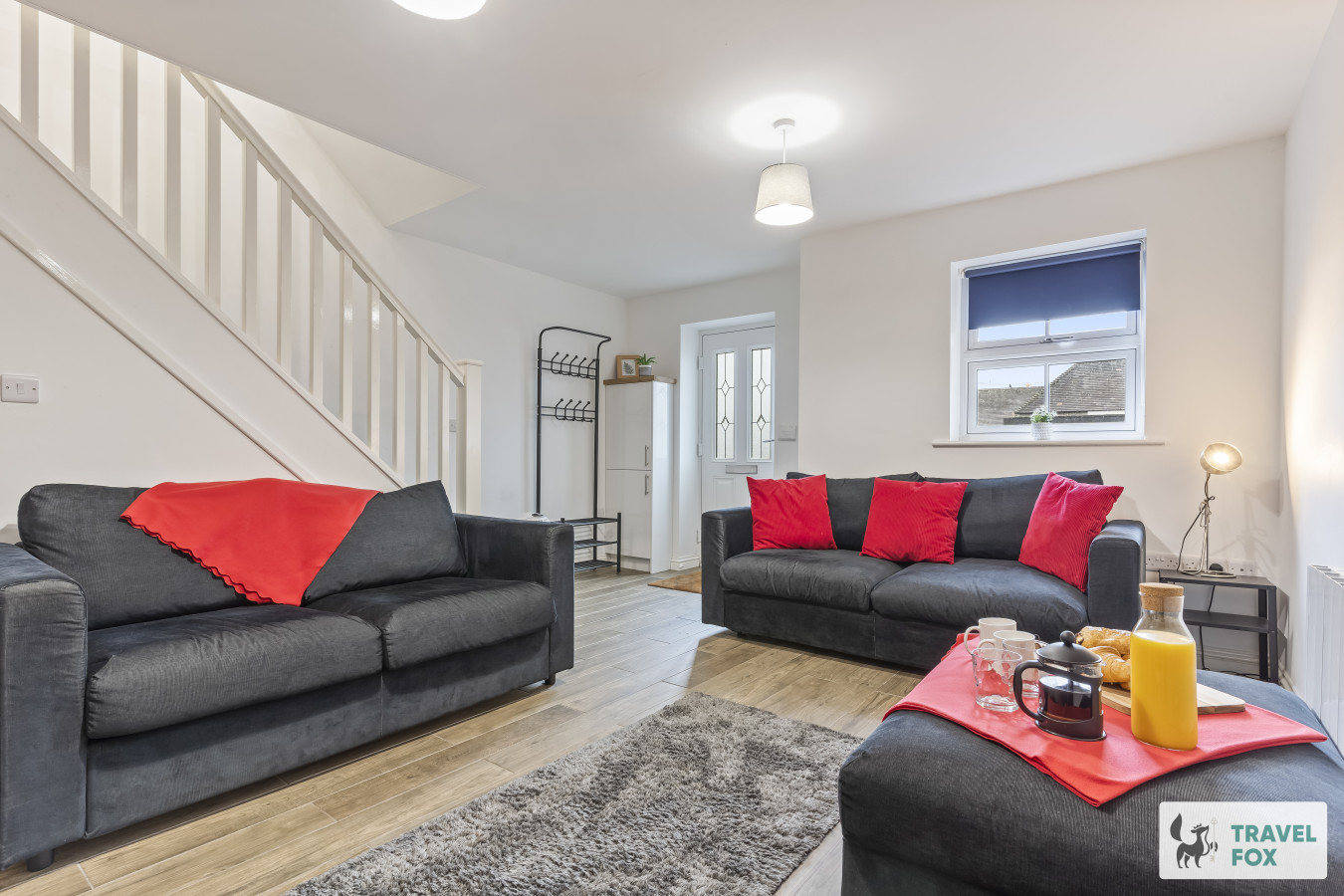
Travel Fox holiday homes around Peak District, linked directly to their property pages.
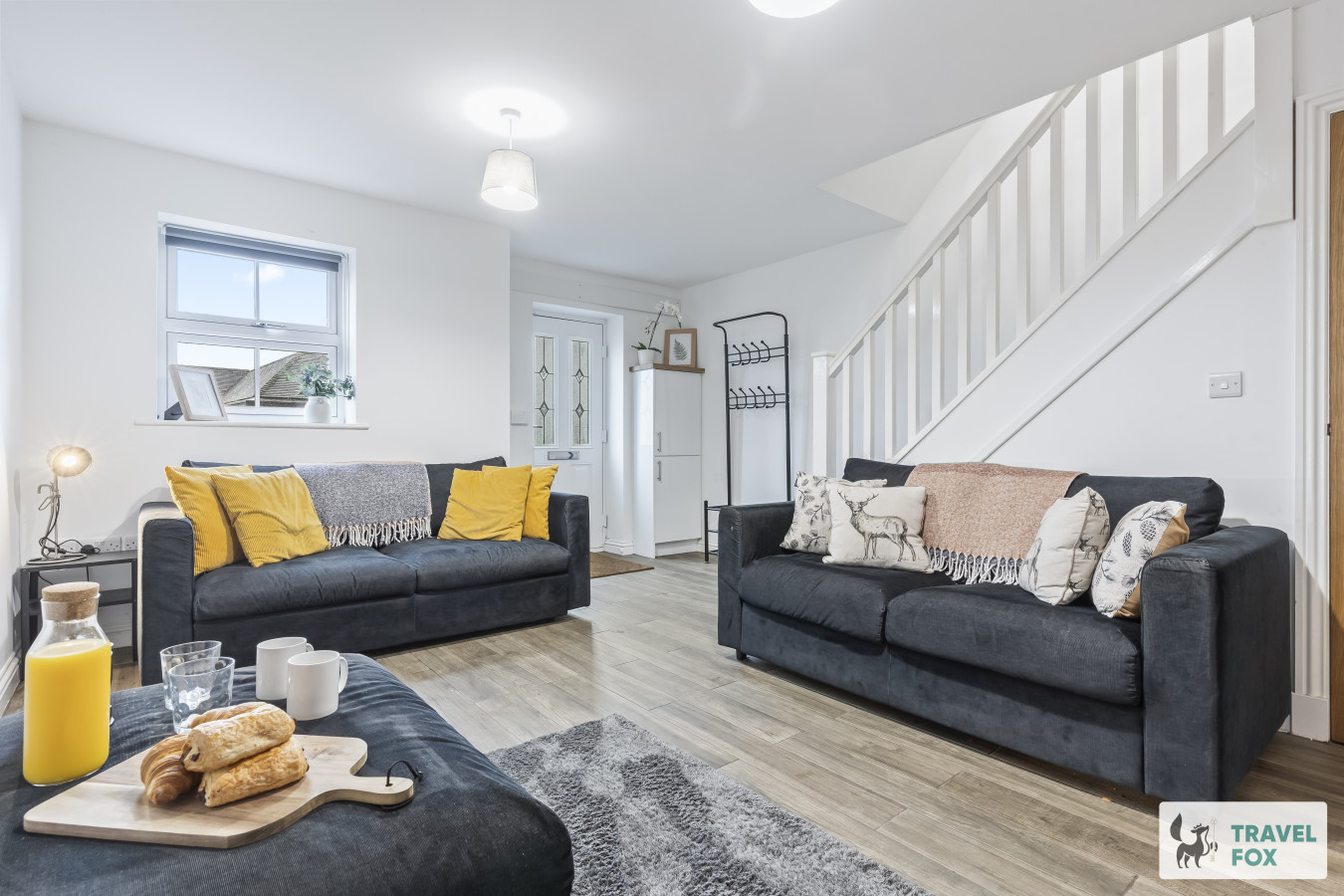
Leek
Lisa's House Leek: 20mins Alton Towers
- Sleeps 6
- 2 bedrooms
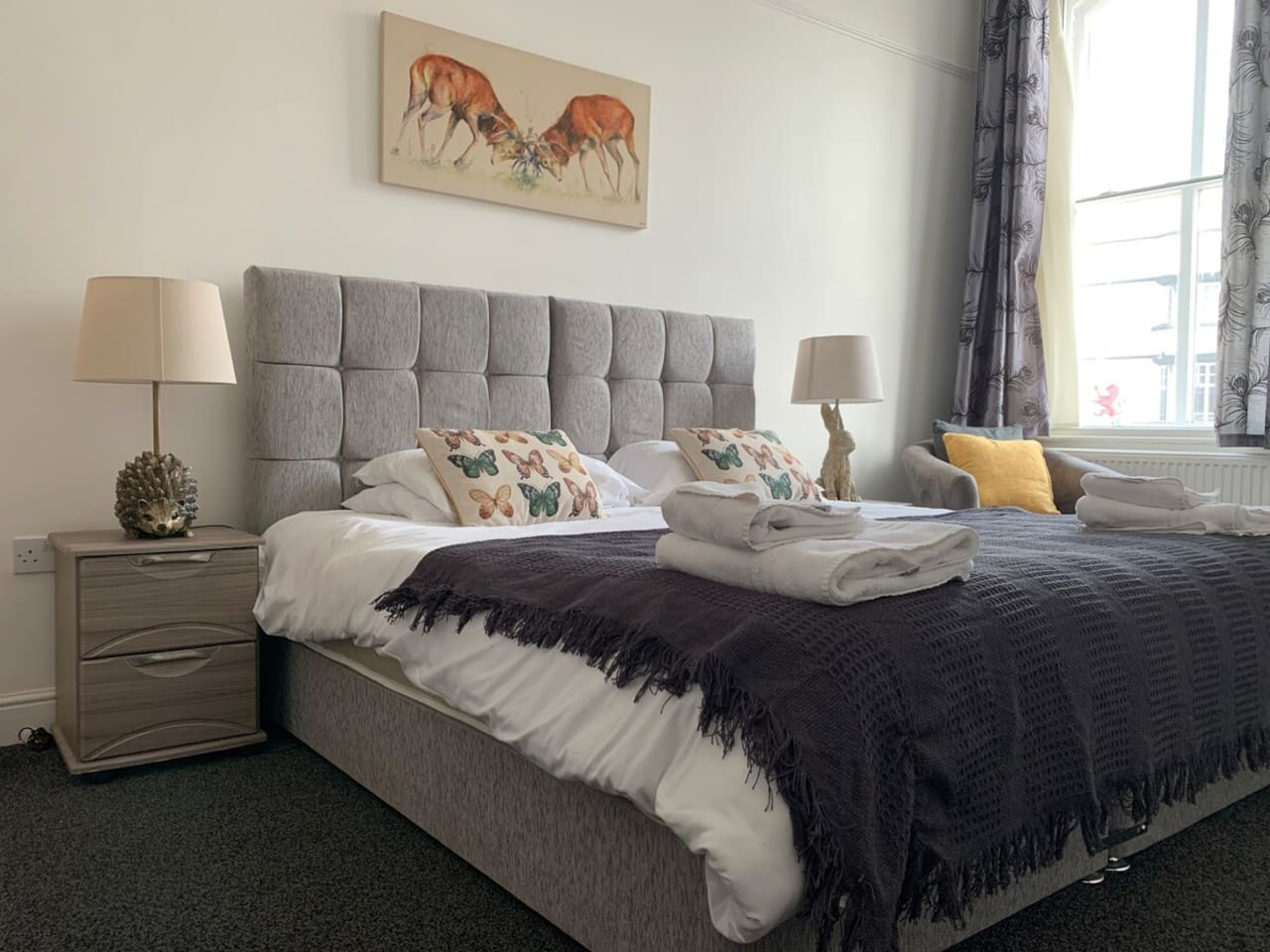
Leek
The Rudyard Suite - Large 1 Bed Apartment
- Sleeps 5
- 1 bedroom
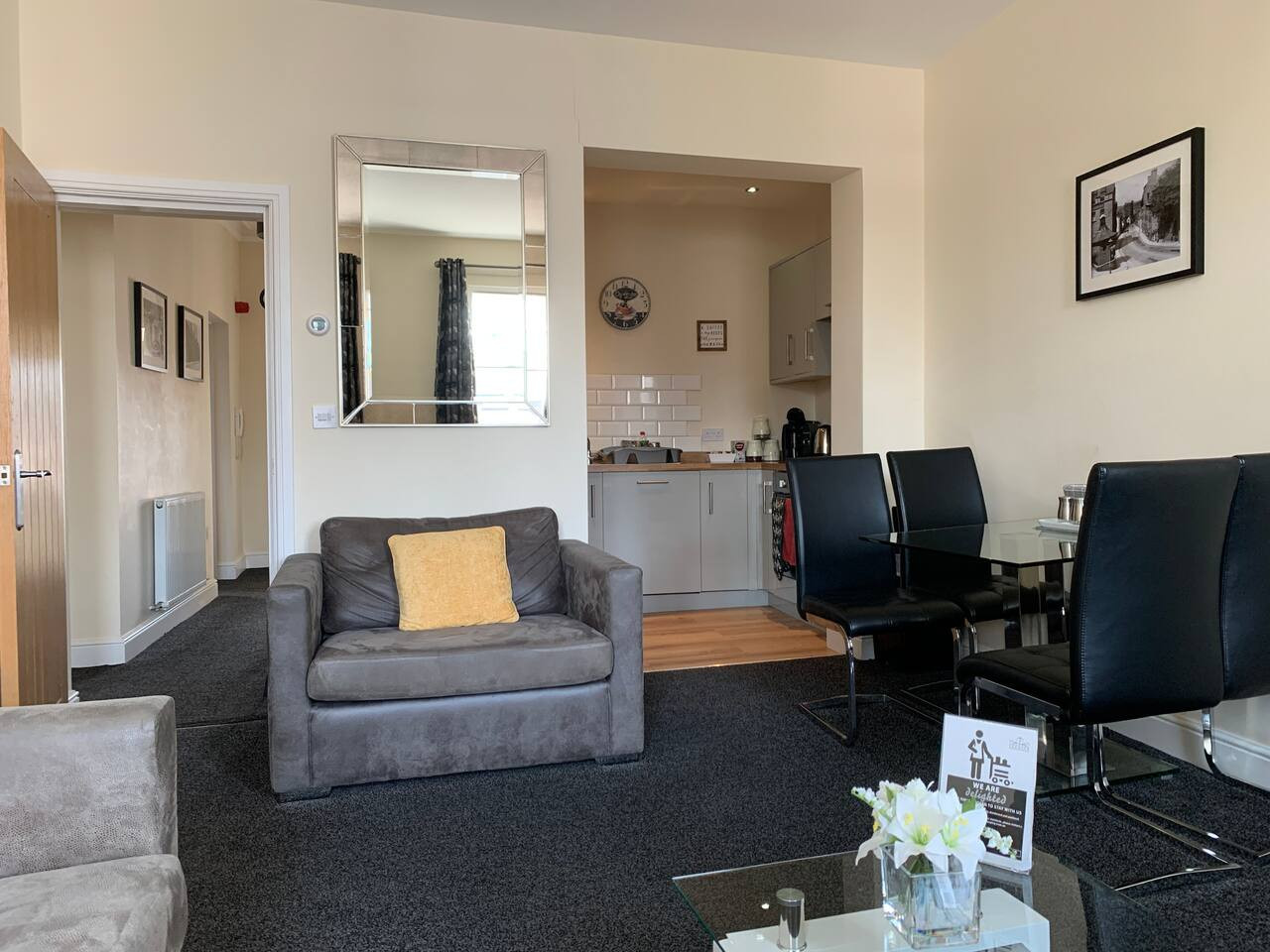
Leek
The Roaches Suite - Large 2 Bedroom Apartment
- Sleeps 7
- 2 bedrooms
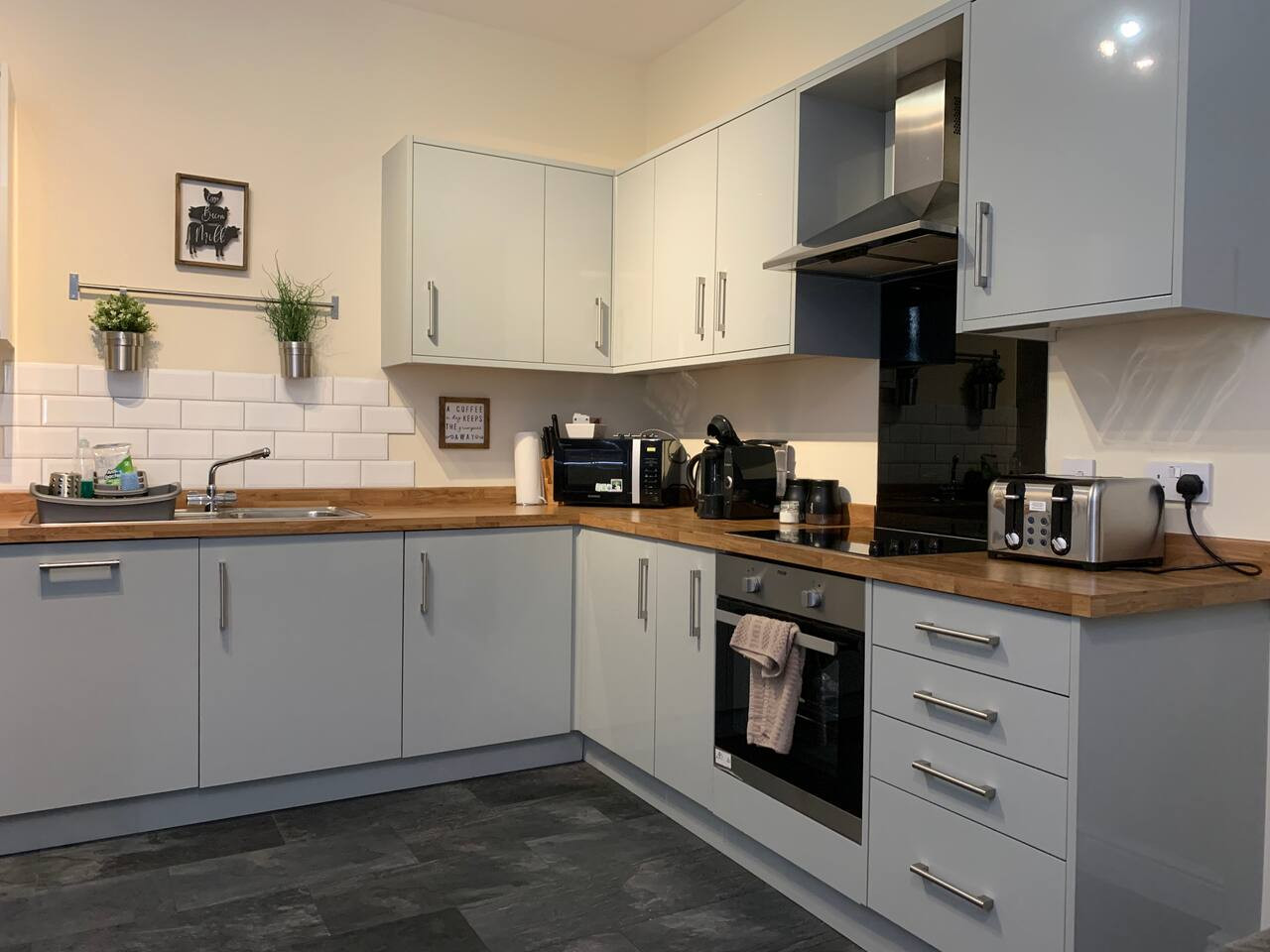
Leek
The Moorlands Suite - 1 Bed Apartment
- Sleeps 4
- 1 bedroom
Leek
Amy's House: 20mins Alton Towers
- Sleeps 6
- 2 bedrooms
For homeowners
Own a holiday home near Froggatt?
We manage holiday lets across the Peak District from 12% commission, charged after cleaning costs, with no lock-in. A co-founder visits before you decide.
Holiday let management in the Peak District →
A guide with a point of view
Written from research. Edited for real journeys.
Use the Official site links for live practical details, then use this guide for context, ideas and room to explore.
Sources
Every place on this page is checked against a published source. Each entry links the record we used and names who publishes it.
- The Chequers Inn — chequers-froggatt.com operator, sector body or destination organisation
- Froggatt Bridge — historicengland.org.uk statutory register or public authority record not machine-readable; publisher restricts automated access
- Froggatt Edge — heritagerecords.nationaltrust.org.uk other published source
- Froggatt Wood — nationaltrust.org.uk national body or asset manager
- Derwent Valley Heritage Way — derwentvalleytrust.org.uk operator, sector body or destination organisation