
Woodland, water and gritstone
Grindleford
Grindleford sits in a natural amphitheatre of wooded hills, with the River Derwent, Padley Gorge and the Hope Valley Line shaping a visit.
- Best for
- Walking through Padley Gorge and Yarncliff Wood
- Give it
- Two to two-and-a-half hours for the gorge circular
- Don't miss
- A chip butty at Grindleford Station Cafe
The Fox verdict
A railway village framed by wooded hills
Come for the walking, then make time for the station cafe, Padley Chapel and Grindleford's village hospitality.
The main draw is the landscape: Burbage Brook, Padley Gorge, heather moorland and oak woodland sit alongside a village story shaped by the railway. Padley Chapel brings the events of 1588 into focus, while the station cafe, The Maynard and The Sir William give the day distinct places to pause.
Where to go
Places in Grindleford
Every place below is checked against a published source, listed with what it is and how long to give it.
Local signatures
3 placesThe Maynard
A 19-bedroom boutique country hotel, bar and restaurant with breakfast, Sunday roasts, afternoon tea and a garden used for live music.
- Visit length
- Editorial estimate: allow around 90 minutes
- Locality
- Grindleford
Longshaw Estate
National Trust woodland and moorland linked with Padley Gorge and Burbage Brook.
- Visit length
- Editorial estimate: allow around 90 minutes
- Locality
- Longshaw Estate, northeast of Grindleford
Bishop Pavilion and Bridge Playing Fields
Village recreation grounds with football and cricket pitches, a hard-court tennis area and the Bishop Pavilion, which also serves as the village hall.
- Visit length
- Editorial estimate: allow around 60 minutes
- Locality
- beside Grindleford Bridge on the River Derwent
Food & drink
2 placesGrindleford Station Cafe
A family-run cafe in the old station buildings, known for hearty breakfasts, king-sized chip butties and Phil Eastwood's hand-painted signs.
- Visit length
- Editorial estimate: allow around 60 minutes
- Locality
- in the old railway station buildings
The Sir William Hotel
A village hotel and pub of around 150 years, with pub food, real ales and a garden terrace overlooking Froggatt Edge and the Hope Valley.
- Visit length
- Editorial estimate: allow around 75 minutes
- Locality
- on the green
Walks & outdoors
1 placeGrindleford and Padley Gorge Circular
A roughly 6.6-kilometre circular with about 237 metres of ascent, following Burbage Brook through the wooded gorge and returning through Granby Wood and Yarncliff Wood.
- Visit length
- Editorial estimate: Allow around 2 to 2.5 hours
- Locality
- starting at Grindleford Station, Upper Padley
History & heritage
2 placesSt Helen's Church
A 20th-century church completed in 1910 to serve the population growth that followed the opening of Totley Tunnel, with one bell and war graves in the churchyard.
- Visit length
- Editorial estimate: allow around 30 minutes
- Locality
- Grindleford
Padley Chapel
The listed surviving gatehouse of Padley Hall, where the Catholic priests Nicholas Garlick and Robert Ludlam were arrested in 1588; an annual pilgrimage commemorates the Padley Martyrs.
- Visit length
- Editorial estimate: allow around 45 minutes
- Locality
- at the former Padley Hall, Upper Padley
No places match this filter. Choose All places to reset the list.
Three ways to explore Grindleford
Signature outings
Order the chip butty
Pause in the old station buildings for the cafe's hearty breakfasts or a king-sized chip butty.
Enter Padley's story
Visit the surviving gatehouse where Nicholas Garlick and Robert Ludlam were arrested in 1588.
Walk the wooded gorge
Follow Burbage Brook through waterfalls, oak woodland and heather moorland on the circular from Grindleford Station.
The village story
Grindleford Village Guide
A railway village of wooded hills, Padley history and one famously characterful station cafe.
Station Cafe and Totley Tunnel
The Grindleford Station Cafe occupies the old railway station buildings, right beside the western mouth of Totley Tunnel, and it has been in the same family since 1973. It trades in hearty breakfasts and king-sized chip butties, which TripAdvisor reviewers have called the best in the world. The late Phil Eastwood, who ran it for years, was known for his officious hand-painted signs, one of which read "When vegetarians walk in you know there's going to be trouble." He let skint climbers sleep in the cafe and would swap a chip butty for a turn at the sink.
The tunnel behind it runs 6,320 yards, long claimed as the longest wholly-inland rail tunnel in the country. Trains on the Hope Valley Line reach Sheffield in about fourteen minutes.
Landscape and The Maynard
Grindleford sits in a natural amphitheatre of wooded hills — Froggatt Edge to the east, Sir William Hill to the west, the River Derwent running north through the middle. Arriving from Sheffield, you come over Fox House, drop down the hill, and cross the triple-arched Grindleford Bridge over the water.
There are two places to stay and drink. The Maynard is a boutique country hotel of nineteen rooms, built in 1908 and named for the Maynard family, Lords of the Manor of Padley, whose line reportedly runs back to Agincourt. It does breakfast daily, Sunday roasts alongside the main menu, and afternoon tea by a day's notice. The garden hosts live music every Sunday in May. Past guests are said to have included Shirley Bassey, Paul McCartney, and Don Bradman's 1938 Australian cricket team.
The Sir William and the Village Shop
The Sir William Hotel has been a pub for around 150 years, put together from three cottages on the green. Its garden terrace looks over Froggatt Edge and the Hope Valley, and it keeps real ales the CAMRA sort will find listed. The manager, Helen Bedford, says: "This is a much friendlier place than Arundel where we used to live and work. People here have a great community spirit."
The traditional village shop closed, so volunteers opened a community shop in its place, selling local produce.
Gorge Walks and the Padley Martyrs
The walking is the main draw. From the station, a six-and-a-half-kilometre circular climbs Burbage Brook up through Padley Gorge — oak woodland, waterfalls, heather moorland above a thousand feet — and returns through Yarncliff Wood. It is National Trust land in most directions. Longshaw Estate has woodland and moorland northeast of Grindleford; the gorge itself is an easy family walk, with paddling in the brook.
Padley Chapel, the surviving gatehouse of a vanished hall, is where two Catholic priests, Nicholas Garlick and Robert Ludlam, were arrested in July 1588. They were convicted of treason and hanged, drawn and quartered at Derby within the fortnight. An annual pilgrimage still marks the Padley Martyrs.
Origins, Railway and the Gallop
Grindleford was never a Domesday manor. The parish was stitched together from the hamlets of Stoke, Eyam Woodlands, and Upper and Nether Padley, and the name first appears in a charter of 1248 as "Grundelford." The railway arriving in 1894 roughly doubled the population over the following century.
Each March the village stages the Grindleford Gallop, a twenty-one-mile off-road challenge that began as a fundraiser for the primary school. It sells out fast, and is known chiefly for its cake.
Stay around Peak District
Make a longer stay of it
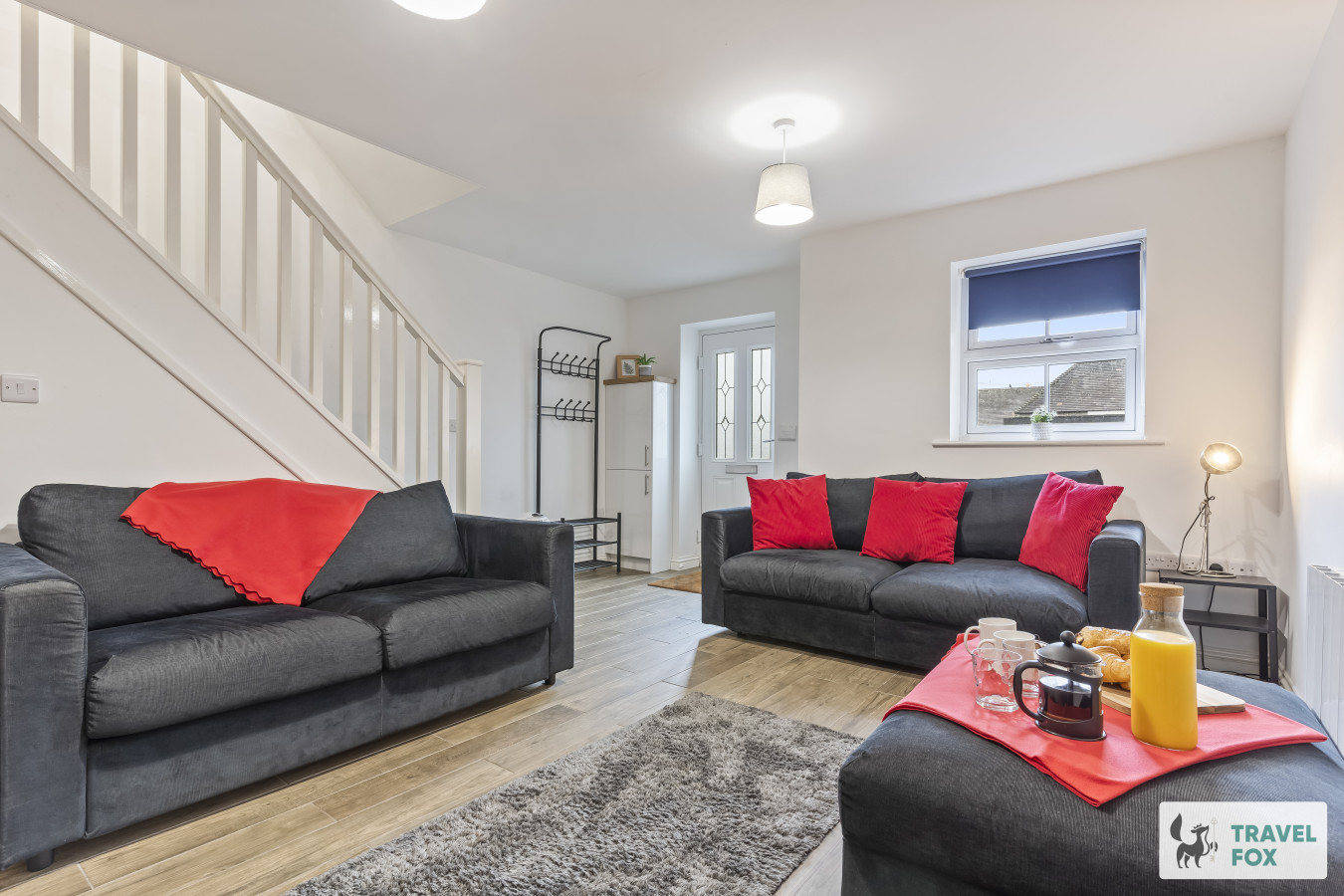
Travel Fox holiday homes around Peak District, linked directly to their property pages.
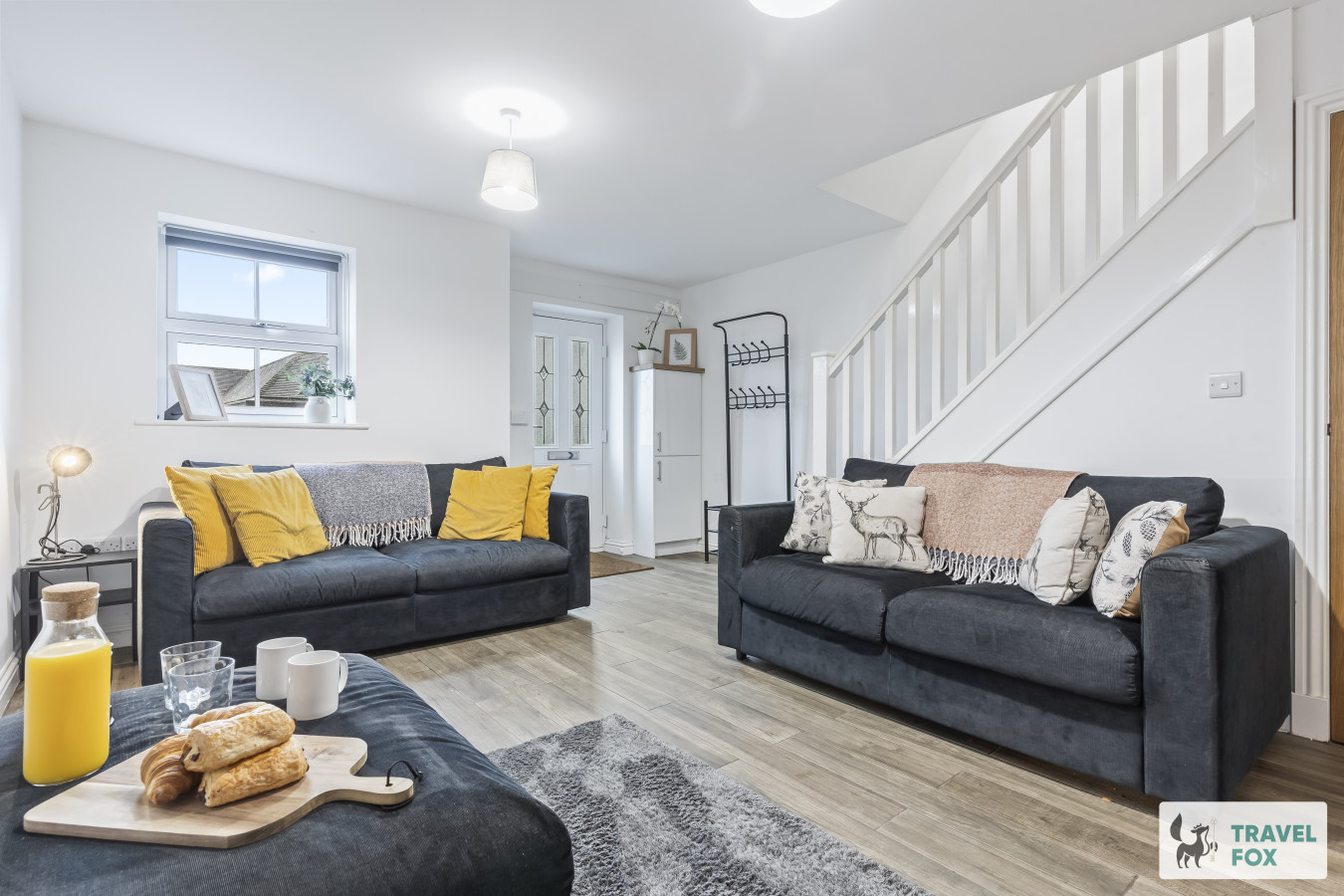
Leek
Lisa's House Leek: 20mins Alton Towers
- Sleeps 6
- 2 bedrooms
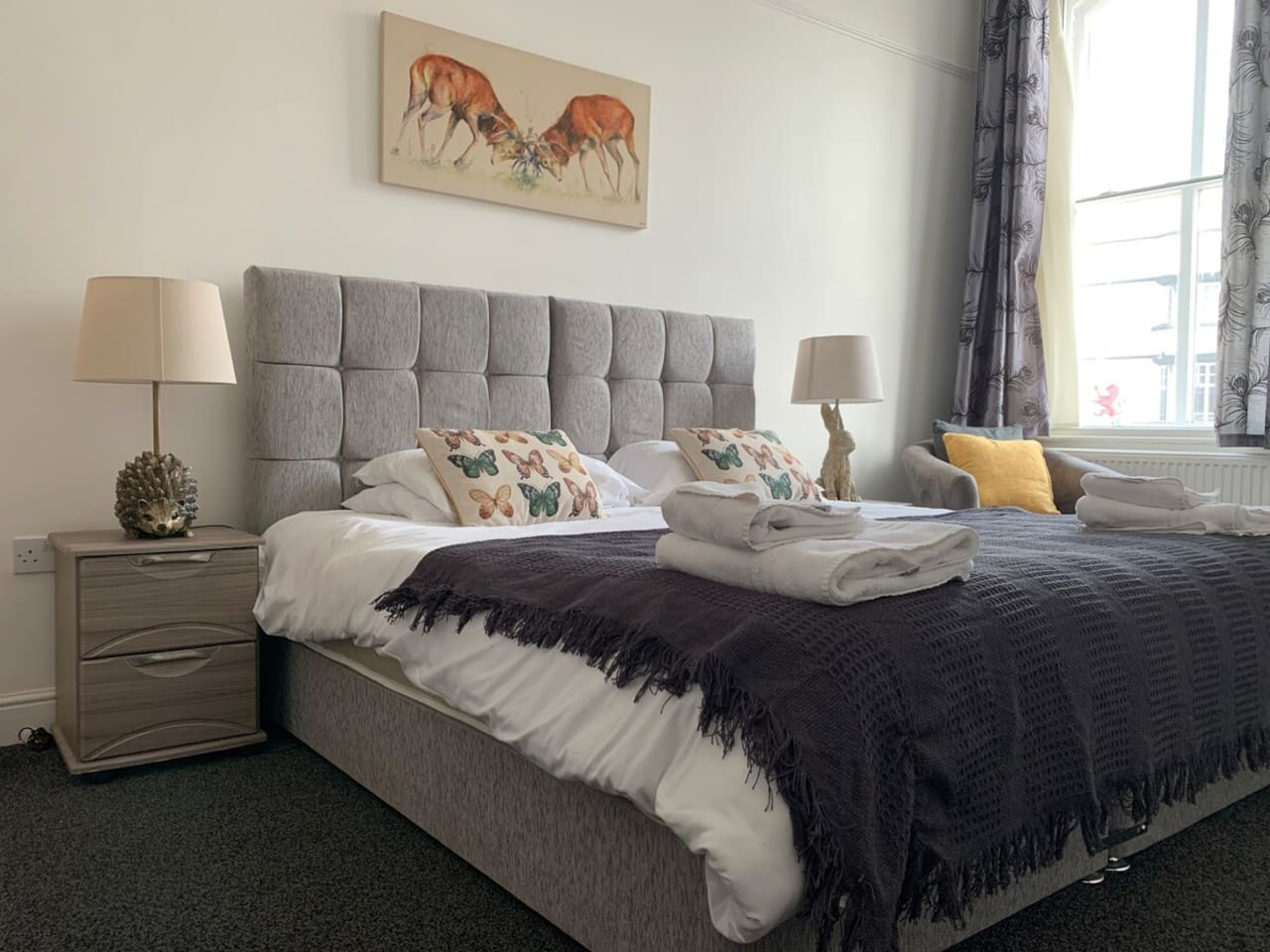
Leek
The Rudyard Suite - Large 1 Bed Apartment
- Sleeps 5
- 1 bedroom
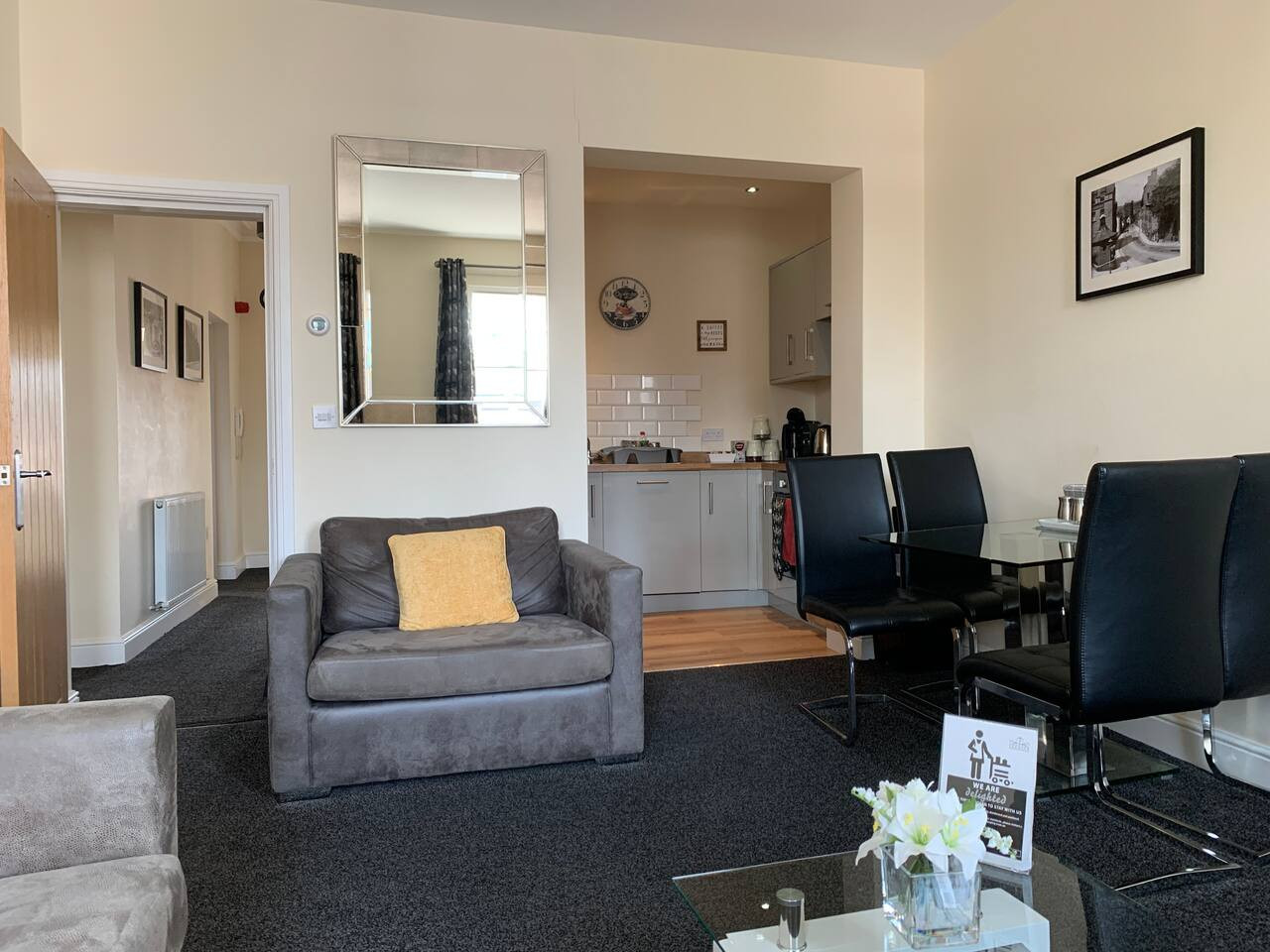
Leek
The Roaches Suite - Large 2 Bedroom Apartment
- Sleeps 7
- 2 bedrooms
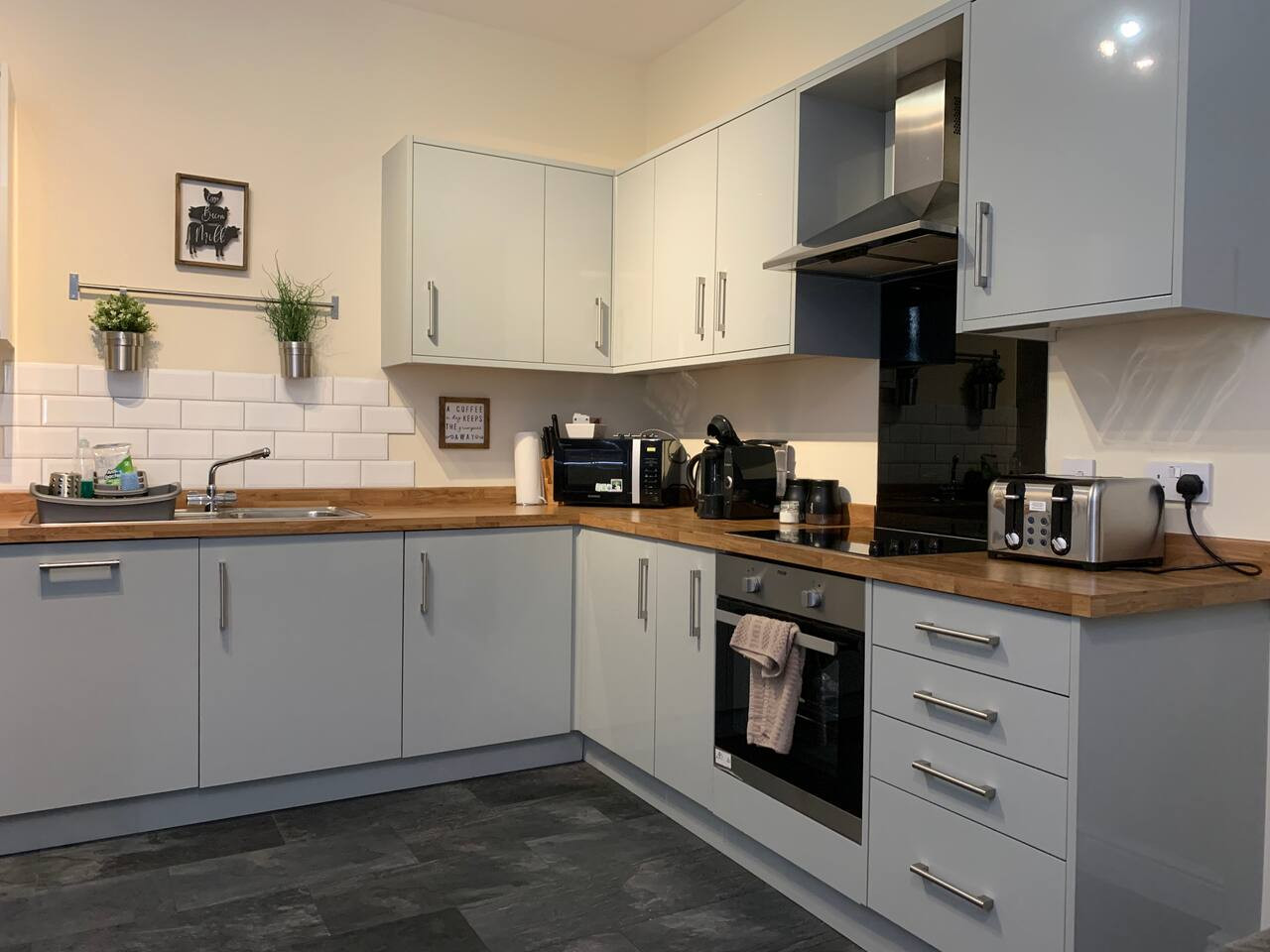
Leek
The Moorlands Suite - 1 Bed Apartment
- Sleeps 4
- 1 bedroom
Leek
Amy's House: 20mins Alton Towers
- Sleeps 6
- 2 bedrooms
For homeowners
Own a holiday home near Grindleford?
We manage holiday lets across the Peak District from 12% commission, charged after cleaning costs, with no lock-in. A co-founder visits before you decide.
Holiday let management in the Peak District →
A guide with a point of view
Written from research. Edited for real journeys.
Use the Official site links for live practical details, then use this guide for context, ideas and room to explore.
Sources
Every place on this page is checked against a published source. Each entry links the record we used and names who publishes it.
- Grindleford Station Cafe — grindlefordstationcafe.co.uk operator, sector body or destination organisation
- The Maynard — the-maynard.com operator, sector body or destination organisation
- The Sir William Hotel — grindleford.com other published source
- St Helen's Church — achurchnearyou.com national body or asset manager
- Padley Chapel — hallam-diocese.com other published source
- Grindleford and Padley Gorge Circular — nationaltrust.org.uk national body or asset manager
- Longshaw Estate — nationaltrust.org.uk national body or asset manager
- Bishop Pavilion and Bridge Playing Fields — grindlefordplayingfields.org operator, sector body or destination organisation