
Rails, rides and Eyre history
Hassop
A tiny White Peak hamlet with a restored station about 1.3 miles away and centuries of Eyre history close by.
- Best for
- Traffic-free walking and cycling from Hassop Station
- Give it
- A relaxed half-day around the station, trail and village
- Don't miss
- All Saints' Greek-temple form and Baroque altar
The Fox verdict
A small hamlet with an unusually useful station
Hassop pairs an award-winning café and cycle-hire base about 1.3 miles from the hamlet with traffic-free trail miles, a historic pub and a rare Catholic church.
Begin at the restored 1863 station for food, books or bikes, then choose the flat former railway towards Headstone Viaduct. Back in Hassop, All Saints carries the Eyre family's Catholic history while the Old Eyre Arms keeps Derbyshire produce on the table.
Where to go
Places in Hassop
Every place below is checked against a published source, listed with what it is and how long to give it.
Local signatures
3 placesHassop Station Café, Bookshop & Gift Shop
An award-winning café with an independent bookshop and gift shop in the restored station, serving freshly prepared food with vegetarian, vegan and gluten-free choice.
- Visit length
- Editorial estimate: allow around 45 minutes
- Locality
- Hassop Station, southwest of Hassop
Monsal Trail Cycle Hire at Hassop Station
A large hire fleet includes adult and junior bikes, baby seats, trailers and e-bikes, with servicing and repairs at the station trail base.
- Visit length
- Editorial estimate: allow around 30 minutes to arrange hire
- Locality
- Hassop Station, southwest of Hassop
Headstone Viaduct
An iconic railway viaduct along the Monsal Trail.
- Visit length
- Editorial estimate: allow around 2 hours
- Locality
- Headstone Viaduct, west of Hassop
Food & drink
1 placeThe Old Eyre Arms
A traditional country pub that began as a 1632 farmstead and was a public house by 1753, with Derbyshire produce and local specialities on the menu.
- Visit length
- Editorial estimate: allow around 75 minutes
- Locality
- on the B6001 at Hassop
Walks & outdoors
1 placeMonsal Trail
An 8.5-mile former-railway route through limestone dales and lit tunnels, open to walkers, cyclists, riders and wheelchair users.
- Visit length
- Editorial estimate: allow around 90 minutes for a short outing
- Locality
- Hassop Station trailhead, southwest of Hassop
- Access
- Traffic-free former-railway route for walkers, cyclists, riders and wheelchair users, with lit former tunnels.
History & heritage
1 placeChurch of All Saints
Joseph Ireland's rare 1816–17 Catholic church has a sandstone neoclassical exterior, Tuscan Doric portico and a Baroque altar and reredos described by Pevsner as “rather wild.”
- Visit length
- Editorial estimate: allow around 30 minutes
- Locality
- Hassop
No places match this filter. Choose All places to reset the list.
Three ways to explore Hassop
Signature outings
Walk or ride the Monsal Trail
Set out from Hassop Station on the 8.5-mile traffic-free former railway through limestone dales and lit tunnels.
Find Hassop's Greek temple
Study All Saints' sandstone neoclassical form and Tuscan Doric portico before turning to its rare Catholic history.
Settle in at the Old Eyre Arms
Choose a pub meal built around Derbyshire produce in a former farmstead dating from 1632.
The village story
Hassop: the station that found a second life
A restored railway building, a family-ready trail, Eyre history and a rare Catholic church give this tiny hamlet more layers than its size suggests.
The station's second life
Hassop Station stopped taking passengers in 1964, which is normally the end of the story for a village railway. Here the 1863 station building was restored instead, and now it holds an award-winning café, an independent bookshop and a gift shop, with the platform opening straight onto the Monsal Trail. On Friday and Saturday evenings, and through the school holidays, a pizza truck fires up outside and makes wood-fired pizzas by hand. The café runs breakfast through to dinner, sources locally where it can, and keeps proper vegetarian, vegan and gluten-free options rather than a token line at the bottom of the menu. It's open nine to five most days, later at weekends.
For trail outings, Hassop Station is the starting point, about 1.3 miles from the hamlet in a straight line. There's a children's play area, a large cycle-hire fleet — adult and junior bikes, baby seats, trailers, e-bikes, plus servicing and repairs — and the Monsal Trail itself, 8.5 miles of flat, traffic-free former railway through limestone dales and lit tunnels. Headstone Viaduct is about 2.7 miles from Hassop in a straight line; the trail journey is longer. It is, without much argument, a good week's base for a family with small children.
Derbyshire at the Old Eyre Arms
The village pub is the Old Eyre Arms, out on the B6001. It began as a farmstead in 1632 and had become a public house by 1753, taking its name from the Eyre family of Hassop Hall. The kitchen leans hard into Derbyshire produce: rabbit pie, venison, chicken Hartington stuffed with Stilton, Derbyshire oatcake wraps, roast topside for Sunday lunch, and a homemade Bakewell pudding to finish. There's also braised beef cheek suet pudding, duck with savoy cabbage and dauphine potatoes, and potted mackerel with celeriac remoulade. It rates 4.2 on Tripadvisor and sits 25th of 78 restaurants around Bakewell; reviewers call the food far superior to other pubs in the area, and a little pricey. Both things are usually true at once.
A Greek temple in sandstone
The church is the surprise. All Saints is Roman Catholic, Grade I listed, built in 1816–17 by Joseph Ireland for Francis Eyre, and it has the appearance of a Greek temple — sandstone, a Tuscan Doric portico, modelled in spirit on Inigo Jones's St Paul's in Covent Garden. Pevsner describes the Baroque altar and reredos as "rather wild." Few of Ireland's Catholic churches survive, which makes this one worth the look inside.
The Eyres and Hassop Hall
The Eyres arrived in 1498 and stayed, recusant Catholics through the centuries when that was a difficult thing to be. They garrisoned Hassop Hall for the king in the Civil War, and after the Parliamentarians won, Rowland Eyre had to pay £21,000 to get the sequestered estate back. The Hall, Grade II* listed, was a hotel from 1975 until 2019 and is now a private house again.
Lead mines and Highland cattle
Hassop grew up around lead mines with names like The Brightside, Backdale, Harry Bruce, Waterhole and Whitecoe, worked until the mid-nineteenth century. The mines are long gone. What you'll actually meet on the Baslow circular is the Highland cattle grazing Hassop Common — walkers are advised to keep their distance, and the cattle seem content to let them.
Stay around Peak District
Make a longer stay of it
Travel Fox holiday homes around Peak District, linked directly to their property pages.
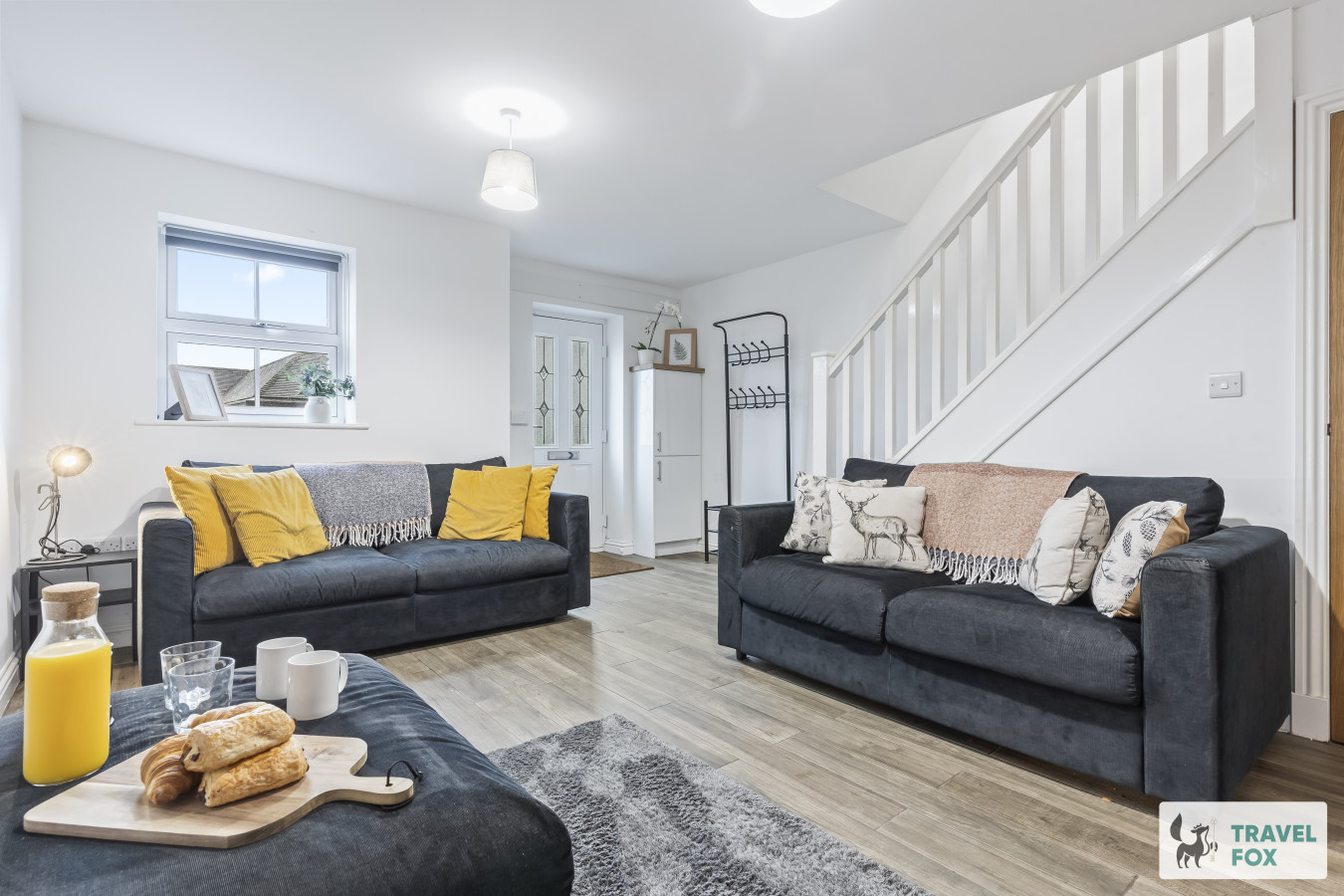
Leek
Lisa's House Leek: 20mins Alton Towers
- Sleeps 6
- 2 bedrooms
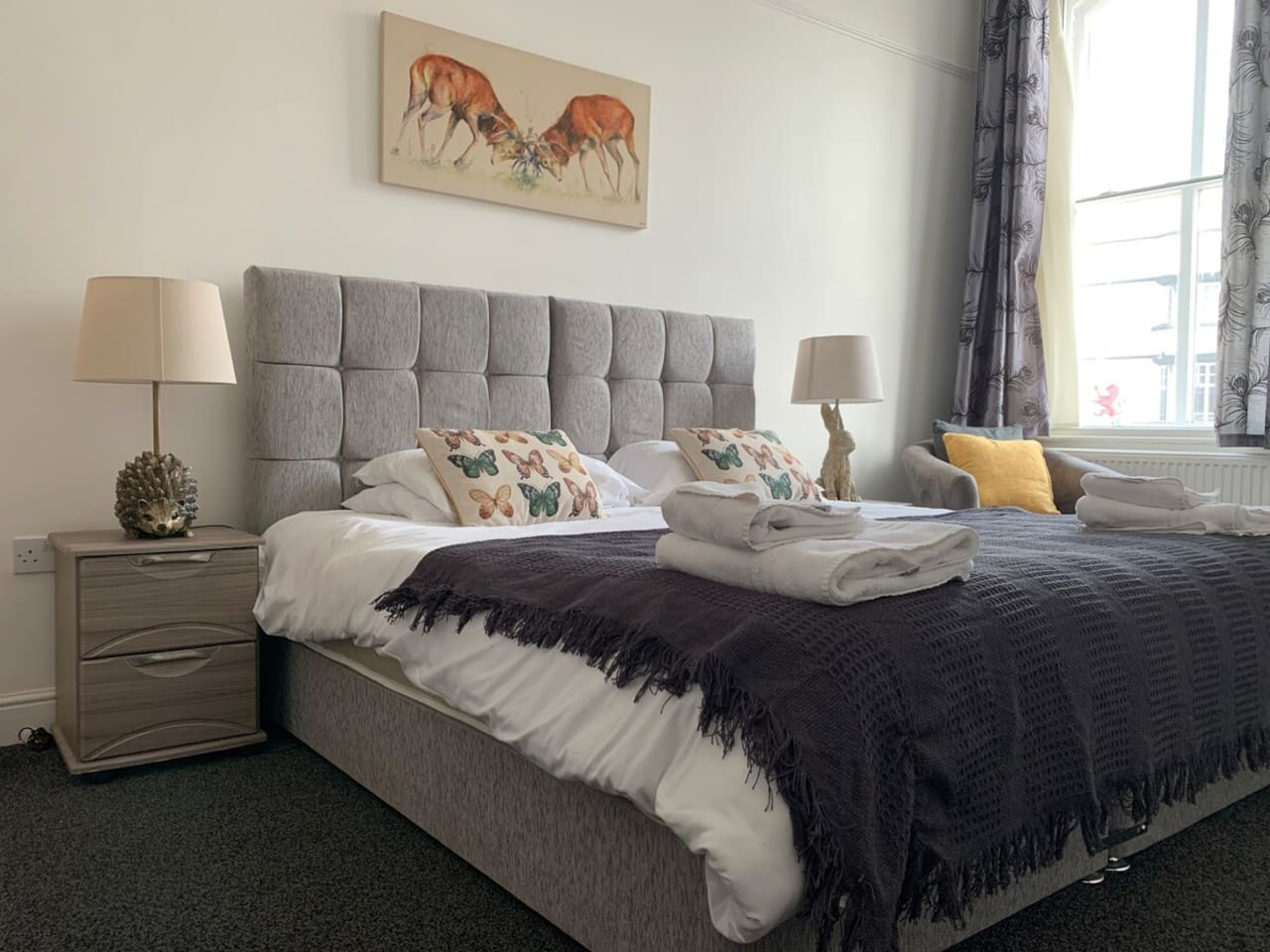
Leek
The Rudyard Suite - Large 1 Bed Apartment
- Sleeps 5
- 1 bedroom
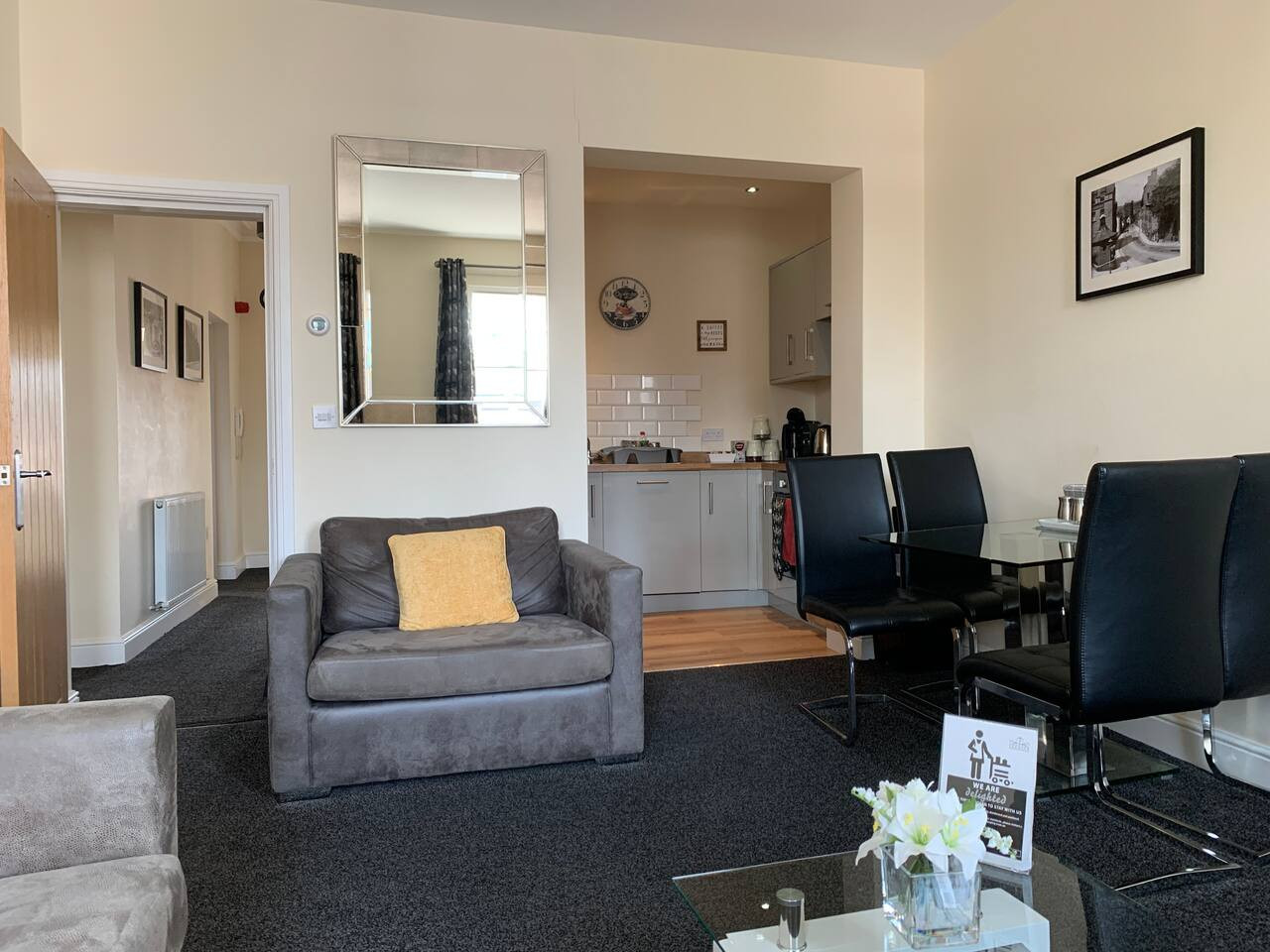
Leek
The Roaches Suite - Large 2 Bedroom Apartment
- Sleeps 7
- 2 bedrooms
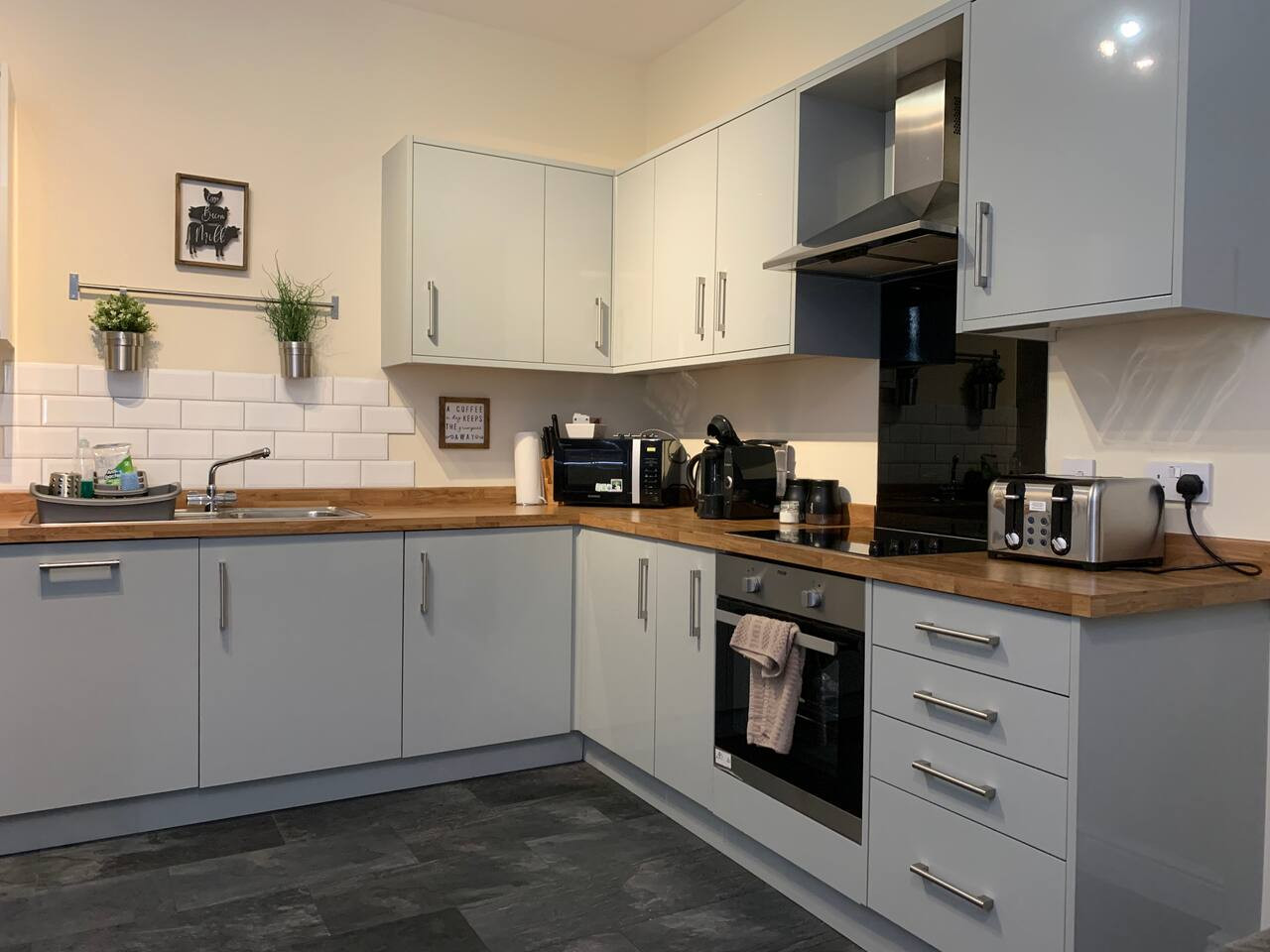
Leek
The Moorlands Suite - 1 Bed Apartment
- Sleeps 4
- 1 bedroom
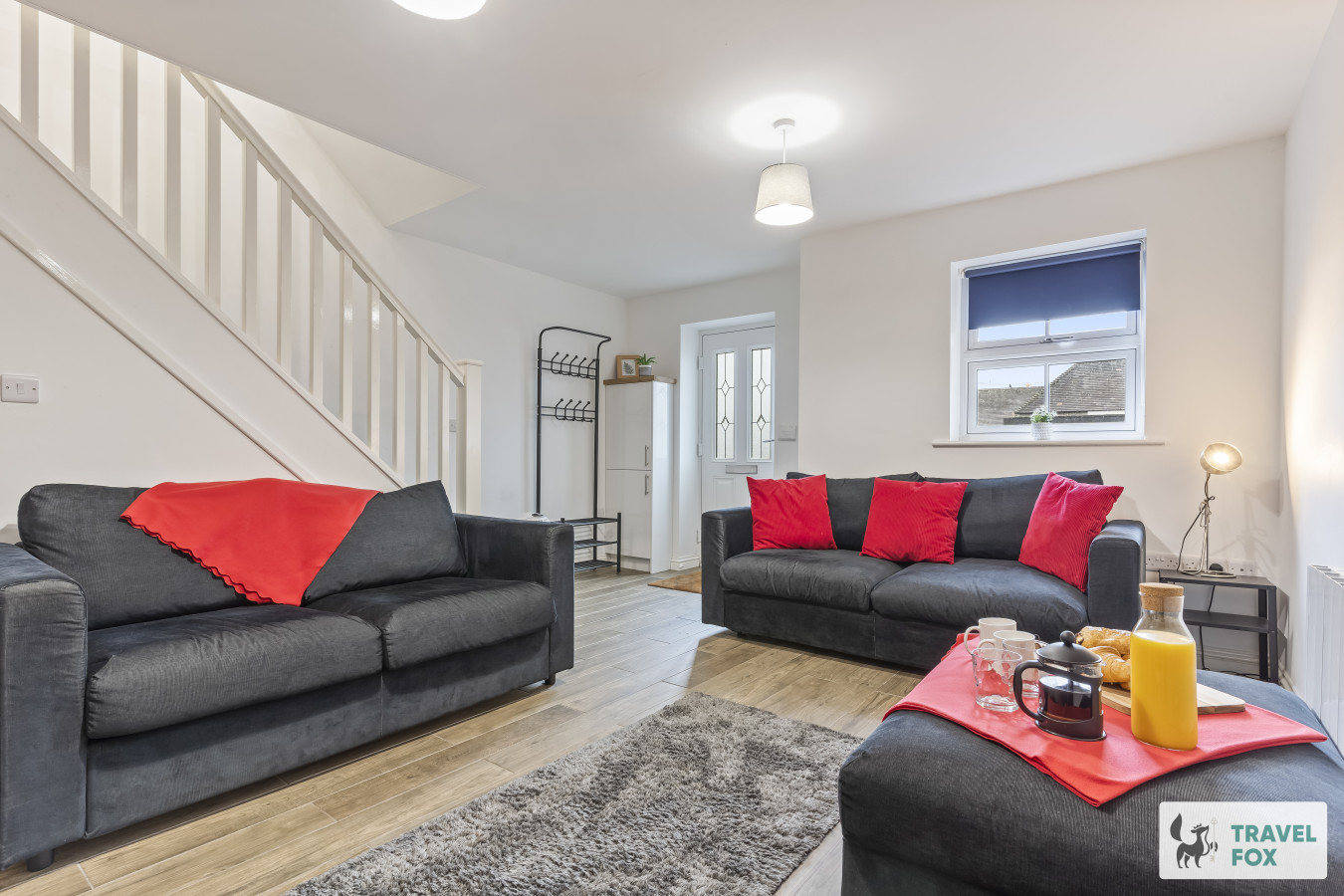
Leek
Amy's House: 20mins Alton Towers
- Sleeps 6
- 2 bedrooms
For homeowners
Own a holiday home near Hassop?
We manage holiday lets across the Peak District from 12% commission, charged after cleaning costs, with no lock-in. A co-founder visits before you decide.
Holiday let management in the Peak District →
A guide with a point of view
Written from research. Edited for real journeys.
Use the Official site links for live practical details, then use this guide for context, ideas and room to explore.
Sources
Every place on this page is checked against a published source. Each entry links the record we used and names who publishes it.
- Hassop Station Café, Bookshop & Gift Shop — hassopstation.co.uk operator, sector body or destination organisation
- Monsal Trail Cycle Hire at Hassop Station — hassopstation.co.uk operator, sector body or destination organisation
- The Old Eyre Arms — oldeyrearms.co.uk operator, sector body or destination organisation
- Church of All Saints — historicengland.org.uk statutory register or public authority record not machine-readable; publisher restricts automated access
- Monsal Trail — peakdistrict.gov.uk statutory register or public authority record not machine-readable; publisher restricts automated access
- Headstone Viaduct — peakdistrict.gov.uk statutory register or public authority record not machine-readable; publisher restricts automated access