
Upper Dove quiet
Hollinsclough
A small conservation village beneath Chrome Hill and Parkhouse Hill, with a living Methodist chapel, a weekend tearoom and a popular starting point for the Dragon's Back.
- Best for
- Walking, chapel history and a tearoom stop
- Give it
- About 2.5 hours for the Dragon's Back alone
- Don't miss
- Chrome Hill and Parkhouse Hill
The Fox verdict
A tiny village with a dramatic walking horizon
Come for the Dragon's Back, then give Hollinsclough's chapel, tearoom and packhorse history their share of the day.
Hollinsclough is a small crossroads of cottages and farmhouses in open moorland, dominated by the limestone summits of Chrome Hill and Parkhouse Hill. Its public life is modest but distinctive: Bethel Chapel remains open, its hall contains the village's only refreshment spot, and an early-eighteenth-century packhorse bridge survives nearby.
Where to go
Places in Hollinsclough
Every place below is checked against a published source, listed with what it is and how long to give it.
Local signatures
3 placesChapel Tearoom
The village's only refreshment spot serves afternoon tea and coffee cake in the Methodist chapel hall.
- Visit length
- Editorial estimate: allow around 45 minutes
- Locality
- Bethel Chapel hall
- Access
- The tearoom occupies the Methodist chapel hall.
Chrome Hill and Parkhouse Hill Dragon's Back
A roughly 4.5-mile circular with about 389 metres of ascent over two pyramid-shaped limestone reef knolls said to resemble a sleeping dragon.
- Visit length
- Editorial estimate: Allow about 2.5 hours
- Locality
- from Hollinsclough
- Access
- The walk involves rocky scrambling and can be slippery.
Ye Olde Cheshire Cheese Inn
A Robinsons Brewery village inn with origins said to reach back to a cheese store of 1464, real ales and a reputation for good food.
- Visit length
- Editorial estimate: allow around 75 minutes
- Locality
- Longnor
History & heritage
2 placesBethel Chapel
Built in 1801 by local pedlar and tinker John Lomas, the Grade II chapel is the only chapel still open in the former Wetton and Longnor Methodist Circuit.
- Visit length
- Editorial estimate: allow around 30 minutes
- Locality
- Hollinsclough
Washgate Packhorse Bridge
A well-preserved early-eighteenth-century bridge over the River Dove on an ancient packhorse route from Longnor into the Goyt Valley.
- Visit length
- Editorial estimate: allow around 20 minutes
- Locality
- Hartington Upper Quarter side
No places match this filter. Choose All places to reset the list.
Three ways to explore Hollinsclough
Signature outings
Follow the Dragon's Back
Take the roughly 4.5-mile circular over Chrome Hill and Parkhouse Hill, allowing about two and a half hours for the rocky, sometimes slippery route.
Find the packhorse bridge
See the early-eighteenth-century Washgate crossing on the old packhorse route from Longnor into the Goyt Valley.
Meet John Lomas's chapel
Visit the 1801 Bethel Chapel built by the pedlar and tinker who carried local silk to the Macclesfield mills.
The village story
Silk, stone and a sleeping dragon
John Lomas's chapel opens a village story of silk, tea, reef knolls, packhorse routes and spare public life.
The chapel and the tearoom
Bethel Chapel sits near the middle of Hollinsclough, a Methodist chapel built in 1801 by John Lomas, a pedlar and tinker who carried local silk over the moors to the mills at Macclesfield. One winter's night in 1783 his wife persuaded him to hear a Mr Costerdine preach; he was converted, moved to the village in 1785, and put the chapel up as a monument to his faith. It is still the only chapel open in the old Wetton and Longnor circuit, and it marked its bicentenary at Easter 2001.
The chapel hall doubles as the village tearoom. The Chapel Tearoom opens weekends and bank holidays for afternoon tea and coffee cake — a local calls it "our lovely tearoom" — and it is the only place in the village for a cup of tea. For anything else you go to Longnor, about 2 miles away in a straight line and farther by road, with its weekly market and Victorian market hall from 1873.
No pub, but a Dragon's Back
There is no pub in Hollinsclough. Ye Olde Cheshire Cheese Inn is in Longnor, about 2 miles away in a straight line and farther by road. The Robinsons house traces its origins to a cheese store of 1464, when cheese made at Reapsmoor and Glutton was carried up to Buxton; it still has a reputation for good food. The Crewe & Harpur Arms, a former coaching inn on the London–Buxton road, is now a self-catering house that sleeps thirty-four rather than a pub you can walk into.
Hollinsclough itself is a crossroads of cottages and farmhouses on the upper River Dove, near where the Dove and the Manifold rise on the eastern edge of Axe Edge Moor; the Dove marks the Staffordshire–Derbyshire boundary here. What dominates is the pair of limestone summits to the north: Chrome Hill and Parkhouse Hill, two pyramid-shaped reef knolls left over from a tropical coral reef, said to resemble a sleeping dragon. The circular over both — the Dragon's Back — is about 4.5 miles and 389 metres of ascent from the village, roughly two and a half hours, with rocky scrambling that turns slippery in the wet. It is a Site of Special Scientific Interest, and a common place to start. The Washgate packhorse bridge carries an early-eighteenth-century route over the Dove into the Goyt Valley.
St Agnes and a thinning hill village
The Church of St Agnes is the grandest listed building in the parish, Grade II*. Sir George Crewe built it in 1840 by converting a barn into a church and a school; worship stopped in 1966, and after decades as a residential field centre it was auctioned in 2023 and is being restored as a home.
There is no Domesday entry for the place; it first surfaces in the records in the 1390s, as "Howelsclough." The silk weaving is long gone, and the population has thinned the way hill-farming villages do: 112 names on a list of 1769, 149 residents at the 2021 census.
Arriving by car, pausing by the chapel
Most visitors arrive by car: Buxton is the nearest station, and there is no regular village bus service. The primary school closed in 2015 and reopened as an academy, and remains one of the smallest in the country.
By the old chapel there is a small green with a bench. That is about the size of the village's public life, and enough for it.
Stay around Peak District
Make a longer stay of it
Travel Fox holiday homes around Peak District, linked directly to their property pages.
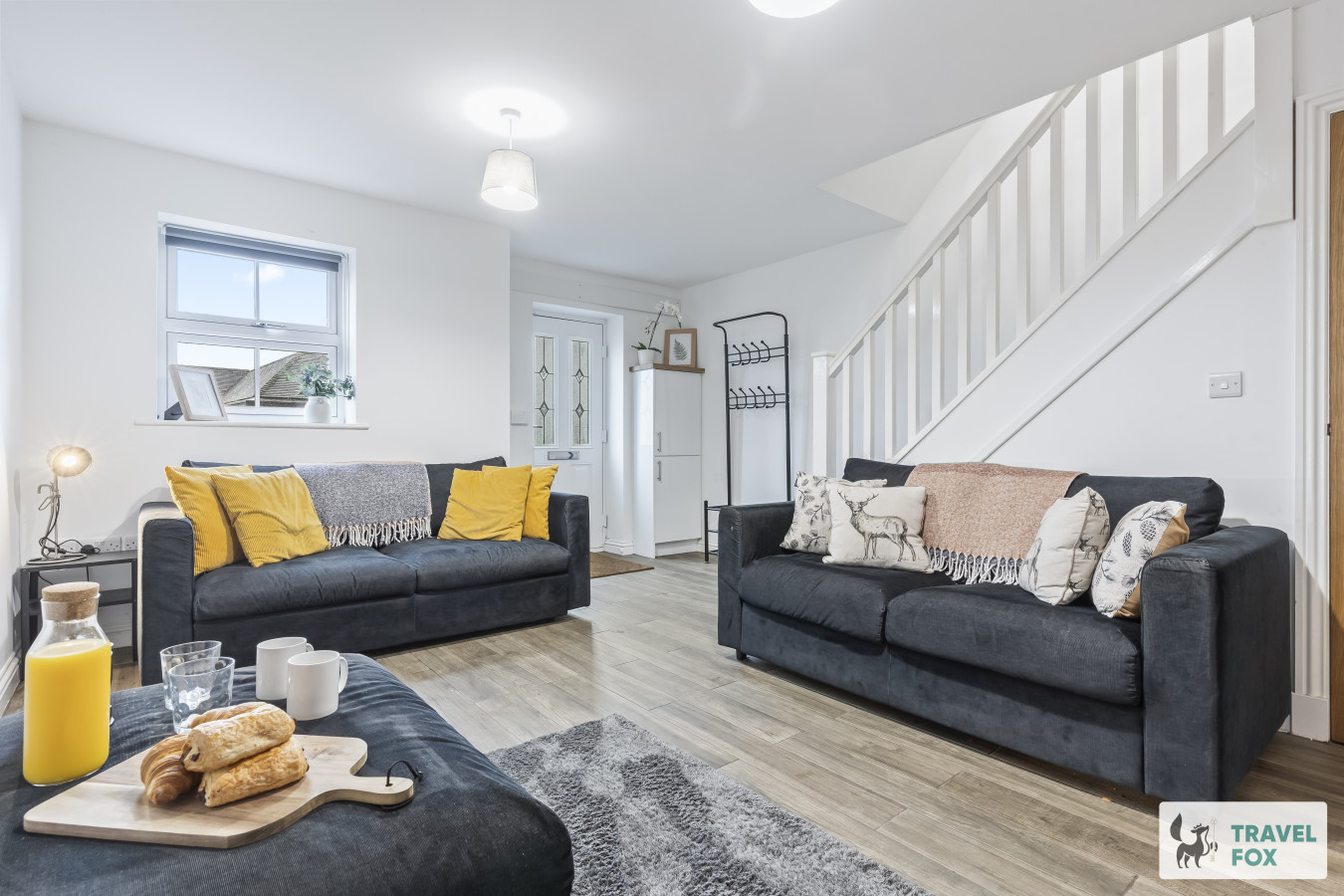
Leek
Lisa's House Leek: 20mins Alton Towers
- Sleeps 6
- 2 bedrooms
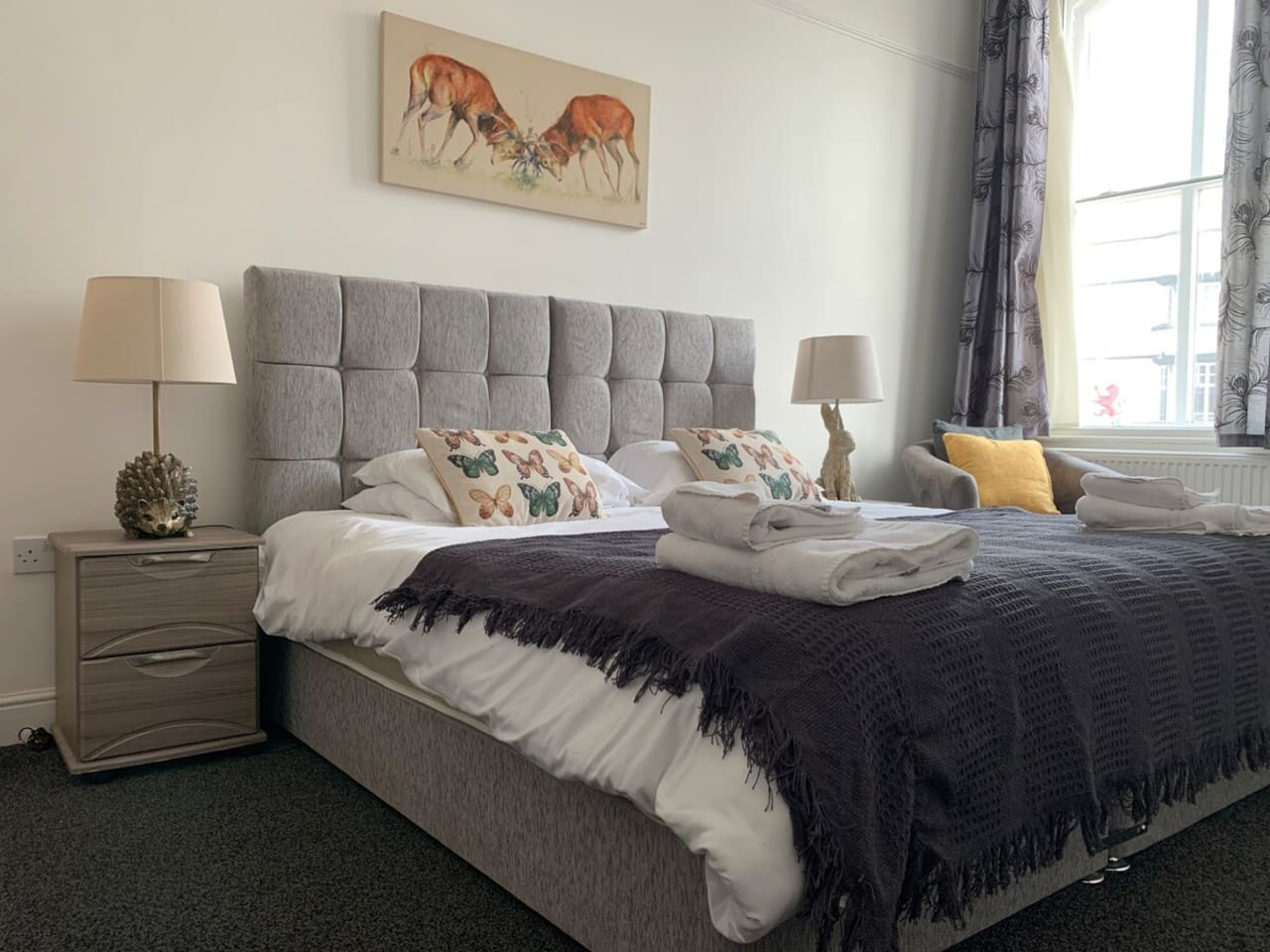
Leek
The Rudyard Suite - Large 1 Bed Apartment
- Sleeps 5
- 1 bedroom
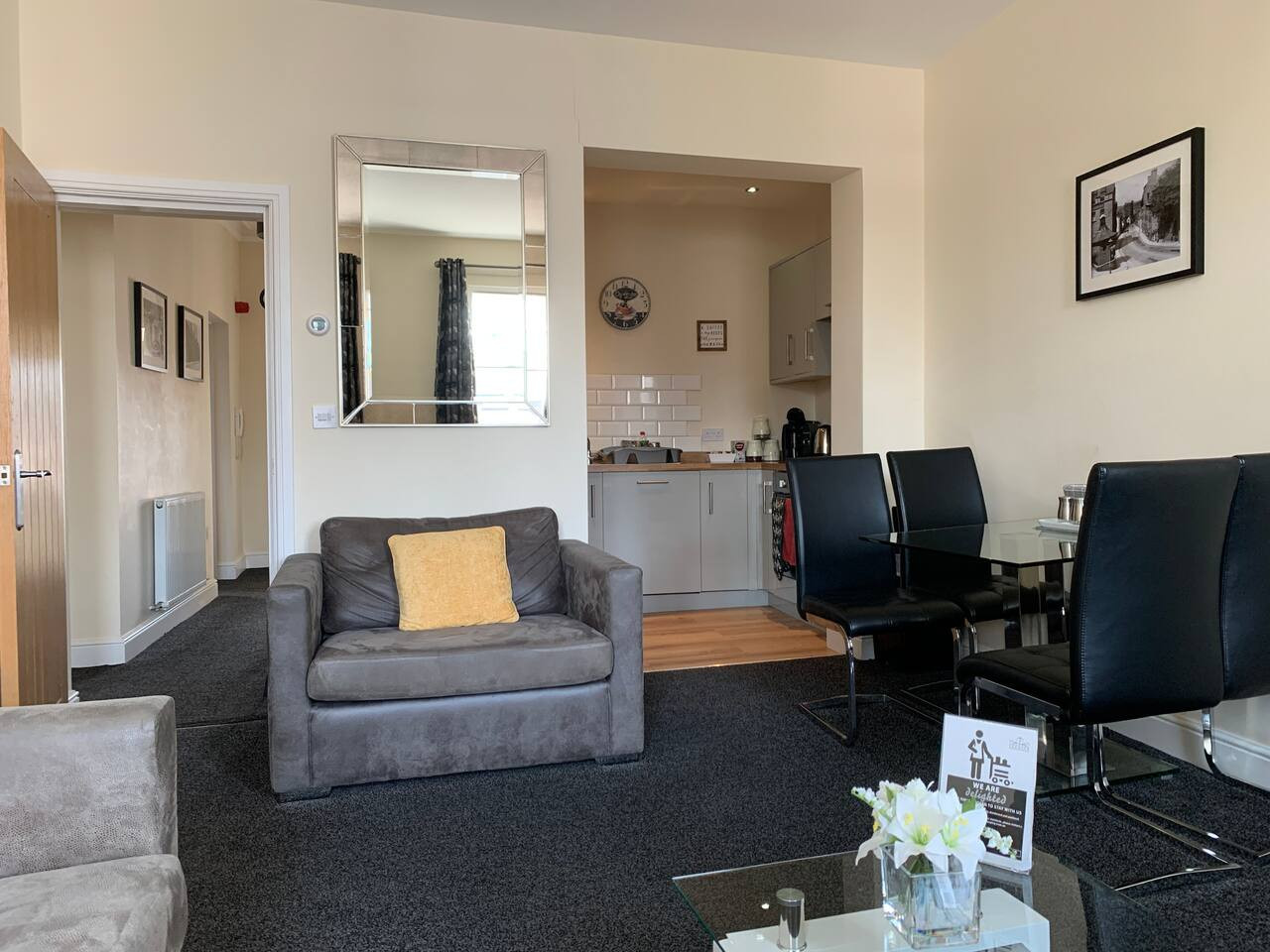
Leek
The Roaches Suite - Large 2 Bedroom Apartment
- Sleeps 7
- 2 bedrooms
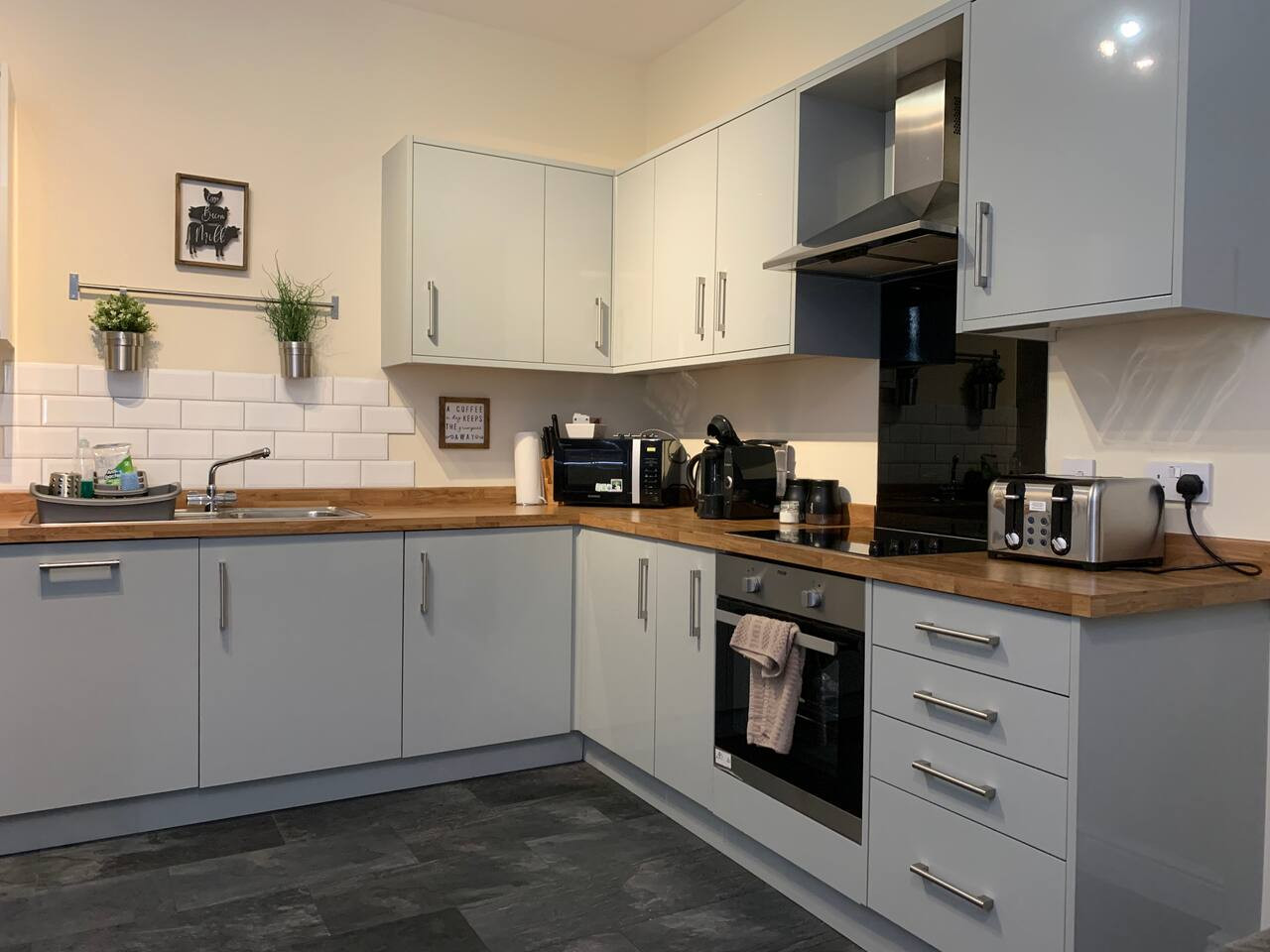
Leek
The Moorlands Suite - 1 Bed Apartment
- Sleeps 4
- 1 bedroom
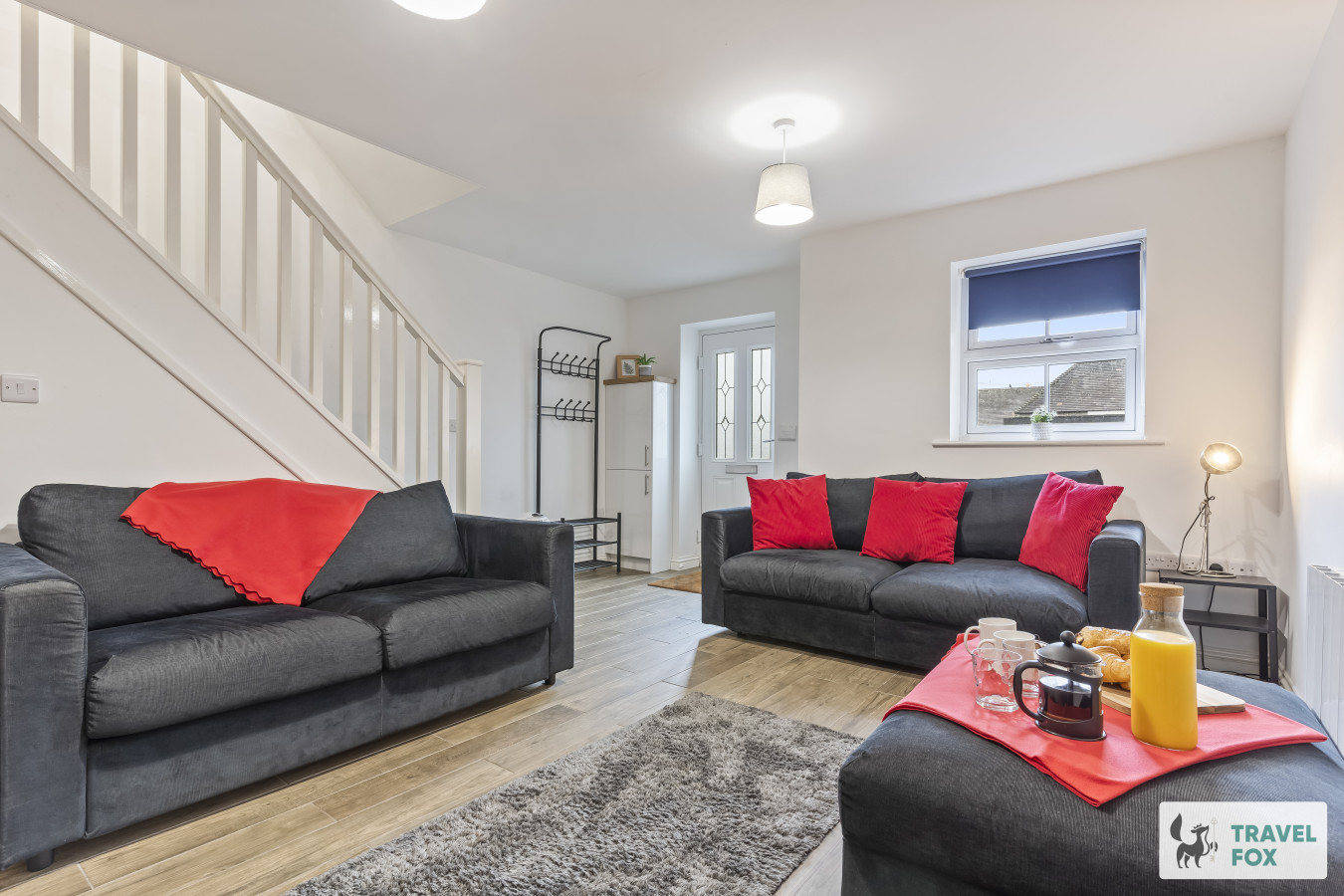
Leek
Amy's House: 20mins Alton Towers
- Sleeps 6
- 2 bedrooms
For homeowners
Own a holiday home near Hollinsclough?
We manage holiday lets across the Peak District from 12% commission, charged after cleaning costs, with no lock-in. A co-founder visits before you decide.
Holiday let management in the Peak District →
A guide with a point of view
Written from research. Edited for real journeys.
Use the Official site links for live practical details, then use this guide for context, ideas and room to explore.
Sources
Every place on this page is checked against a published source. Each entry links the record we used and names who publishes it.
- Bethel Chapel — historicengland.org.uk statutory register or public authority record not machine-readable; publisher restricts automated access
- Chapel Tearoom — historicengland.org.uk statutory register or public authority record not machine-readable; publisher restricts automated access
- Chrome Hill and Parkhouse Hill Dragon's Back — peakdistrict.gov.uk statutory register or public authority record not machine-readable; publisher restricts automated access
- Washgate Packhorse Bridge — historicengland.org.uk statutory register or public authority record not machine-readable; publisher restricts automated access
- Ye Olde Cheshire Cheese Inn — portal.peakdistrict.gov.uk statutory register or public authority