
Ridges, fires and old stories
Hope
A Hope Valley base for demanding walks, traditional inns and a history recorded long before Domesday.
- Best for
- Ridge walks, village pubs and long local history
- Give it
- A village visit or a full Great Ridge day
- Don't miss
- St Peter's Norman font and Anglo-Saxon cross-shaft
The Fox verdict
A walking base with unusually deep roots
Hope pairs Great Ridge access with village pubs, a Grade I church and traditions that fill the village calendar.
Lose Hill, Win Hill and the Great Ridge rise around a village where Peakshole Water meets the River Noe. Back in Hope, the Cheshire Cheese recalls the old salt route, the Old Hall occupies a Grade II listed building, and St Peter's holds a 12th-century font bowl and a pulpit dated 1652.
Where to go
Places in Hope
Every place below is checked against a published source, listed with what it is and how long to give it.
Local signatures
3 placesChurch of St Peter
A Grade I church with a 12th-century font bowl, a pulpit dated 1652 and a rare painted hymn board dated 1806.
- Visit length
- Editorial estimate: allow around 45 minutes
- Locality
- Hope
Castleton, Mam Tor and the Great Ridge Walk
From Castleton, the walk climbs Mam Tor and follows the Great Ridge over Back Tor to Lose Hill Pike, with views across the Edale and Hope valleys. The longer option returns through Hope.
- Visit length
- Editorial estimate: allow around 4½ hours for the longer route
- Locality
- Starts in Castleton; longer option passes through Hope
Hope Show
A major agricultural show with sheepdog trials, horses, cattle, sheep, gundogs, vintage vehicles, horticulture and crafts.
- Visit length
- Editorial estimate: allow around 3 hours
- Locality
- Hope
- Access
- A recurring August Bank Holiday event rather than a year-round attraction.
Food & drink
2 placesThe Cheshire Cheese Inn
A 16th-century dining pub on Edale Road whose name recalls salt carriers lodging here and paying in cheese.
- Visit length
- Editorial estimate: allow around 75 minutes
- Locality
- Edale Road, Hope
- Access
- Dogs are welcome in the pub and restaurant, but not in the overnight accommodation.
The Old Hall Hotel
A Grade II listed hotel on Castleton Road. Historic England dates the listed building to the late 18th century.
- Visit length
- Editorial estimate: allow around 75 minutes
- Locality
- In the heart of the village
Walks & outdoors
2 placesHope Cross Walk
This circular climbs from Hope station towards Hope Brink, reaches the medieval marker at Hope Cross and returns through the valley, with views towards Lose Hill and Kinder Scout.
- Visit length
- Editorial estimate: allow around 3 hours
- Locality
- From Hope station to Hope Cross
Peak Cavern
One of the four named show caverns at Castleton, about 1.6 miles from Hope in a straight line.
- Visit length
- Editorial estimate: allow around 75 minutes
- Locality
- Castleton
History & heritage
1 placePeveril Castle
A hilltop castle above Castleton, reached by an uphill path from the village, with views over Cave Dale and Peak Cavern Gorge.
- Visit length
- Editorial estimate: allow around 90 minutes
- Locality
- Castleton
No places match this filter. Choose All places to reset the list.
Three ways to explore Hope
Signature outings
Find the old cheese hooks
Look for the original cheese hooks in the inn's lower room, a surviving detail of its salt-carrier story.
Read the cross-shaft carvings
Beside St Peter's, look for interlace and paired figures on the 11th-century cross-shaft.
Discover the rope-makers' cavern
At Peak Cavern, a guided visit tells the story of rope-makers who supplied Castleton's lead miners; their former workplace was inside the great entrance chamber.
The village story
Hope: Between the Great Ridge and the River Noe
The Cheshire Cheese's salt-route story, a Great Ridge walk via Hope and carved history at St Peter's.
Inns and old routes
The Cheshire Cheese Inn stands on Edale Road at the foot of Lose Hill. The inn says its name recalls Cheshire salt carriers who stopped here overnight and paid for lodging in cheese. Look in the lower room for the old cheese hooks. Today it offers real ale, home-cooked food and rooms for walkers.
The Woodroffe Arms is a village local on Castleton Road, with outdoor seating, a welcome for dogs and walkers, and cask beers from nearby breweries.
The Old Hall and the Great Ridge
The Old Hall Hotel sits in Hope's Market Place, with a pub, rooms and Granny May's tea rooms. Historic England lists the hotel at Grade II and dates the listed building to the late 18th century.
The published Great Ridge circuit starts in Castleton. It climbs Mam Tor, follows the ridge by Hollins Cross and Back Tor to Lose Hill Pike, then returns to Castleton. The 6½-mile walk can be extended to eight miles by continuing through Hope and following the riverside route back. The ridge gives views across the Edale and Hope valleys.
Valley landmarks and St Peter's
In the valley below the ridges, Peakshole Water meets the River Noe at Hope, with Win Hill and Lose Hill rising to the north.
The Church of St Peter is Grade I listed. Inside are a 12th-century font bowl, a pulpit dated 1652 and a painted hymn board dated 1806. Just south of the church stands an 11th-century cross-shaft carved with Saxon interlace and paired figures.
A thousand years of Hope
Hope appears in the Domesday Book with a priest and a church. Its recorded annual value was £10 6s in 1086, compared with £30 in 1066.
Arriving for local traditions
Hope Show brings sheepdog trials, horses, livestock and vintage vehicles to the village on August Bank Holiday Monday. Hope also maintains a well-dressing tradition.
Stay around Peak District
Make a longer stay of it
Travel Fox holiday homes around Peak District, linked directly to their property pages.
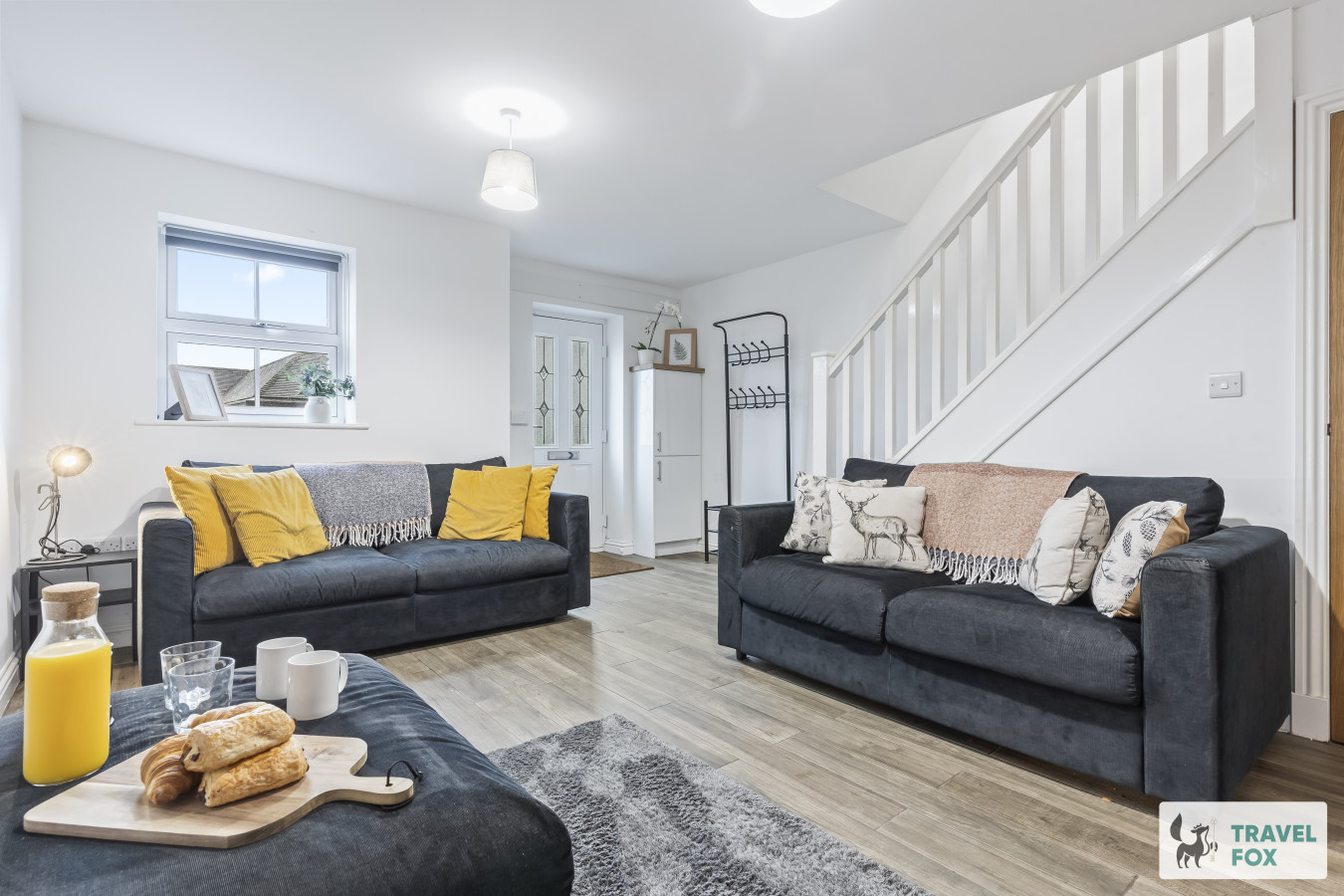
Leek
Lisa's House Leek: 20mins Alton Towers
- Sleeps 6
- 2 bedrooms
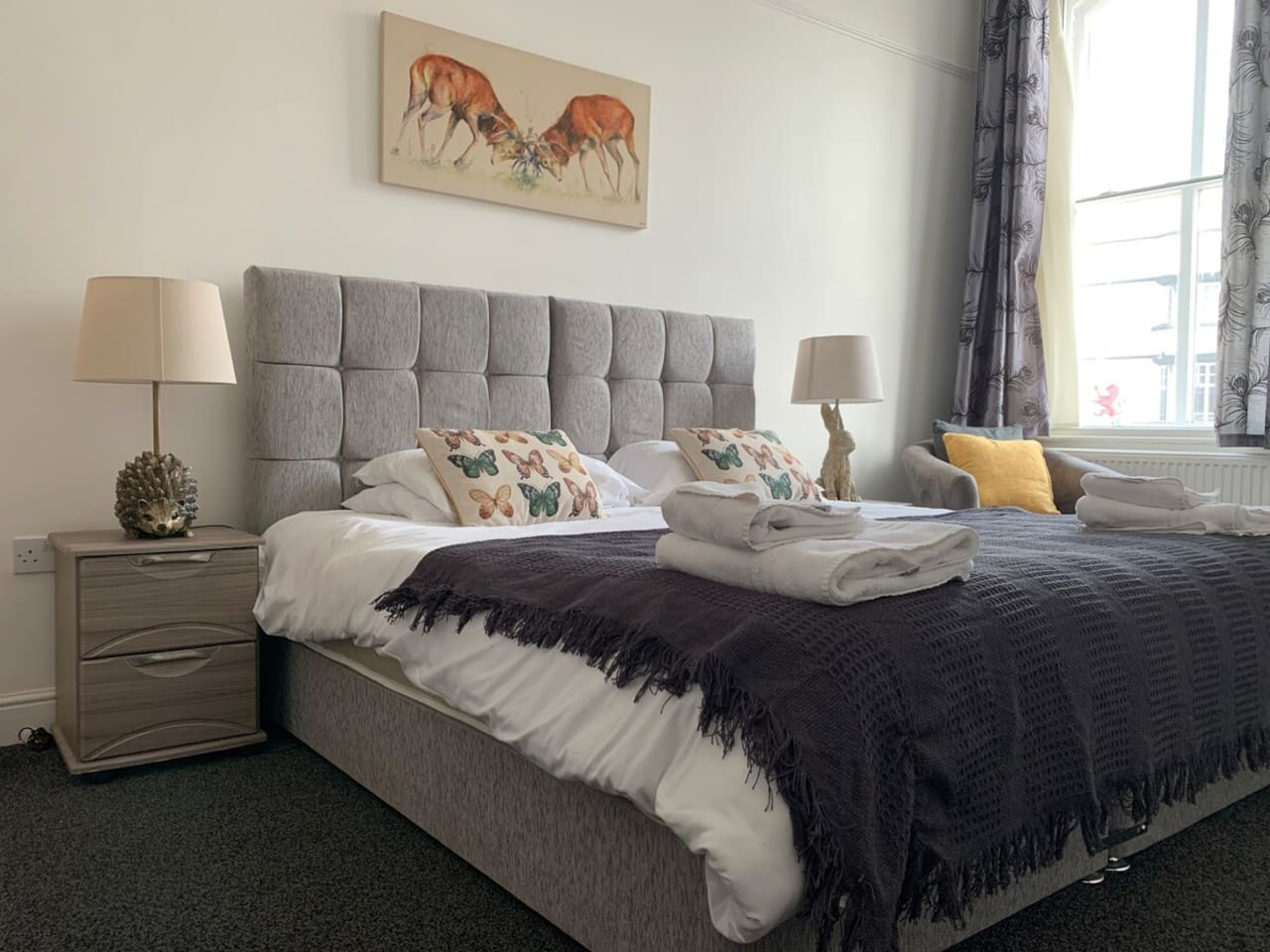
Leek
The Rudyard Suite - Large 1 Bed Apartment
- Sleeps 5
- 1 bedroom
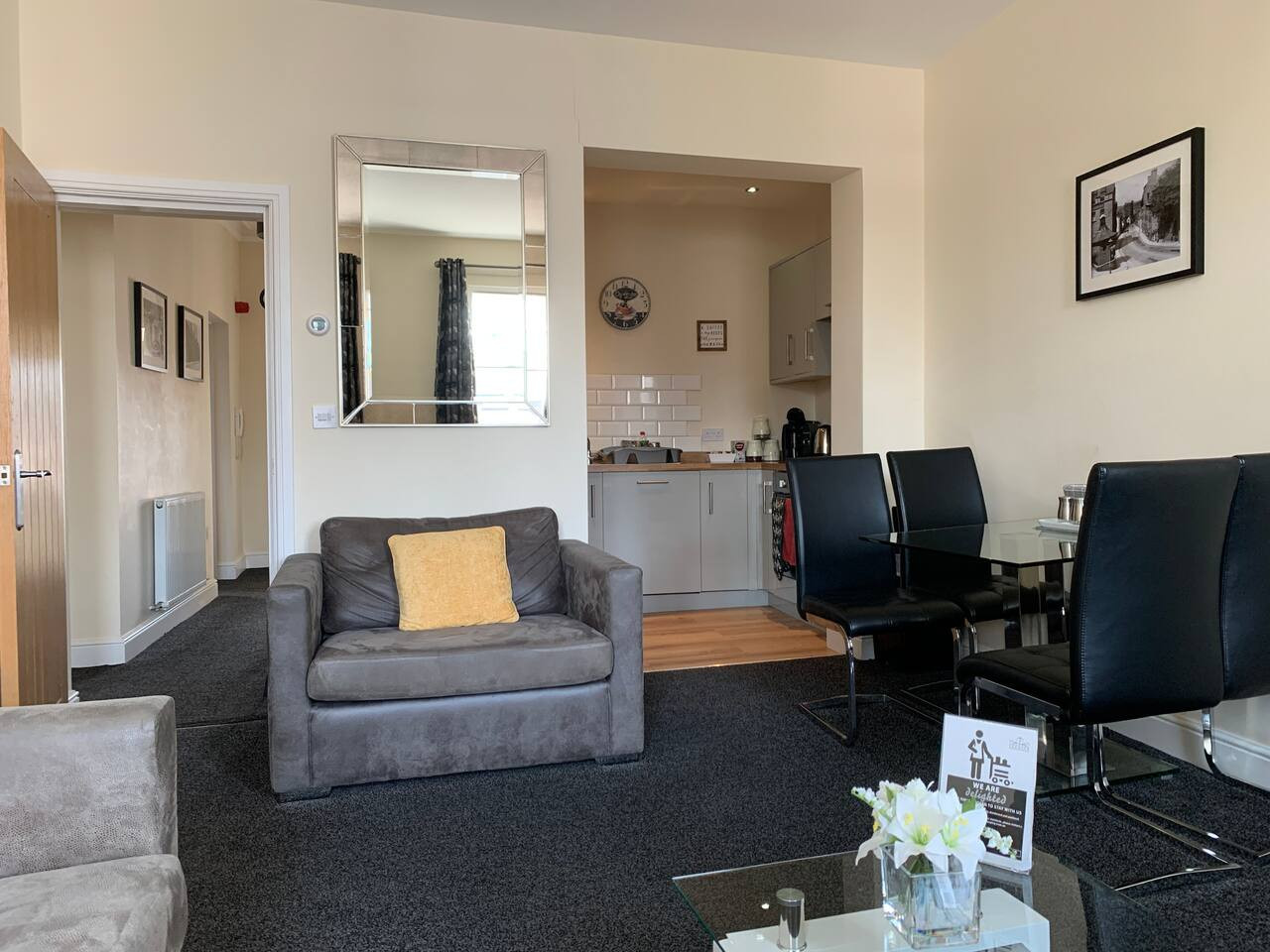
Leek
The Roaches Suite - Large 2 Bedroom Apartment
- Sleeps 7
- 2 bedrooms
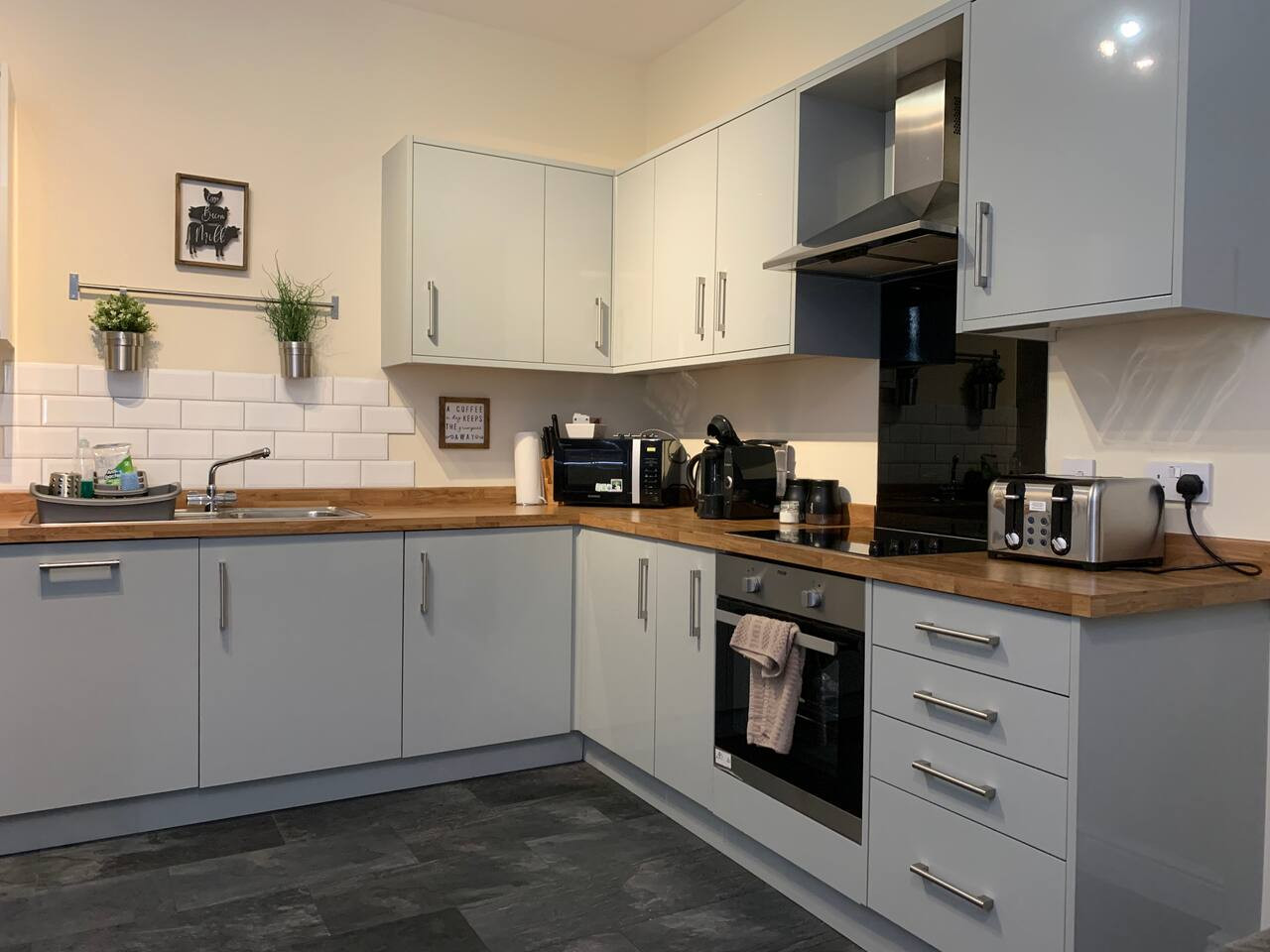
Leek
The Moorlands Suite - 1 Bed Apartment
- Sleeps 4
- 1 bedroom
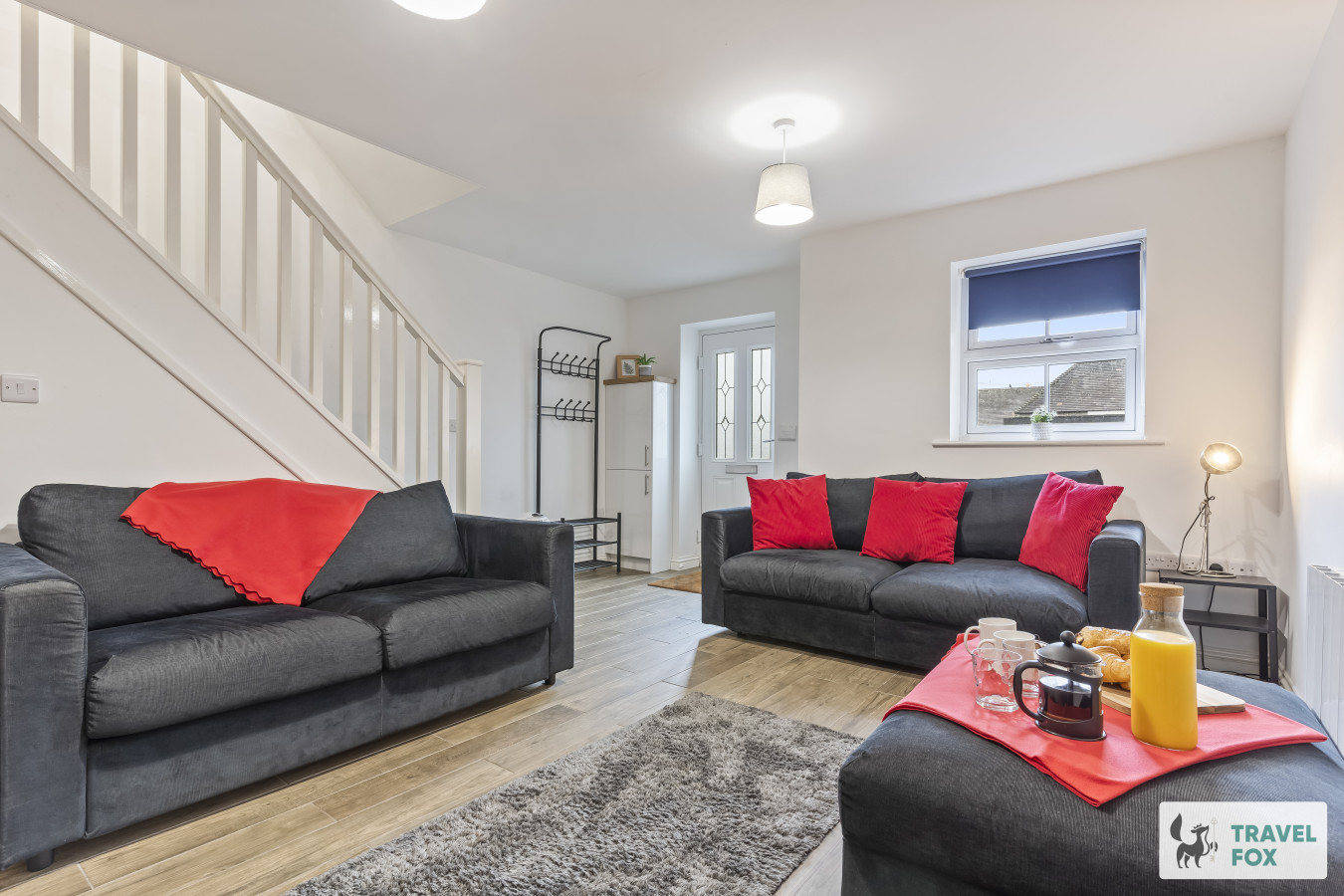
Leek
Amy's House: 20mins Alton Towers
- Sleeps 6
- 2 bedrooms
For homeowners
Own a holiday home near Hope?
We manage holiday lets across the Peak District from 12% commission, charged after cleaning costs, with no lock-in. A co-founder visits before you decide.
Holiday let management in the Peak District →
A guide with a point of view
Written from research. Edited for real journeys.
Use the Official site links for live practical details, then use this guide for context, ideas and room to explore.
Sources
Every place on this page is checked against a published source. Each entry links the record we used and names who publishes it.
- The Cheshire Cheese Inn — thecheshirecheeseinn.co.uk operator, sector body or destination organisation
- The Old Hall Hotel — oldhallhotelhope.co.uk other published source
- Church of St Peter — historicengland.org.uk statutory register or public authority record not machine-readable; publisher restricts automated access
- Castleton, Mam Tor and the Great Ridge Walk — visitpeakdistrict.com operator, sector body or destination organisation
- Hope Cross Walk — letsgopeakdistrict.co.uk operator, sector body or destination organisation
- Hope Show — hopeshow.co.uk operator, sector body or destination organisation
- Peak Cavern — peakcavern.co.uk operator, sector body or destination organisation
- Peveril Castle — english-heritage.org.uk national body or asset manager