
Alpine character, river country
Ilam
A Staffordshire hamlet of Swiss-chalet lines, a historic church and walks beside the Manifold and Dove.
- Best for
- Riverside walking and village history
- Give it
- Allow around an hour for the one-way Dovedale walk
- Don't miss
- St Bertram's shrine and the Norman font
The Fox verdict
A small village with a remarkable setting
Come for Ilam Park and the river walks; stay for the Alpine cottages, Holy Cross and the story of the Watts-Russell estate.
Ilam brings together National Trust parkland, a Grade I church and a 2.4 km trail from Ilam Park to the Dovedale Stepping Stones. The village has no traditional pub, but the Manifold Tea-Room, a nearby hotel and country pubs provide places to pause.
Where to go
Places in Ilam
Every place below is checked against a published source, listed with what it is and how long to give it.
Local signatures
3 placesIlam Park
National Trust parkland with riverside meadows, open parkland, short pushchair-friendly loops and a formal Italian Garden.
- Visit length
- Editorial estimate: allow around 1 hour
- Locality
- on both banks of the Manifold
The Izaak Walton Hotel
A converted 17th-century country house with the Haddon Restaurant and a casual bar and lounge serving food to non-residents.
- Visit length
- Editorial estimate: allow around 1.5 hours
- Locality
- between Ilam and Thorpe
- Access
- The Dovedale Bar welcomes non-residents. Dogs are permitted only in its rear section, through the first door on the right from the courtyard.
The George, Alstonefield
A village-green pub in a Grade II listed former farmhouse, serving beer and pub food.
- Visit length
- Editorial estimate: allow around 1.5 hours
- Locality
- Alstonefield village green
Food & drink
1 placeManifold Tea-Room
A National Trust tea room serving homemade cakes and a lunch menu, with indoor and outdoor seating overlooking the Italian Garden.
- Visit length
- Editorial estimate: allow around 45 minutes
- Locality
- Ilam Park
Walks & outdoors
1 placeIlam Park to Dovedale Stepping Stones Walk
A 2.4 km moderate trail from Ilam Park through the village, fields and slopes to the Dovedale Stepping Stones. It joins the River Dove near the end.
- Visit length
- Editorial estimate: allow around 1 hour one way
- Locality
- Ilam Park to Dovedale Stepping Stones
History & heritage
2 placesChurch of the Holy Cross
A church of Anglo-Saxon origins with a Norman carved font, two weathered churchyard crosses and the shrine of St Bertram in its 1618 chapel.
- Visit length
- Editorial estimate: allow around 45 minutes
- Locality
- Ilam
Mary Watts-Russell Memorial Cross
A Gothic obelisk of local limestone modelled on an Eleanor Cross and restored in 2011.
- Visit length
- Editorial estimate: allow around 20 minutes
- Locality
- at the village entrance
No places match this filter. Choose All places to reset the list.
Three ways to explore Ilam
Signature outings
A Norman font and a pilgrim shrine
Inside Holy Cross, look for the twelfth-century font's carved figures and beasts, then St Bertram's medieval shrine in the 1618 chapel.
The trail to the stepping stones
The National Trust trail crosses Ilam village and grazing fields before descending to the Dove. Expect steps and potentially muddy slopes; keep dogs on leads near livestock and in Dovedale National Nature Reserve.
Tea above the Italian Garden
The Manifold Tea-Room pairs homemade cakes and lunch with seating overlooking the Italian Garden, Thorpe Cloud and Ilam church.
The village story
Ilam: Alpine Cottages and Dovedale Walks
An Alpine-looking Staffordshire village shaped by the Watts-Russell estate and the rivers that frame it.
An Alpine village without a pub
You arrive at Ilam past a small roundabout with a Gothic obelisk on it. This is the Mary Watts-Russell Memorial Cross, a spire of local limestone modelled on an Eleanor Cross and restored in 2011. Beyond it the cottages begin, and they are not the cottages you expect. They have steep gables and Swiss-chalet lines: Jesse Watts-Russell reshaped the village in Alpine style after his father bought the estate for him in 1809. He also provided a school for the village. The result is a Staffordshire hamlet doing an impression of Switzerland.
Ilam has no traditional village pub, but there are places for a drink and a meal at the nearby hotel and country pubs.
Country-house and village-green dining
The closest is the Izaak Walton Hotel, a 17th-century country house between Ilam and Thorpe, named after the angler who fished the Dove in the mid-17th century. Its Haddon Restaurant looks over Dovedale, while the Dovedale Bar welcomes non-residents for food and drink. Dogs are permitted only in the rear of the bar, reached through the first door on the right from the courtyard. The hotel sits below Bunster Hill, near the trail to the stepping stones.
About three miles away on Alstonefield's village green, The George is once again a pub, serving beer and pub food.
Tea, parkland and river walks
For daytime there is the Manifold Tea-Room in Ilam Park, run by the National Trust, doing homemade cakes and a lunch menu with seating that looks over the formal Italian Garden to Thorpe Cloud and the church. A Trust shop sits alongside.
The National Trust's moderate trail from Ilam Park to the Dovedale Stepping Stones runs 2.4 km one way. It crosses Ilam village, fields and the lower slopes of Bunster Hill before joining the River Dove; the Trust suggests about 40 minutes. Its much longer circular walk to Wetton passes the Boil Holes, where the Manifold and Hamps reappear after flowing underground.
Holy Cross and the surviving hall
Holy Cross is Grade I listed and has fabric dating back to the eleventh century. Its twelfth-century font is carved with figures and beasts, though their identities are interpreted differently. In the chapel added in 1618 stands the medieval shrine of St Bertram, whose story tells of a hermit grieving for his wife and child; pilgrims once came to his shrine.
Ilam Hall was partly demolished in the 1930s. Sir Robert McDougall donated the surviving building to the National Trust in 1934, and it now houses a youth hostel.
The park by the Manifold
The Manifold runs through Ilam Park, where the Italian Garden and remnants of the old hall sit among the parkland. Along Paradise Walk, look for the Boil Holes, where water from the Manifold and Hamps resurfaces.
Stay around Peak District
Make a longer stay of it
Travel Fox holiday homes around Peak District, linked directly to their property pages.
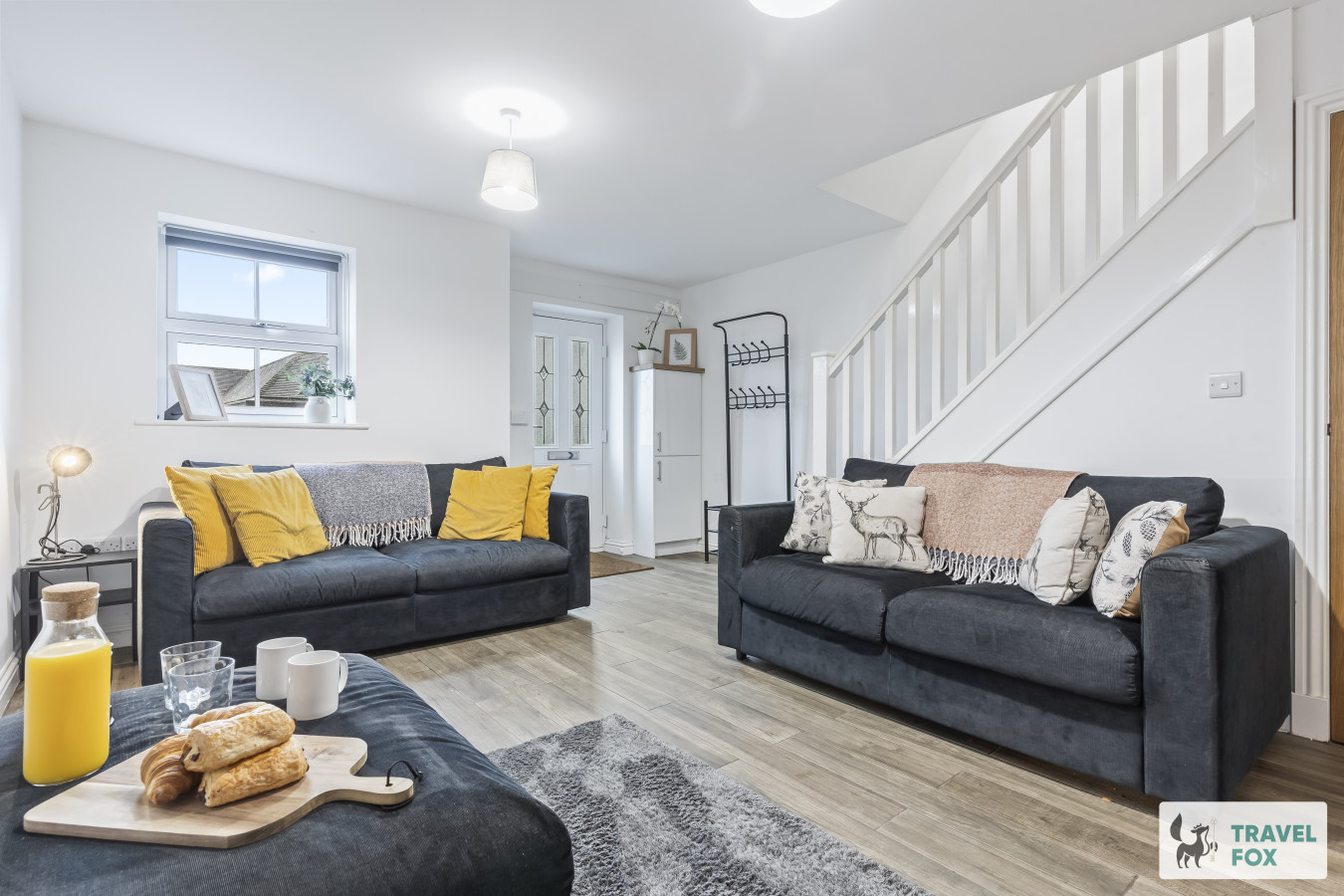
Leek
Lisa's House Leek: 20mins Alton Towers
- Sleeps 6
- 2 bedrooms
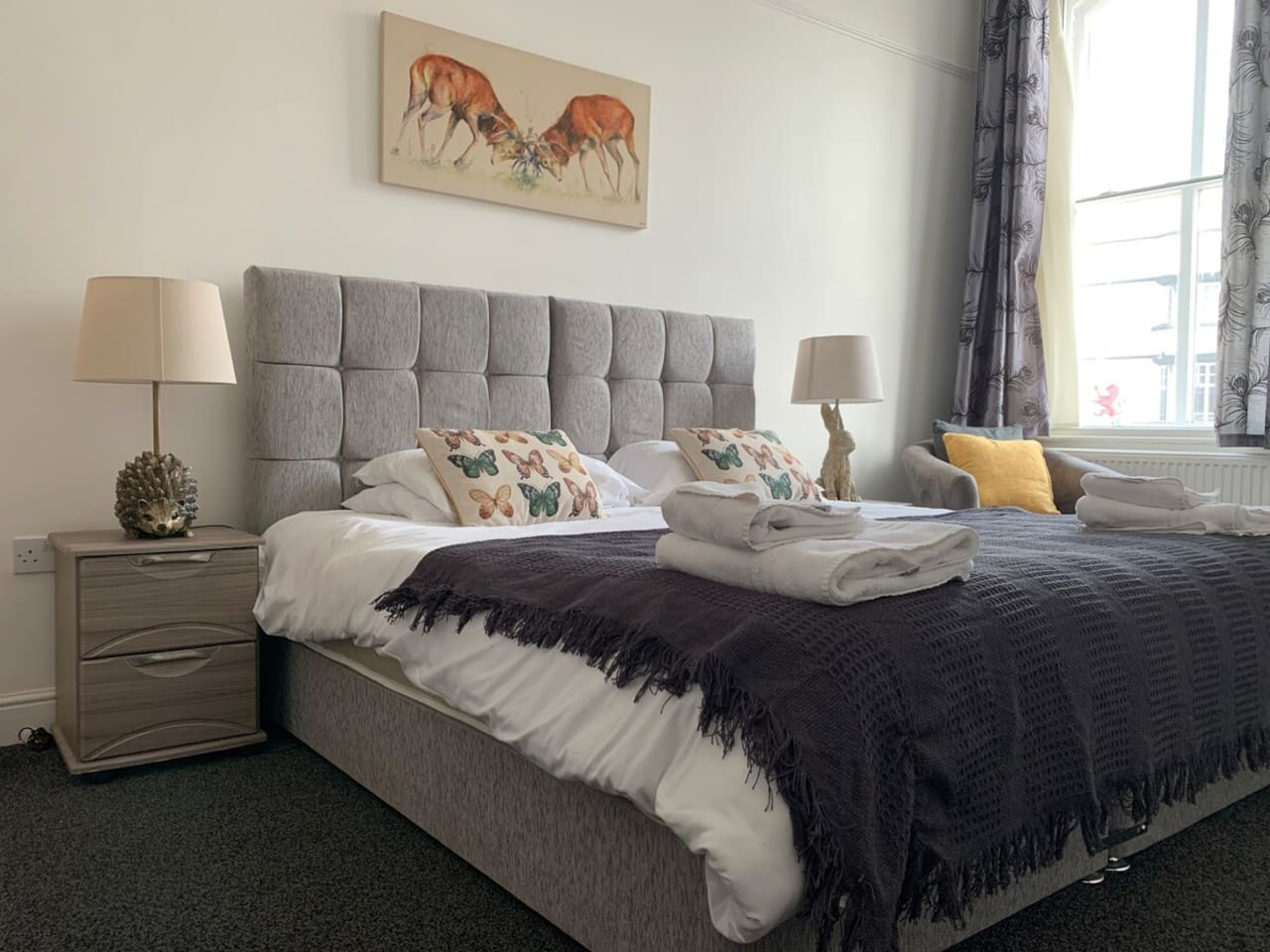
Leek
The Rudyard Suite - Large 1 Bed Apartment
- Sleeps 5
- 1 bedroom
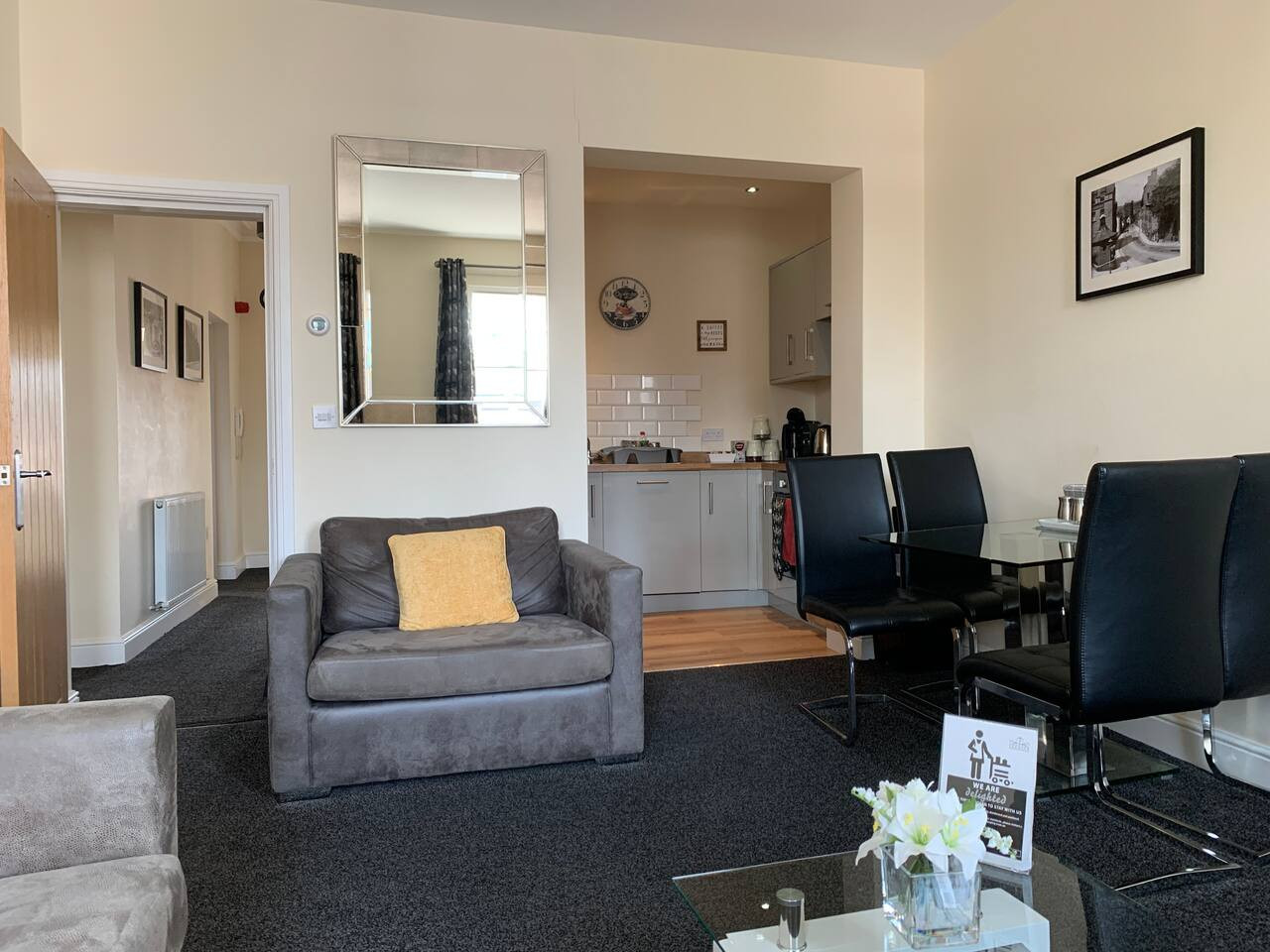
Leek
The Roaches Suite - Large 2 Bedroom Apartment
- Sleeps 7
- 2 bedrooms
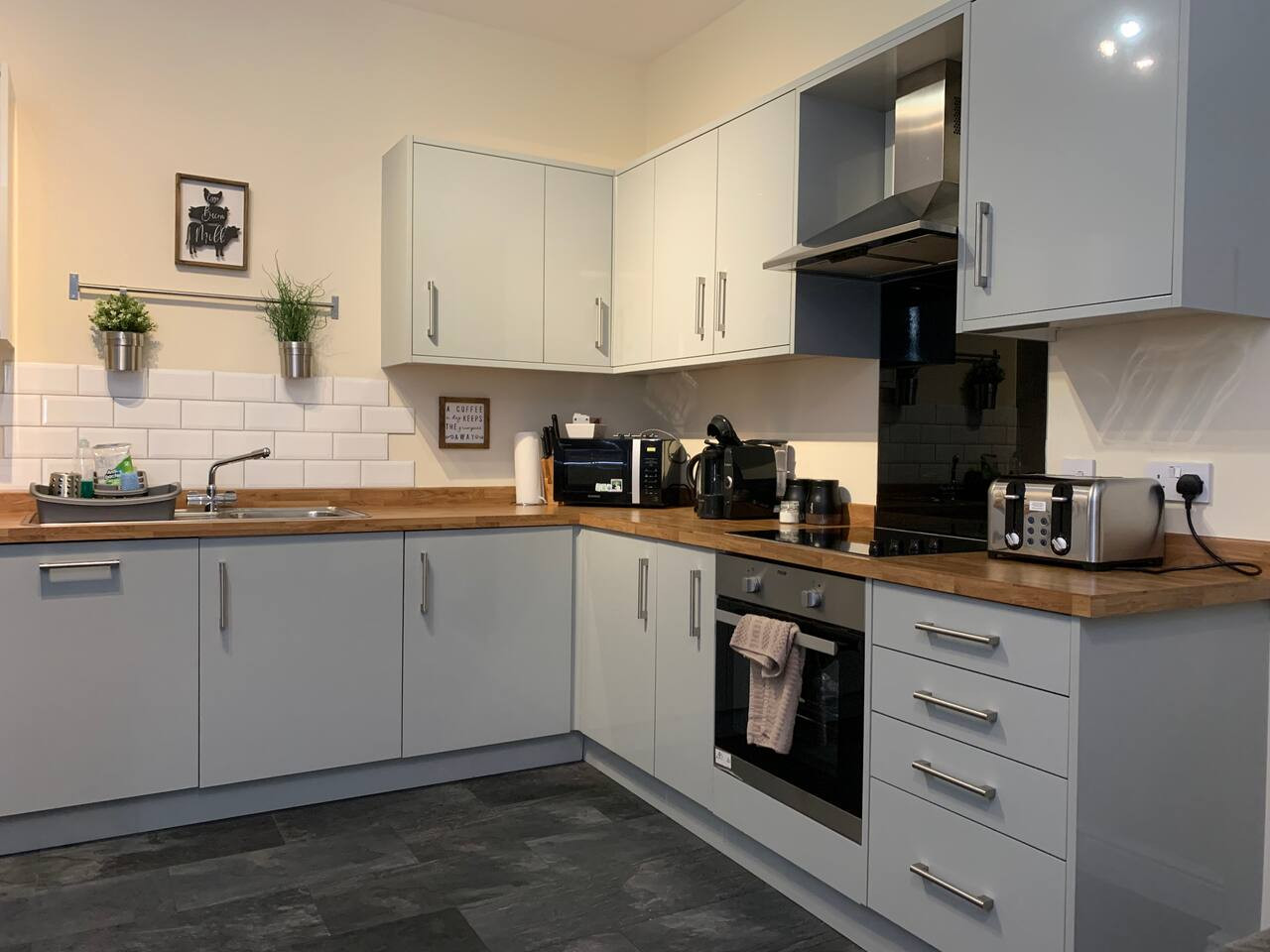
Leek
The Moorlands Suite - 1 Bed Apartment
- Sleeps 4
- 1 bedroom
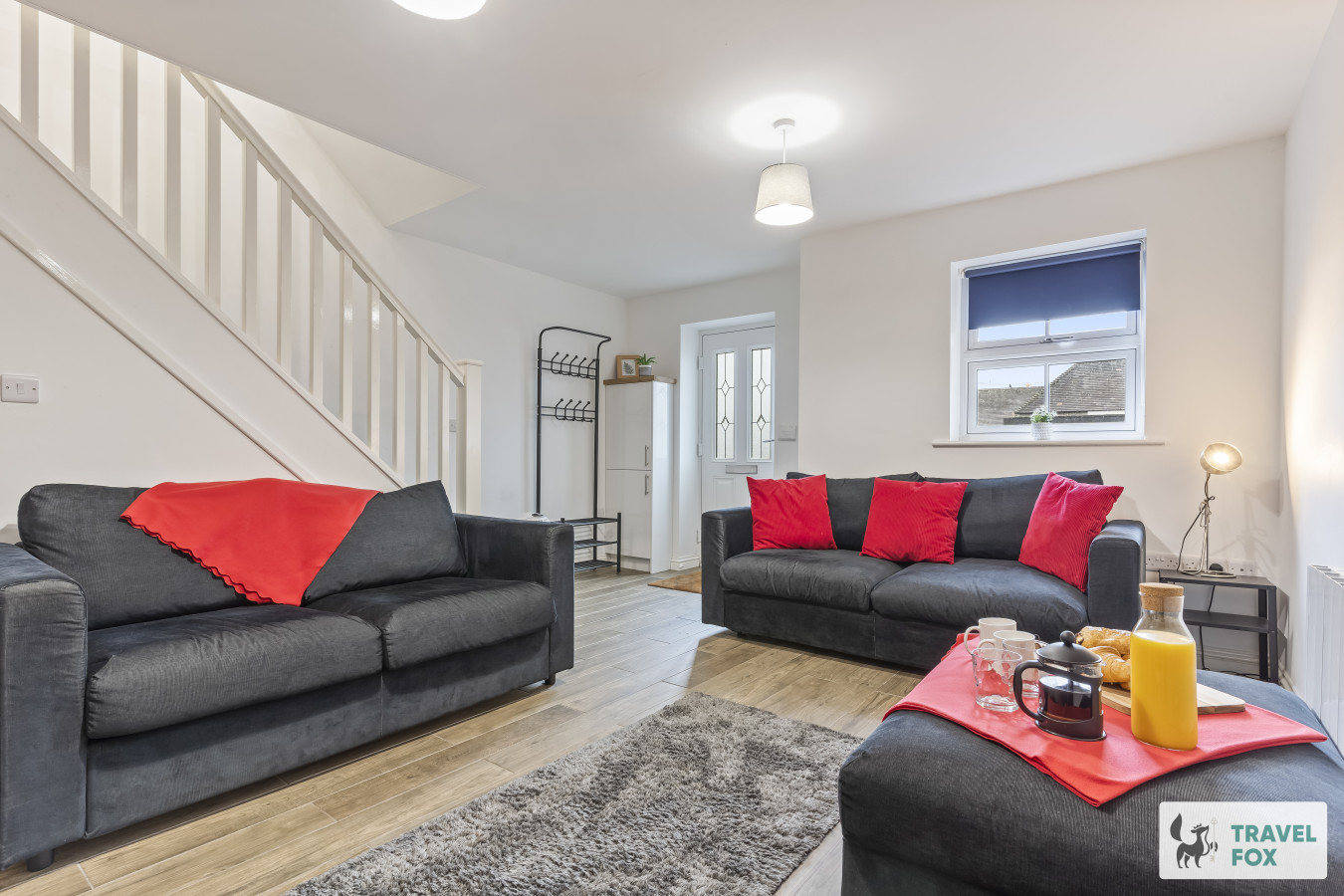
Leek
Amy's House: 20mins Alton Towers
- Sleeps 6
- 2 bedrooms
For homeowners
Own a holiday home near Ilam?
We manage holiday lets across the Peak District from 12% commission, charged after cleaning costs, with no lock-in. A co-founder visits before you decide.
Holiday let management in the Peak District →
A guide with a point of view
Written from research. Edited for real journeys.
Use the Official site links for live practical details, then use this guide for context, ideas and room to explore.
Sources
Every place on this page is checked against a published source. Each entry links the record we used and names who publishes it.
- Ilam Park — nationaltrust.org.uk national body or asset manager
- Manifold Tea-Room — nationaltrust.org.uk national body or asset manager
- Church of the Holy Cross — historicengland.org.uk statutory register or public authority record not machine-readable; publisher restricts automated access
- Ilam Park to Dovedale Stepping Stones Walk — nationaltrust.org.uk national body or asset manager
- The Izaak Walton Hotel — visitstaffordshire.com operator, sector body or destination organisation
- The George, Alstonefield — historicengland.org.uk statutory register or public authority record not machine-readable; publisher restricts automated access
- Mary Watts-Russell Memorial Cross — historicengland.org.uk statutory register or public authority record not machine-readable; publisher restricts automated access