
White Peak cheese village
Hartington
Hartington gathers a duck pond, stone cottages and long cheese-making history at the head of a system of limestone dales on the River Dove.
- Best for
- Cheese and limestone-dale walks
- Give it
- 2.5–3 hours for the classic dale loop
- Don't miss
- The Old Cheese Shop by the duck pond
The Fox verdict
Cheese, coaching inns and three limestone dales
Hartington combines a compact village visit with substantial walking straight from the village.
Start with the specialist cheese shop and hill-top church, choose between the two former coaching inns, then follow the Dove through the limestone dales or take a traffic-free outing on the Tissington Trail.
Where to go
Places in Hartington
Every place below is checked against a published source, listed with what it is and how long to give it.
Local signatures
3 placesThe Devonshire Arms
A traditional 17th-century pub and former coaching inn serving pub classics from locally sourced ingredients, wood-fired pizzas and up to four real ales.
- Visit length
- Editorial estimate: around 75 minutes
- Locality
- on the Market Square
Hartington Three Dales Circular
A classic limestone-dale circuit from Hartington linking the tree-lined River Dove in Beresford Dale, Wolfscote Dale's high rocky cliffs and the dry side valley of Biggin Dale.
- Visit length
- Editorial estimate: Allow 2.5–3 hours
- Locality
- Beresford Dale, Wolfscote Dale and Biggin Dale
Pilsbury Castle & Upper Dove Valley Circular
A grassy Upper Dove Valley route from Hartington to the Norman motte-and-bailey earthwork of Pilsbury Castle on a rocky promontory over the Dove.
- Visit length
- Editorial estimate: around 3 hours
- Locality
- north of Hartington in the Upper Dove Valley
Food & drink
4 placesThe Hartington Cheese Shop
An old stone specialist shop stocking more than 70 cheeses at a time, including British cheeses, Stiltons and goats' cheeses, alongside local ales, gins, chutneys and biscuits.
- Visit length
- Editorial estimate: around 30 minutes
- Locality
- overlooking the duck pond
Charles Cotton Hotel
An early-17th-century country hotel and former coaching inn named after poet and angler Charles Cotton, with restaurant and bar meals.
- Visit length
- Editorial estimate: around 75 minutes
- Locality
- on the Market Square
Beresford Tea Rooms and Post Office
A tea room and post office run by Sue Bruce since 1987, serving morning coffee, light lunches, afternoon teas and homemade scones with jam and clotted cream.
- Visit length
- Editorial estimate: around 45 minutes
- Locality
- on the Market Place next to the Devonshire Arms
Hartington Farm Shop & Café
A village farm shop and café centred on local produce.
- Visit length
- Editorial estimate: around 60 minutes
- Locality
- Hartington
Walks & outdoors
1 placeTissington Trail at Hartington
A traffic-free walking and cycling trail on a former railway, running for 13 miles from Parsley Hay to Ashbourne; use Hartington Station Car Park at Heathcote for access.
- Visit length
- Editorial estimate: around 2 hours for a partial outing
- Locality
- Hartington Station Car Park at Heathcote
History & heritage
1 placeChurch of St Giles
A Grade II* church with a late-13th-century core, later medieval work, a 15th-century priest's doorway and a bell cast in 1636 by Paul Hutton of Nottingham.
- Visit length
- Editorial estimate: around 45 minutes
- Locality
- on a hill-top above the village
Things to do
1 placeHartington Duck Pond
The much-photographed pond on the green is a focal point for families, with feeding the ducks described as a village staple.
- Visit length
- Editorial estimate: around 20 minutes
- Locality
- on the green
No places match this filter. Choose All places to reset the list.
Three ways to explore Hartington
Signature outings
Browse the cheese counter
Compare more than 70 cheeses in the old stone shop overlooking Hartington's duck pond.
Read eight centuries of stonework
Look for St Giles's late-13th-century core, medieval additions and 15th-century priest's doorway.
Ride the traffic-free trail
Use Hartington Station Car Park at Heathcote for the 13-mile Tissington Trail. It is about 1.5 miles from Hartington in a straight line; the journey is longer.
The village story
Hartington Village Guide
Cheese counters, former coaching inns and limestone dales give this small White Peak village unusual range.
Cheese, Pond and White Peak Setting
The Old Cheese Shop overlooks the duck pond, which seems about right, and keeps more than seventy varieties of cheese in stock at any one time. This is a village of 332 people. Amanda Roberts and her parents took the place on in 2020 — her parents tend the picnic garden attached to the shop — and the stone building has sold cheese for over fifty years, originally as an outlet for the Stilton made up the road. The shelves run to Lincolnshire Poacher, Dovedale Blue, Wensleydale, various Stiltons and a long row of goats' cheeses, alongside the shop's own inventions: Devonshire Gold, a soft blue made at the request of the Duke of Devonshire; the Hartington Hottie, a Peakland white blended with chillies; and a chocolate-and-chilli cheese, for anyone who has decided cheese was not doing enough on its own. Speciality Food Magazine named it Inspirational Cheese Retailer of 2024. It opens nine to five, seven days a week.
Hartington sits in the White Peak at the head of Dovedale, on the River Dove, which here forms the border between Derbyshire and Staffordshire. The village is arranged around a sloping square with the pond at the bottom, ringed by stone cottages of the 18th and 19th centuries. The church of St Giles crowns the hill above. South and north of the square the limestone dales fan out along the Dove, so you can be walking a river gorge within minutes of leaving the pub. Countryfile reckons the place "still wears the air of a prosperous market town," and it does — it has the bones of somewhere much busier than it now is.
Two of the buildings on the square are former coaching inns, back from when Hartington was a stop for pack horses, drovers and stagecoaches. The Charles Cotton Hotel is the grander of them, named for the poet and angler who lived nearby, and it says it has served food and accommodation for the last 275 years. The kitchen, under head chef Dave Thompson, does modern British with mains from £13.50 — braised new-season lamb shoulder at £14.95, a Mediterranean vegetable terrine, 28-day-hung sirloin — and finishes with sticky toffee pudding or a raspberry and strawberry Eton mess. Guests come back for the steak night and the lamb and mint pie. The hotel also holds exclusive fishing rights on the Dove through the Beresford Fishery, which is the sort of amenity most pubs do not have. There are two dog-friendly rooms, set slightly apart from the main building, and breakfast can be taken in the bar so you can eat with your dog. A recurring note in the reviews is that the place feels a little tired and overdue for a refresh, which is worth knowing before you go expecting boutique.
Two Former Coaching Inns
The Devonshire Arms, a few doors along, is a 17th-century pub named for the Dukes of Devonshire, the old lords of the manor. Dallas and Kieran are the newish publicans, and they get singled out by name in the reviews for the service. The food is pub classics done from local ingredients — burgers, chicken and ham pie, scampi, Sunday roast — with a run of wood-fired pizzas added recently and a seasonal list that has included grilled seabass risotto, a peri-peri chicken burger with lemon and herb mayo, and a cherry Bakewell cheesecake. Up to four real ales rotate on the bar, priced between £4.80 and £6.50, and it is CAMRA-listed. Dogs are welcome, and the policy is unusually thorough: "All dogs are welcome in all areas of our pub, including our bedrooms," with fresh water, snacks and dog beds laid on, plus a beer garden the pub is fairly proud of. Book early in summer.
Some of those pints have not travelled far. Whim Ales has brewed just outside the village at Whim Farm since 1993, when Giles Litchfield decided to make use of some redundant farm buildings and, in his own account, have more beer than even he could drink. It is a ten-barrel micro-brewery working with Maris Otter malt, whole-cone hops, Derbyshire hill water and its own yeast, supplying fifty to seventy outlets. The beers are named off the landscape: Hartington IPA at 4.5%, Hartington Bitter at 4.0%, Arbor Light at 3.6% for the stone circle up the road, and Old Izaak, a dark ale that nods to Izaak Walton. There is also Snow White, a witbier ground through with coriander, and Magic Mushroom, a dark mild that uses lactose for body without pushing up the strength.
Local Beer, Tea and Café Tables
For daytime eating, the choice is out of proportion to the size of the place. Beresford Tea Rooms and Post Office, next to the Devonshire Arms, has been run by Sue Bruce since 1987. The scones are baked fresh that morning and served warm with butter, strawberry jam, apricot jam and clotted cream, and the profile of the place says, without much modesty, that people come from all over the country to sample them. The post office alongside opened in 2001 and has won four awards. The Hartington Farm Shop and Café, family-run, cooks with named local suppliers — milk and cheese from Peak District Dairy in Tideswell, eggs from D & E Barlows at Gap Farm, meat from H Meakin & Sons in Leek, bread from Bakewell Bakery — and its signature lunch is the Peak Feast Homity Pie at £10.95, available vegetarian, vegan or gluten-free. There is soup of the day at £7.25 and wholetail Whitby scampi at £13.50, and the shelves carry local beers from Buxton Brewery, Peak Ales and Flash. Between the farm shop, the cheese shop and the Village Stores, a village this small fields three separate places to buy something made nearby.
The walking is why most people book a week here rather than a night. The classic loop leaves straight from the village and links three dales: Beresford Dale, a gentle tree-lined stretch where the Dove runs quietly; Wolfscote Dale, with high rocky limestone cliffs and steep banks; and Biggin Dale, a dry side valley that turns rocky and gets nettly in summer. It is about five and a half miles, two and a half to three hours, and it passes rock formations called Drabber Tor and Peaseland Rocks, with mandarin ducks on the river if you are lucky. Wolfscote Dale is owned by the National Trust and is, by local tradition, the last place a wild boar was shot in Britain. Going the other way, north up the valley, a longer loop of around six and a half miles reaches Pilsbury Castle, a Norman motte-and-bailey earthwork sitting on a limestone promontory over the Dove, with a river crossing on stepping stones and a handrail where sure feet help.
Dale Walks and the Tissington Trail
A shorter option south into Beresford Dale takes you to Charles Cotton's Fishing House. Cotton built the little stone temple in 1674 on a loop of the Dove, a single-storey building with a pyramidal roof, and it is one of the most famous buildings in angling literature. Above the door is the inscription "Piscatoribus Sacrum" — sacred to anglers — and on the keystone the initials of Izaak Walton and Cotton himself, carved as a single intertwined cipher, the two friends who wrote The Compleat Angler together. The house is on private land now, but you can see it from the path.
For flatter, wheeled days, the Tissington Trail runs traffic-free along a former railway, thirteen miles from Parsley Hay down to Ashbourne. Hartington Station Car Park at Heathcote is an access point about 1.5 miles from the village in a straight line; the journey is longer. Parsley Hay cycle-hire centre is about 2.4 miles from Hartington in a straight line, with a longer journey along the trail; it rents everything from child seats and trail-a-bikes to electric bikes and mobility scooters and is one of the Peak's accessible "Miles Without Stiles" sites. Closer to home there is a recreation ground with tennis, bowls, cricket, football, a playground and a games area, and a village hall with a sprung dance floor. Getting here without a car is possible but needs planning: the nearest station is Buxton, twelve miles off, and the High Peak 442 bus runs the scenic route between Buxton and Ashbourne through Longnor, Hulme End and Tissington roughly six times a day, Monday to Saturday, with nothing on Sundays. By car it is just off the A515, twenty minutes from Buxton, Bakewell and Ashbourne.
Market History and the Duck Pond
The history, when you go looking, is mostly about how much bigger Hartington used to be. King John granted it a market charter in 1203 — after Derby and Chesterfield, the first place in the county to hold a weekly market and annual fair — though no market has been held for a very long time. The ancient parish ran to over 24,000 acres, one of the largest in England, which is why it eventually split into four quarters. St Giles's church, hill-top and mostly 14th-century, keeps a bell cast in 1636 by Paul Hutton of Nottingham and is, Countryfile aside, genuinely worth the climb. The cheese factory the whole village smelled of ran from the 1870s until 2009: Thomas Nuttall, a prize Stilton maker from Melton Mowbray, began making Blue Stilton here on 1 April 1900, and the Nuttall name went round the world before Dairy Crest closed the last of Derbyshire's cheese factories. A new creamery revived the tradition in 2012 at nearby Pikehall Farm. And the Domesday surveyors, arriving in 1086, found the manor waste and worth nothing, though it had paid its lord forty shillings twenty years before.
At the bottom of the square the pond does its slow business, and the ducks have long since worked out what the arrival of a small child with a bag of bread means. Feeding them is, by every account, the village's oldest continuous institution.
Stay around Peak District
Make a longer stay of it
Travel Fox holiday homes around Peak District, linked directly to their property pages.
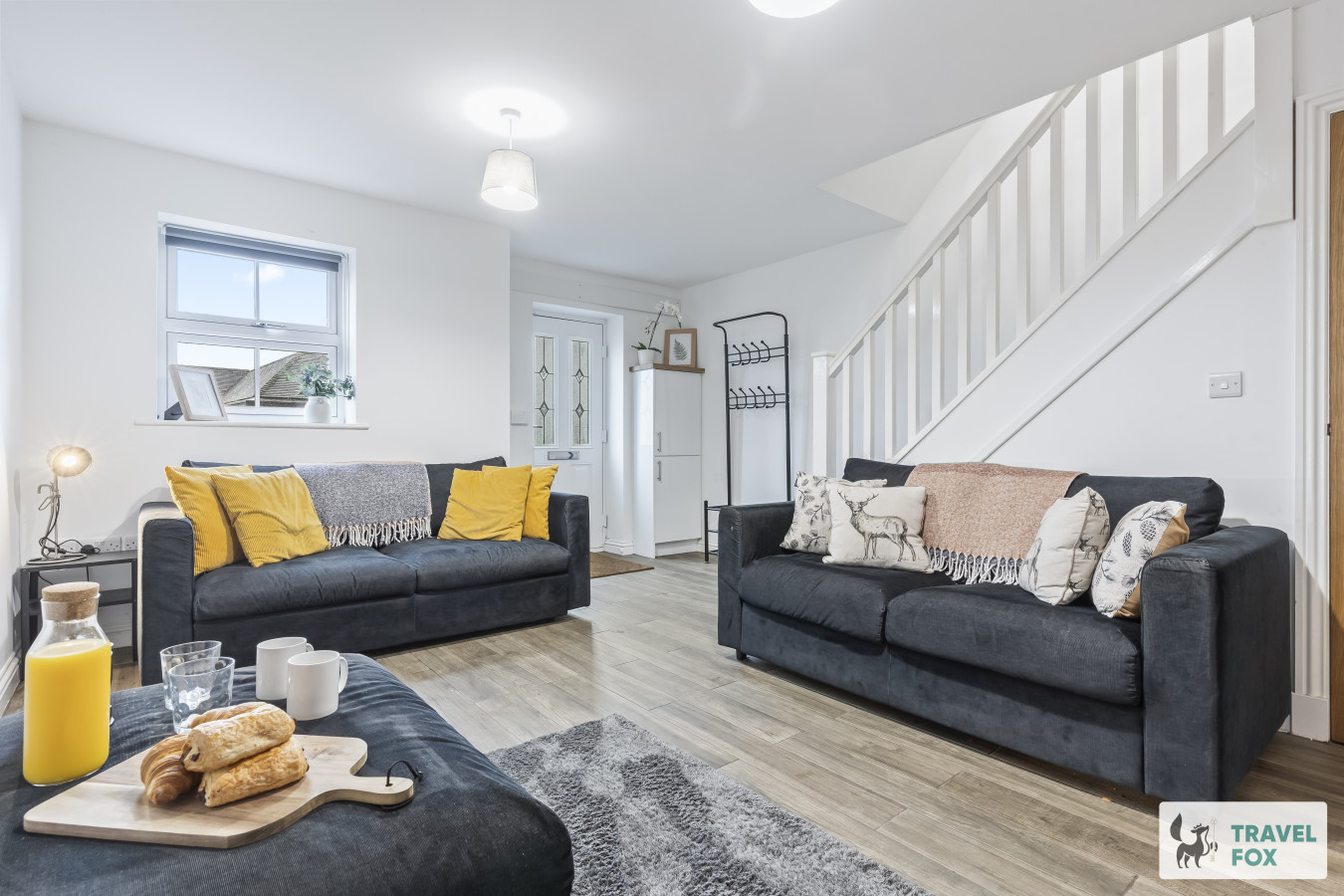
Leek
Lisa's House Leek: 20mins Alton Towers
- Sleeps 6
- 2 bedrooms
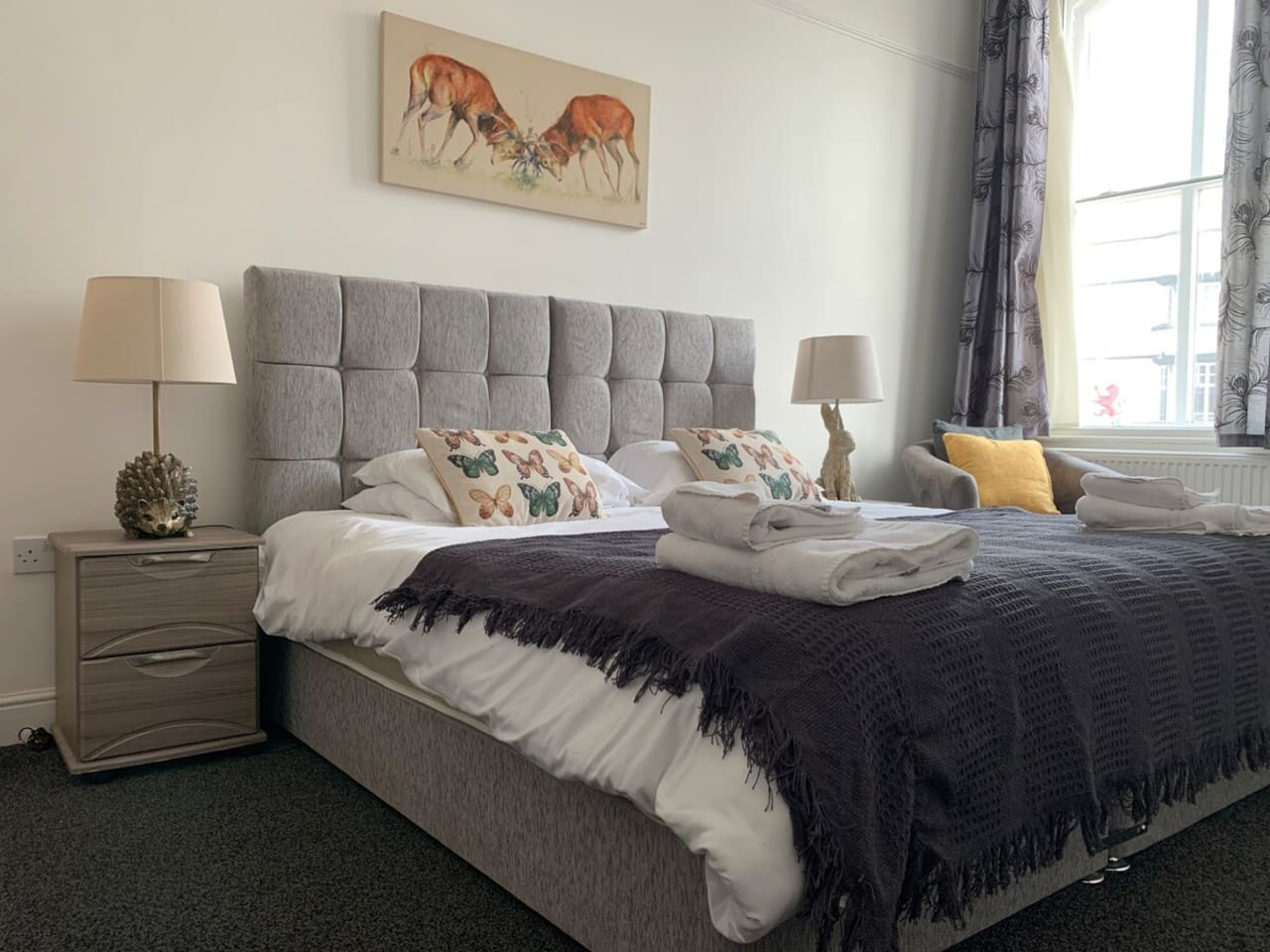
Leek
The Rudyard Suite - Large 1 Bed Apartment
- Sleeps 5
- 1 bedroom
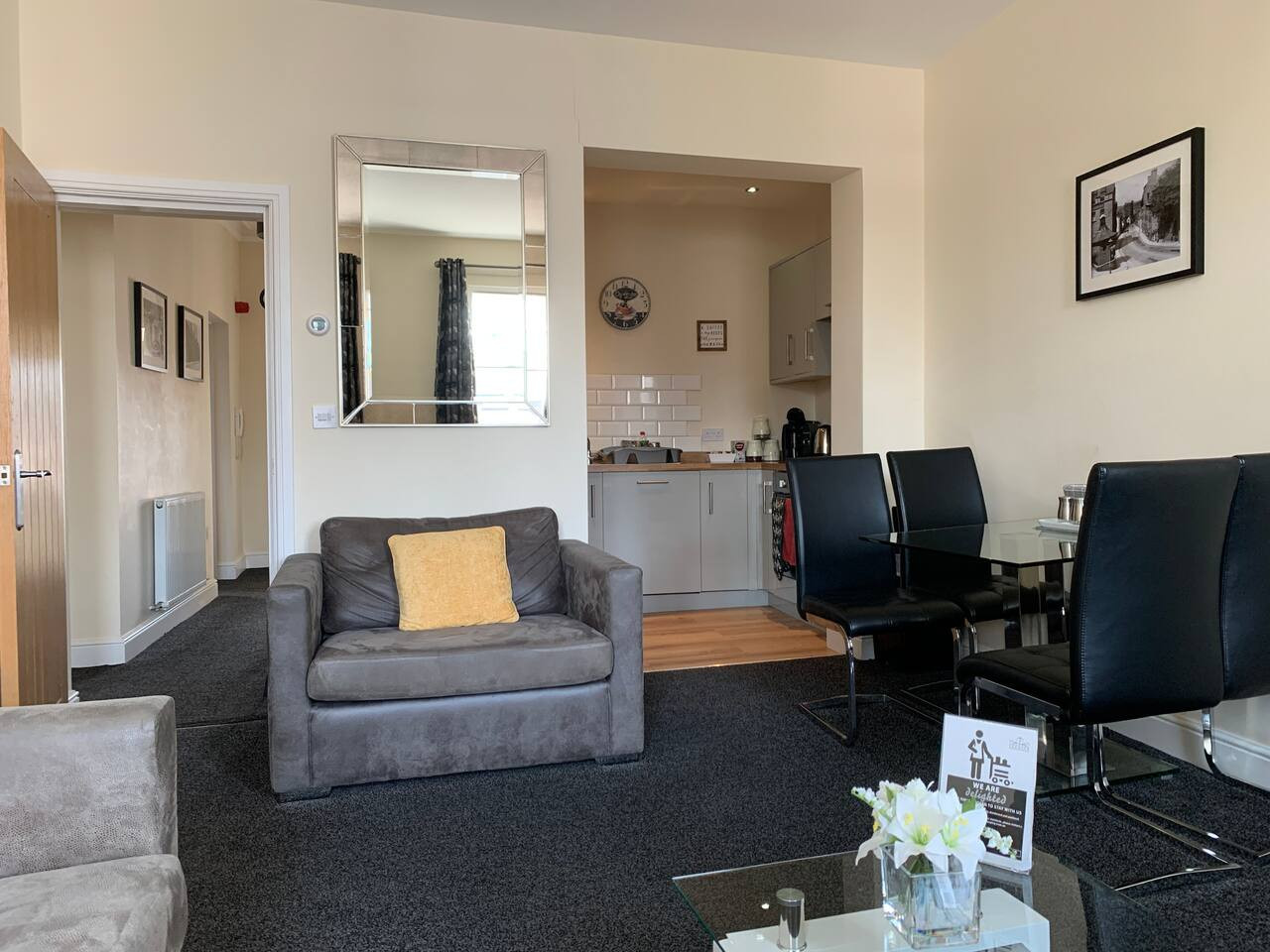
Leek
The Roaches Suite - Large 2 Bedroom Apartment
- Sleeps 7
- 2 bedrooms
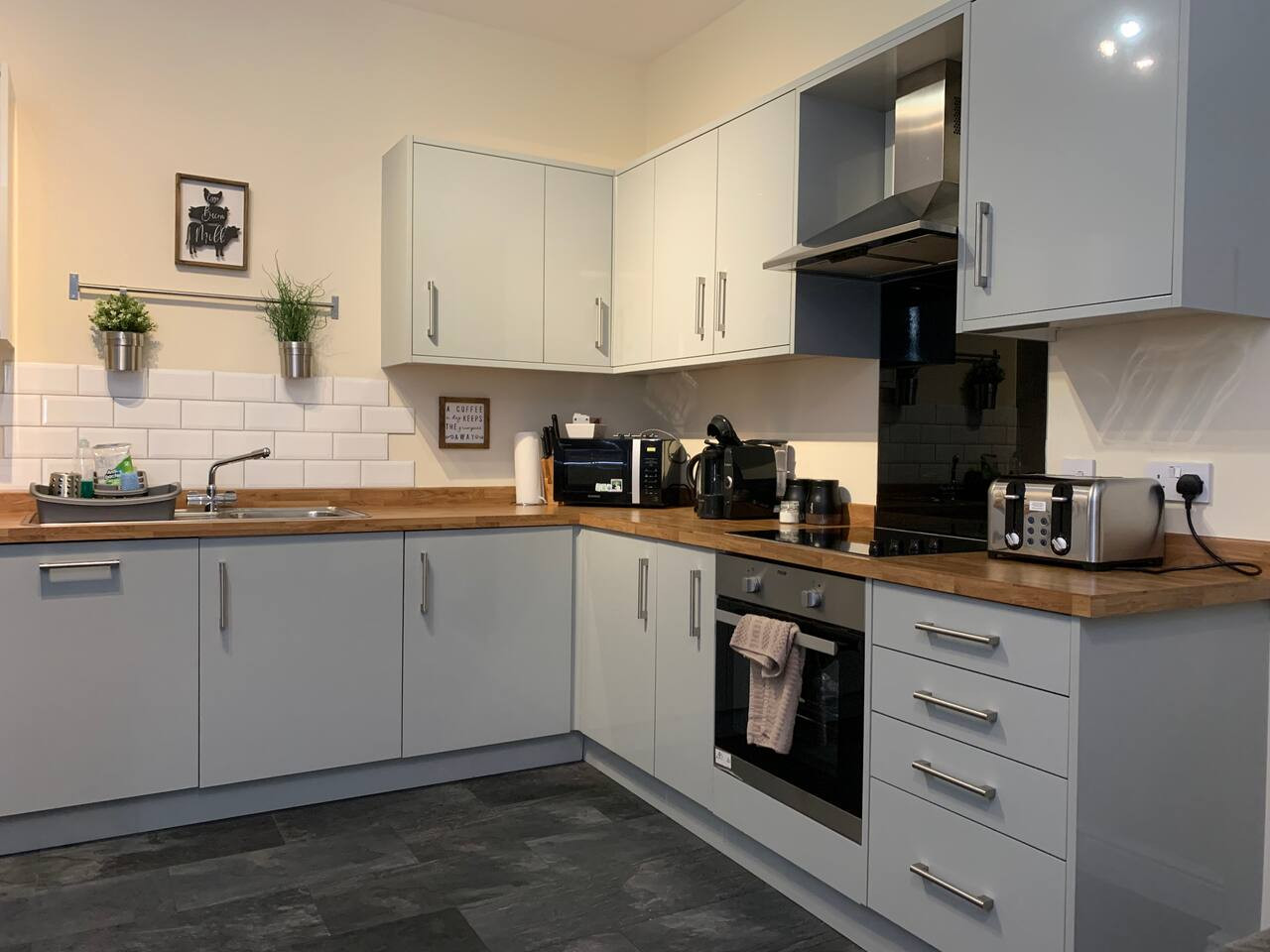
Leek
The Moorlands Suite - 1 Bed Apartment
- Sleeps 4
- 1 bedroom
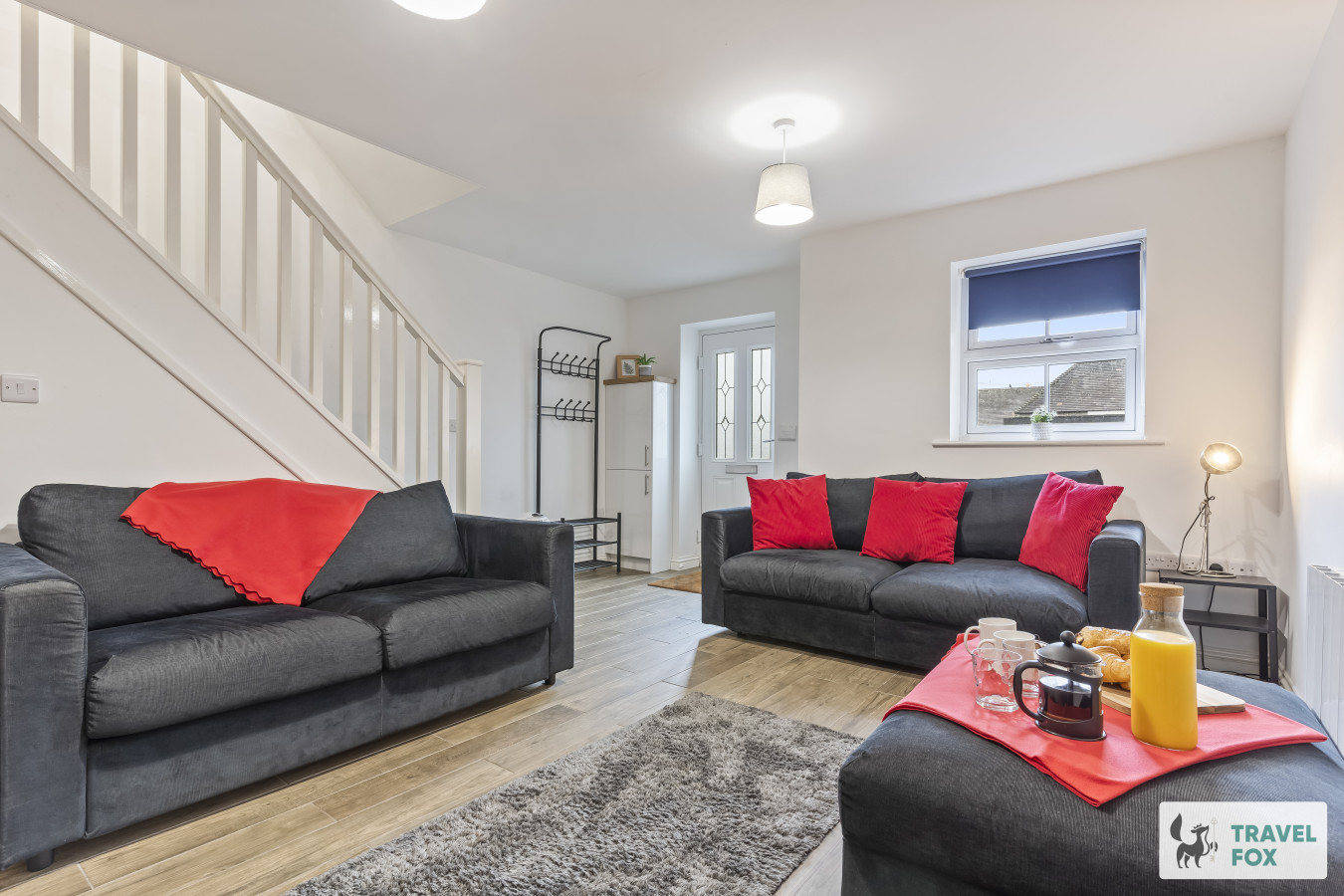
Leek
Amy's House: 20mins Alton Towers
- Sleeps 6
- 2 bedrooms
For homeowners
Own a holiday home near Hartington?
We manage holiday lets across the Peak District from 12% commission, charged after cleaning costs, with no lock-in. A co-founder visits before you decide.
Holiday let management in the Peak District →
A guide with a point of view
Written from research. Edited for real journeys.
Use the Official site links for live practical details, then use this guide for context, ideas and room to explore.
Sources
Every place on this page is checked against a published source. Each entry links the record we used and names who publishes it.
- The Hartington Cheese Shop — hartingtoncheeseshop.co.uk operator, sector body or destination organisation
- The Devonshire Arms — devonshirearms.pub operator, sector body or destination organisation
- Charles Cotton Hotel — historicengland.org.uk statutory register or public authority record not machine-readable; publisher restricts automated access
- Beresford Tea Rooms and Post Office — hartingtonvillage.com other published source
- Hartington Farm Shop & Café — hartingtonvillage.com operator, sector body or destination organisation
- Church of St Giles — historicengland.org.uk statutory register or public authority
- Hartington Three Dales Circular — visitpeakdistrict.com operator, sector body or destination organisation
- Pilsbury Castle & Upper Dove Valley Circular — historicengland.org.uk statutory register or public authority record not machine-readable; publisher restricts automated access
- Tissington Trail at Hartington — derbyshire.gov.uk statutory register or public authority
- Hartington Duck Pond — peakdistrict.gov.uk statutory register or public authority record not machine-readable; publisher restricts automated access