
Above the Manifold Valley
Grindon
A tiny moorland village with a landmark spire, a deep valley and walking routes to some of the area's most striking limestone scenery.
- Best for
- Valley walks, cycling and church history
- Give it
- 3.5–4 hours for the main circular
- Don't miss
- The octagonal church spire and Thor's Cave
The Fox verdict
Come for the spire, stay for the valley
Grindon is short on facilities but strong on walking, limestone scenery and an unusually storied parish church.
All Saints supplies the village landmark and much of its history, while paths fall towards Thor's Cave, the Manifold Way, Weag's Bridge and Beeston Tor. This is an outdoors-led visit with a church and a valley café as useful counterpoints.
Where to go
Places in Grindon
Every place below is checked against a published source, listed with what it is and how long to give it.
Local signatures
3 placesAll Saints Church
The Gothic church completed in 1848 has an octagonal broached spire, elaborate stone carvings, a Saxon font, medieval coffins, earlier bells and an organ built for Dresden in 1840.
- Visit length
- Editorial estimate: Allow around 45 minutes
- Locality
- Grindon
Thor's Cave
A limestone cavern with a dramatic gaping mouth, a high vaulted ceiling and evidence of Stone Age occupation and ancient burials.
- Visit length
- Editorial estimate: Allow around 60 minutes
- Locality
- Manifold Valley
- Access
- Explore the cave with care.
The Manifold Way
An eight-mile tarmacked walking, cycling and riding trail on the old Leek & Manifold Valley Light Railway trackbed; it is level, traffic-free and good for cycling with children.
- Visit length
- Editorial estimate: Allow around 90 minutes
- Locality
- the valley below the village
- Access
- Free parking is available at Weag's Bridge and Wetton Mill.
Food & drink
1 placeWetton Mill
A National Trust place in the Manifold Valley with a café and free parking.
- Visit length
- Editorial estimate: Allow around 45 minutes
- Locality
- down in the Manifold Valley
Walks & outdoors
2 placesWeag's Bridge
A Manifold Valley bridge where footpaths continue towards Wetton and Beeston Tor, with free parking for the Manifold Way.
- Visit length
- Editorial estimate: Allow around 30 minutes
- Locality
- towards Wetton on the far side of the valley
- Access
- Free parking is available at Weag's Bridge.
Beeston Tor
A rock face reached by local footpaths and popular with climbers.
- Visit length
- Editorial estimate: Allow around 60 minutes
- Locality
- on footpaths to Beeston Tor
No places match this filter. Choose All places to reset the list.
Three ways to explore Grindon
Signature outings
Cathedral of the Moorlands
Look for carved heads and animals, the Saxon font and the Dresden organ beneath All Saints' landmark octagonal spire.
Coffee at Wetton Mill
Break at the National Trust café at Wetton Mill, a short distance down in the Manifold Valley.
Beeston Tor
Follow the local footpaths towards Beeston Tor, the valley rock face popular with climbers.
The village story
Grindon Village Guide
A spire above the Manifold Valley, a village without facilities and an extraordinary concentration of walking and local history.
The spire and the dry village
All Saints has an octagonal spire you can pick out from across the Manifold Valley, which is how it came to be called the Cathedral of the Moorlands. It is a large church for a village of 221 people. The Francis brothers finished it in 1848, in Gothic style, and covered it in carved heads and animals — there are creatures working their way down one corner of the tower, and a sundial above the porch.
Underneath all this, the village runs light on facilities. The Cavalier closed in 2006 and is now a private house. It had been the pub for centuries, in a building said to be over 400 years old, and was the Shoulder of Mutton before it was the Cavalier. Grindon has been dry ever since. There are no shops, no butcher, no farm shop. The nearest provisions are in Leek, about ten miles off, and the closest coffee is at the National Trust café at Wetton Mill, down in the valley.
Down to Thor's Cave and the Manifold Way
So you come here for the walking, and the walking is the reason to come. The main circular drops out of the village down a steep hairpin road to Thor's Cave, a limestone cavern with a high vaulted mouth and evidence of Stone Age occupation and old burials. It's about 7.5 miles round with 406 metres of climbing, and you feel the climbing on the way back up.
Along the valley floor runs the Manifold Way, eight tarmacked miles laid on the trackbed of the old Leek & Manifold Valley Light Railway. It's flat, traffic-free, and good for children on bikes. There's free parking at Weag's Bridge and at Wetton Mill. The railway itself opened in 1904 and closed in 1934; the village station survived exactly thirty years before the line gave up.
Vanishing rivers and the Dresden organ
One local peculiarity: the rivers are often not there. The Manifold and the Hamps run dry for much of the year, the Manifold sinking underground near Wetton Mill and coming back up at Ilam.
Back inside the church, the collection is odd for a moorland parish. There's a Saxon font, two medieval bone coffins, three sixteenth-century bells, and an organ built for a church in Dresden in 1840 and moved here in 1953.
The Halifax memorial and Grendone
The south aisle holds the village's saddest story. On 13 February 1947, during the winter that snowed the moors shut, a Handley Page Halifax of No. 47 Squadron tried to air-drop a ton of bread, meat, cheese, flour and fat to cut-off Butterton. On the third pass over a drop-zone marked with a cross of soot, the starboard wing clipped the ground and the aircraft cartwheeled. All eight aboard were killed. The roads reopened the next day. A cairn stands near the crash site, and the church keeps a memorial embroidery made by Andrew Barlow of the Leek Embroiderers' Guild.
Robert of Stafford held the place at Domesday, when it was written down as Grendone — green hill. It still is one. The spire still does most of the talking.
Stay around Peak District
Make a longer stay of it
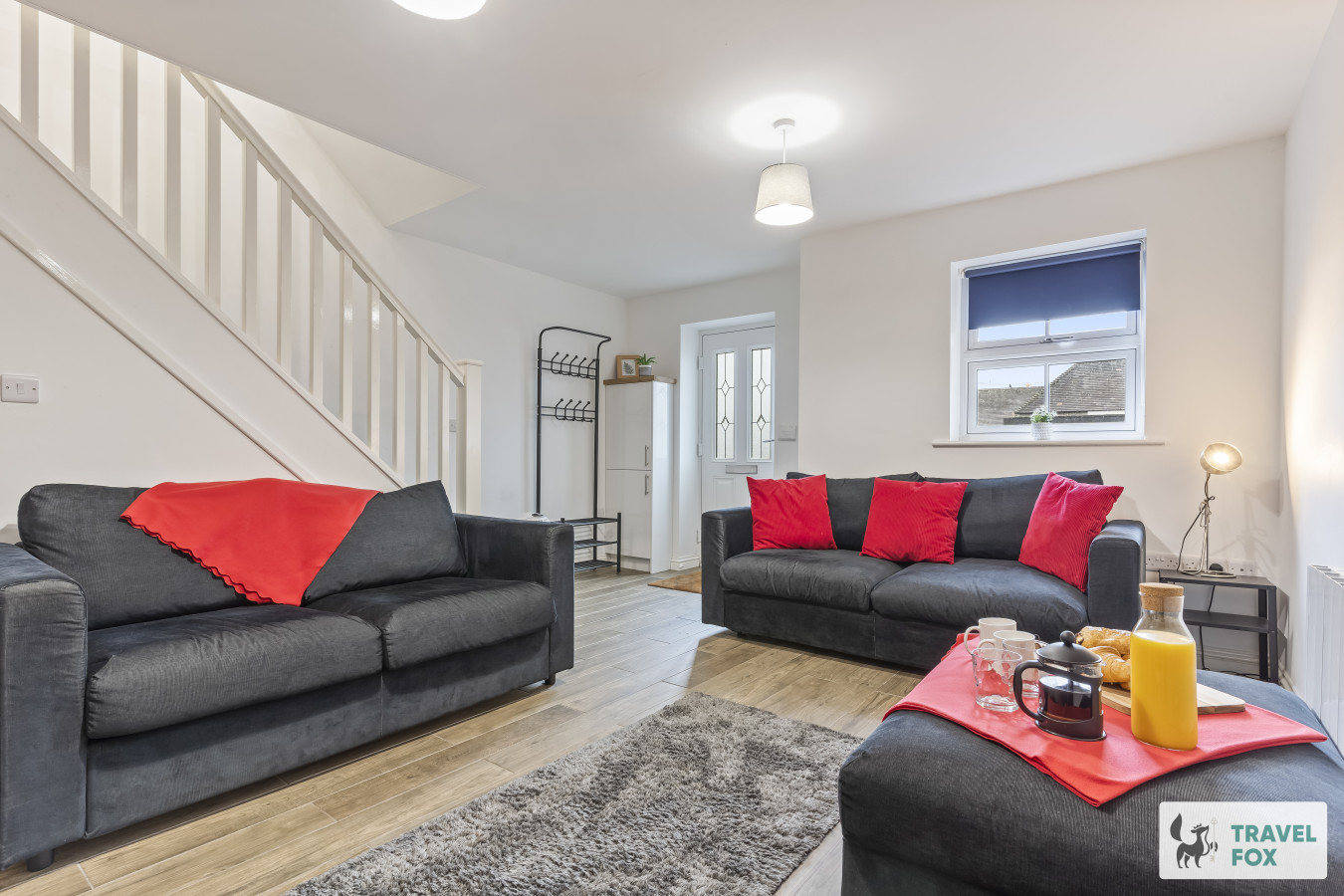
Travel Fox holiday homes around Peak District, linked directly to their property pages.
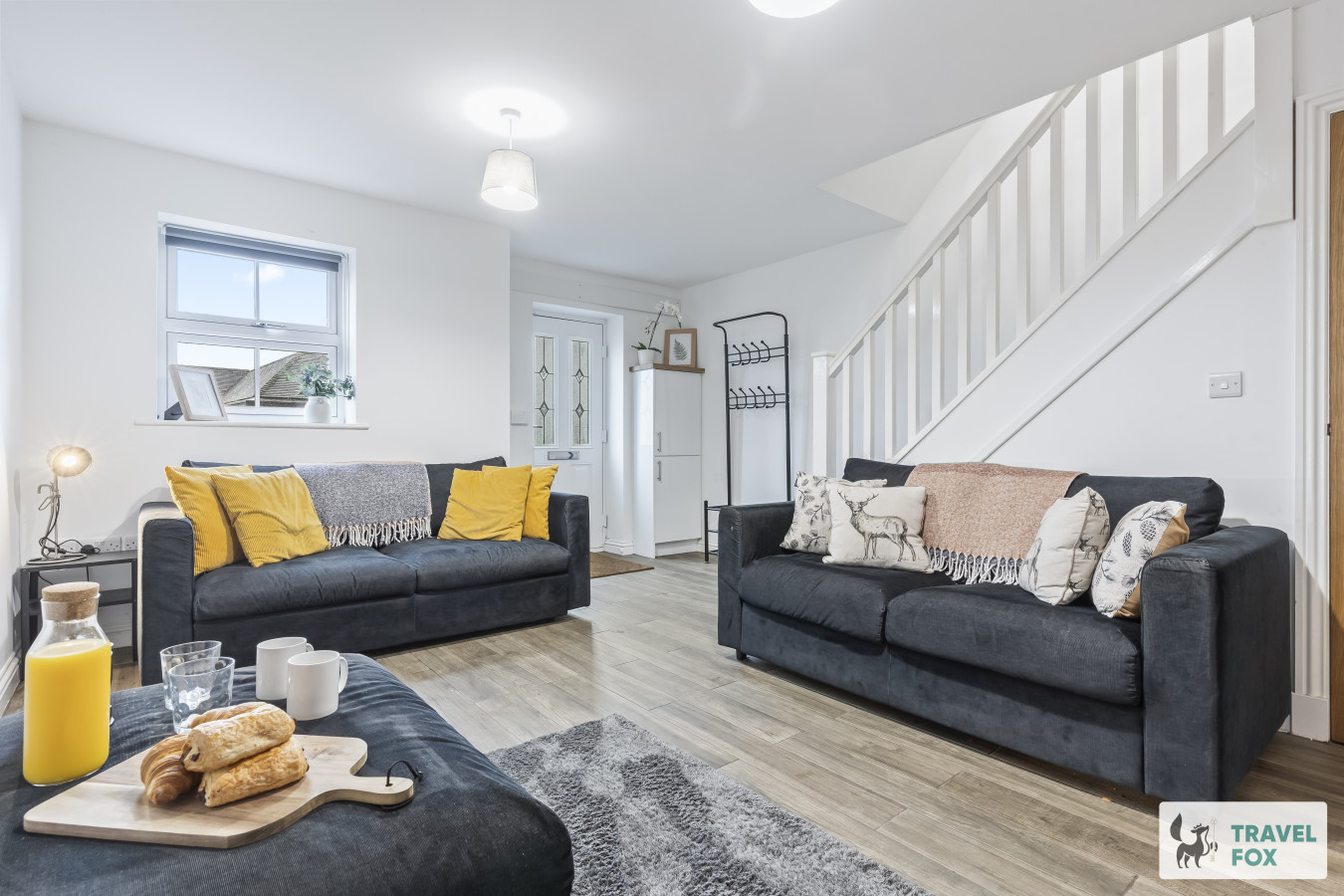
Leek
Lisa's House Leek: 20mins Alton Towers
- Sleeps 6
- 2 bedrooms
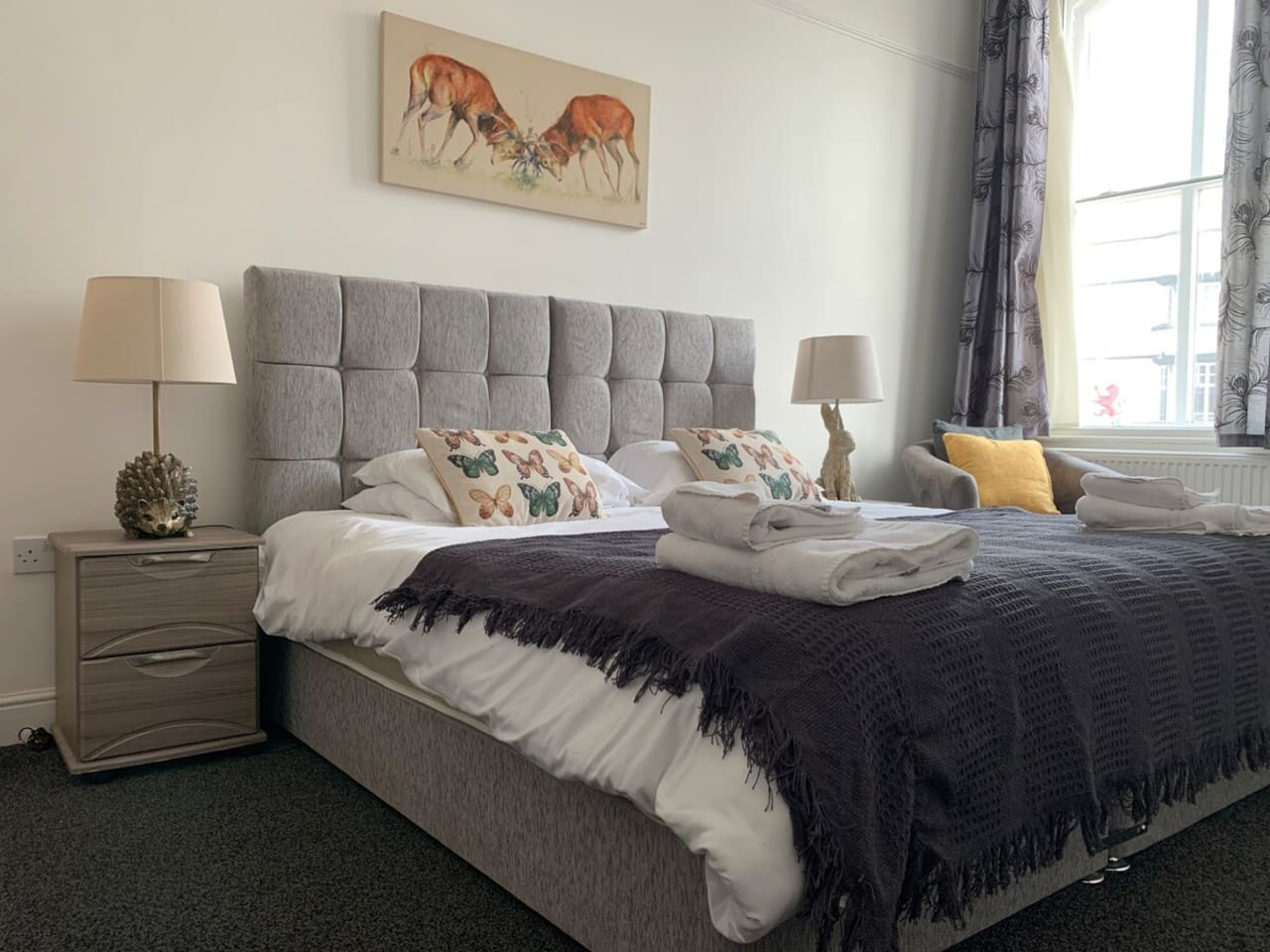
Leek
The Rudyard Suite - Large 1 Bed Apartment
- Sleeps 5
- 1 bedroom
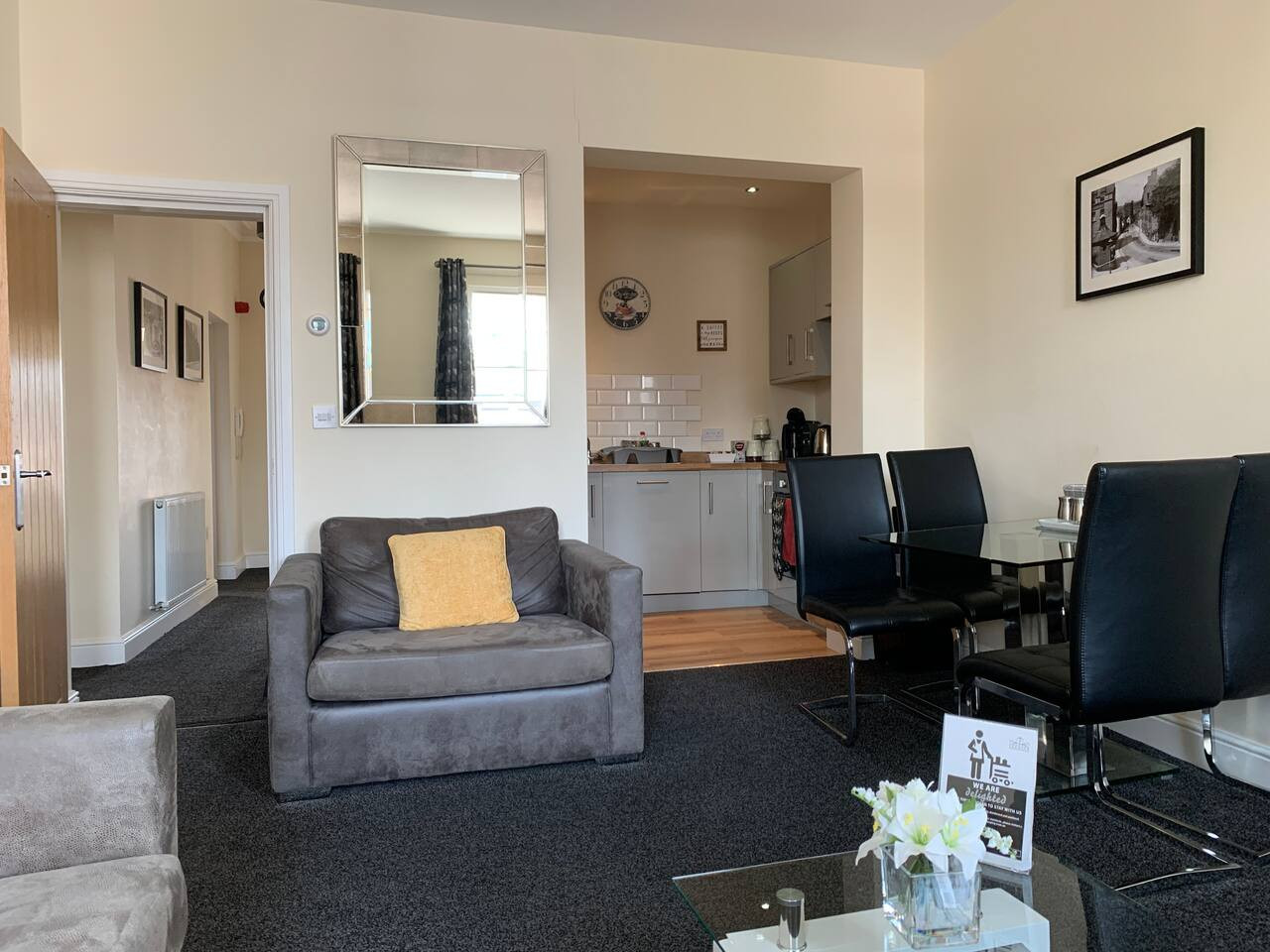
Leek
The Roaches Suite - Large 2 Bedroom Apartment
- Sleeps 7
- 2 bedrooms
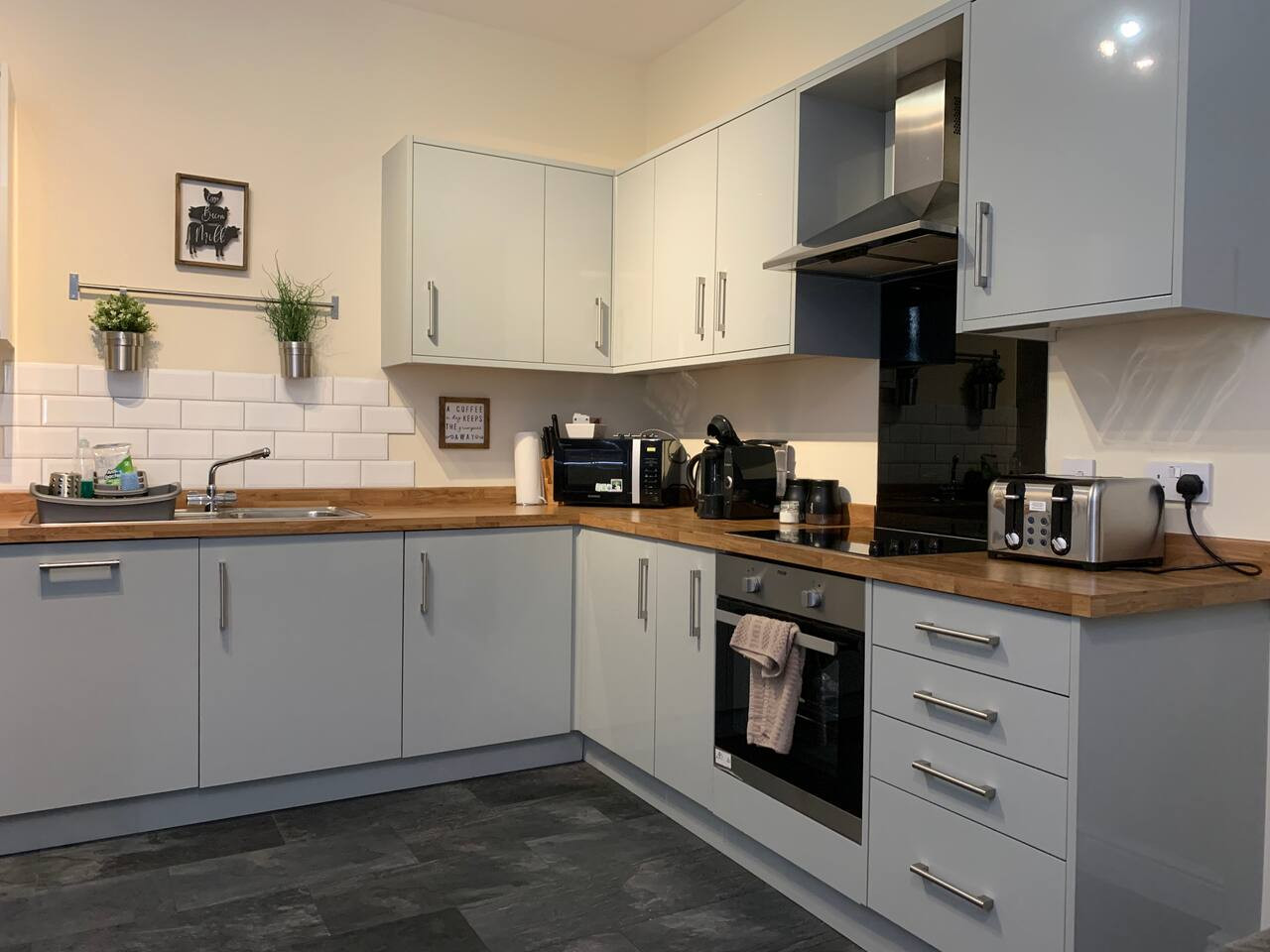
Leek
The Moorlands Suite - 1 Bed Apartment
- Sleeps 4
- 1 bedroom
Leek
Amy's House: 20mins Alton Towers
- Sleeps 6
- 2 bedrooms
For homeowners
Own a holiday home near Grindon?
We manage holiday lets across the Peak District from 12% commission, charged after cleaning costs, with no lock-in. A co-founder visits before you decide.
Holiday let management in the Peak District →
A guide with a point of view
Written from research. Edited for real journeys.
Use the Official site links for live practical details, then use this guide for context, ideas and room to explore.
Sources
Every place on this page is checked against a published source. Each entry links the record we used and names who publishes it.
- All Saints Church — historicengland.org.uk statutory register or public authority record not machine-readable; publisher restricts automated access
- Thor's Cave — peakdistrict.gov.uk statutory register or public authority record not machine-readable; publisher restricts automated access
- The Manifold Way — peakdistrict.gov.uk statutory register or public authority record not machine-readable; publisher restricts automated access
- Wetton Mill — historicengland.org.uk statutory register or public authority record not machine-readable; publisher restricts automated access
- Weag's Bridge — peakdistrict.gov.uk statutory register or public authority record not machine-readable; publisher restricts automated access
- Beeston Tor — peakdistrict.gov.uk statutory register or public authority record not machine-readable; publisher restricts automated access