
Beneath Kinder Scout
Edale
A rail-linked walking village with high moorland routes, deep local history and well-earned food at the finish.
- Best for
- Walking beneath Kinder Scout
- Give it
- A village afternoon or a full day on the hills
- Don't miss
- The Pennine Way plaque at the Old Nag's Head
The Fox verdict
A village built around the walk
Edale puts a railway station, historic inns and serious Dark Peak routes within one compact valley base.
Come for the rocky ascent of Kinder Scout or the Mam Tor–Lose Hill ridge, then return for an award-winning café, two walkers' pubs and a village whose story runs from royal cattle farms to the campaign for open access.
Where to go
Places in Edale
Every place below is checked against a published source, listed with what it is and how long to give it.
Local signatures
3 placesThe Rambler Inn
A walkers' inn that began as an early-19th-century farmhouse, serving home-cooked food beside an extensive sun-trap beer garden.
- Visit length
- Editorial estimate: Allow around 75 minutes
- Locality
- near Edale railway station
The Penny Pot Café
An award-winning community café serving locally roasted coffee, loose-leaf tea, pasties, freshly made cakes and lunches near Edale railway station.
- Visit length
- Editorial estimate: Allow around 45 minutes
- Locality
- between Edale railway station and the main car park
Kinder Scout Circular
A circuit ascending the rocky ravine of Grindsbrook Clough to the Kinder plateau, passing Crowden Tower, the Wool Packs and the Noe Stool before descending Jacob's Ladder.
- Visit length
- Editorial estimate: Allow around 4 hours
- Locality
- Grindsbrook Clough and Jacob's Ladder
- Access
- Steep and rocky; for experienced walkers with map, compass and boots.
Food & drink
2 placesThe Old Nag's Head
A stone-built country inn and former coaching house with low-ceilinged rooms, snugs, an open fire and the Pennine Way's official-start plaque outside.
- Visit length
- Editorial estimate: Allow around 75 minutes
- Locality
- Edale
Edale General Store
The village shop for everyday essentials, snacks, fresh bread, local produce, gifts and walking supplies, and a hub for news and weather talk.
- Visit length
- Editorial estimate: Allow around 20 minutes
- Locality
- Edale village
Walks & outdoors
1 placeMam Tor to Lose Hill Great Ridge
The classic skyline ridge from Mam Tor to Lose Hill, dividing the Edale and Hope valleys and giving views over both.
- Visit length
- Editorial estimate: Allow around 3 hours 30 minutes
- Locality
- Mam Tor to Lose Hill ridge
History & heritage
1 placeChurch of the Holy and Undivided Trinity
Edale's Grade II listed parish church, built in 1885–1886 as the third church on the site and designed by William Dawes of Manchester.
- Visit length
- Editorial estimate: Allow around 30 minutes
- Locality
- Edale
No places match this filter. Choose All places to reset the list.
Three ways to explore Edale
Signature outings
Take the Great Ridge
Follow the classic skyline from Mam Tor to Lose Hill for views over both the Edale and Hope valleys.
Find the Pennine Way start
See the official Pennine Way start plaque on the outside wall of the Old Nag's Head before the trail heads north to Kirk Yetholm.
Look for the broach spire
See Edale's broach-spired church set against the dark mass of Kinder Scout in the classic arriving view.
The village story
Edale Village Guide
A railway village of walkers' pubs, gritstone routes and hard-won access beneath Kinder Scout.
Pennine Way Pub and Mountain Rescue
On the outside wall of the Old Nag's Head there is a plaque marking the official start of the Pennine Way, which runs 268 miles north from here to Kirk Yetholm in the Scottish Borders. People stand next to it in full waterproofs about to set off, and people stand next to it in full waterproofs having just staggered back down off Kinder, and from across the road it is not always easy to tell the two apart.
The pub itself was built in 1577 — the lintel is dated — and started life as the village smithy before it became a coaching inn on the packhorse route between Manchester and Sheffield. Inside it is low-ceilinged and broken into several small rooms and snugs, with an open fire, a Hikers Bar and a Locals Bar. It does not take table bookings; the website is blunt about this. The house ale is Nags1577, brewed for the pub by Marston's to mark the year on the lintel, and retired reviewers have been known to travel a long way for the Theakston's Old Peculier. The Times once put it in the top twenty country pubs in the country.
The food is the sort you want after a wet day on the moor: cod in the pub's own Nags 1577 batter, a weekend carvery, bangers and mash, and a range of burgers including one buried under BBQ pulled pork, Monterey Jack, jalapeños and onion rings. Dogs are welcome, which in Edale is less a policy than a structural necessity.
The pub's most famous landlord was Fred Heardman, known to the local gamekeepers as "Bloody Bill the Bogtrotter" on account of the amount of time he spent crossing moorland they would rather he didn't. He ran both of Edale's pubs, set up the Peak District's first tourist information service in the Nag's Head snug in 1953, and — with the newly appointed head ranger Tom Tomlinson — founded the Edale Mountain Rescue Team, the first organised mountain rescue team in the country. The first training exercise set off from the pub in February 1956. Heardman got a British Empire Medal for it, and there is a plantation of trees on the flanks of Kinder planted in his name.
Food for Walkers
Down towards the station, a few minutes' walk from the church, the Rambler Inn began as a farmhouse in the early nineteenth century and now trades on being the walkers' pub. The landlord is Chris and the manager is Jo. The kitchen is known for its fish and chips, which come gluten-free, and for the Mamtor Burger, with a butternut squash and beetroot version for anyone who has had enough of meat. The beer garden is enormous — roughly fifty tables, laid out as a sun-trap — and one TripAdvisor reviewer went on record calling it the best beer garden in the Peak District. There are biscuits and water bowls on the bar for the dogs, which tells you who the regulars are.
Between the station and the car park is the Penny Pot Café, which won The Great Outdoors magazine's Walkers' Café of the Year for 2026 and behaves accordingly. It is run by Nula, with an operations manager called George — a city boy turned farmer, whose own meat turns up on the menu and in the shop. The coffee is roasted by Roastology. There are chocolate brownies, vegan sausage rolls, pasties and home-made cakes; there is a book-swap that funnels its donations to the local schools; there is a free hikers' guide with seven circular routes; and dogs, on leads inside, are given home-made treats and a water-bowl refill station outdoors. Bring your own cup and you get twenty pence off.
Newfold Farm, one of Edale's oldest, ran for decades as Cooper's Campsite — the Cooper family had been selling tea and cakes to walkers coming off the trains for around seventy-five years before they built a proper café, and their old shop housed the village Post Office. Roger and Penny Cooper retired in 2020, and the new owners, Morgan and Kay and family, renamed and refurbished the place.
Village Supplies and High Routes
The village store, run under Alec's stewardship, sells the everyday essentials, fresh bread, local produce and walking supplies, and functions as the place where, as one description has it, the news is swapped and the weather is discussed. In Edale the weather is a serious agenda item.
What people mostly come for is the walking, and here the village is spoiled. Edale sits directly beneath the southern edge of Kinder Scout, at 636 metres the highest ground in the Peak District, on the dark gritstone of the moor. The classic ascent goes up the rocky ravine of Grindsbrook Clough onto the plateau, past Crowden Tower and the tumbled boulders of the Wool Packs, and comes back down Jacob's Ladder — a stone staircase named after Jacob Marshall, an eighteenth-century pedlar who cut steps into the hillside as a shortcut while his packhorses took the longer lane. At the foot of it there is still a packhorse bridge, possibly seventeenth-century, on the old salt-and-cheese route over to Hayfield.
Shorter legs get you a lot. Ringing Roger, a steep taster of about four miles, climbs to a knot of gritstone tors on the Kinder edge; the name is thought to be a corruption of "ringing roches," from the sound the wind makes whistling through the rocks. To the south the Mam Tor to Lose Hill ridge — the Great Ridge — divides the Edale valley from the Hope valley and gives you both at once. Above them all sits Kinder Downfall, the highest waterfall in the Peak, which in a west wind blows back uphill in a plume of spray. The full horseshoe of the valley's tops, the Edale Skyline, runs to something like twenty-odd miles and a long day, and has a fell-race pedigree to match.
Moorland Access and the Booths
None of it should be taken lightly. The Kinder plateau is blanket bog, and in poor visibility the peat hags and channels look disconcertingly alike; the advice, everywhere, is map, compass and boots. Alfred Wainwright, who was not a fan of the Pennine Way's peaty opening miles, described them in his guide as "mostly muck and manure," and then offered a free pint to anyone who completed the whole thing — a tab estimated at close to £15,000 by the time he died.
The moor's openness was fought for. In 1932 around four hundred ramblers rallied at a quarry near Hayfield, where a young man called Benny Rothman spoke, and some two hundred of them walked up onto Kinder in deliberate trespass, meeting gamekeepers on the way; several were jailed for riotous assembly. The Mass Trespass is now credited with helping create the Peak District as Britain's first National Park in 1951 and, eventually, the right to roam.
The valley was not always this quiet. Its scattered hamlets are the "booths" — Upper Booth, Barber Booth, Nether Booth, Ollerbrook — herdsmen's shelters that became farms, from the days when this was effectively a large cattle ranch of royal farms. Central Grindsbrook Booth is now Edale village, though the parish still carries the older name. Edale Mill, down the valley, spun cotton by water power from 1795 until about 1940, its women workers walking daily over the thousand-foot pass from Castleton; the Landmark Trust rescued the four-storey block in the 1970s and turned it into apartments.
Church, Rail and Village Traditions
The church of the Holy and Undivided Trinity, third on its site, was built in the 1880s by the Manchester architect William Dawes, its broach spire finished a few years after the rest. The arriving view — the spire against the dark bulk of Kinder — is the one every guidebook reaches for. Pevsner, characteristically, found the interior "bleak," with "insipid stained glass by Comper," though the glass in question was by a young Ninian Comper who went on to considerable fame, so posterity has quietly overruled him. In the Domesday Book the place appears as "Aidele," grouped under the royal manor of Hope; it had been worth £30 in 1066 and £10 6s by 1086, which is the medieval way of noting that the intervening years had not gone well.
Getting here is easiest by train. Edale station is in the village, on the Hope Valley Line between Sheffield and Manchester, with roughly a train an hour each way — better car-free access than almost any walking village in the country. Just west of the village the line vanishes into Cowburn Tunnel, at 3,702 yards the deepest railway tunnel in England, its single ventilation shaft sunk 791 feet through the moor by 102 men over two years with no machinery to speak of. By road there is only one way in, a minor lane off the A6187, ever since the old A625 over Mam Tor — the "Shivering Mountain" — was abandoned to its landslips for good.
For all the seriousness of the surrounding hills, the village keeps things small. There is a playground by the car park, and in summer the rock pools and little waterfalls of Grindsbrook give children hours of paddling at the foot of the clough. Unusually for a Peak District village, Edale has no well, and so no well dressing and no wakes week — the traditions its neighbours run on. To fill the gap, the village invented its own: Edale Country Day, a family show of stalls and countryside events held each June, which exists mainly to raise money for the primary school and the village hall. A village that couldn't dress a well decided to hold a party instead, and put the takings towards the children.
Stay around Peak District
Make a longer stay of it
Travel Fox holiday homes around Peak District, linked directly to their property pages.
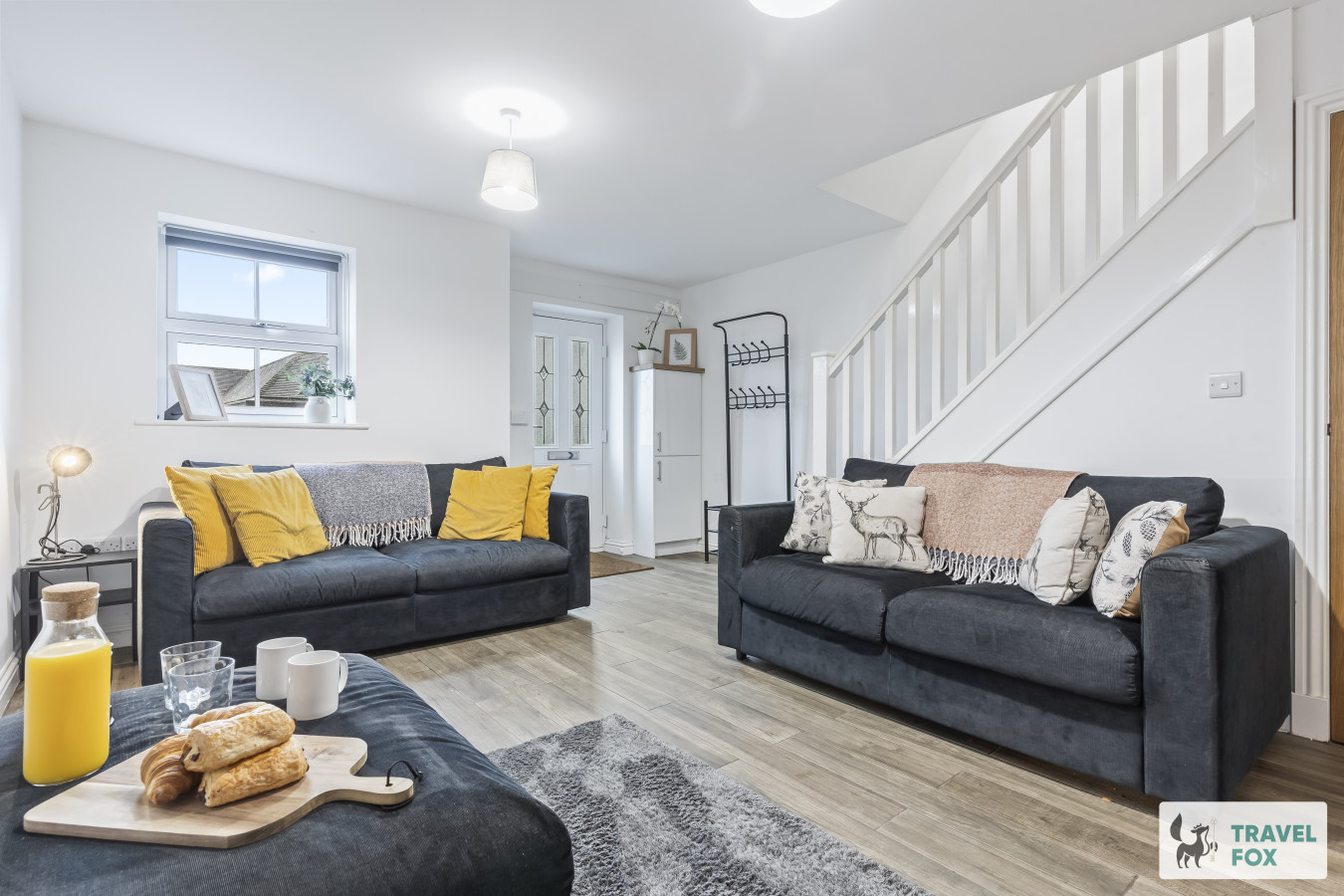
Leek
Lisa's House Leek: 20mins Alton Towers
- Sleeps 6
- 2 bedrooms
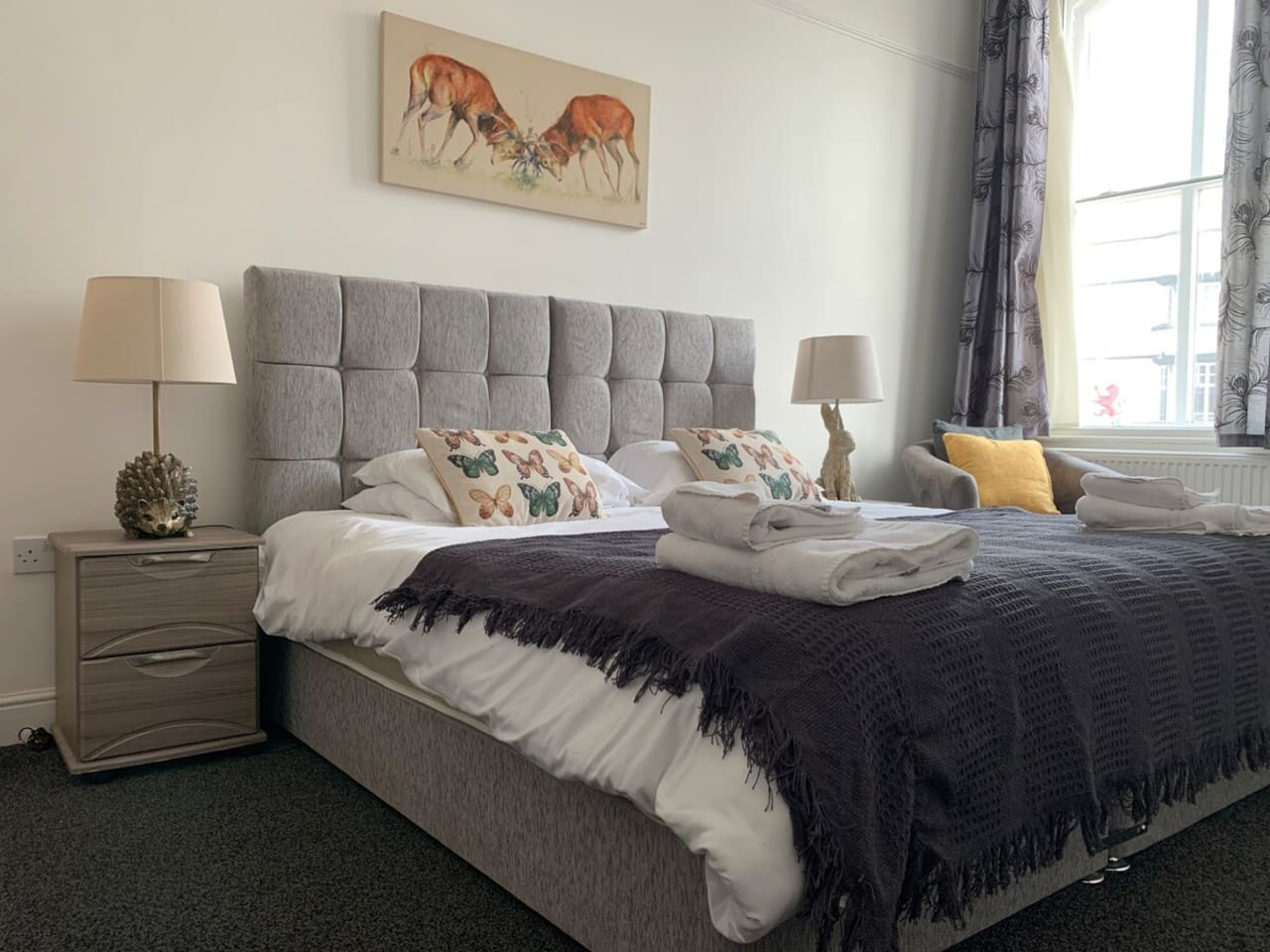
Leek
The Rudyard Suite - Large 1 Bed Apartment
- Sleeps 5
- 1 bedroom
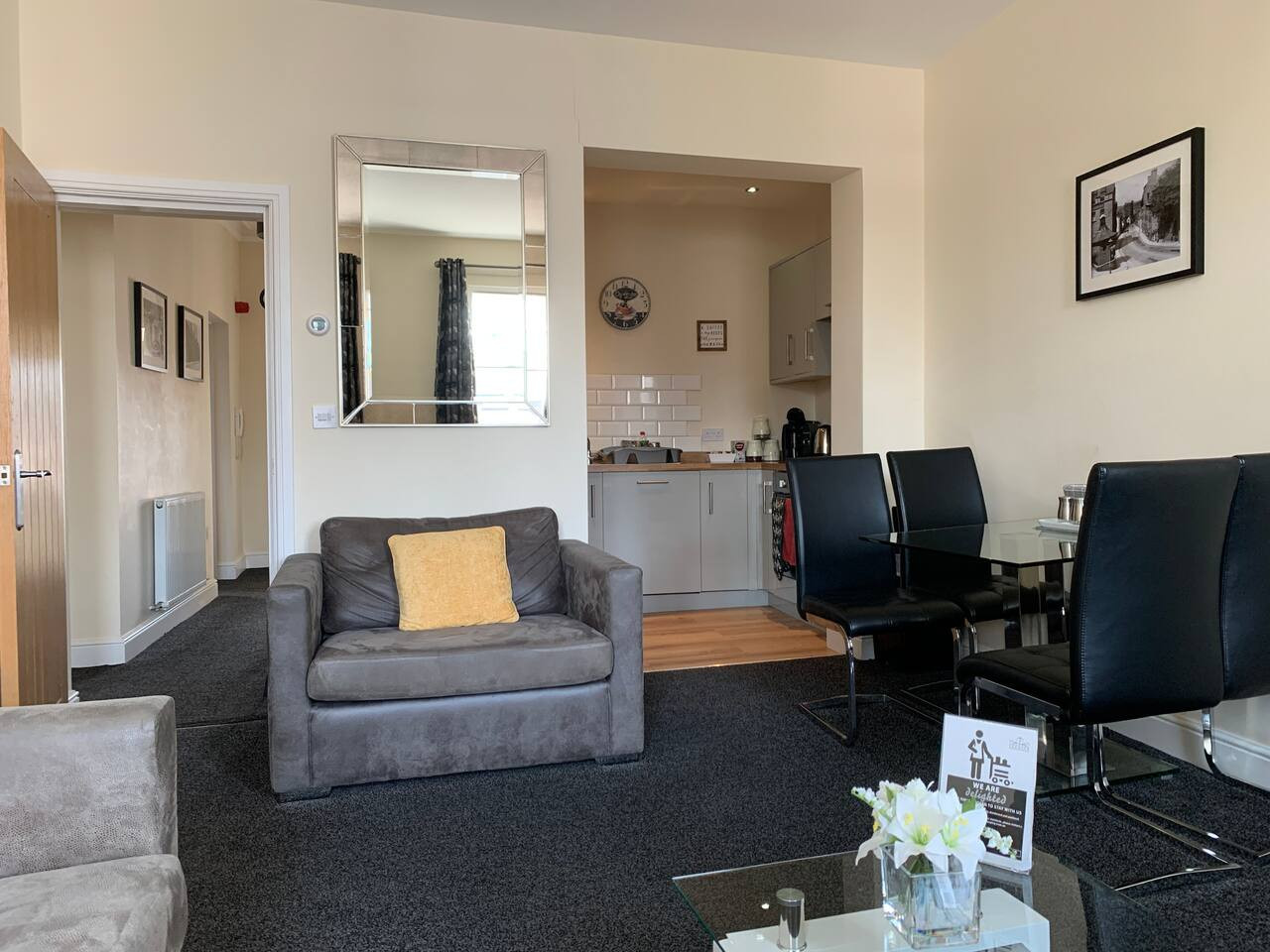
Leek
The Roaches Suite - Large 2 Bedroom Apartment
- Sleeps 7
- 2 bedrooms
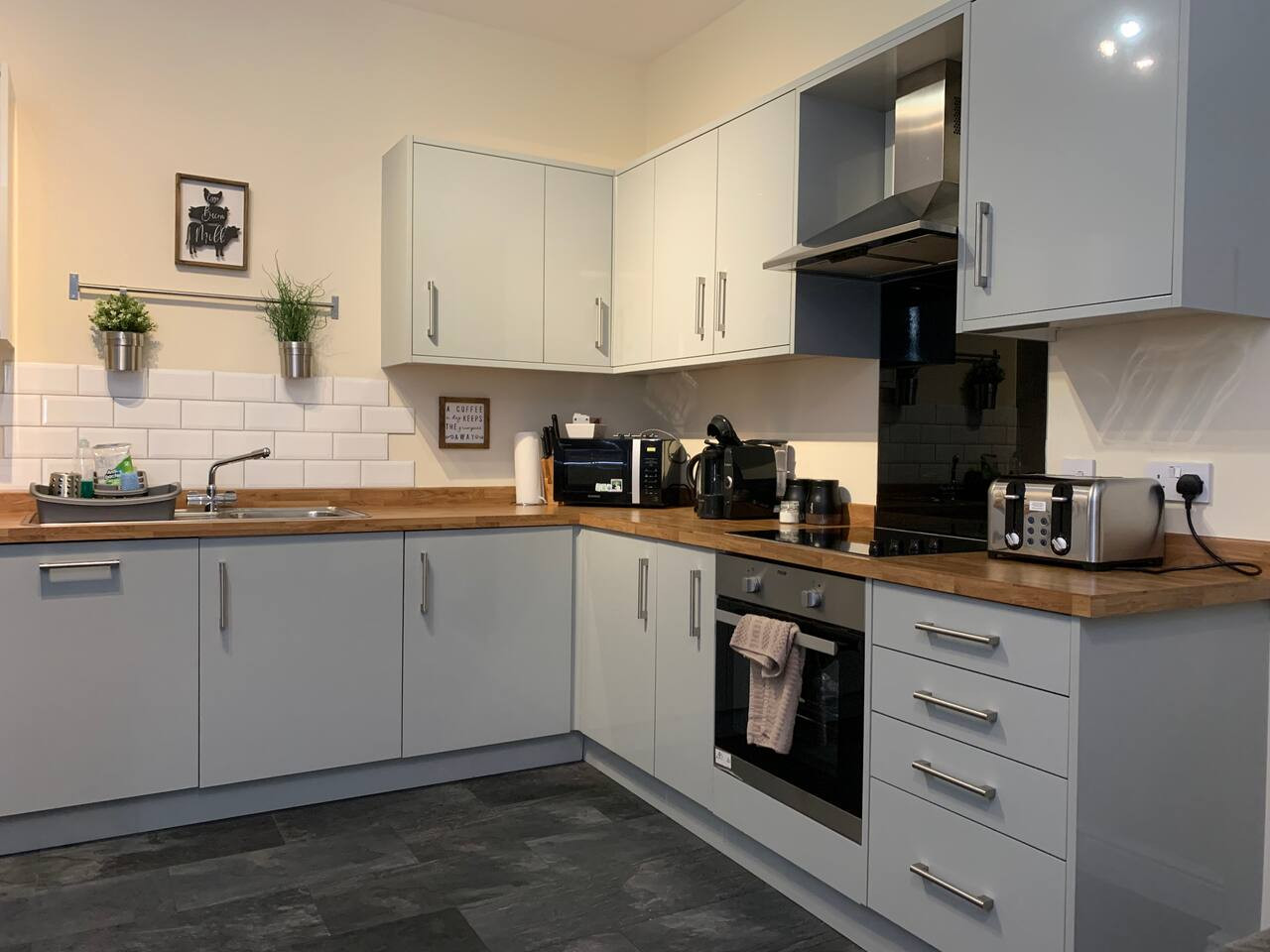
Leek
The Moorlands Suite - 1 Bed Apartment
- Sleeps 4
- 1 bedroom
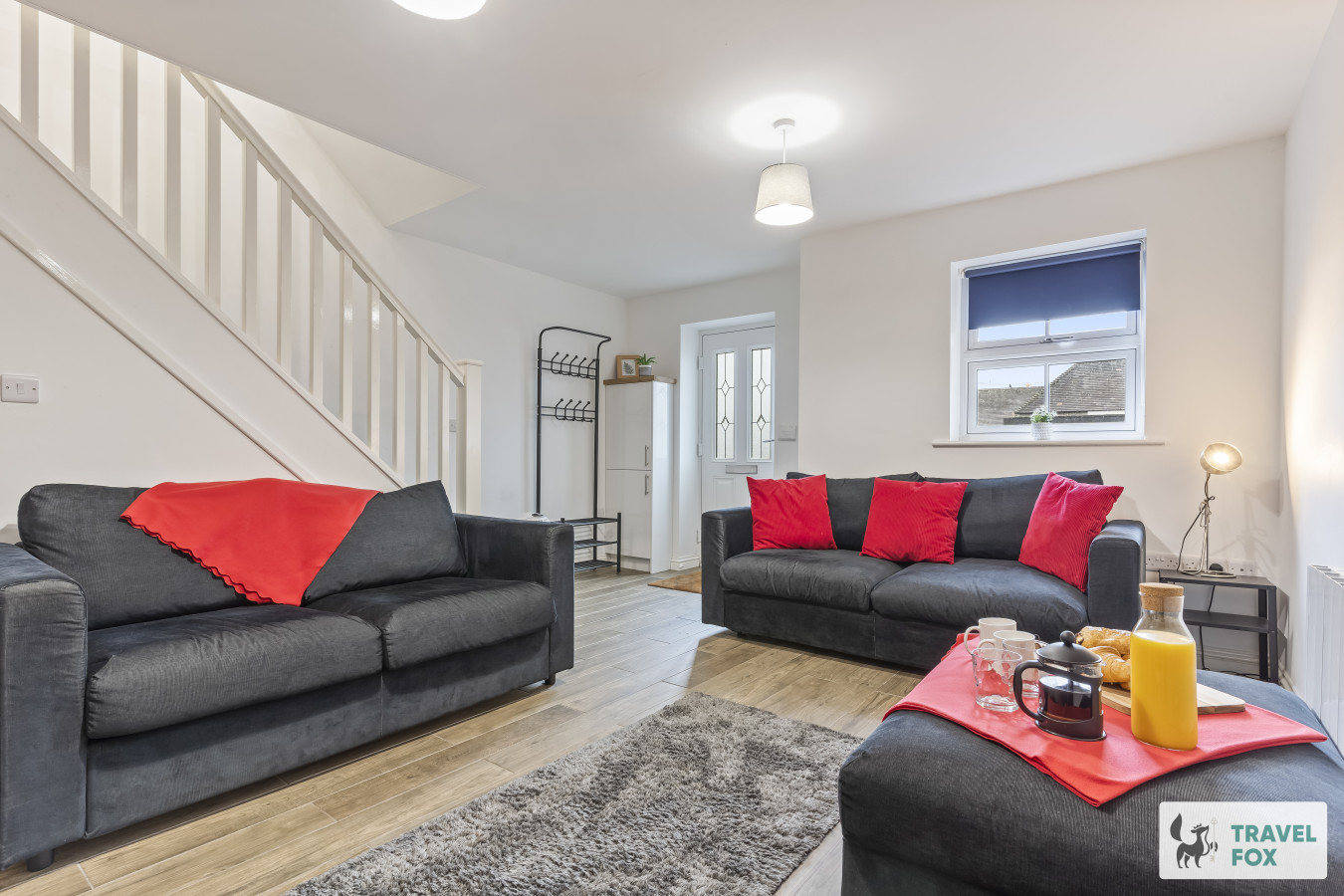
Leek
Amy's House: 20mins Alton Towers
- Sleeps 6
- 2 bedrooms
For homeowners
Own a holiday home near Edale?
We manage holiday lets across the Peak District from 12% commission, charged after cleaning costs, with no lock-in. A co-founder visits before you decide.
Holiday let management in the Peak District →
A guide with a point of view
Written from research. Edited for real journeys.
Use the Official site links for live practical details, then use this guide for context, ideas and room to explore.
Sources
Every place on this page is checked against a published source. Each entry links the record we used and names who publishes it.
- The Old Nag's Head — the-old-nags-head.co.uk operator, sector body or destination organisation
- The Rambler Inn — theramblerinn.co.uk operator, sector body or destination organisation
- The Penny Pot Café — thepennypotcafe.co.uk operator, sector body or destination organisation
- Edale General Store — visitedale.com operator, sector body or destination organisation
- Church of the Holy and Undivided Trinity — historicengland.org.uk statutory register or public authority record not machine-readable; publisher restricts automated access
- Kinder Scout Circular — nationaltrust.org.uk national body or asset manager
- Mam Tor to Lose Hill Great Ridge — peakdistrict.gov.uk statutory register or public authority record not machine-readable; publisher restricts automated access