
A hillside shaped by lead
Winster
Limestone terraces, long-lived pubs and paths into old lead-mining country between Matlock and Bakewell.
- Best for
- Village history and walks through old mining country
- Give it
- A village wander with time for one pub
- Don't miss
- The Burne-Jones window at St John the Baptist
The Fox verdict
A small village with a deep mining story
Winster pairs a steep limestone main street with surviving landmarks from centuries of village life.
The lead-mining boom once supported 24 inns and alehouses; today two historic pubs remain alongside the Market House, St John the Baptist and walks through old mining country towards Stanton Moor.
Your picks, your pace
Make Winster yours
Choose a mood or build your own list. Your saved stops are an ordering aid, with a direct map route when you are ready.
Local signatures
3 placesThe Old Bowling Green
A privately owned free house dating to 1472, with street food, rotating real ales and boules in the beer garden.
- Visit length
- Editorial estimate: allow around 75 minutes
- Locality
- East Bank, Winster
- Access
- Well-behaved dogs welcome.
Church of St John the Baptist
A Grade II-listed church with a Georgian tower dated 1721 and an Edward Burne-Jones chancel window made by Morris & Co. in 1883.
- Visit length
- Editorial estimate: allow around 30 minutes
- Locality
- at the foot of West Bank
Nine Ladies Stone Circle
A Bronze Age stone circle on Stanton Moor, linked to the legend of nine women turned to stone for dancing on the Sabbath.
- Visit length
- Editorial estimate: allow around 2 hours
- Locality
- Stanton Moor to the north
Food & drink
1 placeThe Miners Standard
A 17th-century free house, originally a farmhouse, serving home-made pub food beside a wood-burning stove.
- Visit length
- Editorial estimate: allow around 75 minutes
- Locality
- Bank Top, Winster
History & heritage
1 placeWinster Market House
Acquired in 1906, the Market House became the National Trust's first property in the Peak District.
- Visit length
- Editorial estimate: allow around 30 minutes
- Locality
- Winster
No places match this filter. Choose All places to reset the list.
On the map
Winster at a glance
Tap a marker to jump to its guide card.
Three ways to explore Winster
Signature outings
Home-made Pub Cooking
Settle into The Miners Standard for home-made food in a 17th-century former farmhouse with a wood-burning stove.
The Trust's First Here
Visit the Market House, acquired in 1906 as the National Trust's first Peak District property.
Nine Ladies on the Moor
Visit the Bronze Age Nine Ladies Stone Circle on Stanton Moor, about 2.0 miles from Winster in a straight line; walking route longer.
The village story
Winster Village Guide
A limestone hillside village shaped by lead mining, old pubs and paths into the Peak District.
Frying Pans on the Hillside
The main street of Winster climbs the hillside in a terrace of reddish-grey limestone, and once a year people run up it carrying frying pans. The Shrove Tuesday pancake races have categories for senior citizens, ladies, men and children, and they happen along the same slope you'd otherwise be puffing up with the shopping. It is a village built on a gradient, roughly 700 to 900 feet above the ground between Matlock and Bakewell, and it has arranged itself around the incline rather than against it.
There are two pubs. The Old Bowling Green, on East Bank, dates to 1472 and has been run by the same resident owners, David and Marilyn, since 1990. It's a free house that serves street food in baskets and, on select dates, hand-stretched stone-baked pizza, with real ales rotating through and boules in the beer garden. Well-behaved dogs are welcome.
Two Pubs and a Village Base
The Miners Standard, up at Bank Top, was built around 1653 as a farmhouse and later found itself surrounded by a miners' shanty-town as the lead workings crept down the valley. Its name is the miner's dish, the standard measure once used for lead ore. Inside there's a wood-burning stove and home-made food — soup, chunky sub rolls, fish and chips, gammon with pineapple, fish pie, lasagne, steak pie, and a Sunday lunch. The pies get singled out for praise. One TripAdvisor reviewer called it "good honest pub food in the surroundings of a proper country pub in an old lead mining district," and noted that the dogs get treats from the bar staff or the regulars.
The village keeps a shop with a post office, a garage, a primary school, a church and a Methodist chapel — enough to see out a week without a car, though you'll want one. The 172 bus runs along Main Street between Bakewell and Matlock via Youlgreave; the nearest station is Matlock, about five miles off on the Derwent Valley Line.
Paths and Stained Glass
The walking radiates outward. The Limestone Way passes close by, and circular routes leave in every direction through limestone pasture and old mining country. North, on Stanton Moor, is the Nine Ladies Stone Circle — a Bronze Age ring named for nine women said to have been turned to stone for dancing on the Sabbath.
The church of St John the Baptist has a Georgian tower dated 1721 and a body rebuilt in the 1840s. Its chancel south window is by Edward Burne-Jones, made by Morris & Co. in 1883, which is a considerable thing to find in a village church of this size.
From Lead Boom to National Trust Landmark
Winster was wealthy once. The mining boom of 1720 to 1770 pushed the population past 2,000, and by 1751 there were 24 inns and alehouses. Two remain. The Domesday surveyors valued the whole place at a pound.
In 1906 the National Trust bought the Market House for £50 — its first property in the Peak District. The Morris dancers still turn out sixteen strong, in two files of eight, in white shirts and bells, as they have on and off since 1863.
Stay around Peak District
Make a longer stay of it
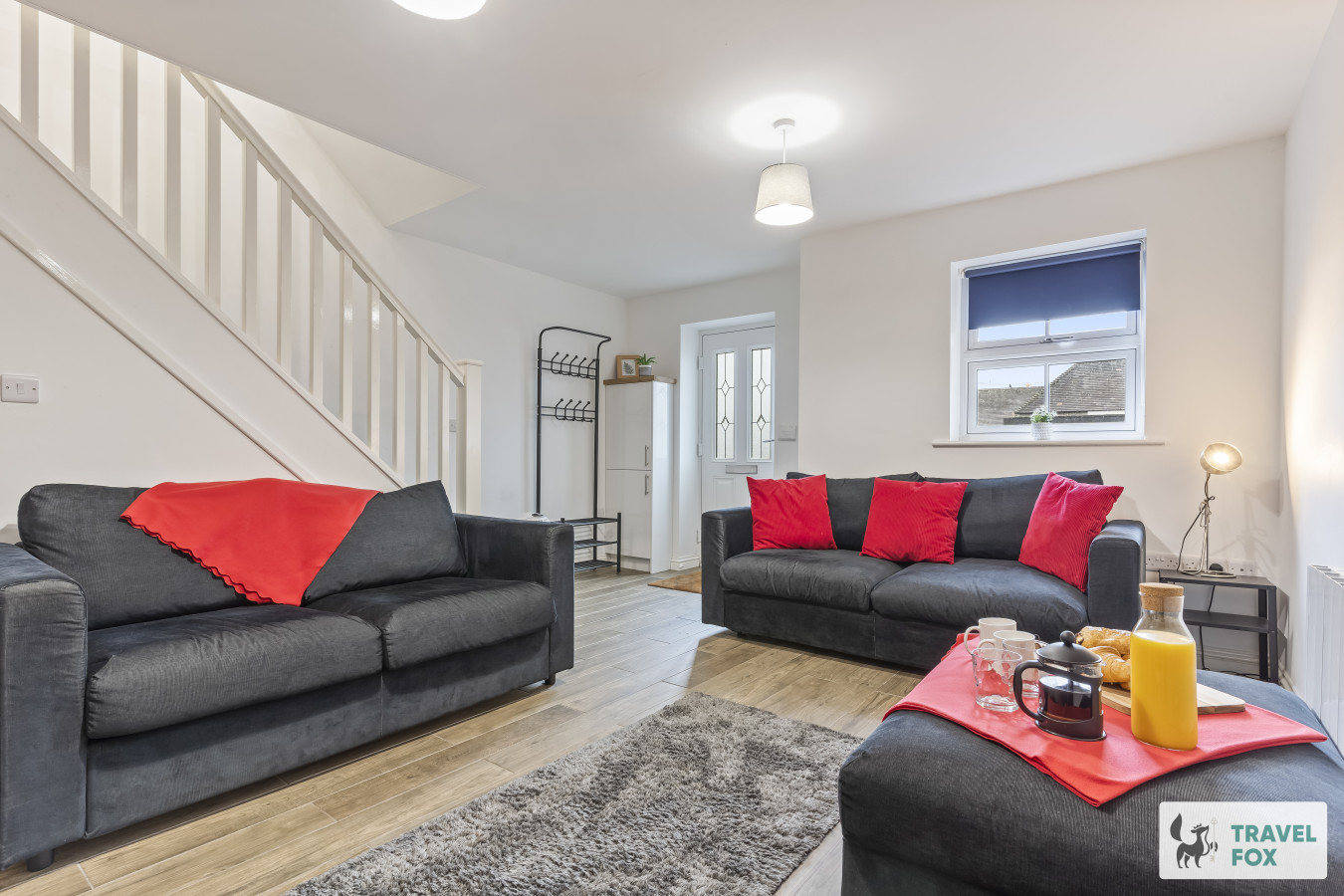
Travel Fox holiday homes around Peak District, linked directly to their property pages.
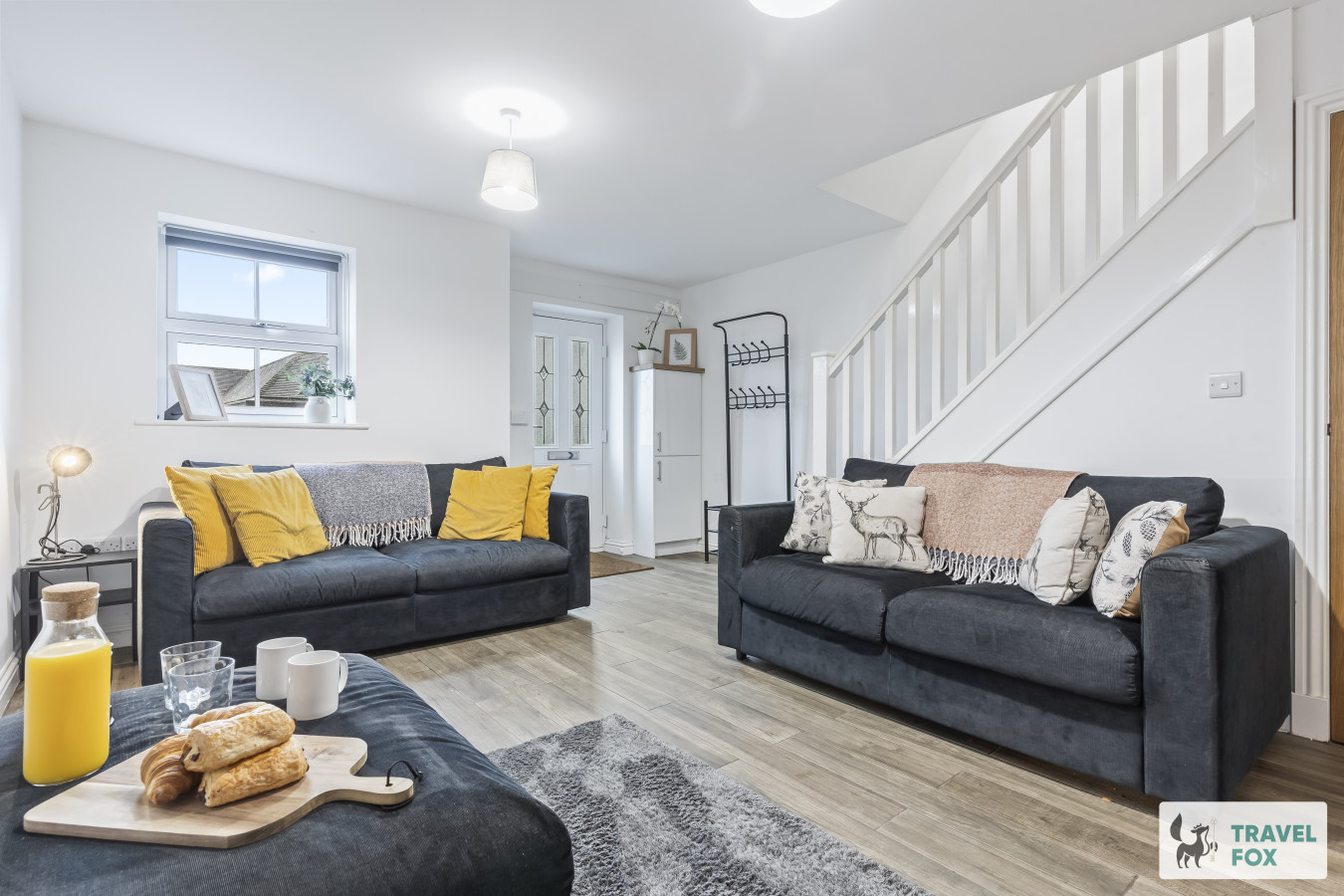
Leek
Lisa's House Leek: 20mins Alton Towers
- Sleeps 6
- 2 bedrooms
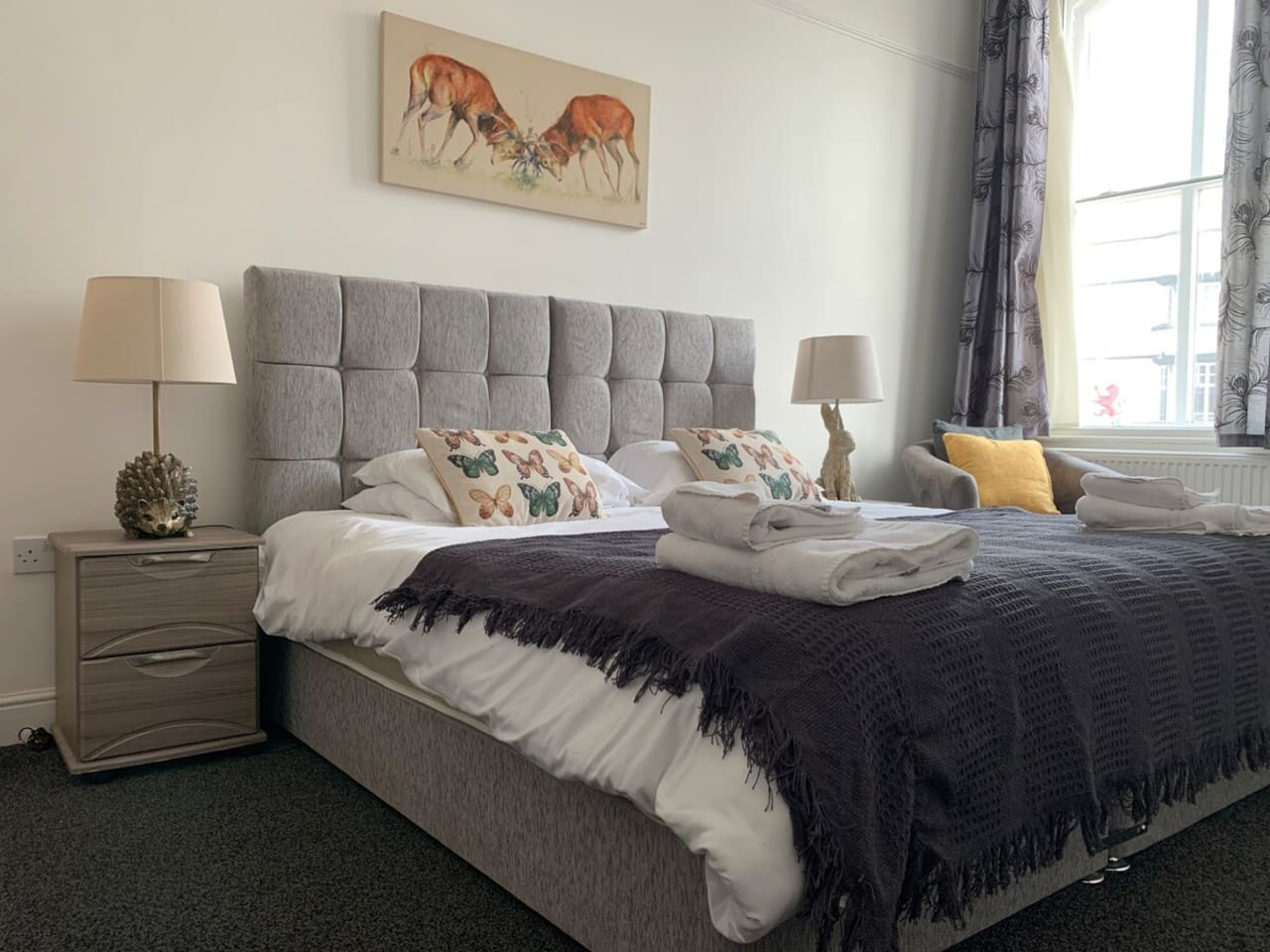
Leek
The Rudyard Suite - Large 1 Bed Apartment
- Sleeps 5
- 1 bedroom
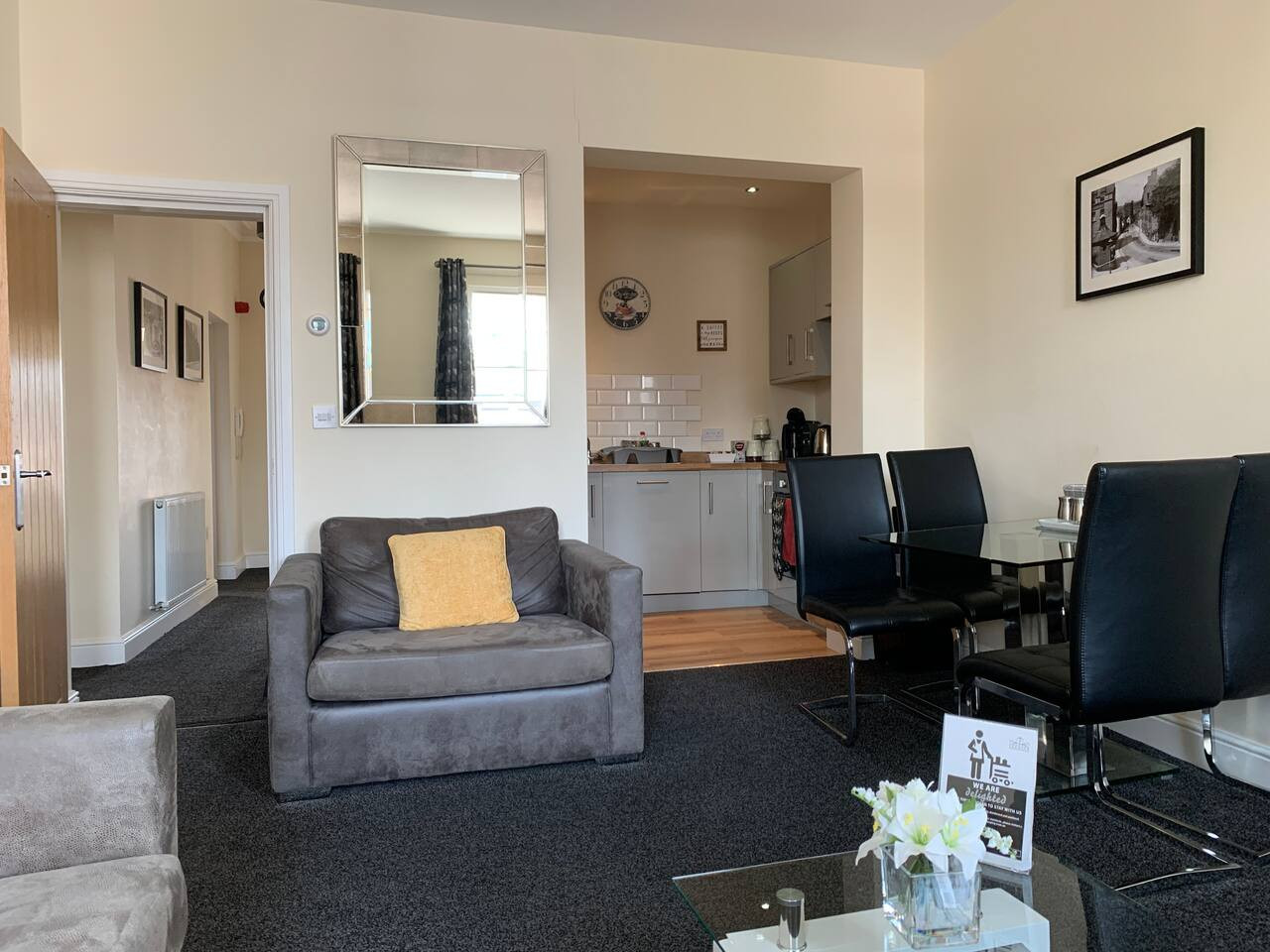
Leek
The Roaches Suite - Large 2 Bedroom Apartment
- Sleeps 7
- 2 bedrooms
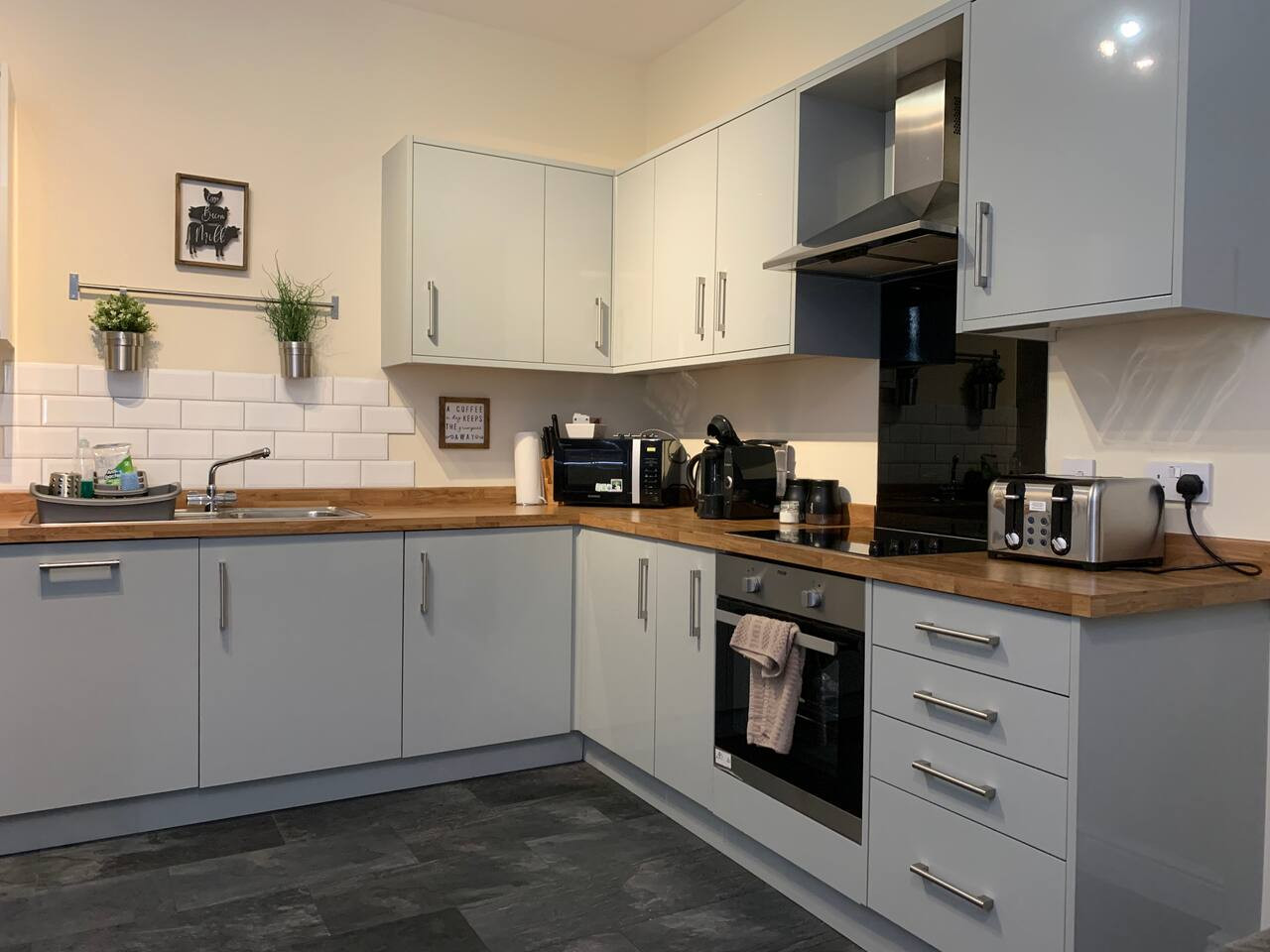
Leek
The Moorlands Suite - 1 Bed Apartment
- Sleeps 4
- 1 bedroom
Leek
Amy's House: 20mins Alton Towers
- Sleeps 6
- 2 bedrooms
For homeowners
Own a holiday home near Winster?
We manage holiday lets across the Peak District from 12% commission, charged after cleaning costs, with no lock-in. A co-founder visits before you decide.
Holiday let management in the Peak District →
A guide with a point of view
Written from research. Edited for real journeys.
Use the Official site links for live practical details, then use this guide for context, ideas and room to explore.
Sources
Every place on this page is checked against a published source. Each entry links the record we used and names who publishes it.
- The Old Bowling Green — historicengland.org.uk statutory register or public authority record not machine-readable; publisher restricts automated access
- The Miners Standard — minerswinster.wixsite.com other published source
- Church of St John the Baptist — historicengland.org.uk statutory register or public authority record not machine-readable; publisher restricts automated access
- Winster Market House — nationaltrust.org.uk national body or asset manager
- Nine Ladies Stone Circle — peakdistrict.gov.uk statutory register or public authority record not machine-readable; publisher restricts automated access