
Where two rivers meet
Alport
A quiet White Peak hamlet of limestone-clear water, old bridges, riverside walks and industrial remains.
- Best for
- Gentle riverside walks and industrial history
- Give it
- A slow half day beside the Bradford and Lathkill
- Don't miss
- Mill Bridge and the cupola chimney
The Fox verdict
Two clear rivers and a quietly industrial past
Alport is a tiny riverside hamlet where gentle dale walks begin among old bridges, mill remains and the traces of lead smelting.
Come for the meeting of the Bradford and Lathkill, then follow either river through meadows. The surviving bridges, corn mill and cupola chimney reveal how much industry once occupied this now-quiet valley.
Where to go
Places in Alport
Every place below is checked against a published source, listed with what it is and how long to give it.
Local signatures
3 placesRiver Bradford walk to Youlgreave
A short, gentle and scenic riverside meadow walk between Alport and Youlgreave, following the River Bradford.
- Visit length
- Editorial estimate: Allow around 60 minutes
- Locality
- between Alport and Youlgreave along the River Bradford
River Lathkill walk to Conksbury
A gentle and scenic riverside walk north from Alport through meadows beside the River Lathkill to Conksbury.
- Visit length
- Editorial estimate: Allow around 60 minutes
- Locality
- north from Alport along the River Lathkill to Conksbury
Mill Bridge over the River Bradford
A Grade II-listed stone road bridge over the Bradford, recorded as a narrow packhorse bridge in the Derbyshire Historic Environment Record. The present bridge dates from the 18th century and was raised in the early 19th century.
- Visit length
- Editorial estimate: Allow around 15 minutes
- Locality
- Cliff Lane, Alport, over the River Bradford
Walks & outdoors
1 placeLathkill Dale National Nature Reserve
Explore the Lathkill Dale section of Derbyshire Dales National Nature Reserve, a limestone valley of riverside paths, wildflower-rich grassland and woodland. Natural England advises care around steep slopes and old mine workings.
- Visit length
- Editorial estimate: Allow around 90 minutes
- Locality
- Lathkill Dale, north-west of Alport
History & heritage
2 placesAlport corn mill
A Grade II-listed 18th-century stone corn mill, later used as a trout farm. The exterior can be seen from the adjacent bridge; the mill is not open to the public.
- Visit length
- Editorial estimate: Allow around 30 minutes
- Locality
- by the river in Alport
Alport Cupola
The scheduled 19th-century Alport smelt mill site retains flues, furnace remains and a chimney stump on the wooded hillside.
- Visit length
- Editorial estimate: Allow around 45 minutes
- Locality
- at the former smelt mill site above Alport
No places match this filter. Choose All places to reset the list.
Three ways to explore Alport
Signature outings
Mill Bridge
Pause at the Grade II-listed Mill Bridge where Cliff Lane crosses the Bradford in Alport.
The cupola chimney
Look for the chimney stump that survives at Alport's former lead-smelting site on the hillside above the hamlet.
Lathkill Dale
Explore the public paths and wildflower-rich slopes of the Lathkill Dale section of Derbyshire Dales National Nature Reserve.
The village story
Alport Village Guide
Follow clear water from old bridges into a history of mills, lead and a hamlet transformed by quiet.
Where the Rivers Meet
Two rivers meet at Alport. The Lathkill comes down its dale from the north and the Bradford runs in from Youlgreave, and they join in the middle of the hamlet before flowing east towards the Wye and the Derwent. Both are limestone-clear — you can count the stones on the bottom — and the sound of them is the loudest thing here.
The Bradford is little over four miles long. The Haddon Estate owns and manages it, as it owns most of Alport, which has belonged to the Duke of Rutland for generations.
Bridges and Dale Walks
Cross the Bradford at Mill Bridge on Cliff Lane. The Grade II-listed stone bridge began as a narrow packhorse crossing and was later raised to carry the road. Alport Mill stands just beyond it.
The walking is the reason to be here. From the doorstep you can follow the Bradford upstream to Youlgreave or the Lathkill north to Conksbury, both gentle riverside meadow walks. For something longer, the Bradford Dale and Lathkill Dale circular runs between five and nearly nine miles depending on how you cut it, over paved lanes and rougher riverside paths that turn muddy when wet. One writer called it among the finest in the Peak National Park. Up the Lathkill towards Monyash is a five-mile route into a steep-sided limestone valley, and along the way the rivers hold brown trout, white-clawed crayfish, dippers and kingfishers. Bradford Dale also grows Jacob's Ladder, a rare wild plant.
Life Beyond the Hamlet
There is no pub. There was one — the Three Rivers Inn, Alport's only pub, which closed in 1924 and was demolished in 1937 to widen the road that now climbs towards the A6 and Buxton. Nothing has replaced it. Youlgreave, about a mile west, has shops and other village amenities.
The Industrial Valley
The quiet is deceptive. Alport was once an industrial centre with a lead-smelting mill, a paper mill, and sheds for weaving, dyeing and bleaching wool. The Alport smelt mill worked in the mid 19th century, and part of its chimney and flue system still stands on the wooded hillside. To drain the mines, the Hillcarr Sough was driven — four and a half miles of tunnel finished in 1787, reputed the largest ever dug in the country. Much of the industry has gone or survives only as ruins.
The stone corn mill by the river dates from the 18th century, though a mill site has been documented here since the 12th century. The building is now private and can be viewed from the adjacent bridge. It appeared in the 1970 film of D.H. Lawrence's *The Virgin and the Gypsy*.
A Hidden Gem
The Victorian travel writer James Croston called Alport, with its neighbours, one of the "hidden gems in the crown of a regal landscape." Monks Hall, the oldest house in the hamlet, still stands where a stream cascades down to the Bradford, which is where it has always gone.
Stay around Peak District
Make a longer stay of it
Travel Fox holiday homes around Peak District, linked directly to their property pages.
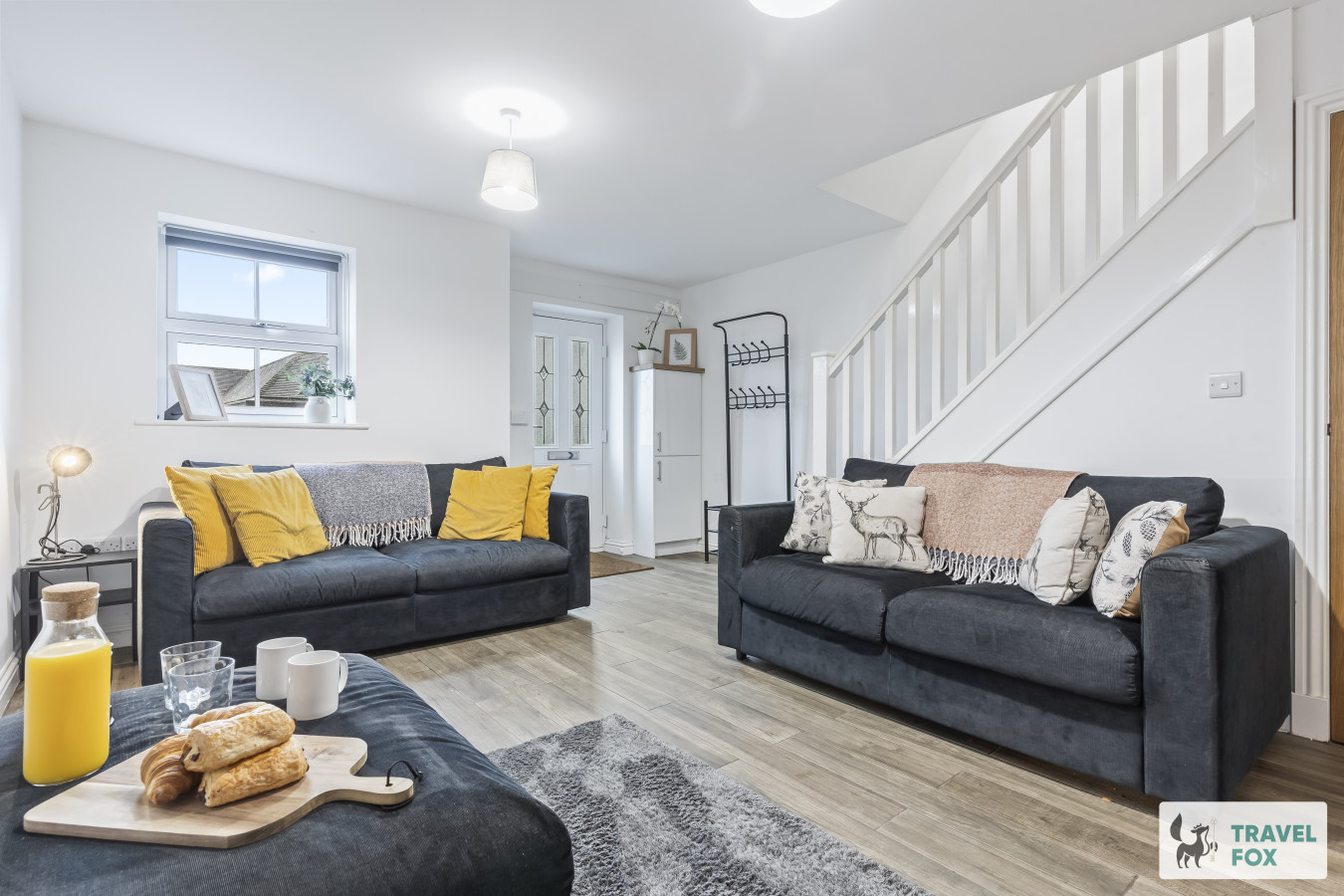
Leek
Lisa's House Leek: 20mins Alton Towers
- Sleeps 6
- 2 bedrooms
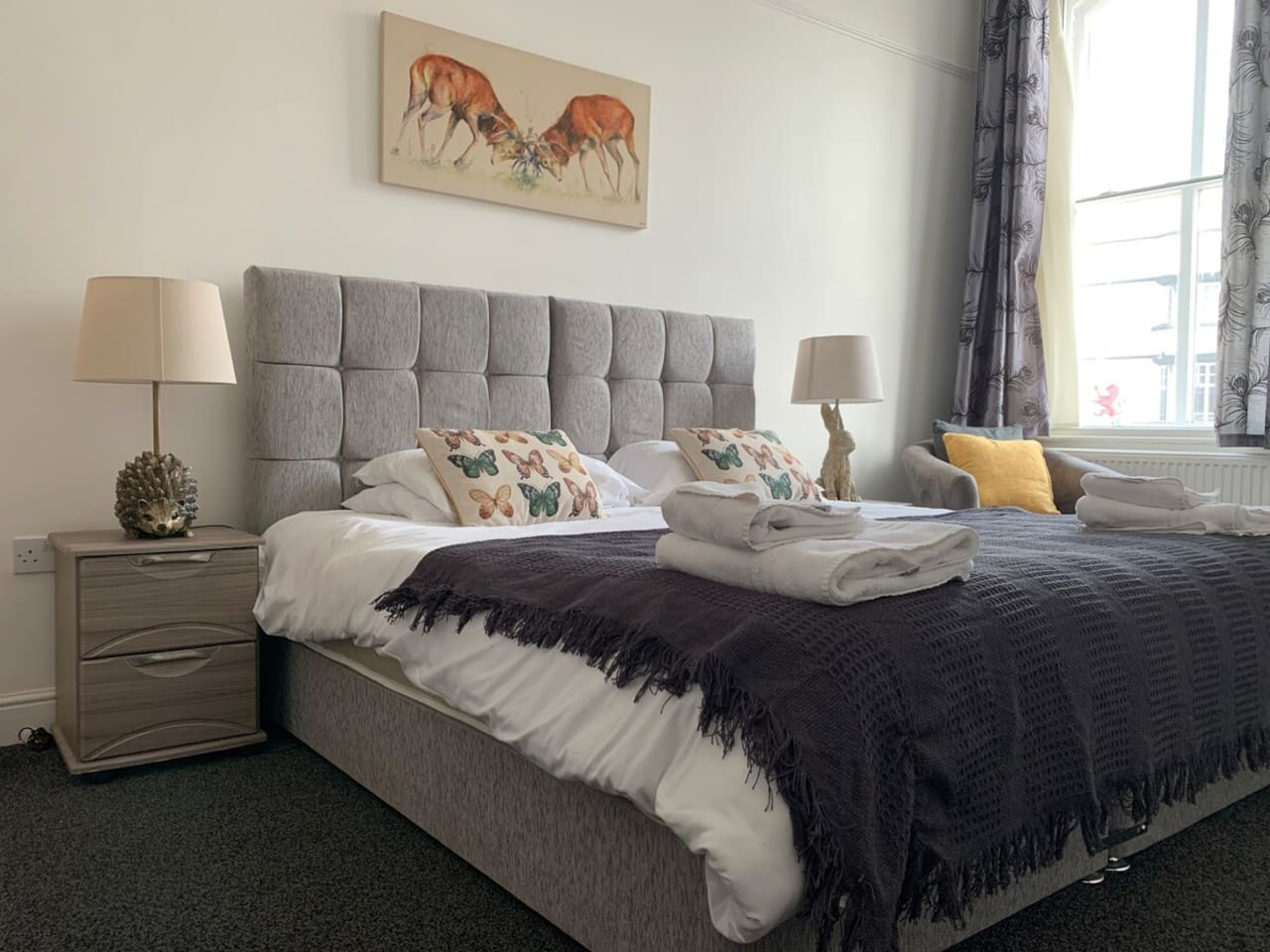
Leek
The Rudyard Suite - Large 1 Bed Apartment
- Sleeps 5
- 1 bedroom
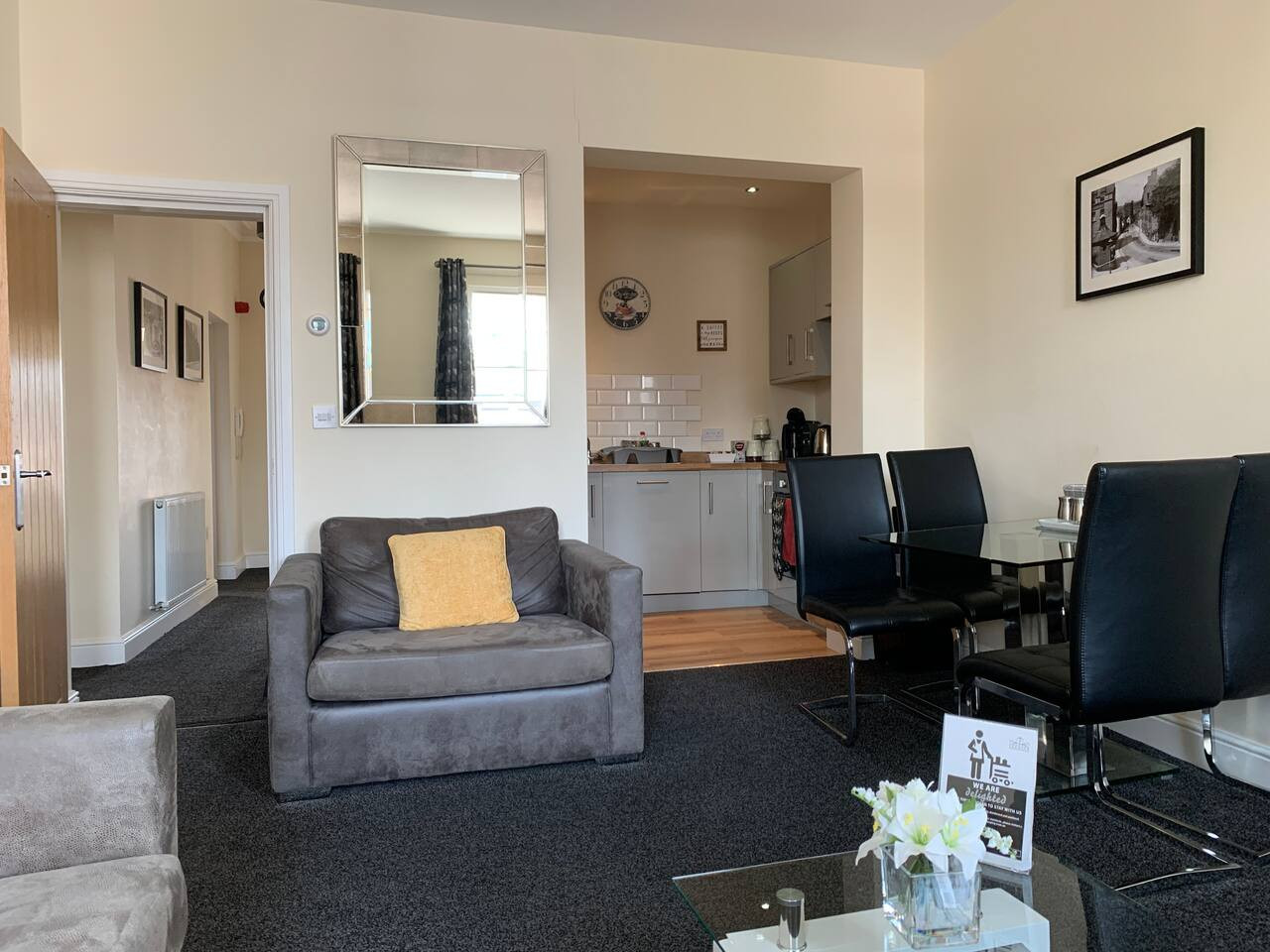
Leek
The Roaches Suite - Large 2 Bedroom Apartment
- Sleeps 7
- 2 bedrooms
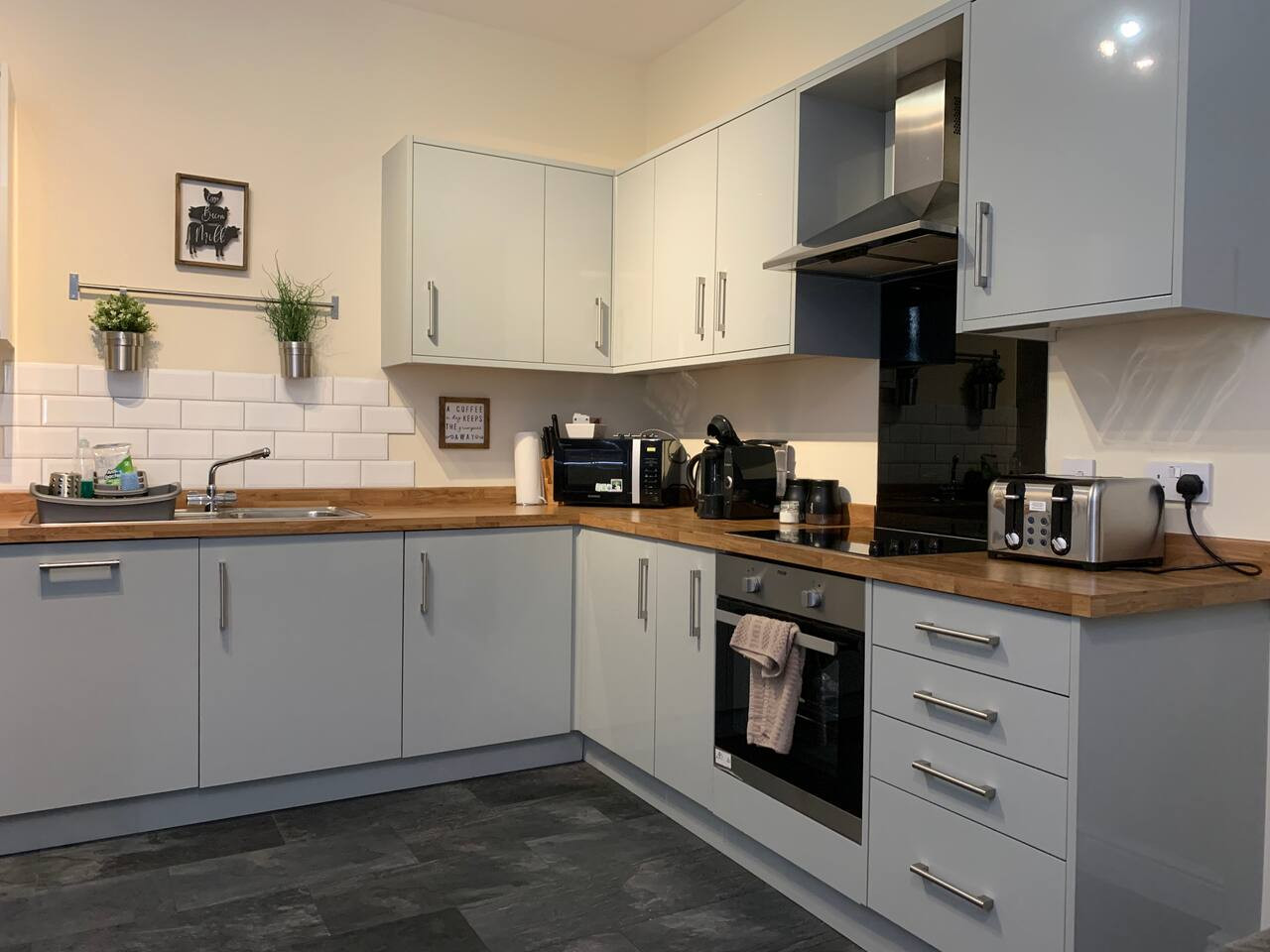
Leek
The Moorlands Suite - 1 Bed Apartment
- Sleeps 4
- 1 bedroom
Leek
Amy's House: 20mins Alton Towers
- Sleeps 6
- 2 bedrooms
For homeowners
Own a holiday home near Alport?
We manage holiday lets across the Peak District from 12% commission, charged after cleaning costs, with no lock-in. A co-founder visits before you decide.
Holiday let management in the Peak District →
A guide with a point of view
Written from research. Edited for real journeys.
Use the Official site links for live practical details, then use this guide for context, ideas and room to explore.
Sources
Every place on this page is checked against a published source. Each entry links the record we used and names who publishes it.
- River Bradford walk to Youlgreave — peakdistrict.gov.uk statutory register or public authority record not machine-readable; publisher restricts automated access
- River Lathkill walk to Conksbury — peakdistrict.gov.uk statutory register or public authority record not machine-readable; publisher restricts automated access
- Mill Bridge over the River Bradford — historicengland.org.uk statutory register or public authority record not machine-readable; publisher restricts automated access
- Alport corn mill — historicengland.org.uk statutory register or public authority record not machine-readable; publisher restricts automated access
- Alport Cupola — historicengland.org.uk statutory register or public authority record not machine-readable; publisher restricts automated access
- Lathkill Dale National Nature Reserve — gov.uk statutory register or public authority