
River, stone and village stories
Ashford-in-the-Water
A compact limestone village wrapped by the River Wye, with a celebrated packhorse bridge, unusual church treasures and walks into Monsal Dale.
- Best for
- Riverside history and a relaxed village walk
- Give it
- Two to three hours, or longer with lunch
- Don't miss
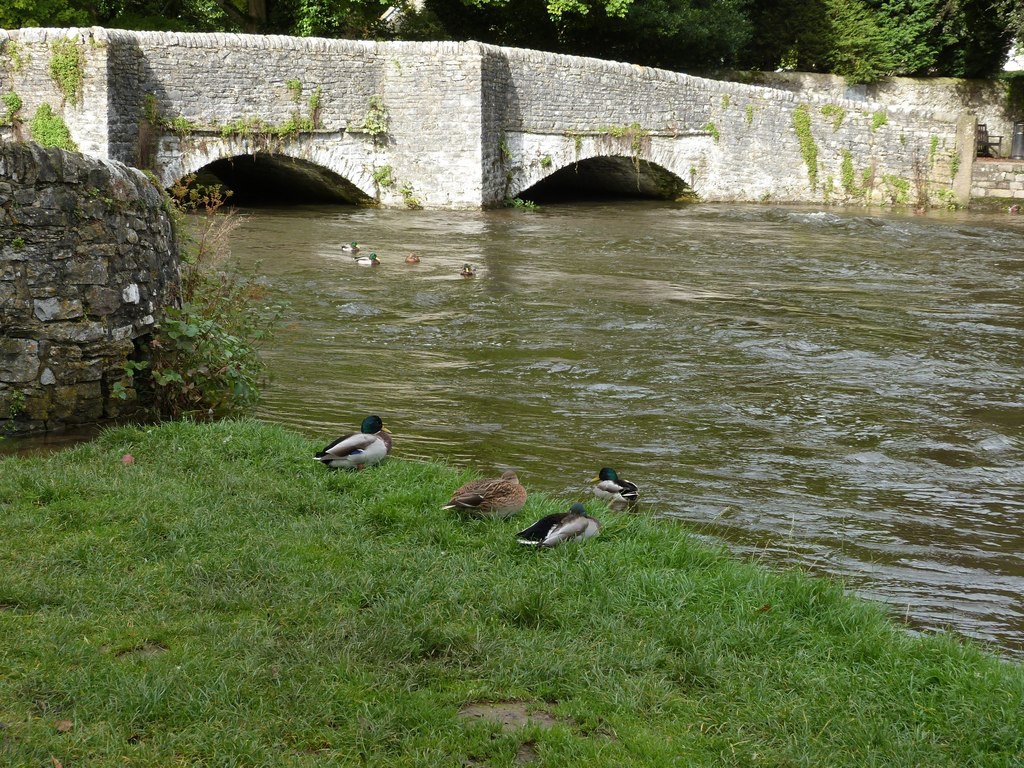
- The three arches and stone pen at Sheepwash Bridge
Photo: Derek Voller · CC BY-SA 2.0 · cropped
The Fox verdict
A small village with a remarkably rich river story
Come for Sheepwash Bridge, then stay for Holy Trinity's maidens' garlands, Church Street's two pubs and the paths beside the Wye.
Ashford-in-the-Water works best at an unhurried pace. The River Wye loops around its limestone lanes, the old sheepwash explains the village's most recognisable view, and Holy Trinity adds a rare, affecting detail in its surviving funeral garlands. Longer visits can continue towards Monsal Head or nearby Bakewell.
Your picks, your pace
Make Ashford-in-the-Water yours
Choose a mood or build your own list. Your saved stops are an ordering aid, with a direct map route when you are ready.
Local signatures
3 placesThe Bull's Head
A 17th-century coaching inn and Robinsons Brewery house serving classic pub food and Robinsons cask ales.
- Visit length
- Editorial estimate: allow around 75 minutes for food or a drink
- Locality
- Church Street
Monsal Head and Viaduct
A roughly six-mile circuit climbs from Ashford-in-the-Water to Monsal Head, crosses the viaduct and returns through woodland beside the River Wye.
- Visit length
- Editorial estimate: Allow around 3 hours for the researched circular
- Locality
- Monsal Dale
Haddon Hall
A nearby medieval fortified manor house that makes a substantial heritage stop beyond the village.
- Visit length
- Editorial estimate: allow around 150 minutes
- Locality
- near Bakewell
Food & drink
2 places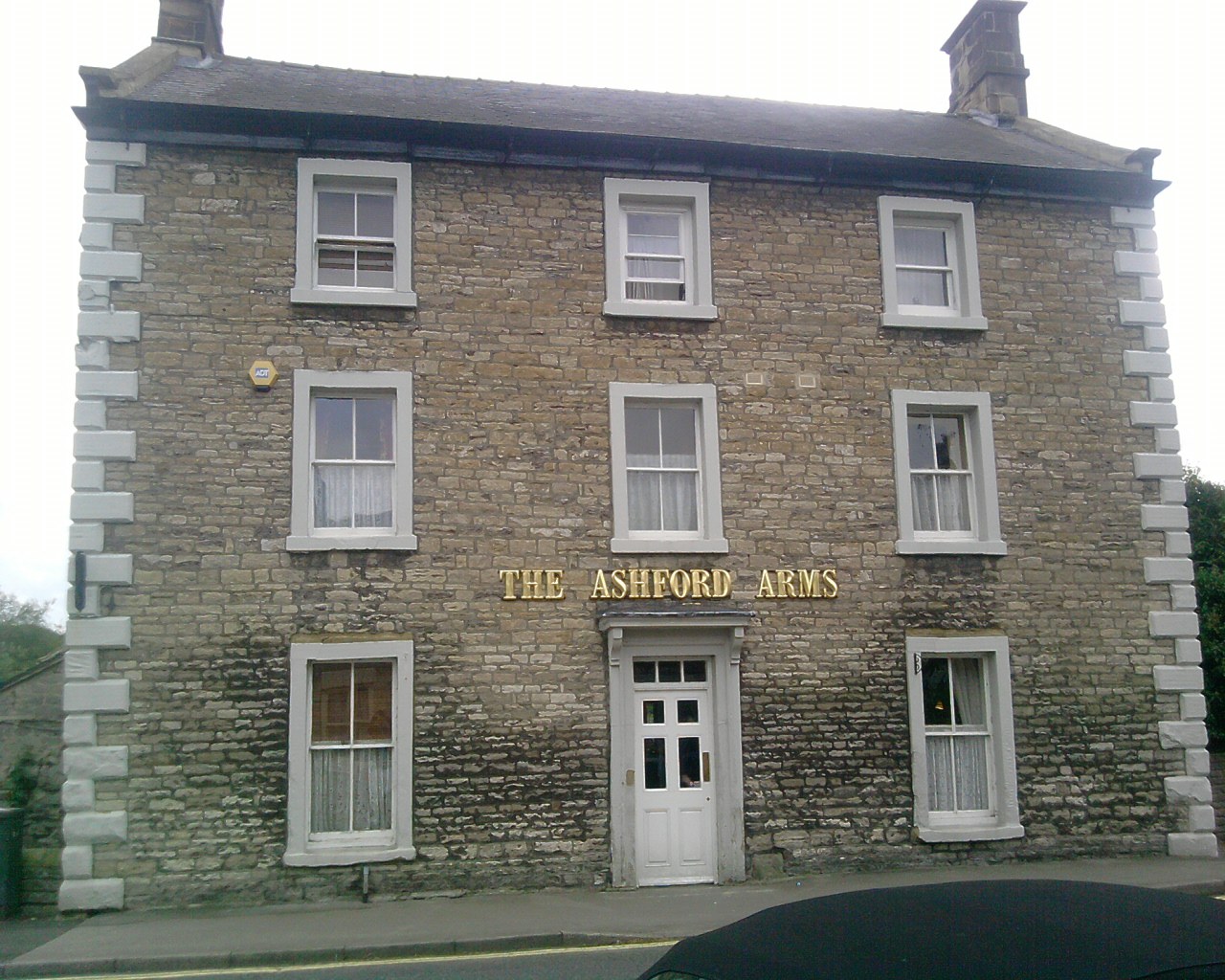
The Ashford Arms
A 17th-century country pub and nine-bedroom inn serving breakfast, lunch, dinner, Sunday roast and afternoon tea, with a beer garden.
- Visit length
- Editorial estimate: allow around 90 minutes for a meal
- Locality
- Church Street
- Access
- Well-behaved dogs are welcome in the bar and outdoor spaces, but not in bedrooms.
Bakewell
The nearby market town is known for Bakewell pudding or tart and its weekly market.
- Visit length
- Editorial estimate: allow around 90 minutes for the market town centre
- Locality
- Bakewell
History & heritage
2 places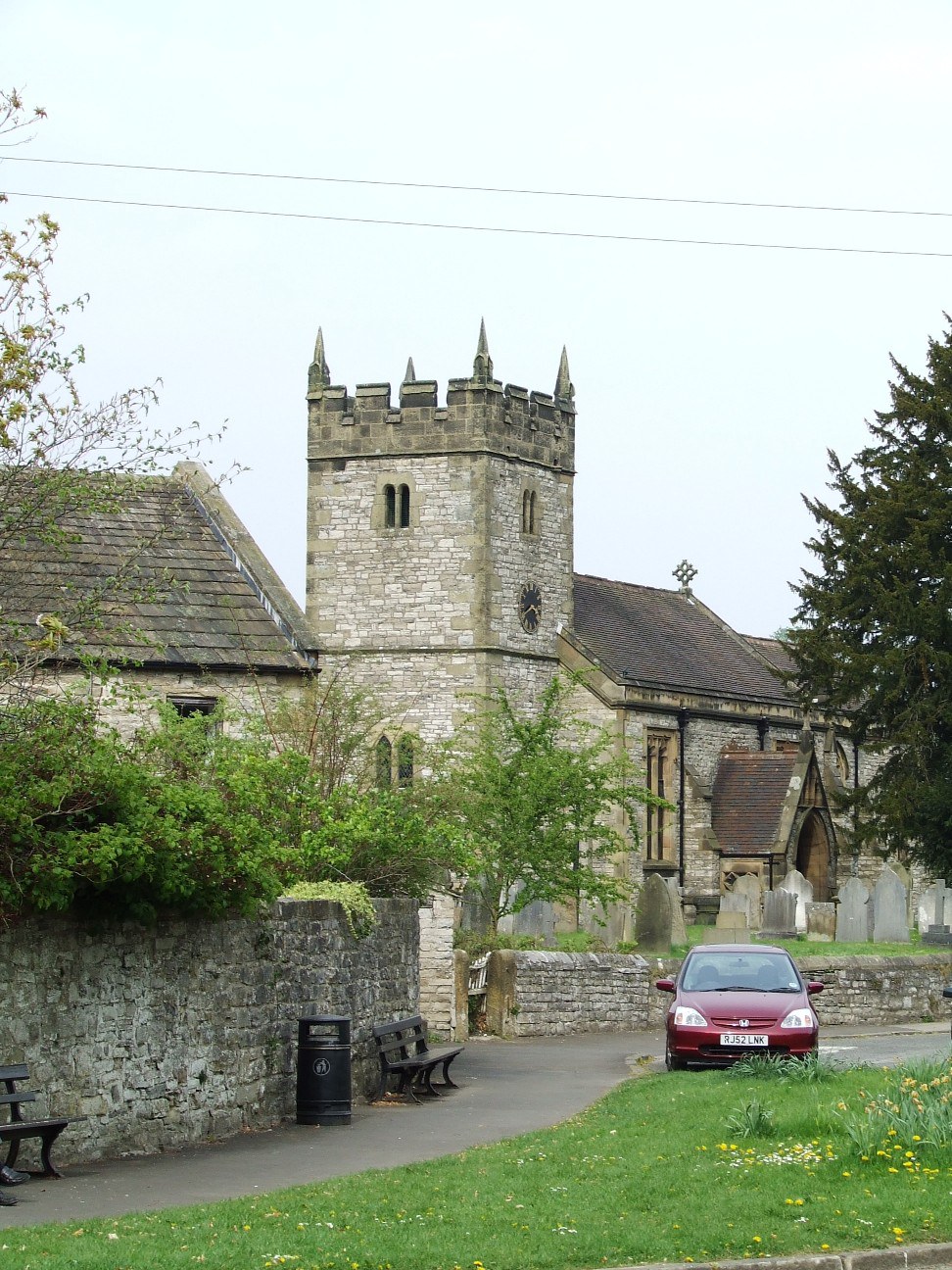
Holy Trinity Church
A Grade II-listed church with an early west tower, a wild-boar tympanum and four surviving maidens' funeral garlands conserved under perspex.
- Visit length
- Editorial estimate: allow around 40 minutes
- Locality
- Church Street
Chatsworth House
A nearby stately home with gardens, parkland and a farm shop.
- Visit length
- Editorial estimate: allow around 180 minutes
- Locality
- Chatsworth
Things to do
1 place
Sheepwash Bridge
A low three-arched packhorse bridge with an attached stone sheepwash pen, where ewes were cleaned before shearing; it is also a celebrated place for Poohsticks.
- Visit length
- Editorial estimate: allow around 30 minutes
- Locality
- over the River Wye
No places match this filter. Choose All places to reset the list.
On the map
Ashford-in-the-Water at a glance
Tap a marker to jump to its guide card.
Three ways to explore Ashford-in-the-Water
Signature outings
Play Poohsticks at the sheepwash
Use the low three-arched Sheepwash Bridge, named by VisitEngland as the country's best Poohsticks spot, and look for the attached pen that explains its working past.
Find the maidens' garlands
Inside Holy Trinity, seek out the four surviving white-paper funeral garlands, including the one made for Anne Howard in 1747.
Settle in at the village inn
The Ashford Arms brings meals, afternoon tea and a beer garden to a restored 17th-century building in the heart of the village.
The village story
Ashford-in-the-Water Village Guide
Follow the River Wye through a village of bridge lore, old inns, rare church memorials and paths towards Monsal Dale.
The bridge and the river loop
Sheepwash Bridge is a low packhorse bridge with three shallow arches and a walled stone pen attached to one side. The pen is a sheepwash: lambs were held on one bank while the ewes swam across, then the ewes were pushed under to clean their fleece before shearing. It is 17th-century, listed Grade II* and a Scheduled Monument, and VisitEngland named it the best spot in the country to play Poohsticks. It is also, according to VisitEngland and Countryfile, said to be the most photographed bridge in England. Stand on it for a minute and you'll see why people stop — and you'll probably see the trout, which grow large in the Wye around here.
The river is the point of the place. The village sits in a loop of the Wye about two miles north-west of Bakewell, which is where the "in-the-Water" comes from — it was added in the late 17th century for the way the meanders wrap around it. The rest of the name is older and more literal: the ford where the ash trees grow.
Two inns on Church Street
Church Street has both pubs. The Ashford Arms is a 17th-century building, once owned by the Duke and Duchess of Devonshire, which closed in 2020 and reopened in March 2024 after a £1.6m refurbishment under Rob Hattersley's Longbow group. It serves breakfast, lunch, dinner, Sunday roast and afternoon tea, and says 90% of the menu can be made gluten-free. It has nine bedrooms and was named among TripAdvisor's top 1% of restaurants worldwide in 2025. Well-behaved dogs get the bar, the beer garden and a water bowl, though not the rooms.
A few doors along is the Bull's Head, a 17th-century coaching inn and a Robinsons house, so the cask ales are theirs. Classic pub food, and a fixture in Countryfile's write-up of the village.
Garlands and black marble
Holy Trinity has a west tower from around 1205 and a Norman tympanum over the south door carved with a wild boar. Its unusual possession is a set of maidens' garlands — "virgin crants," the funeral wreaths Shakespeare names in Hamlet. Each is a wooden frame hung with white paper rosettes and a glove or handkerchief bearing the dead girl's name and age. Seven once hung here; four survive under perspex, the oldest for Anne Howard, who died in 1747 aged twenty-one.
The village had a signature industry once: Ashford Black Marble, a dark limestone cut, polished and inlaid into ornaments. The works ran until 1905, and the main site now lies buried under the A6, which mercifully bypasses the village.
Walking beyond the village
For walking, the circular up to Monsal Head and over the viaduct is about six miles, dropping back through woodland beside the Wye. The Bakewell round is a similar distance. There's no station; buses run the A6 corridor between Bakewell and Buxton, and Bakewell itself is two miles for the pudding and the market.
Petals, cricket and a riverside memorial
Near Trinity Sunday the village dresses six wells with boards of petals and leaves. On the green by the old bridge is the cricket ground, and a stone reading "M Hyde 1664" — a Vicar of Bakewell thrown from his horse and drowned in the river below.
Stay around Peak District
Make a longer stay of it
Travel Fox holiday homes around Peak District, linked directly to their property pages.
Leek
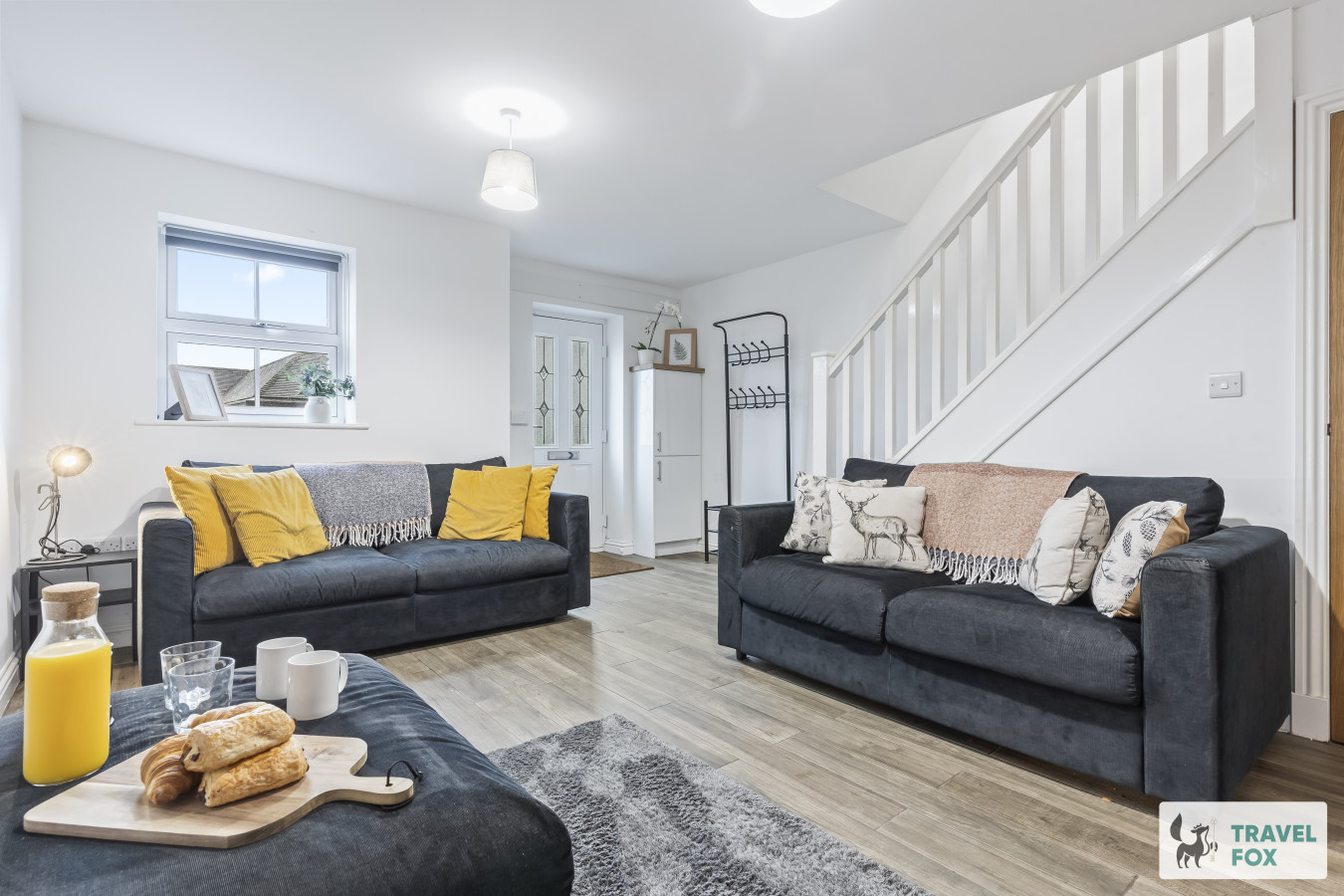
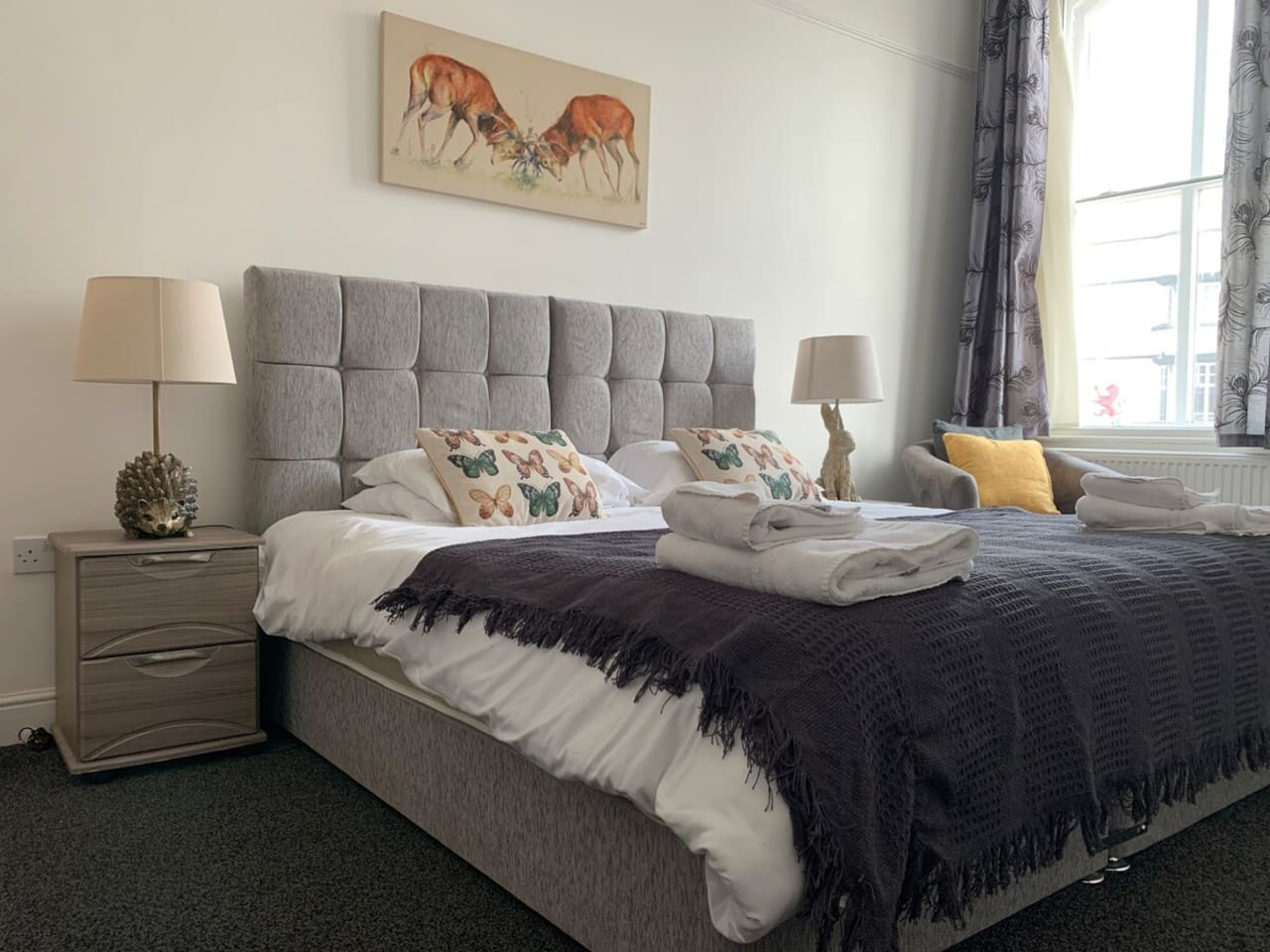
Lisa's House Leek: 20mins Alton Towers
- Sleeps 6
- 2 bedrooms
Leek
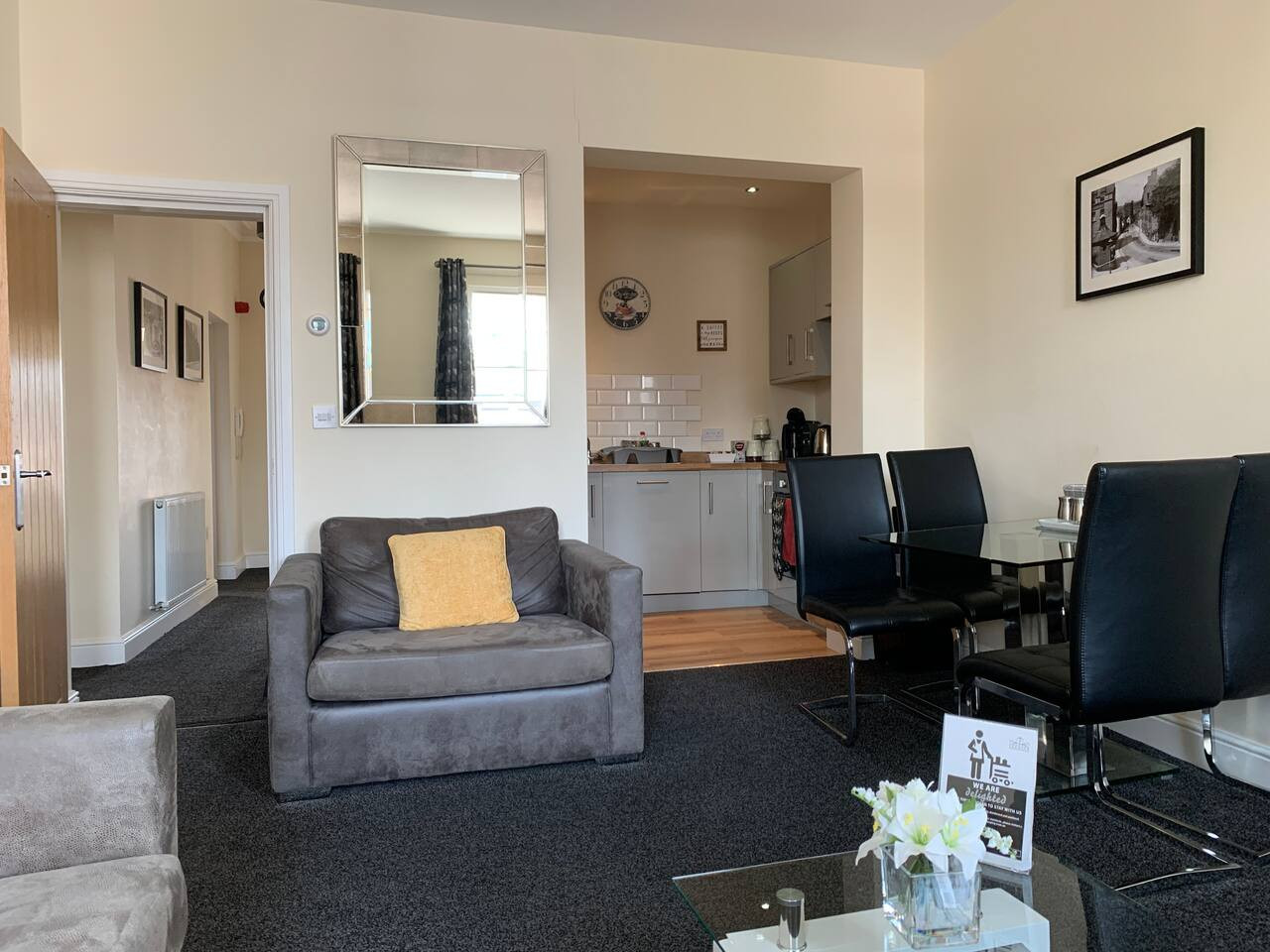
The Rudyard Suite - Large 1 Bed Apartment
- Sleeps 5
- 1 bedroom
Leek
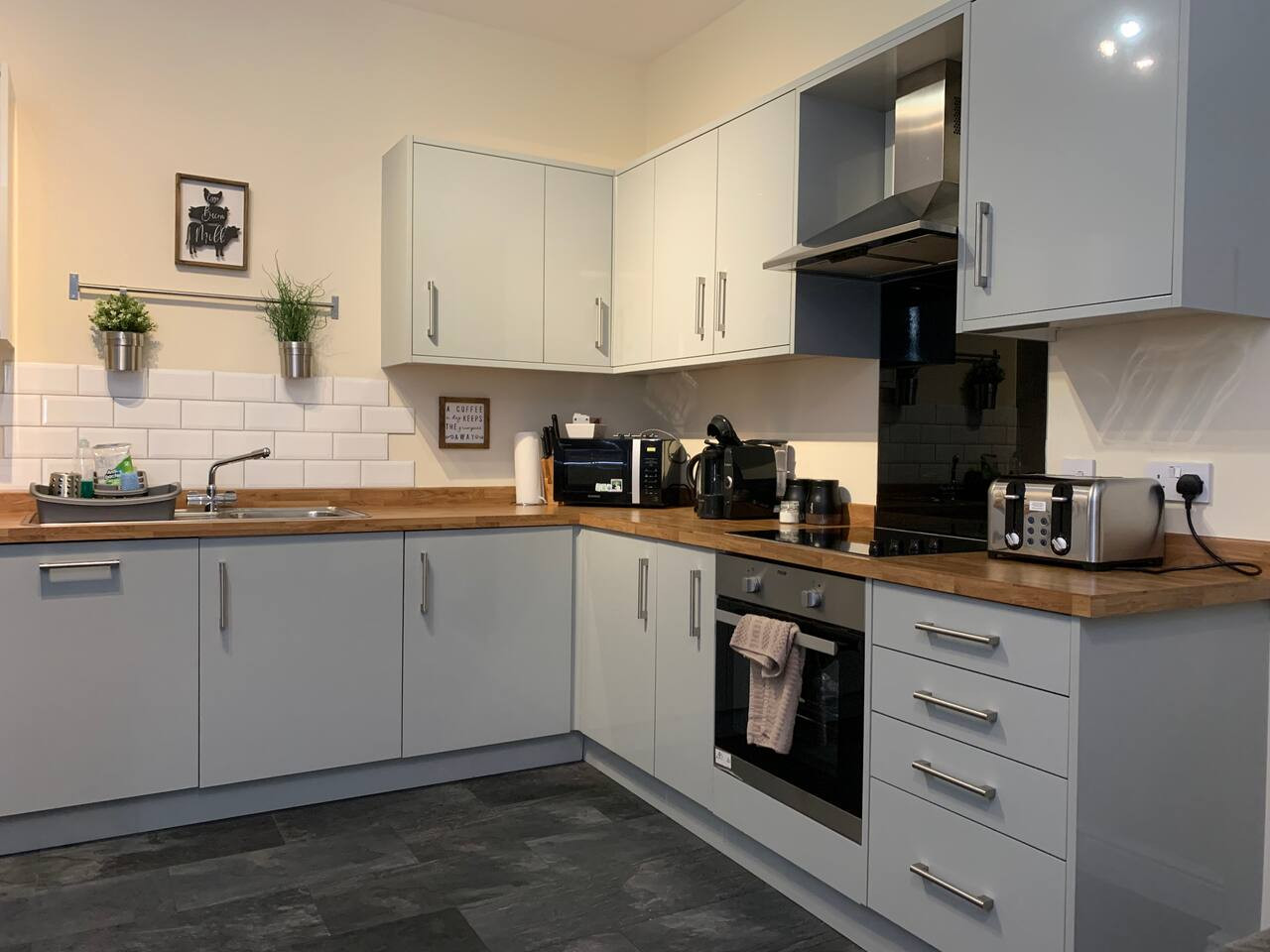
The Roaches Suite - Large 2 Bedroom Apartment
- Sleeps 7
- 2 bedrooms
Leek
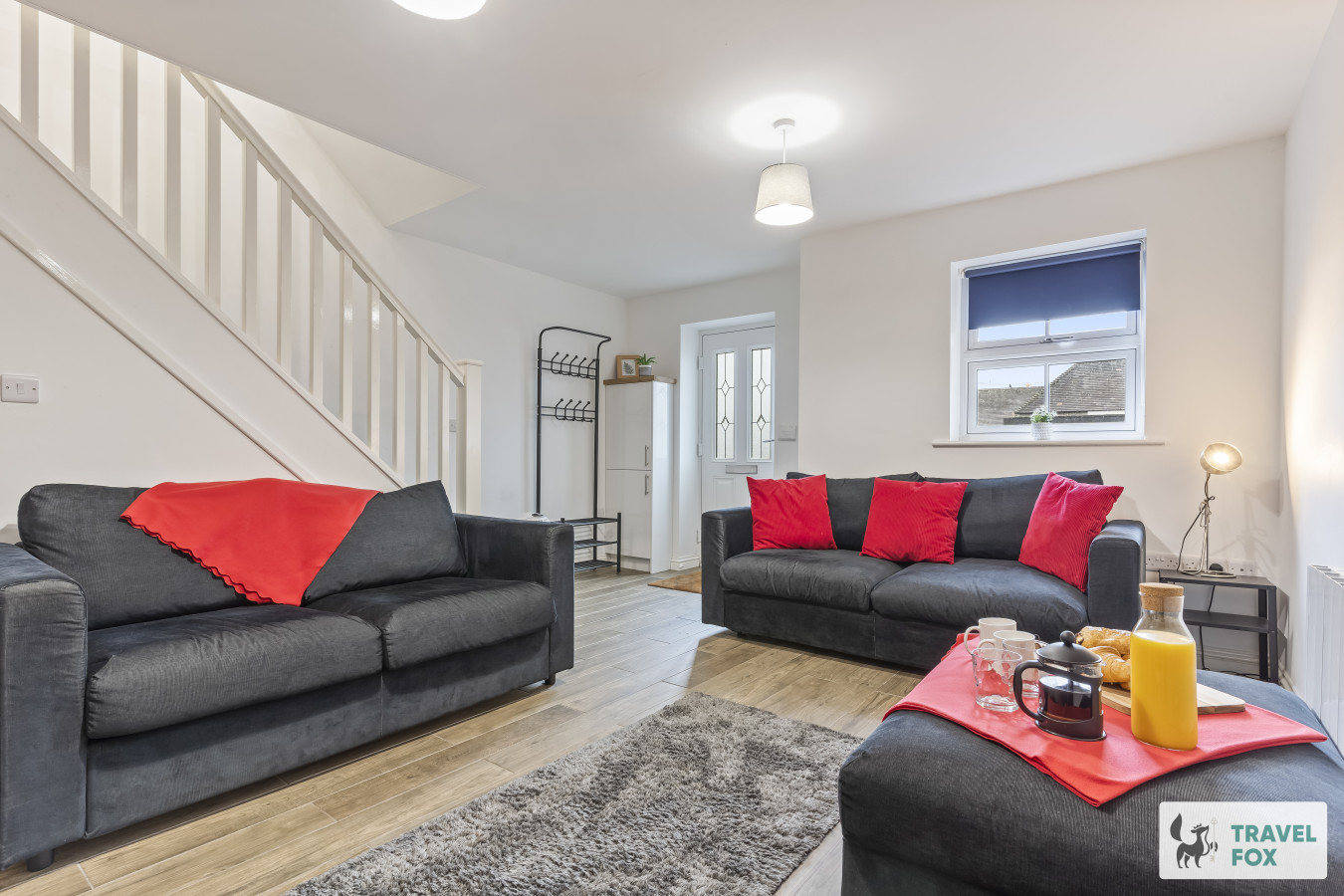
The Moorlands Suite - 1 Bed Apartment
- Sleeps 4
- 1 bedroom
Leek
Amy's House: 20mins Alton Towers
- Sleeps 6
- 2 bedrooms
For homeowners
Own a holiday home near Ashford-in-the-Water?
We manage holiday lets across the Peak District from 12% commission, charged after cleaning costs, with no lock-in. A co-founder visits before you decide.
Holiday let management in the Peak District →
A guide with a point of view
Written from research. Edited for real journeys.
Use the Official site links for live practical details, then use this guide for context, ideas and room to explore.
Photography credits & licences
Third-party photographs are credited to their named creators and reused under the linked Creative Commons licence or public-domain dedication. Travel Fox stores an optimised local copy; the file-specific changes and any browser-applied display crop are disclosed below. Reused photographs link both to the Wikimedia Commons source record and to the declared source image; Travel Fox's own photographs carry no such record and are marked as ours. These image licences do not cover Travel Fox text, branding or page design.
- File:Sheepwash Bridge, Ashford in the Water, Derbyshire - geograph.org.uk - 3159211.jpg — photograph by Derek Voller; Sheepwash Bridge, Ashford in the Water, Derbyshire by Derek Voller. Source record on Wikimedia Commons. Declared source image. Licence: CC BY-SA 2.0. File changes: Downloaded from Wikimedia Commons, resized to a maximum 1920px edge and encoded as an optimised JPEG. Display changes: Displayed with responsive CSS cropping.
- File:Holy Trinity, Ashford-in-the-Water.JPG — photograph by WhaleyTim; User:WhaleyTim. Source record on Wikimedia Commons. Declared source image. Licence: CC BY-SA 3.0. File changes: Downloaded from Wikimedia Commons, resized to a maximum 1920px edge and encoded as an optimised JPEG. Display changes: Displayed with responsive CSS cropping.
- File:Ashford Arms.jpg — photograph by Raintheone; Own work. Source record on Wikimedia Commons. Declared source image. Licence: CC BY-SA 3.0. File changes: Downloaded from Wikimedia Commons, resized to a maximum 1920px edge and encoded as an optimised JPEG. Display changes: Displayed with responsive CSS cropping.
Sources
Every place on this page is checked against a published source. Each entry links the record we used and names who publishes it.
- Sheepwash Bridge — Historic England record not machine-readable; publisher restricts automated access
- Holy Trinity Church — Historic England record not machine-readable; publisher restricts automated access
- The Ashford Arms — The Ashford Arms
- The Bull's Head — Robinsons Brewery
- Monsal Head and Viaduct — Peak District National Park Authority record not machine-readable; publisher restricts automated access
- Bakewell — Peak District National Park Authority record not machine-readable; publisher restricts automated access
- Haddon Hall — Haddon Hall
- Chatsworth House — Chatsworth House