
Pudding, river and Peak District paths
Bakewell
Bakewell pairs a five-arch bridge and deep-rooted market-town history with rival pudding shops and traffic-free walking beside the Wye.
- Best for
- Riverside heritage, local food and level trail time
- Give it
- A town day with a separate Monsal Trail session
- Don't miss
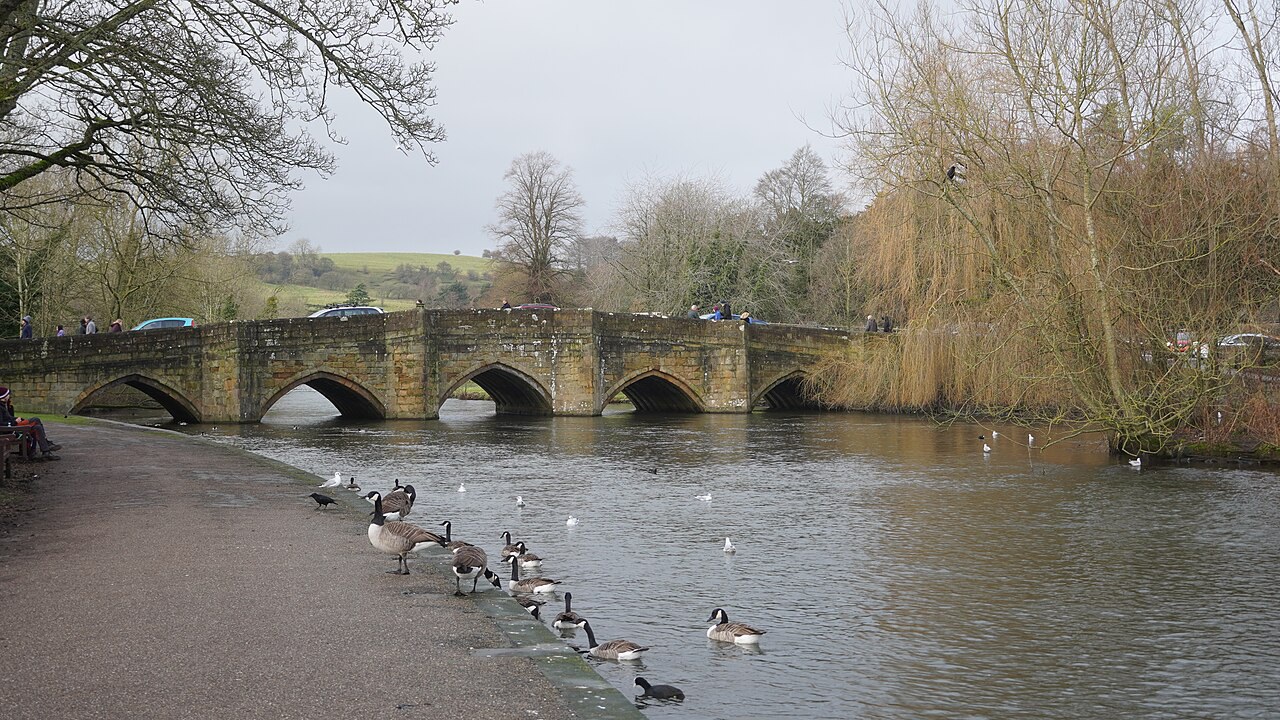
- The five-arch medieval bridge over the Wye
Photo: Kmtextor · CC BY-SA 4.0 · cropped
The Fox verdict
A market town with more than one original
Come for the pudding rivalry; stay for the river, Anglo-Saxon stones and an old railway line remade as a trail.
Bakewell is the Peak District National Park's only town, but its strongest experiences remain compact and characterful: two bakers defend rival pudding recipes, a medieval bridge spans the Wye, All Saints' keeps early carved stones, and the Monsal Trail begins close by.
Your picks, your pace
Make Bakewell yours
Choose a mood or build your own list. Your saved stops are an ordering aid, with a direct map route when you are ready.
Local signatures
3 placesBakewell Old House Museum
Built as a tithe house in 1534, this Tudor building is now a museum with surviving wattle and daub, a grand fireplace and displays about Bakewell and the wider Peak District.
- Visit length
- Editorial estimate: around 75 minutes
- Locality
- in Bakewell
Bakewell Recreation Ground
A 5.25-hectare riverside ground with a children's play area, tennis courts, sports pitches, croquet lawns and picnic spots.
- Visit length
- Editorial estimate: around 75 minutes
- Locality
- beside the River Wye
- Access
- The splash pad is closed for improvement works. The council expects it to reopen in April 2027.
Monsal Trail from Bakewell
Begin at Bakewell Station for a level, traffic-free former railway route for walking and cycling through the Wye valley and reopened railway tunnels.
- Visit length
- Editorial estimate: around 120 minutes for a shorter section
- Locality
- at Bakewell Station on the edge of town
- Access
- The full 8.5-mile trail needs a separate time allowance.
Food & drink
4 places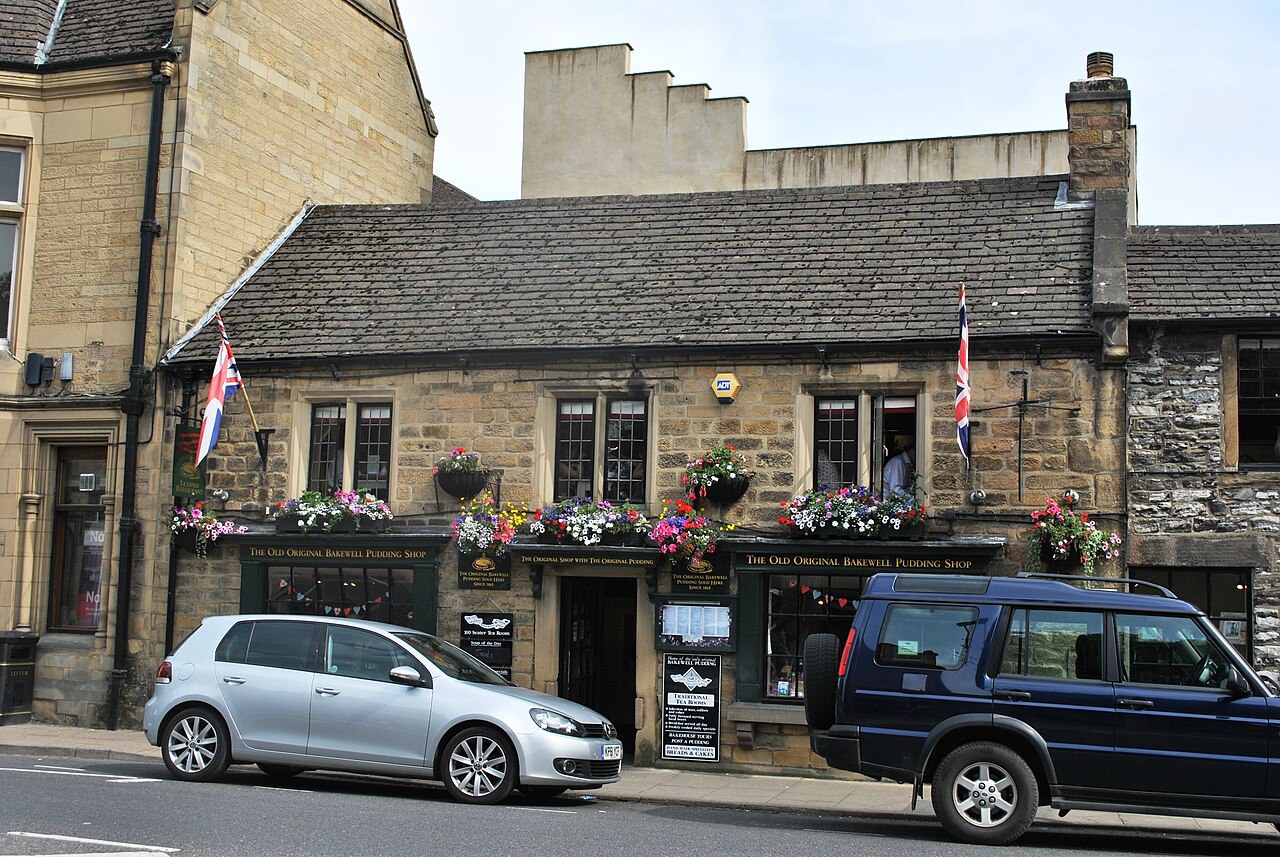
The Old Original Bakewell Pudding Shop
One of two local claimants to the original Bakewell pudding recipe, housed in a cottage formerly occupied by a tallow chandler.
- Visit length
- Editorial estimate: around 45 minutes
- Locality
- in Bakewell
Bloomers of Bakewell
A craft bakery with a rival original-pudding recipe dating to 1889, in a building dating to the 1600s.
- Visit length
- Editorial estimate: around 30 minutes
- Locality
- in Bakewell
Bakewell Monday Market
A Monday street market on Market Place and Granby Road, with a separate livestock market across the Wye at the Agricultural Business Centre.
- Visit length
- Editorial estimate: around 75 minutes
- Locality
- Market Place and Granby Road
- Access
- Monday market visit.
The Manners
A traditional Haddon Road pub serving cask ales and pub food, with a beer garden and a dog-friendly welcome.
- Visit length
- Editorial estimate: around 90 minutes
- Locality
- Haddon Road
History & heritage
2 places
Bakewell Bridge
A Grade I five-arch medieval bridge over the River Wye, forming Bakewell's defining riverside view with the weir and meadows.
- Visit length
- Editorial estimate: around 20 minutes
- Locality
- over the River Wye
All Saints' Church, Bakewell
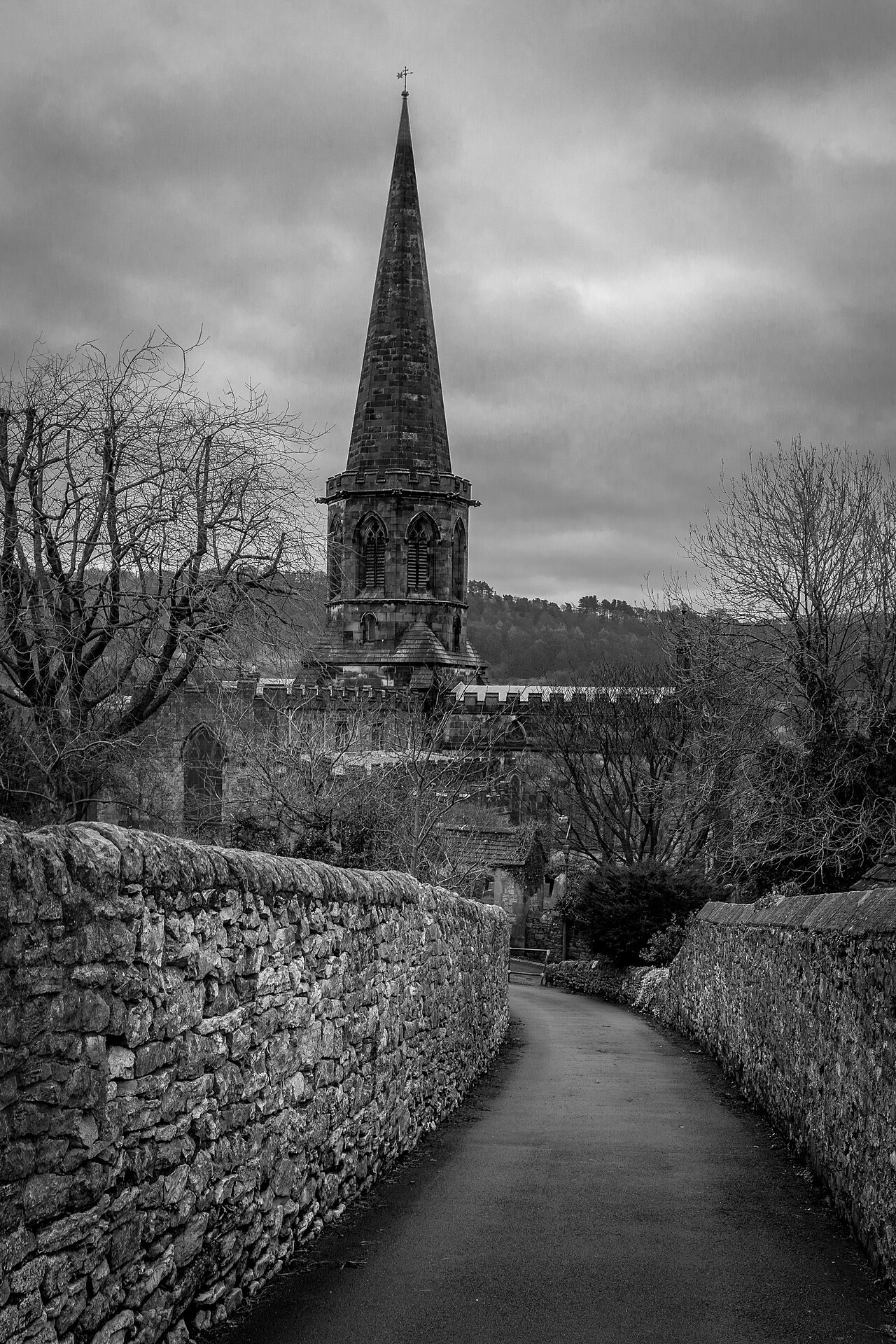
All Saints' has early medieval carved stones in its south porch, Vernon family monuments and two churchyard cross shafts from different periods: an Anglian cross probably dating to the eighth century and a smaller, relocated Anglo-Scandinavian cross dated to the late ninth or tenth century.
- Visit length
- Editorial estimate: around 45 minutes
- Locality
- on the hill above the town
No places match this filter. Choose All places to reset the list.
On the map
Bakewell at a glance
Tap a marker to jump to its guide card.
Three ways to explore Bakewell
Signature outings
Frame the Five Arches
Take in Bakewell's defining river view from the Grade I five-arch medieval bridge.
Find the Anglo-Saxon Crosses
Compare the taller Anglian shaft with the smaller cross brought here from elsewhere: their carvings tell different early medieval stories.
Try an Original Pudding
Try a pudding at either Bakewell bakery and compare their rival claims to the original recipe.
The town story
Where the old line meets the Wye
Pudding folklore, pub stories and market-town history unfold beside the River Wye before the old railway carries the story into the dales.
Pudding, River and the Local
The Old Original Bakewell Pudding Shop, housed in a building once associated with the town's tallow chandler, and Bloomers both sell puddings under their own original-recipe claims. Stories of the pudding's beginnings diverge: one says Ann Greaves received a recipe from a guest at the Rutland Arms; another says a cook there created it by accident. Their competing accounts make Bakewell's signature bake a good reason to pause and taste both.
Bakewell sits on the River Wye in central Derbyshire and is the only town inside the Peak District National Park. Its Grade I listed, five-arch medieval bridge carries the road across the river near the centre. From the valley, the town's stone buildings rise towards All Saints' spire, with the limestone dales of the White Peak beyond.
The Manners on Haddon Road is a traditional Robinsons pub with cask ales, pub food, a beer garden and a dog-friendly welcome.
Inns, Myths and Serious Cooking
On Bridge Street, the Wheatsheaf is a food-led pub with up to three locally sourced cask ales, often from breweries such as Abbeydale, Buxton and Peak Ales, plus a garden and a recent refurbishment.
Facing Rutland Square, the hotel was built for the Duke of Rutland immediately behind the older White Horse Inn and was trading by September 1804. The White Horse had been demolished earlier that year to help create the square. Another local legend links Jane Austen to the hotel and Bakewell to Lambton in Pride and Prejudice. A 1905 tourist guide first suggested, without evidence, that Bakewell inspired Lambton; a 1936 town guide went further, claiming Austen visited and naming a hotel room as the model for one in the novel. The Jane Austen Society later concluded that Austen had never visited Derbyshire.
A Town Still Trading
The Charleston brings an Art Deco mood to the restored former Royal Bank of Scotland building on Rutland Square. The Longbow Venues restaurant and bar hosts live jazz, and the original bank vault is a small private dining room called the Speakeasy.
Thornbridge Brewery is a Bakewell business too, founded in 2005 on a second-hand ten-barrel kit in the outbuildings of Thornbridge Hall. Its first beer was Lord Marples, a 4% bitter still brewed today, but the beer that made its name was Jaipur, a 5.9% IPA. Demand outran the old kit, and a larger brewery went up at Riverside in 2009, with a taproom now open beside it. Thornbridge ales turn up across the local pubs, including the Packhorse at Little Longstone, about 2.6 miles from Bakewell in a straight line and a favourite start-and-finish for Monsal Head walks.
Bakewell's Monday street market fills Market Place and Granby Road with food, clothing and other goods. Across the Wye, the Agricultural Business Centre hosts the livestock market and a separate farmers' market. The streets around the market reward a slower look through the town's independent shops and cafés.
Trails and Riverside Play
Bakewell Station gives access to the Monsal Trail, an 8.5-mile traffic-free former railway route through the Wye valley. The National Park identifies Bakewell Station as an easy-access entry point for wheelchair and mobility-scooter users. Four of the route's longer tunnels are lit during daylight hours. Farther along, the trail crosses Headstone Viaduct beneath the Monsal Head viewpoint; reaching the viewpoint from the trail involves a separate steep walk.
The riverside Recreation Ground has a children's play area, tennis courts, sports pitches and croquet lawns. The splash pad is closed for improvements, with reopening expected in April 2027. For a visit by bus, the 218 links Sheffield and Bakewell; some journeys also serve Chatsworth.
Burh, Church and Living Tradition
Bakewell's early history is visible around All Saints' Church. Its west doorway retains twelfth-century work, the south porch holds Anglo-Saxon and other early carved fragments, and the Vernon Chapel contains monuments to Sir George Vernon and Dorothy Vernon. Outside, the taller Anglian cross probably dates to the eighth century. The smaller Anglo-Scandinavian shaft was brought here from elsewhere and is dated to the late ninth or tenth century.
Bakewell's carnival week brings well dressings and a wheelbarrow race across town before the carnival procession.
Stay around Peak District
Make a longer stay of it
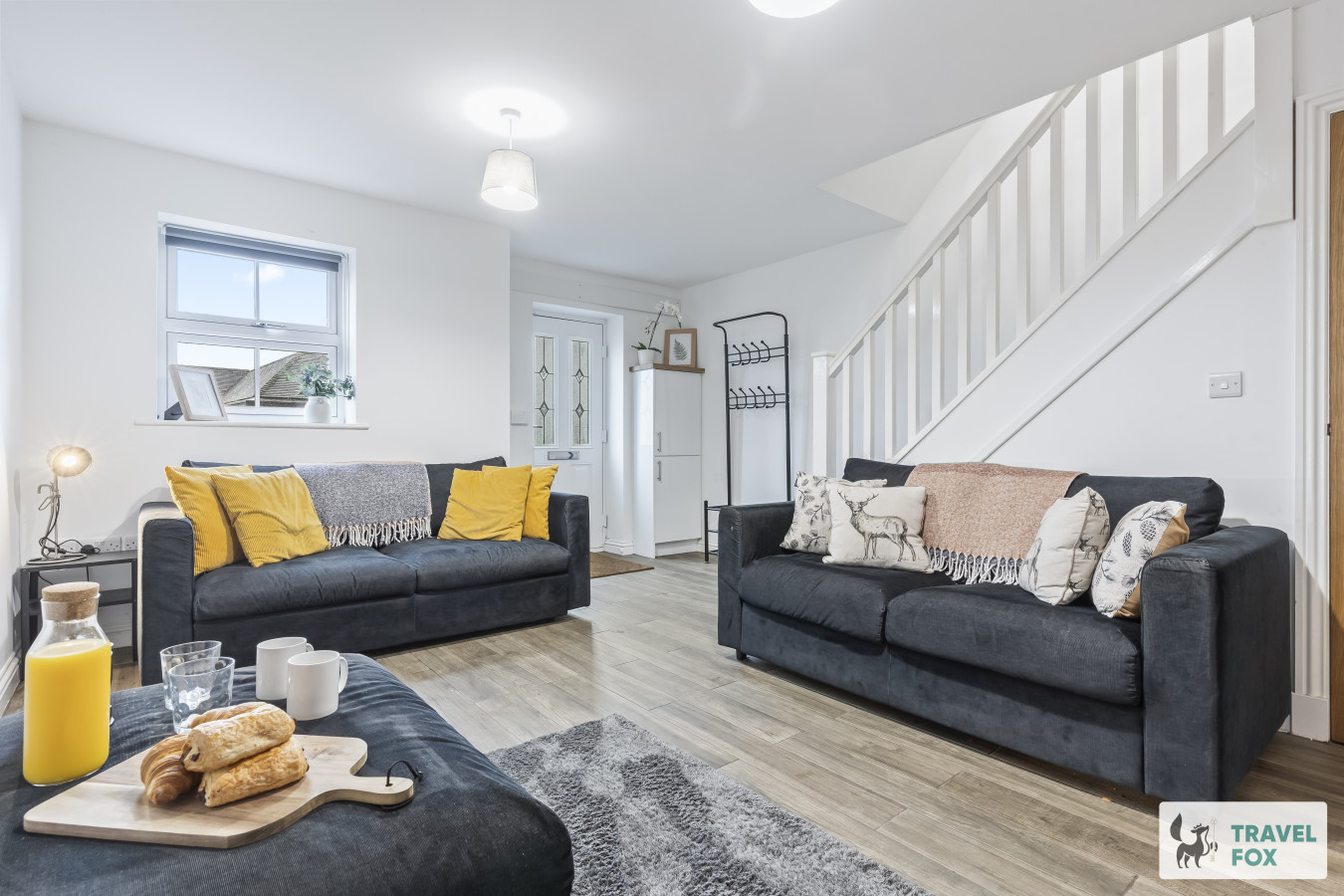
Travel Fox holiday homes around Peak District, linked directly to their property pages.
Leek
Lisa's House Leek: 20mins Alton Towers
- Sleeps 6
- 2 bedrooms
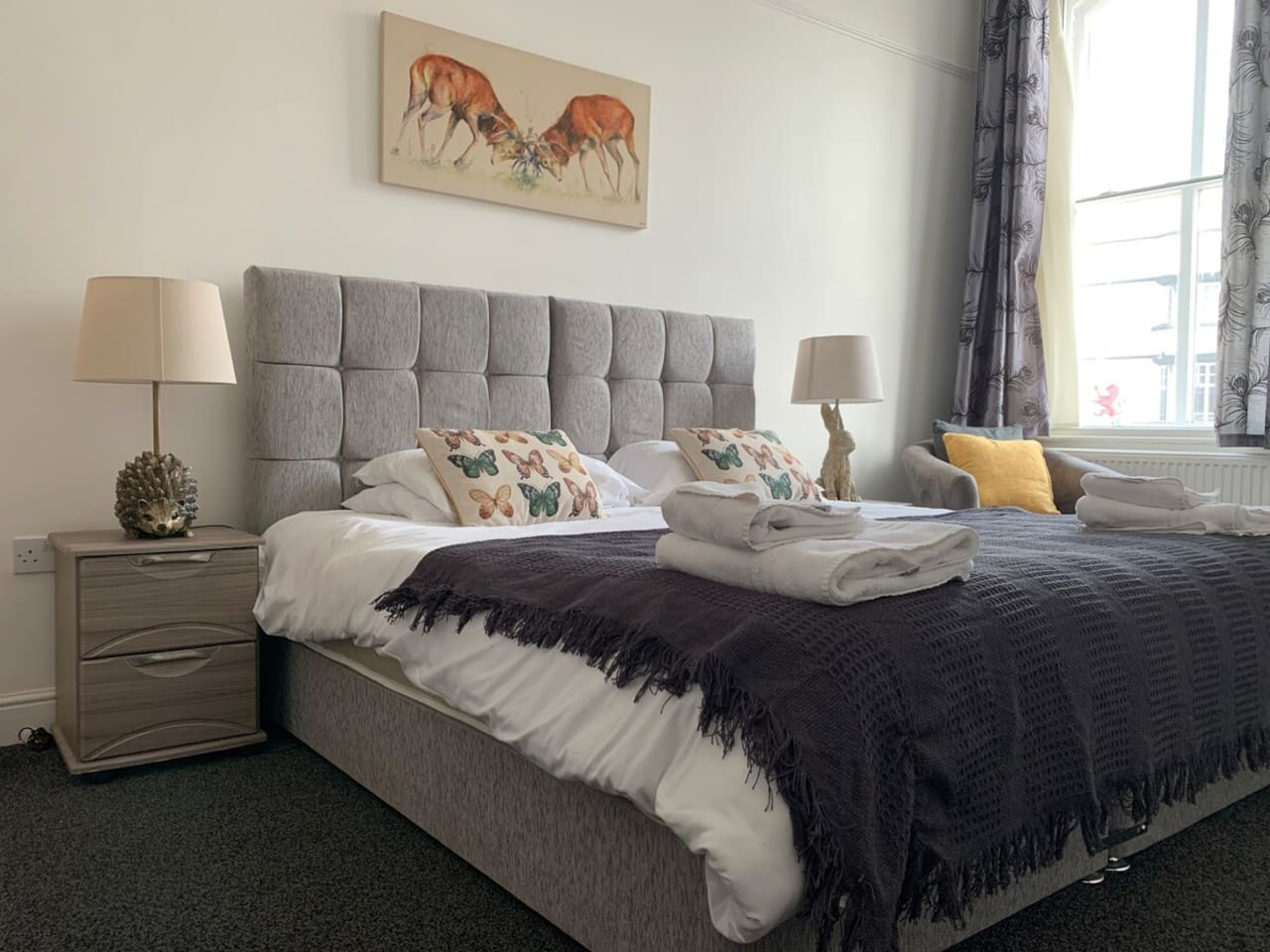
Leek
The Rudyard Suite - Large 1 Bed Apartment
- Sleeps 5
- 1 bedroom
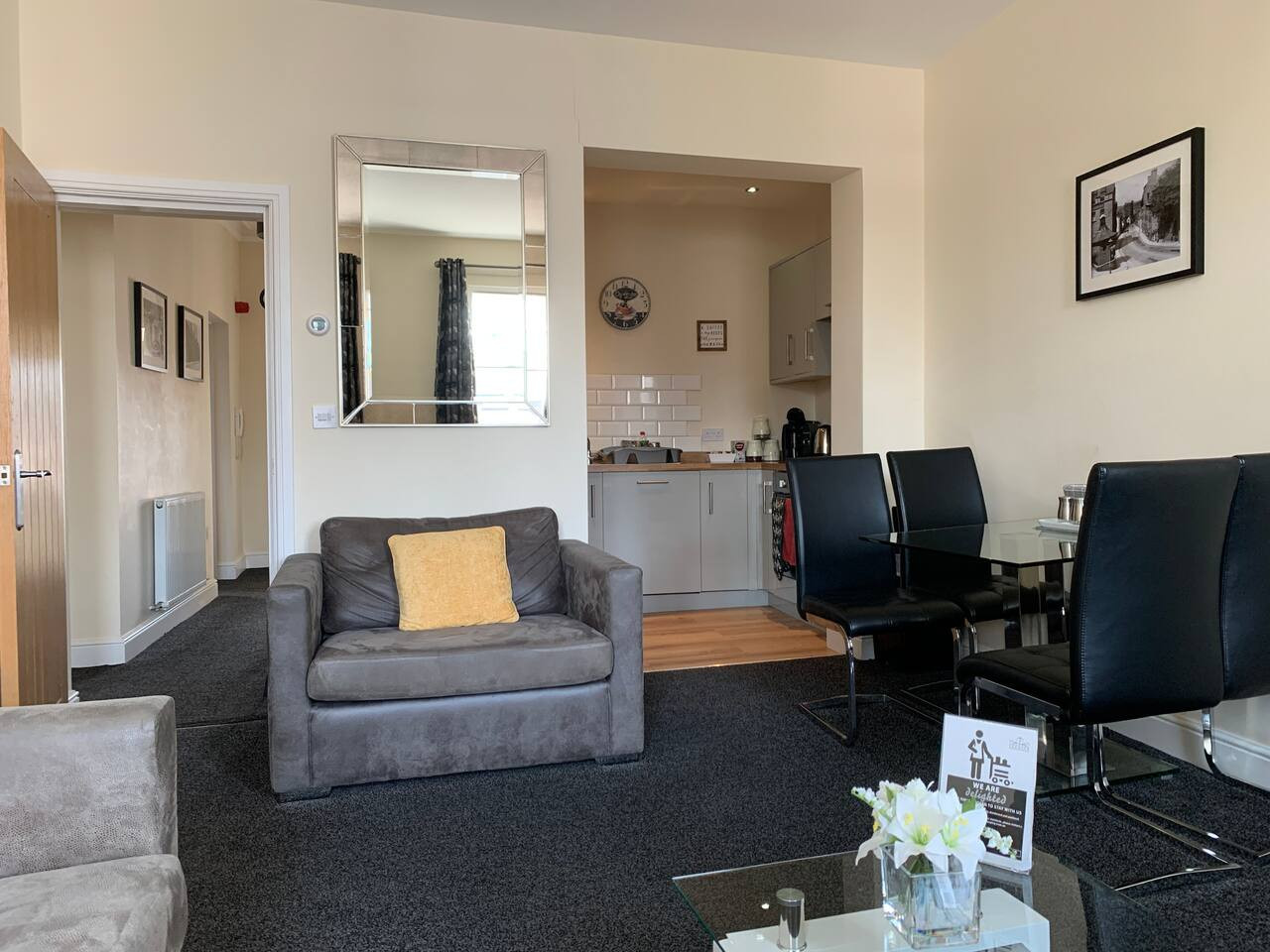
Leek
The Roaches Suite - Large 2 Bedroom Apartment
- Sleeps 7
- 2 bedrooms
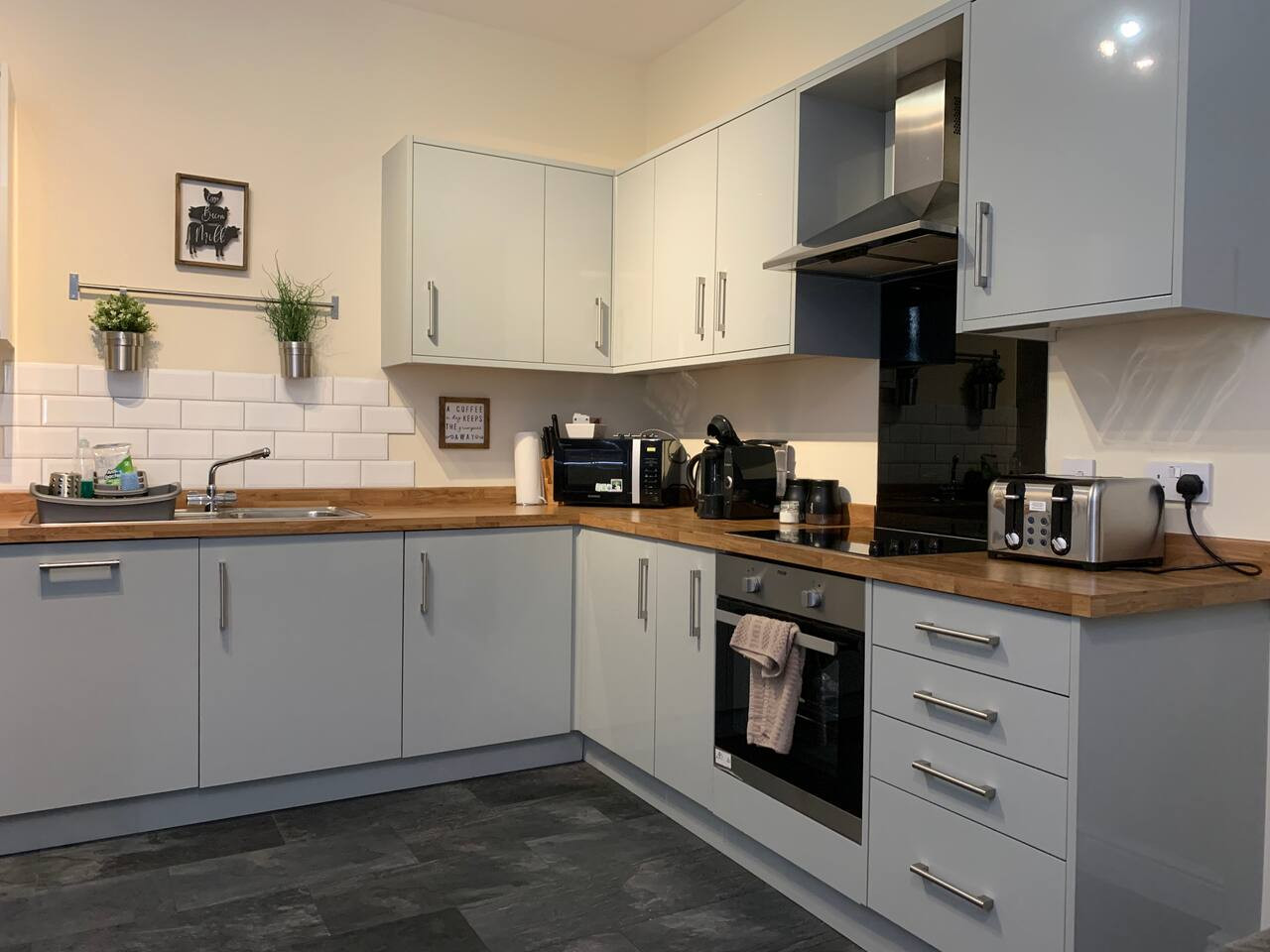
Leek
The Moorlands Suite - 1 Bed Apartment
- Sleeps 4
- 1 bedroom
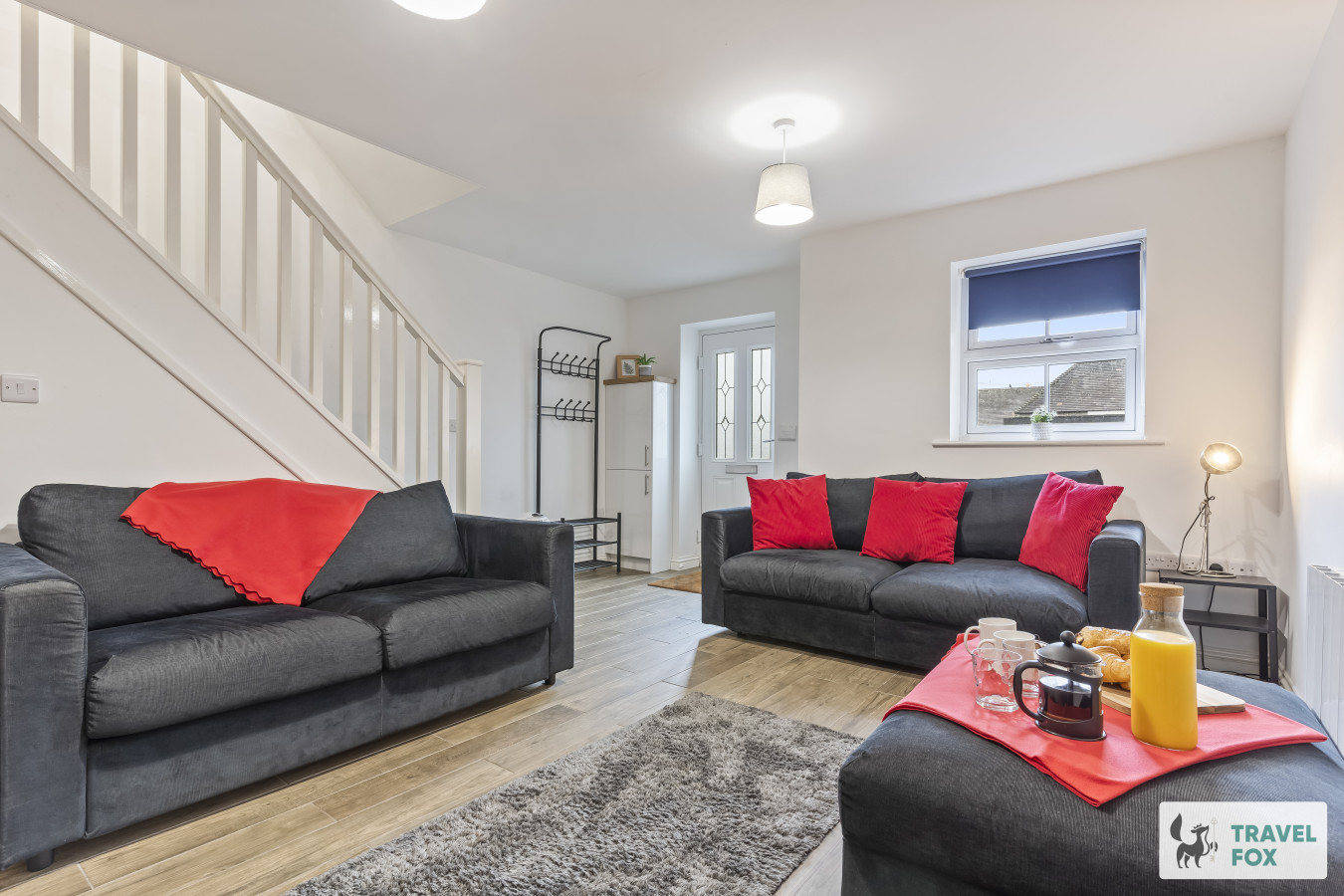
Leek
Amy's House: 20mins Alton Towers
- Sleeps 6
- 2 bedrooms
For homeowners
Own a holiday home near Bakewell?
We manage holiday lets across the Peak District from 12% commission, charged after cleaning costs, with no lock-in. A co-founder visits before you decide.
Holiday let management in the Peak District →
A guide with a point of view
Written from research. Edited for real journeys.
Use the Official site links for live practical details, then use this guide for context, ideas and room to explore.
Photography credits & licences
Third-party photographs are credited to their named creators and reused under the linked Creative Commons licence or public-domain dedication. Travel Fox stores an optimised local copy; the file-specific changes and any browser-applied display crop are disclosed below. Reused photographs link both to the Wikimedia Commons source record and to the declared source image; Travel Fox's own photographs carry no such record and are marked as ours. These image licences do not cover Travel Fox text, branding or page design.
- File:Bakewell Bridge River Wye.jpg — photograph by Kmtextor; Own work. Source record on Wikimedia Commons. Declared source image. Licence: CC BY-SA 4.0. File changes: Downloaded from Wikimedia Commons, resized to a maximum 1920px edge and encoded as an optimised JPEG. Display changes: Displayed with responsive CSS cropping.
- File:All Saints Church Bakewell.jpg — photograph by RevDave; Own work. Source record on Wikimedia Commons. Declared source image. Licence: CC BY-SA 4.0. File changes: Downloaded from Wikimedia Commons, resized to a maximum 1920px edge and encoded as an optimised JPEG. Display changes: Displayed with responsive CSS cropping.
- File:Bakewell pudding 201307 181.jpg — photograph by Elisa.rolle; Own work. Source record on Wikimedia Commons. Declared source image. Licence: CC BY-SA 4.0. File changes: Downloaded from Wikimedia Commons, resized to a maximum 1920px edge and encoded as an optimised JPEG. Display changes: Displayed with responsive CSS cropping.
Sources
Every place on this page is checked against a published source. Each entry links the record we used and names who publishes it.
- Bakewell Bridge — Historic England record not machine-readable; publisher restricts automated access
- All Saints' Church, Bakewell — Historic England record not machine-readable; publisher restricts automated access
- Bakewell Old House Museum — Official venue website
- Bakewell Recreation Ground — Official venue website
- The Old Original Bakewell Pudding Shop — Official venue website
- Bloomers of Bakewell — Official venue website
- Bakewell Monday Market — Visit Peak District & Derbyshire
- The Manners — Official venue website
- Monsal Trail from Bakewell — Peak District National Park Authority record not machine-readable; publisher restricts automated access