
Staffordshire's White Peak
Alstonefield
A limestone-plateau village between the Dove and Manifold valleys, with old inns, deep local history and a signed descent to Milldale.
- Best for
- Dales walking and village history
- Give it
- A village visit or the full seven-mile circuit
- Don't miss
- St Peter's pre-Conquest stones and Ann Green memorial
The Fox verdict
A quiet village with a serious walking hinterland
Alstonefield pairs village history with direct routes into Milldale, Wolfscote Dale and Dovedale.
Come for the seven-mile circuit, the Norman core and pre-Conquest stones of St Peter's, and two very different country inns. The village's market and coaching past remains central to its story.
Where to go
Places in Alstonefield
Every place below is checked against a published source, listed with what it is and how long to give it.
Local signatures
3 placesThe George
A country inn dating to about 1720, returned to being a proper local pub in 2023 with homemade pub fare, cask ales and a welcome for muddy boots and paws.
- Visit length
- Editorial estimate: Allow around 1 hour 15 minutes
- Locality
- At one end of the village green
- Access
- Walk-ins only; the pub does not take reservations.
The Watts Russell Arms
An eighteenth-century stone-built free house serving small, globally inspired dishes made to order, usually alongside Thornbridge beers and local flat cider.
- Visit length
- Editorial estimate: Allow around 1 hour 15 minutes
- Locality
- At Hopedale within the parish
Alstonefield Village Hall
The former village school, now a memorial hall and community centre with a main hall, stage and kitchen.
- Visit length
- Editorial estimate: Allow around 30 minutes
- Locality
- Beresford Lane
- Access
- Hired for weddings, parties and events and used by active community groups.
Walks & outdoors
1 placeAlstonefield–Milldale–Dovedale Circular
A seven-mile circuit descending across fields to Milldale on a signed footpath before following the River Dove for nearly three miles through Wolfscote Dale and Dovedale.
- Visit length
- Editorial estimate: Allow around 4 hours
- Locality
- From Alstonefield through Milldale, Wolfscote Dale and Dovedale
- Access
- The initial descent to the river is steep; the rest is described as relatively easy.
History & heritage
2 placesSt Peter's Church
A Grade I church with a Norman chancel arch and south door, Staffordshire's largest collection of pre-Conquest carved stones and Ann Green's 1518 memorial in the churchyard.
- Visit length
- Editorial estimate: Allow around 45 minutes
- Locality
- Alstonefield
Viator's Bridge
A narrow early-sixteenth-century, two-arched packhorse bridge over the Dove, originally built without side walls so panniered horses could cross.
- Visit length
- Editorial estimate: Allow around 20 minutes
- Locality
- Milldale
No places match this filter. Choose All places to reset the list.
Three ways to explore Alstonefield
Signature outings
The coaching inn on the green
The George returned to life as a proper local pub in 2023, welcoming walkers in muddy boots and dogs with muddy paws.
A Norman church with older roots
St Peter's combines a surviving Norman chancel arch and south door with Staffordshire's largest collection of pre-Conquest carved stones.
Cross Viator's Bridge
The early-sixteenth-century packhorse bridge spans the Dove on two arches and was originally built without side walls for panniered horses.
The village story
Alstonefield Village Guide
Inns, old stones and a steep path from a Staffordshire plateau into the Dove valley.
The George, Past and Present
The George sits at one end of the village green, and it does not take reservations. You turn up, you get a table or you don't. In December 2023 it stopped being a high-end tasting-menu restaurant and went back to being a pub, and in 2025 it was sold to a private buyer and re-established as an independent free house under a landlord called Nick. The homemade pies and lasagne are the things to order — around twelve or thirteen pounds for a main — with sticky toffee pudding or apple crumble after. Muddy boots and paws are welcome, which in walking country is less a courtesy than a necessity.
The George has been here since about 1720, for most of that time the village's coaching inn: a wool market ran in its yard, and a livestock sale until roughly a century ago.
Hopedale and the Limestone Plateau
The other pub is the Watts Russell Arms, an eighteenth-century stone inn at Hopedale, within the parish. It serves a tapas-style menu — small, globally-inspired bites made to order, not Spanish — and usually Thornbridge beer, including Jaipur. It was the New Inn until the 1880s, when it took the name of James Watts-Russell of Ilam Hall, whose family had rebuilt the nearby village of Ilam in a Swiss-Alpine style.
Alstonefield stands on a limestone plateau about 900 feet up, over the Derbyshire border into Staffordshire, between the Dove and Manifold valleys. Stone houses cluster round the green and its mature trees. Great British Life once called it "a village full of vitality, enterprise and creativity."
Walking Down to Milldale
The walking is the main reason to come. A signed footpath drops steeply out of the village to Milldale and its bridge over the Dove, then follows the river for nearly three miles through Wolfscote Dale and Dovedale — about seven miles round, easy enough once you're past the first descent. Other routes head off toward Hall Dale, or to Hartington via Pilsbury. There's a car park with toilets on Lode Lane.
Milldale is worth the walk down. Its packhorse bridge — Viator's Bridge, early sixteenth century, two arches — was built without side walls so laden horses could pass; Izaak Walton had a character complain that a mouse could hardly get across it.
Church, Market and Transport History
St Peter's Church is Grade I listed, Norman at its core, its chancel arch and south door surviving from the twelfth century. It holds the largest collection of pre-Conquest carved stones in Staffordshire. In the churchyard is a memorial stone to Ann Green, who died on 11 April 1518 — believed to be the oldest legible gravestone in England.
The village was granted a market charter in 1308 and was once a sizeable market town, before the packhorse trade faded and the canal and railway engineers routed around the plateau, leaving it where it is. There is still no railway; the A515 runs two miles east, and Ashbourne about seven miles south.
Village Life Through the Year
St Peter's Day, the nearest weekend to the end of June, is the village's big day. The rest of the year there's indoor bowls, a gardening club, pilates, and a parent-and-toddler group in the old school, which is now the village hall.
Stay around Peak District
Make a longer stay of it
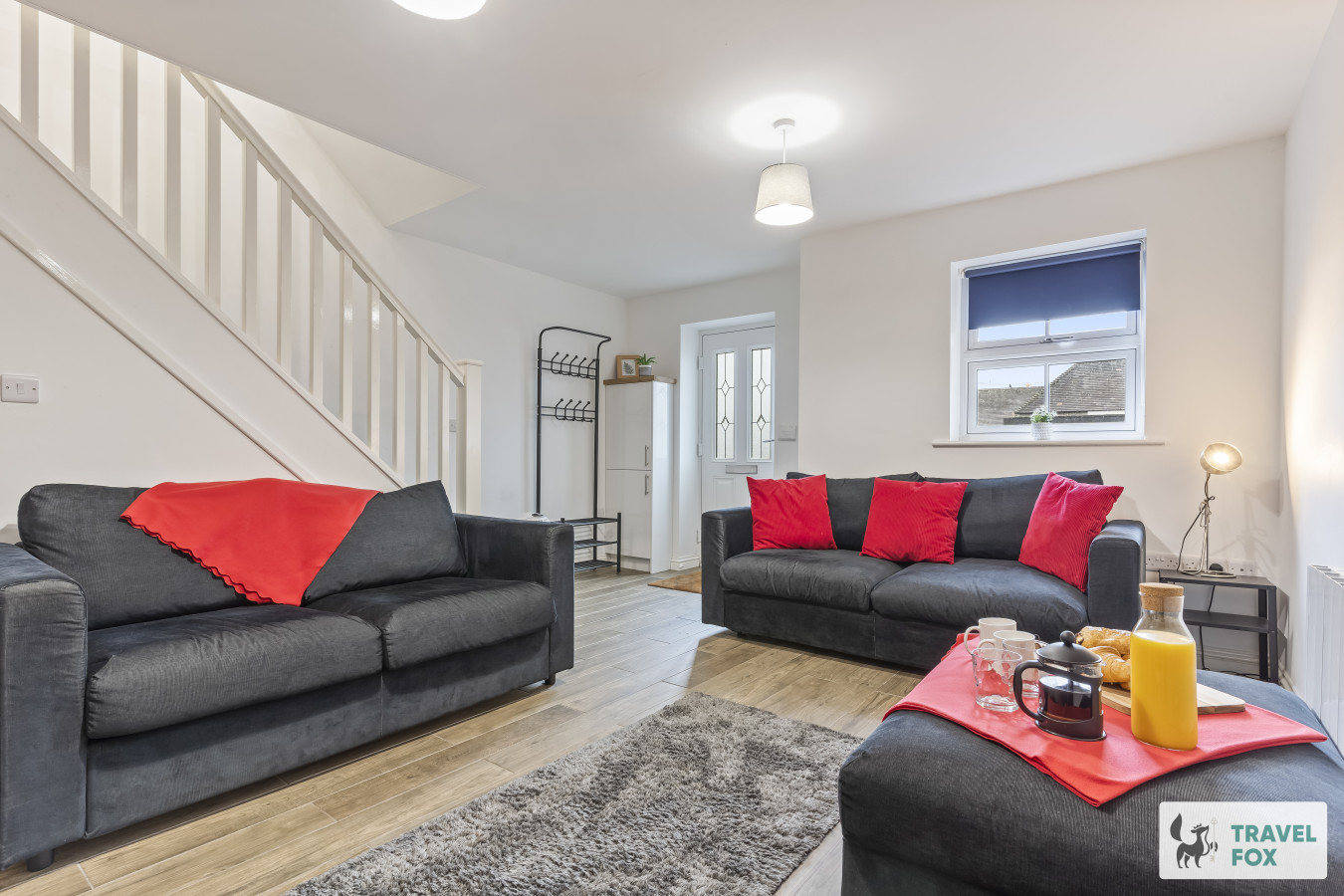
Travel Fox holiday homes around Peak District, linked directly to their property pages.
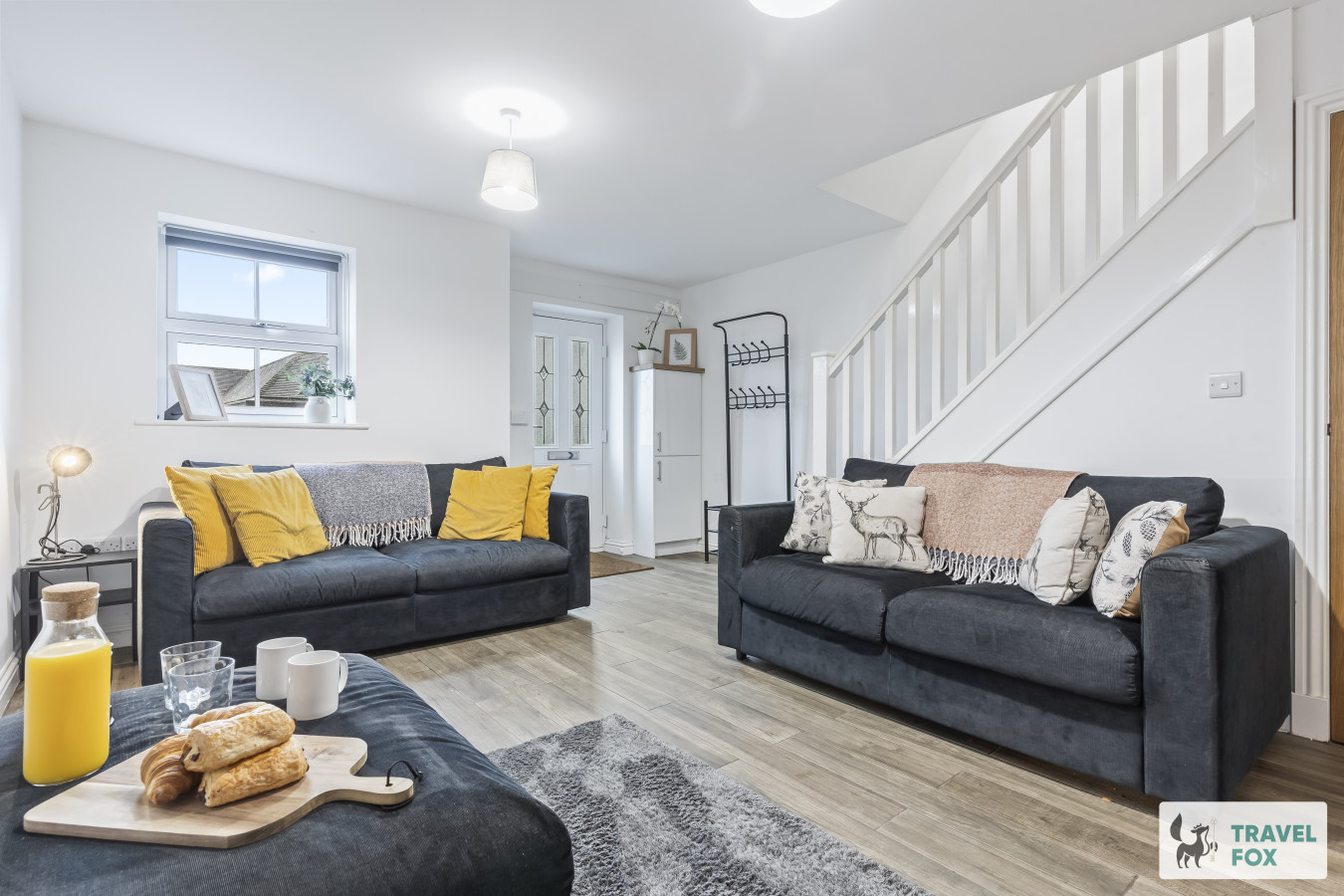
Leek
Lisa's House Leek: 20mins Alton Towers
- Sleeps 6
- 2 bedrooms
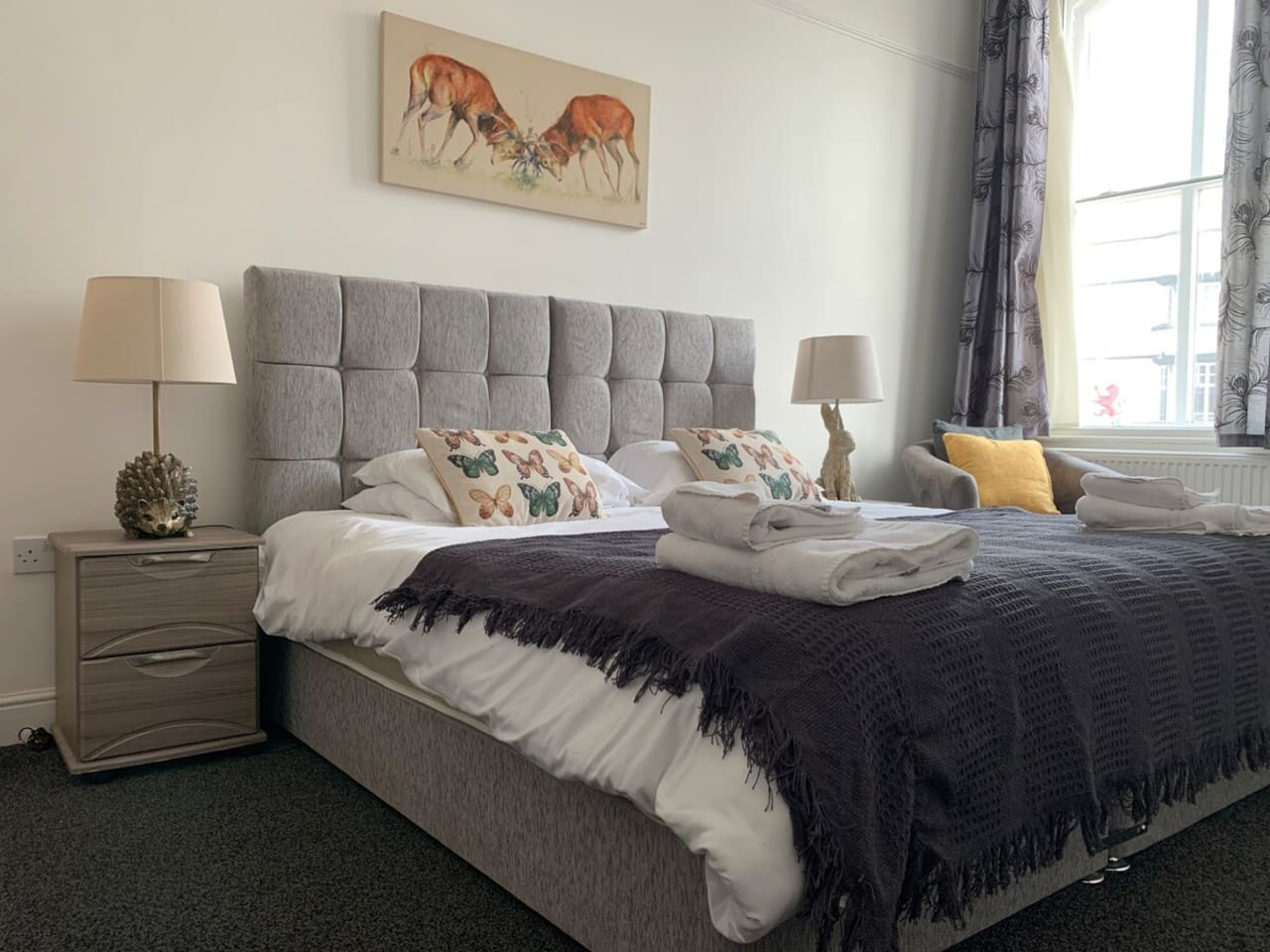
Leek
The Rudyard Suite - Large 1 Bed Apartment
- Sleeps 5
- 1 bedroom
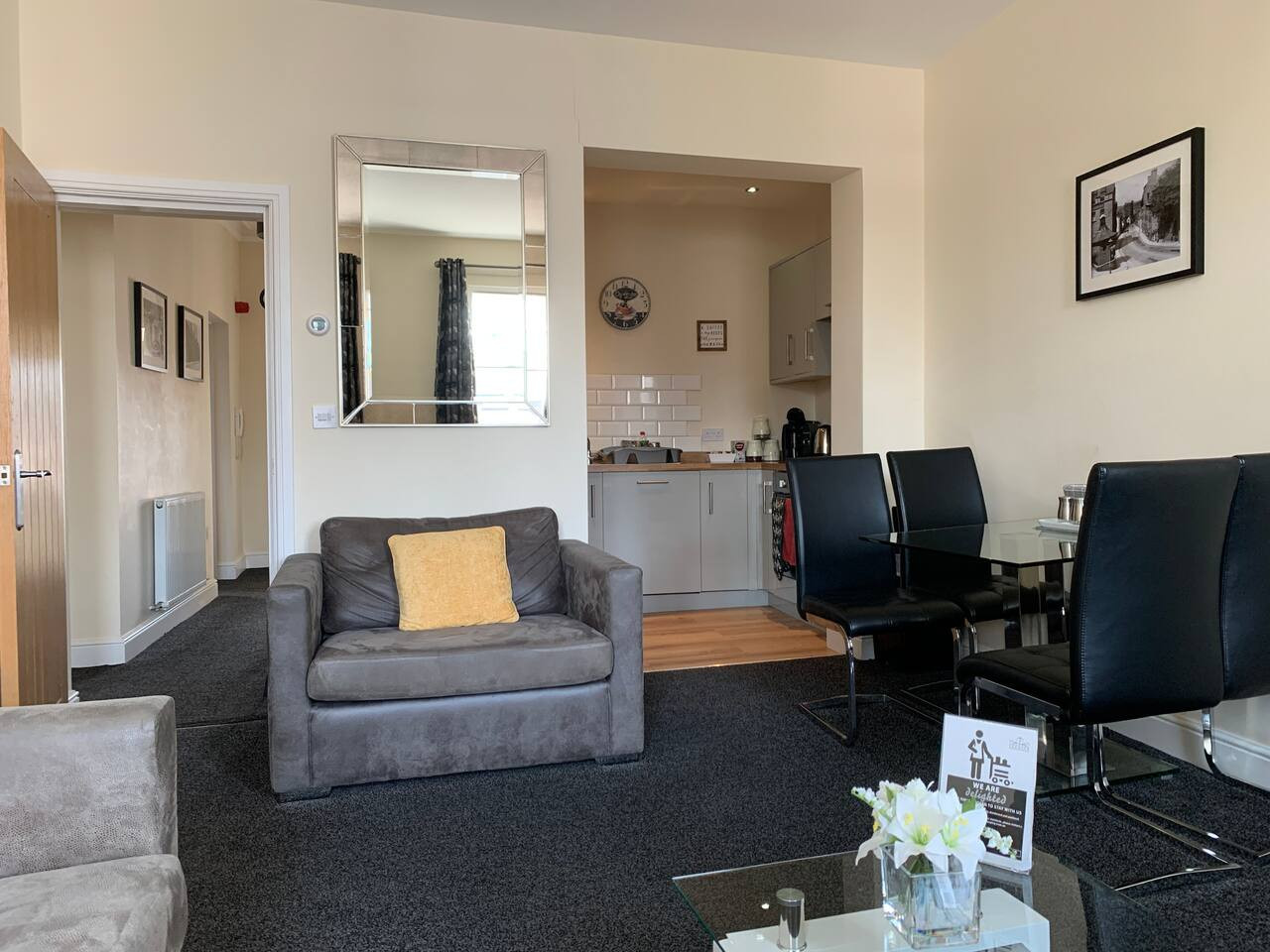
Leek
The Roaches Suite - Large 2 Bedroom Apartment
- Sleeps 7
- 2 bedrooms
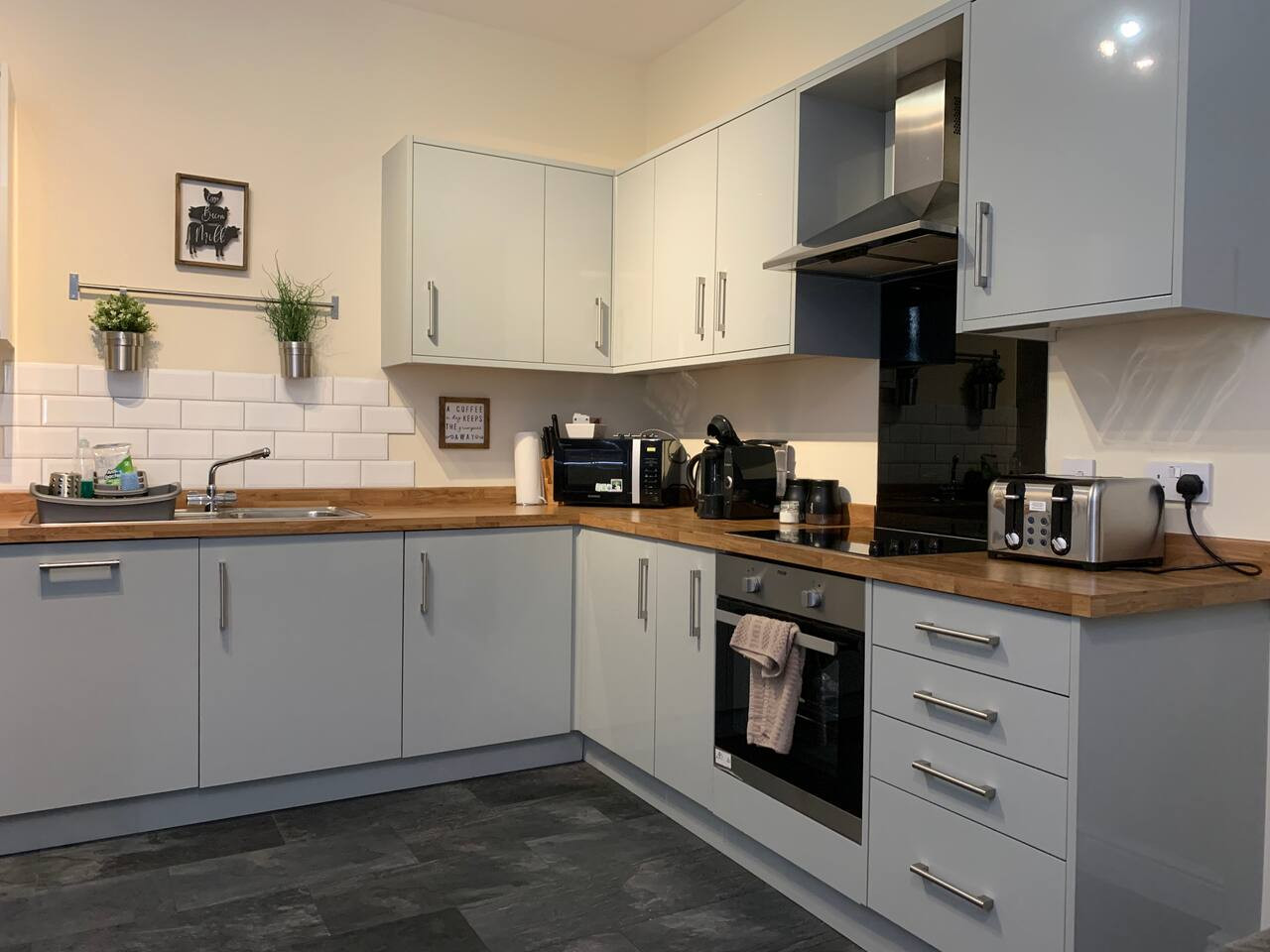
Leek
The Moorlands Suite - 1 Bed Apartment
- Sleeps 4
- 1 bedroom
Leek
Amy's House: 20mins Alton Towers
- Sleeps 6
- 2 bedrooms
For homeowners
Own a holiday home near Alstonefield?
We manage holiday lets across the Peak District from 12% commission, charged after cleaning costs, with no lock-in. A co-founder visits before you decide.
Holiday let management in the Peak District →
A guide with a point of view
Written from research. Edited for real journeys.
Use the Official site links for live practical details, then use this guide for context, ideas and room to explore.
Sources
Every place on this page is checked against a published source. Each entry links the record we used and names who publishes it.
- The George — historicengland.org.uk statutory register or public authority record not machine-readable; publisher restricts automated access
- The Watts Russell Arms — wattsrussell.co.uk operator, sector body or destination organisation
- St Peter's Church — historicengland.org.uk statutory register or public authority record not machine-readable; publisher restricts automated access
- Alstonefield–Milldale–Dovedale Circular — walkingbritain.co.uk other published source
- Viator's Bridge — historicengland.org.uk statutory register or public authority record not machine-readable; publisher restricts automated access
- Alstonefield Village Hall — alstonefieldvillagehall.org operator, sector body or destination organisation