
Market town, open country
Ashbourne
An old coaching town where independent food stops and a landmark church lead naturally into traffic-free trails and the limestone country around Dovedale.
- Best for
- Historic streets, independent food and traffic-free trails
- Give it
- A full day, with a longer trail outing kept separate
- Don't miss
- The Tissington Trail and St Oswald's 212ft spire
The Fox verdict
A market town with the outdoors at its shoulder
Ashbourne combines a Georgian market-town setting and independent food stops with direct access to the Tissington Trail and short drives to Dovedale, Carsington Water and Ilam Park.
Come for St Oswald's great spire, traditional food shops and a traffic-free former railway, then use the town as a base for the limestone ravine at Dovedale or the reservoir circuit at Carsington Water.
Where to go
Places in Ashbourne
Every place below is checked against a published source, listed with what it is and how long to give it.
Local signatures
3 placesCarsington Water
Start at Carsington Water Visitor Centre for reservoir views, walking and cycling trails, and activities on the water.
- Visit length
- Editorial estimate: Allow around 90 minutes
- Locality
- Carsington Water
Ashbourne Park / Recreation Ground
The town's main green space, with play equipment, interactive splash pads and sports courts.
- Visit length
- Editorial estimate: Allow around 60 minutes
- Locality
- between Cokayne Avenue and Park Road
Coach & Horses
A Dig Street pub for drinks, live sport and pub games, with a beer garden.
- Visit length
- Editorial estimate: Allow around 90 minutes
- Locality
- Ashbourne town centre
Food & drink
1 placeNigel's Butchers
An independent traditional butcher based on Dig Street for over 40 years, selling locally sourced meat, handmade sausages, pies and oven-ready dishes.
- Visit length
- Editorial estimate: Allow around 30 minutes
- Locality
- Dig Street
Walks & outdoors
3 placesTissington Trail
A 13-mile route on the former Buxton–Ashbourne railway, traffic-free and mostly flat, shared by walkers, cyclists and horse riders.
- Visit length
- Editorial estimate: Allow around 60 minutes by bike
- Locality
- from Mapleton Lane, Ashbourne, to Parsley Hay
Dovedale Stepping Stones
A riverside walk into Dovedale's limestone ravine to the stepping stones over the River Dove.
- Visit length
- Editorial estimate: Allow around 2 hours
- Locality
- Dovedale
Ilam Park
Start at Ilam Hall Car Park for National Trust parkland beside a Swiss-chalet-style model village.
- Visit length
- Editorial estimate: Allow around 90 minutes
- Locality
- Ilam Park & village
History & heritage
1 placeSt Oswald's Church
A Grade I church with an Early English core, a 212ft spire and Thomas Banks's 1791 Carrara-marble monument to Penelope Boothby.
- Visit length
- Editorial estimate: Allow around 45 minutes
- Locality
- Ashbourne
No places match this filter. Choose All places to reset the list.
Three ways to explore Ashbourne
Signature outings
Take to the Tissington Trail
Cycle the mostly flat, traffic-free former railway from Ashbourne towards Parsley Hay.
Reach Dovedale's stepping stones
Wear suitable footwear in Dovedale: the route has uneven surfaces and slopes and passes below unstable scree slopes.
Find Ashbourne's great spire
Look up at St Oswald's 212ft spire, then step inside the thirteenth-century church.
The town story
Ashbourne Town Guide
Pubs, independent shops, old stories and the traffic-free route that carries Ashbourne into the Peak District landscape.
The Green Man and the ale trail
The Green Man was a coaching inn with a rare gallows sign. The hanging section of that sign was removed after being hit by lorries and is now displayed in Ashbourne's Historical Centre at the Town Hall. The inn's brick frontage and Grade II* listing still give you a glimpse of the town's coaching history.
Ashbourne still rewards a slow walk through its streets and yards.
Pubs, cafés and dinner tables
The Coach & Horses on Dig Street is a place for drinks, live sport and pub games, with a beer garden, pool table and darts.
Ashbourne has independent cafés, pubs and restaurants.
From independent shops to the Tissington Trail
Ashbourne Gingerbread is part of the town's baking story, and the centre has independent food shops to explore. Nigel's Butchers on Dig Street sells sausages and pies.
The Tissington Trail runs for 13 miles from the Ashbourne end at Mapleton Lane to Parsley Hay, following a former railway through the Peak District landscape. The Dovedale stepping stones are about 3.4 miles and Ilam Park about 3.9 miles from Ashbourne in a straight line; road journeys are longer. From the parkland at Ilam, the stepping stones are a 1.5-mile, 40-minute walk; allow for the return along the route. Heavy rain can make the stones impassable.
Nearby landscapes and Ashbourne history
Carsington Water offers reservoir views, walking and cycling trails, a visitor centre and activities on the water. The full reservoir trail is a 7.5-mile loop with some inclines. At Ilam Park, parkland includes riverside walks, an Italian Garden and routes towards Dovedale. Back in Ashbourne, the Recreation Ground has play equipment, a splash pad and tennis courts.
Ashbourne's Market Place, yards and Church Street carry much of its historic character. Georgian buildings and the town's long association with coaching shape the centre. At the west end stands the Grade I listed St Oswald's Church, with its 212ft spire, stained glass and 1241 consecration brass; inside is Thomas Banks's 1791 monument to Penelope Boothby.
Shrovetide tradition and getting here
Royal Shrovetide Football is played in Ashbourne on Shrove Tuesday and Ash Wednesday. The Up'ards and Down'ards were once divided by birthplace on opposite sides of the Henmore Brook; family tradition mainly determines the teams today. The two goals stand at Sturston and Clifton, where stone structures now represent the former mill goals. The game's Royal title dates from Princess Mary's wedding in 1922.
Ashbourne no longer has a railway station; it closed in 1954, and part of the former railway route later became a traffic-free trail. The Swift bus links Ashbourne and Derby. Once in town, the Market Place and nearby streets make a good starting point before heading for the trail or the surrounding countryside.
Stay around Peak District
Make a longer stay of it
Travel Fox holiday homes around Peak District, linked directly to their property pages.
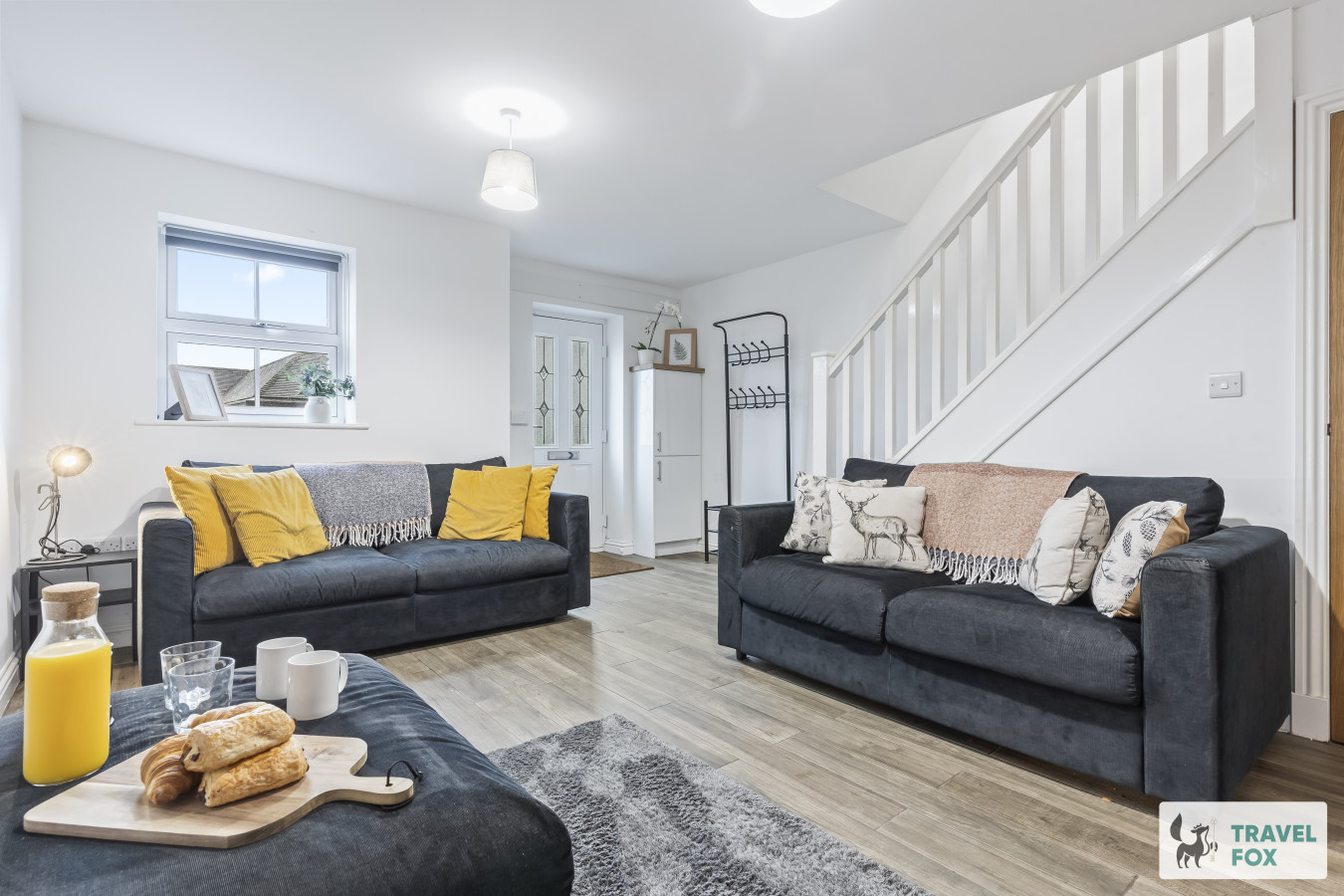
Leek
Lisa's House Leek: 20mins Alton Towers
- Sleeps 6
- 2 bedrooms
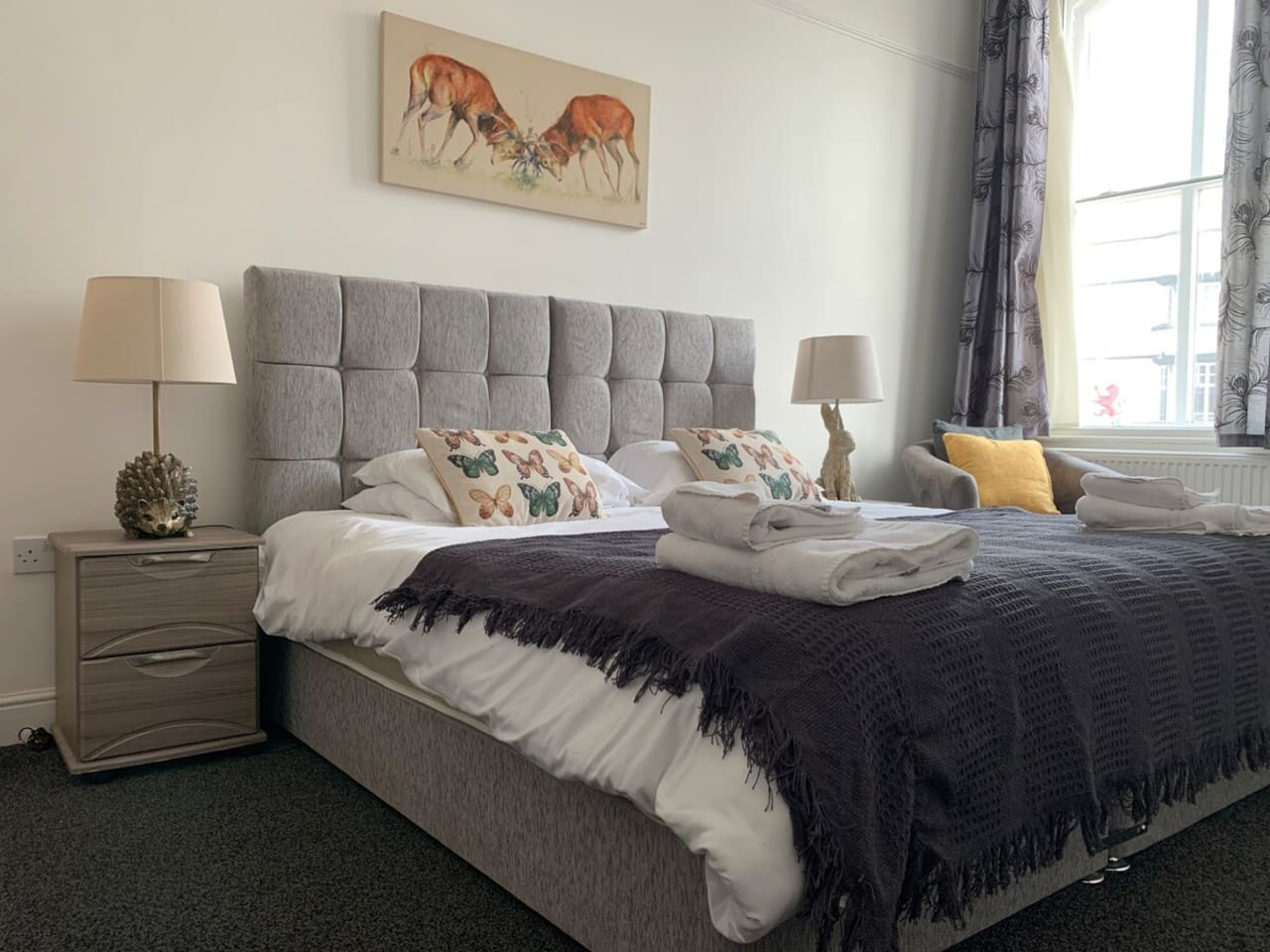
Leek
The Rudyard Suite - Large 1 Bed Apartment
- Sleeps 5
- 1 bedroom
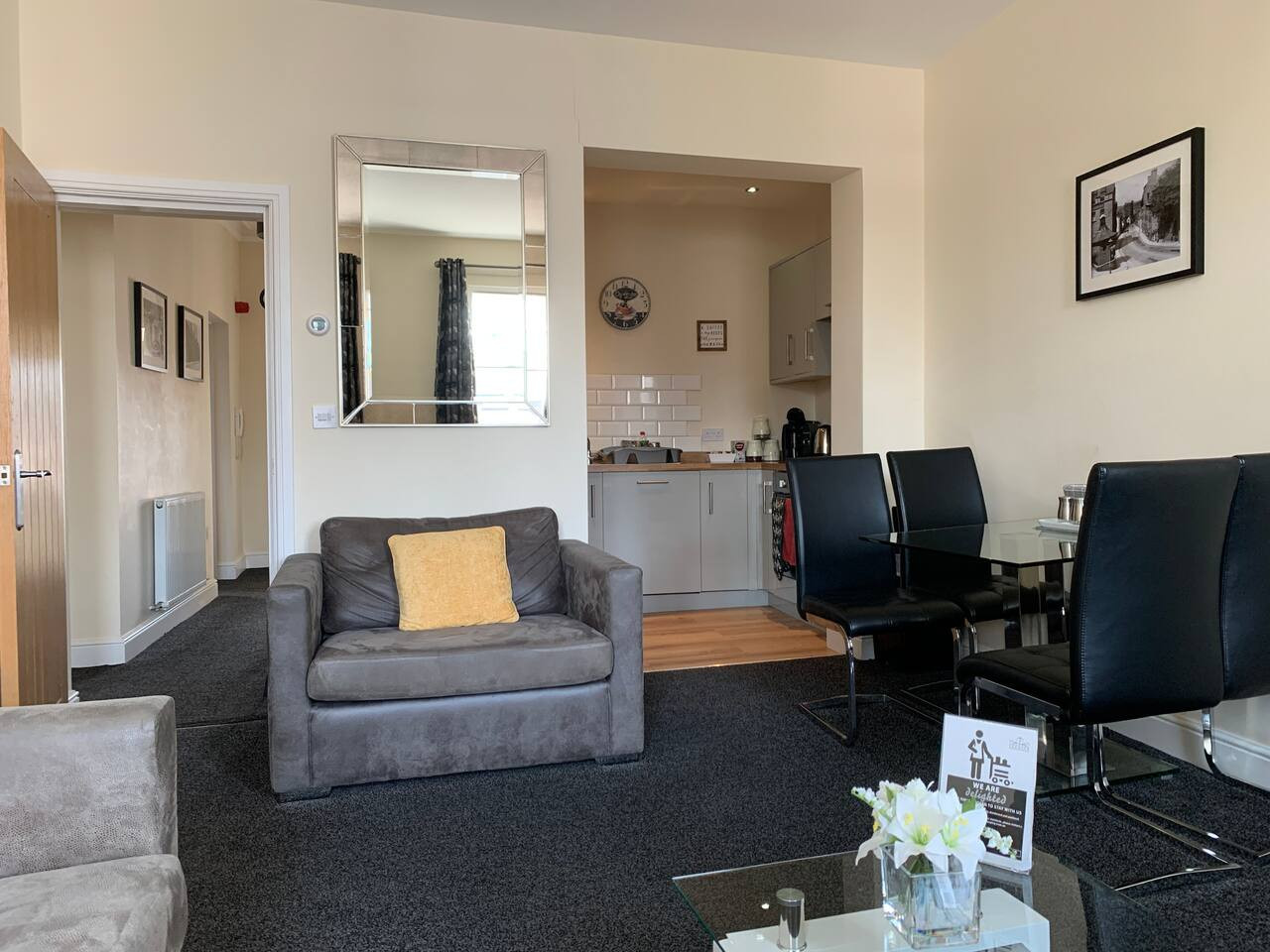
Leek
The Roaches Suite - Large 2 Bedroom Apartment
- Sleeps 7
- 2 bedrooms
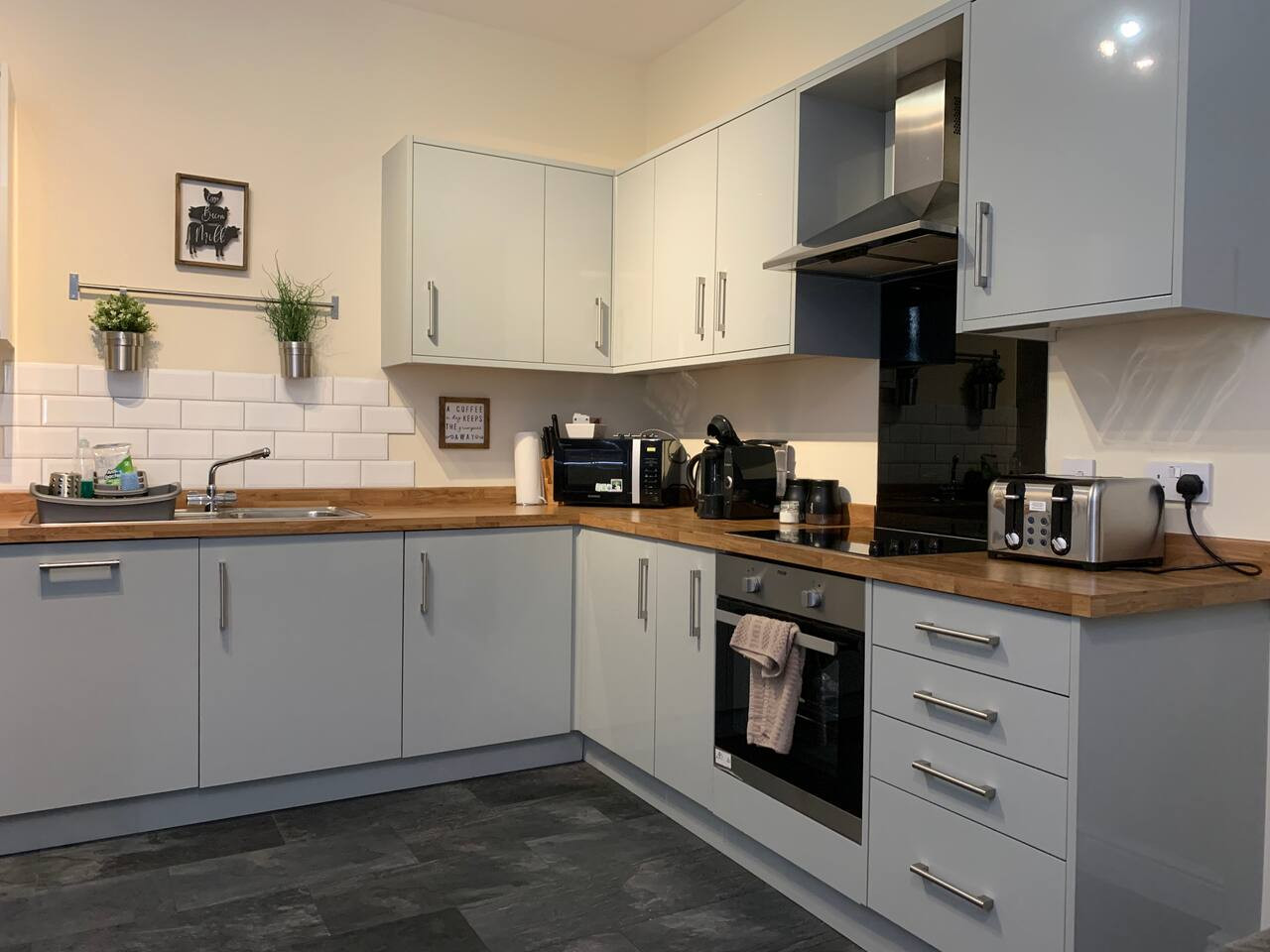
Leek
The Moorlands Suite - 1 Bed Apartment
- Sleeps 4
- 1 bedroom
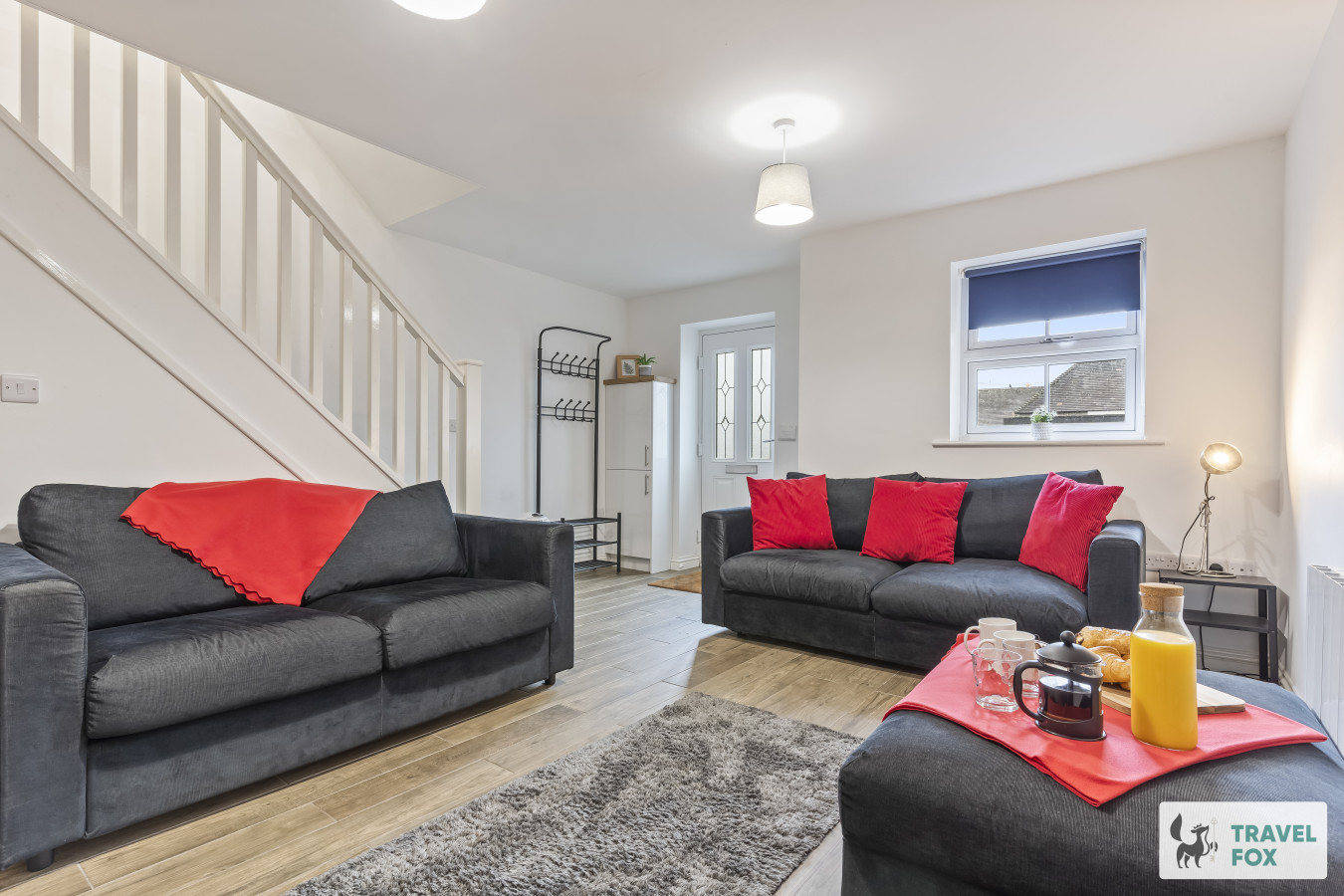
Leek
Amy's House: 20mins Alton Towers
- Sleeps 6
- 2 bedrooms
For homeowners
Own a holiday home near Ashbourne?
We manage holiday lets across the Peak District from 12% commission, charged after cleaning costs, with no lock-in. A co-founder visits before you decide.
Holiday let management in the Peak District →
A guide with a point of view
Written from research. Edited for real journeys.
Use the Official site links for live practical details, then use this guide for context, ideas and room to explore.
Sources
Every place on this page is checked against a published source. Each entry links the record we used and names who publishes it.
- St Oswald's Church — achurchnearyou.com national body or asset manager
- Tissington Trail — peakdistrict.gov.uk statutory register or public authority record not machine-readable; publisher restricts automated access
- Dovedale Stepping Stones — nationaltrust.org.uk national body or asset manager
- Carsington Water — stwater.co.uk operator, sector body or destination organisation
- Ilam Park — nationaltrust.org.uk national body or asset manager
- Ashbourne Park / Recreation Ground — ashbournetowncouncil.gov.uk statutory register or public authority
- Coach & Horses — coachandhorsesashbourne.co.uk operator, sector body or destination organisation
- Nigel's Butchers — nigelsbutchers.co.uk operator, sector body or destination organisation