
High above the Churnet Valley
Whiston
A quiet Staffordshire Moorlands village for steep valley walking, industrial history and broad views over wooded countryside.
- Best for
- Hill walking and quieter rural stops
- Give it
- A short visit or a full walking day
- Don't miss
- The climb through Cotton Dell to Whiston
The Fox verdict
A small village with a big valley backdrop
Whiston works best as the high point in a Churnet Valley day rather than as a conventional village-centre stop.
The promoted eight-mile circuit supplies the main adventure, linking Cotton Dell, Whiston's hilltop ground and Hawksmoor's oak and birch woods. Shorter visits can centre on the listed A52 milepost or St Mildred's Church, while Kingsley & Froghall station adds a heritage-rail option nearby.
Where to go
Places in Whiston
Every place below is checked against a published source, listed with what it is and how long to give it.
Local signatures
3 placesOakamoor and Whiston Circular Walk
An eight-mile promoted circuit following Cotton Dell, woodland and hilltops to Whiston before crossing the valley through Hawksmoor.
- Visit length
- Editorial estimate: around 4 hours 30 minutes
- Locality
- Oakamoor and the Churnet Valley
- Access
- Several steep, muddy sections call for sturdy footwear.
Cricketers Arms, Oakamoor
Oakamoor pub named on the Staffordshire County Council circular walk, near the route from the picnic site into Cotton Dell.
- Visit length
- Editorial estimate: around 1 hour for refreshments
- Locality
- Church Bank, Oakamoor
- Access
- Check opening and food service before travelling.
St Mildred's Church
St Mildred's is a village church on the A52, in the Foxt with Whiston parish.
- Visit length
- Editorial estimate: around 30 minutes
- Locality
- Ross Lane by the A52
- Access
- Worship services are held at the church.
Walks & outdoors
1 placeHawksmoor
National Trust oak and birch woodland, owned by the Trust since 1927 and crossed on the return towards Oakamoor.
- Visit length
- Editorial estimate: around 1 hour 30 minutes
- Locality
- Hawksmoor in the Churnet Valley
- Access
- The wooded valley has steep slopes, steps and uneven paths; there are no toilets.
History & heritage
1 placeWhiston A52 Milepost
A Grade II-listed cast-iron milepost in Whiston giving distances to Froghall, Cheadle, Hanley, Stoke, Newcastle and Ashbourne.
- Visit length
- Editorial estimate: around 10 minutes
- Locality
- Beside the A52 in Whiston
- Access
- This is a roadside object; view only from a safe public position without obstructing the A52.
Things to do
1 placeChurnet Valley Railway at Kingsley & Froghall
A heritage steam and diesel railway through the Churnet Valley, with its Kingsley & Froghall station close to Whiston.
- Visit length
- Editorial estimate: around 2 hours
- Locality
- Kingsley & Froghall station
- Access
- Board at Kingsley & Froghall station.
No places match this filter. Choose All places to reset the list.
Three ways to explore Whiston
Signature outings
Walk the full Churnet loop
Start at Oakamoor picnic site and allow four to five hours for steep, muddy stretches.
Slow down under oak and birch
Take a separate woodland visit at Hawksmoor, where National Trust land in the Churnet Valley offers oak, birch and wildlife-rich paths.
See the Churnet from the rails
Board a heritage steam or diesel service at Kingsley & Froghall for a different passage through the wooded valley.
The village story
Above the Churnet, Beside the A52
Whiston sits high above the Churnet Valley, with traces of its copper-smelting past along the walking circuit.
High Ground Above the Churnet
A cast-iron milepost stands beside the A52, giving distances to Froghall, Cheadle, Hanley, Stoke, Newcastle and Ashbourne. Whiston sits on high ground above the Churnet Valley, where farmland meets wooded slopes.
The Oakamoor picnic site occupies the site of a former copper and brass works; the village has a pub and small shop.
Faith and the Furnace
St Mildred's Church stands on the A52 through Whiston. The Primitive Methodist chapel has a date stone marked 1907–08, and a 1940 buildings list recorded seating for 170 people.
In the 1770s, large quantities of copper ore from the Duke of Devonshire's Ecton mines were taken to a smelter at Whiston. Local coal supplied fuel, and the Caldon Canal provided a route for processed copper. At their height, the Ecton mines employed hundreds of miners.
Woodland Views and Deeper Roots
The Whiston smelting mill has been demolished, though buildings made from black copper-slag blocks remain nearby. The eight-mile Oakamoor and Whiston Circular Walk climbs through Cotton Dell to the hilltop, then crosses the valley through Hawksmoor's oak and birch woods, owned by the National Trust since 1927. Cotton College, a Grade II-listed former school with additions by A. W. N. Pugin, stands across the valley.
Kingsley, the parish containing Whiston, is recorded in Domesday Book with eleven households in the Totmonslow hundred.
The Hilltop Route
Several steep, muddy sections make the full circuit a demanding walking day. From the hilltop, the view reaches across the wooded sides of the Churnet Valley.
Stay around Alton Towers
Make a longer stay of it
Travel Fox holiday homes around Alton Towers, linked directly to their property pages.
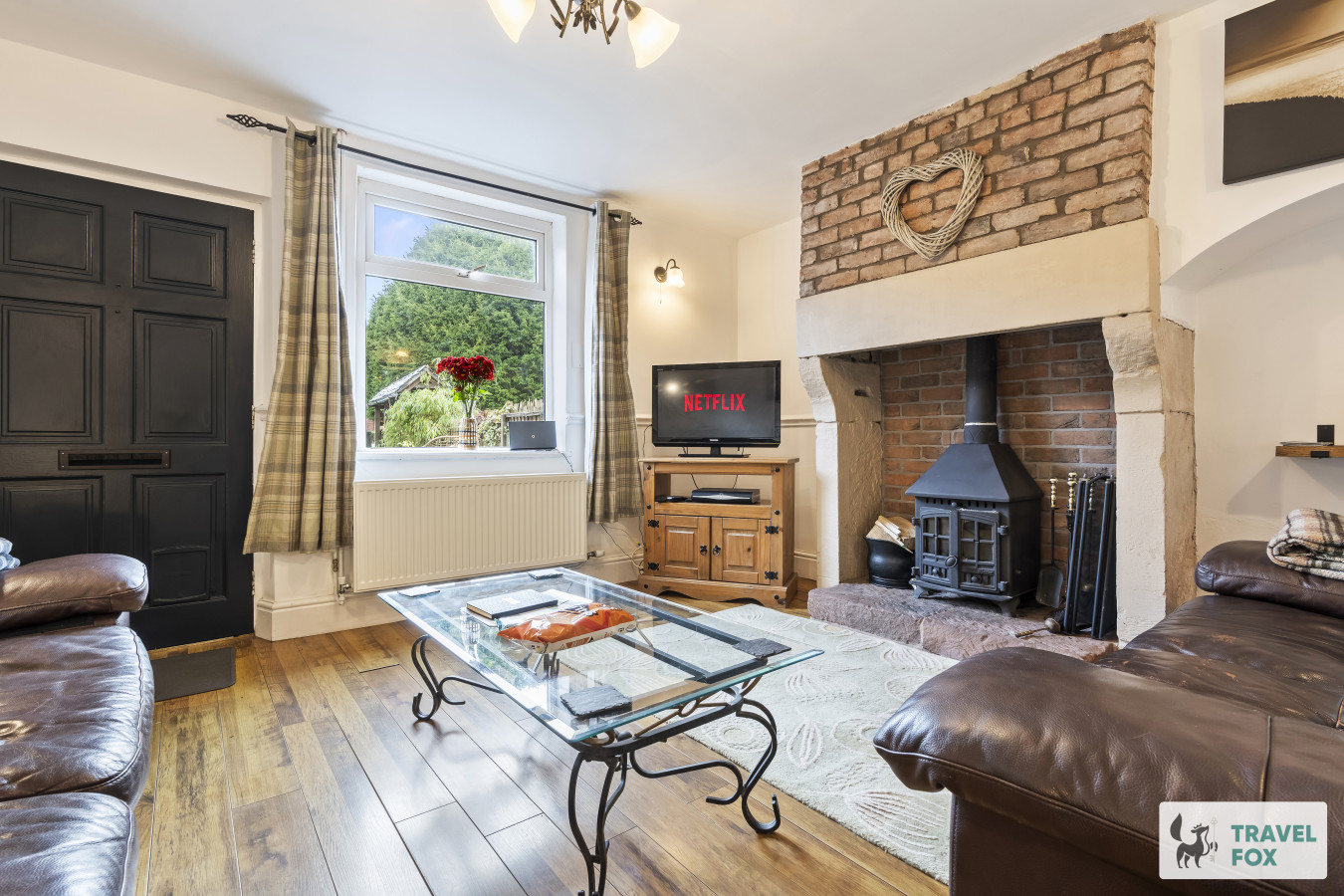
Oakamoor
Christina's House
- Sleeps 4
- 2 bedrooms
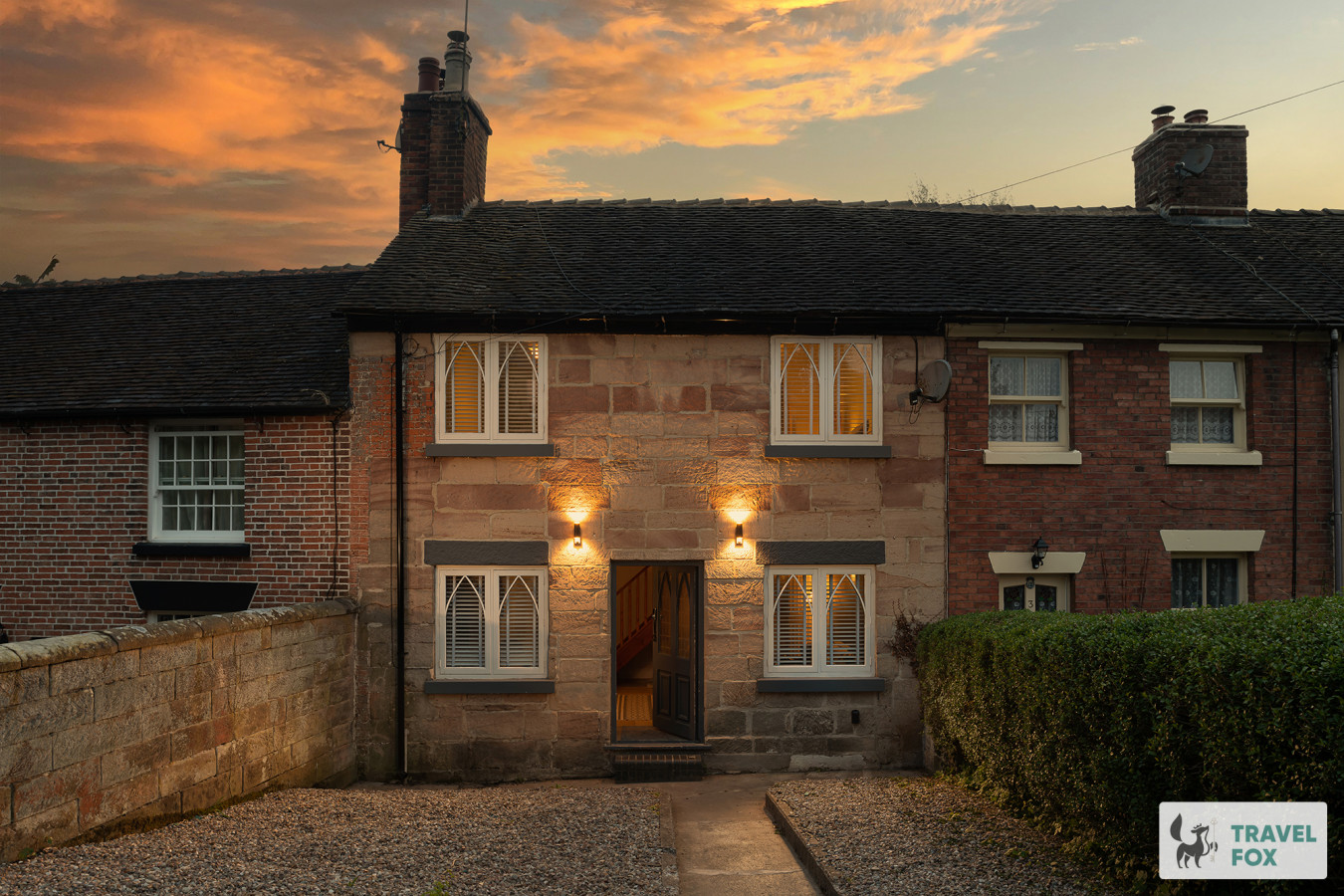
Alton
Angel Cottage - 5 mins drive to Alton Towers!
- Sleeps 10
- 4 bedrooms
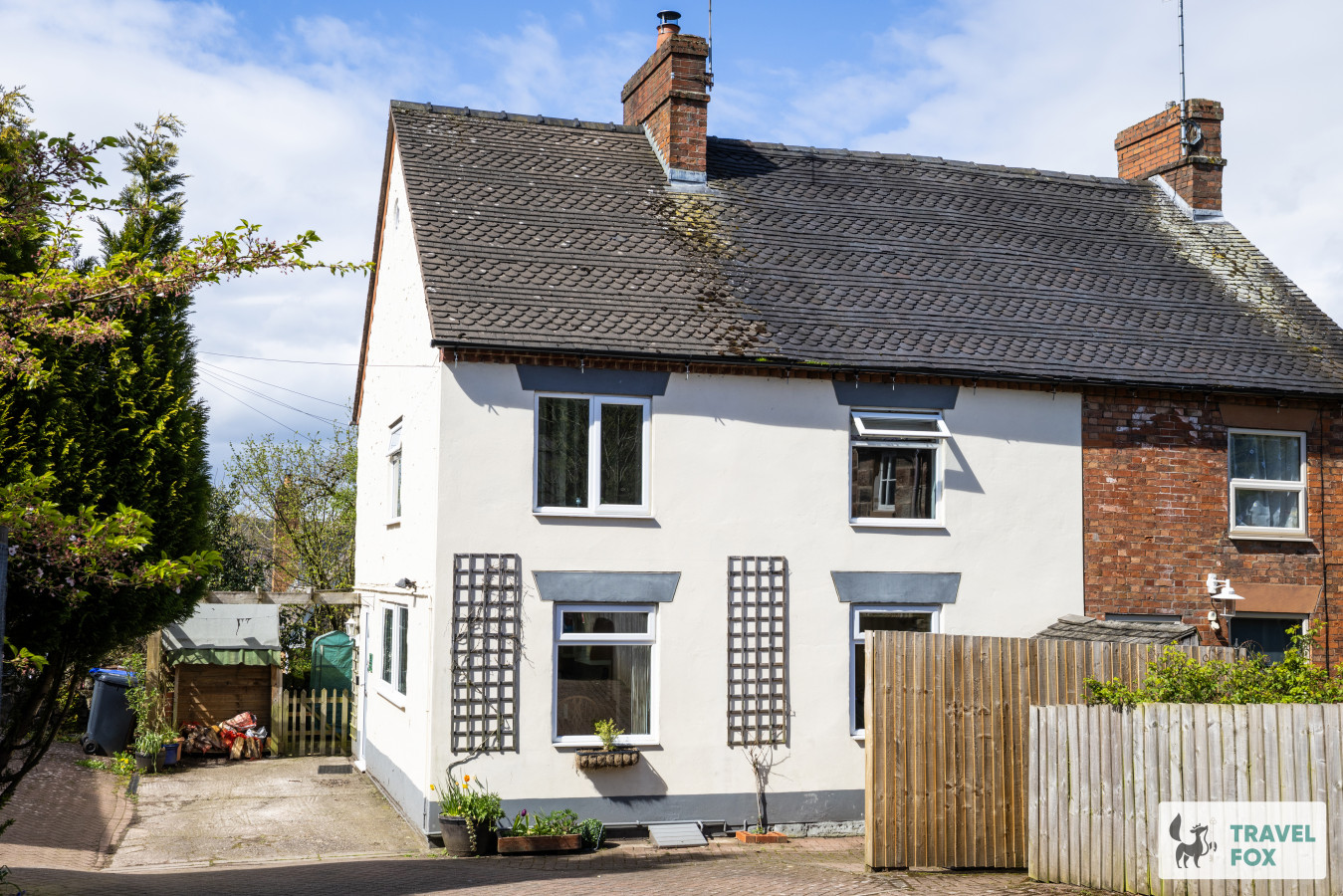
Alton
Smithy Bank Cottage - with free parking!
- Sleeps 8
- 3 bedrooms

Alton
The Old Post Office: Alton Towers
- Sleeps 8
- 3 bedrooms
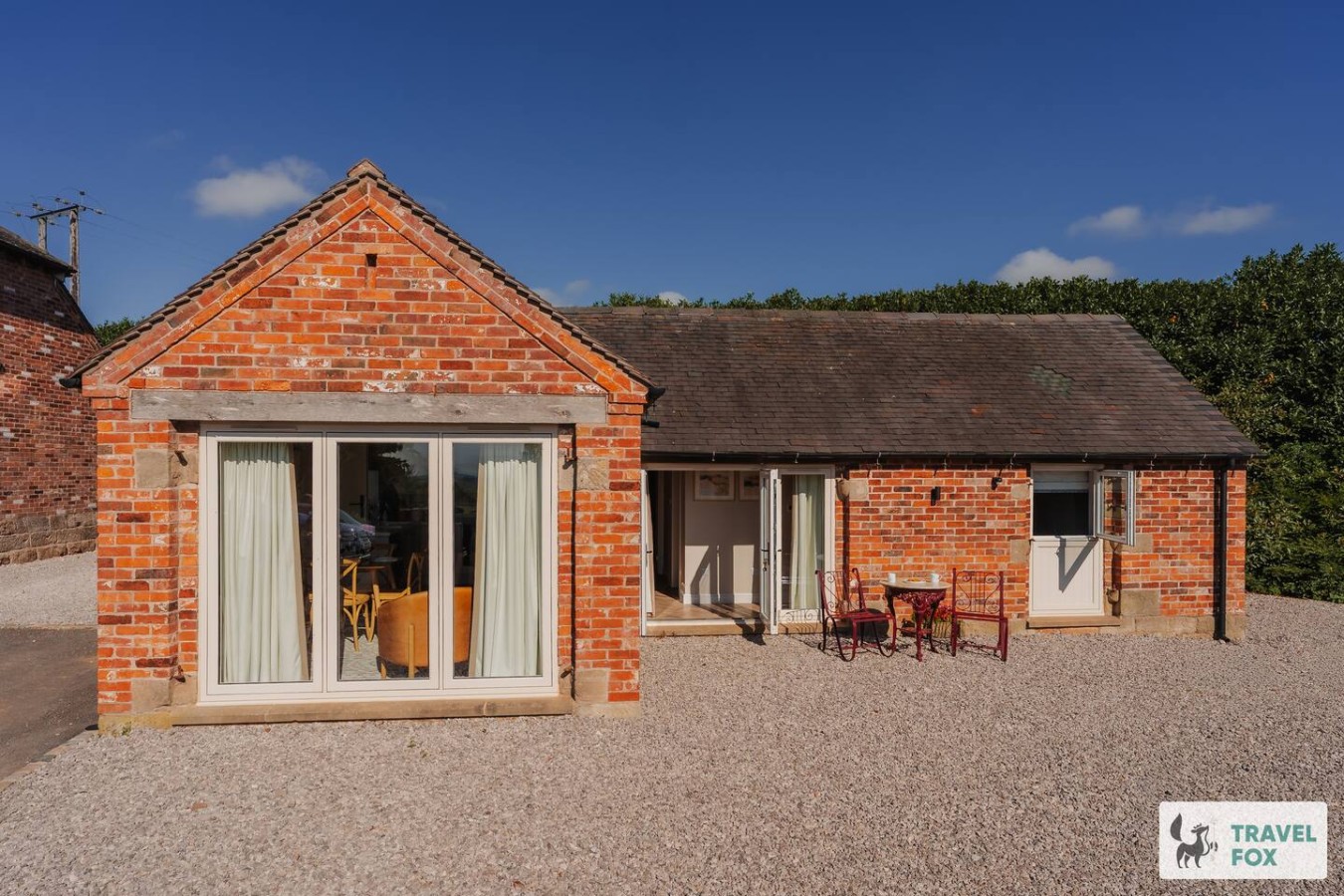
Checkley
The Old Stables
- Sleeps 4
- 2 bedrooms
For homeowners
Own a holiday home near Whiston?
We manage holiday lets across Staffordshire from 12% commission, charged after cleaning costs, with no lock-in. A co-founder visits before you decide.
Holiday let management in Staffordshire →
A guide with a point of view
Written from research. Edited for real journeys.
Use the Official site links for live practical details, then use this guide for context, ideas and room to explore.
Sources
Every place on this page is checked against a published source. Each entry links the record we used and names who publishes it.
- Oakamoor and Whiston Circular Walk — staffordshire.gov.uk statutory register or public authority
- Cricketers Arms, Oakamoor — staffordshire.gov.uk statutory register or public authority
- St Mildred's Church — achurchnearyou.com national body or asset manager
- Hawksmoor — nationaltrust.org.uk national body or asset manager
- Whiston A52 Milepost — historicengland.org.uk statutory register or public authority record not machine-readable; publisher restricts automated access
- Churnet Valley Railway at Kingsley & Froghall — churnetvalleyrailway.co.uk operator, sector body or destination organisation record not machine-readable; publisher restricts automated access