
Peak District spa town
Buxton
A high market town of warm springs, Georgian and Victorian landmarks, gardens and wooded walks to Grin Low.
- Best for
- Spa history, gardens and short walks
- Give it
- A day between the town and Grin Low
- Don't miss
- The 27°C water at St Ann's Well
The Fox verdict
A historic spa town with the Peak District at its door
Buxton brings warm-spring history, showpiece architecture, gardens and a classic short hill walk into one substantial destination.
Start with St Ann's Well and the Georgian and Victorian townscape, then follow the Pavilion Gardens route towards Poole's Cavern and Solomon's Temple on Grin Low.
Your picks, your pace
Make Buxton yours
Choose a mood or build your own list. Your saved stops are an ordering aid, with a direct map route when you are ready.
Local signatures
3 placesPavilion Gardens
Twenty-three acres with lakes and glass pavilions, plus a boating lake, miniature railway, children's play areas, outdoor gym, fountains and wildlife.
- Visit length
- Editorial estimate: allow around 90 minutes
- Locality
- Buxton
Poole's Cavern & Buxton Country Park
A famous show cave, one of the 'Seven Wonders of the Peak', paired with woodland walks in Buxton Country Park and the route towards Solomon's Temple.
- Visit length
- Editorial estimate: allow around 90 minutes
- Locality
- Poole's Cavern and Buxton Country Park
- Access
- The cave path has 28 steps and cannot take pushchairs. Limited pushchair parking is available at the entrance; a carrier is recommended for toddlers.
St Ann's Well
An ancient natural warm spring dedicated to St Anne by the 1520s, where mineral water emerges at a steady 27°C.
- Visit length
- Editorial estimate: allow around 20 minutes
- Locality
- opposite the Crescent
- Access
- Free-flowing spa water is still collected by locals and visitors from the well.
Walks & outdoors
1 placeSolomon's Temple
A Victorian folly on Grin Low, reached through Buxton Country Park woodland, with a spiral staircase to a viewing platform overlooking Buxton and the surrounding hills.
- Visit length
- Editorial estimate: allow around 60 minutes
- Locality
- Grin Low hill
History & heritage
2 placesBuxton Opera House
A 1903 theatre designed by Frank Matcham and home since July 1979 to the Buxton International Festival, with opera, music and a literary series.
- Visit length
- Editorial estimate: allow around 45 minutes
- Locality
- Buxton
Old Hall Hotel
A Grade II*-listed hotel first built in 1572 for the Earl and Countess of Shrewsbury, with sixteenth-century fabric surviving inside later extensions. The original house is reputed to have been used to imprison Mary, Queen of Scots.
- Visit length
- Editorial estimate: allow around 30 minutes
- Locality
- Buxton
No places match this filter. Choose All places to reset the list.
On the map
Buxton at a glance
Tap a marker to jump to its guide card.
Three ways to explore Buxton
Signature outings
The view from Grin Low
The woodland paths towards Solomon's Temple can be steep and rough, so allow for uneven ground on the climb.
Buxton's Opera House
During shows and backstage tours, visitors can see the Matcham Gallery's original architectural plans and theatre memorabilia.
The Shrewsbury tower
Behind the Square frontage are three-foot-thick sixteenth-century walls and an early eighteenth-century staircase.
The town story
Buxton: Spa Town and Grin Low
Warm water, ambitious architecture and the wooded rise to Grin Low shape this high Peak District spa town.
Warm Water and a High Town
At St Ann's Well opposite the Crescent, water pours from a lion's-head spout into a marble trough. Visitors still bring bottles to collect water from this historic spring, one of the places where Buxton's spa story remains visible in the town centre.
Buxton is England's highest market town, sitting at around a thousand feet in a bowl of the Peak District, ringed by hills with Grin Low rising to the south. Arriving from Manchester on the A6 you drop down into it, and the stone changes as you go — honey-coloured limestone, the sweep of the Crescent, the domed former hospital, and twenty-three acres of gardens with the River Wye running through them. It is Georgian and Victorian and built to be looked at. The town knows this about itself.
The Cheshire Cheese at 37–39 High Street occupies a Grade II-listed building and serves Titanic Brewery ales. Nearby, the Old Sun Inn at number 33 is a seventeenth-century coaching inn with stone floors, oak features and changing cask ales.
Behind the Crescent on George Street, Buxton Brewery's Tap House occupies the Old Court House. The brewery began in a family garage in 2009 with batches of about forty litres; the Tap House now serves cask and keg beer alongside a menu of pub classics and other dishes.
Pubs, Tap Rooms and Local Food
Near Buxton station, The Railway is an open-plan pub with a beer garden. Lubens on Hall Bank pairs a café-style front room with local and regional cask ales.
Santiago is a family-run Spanish tapas restaurant and deli in the Old Pump House on George Street. Fischer's at Baslow Hall is about 12.0 miles from Buxton in a straight line; the road journey is longer.
In Higher Buxton, Pig & Pepper Bakery has baked bread and pastries since 2017. Its owners, Laura and Aran Cheatle, have also taught bread-making classes using domestic ovens.
Buxton Pudding combines sweet shortcrust pastry and raspberry preserve with a buttery breadcrumb topping. The Buxton Pudding Company says its version grew from a Victorian recipe rediscovered in 2013. The Buxton Pudding Emporium on Hardwick Street sells the pudding alongside other cakes and local produce.
Gardens, Caverns and Hill Walks
For food before a walk, Buxton Brewery's Tap House on George Street serves a menu that includes breakfast and pub classics.
The walk from Pavilion Gardens past Poole's Cavern climbs through woodland to Solomon's Temple. The present folly replaced an earlier structure associated with Solomon Mycock, and its spiral staircase leads to a platform overlooking Buxton and the surrounding hills. For a gentler outing, the Serpentine paths follow the River Wye through the gardens.
Further out, the traffic-free Monsal Trail follows a former railway line through tunnels reopened to visitors in 2011. At Chee Dale, paths leave the trail for limestone cliffs and stepping stones beside the River Wye; the riverside ground is uneven. To the north-west, the Goyt Valley holds the ruins of Errwood Hall, demolished in 1934 during reservoir construction. Chrome and Parkhouse hills form the jagged limestone ridges known as the Dragon's Back. British Geological Survey describes their summit rock as fossiliferous limestone within an algal reef and fore-reef complex.
South-west of town, Axe Edge Moor is a watershed for five rivers: the Dove, Manifold, Dane, Wye and Goyt.
Roman Springs and Spa Ambition
Families can explore Poole's Cavern and the surrounding woodland. The cave path has 28 steps and cannot take pushchairs; limited pushchair parking is available at the entrance, and the operator recommends a carrier for toddlers.
Buxton's springs drew attention long before the Georgian spa boom. The Romans called the settlement Aquae Arnemetiae. In 1975, work at the Natural Baths uncovered a votive deposit of 232 Roman coins, three bronze bracelets and a wire clasp beside the spring. Derbyshire's historic environment record says the finds are held by High Peak Borough Council.
The Old Hall Hotel began as a house built in 1572 for the Earl and Countess of Shrewsbury. Parts of the original sixteenth-century building survive within later additions, including thick walls and plasterwork. Historic England says the house is reputed to have been used to imprison Mary, Queen of Scots.
Buxton's Georgian and Victorian ambitions are visible in the Crescent and the nearby Devonshire Dome. John Carr designed the Duke of Devonshire's Great Stables in the late eighteenth century. Henry Currey converted them for hospital use in 1859, and Robert Rippon Duke covered the former exercise yard with a huge glass dome in 1881–82. The building now houses the University of Derby's Buxton campus.
Opera, People and Peak District Connections
The Opera House, built in 1903 by Frank Matcham — the architect behind the London Palladium and some hundred and fifty other theatres — hosts the Buxton International Festival every summer, opera and music and a literary series, with a Fringe running alongside it.
Buxton has produced and housed an odd mix of people. Vera Brittain, who wrote Testament of Youth, lived here from 1905 and nursed at the Devonshire Hospital during the First World War; she found the town suffocating, left as soon as she could, and later poured her dislike of its social snobbery into her writing. A plaque marks her home on Park Road. Her daughter was the politician Shirley Williams. Tim Brooke-Taylor of the Goodies was born here, and so was the singer Lloyd Cole.
Buxton station is a short walk from the town centre, on Northern's line through Stockport to Manchester Piccadilly.
Buxton's well dressing began in 1840, when fresh water reached the Market Place fountain. Residents of Higher Buxton thanked the Duke of Devonshire's workmen with a floral dressing, a tea party and music. The festival continues each summer.
Stay around Peak District
Make a longer stay of it
Travel Fox holiday homes around Peak District, linked directly to their property pages.
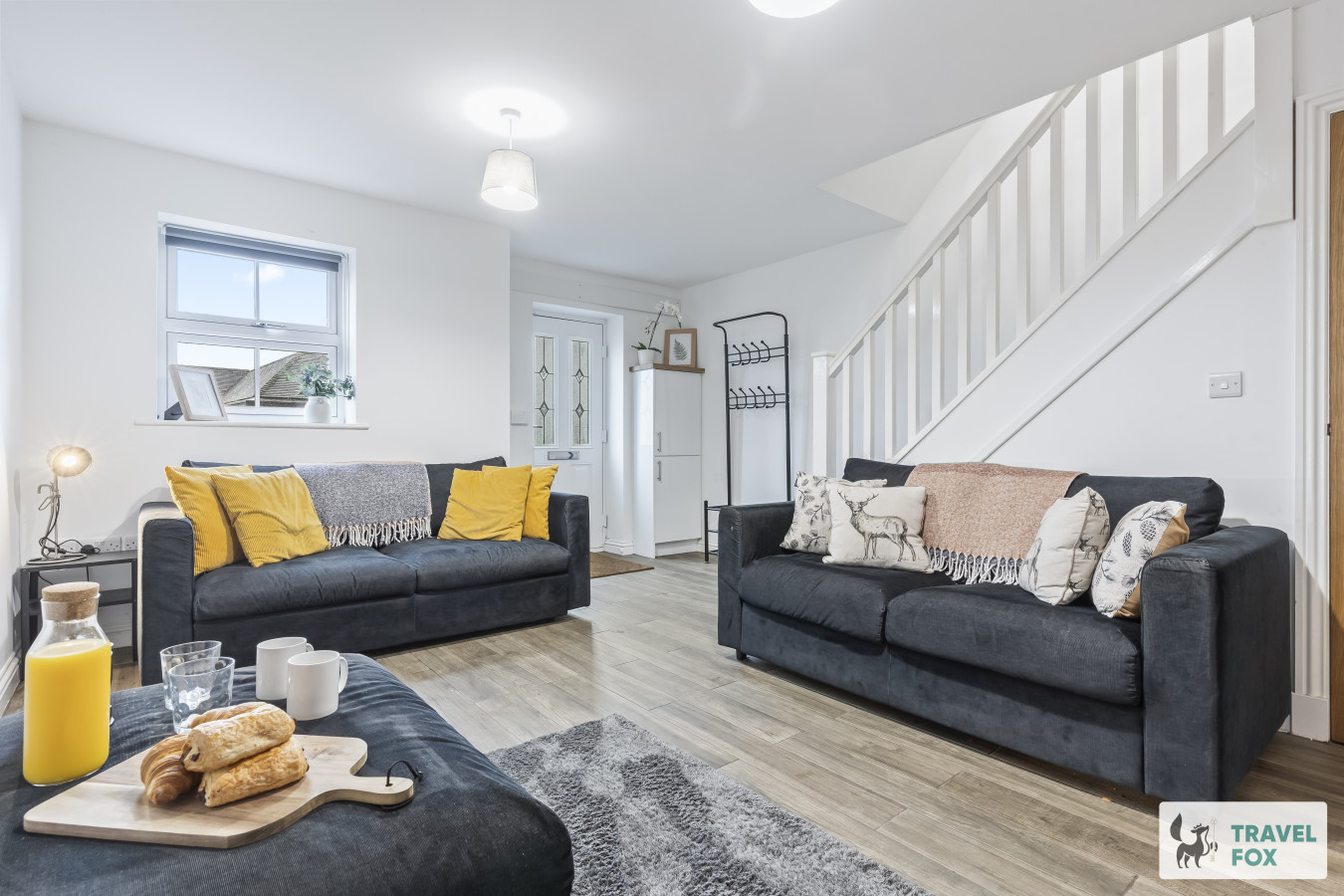
Leek
Lisa's House Leek: 20mins Alton Towers
- Sleeps 6
- 2 bedrooms
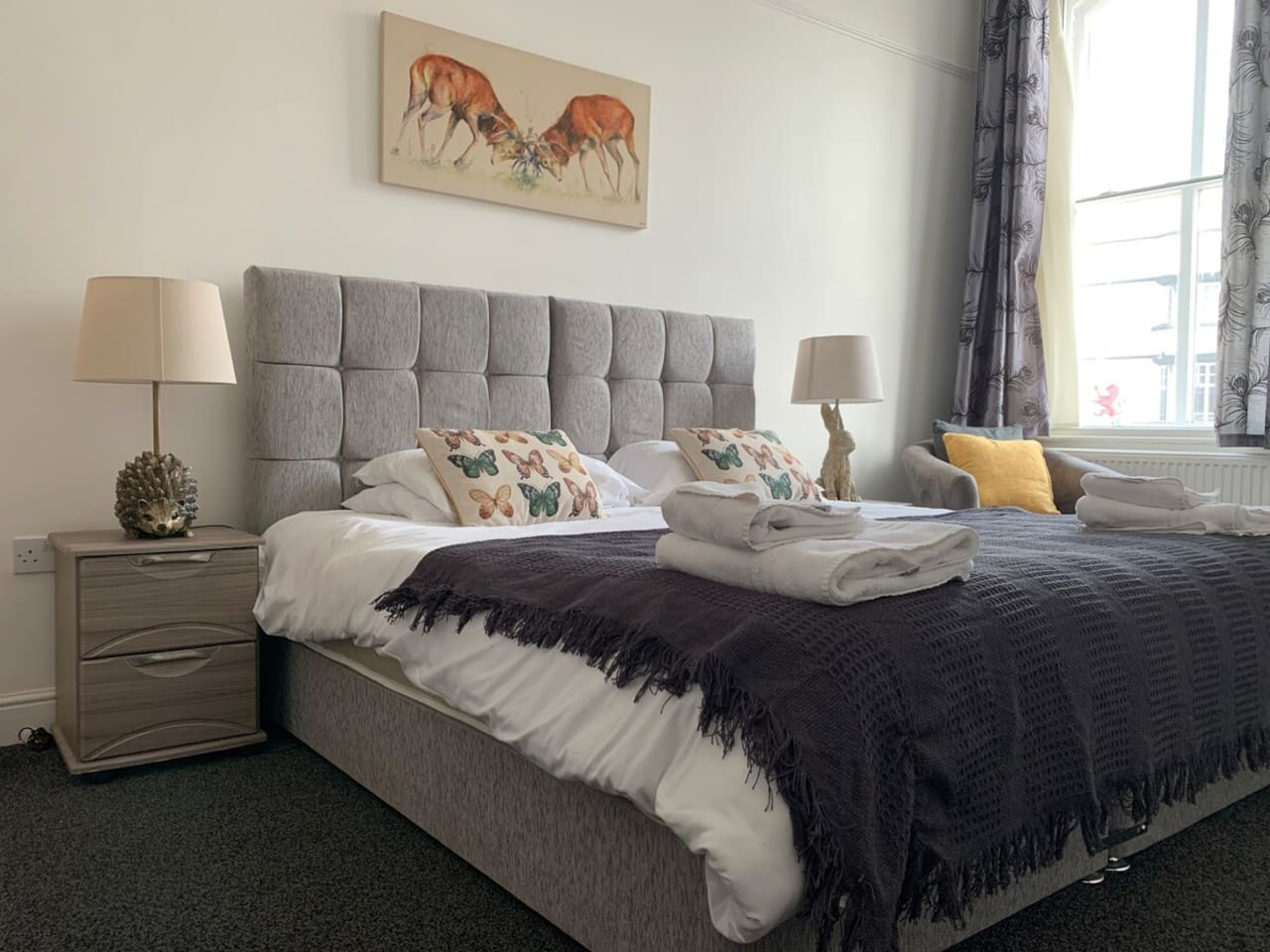
Leek
The Rudyard Suite - Large 1 Bed Apartment
- Sleeps 5
- 1 bedroom
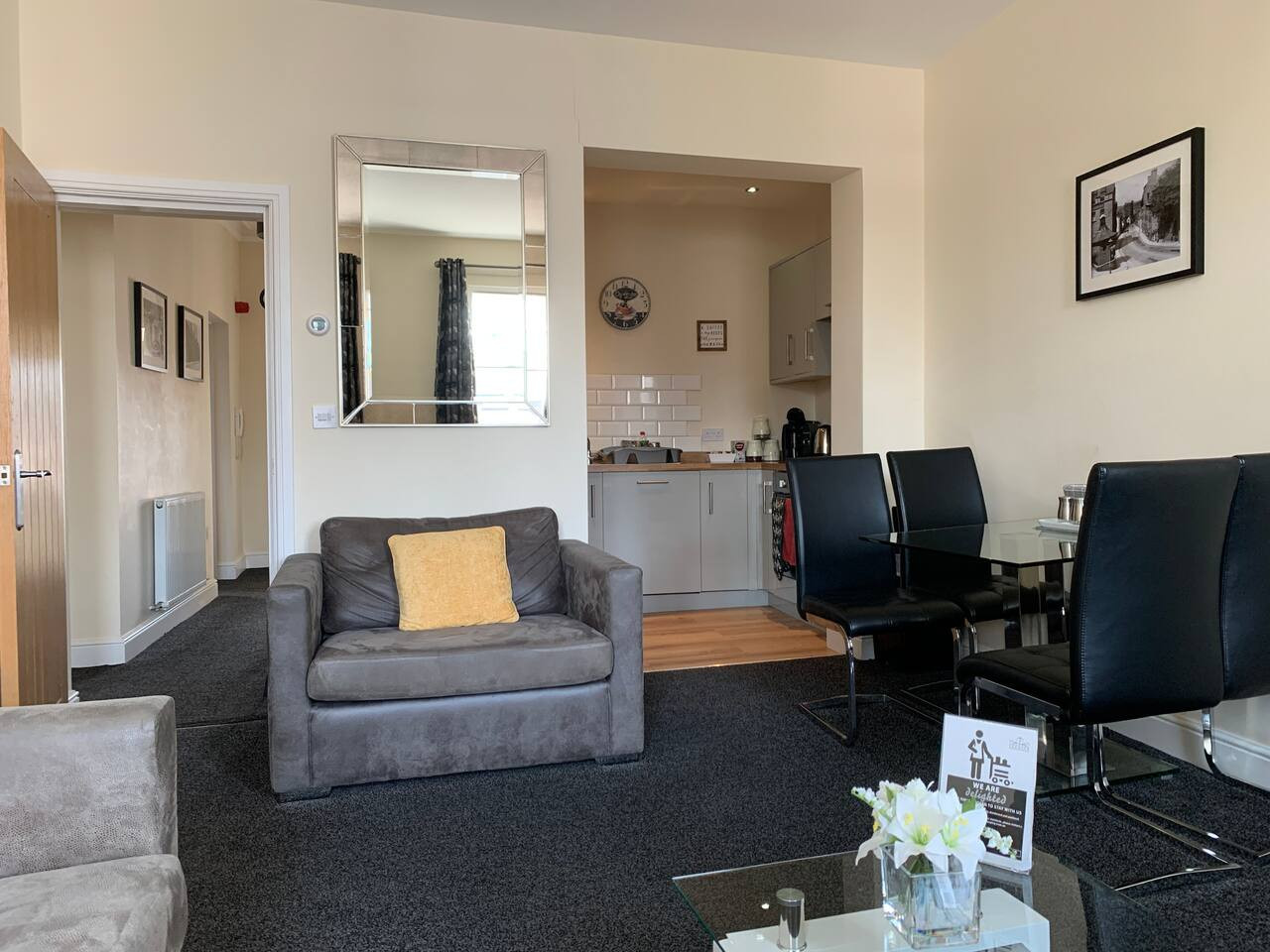
Leek
The Roaches Suite - Large 2 Bedroom Apartment
- Sleeps 7
- 2 bedrooms
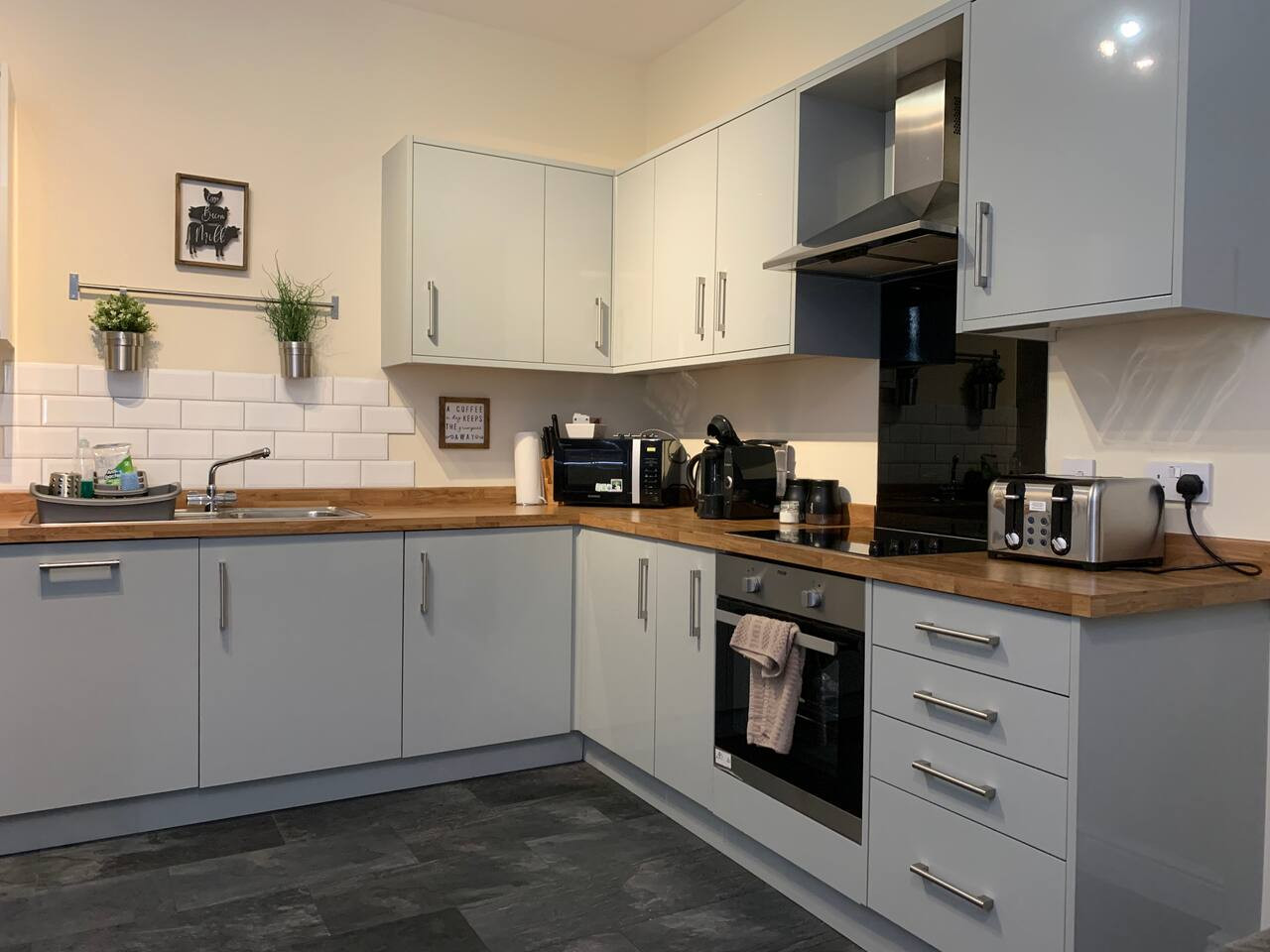
Leek
The Moorlands Suite - 1 Bed Apartment
- Sleeps 4
- 1 bedroom
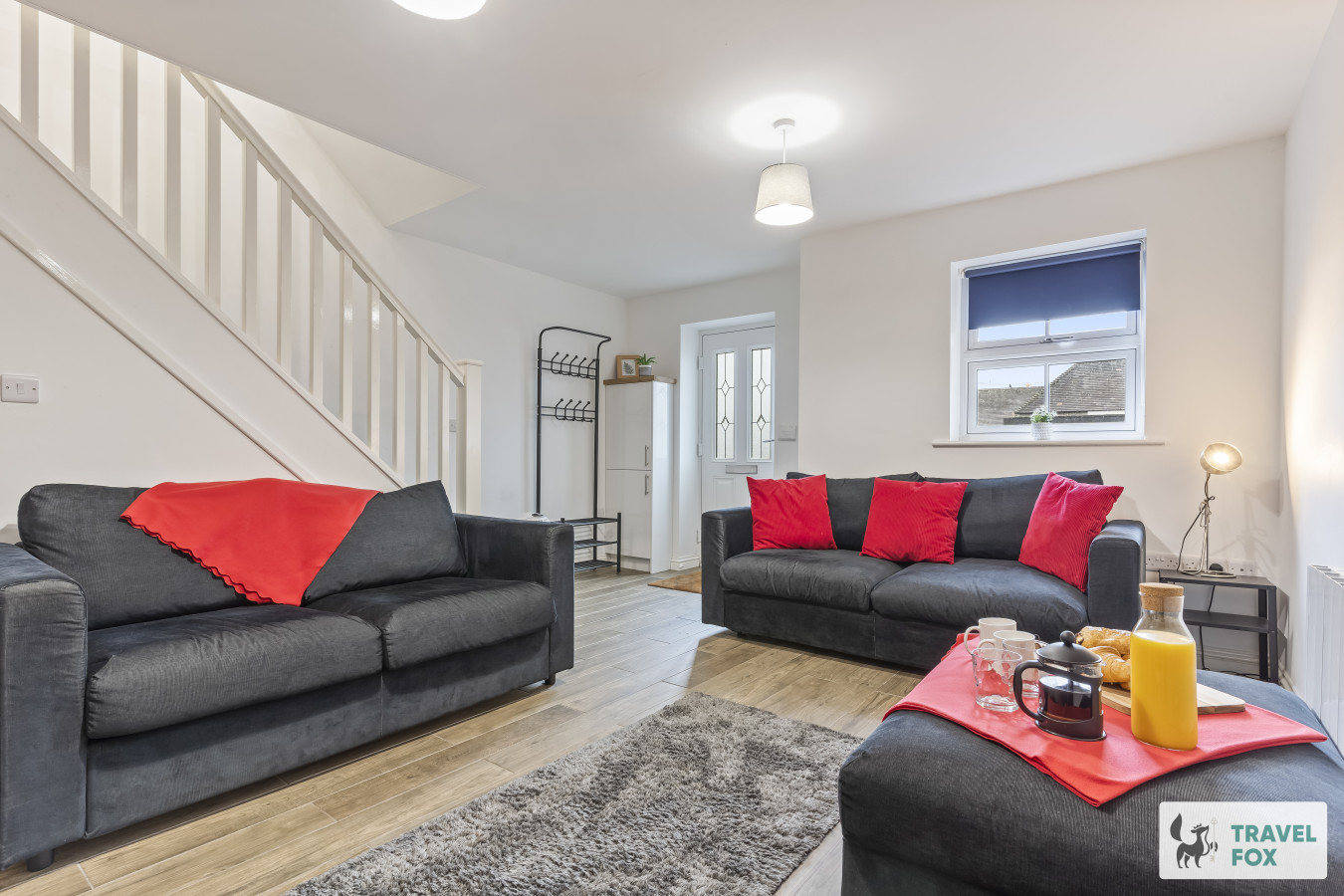
Leek
Amy's House: 20mins Alton Towers
- Sleeps 6
- 2 bedrooms
For homeowners
Own a holiday home near Buxton?
We manage holiday lets across the Peak District from 12% commission, charged after cleaning costs, with no lock-in. A co-founder visits before you decide.
Holiday let management in the Peak District →
A guide with a point of view
Written from research. Edited for real journeys.
Use the Official site links for live practical details, then use this guide for context, ideas and room to explore.
Sources
Every place on this page is checked against a published source. Each entry links the record we used and names who publishes it.
- Pavilion Gardens — highpeak.gov.uk statutory register or public authority
- Poole's Cavern & Buxton Country Park — buxtoncivicassociation.org.uk operator, sector body or destination organisation
- Solomon's Temple — historicengland.org.uk statutory register or public authority record not machine-readable; publisher restricts automated access
- St Ann's Well — historicengland.org.uk statutory register or public authority record not machine-readable; publisher restricts automated access
- Buxton Opera House — buxtonoperahouse.org.uk operator, sector body or destination organisation
- Old Hall Hotel — historicengland.org.uk statutory register or public authority record not machine-readable; publisher restricts automated access