
Canal port, quiet village
Buxworth
Restored stone wharves and canal arms sit below a small High Peak village, with towpath strolls and hill walks beyond.
- Best for
- Canal history and waterside strolls
- Give it
- A basin stroll or a longer hill circuit
- Don't miss
- The restored wharves of Bugsworth Basin
The Fox verdict
Come for the basin; stay for the paths
Buxworth's defining sight is the intact inland canal port that still carries the village's former spelling.
The restored basin combines industrial history, picnic benches and a small museum. Longer walks lead to Eccles Pike, Whaley Bridge and Cracken Edge; the hill routes include climbs and stiles, while the Whaley Bridge route has stiles on its field section.
Where to go
Places in Buxworth
Every place below is checked against a published source, listed with what it is and how long to give it.
Local signatures
3 placesBugsworth Basin
Restored stone wharves and canal arms at the only intact survivor of Britain's once-busy inland narrow-canal ports, with on-site heritage interpretation.
- Visit length
- Editorial estimate: Allow around 90 minutes
- Locality
- at the bottom of the village
- Access
- Picnic benches are provided around the basin. Keep away from the water's edge. Routes around the site are not all step-free.
Peak Forest Canal via Whaley Bridge
A circular walk from Bugsworth Basin crosses fields towards Whaley Bridge, passes the River Goyt and returns beside the Peak Forest Canal.
- Visit length
- Editorial estimate: Allow around 2 hours
- Locality
- through Whaley Bridge and back to Buxworth
- Access
- The outward field section has several stiles and may be muddy; the canal towpath forms the return leg.
Buxworth and Cracken Edge Circuit
A longer circuit climbs from the tramway trail to the old quarries of Cracken Edge, then returns through Brierley Green to Bugsworth Basin.
- Visit length
- Editorial estimate: Allow around 3 hours
- Locality
- Cracken Edge above Chinley
- Access
- A stiff ascent, rocky ground and several stiles require care on the narrow section near the old quarries.
Walks & outdoors
2 placesEccles Pike from Buxworth
A circuit from Bugsworth Basin follows the old tramway route through Whitehough before climbing to Eccles Pike's summit viewpoint.
- Visit length
- Editorial estimate: Allow around 2 hours 30 minutes
- Locality
- overlooking Buxworth
- Access
- A stiff climb, occasional mud and stiles make this a demanding hill walk.
Goyt Valley
A nearby valley of reservoirs with scenic, family-friendly walking.
- Visit length
- Editorial estimate: Allow around 2 hours
- Locality
- the Goyt Valley
History & heritage
2 placesChurch of St James
A Grade II church of about 1874, built in gritstone rubble with ashlar dressings, a slate roof with fish-scale banding and an east window with geometric tracery.
- Visit length
- Editorial estimate: Allow around 30 minutes
- Locality
- in the Buxworth Conservation Area
- Access
- The church stands on New Road within the Buxworth Conservation Area and serves the local congregation.
Market Cross, Chapel-en-le-Frith
A listed gritstone market cross on the south side of Chapel-en-le-Frith Market Place, with a stepped base and Latin-style cross head.
- Visit length
- Editorial estimate: Allow around 30 minutes
- Locality
- Chapel-en-le-Frith
No places match this filter. Choose All places to reset the list.
Three ways to explore Buxworth
Signature outings
Walk the restored basin
Follow the restored limestone wharves and canal arms, then visit the small museum for the basin's working history.
Reach Eccles Pike
At the summit, use the community's topograph to pick out landmarks in the panorama.
See St James's stonework
Look for gritstone rubble, ashlar dressings and the slate roof's fish-scale banding at the village's Victorian church.
The village story
Buxworth and the Port That Kept Its Old Name
A restored canal port, hill paths and a village whose old name survives on the water.
The Inland Port and Its Paths
At the bottom of Buxworth, Bugsworth Basin's stone wharves and canal arms recall an inland port that once handled limestone from the surrounding quarries. The basin was the largest and busiest port on Britain's narrow-canal system, and the only one to survive intact. Trade had ceased by the early 1920s; restoration began in the late 1960s. Today a small museum tells the stories of the people, industry and work that shaped the basin.
The basin is also a starting point for longer walks. Separate circuits cross fields towards Whaley Bridge with a canal-side return, pass through Whitehough to Eccles Pike, and climb to the old quarries of Cracken Edge. The hill walks involve climbing and stiles, while the Whaley Bridge route has stiles on its field section.
By the Water and Where to Pause
For a shorter visit, the basin has picnic benches, a children's activity area and a small museum. Keep away from the water's edge. Routes around the site are not all step-free.
The welcome station provides drinks and snacks when staffed, alongside the picnic area and museum.
Church, Village and Two Names
St James's Church stands on New Road within Buxworth's conservation area. The Grade II building dates to about 1874 and has gritstone rubble walls, ashlar dressings, a slate roof with fish-scale banding and an east window with geometric tracery.
The two spellings tell a compact piece of local history. Buxworth is the village, while Bugsworth Basin is its canal terminus; they are not separate destinations.
Getting to the Basin
Parking at the basin is limited. A walk along the Bugsworth Arm starts from Whaley Bridge railway station, and the 199 bus route serves the area. Dogs may use the towpath on a lead. Carry route directions if you plan to continue beyond the basin.
Stay around Peak District
Make a longer stay of it
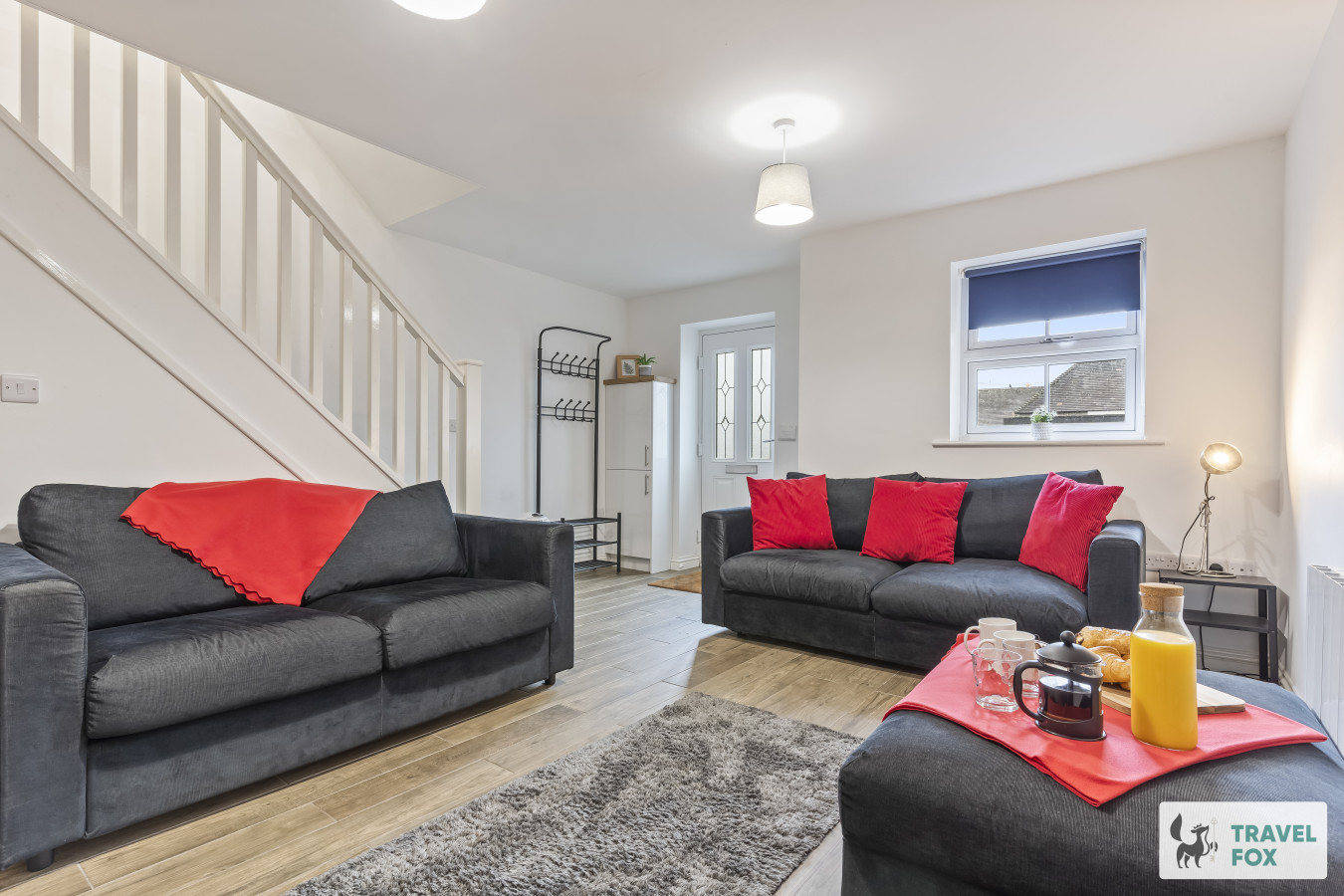
Travel Fox holiday homes around Peak District, linked directly to their property pages.
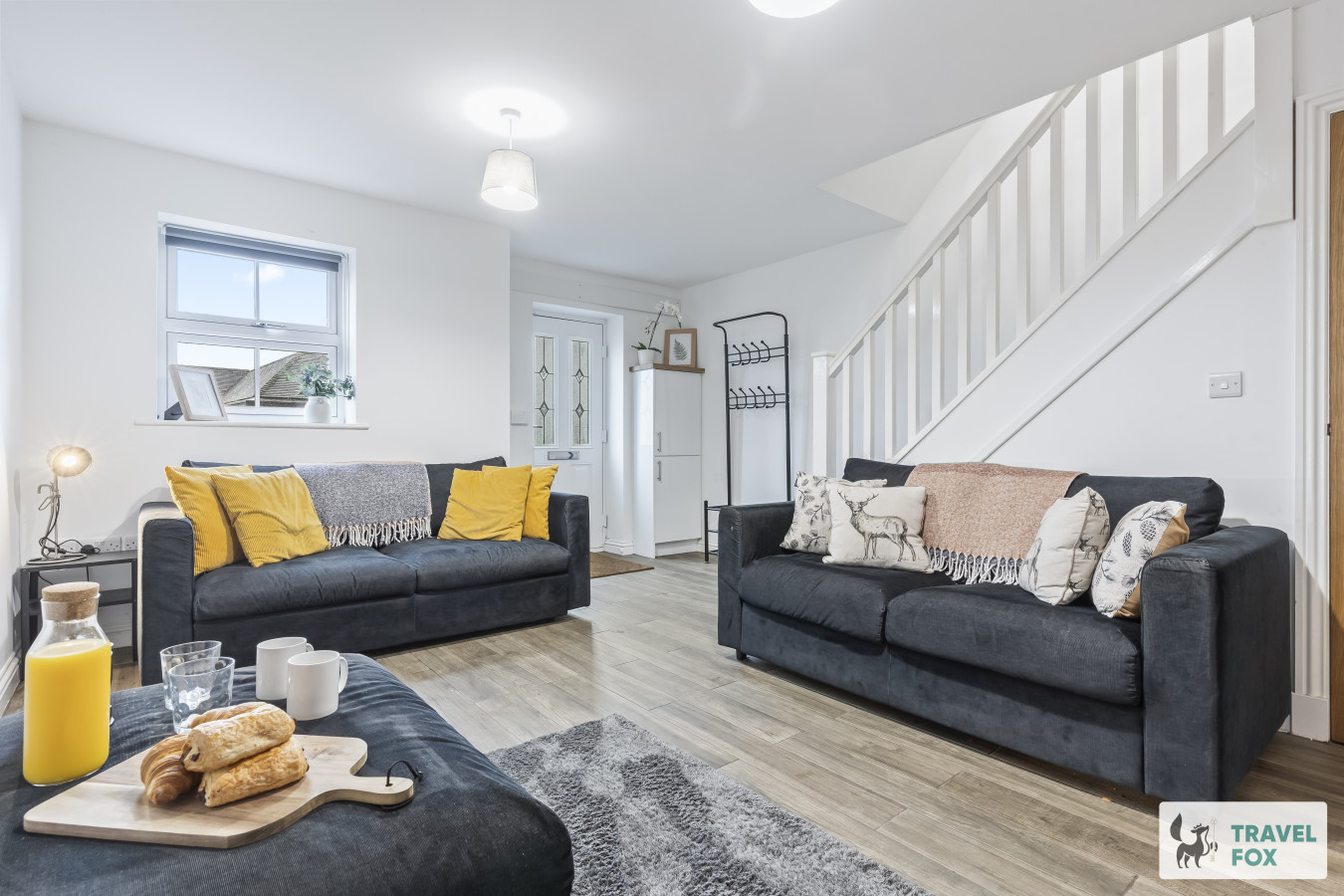
Leek
Lisa's House Leek: 20mins Alton Towers
- Sleeps 6
- 2 bedrooms
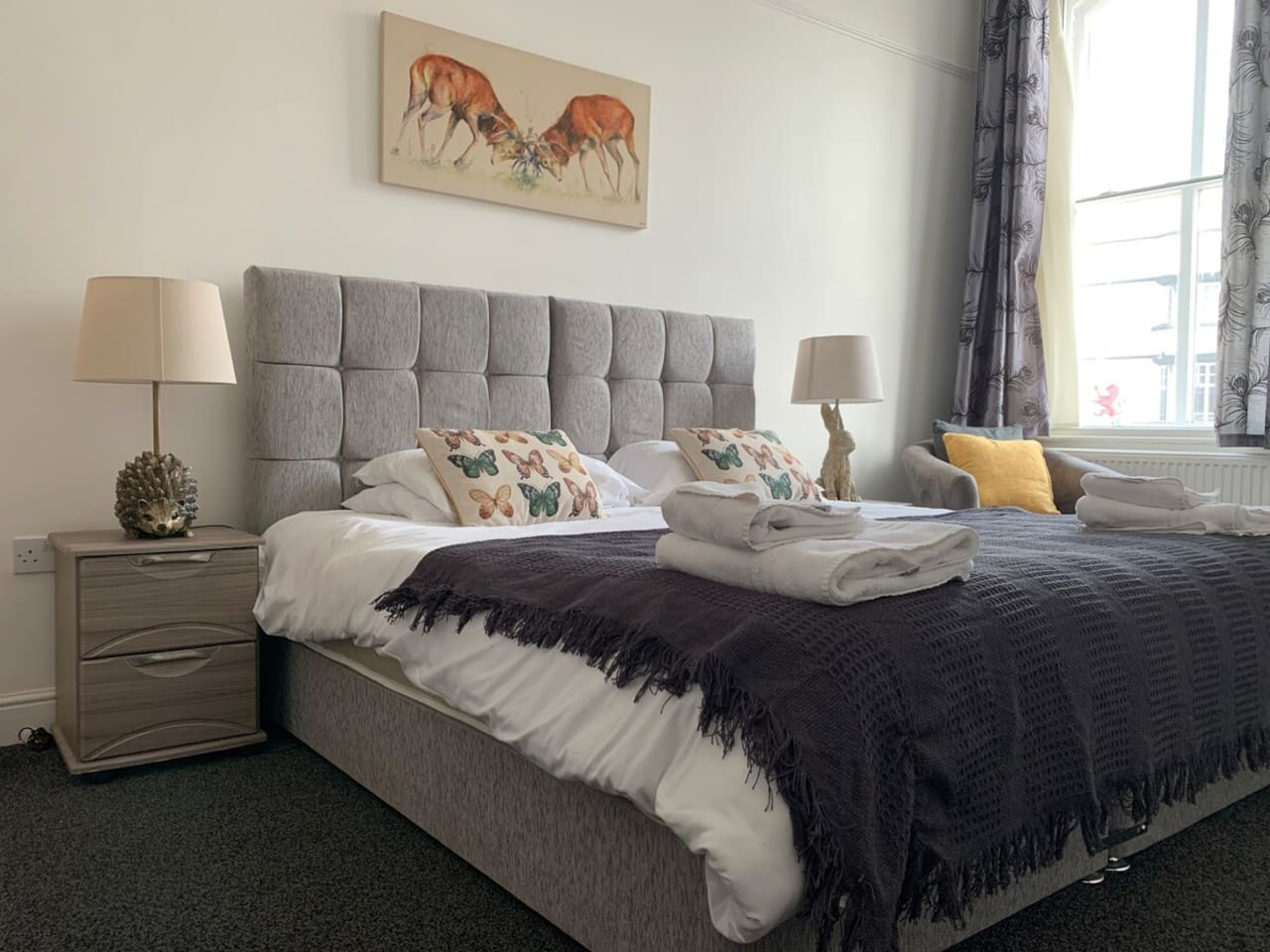
Leek
The Rudyard Suite - Large 1 Bed Apartment
- Sleeps 5
- 1 bedroom
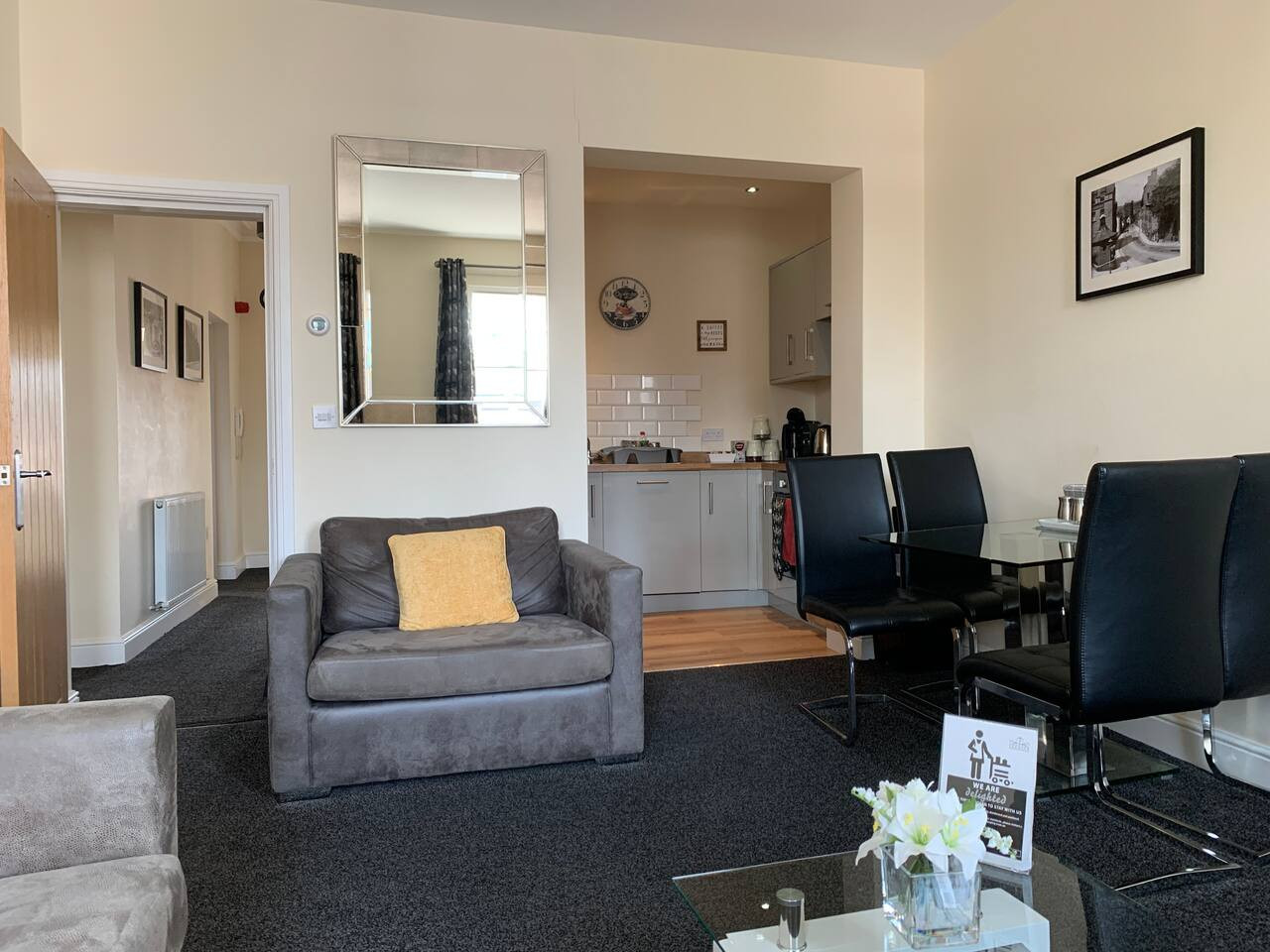
Leek
The Roaches Suite - Large 2 Bedroom Apartment
- Sleeps 7
- 2 bedrooms
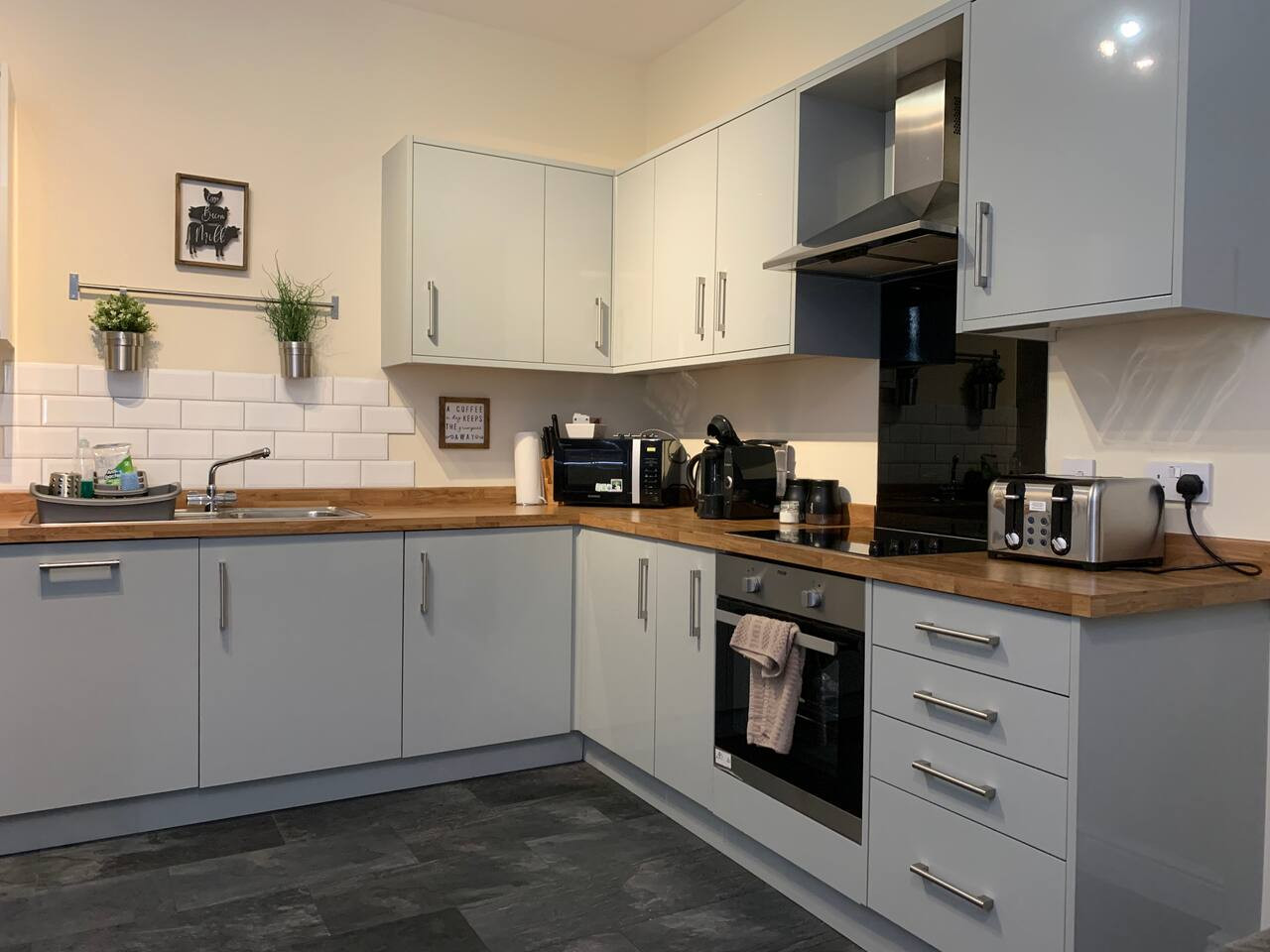
Leek
The Moorlands Suite - 1 Bed Apartment
- Sleeps 4
- 1 bedroom
Leek
Amy's House: 20mins Alton Towers
- Sleeps 6
- 2 bedrooms
For homeowners
Own a holiday home near Buxworth?
We manage holiday lets across the Peak District from 12% commission, charged after cleaning costs, with no lock-in. A co-founder visits before you decide.
Holiday let management in the Peak District →
A guide with a point of view
Written from research. Edited for real journeys.
Use the Official site links for live practical details, then use this guide for context, ideas and room to explore.
Sources
Every place on this page is checked against a published source. Each entry links the record we used and names who publishes it.
- Bugsworth Basin — canalrivertrust.org.uk national body or asset manager
- Eccles Pike from Buxworth — walksfromthedoor.co.uk operator, sector body or destination organisation
- Peak Forest Canal via Whaley Bridge — walksfromthedoor.co.uk operator, sector body or destination organisation
- Buxworth and Cracken Edge Circuit — walksfromthedoor.co.uk operator, sector body or destination organisation
- Church of St James — historicengland.org.uk statutory register or public authority record not machine-readable; publisher restricts automated access
- Market Cross, Chapel-en-le-Frith — her.derbyshire.gov.uk statutory register or public authority
- Goyt Valley — peakdistrict.gov.uk statutory register or public authority record not machine-readable; publisher restricts automated access