
River, gritstone and mill history
Calver
A Derwent-side village split between quiet Main Road and busy Calver Sough, with riverside walking, a gift shop, mill history and gritstone edges.
- Best for
- Easy riverside walking and gritstone-edge views
- Give it
- A relaxed half day, or longer for the edge circuit
- Don't miss
- Calver Weir on the riverside walk towards Froggatt
The Fox verdict
A small village with two very different faces
Calver pairs the bustle of its A623 crossroads with a quiet old village, a river crossing and easy access to the Derwent Valley.
Come for a flat walk beside the River Derwent, the mill-powered weir and a close view of the gritstone edges; stay for the village gift shop and a riverside pub. The industrial story gives the landscape unusual depth, from the former cotton mill to the waterworks that powered it.
Where to go
Places in Calver
Every place below is checked against a published source, listed with what it is and how long to give it.
Local signatures
3 placesThe Derbyshire Gift Centre
A family-run gift shop in Calver selling gifts, toiletries, greetings cards, toys and books.
- Visit length
- Editorial estimate: Allow around 75 minutes
- Locality
- Calver Bridge
Calver Bridge
Calver's only Grade II* structure, built around 1800 with three segmental arches over the River Derwent.
- Visit length
- Editorial estimate: Allow around 20 minutes
- Locality
- River Derwent crossing at Calver Bridge
Calver to Froggatt Riverside Walk
A flat, easy walk beside the Derwent, with daffodils and wild garlic in spring and views towards Curbar and Froggatt Edges on clear days.
- Visit length
- Editorial estimate: Allow around 2 hours
- Locality
- River Derwent between Calver and Froggatt
Food & drink
1 placeThe Bridge Inn
A traditional two-room country pub with a real fire, a riverside beer garden, banknotes on the walls and antique fire-fighting equipment.
- Visit length
- Editorial estimate: Allow around 90 minutes
- Locality
- Calver Bridge, beside the River Derwent
- Access
- Check current operation before making a special journey.
Walks & outdoors
1 placeFroggatt, Curbar and Baslow Edges Circuit
An eight-mile circuit across Froggatt, Curbar and Baslow Edges, with wide views over the Derwent Valley.
- Visit length
- Editorial estimate: Allow around 3 hours 30 minutes
- Locality
- Hay Wood car park, near Froggatt
- Access
- A moderate upland circuit; prepare for the conditions.
History & heritage
2 placesCalver Weir
A listed nineteenth-century weir on the River Derwent, built to power Calver Mill.
- Visit length
- Editorial estimate: Allow around 25 minutes
- Locality
- River Derwent near Calver Mill
Chatsworth House
A major country estate combining the house, garden and parkland.
- Visit length
- Editorial estimate: Allow around 3 hours
- Locality
- Chatsworth estate, south of Calver via Baslow
- Access
- Check the official site before travel.
No places match this filter. Choose All places to reset the list.
Three ways to explore Calver
Signature outings
Walk the Three Edges
Take the moderate eight-mile circuit over Froggatt, Curbar and Baslow Edges for wide Derwent Valley views.
Find the Banknotes
Settle into the Bridge Inn's two-room pub or riverside garden and look for its banknotes and antique fire-fighting equipment.
See Calver Weir
Meet the nineteenth-century weir on the flat riverside walk and see the waterworks built to power Calver Mill.
The village story
Calver Village Guide
Pubs, a gift shop, riverside paths and industrial history meet beneath the gritstone edges.
Two Pubs, Two Viewpoints
The Bridge Inn has banknotes stuck to its walls and antique fire-fighting equipment mounted where other pubs keep horse brasses. It's a two-roomed country pub at Calver Bridge, with a real fire and a beer garden that backs straight onto the River Derwent. Food runs Monday to Friday until eight, the Sunday roast has a reputation, and one reviewer called it "a lovely, dog-friendly pub with a great beer garden overlooking the River Derwent." The house beer is Bridge Best Bitter at 3.9%, with two rotating guests from breweries like Abbeydale, Thornbridge and Dancing Duck.
Up the hill sits its sister pub, the Derwentwater Arms, established 1708 and set high enough to look out over the surrounding edges. It leans on local and homegrown produce. One caution: in April 2025 the team running both pubs left "with heavy heart," with a search for new tenants underway, so it's worth checking who's behind the bar before you plan an evening around it.
An Eyre Name and a Village Shop
The third pub, now the Calver Arms and formerly the Eyre Arms, is ivy-clad. The old name came from the Eyre family, who owned manor houses in the area and are said to have lent Charlotte Brontë a surname for her heroine during a Derbyshire visit.
At Calver Bridge, the Derbyshire Gift Centre sells gifts, books and cards. Beyond it, in a former post office, the Calver Mill Gallery shows landscape paintings made with decorator's filler tools. At the other end of the village the Calver Sough crossroads has outdoor shops, a garden centre and a café; the old Heginbotham boot factory is now somewhere to buy walking boots rather than make them.
River Paths, High Edges and Connections
The flat riverside walk from Calver towards Froggatt is about two and a half miles, easy enough for a buggy, with daffodils and wild garlic along the banks in spring. It passes Calver Weir, built in the nineteenth century to power the mill, with the boulders of Curbar and Froggatt Edges in view on a clear day. If you want the height, the eight-mile circuit over Froggatt, Curbar and Baslow Edges takes three to four hours.
Grindleford station, on the Sheffield to Manchester line, lies about 2.8 miles from Calver in a straight line; the walking route is longer. The A623 runs through, and the 257 bus reaches Calver Sough from Sheffield in about fifty-five minutes.
Calver's Two Faces and Its Mill
Calver has two faces. Calver Sough — pronounced "suff," after the drainage level dug to keep the old lead mines from flooding — is the busy crossroads on the A623. Main Road is the other: quiet, and, as Great British Life put it, notable for "its merciful quietude and complete absence of yellow lines."
The mill is the landmark. Calver Mill was built as a cotton mill in 1778, flooded and burned, rebuilt by 1804, and employed around 200 people by 1830. It became apartments after 1947. In the 1970s the BBC used it as Colditz Castle.
Cricket, Royalty and Wheelbarrow Mail
The cricket club keeps records going back to 1832, the year Princess Victoria is said to have watched a match and George Walton reputedly hit a ball clean off the field to Calver Cross. Before there were vans, the postmaster fetched the mail from Froggatt, a mile away, in a wheelbarrow.
Stay around Peak District
Make a longer stay of it
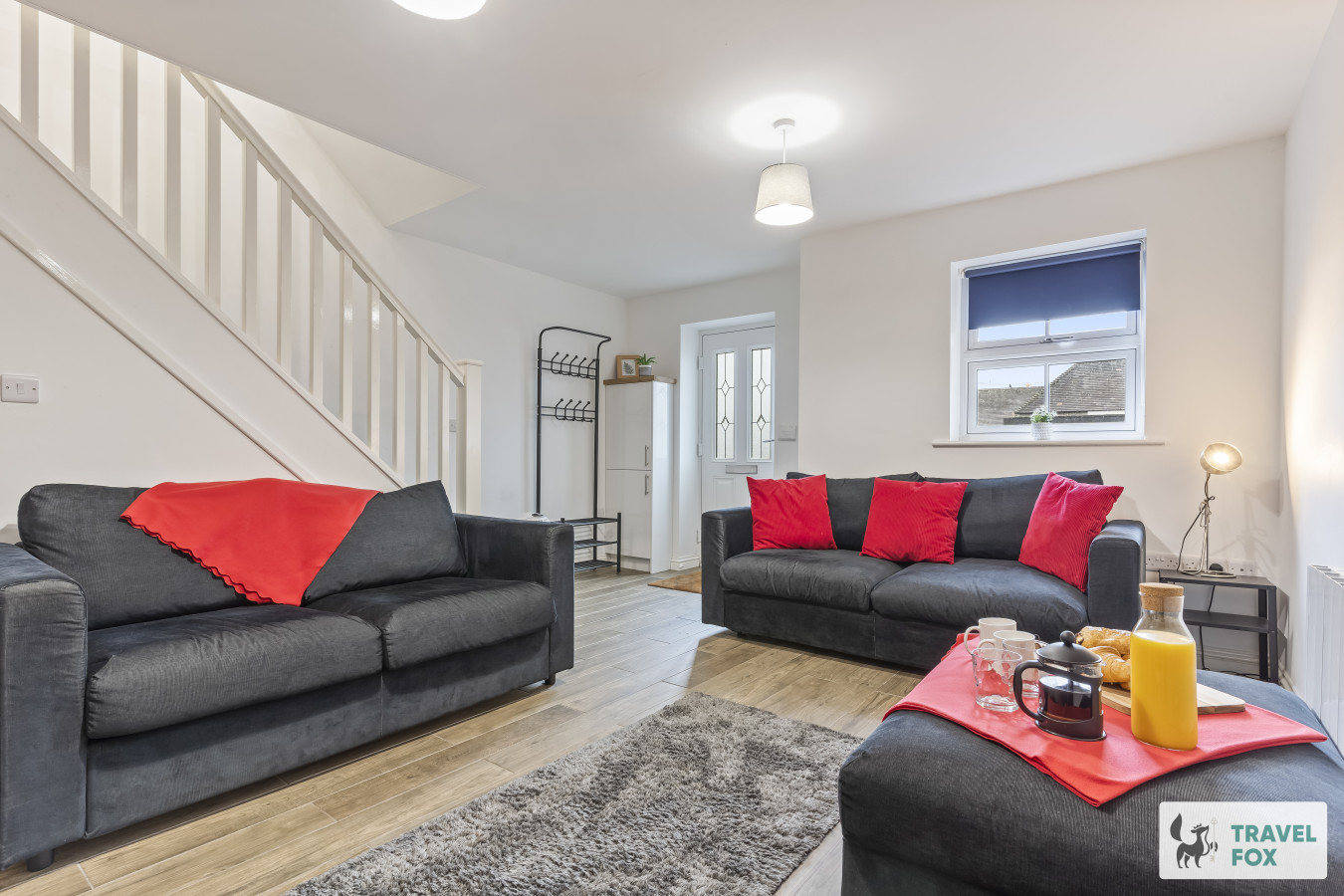
Travel Fox holiday homes around Peak District, linked directly to their property pages.
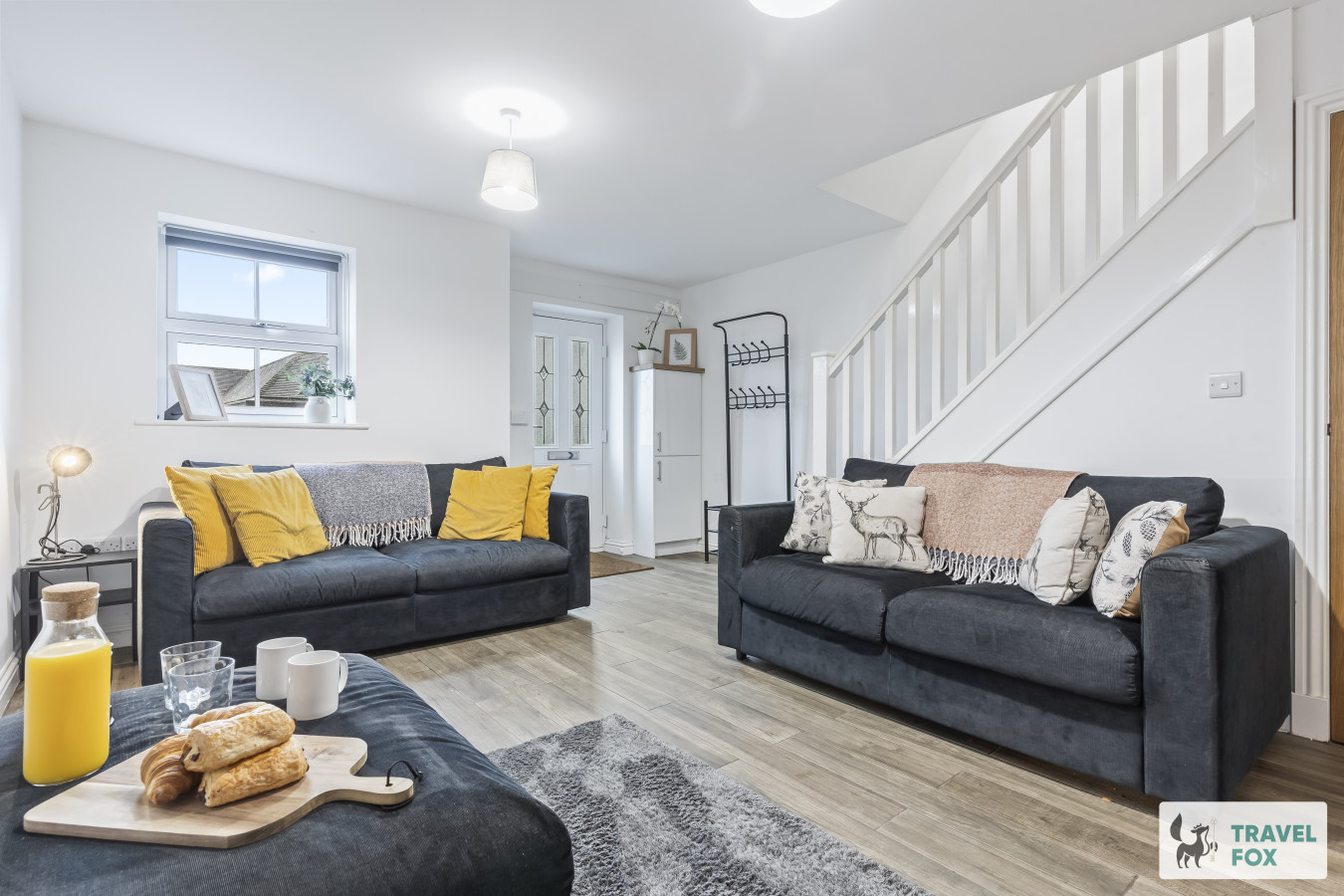
Leek
Lisa's House Leek: 20mins Alton Towers
- Sleeps 6
- 2 bedrooms
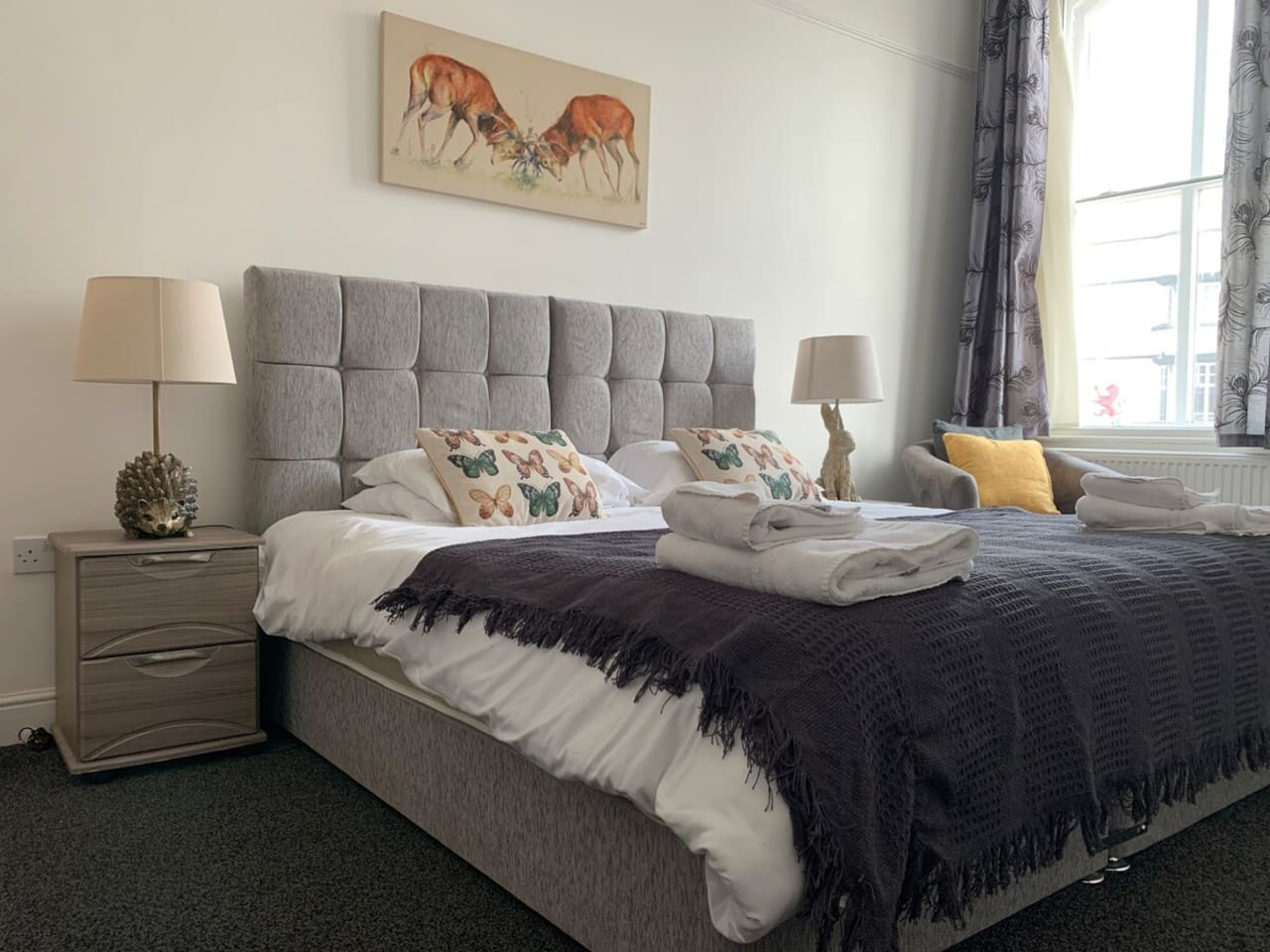
Leek
The Rudyard Suite - Large 1 Bed Apartment
- Sleeps 5
- 1 bedroom
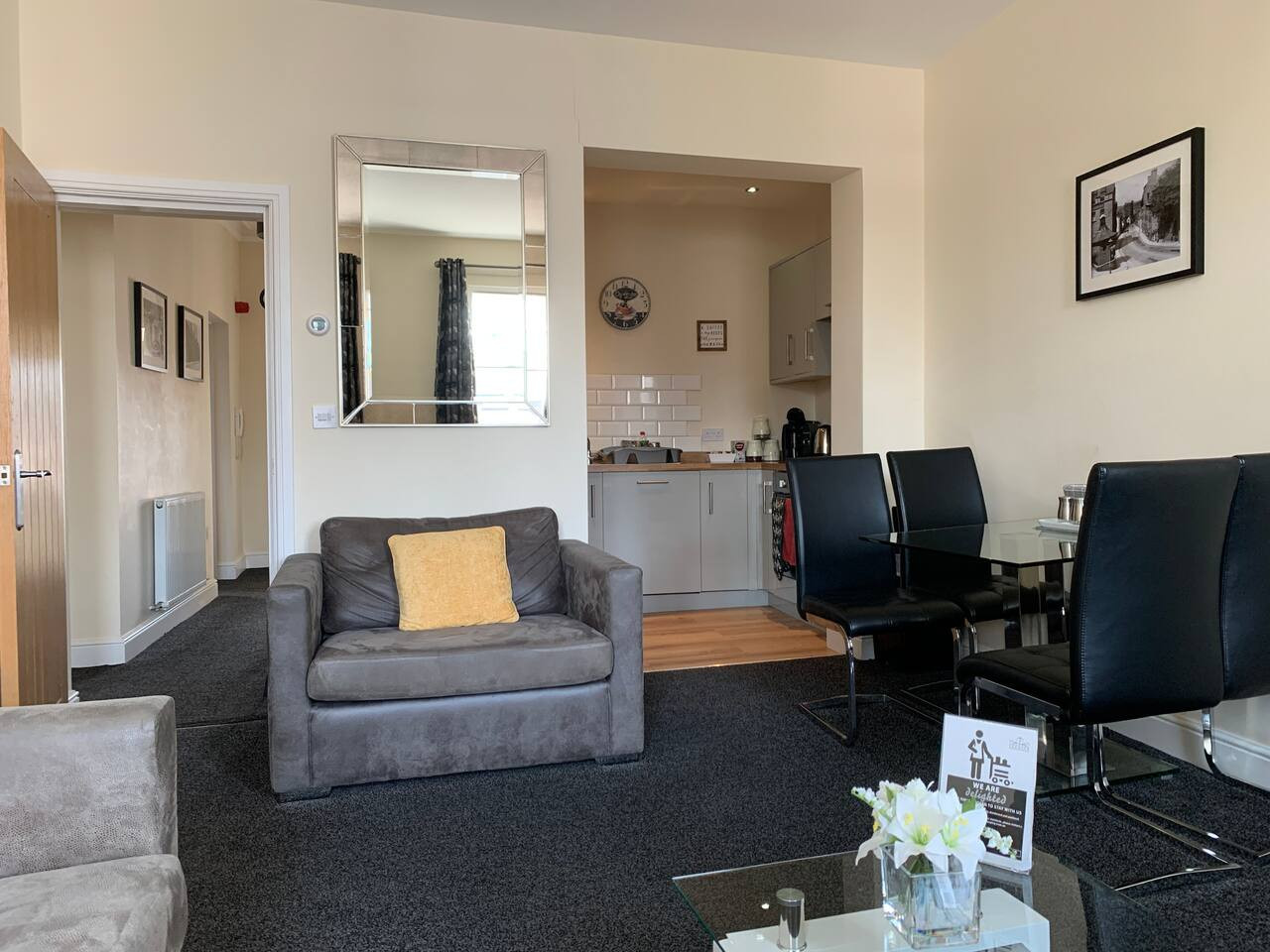
Leek
The Roaches Suite - Large 2 Bedroom Apartment
- Sleeps 7
- 2 bedrooms
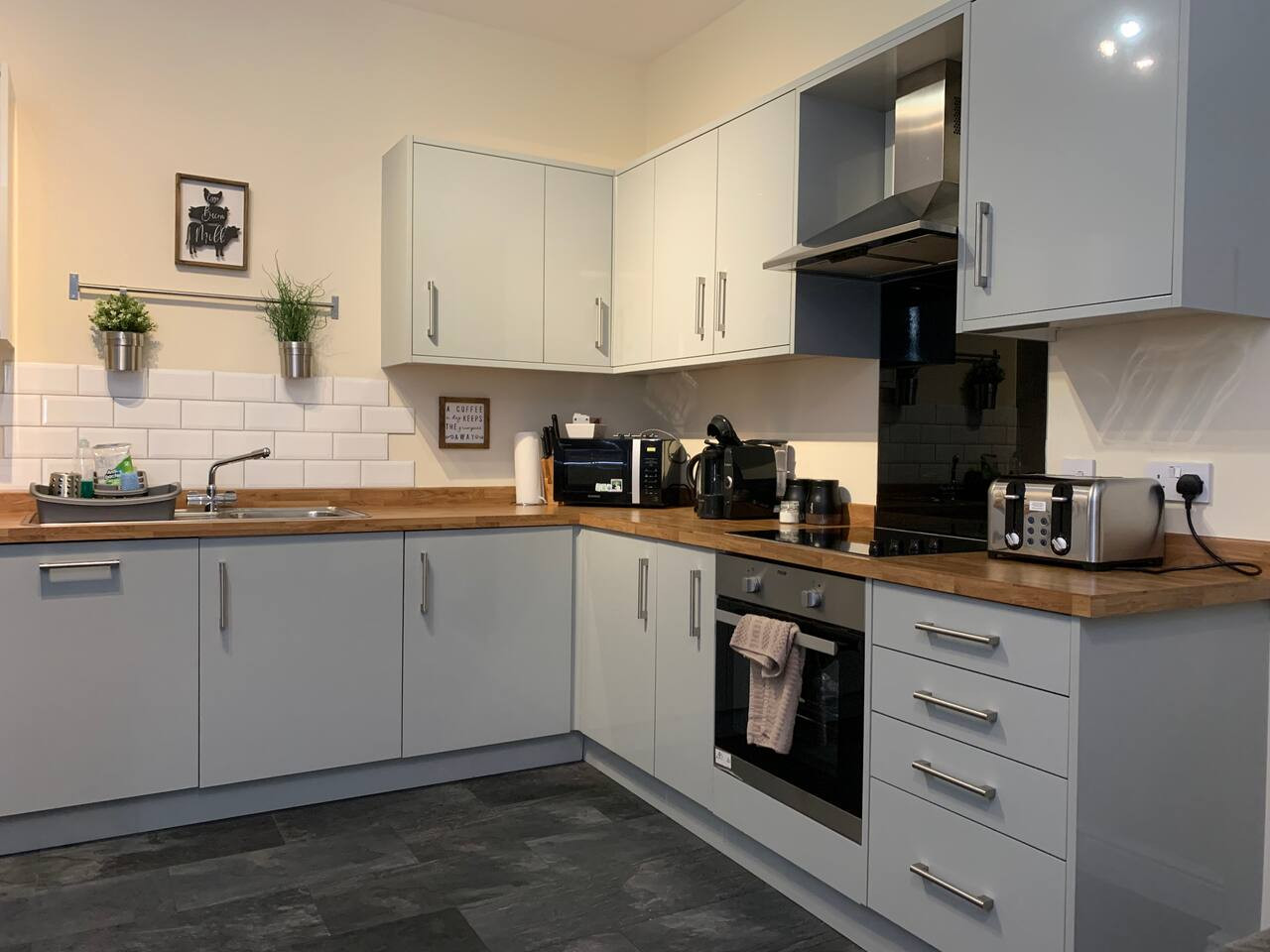
Leek
The Moorlands Suite - 1 Bed Apartment
- Sleeps 4
- 1 bedroom
Leek
Amy's House: 20mins Alton Towers
- Sleeps 6
- 2 bedrooms
For homeowners
Own a holiday home near Calver?
We manage holiday lets across the Peak District from 12% commission, charged after cleaning costs, with no lock-in. A co-founder visits before you decide.
Holiday let management in the Peak District →
A guide with a point of view
Written from research. Edited for real journeys.
Use the Official site links for live practical details, then use this guide for context, ideas and room to explore.
Sources
Every place on this page is checked against a published source. Each entry links the record we used and names who publishes it.
- The Derbyshire Gift Centre — derbyshirecraftcentre.co.uk operator, sector body or destination organisation
- The Bridge Inn — refinedpubgroup.com other published source
- Calver Bridge — historicengland.org.uk statutory register or public authority record not machine-readable; publisher restricts automated access
- Calver Weir — historicengland.org.uk statutory register or public authority record not machine-readable; publisher restricts automated access
- Calver to Froggatt Riverside Walk — peakdistrict.gov.uk statutory register or public authority record not machine-readable; publisher restricts automated access
- Froggatt, Curbar and Baslow Edges Circuit — letsgopeakdistrict.co.uk other published source
- Chatsworth House — chatsworth.org operator, sector body or destination organisation