
Capital of the Peak
Chapel-en-le-Frith
A small market town of Thursday cobbles, old pubs and paths into reservoir and moorland country.
- Best for
- Historic pubs and short walks
- Give it
- A half-day or an unhurried day
- Don't miss
- The stocks, cross and horse trough
The Fox verdict
Come for the pubs; stay for the stories and a leg-stretch
Chapel-en-le-Frith pairs a cobbled Thursday market with old inns, the Black Hole of Derbyshire and short routes into the surrounding hills and reservoir country.
Start with the stocks and market cross, look for the Anglo-Scandinavian cross shaft in St Thomas Becket's churchyard, then choose between a local pint, Eccles Pike, Combs Reservoir or the old tramway trail.
Where to go
Places in Chapel-en-le-Frith
Every place below is checked against a published source, listed with what it is and how long to give it.
Local signatures
3 placesThe New Inn
A traditional Robinsons' local with comfy armchairs, a log burner and real ales.
- Visit length
- Editorial estimate: Allow around 1 hour
- Locality
- 1 Manchester Road
Combs Reservoir
Follow waterside footpaths beside Combs Reservoir and look across to the sailing club.
- Visit length
- Editorial estimate: Allow around 1 hour 30 minutes
- Locality
- Combs Reservoir
Peak Forest Tramway Trail
Walk a trail that follows the route of the former horse-drawn Peak Forest Tramway.
- Visit length
- Editorial estimate: Allow around 1 hour 30 minutes
- Locality
- Peak Forest Tramway Trail
Food & drink
1 placeThe Old Cell Ale Bar
An ale bar on Market Place, well placed for a drink while exploring the town's cobbled historic centre.
- Visit length
- Editorial estimate: Allow around 45 minutes
- Locality
- Chapel-en-le-Frith
Walks & outdoors
1 placeEccles Pike
Climb Eccles Pike for broad views towards Manchester and the Kinder Scout plateau.
- Visit length
- Editorial estimate: Allow around 2 hours
- Locality
- Eccles Pike
History & heritage
2 placesMarket Place Stocks and Cross
See the 18th-century town stocks, the market cross, the Diamond Jubilee horse trough and the cobbled square used for the Thursday market.
- Visit length
- Editorial estimate: Allow around 20 minutes
- Locality
- Market Place
Church of St Thomas Becket
The church stands on the site of a chapel founded in 1225 and was refashioned in 1733. An Anglo-Scandinavian high-cross shaft dating to the late ninth or tenth century stands in its churchyard; the church also recalls the Scottish prisoners held here in 1648.
- Visit length
- Editorial estimate: Allow around 45 minutes
- Locality
- Chapel-en-le-Frith
No places match this filter. Choose All places to reset the list.
Three ways to explore Chapel-en-le-Frith
Signature outings
Find the Market Place monuments
The old stocks sit beside the market cross and a trough erected for Queen Victoria's Diamond Jubilee.
Take in the full circle
At its 370-metre summit, a sculpted topograph helps identify landmarks on the horizon.
Meet the Black Hole story
The church's Black Hole story recalls around 1,500 Scottish prisoners held there for about two weeks in 1648; 44 died.
The town story
Cobbles, pints and the Black Hole of Derbyshire
From the cobbled Market Place, follow Chapel-en-le-Frith's pub history towards hill paths, the church's Civil War story and walks beside Combs Reservoir.
Stocks, cobbles and the Capital of the Peak
Chapel's cobbled Market Place holds the old town stocks, a weathered market cross and a horse trough built for Queen Victoria's Diamond Jubilee. An open-air market returns to the square on Thursdays.
This small market town calls itself the Capital of the Peak. Its modern parish was home to 10,100 people at the 2021 census.
A town measured in pubs
Chapel's Market Place carries layers of town history beyond the monuments, with older buildings surrounding the square.
The New Inn at 1 Manchester Road is a Robinsons' local with armchairs and a log burner. The Old Cell Ale Bar is on Market Place, while the Shoulder of Mutton on Market Street advertises traditional ales and pub classics.
Hill paths and reservoir shores
Eccles Pike rises to 370 metres, with views towards Manchester and Kinder Scout. A topograph at the summit names landmarks in the panorama.
Waterside paths at Combs Reservoir offer another walk, and there is a sailing club by the water. The Tramway Trail follows the former horse-drawn line.
The Black Hole and the brake-lining hut
The church stands on the site of a chapel founded in 1225; its early-14th-century fabric was refashioned in 1733. An Anglo-Scandinavian high-cross shaft dating from the late ninth or tenth century stands in the churchyard. In 1648, around 1,500 captured Scottish soldiers were confined in the church for about two weeks. Forty-four died, an episode that gave the church the name Black Hole of Derbyshire.
Herbert Frood founded the braking-materials company Ferodo in Chapel-en-le-Frith in 1897. The business began in a small garden shed at Combs before expanding into the local works.
Rails, carnival and Thursday returns
Chapel-en-le-Frith station is on the Manchester–Buxton route. John Wesley visited the town four times between 1740 and 1786.
June brings the town's carnival, followed by well dressing in July. Thursdays bring the open-air market.
Stay around Peak District
Make a longer stay of it
Travel Fox holiday homes around Peak District, linked directly to their property pages.
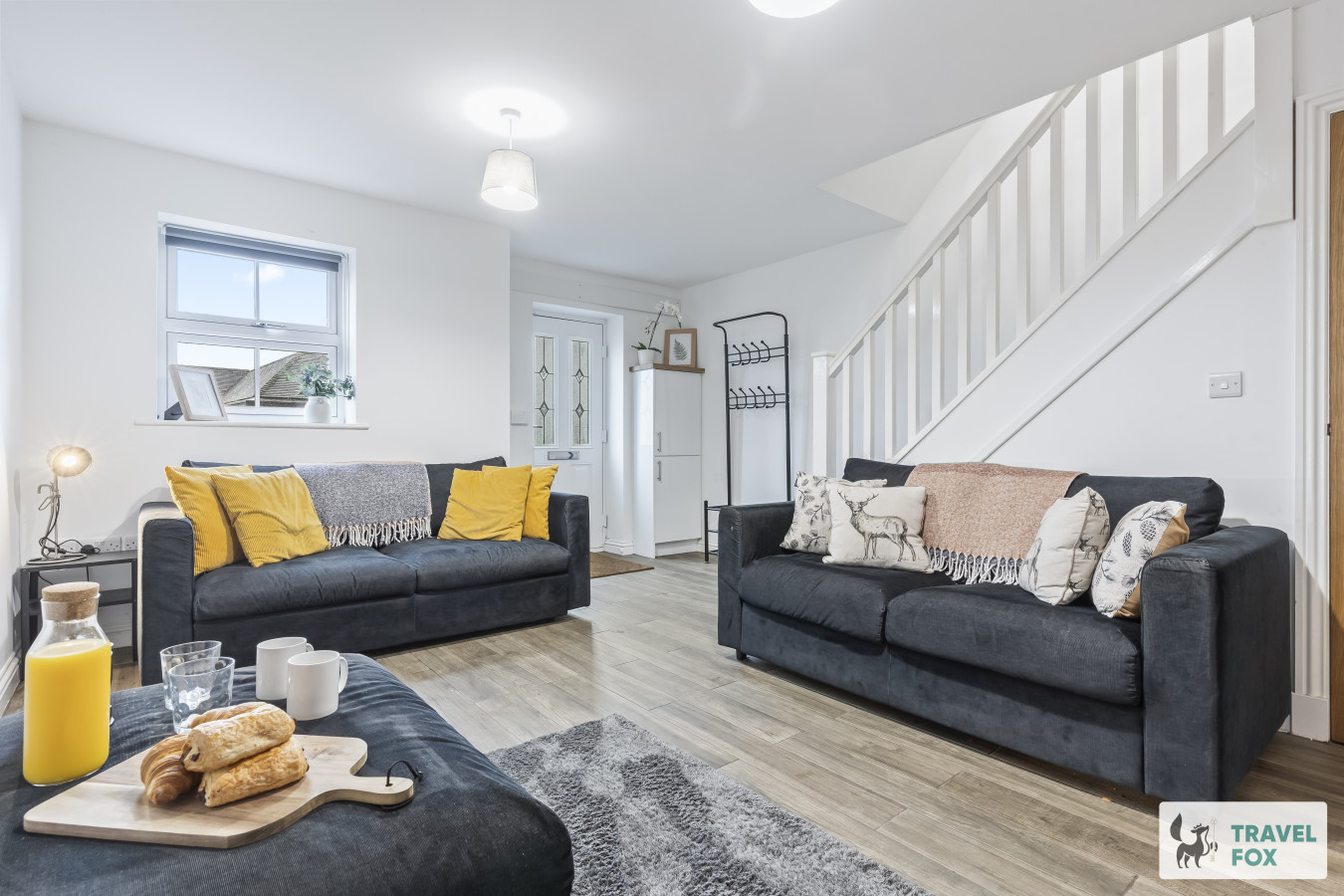
Leek
Lisa's House Leek: 20mins Alton Towers
- Sleeps 6
- 2 bedrooms
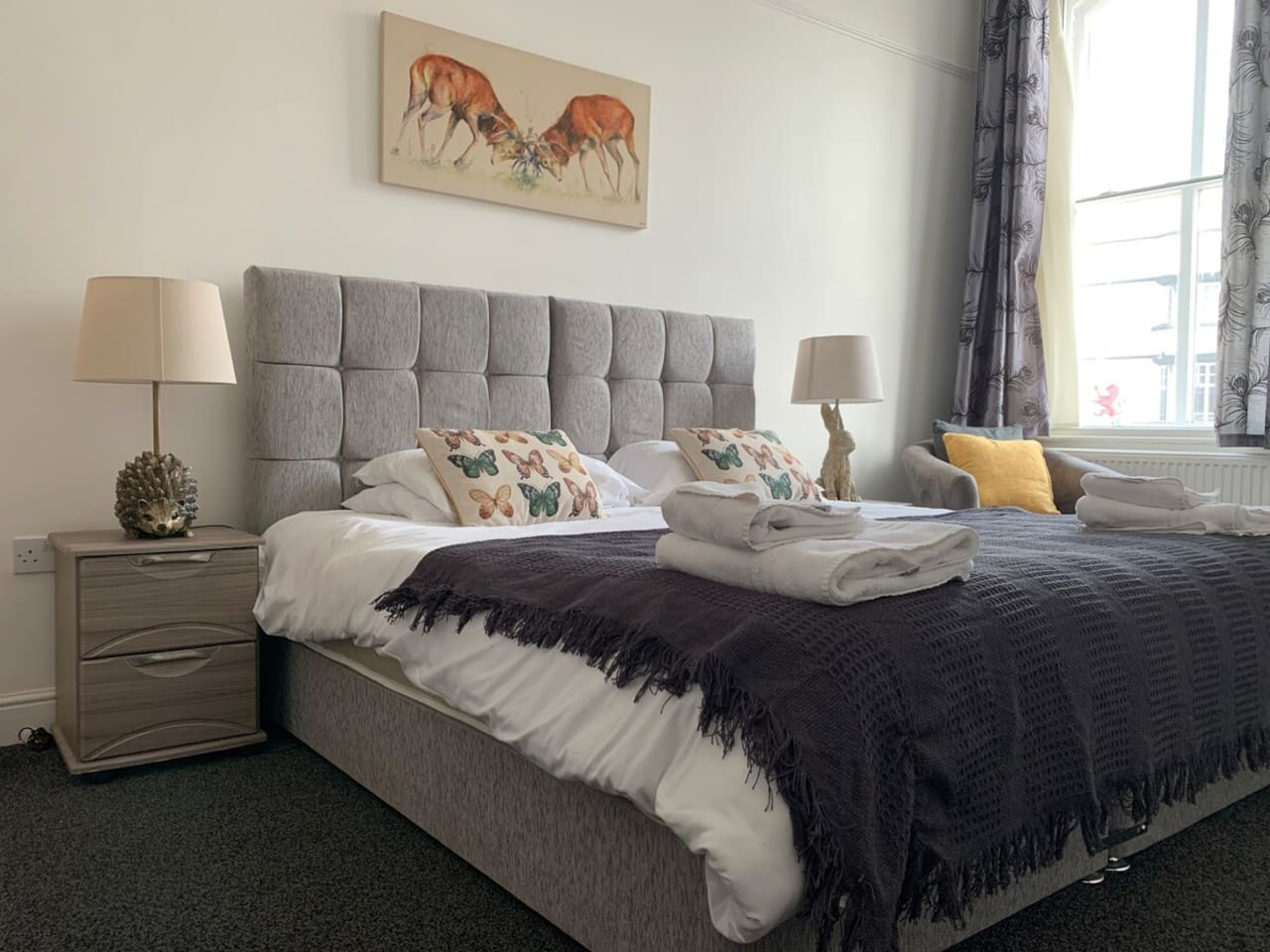
Leek
The Rudyard Suite - Large 1 Bed Apartment
- Sleeps 5
- 1 bedroom
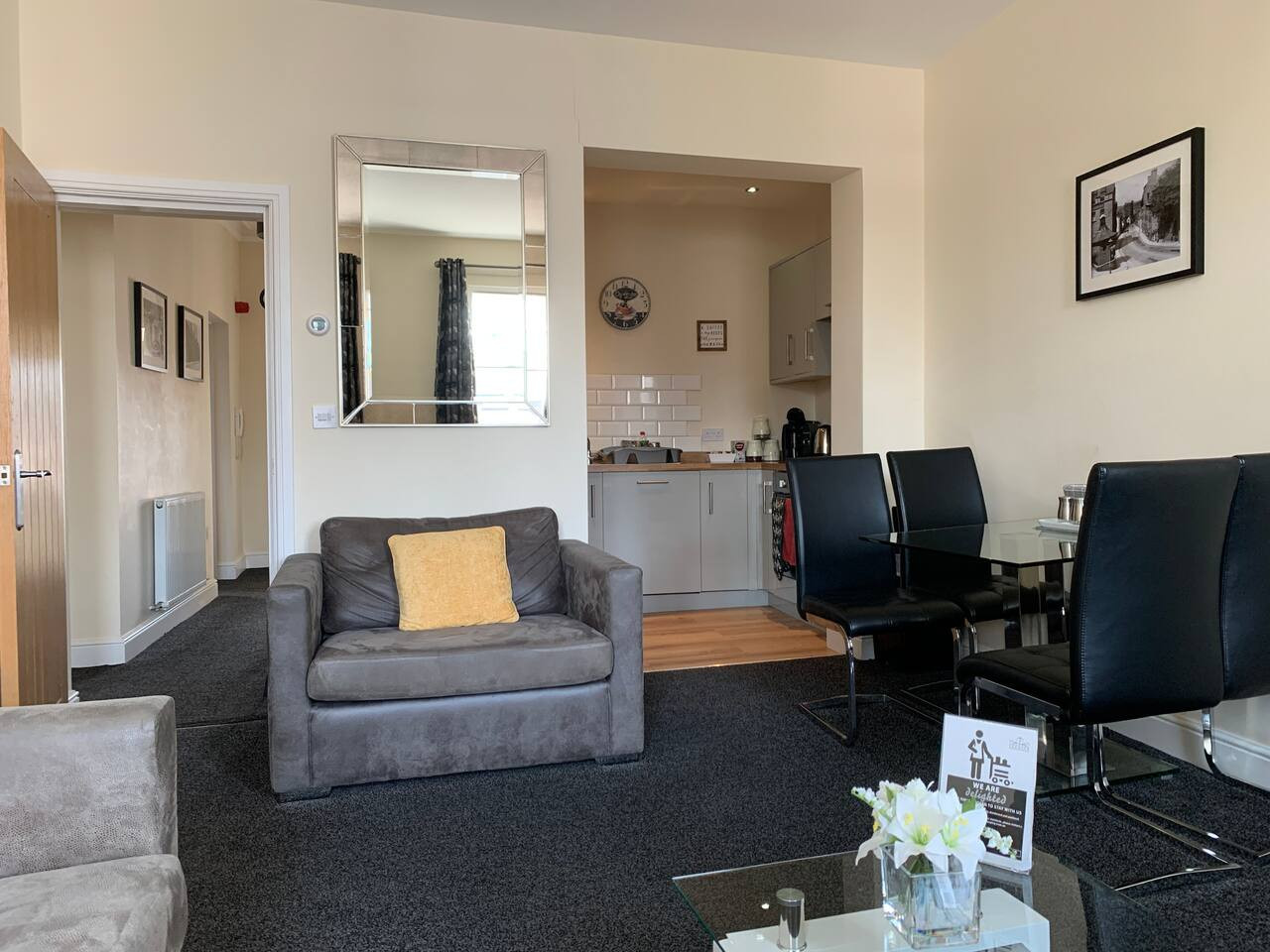
Leek
The Roaches Suite - Large 2 Bedroom Apartment
- Sleeps 7
- 2 bedrooms
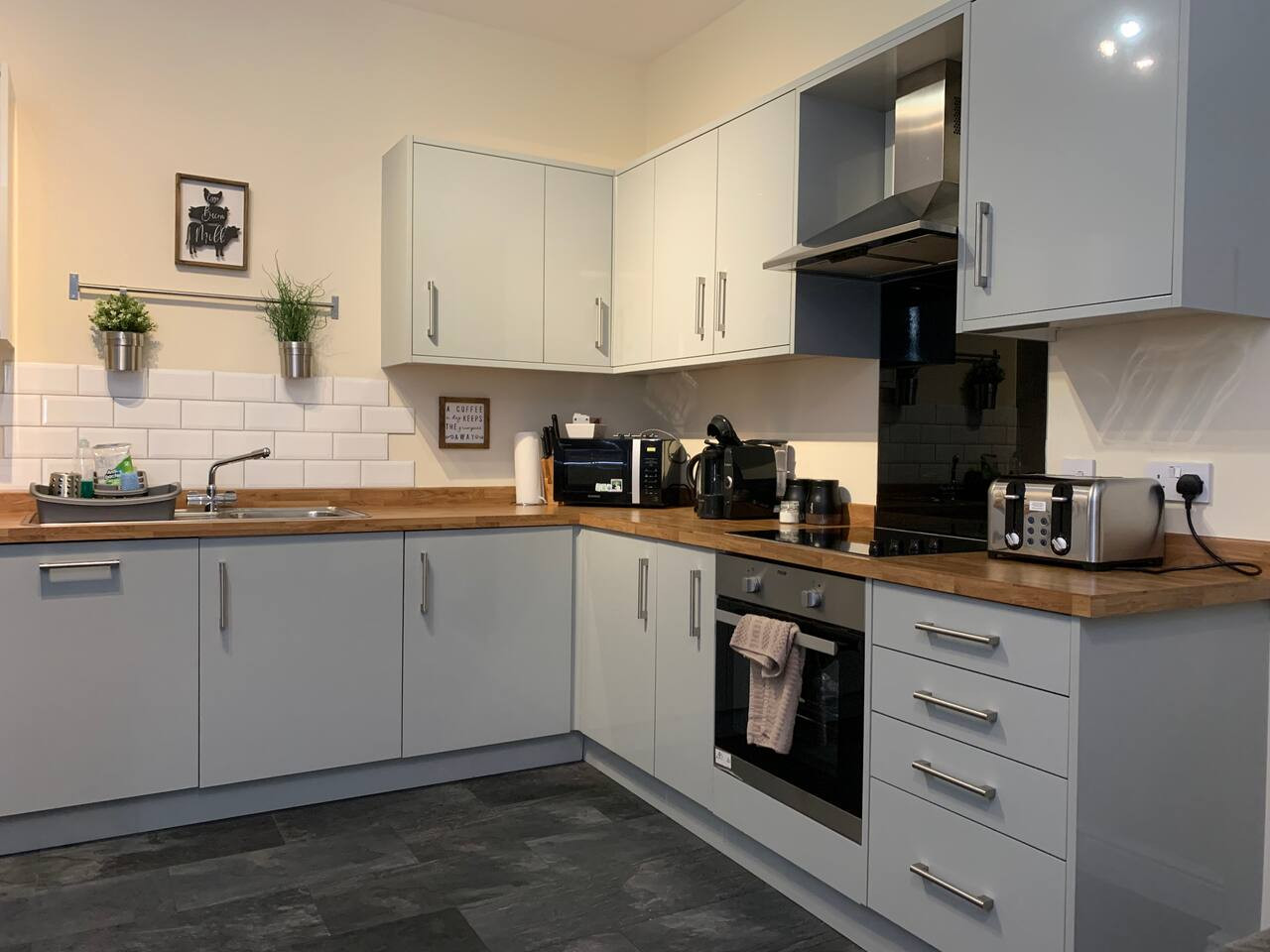
Leek
The Moorlands Suite - 1 Bed Apartment
- Sleeps 4
- 1 bedroom
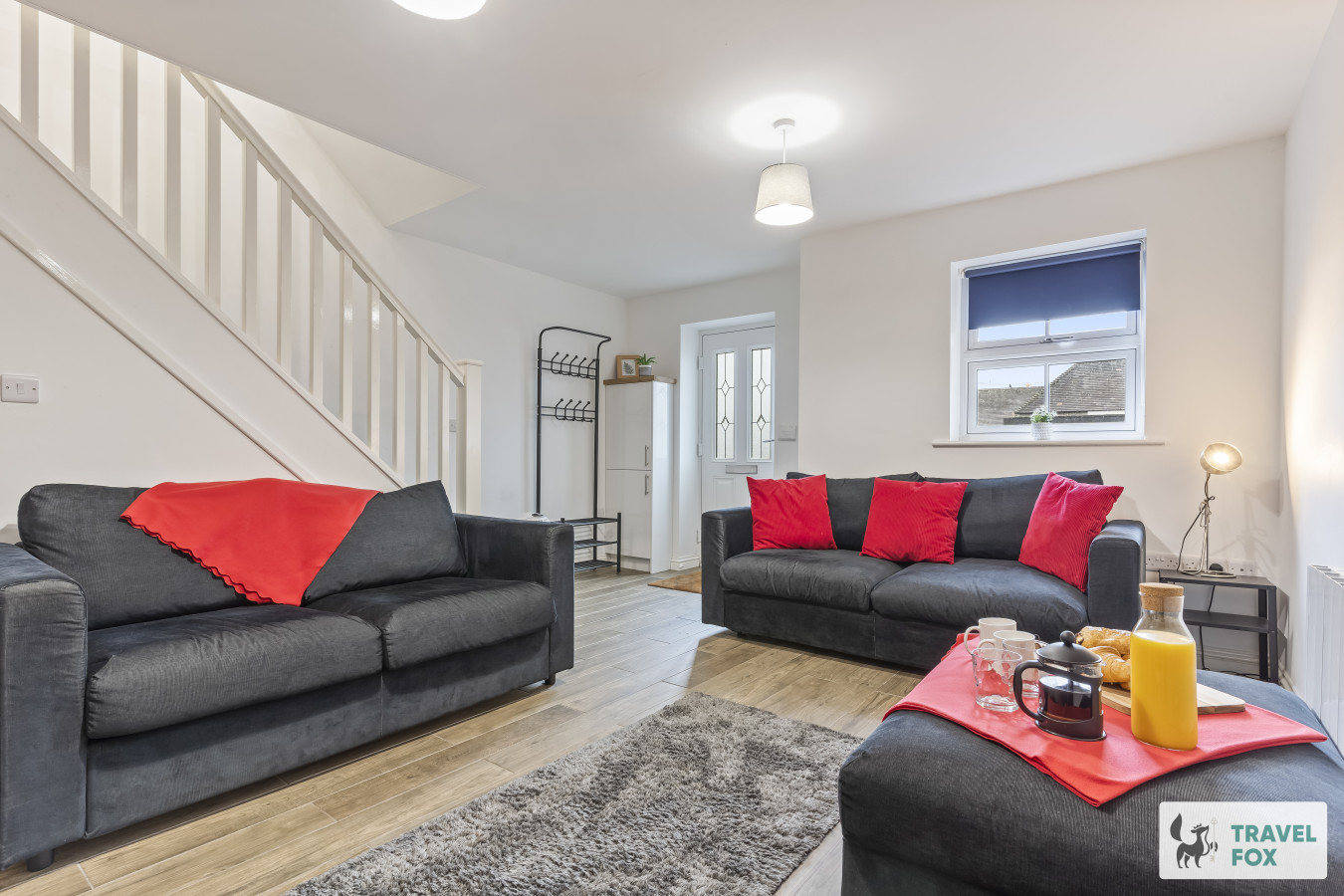
Leek
Amy's House: 20mins Alton Towers
- Sleeps 6
- 2 bedrooms
For homeowners
Own a holiday home near Chapel-en-le-Frith?
We manage holiday lets across the Peak District from 12% commission, charged after cleaning costs, with no lock-in. A co-founder visits before you decide.
Holiday let management in the Peak District →
A guide with a point of view
Written from research. Edited for real journeys.
Use the Official site links for live practical details, then use this guide for context, ideas and room to explore.
Sources
Every place on this page is checked against a published source. Each entry links the record we used and names who publishes it.
- Market Place Stocks and Cross — chapelpc.org other published source
- Church of St Thomas Becket — st-thomas-becket.church operator, sector body or destination organisation
- The New Inn — ratings.food.gov.uk statutory register or public authority
- The Old Cell Ale Bar — chapelpc.org other published source
- Eccles Pike — chapelpc.org other published source
- Combs Reservoir — her.derbyshire.gov.uk statutory register or public authority
- Peak Forest Tramway Trail — her.derbyshire.gov.uk statutory register or public authority