
Edges above the Derwent
Curbar
A hillside village beneath Curbar and Baslow Edges, with gritstone landmarks, field-set history and a riverside inn.
- Best for
- Gentle edge walks and village history
- Give it
- The 2.7 km edge loop and village history
- Don't miss
- The Derwent Valley views from Curbar Gap
The Fox verdict
A small village with a long view
Curbar pairs a short, flat gritstone-edge loop with unusual village history and a riverside inn between Curbar and Calver.
Start at Curbar Gap for views over the Derwent Valley, trace the stories of the Cundy Graves and village lock-up, then see Anthony Salvin’s 19th-century All Saints’ Church or stop at the Bridge Inn’s riverside garden.
Where to go
Places in Curbar
Every place below is checked against a published source, listed with what it is and how long to give it.
Local signatures
3 placesThe Bridge Inn
A traditional 17th-century country inn with a large riverside garden, food including meat pies and Sunday roast, and three pumps rotating local cask ales.
- Visit length
- Editorial estimate: allow around 90 minutes
- Locality
- Between Curbar and Calver
- Access
- Dogs are welcome throughout, including the riverside garden.
Curbar Village Lock-up
A late 18th-century square stone building with a conical roof, used to hold prisoners overnight between assizes and later lived in by a man known as Pelly the Sailor.
- Visit length
- Editorial estimate: allow around 25 minutes
- Locality
- Out in the fields
Cundy Graves
Five flat stones carved with initials mark the graves of Thomas and Ada Cundy and their children, who died when the Great Plague reached Curbar in 1632.
- Visit length
- Editorial estimate: allow around 25 minutes
- Locality
- Out in the fields
Walks & outdoors
1 placeCurbar Gap and Curbar Edge Loop
A short, flat loop of about 2.7 km along the gritstone escarpment, with sweeping views over the Derwent Valley and Highland cattle often grazing nearby.
- Visit length
- Editorial estimate: allow around 90 minutes
- Locality
- Curbar Gap and Curbar Edge
History & heritage
3 placesWellington's Monument
A gritstone cross erected in 1866 by local doctor Dr E.M. Wrench as a tribute to the Duke of Wellington.
- Visit length
- Editorial estimate: allow around 20 minutes
- Locality
- Baslow Edge
The Eagle Stone
A lone weathered gritstone boulder associated with a tradition that young Baslow men climbed it to prove their fitness for marriage.
- Visit length
- Editorial estimate: allow around 20 minutes
- Locality
- Baslow Edge
All Saints' Church, Curbar
Anthony Salvin designed this Gothic church, whose foundation stone was laid in 1867 so Calver and Curbar residents no longer had to walk about two miles to Baslow for services.
- Visit length
- Editorial estimate: allow around 30 minutes
- Locality
- Curbar
No places match this filter. Choose All places to reset the list.
Three ways to explore Curbar
Signature outings
Views from Curbar Gap
Follow the short, flat loop along the gritstone escarpment for sweeping views over the Derwent Valley.
Salvin's village church
See the Gothic church designed by Anthony Salvin after its foundation stone was laid in 1867.
The riverside inn
Stop at the 17th-century Bridge Inn for its large riverside garden and rotating local cask ales.
The village story
Curbar Village Guide
From a riverside inn to the gritstone edges, Curbar’s story reaches across landscape, plague history, church and custom.
The Riverside Inn and the Edges
The Bridge Inn keeps a riverside garden with seating for more than two hundred people, backing onto the Derwent between Curbar and Calver, directly below the gritstone edges. It is a 17th-century inn, reopened in July 2025 under new management with a new chef, and the decor runs to bank notes and antique fire-fighting equipment. Food comes out from noon to eight, noon to five on Sundays: meat pies, calamari, lamb shanks, and a Sunday roast that reviewers single out. Desserts include churros and, less predictably, Yorkshire pudding. Three pumps rotate cask ales from Peak Ales, Thornbridge, Stancil, Bradfield and Abbeydale. Dogs are welcome throughout, garden included. One TripAdvisor review called it a "Fantastic Food... Dog friendly Old English style pub," which is roughly the pitch.
Above the village are the edges. From the Curbar Gap car park a flat loop of about 1.7 miles runs along the escarpment with views down the Derwent Valley, often past grazing Highland cattle. Longer walks link Curbar Edge to Froggatt, White and Baslow Edges. On Baslow Edge you pass Wellington's Monument, a gritstone cross put up in 1866 by a local doctor, Dr E.M. Wrench, in tribute to the Duke of Wellington, and the Eagle Stone, a lone weathered boulder that young Baslow men were once expected to climb to prove themselves fit to marry.
Village Life and Connections
Curbar itself is a hillside village at 958 feet, sheltering under the edges on the west bank of the Derwent — steep lanes and gritstone cottages. It is largely residential now. It once had two village shops, but everyday shopping is in neighbouring Calver or Baslow. The road out is the A623; Grindleford station on the Hope Valley line is about three miles, and the 257 bus runs seven days a week to Baslow, Calver and Eyam. In summer the Peak Sightseer open-top bus passes through along the Derwent.
Plague History in the Fields
Out in the fields stands the village lock-up, a small late 18th-century square building with a conical stone roof, built to hold prisoners overnight between assizes. In the 1920s a man known as Pelly the Sailor lived in it. Nearby are the five flat Cundy Graves, carved with initials: Thomas and Ada Cundy and their children Olive, Nellie and young Thomas, who died when the Great Plague reached Curbar in 1632 — more than thirty years before the outbreak in Eyam, the better-known plague village.
All Saints and the Rutland Estate
All Saints' is the newcomer. Its foundation stone was laid in 1867 so that Calver and Curbar people no longer had to walk two miles to Baslow for a service. Anthony Salvin designed it; the Duke of Rutland gave the land. For centuries the village belonged to the Rutland estate, until it was auctioned off at Bakewell in 1927 and most tenants bought their own homes and land.
The Maybough Tradition
Every May Day the Maybough still goes round: a tree branch decorated with flowers, carried through Curbar and Calver with songs and dancing. The villagers used to do it. Now it's the school.
Stay around Peak District
Make a longer stay of it
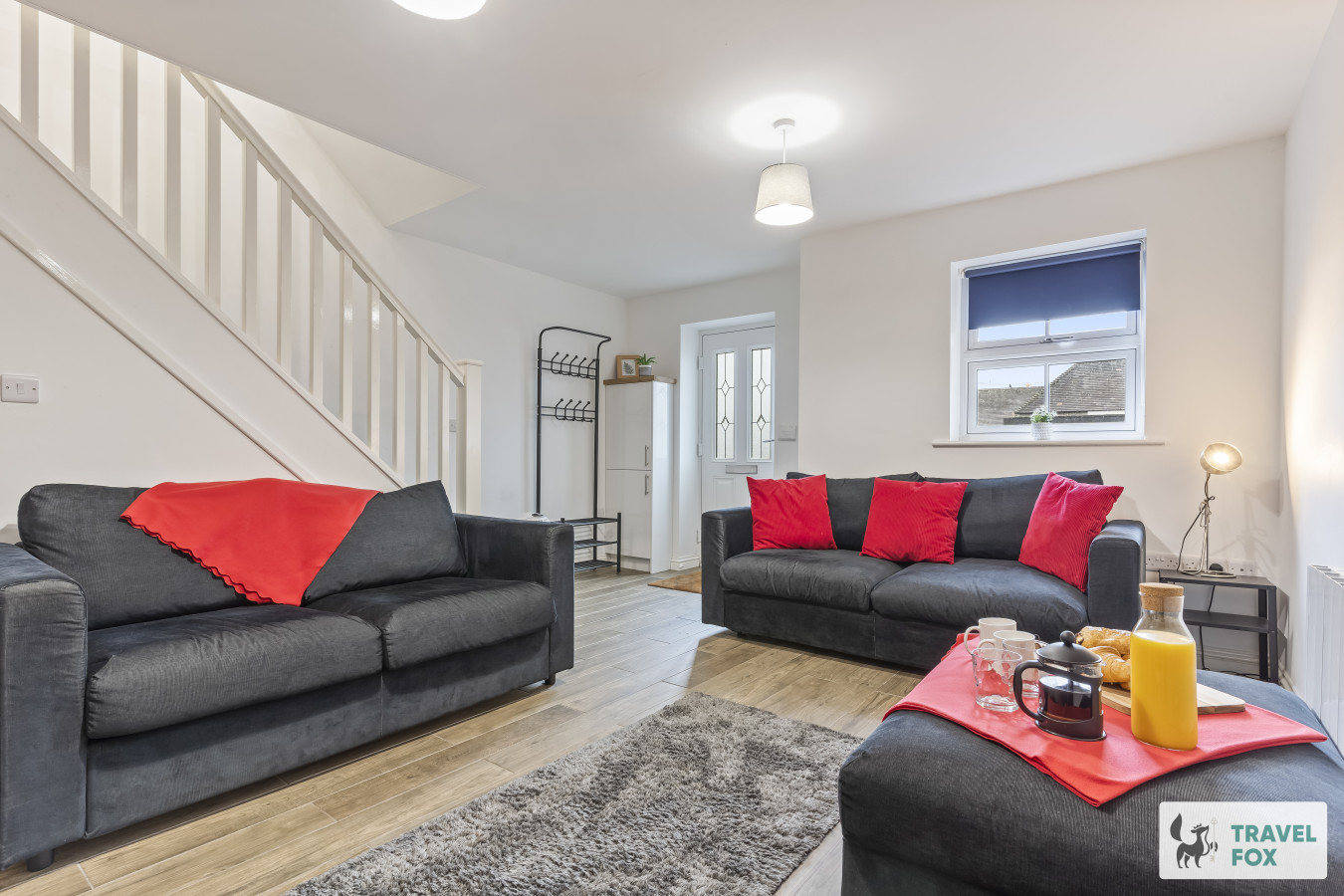
Travel Fox holiday homes around Peak District, linked directly to their property pages.
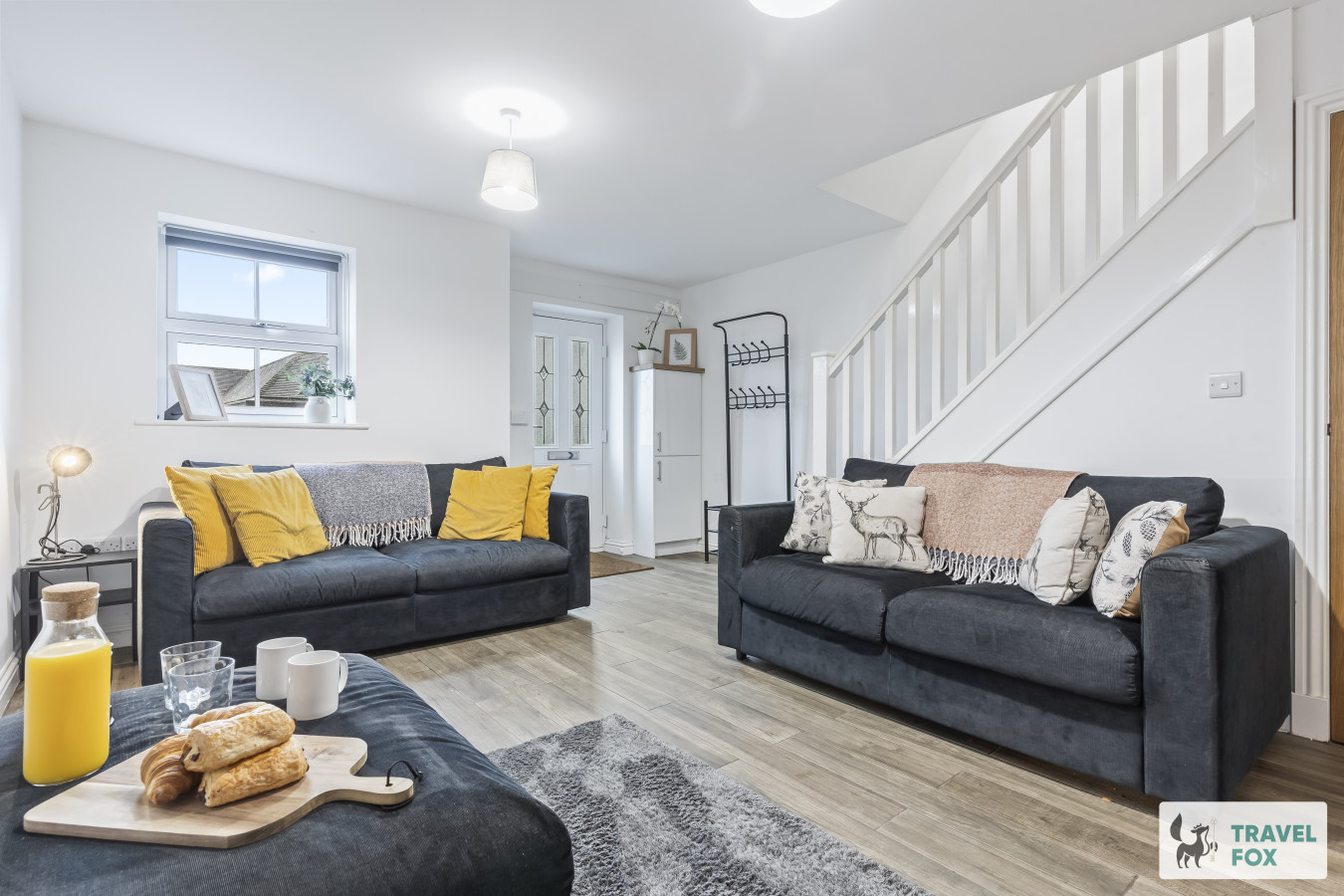
Leek
Lisa's House Leek: 20mins Alton Towers
- Sleeps 6
- 2 bedrooms
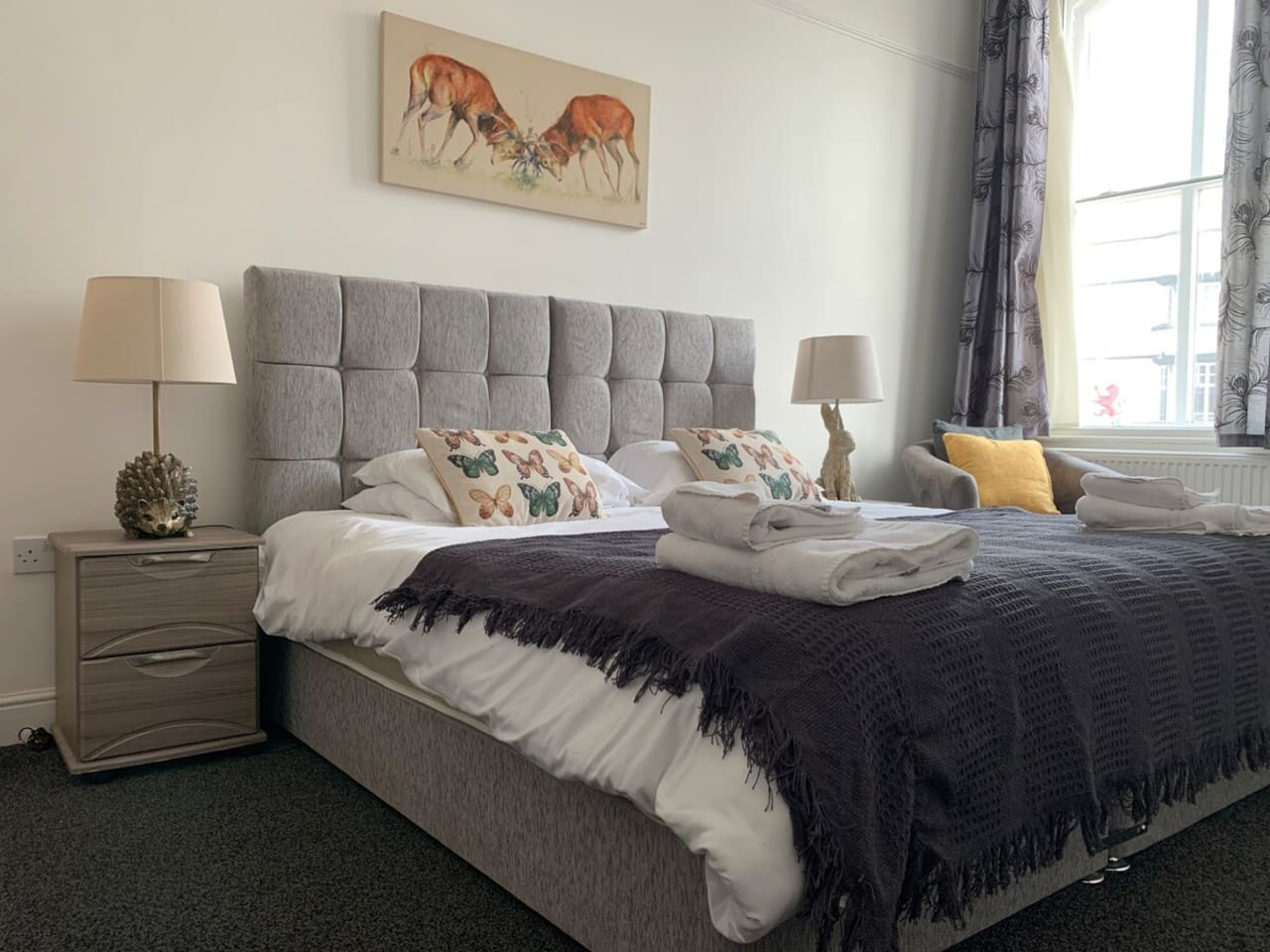
Leek
The Rudyard Suite - Large 1 Bed Apartment
- Sleeps 5
- 1 bedroom
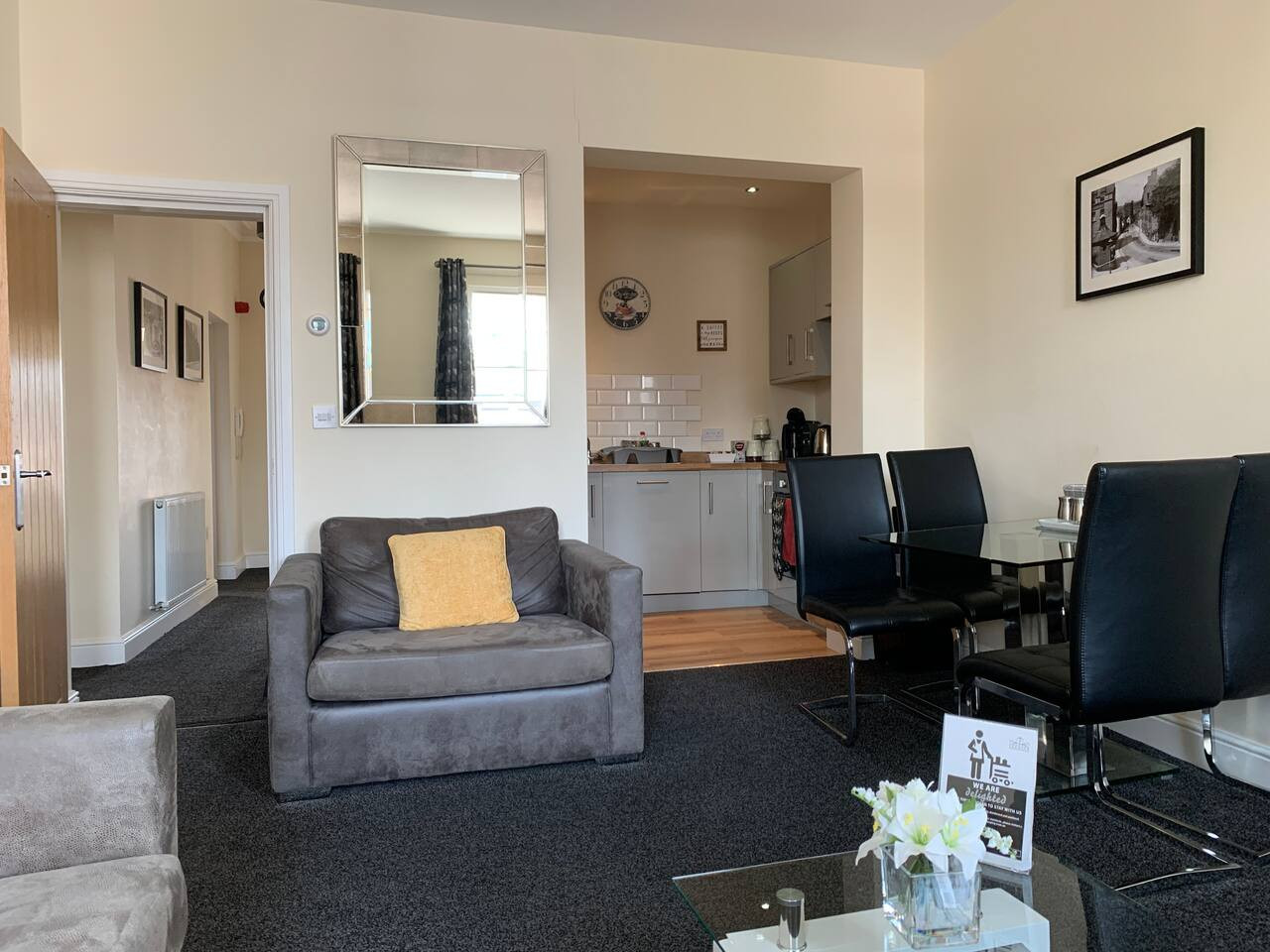
Leek
The Roaches Suite - Large 2 Bedroom Apartment
- Sleeps 7
- 2 bedrooms
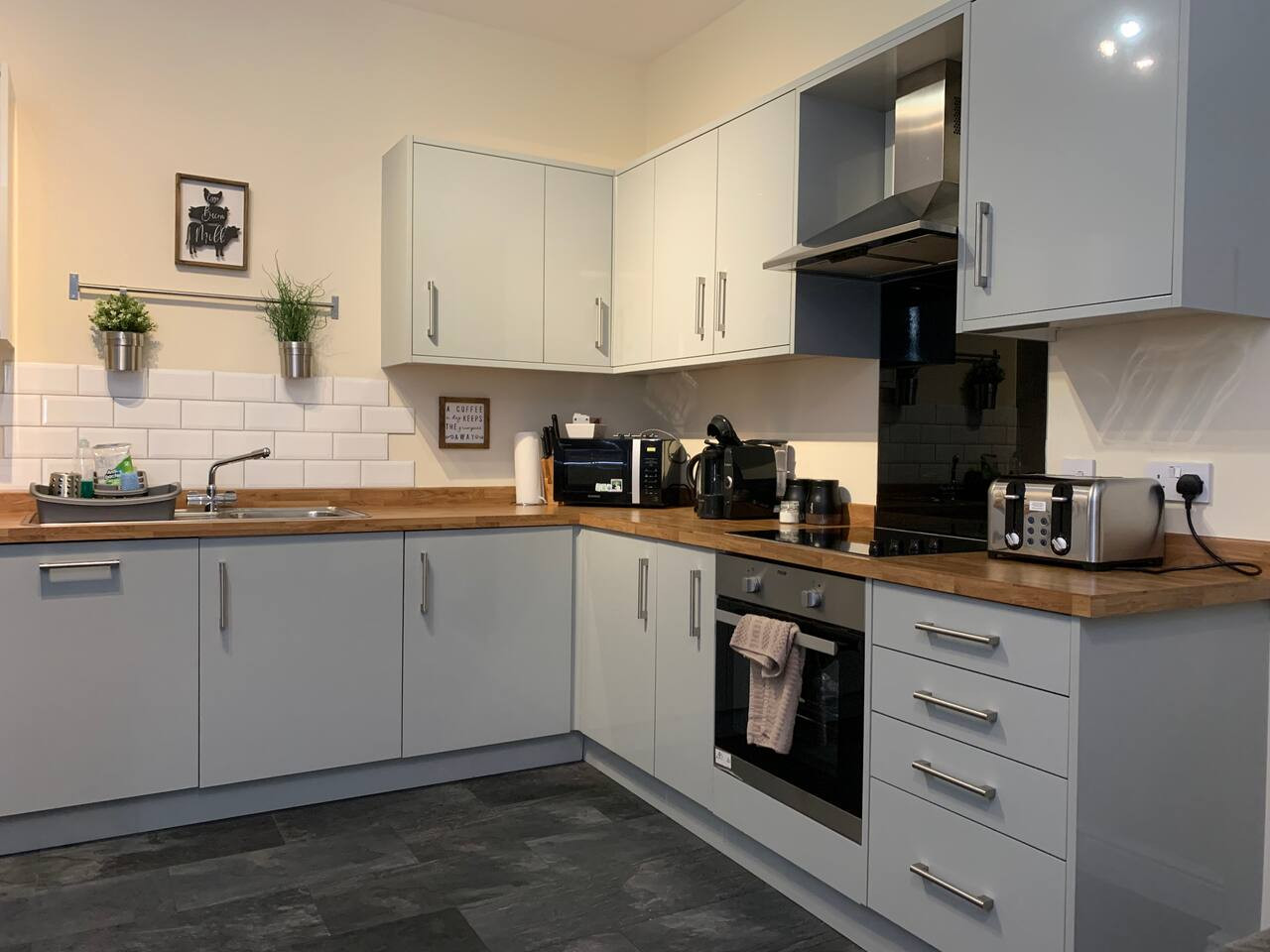
Leek
The Moorlands Suite - 1 Bed Apartment
- Sleeps 4
- 1 bedroom
Leek
Amy's House: 20mins Alton Towers
- Sleeps 6
- 2 bedrooms
For homeowners
Own a holiday home near Curbar?
We manage holiday lets across the Peak District from 12% commission, charged after cleaning costs, with no lock-in. A co-founder visits before you decide.
Holiday let management in the Peak District →
A guide with a point of view
Written from research. Edited for real journeys.
Use the Official site links for live practical details, then use this guide for context, ideas and room to explore.
Sources
Every place on this page is checked against a published source. Each entry links the record we used and names who publishes it.
- The Bridge Inn — democracy.peakdistrict.gov.uk statutory register or public authority
- Curbar Gap and Curbar Edge Loop — peakdistrict.gov.uk statutory register or public authority record not machine-readable; publisher restricts automated access
- Wellington's Monument — visitpeakdistrict.com operator, sector body or destination organisation
- The Eagle Stone — visitpeakdistrict.com operator, sector body or destination organisation
- Curbar Village Lock-up — her.derbyshire.gov.uk statutory register or public authority
- Cundy Graves — her.derbyshire.gov.uk statutory register or public authority
- All Saints' Church, Curbar — achurchnearyou.com national body or asset manager