
Goyt Valley gateway
Disley
A village between canal and moorland, where the Legh legacy links St Mary's, Lyme Park and a former coaching inn.
- Best for
- Moorland walks, heritage and pub stops
- Give it
- Time for Lyme Park and a village stop
- Don't miss
- The Gritstone Trail's Disley start
The Fox verdict
Canal, moorland and a coaching-inn story
Disley sits in the Goyt Valley on the edge of the Peak District, with Lyme Park rising above the village.
The Gritstone Trail begins at Disley, the Peak Forest Canal borders the village and St Mary the Virgin carries the Legh family's story. Lyme Park supplies the house, formal gardens, deer park and moorland, while the Ram's Head recalls the coaching road that the railway displaced.
Where to go
Places in Disley
Every place below is checked against a published source, listed with what it is and how long to give it.
Local signatures
3 placesLyme Park
A National Trust house, formal gardens and deer park on a 1,400-acre estate, with an adventure playground and extensive family walking.
- Visit length
- Editorial estimate: Allow around 2 hours
- Locality
- Lyme Park, southwest of Disley
Gritstone Trail
A waymarked trail from Disley towards Kidsgrove, crossing hilly gritstone country. The East Lodge–Mudhurst Lane link has an unsafe bridge; the alternative route via Red Lane and Green Drive through Lyme Park is available only during park opening hours, and some roads lack pavements or verges.
- Visit length
- Editorial estimate: Allow around 2 hours for a shorter outing
- Locality
- Disley
Peak Forest Canal Towpath
Follow the Peak Forest Canal towpath from Disley towards New Mills. An eastern circuit uses the towpath near New Mills before leaving it after Bridge 28.
- Visit length
- Editorial estimate: Allow around 90 minutes
- Locality
- bordering the village to the north
Food & drink
2 placesThe Ram's Head
The Ram's Head is a village pub with dining and outdoor seating. The present Grade II-listed building dates from around 1840, on the site of an earlier coaching inn on the Manchester–Buxton road.
- Visit length
- Editorial estimate: Allow around 90 minutes
- Locality
- at the top of the village
The White Lion
A family-friendly village pub with four drinking areas, working fireplaces and a front patio. Dogs are welcome.
- Visit length
- Editorial estimate: Allow around 75 minutes
- Locality
- 135 Buxton Road
History & heritage
2 placesSt Mary the Virgin
A Grade II* church of buff sandstone. Its west tower and porch date from 1527–1558, while the rest of the building is principally from 1824–1835.
- Visit length
- Editorial estimate: Allow around 35 minutes
- Locality
- on a hill overlooking the village
Bowstones
Two late-Anglian cross shafts stand in a single stone base on Higher Moor, beside the old ridgeway between Disley and Macclesfield. Both have lost their cross-heads.
- Visit length
- Editorial estimate: Allow around 60 minutes
- Locality
- Higher Moor, south of Disley
Things to do
1 placeArnold Rhodes Recreation Ground
A refurbished play area for children under 12 near the White Lion on Buxton Road.
- Visit length
- Editorial estimate: Allow around 45 minutes
- Locality
- near the White Lion on Buxton Road
No places match this filter. Choose All places to reset the list.
Three ways to explore Disley
Signature outings
Eat at a former coaching stop
Beside the Ram's Head porch, look for a four-step sandstone mounting block.
See St Mary's on the hill
A carved ram's head sits at the centre of the nave ceiling, an emblem of the Legh family.
Find the two Bowstones
The paired late-Anglian stones share a single base, and both cross-heads have been lost.
The village story
Disley: from coaching road to moorland
A Goyt Valley village shaped by the Legh family, the coaching road, the railway and the moorland above.
The Coaching Inn and the Railway
Behind the Ram's Head are two crown green bowling greens. The inn began around 1640, but the present Grade II-listed building dates from about 1840. It was an important coaching stop on the Manchester–Buxton road and now offers dining and outdoor seating. A four-step sandstone mounting block beside the porch recalls the coaching era.
The railway arrived in 1857, ending the coaching trade. Disley station serves the Manchester–Buxton line, and the A6 runs through the village.
The White Lion and Lyme Park
The White Lion stands on Buxton Road, a family-friendly village pub with four drinking areas, working fireplaces and a front patio. Dogs are welcome.
Above Disley, Lyme Park has a historic house, gardens, deer and extensive parkland. A walk from Disley station reaches the estate entrance and continues towards the house. The Gritstone Trail runs from Disley towards Kidsgrove; the East Lodge–Mudhurst Lane link has an unsafe bridge, and the alternative route via Red Lane and Green Drive through Lyme Park is available only during park opening hours. The Bowstones are two late-Anglian cross shafts set in one base.
Canal Walking and St Mary's
North of the village, the Peak Forest Canal follows the Goyt valley towards New Mills. An eastern circuit joins the towpath at Bridge 27 and leaves it shortly after Bridge 28 before returning to New Mills.
St Mary the Virgin stands on Red Lane above the village. The Grade II* church has a west tower and porch dating from 1527–1558; most of the building dates from 1824–1835. A carved ram's head at the centre of the nave ceiling represents the Legh family.
The Leghs and the Mastiff
The Legh family's connection to the estate began with a land grant to Piers and Margaret Legh in 1398. The estate grew from a hunting domain into the house, park and gardens visitors know today, and later passed to the National Trust.
Stay around Peak District
Make a longer stay of it
Travel Fox holiday homes around Peak District, linked directly to their property pages.
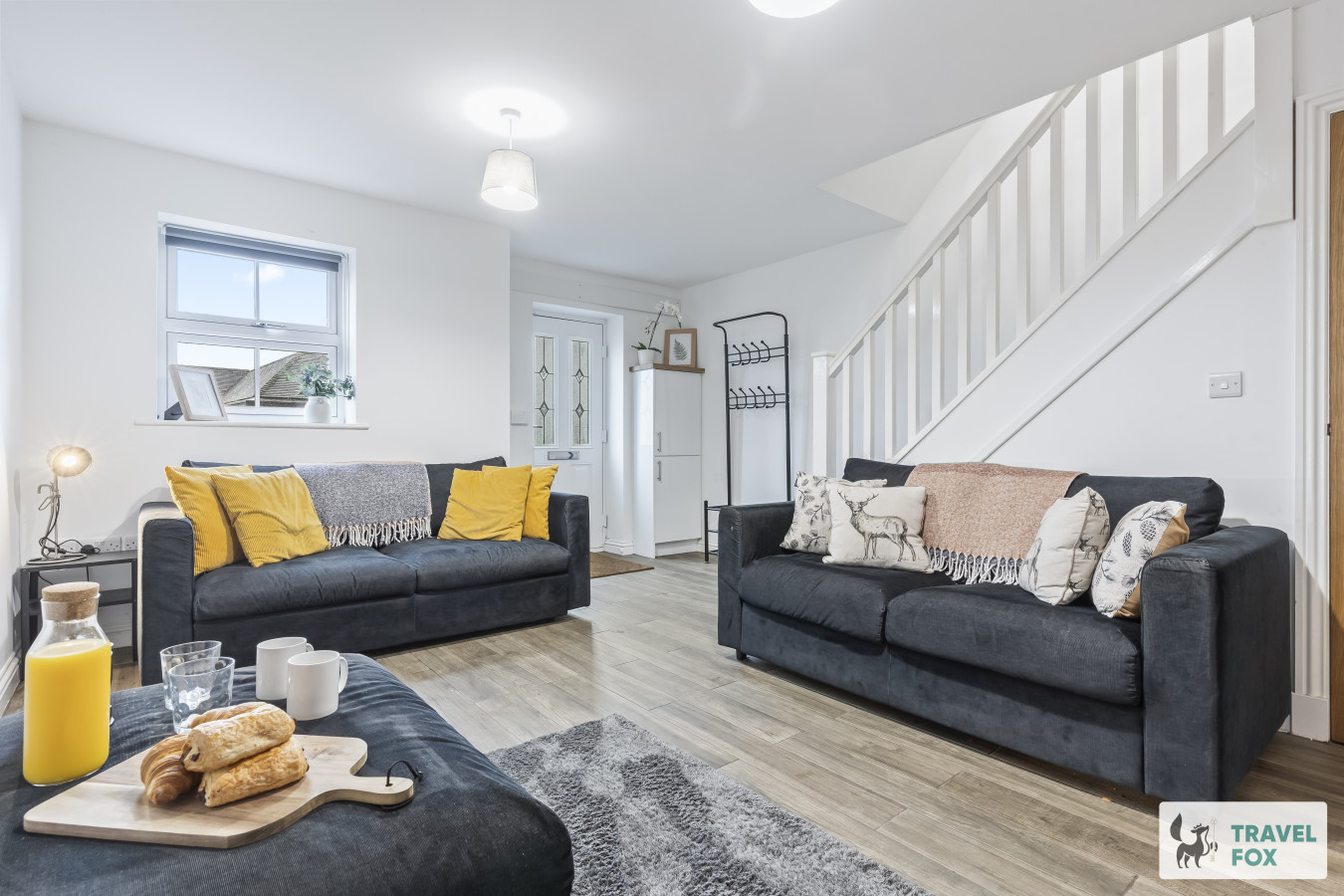
Leek
Lisa's House Leek: 20mins Alton Towers
- Sleeps 6
- 2 bedrooms
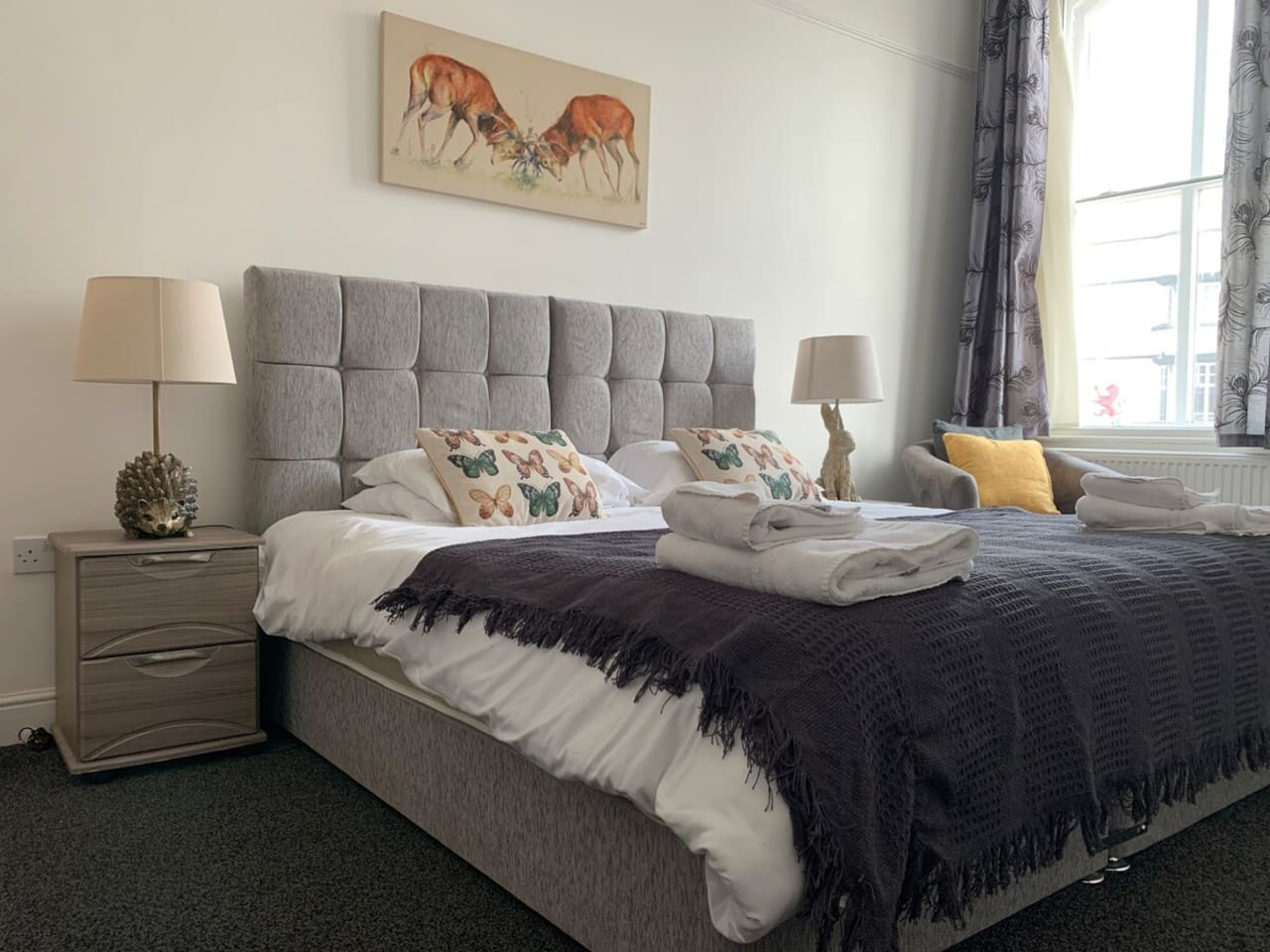
Leek
The Rudyard Suite - Large 1 Bed Apartment
- Sleeps 5
- 1 bedroom
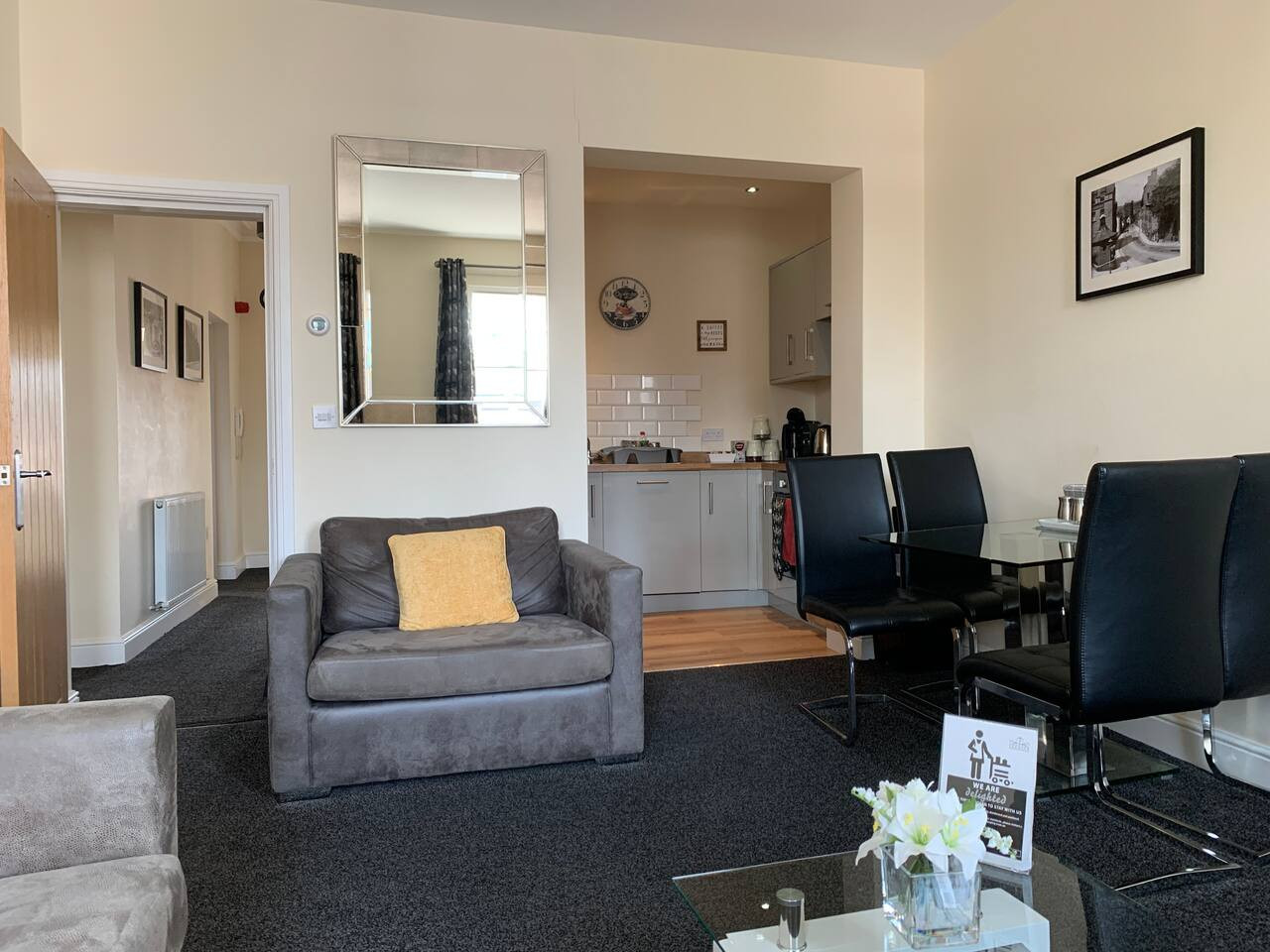
Leek
The Roaches Suite - Large 2 Bedroom Apartment
- Sleeps 7
- 2 bedrooms
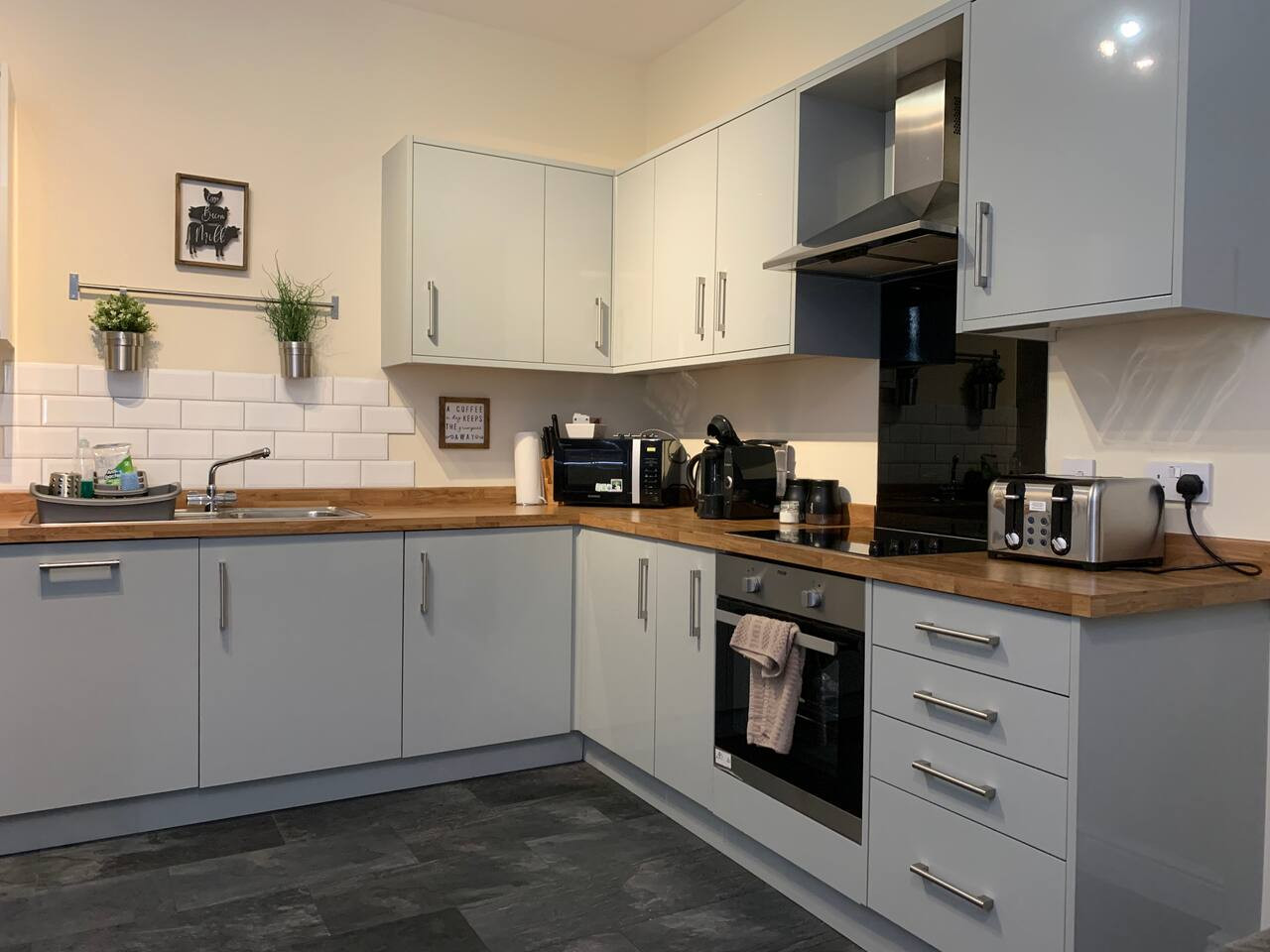
Leek
The Moorlands Suite - 1 Bed Apartment
- Sleeps 4
- 1 bedroom
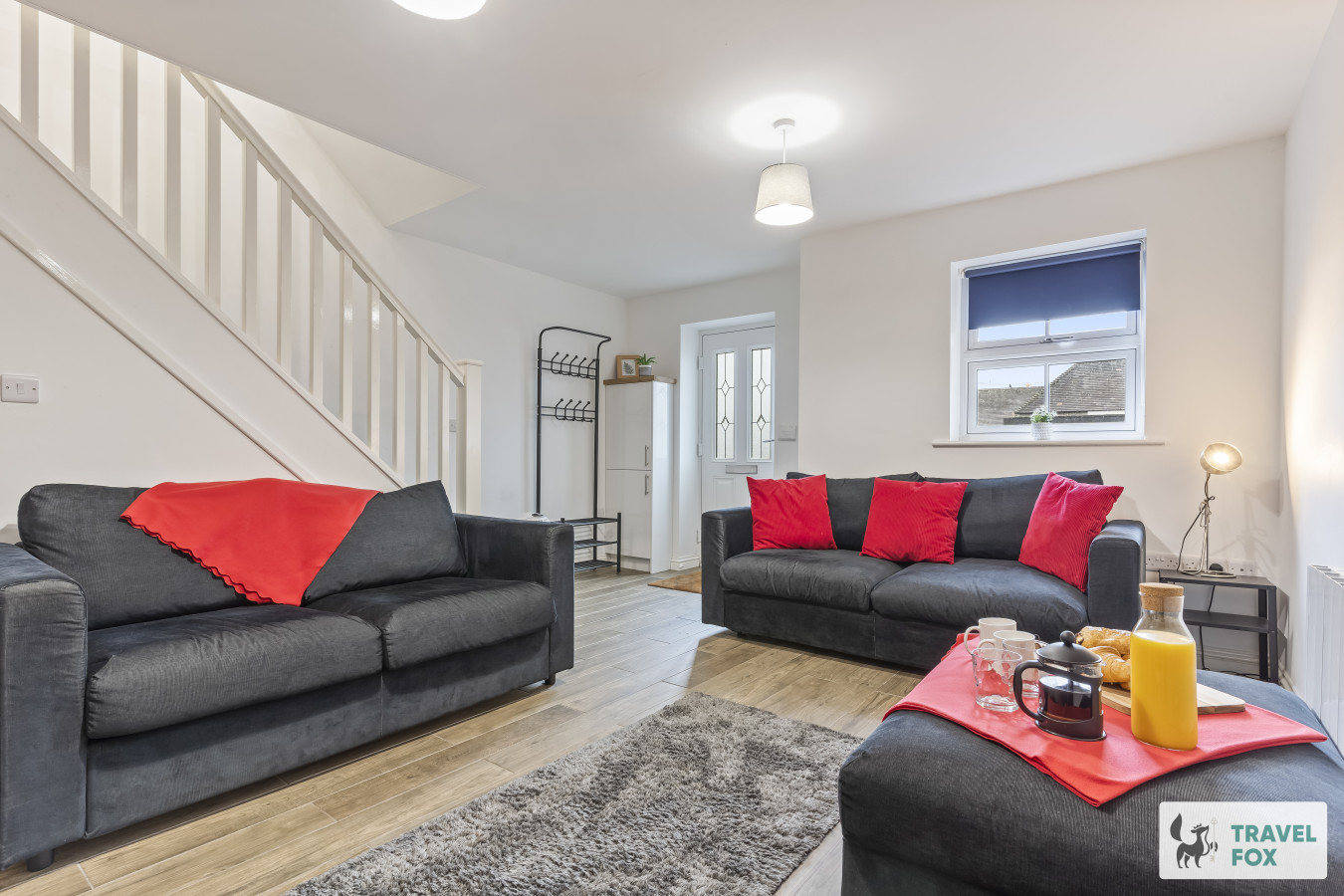
Leek
Amy's House: 20mins Alton Towers
- Sleeps 6
- 2 bedrooms
For homeowners
Own a holiday home near Disley?
We manage holiday lets across the Peak District from 12% commission, charged after cleaning costs, with no lock-in. A co-founder visits before you decide.
Holiday let management in the Peak District →
A guide with a point of view
Written from research. Edited for real journeys.
Use the Official site links for live practical details, then use this guide for context, ideas and room to explore.
Sources
Every place on this page is checked against a published source. Each entry links the record we used and names who publishes it.
- The Ram's Head — theramsheaddisley.co.uk operator, sector body or destination organisation record not machine-readable; publisher restricts automated access
- The White Lion — disleyparishcouncil.org.uk other published source
- St Mary the Virgin — historicengland.org.uk statutory register or public authority record not machine-readable; publisher restricts automated access
- Lyme Park — nationaltrust.org.uk national body or asset manager
- Gritstone Trail — cheshireeast.gov.uk statutory register or public authority
- Peak Forest Canal Towpath — canalrivertrust.org.uk national body or asset manager
- Bowstones — historicengland.org.uk statutory register or public authority record not machine-readable; publisher restricts automated access
- Arnold Rhodes Recreation Ground — cheshireeast.gov.uk statutory register or public authority