
Prehistory on a working plateau
Dove Holes
A limestone-plateau village where a Neolithic henge, working quarries and a 1796 horse-and-gravity tramway route sit side by side.
- Best for
- Industrial history and prehistoric earthworks
- Give it
- A village stop or a longer trail walk
- Don't miss
- The Bull Ring behind the cricket pitch
The Fox verdict
Ancient earthworks in a hard-working landscape
Dove Holes pairs an exposed limestone setting with a Neolithic henge, quarry history and a surviving tramway trail.
Come for the unusual meeting of prehistory and industry: the Bull Ring stands behind the cricket pitch, while the Peak Forest Tramway Trail follows the route that carried limestone towards Bugsworth Basin. Combs Reservoir offers a separate landscape outing.
Where to go
Places in Dove Holes
Every place below is checked against a published source, listed with what it is and how long to give it.
Local signatures
3 placesThe Bull Ring
A scheduled late-Neolithic Class II henge, one of only two in the Peak District, surviving as a circular earthwork with north and south entrances and two nearby barrows.
- Visit length
- Editorial estimate: Allow around 45 minutes
- Locality
- behind the cricket pitch
Dove Holes station
The village railway station on the Buxton line is a practical arrival point and a documented starting point for longer hill routes.
- Visit length
- Editorial estimate: Allow around 15 minutes
- Locality
- Station Road, Dove Holes
Bugsworth Canal Basin
The preserved Peak Forest Canal basin received limestone carried down the Peak Forest Tramway; today it is a place for a separate heritage walk.
- Visit length
- Editorial estimate: Allow around 60 minutes
- Locality
- Buxworth
Walks & outdoors
1 placeCombs Reservoir
A nearby reservoir in quiet fell scenery.
- Visit length
- Editorial estimate: Allow around 60 minutes
- Locality
- Combs
History & heritage
1 placePeak Forest Tramway Trail
The western footpath and bridleway stretch follows the 1796 horse-and-gravity tramway and retains stone sleepers, the self-acting inclined plane and Stodhart Tunnel.
- Visit length
- Editorial estimate: Allow around 2 hours
- Locality
- Chapel-en-le-Frith to Bugsworth Basin
No places match this filter. Choose All places to reset the list.
Three ways to explore Dove Holes
Signature outings
Circle the Bull Ring
Read the bank, ditch and opposing entrances of a late-Neolithic henge set beside the modern quarry landscape.
See Combs Reservoir
At Combs, the reservoir brings quiet fell scenery into a separate outing from Dove Holes.
Explore the Peak Forest Tramway Trail
Plan a longer walk on the western trail section beyond Chapel-en-le-Frith, where the old tramway route leads towards Bugsworth Basin.
The village story
Dove Holes: henge, quarry and tramway
The guide follows the limestone and prehistoric landscape through Ice Age finds, tramway walking, rail links and mountain rescue.
Plateau, quarry and henge
The village sits high and exposed on a limestone plateau, straddling the A6 on the watershed between Buxton and Chapel-en-le-Frith. Working quarries dominate the view — the CEMEX Dove Holes Quarry is the company's largest in the UK, 213 hectares of Carboniferous limestone that is over 98.5 per cent calcium carbonate. The name comes from the Celtic word for water, the same root as Dover: the water holes. In a 2001 BBC Radio 5 Live listener poll it was voted the ugliest village in Britain.
Behind the cricket pitch is a Neolithic henge. The Bull Ring is one of only two in the Peak District — the other is Arbor Low — a circular earthwork about 53 metres across with entrances north and south. Its standing stones were carted off long ago, probably for road and wall stone. It now sits next to a live quarry, four thousand years of prehistory alongside the rail freight.
Ice Age finds and tramway walking
There is more buried here than the henge. In 1901 a boy known only as Master Hick, helping his father at Victory Quarry, turned up fossil bones and teeth that proved to be Early Pleistocene — sabre-toothed cat, mastodon, mammoth, hyena, rhino. Victory Quarry is a fishing lake.
For a longer outing, the western Peak Forest Tramway Trail beyond Chapel-en-le-Frith follows the route of the horse-and-gravity tramway that opened in 1796 to carry limestone down to the canal at Bugsworth. The western stretch keeps its original stone sleepers and passes a self-acting inclined plane and the Stodhart Tunnel. From the station you can strike out over the hills to Buxton, Chapel-en-le-Frith or Castleton, though the Buxton route runs to 23.5 kilometres and 834 metres of ascent, which is a demanding day route.
Rail links and mountain rescue
Dove Holes station is on the Buxton line — roughly hourly, six minutes to Buxton, about fifty-five to Manchester Piccadilly. It also appears, briefly, in Lewis Capaldi's video for "Someone You Loved." The bus is the 199.
Buxton Mountain Rescue has been based in the village since the 1970s. Their present base was opened in 1990 by Diana, Princess of Wales.
Stay around Peak District
Make a longer stay of it
Travel Fox holiday homes around Peak District, linked directly to their property pages.

Leek
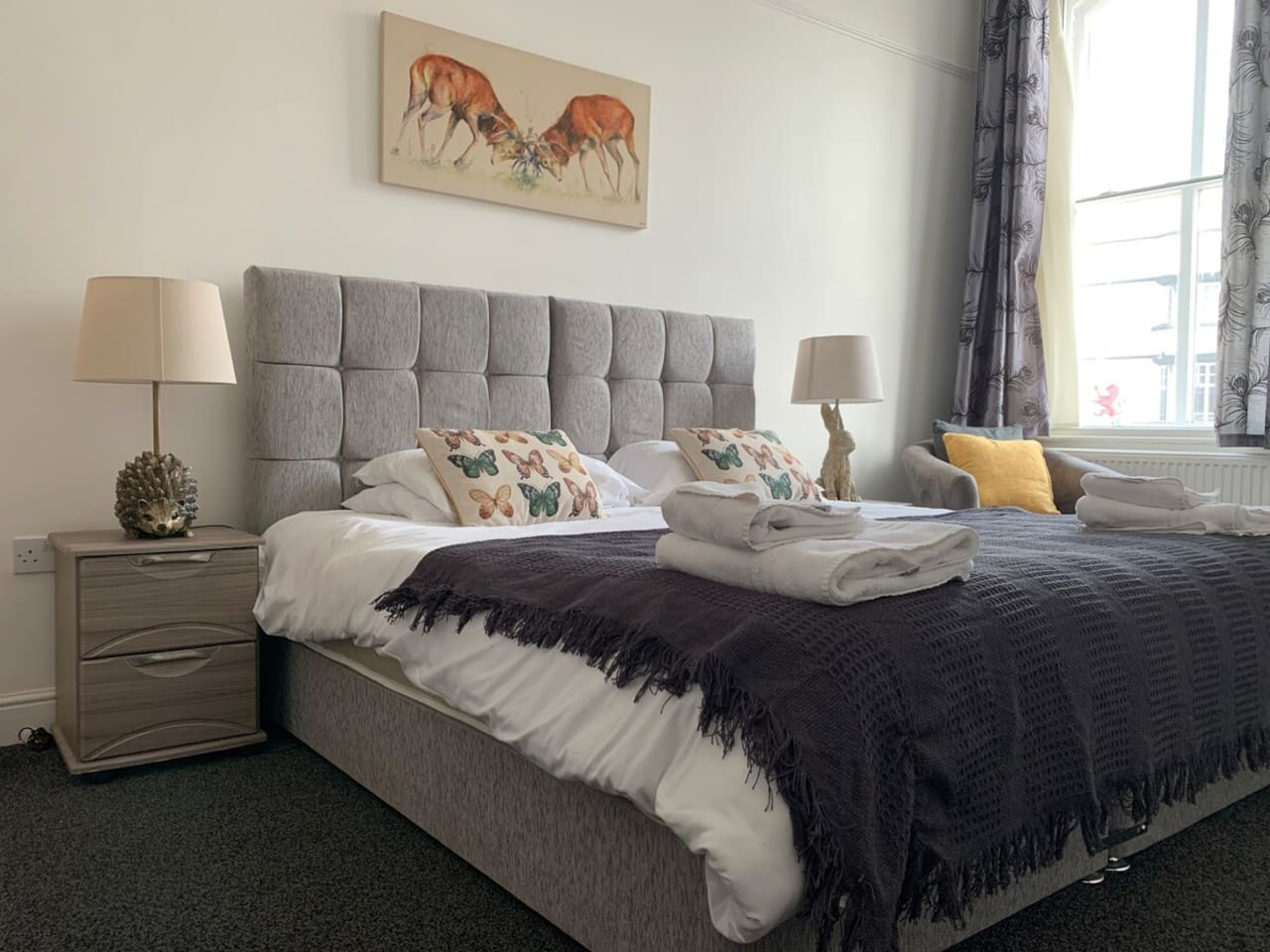
Lisa's House Leek: 20mins Alton Towers
- Sleeps 6
- 2 bedrooms
Leek
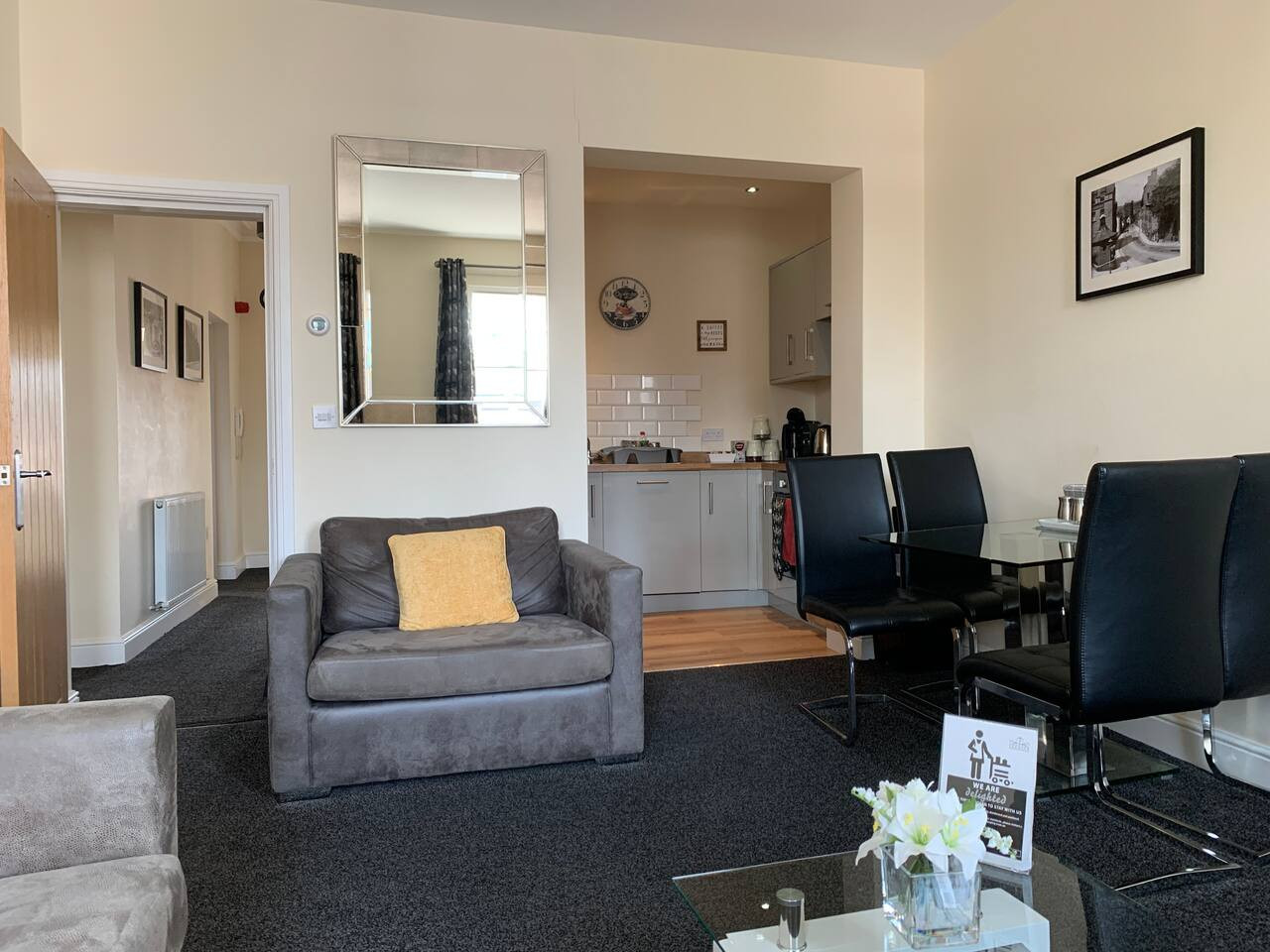
The Rudyard Suite - Large 1 Bed Apartment
- Sleeps 5
- 1 bedroom
Leek
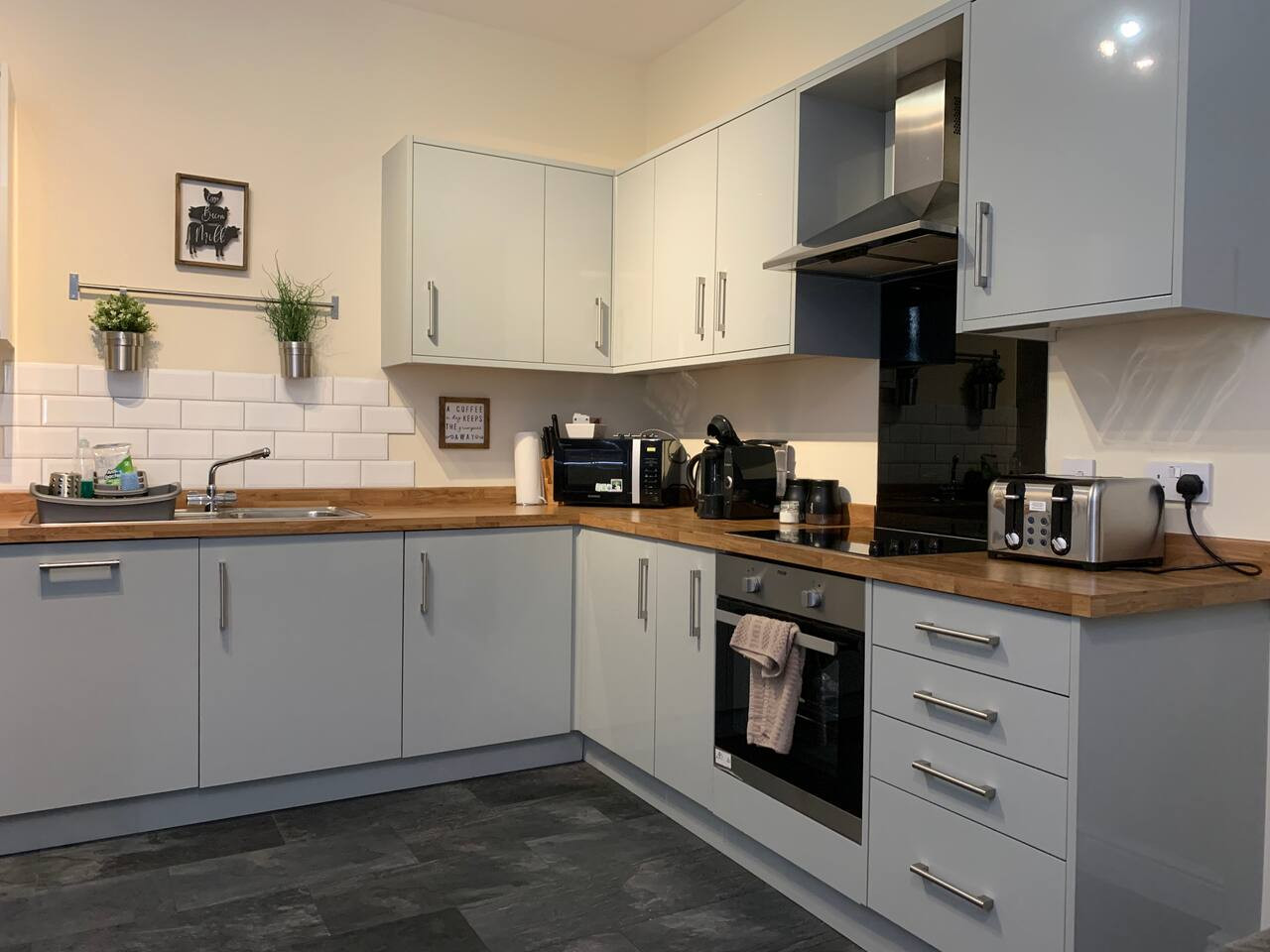
The Roaches Suite - Large 2 Bedroom Apartment
- Sleeps 7
- 2 bedrooms
Leek
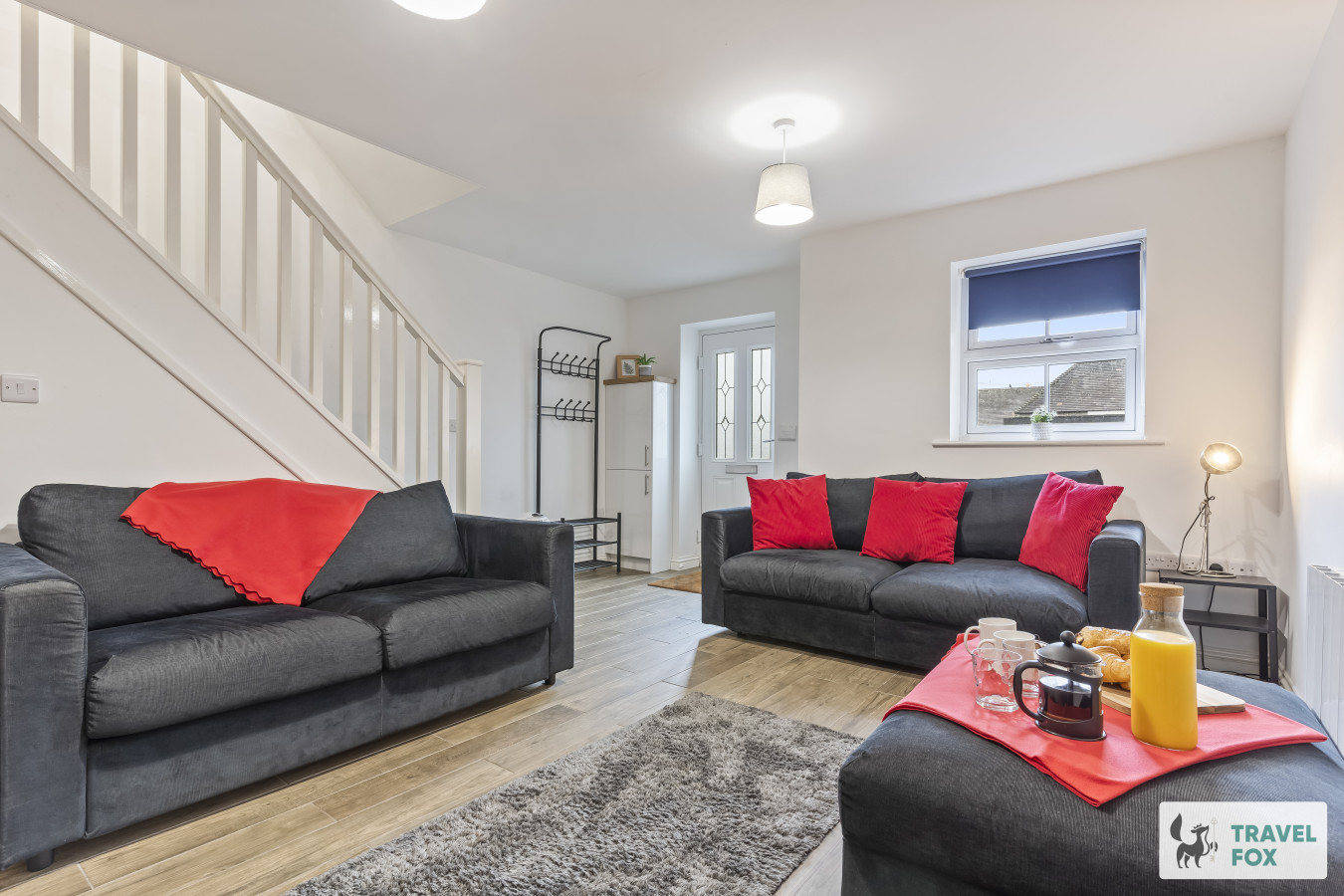
The Moorlands Suite - 1 Bed Apartment
- Sleeps 4
- 1 bedroom
Leek
Amy's House: 20mins Alton Towers
- Sleeps 6
- 2 bedrooms
For homeowners
Own a holiday home near Dove Holes?
We manage holiday lets across the Peak District from 12% commission, charged after cleaning costs, with no lock-in. A co-founder visits before you decide.
Holiday let management in the Peak District →
A guide with a point of view
Written from research. Edited for real journeys.
Use the Official site links for live practical details, then use this guide for context, ideas and room to explore.
Sources
Every place on this page is checked against a published source. Each entry links the record we used and names who publishes it.
- The Bull Ring — historicengland.org.uk statutory register or public authority
- Peak Forest Tramway Trail — her.derbyshire.gov.uk statutory register or public authority
- Combs Reservoir — canalrivertrust.org.uk national body or asset manager
- Dove Holes station — nationalrail.co.uk operator, sector body or destination organisation
- Bugsworth Canal Basin — canalrivertrust.org.uk national body or asset manager